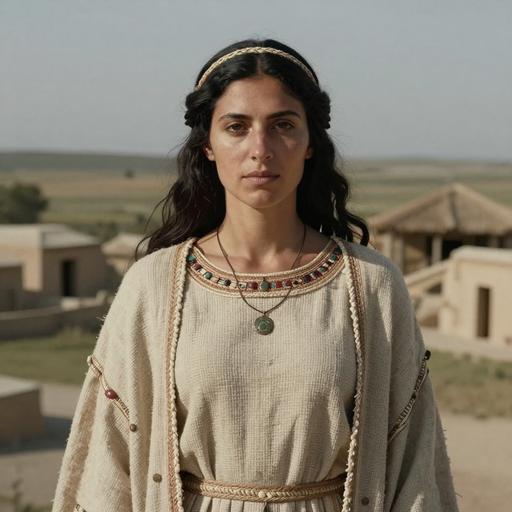
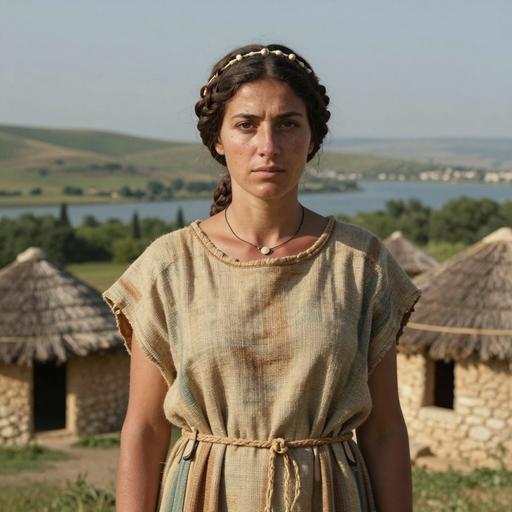
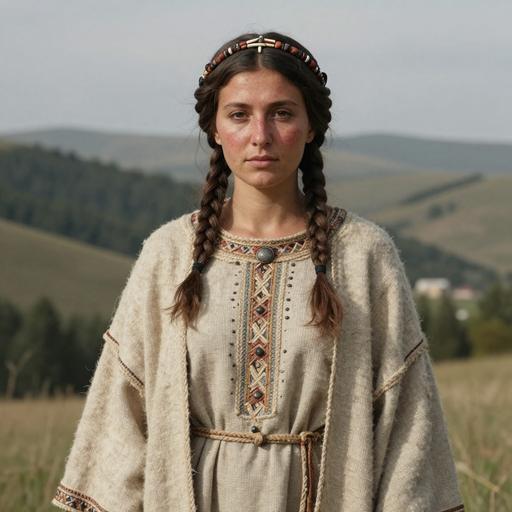
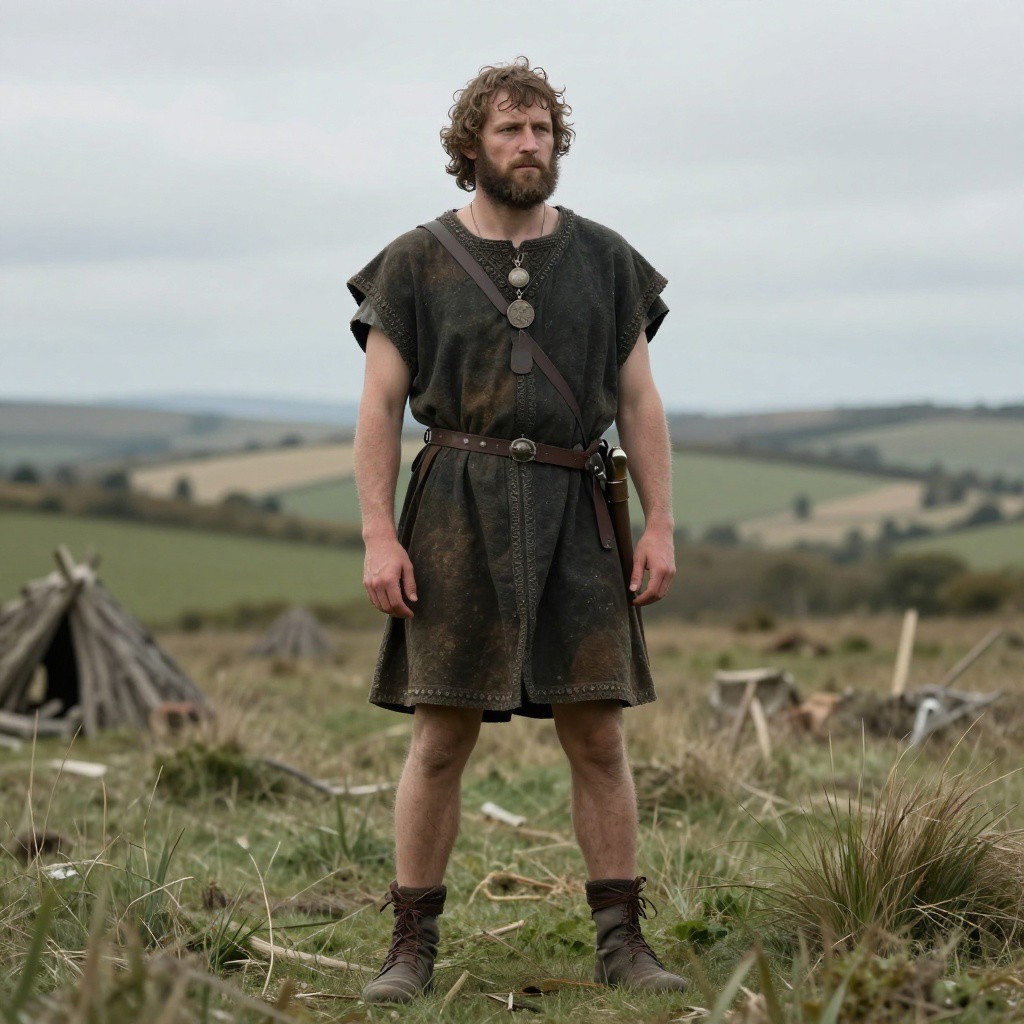
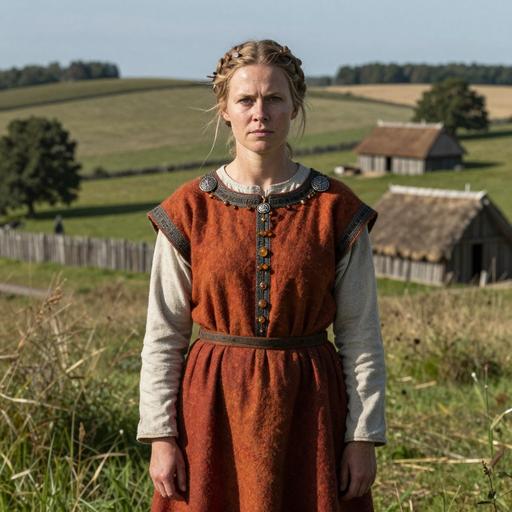
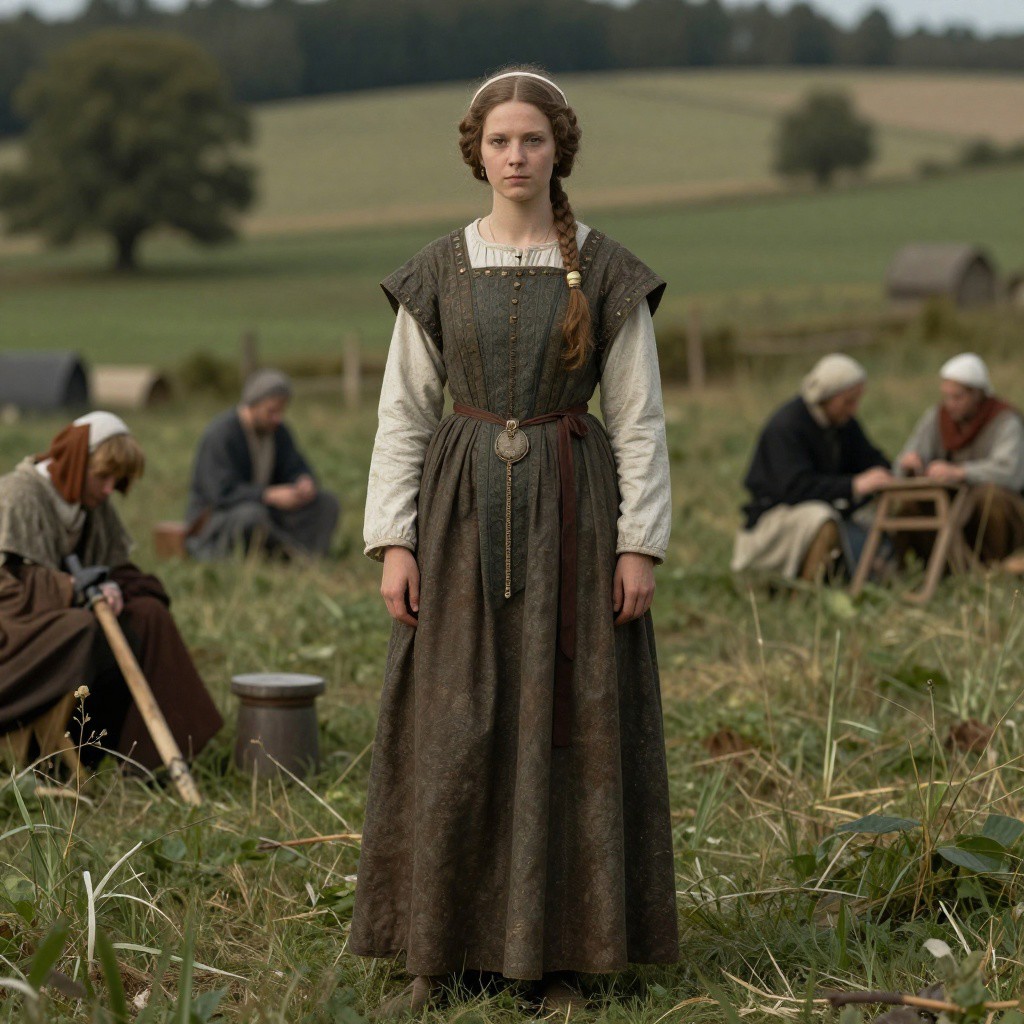
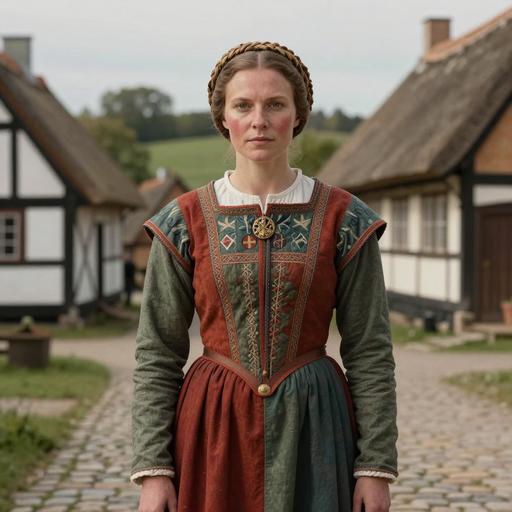
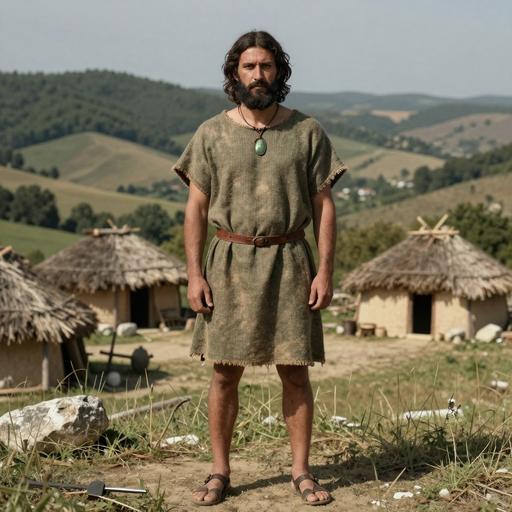
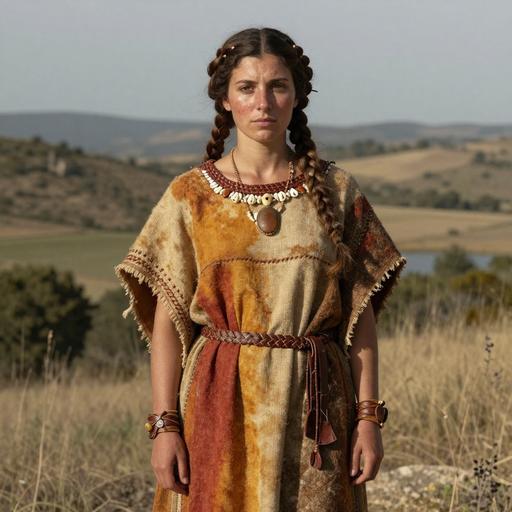
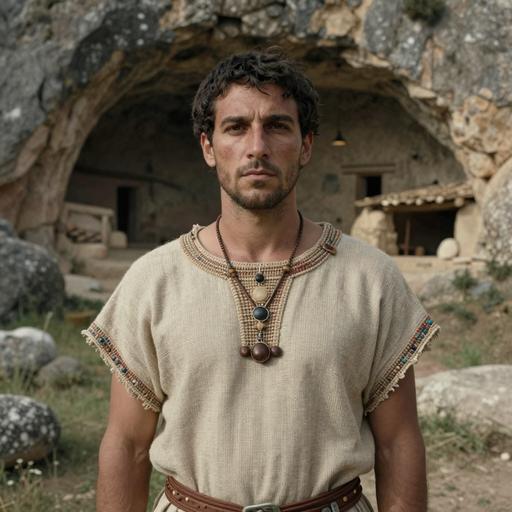
Um perfil de referência de um ramo de linhagem. Compartilhar haplogrupos não demonstra uma relação familiar ou uma identidade cultural.
Perfil de Referência
Contexto do ramo
Contexto histórico de la rama de linaje mtDNA J2A1
Origins and Evolution
mtDNA haplogroup J2A1 is a downstream branch of haplogroup J2A, itself a lineage derived from haplogroup J. Based on the phylogenetic position of J2A relative to other J subclades and the known time depth of J2A (~22 kya), J2A1 most likely diversified in the Near East or adjacent Anatolian/Caucasus areas during the early post‑glacial or the early Neolithic period (on the order of ~9 thousand years ago). The timing and geography are consistent with a pattern in which maternal lineages in the Near East expanded with early farming communities and then dispersed around the Mediterranean and into parts of Europe, North Africa and the Caucasus.
Subclades (if applicable)
J2A1 can be further subdivided into smaller subclades identified by additional coding‑region or control‑region mutations (for example, J2A1a, J2A1b in some phylogenies). These subbranches are often geographically structured at low frequencies, with some lineages showing localized enrichment (e.g., particular subclades more common in the Caucasus or specific parts of the Mediterranean). Because full mitogenome sequencing is required to resolve these subclades confidently, published control‑region studies may underrepresent their true diversity.
Geographical Distribution
Today J2A1 is generally observed at low to moderate frequencies across a swath of regions connected to Near Eastern Neolithic expansions: southern Europe (especially Mediterranean littoral regions), Anatolia and the Levant, the Caucasus, parts of North Africa (particularly where historical gene flow with the Near East occurred), and isolated occurrences in Central Asia. It is also found at low frequencies in some Jewish communities (Ashkenazi and some Sephardi samples), reflecting historical Near Eastern origins and subsequent dispersals. Ancient DNA finds (a small number of published archaeological samples) support the presence of J2A lineages in Neolithic and post‑Neolithic contexts in these regions.
Historical and Cultural Significance
Because of its likely emergence in the Near East and its distribution pattern, J2A1 is often interpreted as one of the maternal lineages that accompanied the spread of agriculture from Anatolia into the Mediterranean and Europe (the Early Neolithic and Cardial/Impressed‑ware expansions). Later historical movements — including Bronze Age contacts across the Mediterranean, classical era trade and migration, and historical interactions between Near Eastern and North African populations — likely redistributed and maintained J2A1 at low levels in coastal and trade‑connected populations. Its presence in some Jewish lineages is consistent with a Near Eastern maternal ancestry component preserved through diasporic history.
Conclusion
J2A1 is a regionally informative mtDNA lineage that reflects Near Eastern post‑glacial/Neolithic demographic processes and subsequent Mediterranean and Caucasus gene flow. It typically appears at low to moderate frequency and is best resolved by whole‑mitogenome studies; continued aDNA sampling and high‑resolution sequencing will further clarify its subclade structure and precise migration episodes.
Pontos- Chave
Origins and Evolution
Subclades (if applicable)
Geographical Distribution
Historical and Cultural Significance
Conclusion
Perfil de Referência
Árvore e relações
Contexto filogenético e subclasse
Trajectória evolutiva
Sigue las ramas superiores registradas hasta J2A1. Las fechas son estimaciones y pueden cambiar al revisarse los datos de referencia.
The populations where MTDNA haplogroup J2A1 is found include:
Southern European populations (Mediterranean coasts of Spain, Italy, Greece)
Middle Eastern populations (Anatolia, Levant)
North African populations (coastal North Africa with Near Eastern contacts)
Caucasus region populations (Armenia, Georgia, Azerbaijan)
Some Central Asian populations (low frequency)
Jewish populations (notably some Ashkenazi and Sephardi lineages)
Contexto Histórico
Uma ramificação através do tempo
Formação estimada em uma cronologia histórica ampla. Os marcadores temporais contribuem contexto e não implicam relação com culturas concretas.
~10k años de antigüedad
Revolução neolítica
Início da agricultura e formação de comunidades sedentárias
~9k años de antigüedad
Haplogrupo J2A1
Formação estimada deste ramo mtDNA; as datas e localizações são estimativas de referência.
Este ramo
~5k años de antigüedad
Idade do Bronze
Metalurgia, escrita e primeiras civilizações
~3k años de antigüedad
Idade do Ferro
Ferramentas de ferro e ampliação de redes comerciais
~2.5k años de antigüedad
Antiguidades clássicas
Desenvolvimento das civilizações grega e romana
Actualidad
Actualidad
Idade moderna
Perfil de Referência
Contexto arqueológico
Asociaciones arqueológicas registradas para la rama mtDNA J2A1
Associações registradas
Esses rótulos descrevem os contextos arqueológicos registrados para as amostras de referência vinculadas a J2A1. Uma associação não demonstra que todos os portadores pertenceram a uma cultura ou seguiram uma rota migratória específica.
As atribuições culturais baseiam-se no contexto arqueológico das amostras de DNA antigo e podem representar associações regionais de períodos concretos.
Perfil de Referência
Catálogo de amostras
4 portadores directos y 62 portadores de subclados del haplogrupo J2A1
10 mostradas 50 amostras correspondentes
Nenhuma amostra coincide com estes filtros. Teste outra marca, localização ou período.
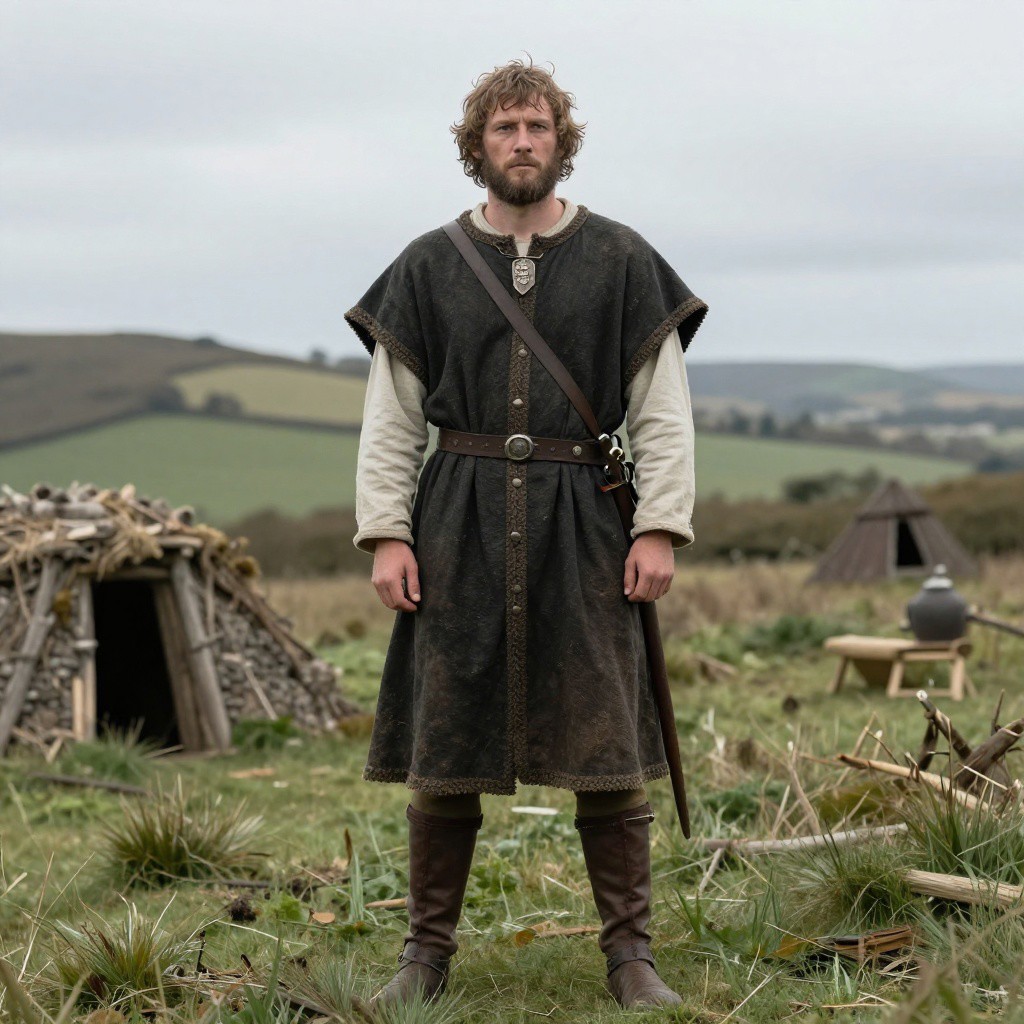
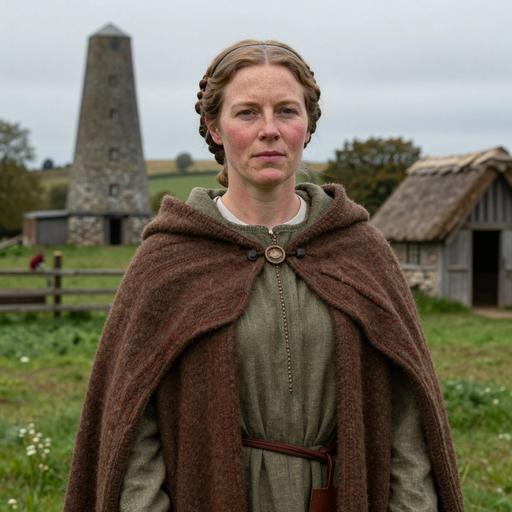
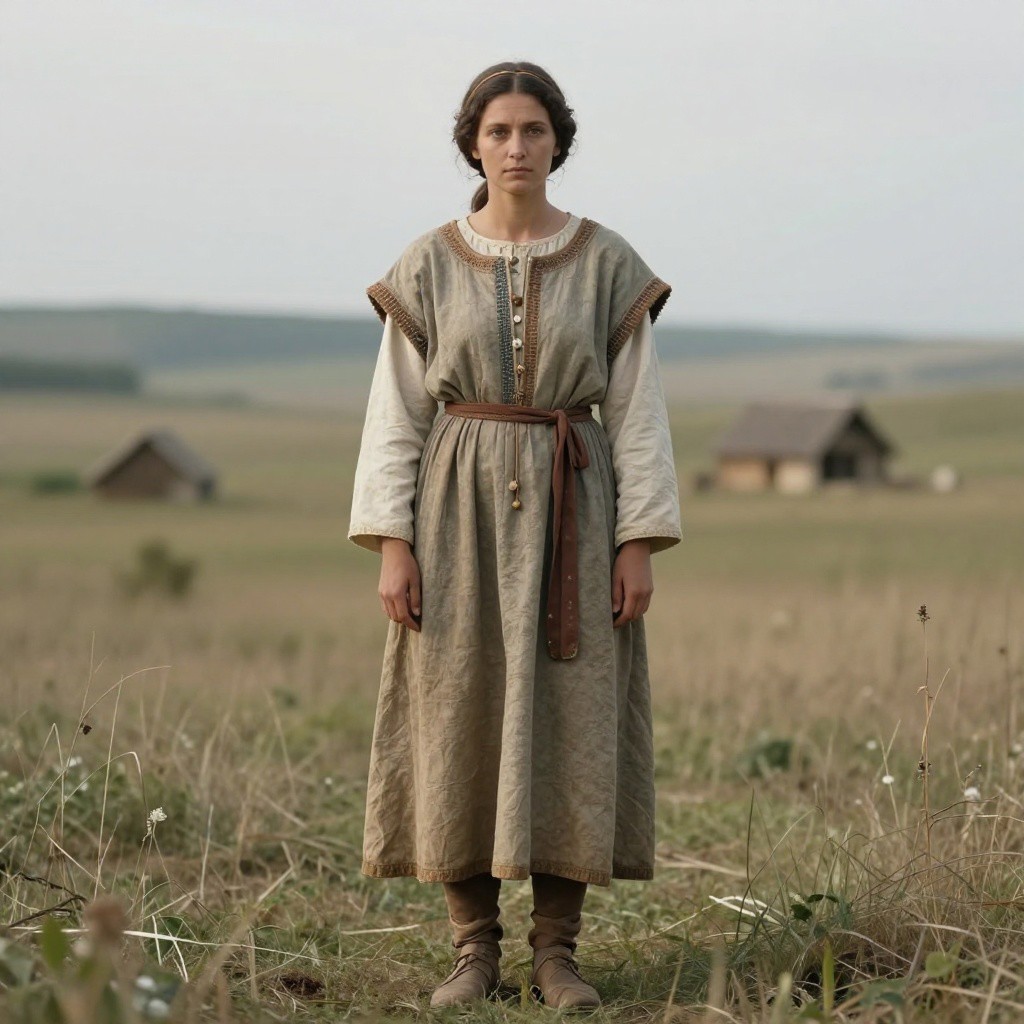
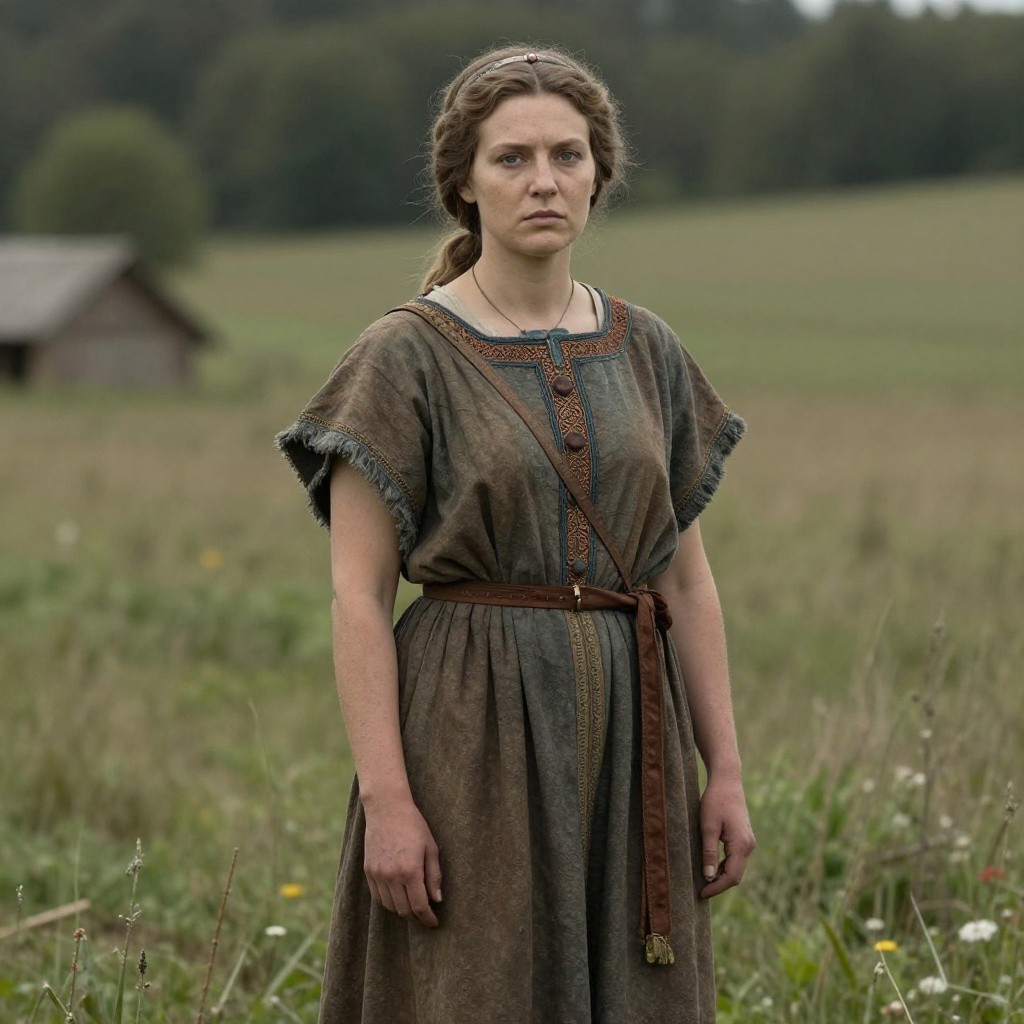
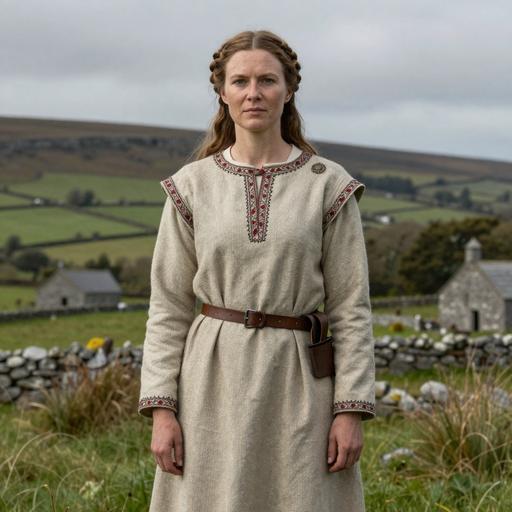
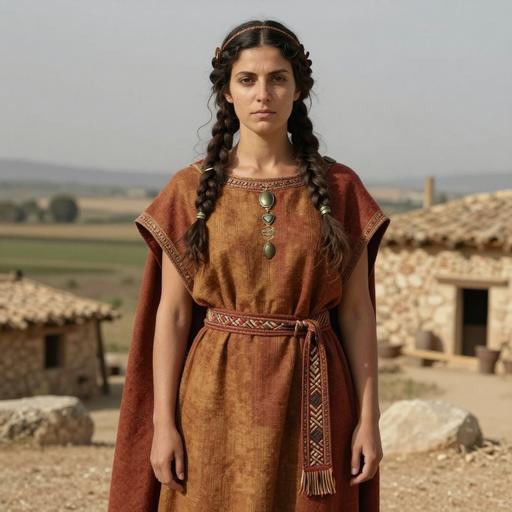
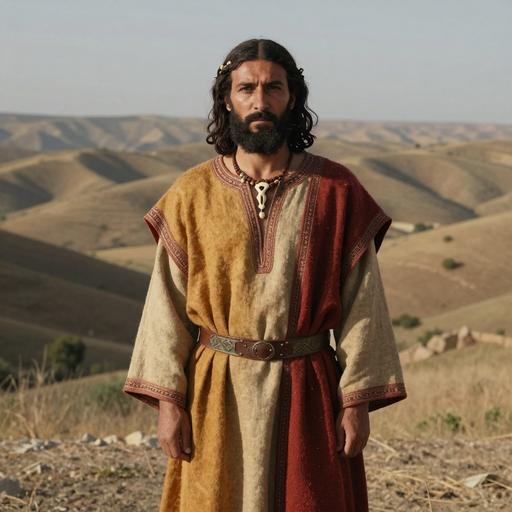
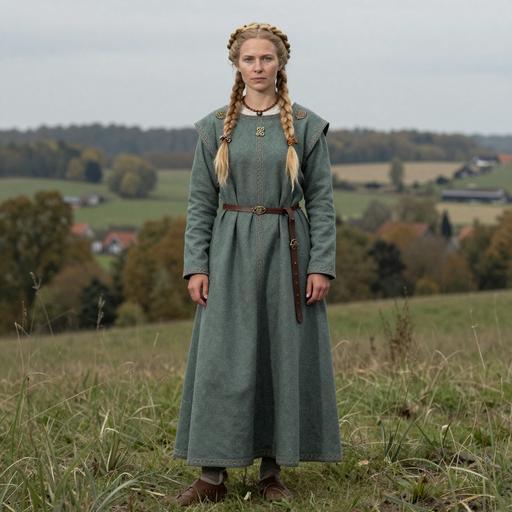
Os retratos são ilustrações geradas com IA. As etiquetas de amostra e os identificadores de acesso identificam os registros de referência.
Late Neolithic Hauts-de-France, France - France - Hauts-de-France (North). Ciry Salsogne. La Bouche-à-Vesle
France France HautsdeFrance LN 2575-2350 calBCE (3970±30 BP, GrA-32767)
J2a1a1Subclado
Identificador de amostra: I1314
Chalcolithic Spain - Spain - Burgos. Atapuerca. El Mirador Cave
Spain Spain C 2900 BCE - 2300 BCE
J2a1a1Subclado
MATERNAL LINHAGEM · DNA ANTIGO
Mapa de testes de linhagems antigos
Siga os clados superiores até este ramo e explora onde se encontraram portadores antigos.
A carregar as observações antigas...
A redução do movimento está activada. Use a cronologia ou Mostrar tudo para explorar o seu ritmo.
Ler as observações numa tabela
Observações antigas visíveis por ramo, período e ponto médio da data
Ramada
Período
Intervalo de datas
Mostrar
Identificador de amostra
Localização
Haplogrupo
Relação
Os marcadores são locais de achados arqueológicos. Uma linha de descontínua representa uma transição geográfica proposta e incerta entre ramos consecutivos, apoiada em várias observações fechadas; não é uma rota de viagem exata, um local de nascimento ou um teste de descendência direta. As amostras do clado parental podem pertencer a outros ramos descendentes. As datas das amostras são distintas das datas de formação dos haplogrupos são mantidas.
O agrupamento por período histórico reflete quando viveu cada indivíduo antigo e combina todos os ramos desta cadeia de linhagems; não é uma sequência migratória nem uma cronologia pessoal entre períodos.
Perfil de Referência
Mapa de distribuição de portadores
Distribuição geográfica das amostras de DNA antigo (66), portadores directos ou de subclasses de J2A1
Portador directo Portador de um subclasse
Filtro de Período Temporária
Todos os períodos
Mostrar todas as amostras
Perfil de Referência
Distribuição temporária
Distribuição de portadores por períodos arqueológicos
Perfil de Referência
Distribuição geográfica
Recuentos por país registrado das amostras. Reflejam a seleção de referência disponível, não frequências de população.
Perfil de Referência
Distribuição por país e época
Compare as contagens de amostras registadas por países e períodos arqueológicos. Selecione uma célula com dados para examinar uma amostra.
Dados
Dados e proveniência
Informações sobre fontes e qualidade dos dados
Última actualização2026-02-16
Pontuação de confiança50/100
CoberturaLow
Fonte de Dados
A classificação, as datas estimadas e o contexto geográfico refletem os dados de referência registrados e podem mudar ao revisar os testes. A cobertura de amostras é desigual; os locais registrados e as associações arqueológicas não estabelecem a origem pessoal nem a identidade cultural.