Um perfil de referência de um ramo de linhagem. Compartilhar haplogrupos não demonstra uma relação familiar ou uma identidade cultural.
Perfil de Referência
Contexto do ramo
Contexto histórico de la rama de linaje mtDNA J2B1A
Origins and Evolution
mtDNA haplogroup J2B1A is a subclade nested within J2B1 (itself a branch of J2B), a maternal lineage that most genetic evidence places in the Near East during the early Holocene. J2B1A likely derives from the broader J2B1 branch as populations expanded and differentiated after the Last Glacial Maximum and during the early Neolithic transition. Its estimated age (on the order of ~8–10 kya) is consistent with dispersals associated with the spread of Near Eastern farmer ancestries into Anatolia, the Aegean and around the Mediterranean rim.
Subclades
As a downstream branch of J2B1, J2B1A may contain additional internal diversity represented by sublineages defined by private mutations discovered in modern and ancient mitogenomes. The resolution and naming of these subclades depend on high‑coverage complete mtDNA sequences; ongoing sequencing efforts occasionally split J2B1A into finer subbranches when geographically or temporally clustered mutations are found. In many population surveys, J2B1A is treated as a terminal or near‑terminal clade within J2B1.
Geographical Distribution
J2B1A is most common in regions connected to early Holocene Near Eastern demographic expansions. Modern and ancient DNA surveys place the haplogroup at low-to-moderate frequencies across:
The eastern Mediterranean and Anatolia (reflecting a Near Eastern origin and continuity)
Southern Europe and Mediterranean islands (likely introduced during Neolithic and later maritime/overland movements)
Coastal North Africa (connections via Mediterranean interaction and gene flow)
The Caucasus (reflecting Near Eastern–South Caucasus links)
Scattered occurrences in parts of Central Asia and among diaspora communities, including some Jewish populations where Near Eastern maternal lineages are preserved
J2B1A is also identified in multiple ancient DNA contexts (as part of the broader J2B1 presence in archaeological samples), indicating continuity of the lineage in the regions above from the Neolithic into later prehistory and historic periods.
Historical and Cultural Significance
Because of its Near Eastern origin and association with early farmer dispersals, J2B1A serves as a marker of maternal lineages that participated in the Neolithic spread of agriculture into the Aegean, Mediterranean and parts of Europe. It may appear in archaeological contexts tied to Neolithic farming communities and later coastal and island populations that experienced sustained exchange across the Mediterranean. While J2B1A is not typically a high-frequency marker that defines large migration events by itself, its presence in ancient and modern samples helps reconstruct maternal ancestry profiles and localized demographic processes such as founder effects on islands and gene flow along trade routes.
Conclusion
J2B1A is a regionally informative mtDNA lineage that reflects Near Eastern Neolithic roots and subsequent dispersals into surrounding regions. Its distribution—low-to-moderate and patchy—matches a history of early agricultural expansion, local founder events and later historical interactions across the Mediterranean, Caucasus and North Africa. Continued mitogenome sequencing in both modern and archaeogenetic samples will refine its internal structure and geographic history.
Pontos- Chave
Origins and Evolution
Subclades
Geographical Distribution
Historical and Cultural Significance
Conclusion
Perfil de Referência
Árvore e relações
Contexto filogenético e subclasse
Trajectória evolutiva
Sigue las ramas superiores registradas hasta J2B1A. Las fechas son estimaciones y pueden cambiar al revisarse los datos de referencia.
The populations where MTDNA haplogroup J2B1A is found include:
European populations (particularly Southern Europe and Mediterranean islands)
Middle Eastern populations (Anatolia, Levant)
North African populations (coastal areas)
Caucasus region populations
Some populations in Central Asia
Jewish populations (observed at low frequencies in some Ashkenazi and Sephardi groups)
Contexto Histórico
Uma ramificação através do tempo
Formação estimada em uma cronologia histórica ampla. Os marcadores temporais contribuem contexto e não implicam relação com culturas concretas.
~10k años de antigüedad
Revolução neolítica
Início da agricultura e formação de comunidades sedentárias
~9k años de antigüedad
Haplogrupo J2B1A
Formação estimada deste ramo mtDNA; as datas e localizações são estimativas de referência.
Este ramo
~5k años de antigüedad
Idade do Bronze
Metalurgia, escrita e primeiras civilizações
~3k años de antigüedad
Idade do Ferro
Ferramentas de ferro e ampliação de redes comerciais
~2.5k años de antigüedad
Antiguidades clássicas
Desenvolvimento das civilizações grega e romana
Actualidad
Actualidad
Idade moderna
Perfil de Referência
Contexto arqueológico
Asociaciones arqueológicas registradas para la rama mtDNA J2B1A
Associações registradas
Esses rótulos descrevem os contextos arqueológicos registrados para as amostras de referência vinculadas a J2B1A. Uma associação não demonstra que todos os portadores pertenceram a uma cultura ou seguiram uma rota migratória específica.
As atribuições culturais baseiam-se no contexto arqueológico das amostras de DNA antigo e podem representar associações regionais de períodos concretos.
Perfil de Referência
Catálogo de amostras
63 portadores directos y 33 portadores de subclados del haplogrupo J2B1A
10 mostradas 50 amostras correspondentes
Nenhuma amostra coincide com estes filtros. Teste outra marca, localização ou período.
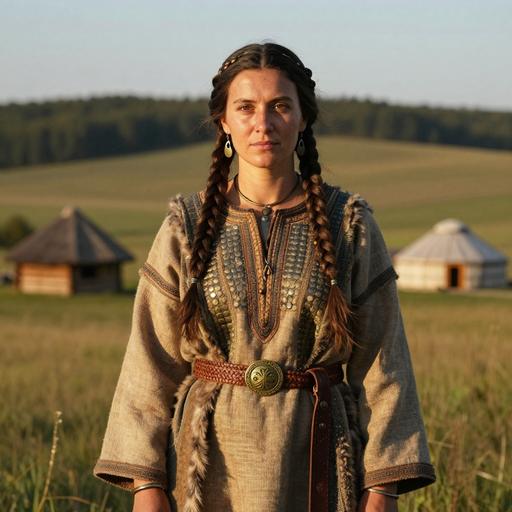
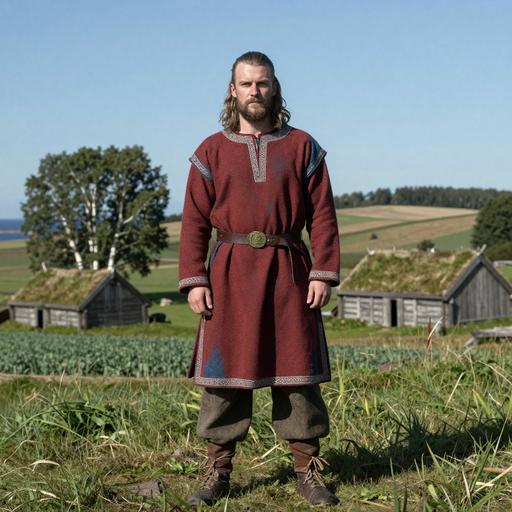
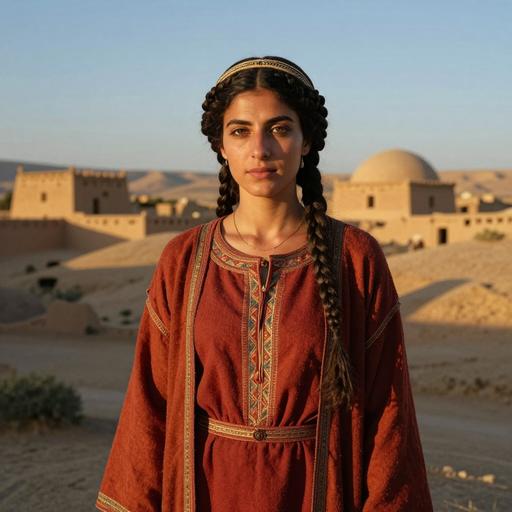
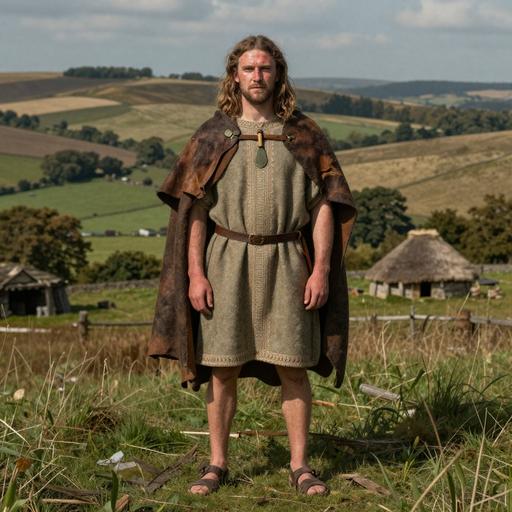
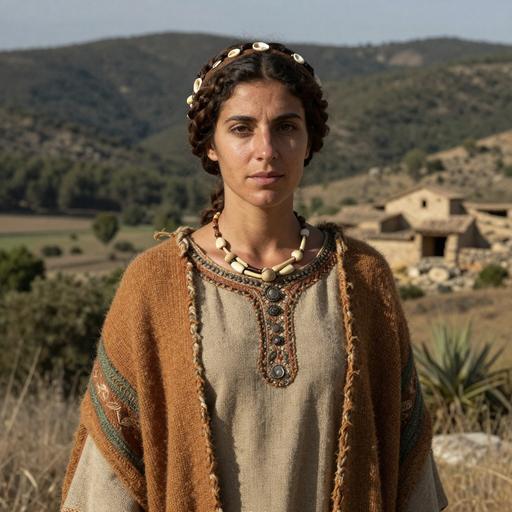
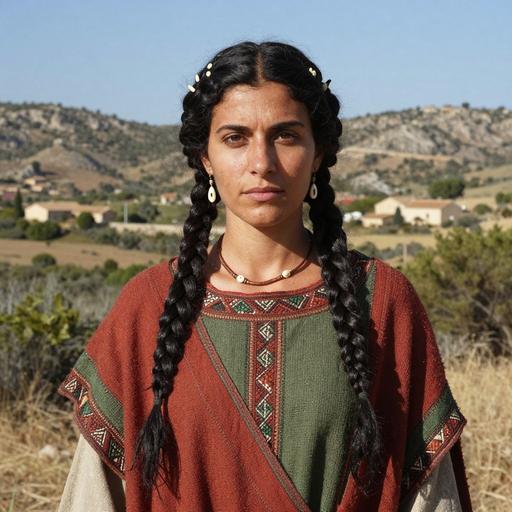
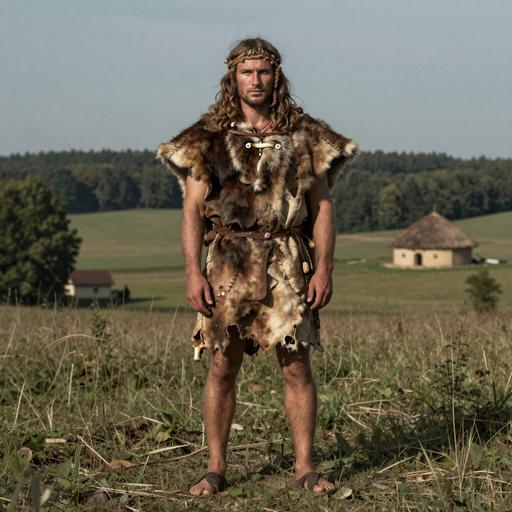
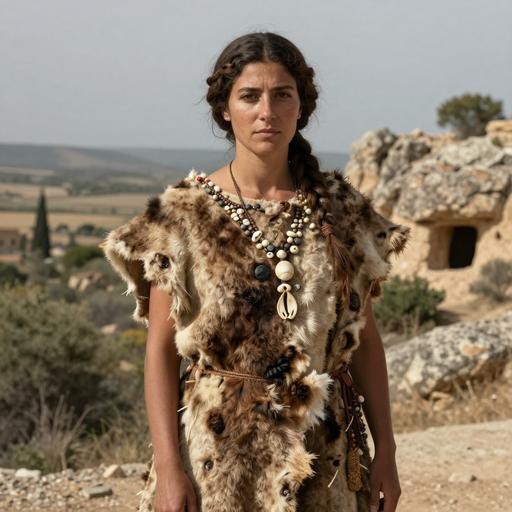
Os retratos são ilustrações geradas com IA. As etiquetas de amostra e os identificadores de acesso identificam os registros de referência.
Retrato
Mostrar
País
Época
Data
Cultura
mtDNA
Corresponder
Identificador de amostra: I3327
Spain
Spain IA
250-200 BCE
Iberian Iron Age
J2b1a
Direct
Identificador de amostra: I20586
United Kingdom
England MIA
400-200 BCE
Middle Iron Age British
J2b1a
Direct
Identificador de amostra: CL93
Italy
Early Medieval Langobards, Northern Italy
550-650 CE
Langobard
J2b1a
Direct
Identificador de amostra: I20798
Hungary
Late Avar Period in Transtisza, Hungary
700-800 CE
Avar Culture
J2b1a
Direct
Identificador de amostra: VK108
Sweden
Sweden Viking
800 CE - 1200 CE
Viking
J2b1a
Direct
Identificador de amostra: VK289
Denmark
Denmark Viking
800 CE - 900 CE
Viking Denmark
J2b1a
Direct
Identificador de amostra: VK108
Sweden
The Viking Age
800 CE - 1200 CE
J2b1a
Direct
Identificador de amostra: VK289
Denmark
The Viking Age
800 CE - 900 CE
J2b1a
Direct
Identificador de amostra: VK357
Sweden
Sweden Viking
899 CE - 1168 CE
Viking
J2b1a
Direct
Identificador de amostra: VK357
Sweden
The Viking Age
899 CE - 1168 CE
J2b1a
Direct
Identificador de amostra: SH-175
Hungary
Hungary Conqueror Commoner
900-1000 CE
Magyar Commoner Culture
J2b1a
Direct
Identificador de amostra: VK206
United Kingdom
Scotland Viking
900 CE - 1000 CE
Norse-Scottish
J2b1a
Direct
Identificador de amostra: VK220
Russia
Russia Viking
900 CE - 1200 CE
Viking Culture
J2b1a
Direct
Identificador de amostra: VK206
United Kingdom
The Viking Age
900 CE - 1000 CE
J2b1a
Direct
Identificador de amostra: VK220
Russia
The Viking Age
900 CE - 1200 CE
J2b1a
Direct
Identificador de amostra: JK2744
Italy
Italy Sardinia BA Nuragic
1191 BCE - 922 BCE
Nuragic Culture
J2b1a
Direct
Identificador de amostra: JK2744
Italy
The Nuragic Civilization
1191 BCE - 922 BCE
890
J2b1a
Direct
Identificador de amostra: EFA009
Spain
Late Bronze Age Spain
1200-1000 BCE
Iberian Bronze Age
J2b1a
Direct
Identificador de amostra: R55
Italy
Medieval to Early Modern Italy
1280 CE - 1430 CE
Medieval Italian
J2b1a
Direct
Identificador de amostra: RISE524
Russia
Mezhovskaya Culture, Russia
1300 BCE - 800 BCE
Mezhovskaya Culture
J2b1a
Direct
Identificador de amostra: RISE524
Russia
The Mezhovskaya Culture
1300 BCE - 800 BCE
J2b1a
Direct
Identificador de amostra: I11095
Israel
Medieval Israel with North African Ancestry
1400-1700 CE
Medieval Jewish
J2b1a
Direct
Identificador de amostra: I11094
Israel
Medieval Israel with North African Ancestry
1400-1700 CE
Medieval Jewish
J2b1a
Direct
Identificador de amostra: I19857
United Kingdom
England MBA
1518-1425 calBCE (3213±28 BP, SUERC-41692)
British Middle Bronze Age
J2b1a
Direct
Identificador de amostra: I19858
United Kingdom
England MBA
1532-1431 calBCE (3222±28 BP, SUERC-41699)
British Middle Bronze Age
J2b1a
Direct
Identificador de amostra: rath3
Ireland
Ireland EBA
1736 BCE - 1539 BCE
Irish Bronze Age
J2b1a
Direct
Identificador de amostra: rath3
Ireland
Early Bronze Age Britain
1736 BCE - 1539 BCE
J2b1a
Direct
Identificador de amostra: ALM031
Spain
The Argaric Culture of Spain
1750-1550 BCE
El Argar
J2b1a
Direct
Identificador de amostra: PMI012
Czech Republic
Early Bronze Age Unetice Culture, Bohemia, Czech Republic
1877-1564 calBCE (3410±40 BP, UtC-13188)
Unetice Culture
J2b1a
Direct
Identificador de amostra: I1311
Spain
Spain EBA
2000 BCE - 1400 BCE
Early Bronze Age Iberian
J2b1a
Direct
Identificador de amostra: OBKR_47
Germany
Early Bronze Age Lech Valley, Germany
2139 BCE - 1971 BCE
Lech Valley Bronze Age
J2b1a
Direct
Identificador de amostra: OBKR_47
Germany
Early Bronze Age Central Europe
2139 BCE - 1971 BCE
J2b1a
Direct
Identificador de amostra: I15824
Czech Republic
Early Bronze Age Unetice Culture, Czech Republic
2200-1700 BCE
Unetice Culture
J2b1a
Direct
Identificador de amostra: LEU017
Germany
Early Bronze Age Unetice Culture, Germany
2200-1700 BCE
Unetice
J2b1a
Direct
Identificador de amostra: I18970
Italy
Italy Sardinia LateC
2452 BCE - 2200 BCE
Late Chalcolithic Sardinian
J2b1a
Direct
Identificador de amostra: SEC001
Italy
Italy Sardinia LateC
2452-2200 calBCE (3835±25 BP, MAMS-38289)
Late Chalcolithic Sardinian
J2b1a
Direct
Identificador de amostra: MX199
Switzerland
Switzerland EBA 2
2454-2147 calBCE (3829±35 BP, BE-7998.1.1)
Early Bronze Age Swiss
J2b1a
Direct
Identificador de amostra: SEC006
Italy
Italy Sardinia LateC
2461-2297 calBCE (3888±19 BP, MAMS-38293)
Late Chalcolithic Sardinian
J2b1a
Direct
Identificador de amostra: GBVPK
France
Late Neolithic to Early-Middle Bronze Age La Clape, France
Chalcolithic Spain - Spain - Valencian Community. València/Valencia. La Font de la Figuera. Cova de Sant Gomengo
Spain Spain C 3800-2500 BCE
J2b1aDirect
MATERNAL LINHAGEM · DNA ANTIGO
Mapa de testes de linhagems antigos
Siga os clados superiores até este ramo e explora onde se encontraram portadores antigos.
A carregar as observações antigas...
A redução do movimento está activada. Use a cronologia ou Mostrar tudo para explorar o seu ritmo.
Ler as observações numa tabela
Observações antigas visíveis por ramo, período e ponto médio da data
Ramada
Período
Intervalo de datas
Mostrar
Identificador de amostra
Localização
Haplogrupo
Relação
Os marcadores são locais de achados arqueológicos. Uma linha de descontínua representa uma transição geográfica proposta e incerta entre ramos consecutivos, apoiada em várias observações fechadas; não é uma rota de viagem exata, um local de nascimento ou um teste de descendência direta. As amostras do clado parental podem pertencer a outros ramos descendentes. As datas das amostras são distintas das datas de formação dos haplogrupos são mantidas.
O agrupamento por período histórico reflete quando viveu cada indivíduo antigo e combina todos os ramos desta cadeia de linhagems; não é uma sequência migratória nem uma cronologia pessoal entre períodos.
Perfil de Referência
Mapa de distribuição de portadores
Distribuição geográfica das amostras de DNA antigo (96), portadores directos ou de subclasses de J2B1A
Portador directo Portador de um subclasse
Filtro de Período Temporária
Todos os períodos
Mostrar todas as amostras
Perfil de Referência
Distribuição temporária
Distribuição de portadores por períodos arqueológicos
Perfil de Referência
Distribuição geográfica
Recuentos por país registrado das amostras. Reflejam a seleção de referência disponível, não frequências de população.
Perfil de Referência
Distribuição por país e época
Compare as contagens de amostras registadas por países e períodos arqueológicos. Selecione uma célula com dados para examinar uma amostra.
Dados
Dados e proveniência
Informações sobre fontes e qualidade dos dados
Última actualização2026-02-16
Pontuação de confiança50/100
CoberturaLow
Fonte de Dados
A classificação, as datas estimadas e o contexto geográfico refletem os dados de referência registrados e podem mudar ao revisar os testes. A cobertura de amostras é desigual; os locais registrados e as associações arqueológicas não estabelecem a origem pessoal nem a identidade cultural.