Saltar para o conteúdo principal
mtDNA · Materno linaje

K1B2

mtDNA Haplogroup K1B2

Um perfil de referência de um ramo de linhagem. Compartilhar haplogrupos não demonstra uma relação familiar ou uma identidade cultural.

Perfil de Referência

Contexto do ramo

Contexto histórico de la rama de linaje mtDNA K1B2

Origins and Evolution

mtDNA haplogroup K1B2 is a downstream branch of K1B, itself a subclade of haplogroup K. K1B likely formed in the Near East / Anatolia in the early Holocene and contributed maternal lineages to the Neolithic expansions that carried farming populations westward into Europe. K1B2 is younger than the parent clade and most parsimonious age estimates place its origin in the early-to-middle Holocene (several thousand years after the Last Glacial Maximum), consistent with a Near Eastern origin and subsequent dispersion with agriculturalist migrations and later historical movements.

The lineage is defined by specific coding-region mutations that distinguish it from other K1B branches; like other mtDNA lineages, it is tracked through both control-region and whole-mitogenome markers in modern and ancient DNA datasets. K1B2's phylogenetic placement within K indicates a connection to the maternal gene pool that expanded from Anatolia and the Levant into Europe during the Neolithic.

Subclades

K1B2 may itself contain minor internal variation observed in modern mitogenomes; however, compared with larger haplogroups (e.g., H or U), K1B2 is a relatively small clade with limited deep substructure reported in public databases. Sub-branches, when detected, tend to be geographically localized and often reflect recent founder events (island populations, isolated Mediterranean groups, or specific diaspora communities). Continued mitogenome sequencing may reveal additional subclades and refine coalescence times.

Geographical Distribution

K1B2 is principally observed across populations with historical or genetic ties to Anatolian/Levantine Neolithic expansions and subsequent Mediterranean dispersals. Modern occurrences concentrate in:

  • Ashkenazi Jewish communities (detectable founder frequencies in some cohorts)
  • Anatolia (modern Turkey) and the Levant (moderate frequencies)
  • Southern Europe (Italy, Greece, Iberia) reflecting maritime and overland Neolithic and later movements
  • Western and Northern Europe at lower frequencies, consistent with downstream spread and admixture
  • Caucasus populations and some North African coastal groups where Near Eastern gene flow is present
  • Small occurrences in island and isolated Mediterranean populations (e.g., Sardinia) and rare instances in parts of Central Asia, reflecting long-distance contacts

K1B2 has also been reported in a small number of ancient DNA samples tied to Neolithic and post-Neolithic contexts, consistent with a long-standing presence in the region.

Historical and Cultural Significance

Because K1B2 sits within a maternal lineage associated with the Neolithic expansion of farmers from Anatolia, it serves as a genetic marker for the spread of agricultural communities into Europe. Its presence in Ashkenazi Jewish populations is consistent with founder effects and bottlenecks that shaped mitochondrial diversity in that diaspora; such enrichment does not imply exclusivity, but rather historical demographic events (founder events, endogamy) that increased the relative frequency of certain mtDNA lineages.

K1B2's distribution across Mediterranean islands and coastal areas also reflects maritime connectivity in prehistory and history (Neolithic seafaring, classical period movements, and medieval exchanges). It is therefore useful in studies that combine archaeology, ancient DNA, and historical demography to reconstruct maternal ancestries tied to farmer expansions and later population contacts.

Conclusion

K1B2 is a geographically informative maternal lineage originating in the Near East / Anatolia in the early Holocene and carried westward by Neolithic farmers and subsequent population movements. It is observed at variable frequencies across the Mediterranean, Europe, the Caucasus, and in some Jewish communities, with patterns that reflect both deep Neolithic roots and more recent founder effects. Continued mitogenome sequencing and ancient DNA recovery will refine its internal structure and temporal dynamics.

Pontos- Chave

  • Origins and Evolution
  • Subclades
  • Geographical Distribution
  • Historical and Cultural Significance
  • Conclusion
Perfil de Referência

Árvore e relações

Contexto filogenético e subclasse

Trajectória evolutiva

Sigue las ramas superiores registradas hasta K1B2. Las fechas son estimaciones y pueden cambiar al revisarse los datos de referencia.
Passos Haplogrupo Antiguidade estimada Época arqueológica Tempo decorrido Subclasses imediatas Portadores modernos analisados Referências antigas
1 K1B2 Actual ~10,000 years ago Neolithic 9,500 years 3 30 0
2 K1B ~10,000 years ago Neolithic 10,500 years 2 90 9
3 K1 ~13,000 years ago Mesolithic 13,000 years 8 1,405 116
4 K ~16,000 years ago Mesolithic 16,000 years 4 1,769 55
5 U8B ~30,000 years ago Paleolithic 30,000 years 2 1,805 1
6 U8B'C - - - 2 1,834 0
7 U8 ~45,000 years ago Paleolithic 45,000 years 2 1,873 5
8 U2'3'4'7'8'9 - - - 5 3,500 0
9 U ~46,000 years ago Paleolithic 46,000 years 5 5,557 110
10 R ~55,000 years ago Paleolithic 55,000 years 17 22,830 57
11 NA - - - 1 22,830 0
12 N ~60,000 years ago Paleolithic 60,000 years 16 26,150 13
13 L3 ~70,000 years ago Paleolithic 70,000 years 7 30,162 6
14 L3'4 - - - 2 30,212 0
15 L3'4'6 - - - 2 30,216 0
16 L2'3'4'6 - - - 2 31,333 0
17 L2'3'4'5'6'7 - - - 2 31,349 0
18 L1'2'3'4'5'6'7 - - - 2 31,852 0
19 L ~160,000 years ago Paleolithic 160,000 years 2 32,236 5

Ramas hermanas (1)

Outros ramos do mesmo haplogrupo superior

Perfil de Referência

No mundo

Distribuição geográfica e presença moderna

Origem registada

Near East / Anatolia

Distribuição moderna

The populations where mtDNA haplogroup K1B2 is found include:

  1. Ashkenazi Jewish communities
  2. Anatolian (modern Turkey) populations
  3. European Early Neolithic farmer-descended populations (e.g., LBK descendants in Central Europe)
  4. Southern European populations (Iberia, Italy, Greece)
  5. Western and Northern European populations (British Isles, Scandinavia) at moderate to low frequencies
  6. Caucasus populations (Armenians, Georgians)
  7. North African coastal groups with Near Eastern admixture
  8. Iranian and Levantine populations
  9. Island and isolated Mediterranean populations (e.g., Sardinia and other islands)
  10. Low-frequency occurrences in parts of Central Asia from west–east contacts
Contexto Histórico

Uma ramificação através do tempo

Formação estimada em uma cronologia histórica ampla. Os marcadores temporais contribuem contexto e não implicam relação com culturas concretas.

  1. ~10k años de antigüedad

    Revolução neolítica

    Início da agricultura e formação de comunidades sedentárias

  2. ~9.5k años de antigüedad

    Haplogrupo K1B2

    Formação estimada deste ramo mtDNA; as datas e localizações são estimativas de referência.

    Este ramo
  3. ~5k años de antigüedad

    Idade do Bronze

    Metalurgia, escrita e primeiras civilizações

  4. ~3k años de antigüedad

    Idade do Ferro

    Ferramentas de ferro e ampliação de redes comerciais

  5. ~2.5k años de antigüedad

    Antiguidades clássicas

    Desenvolvimento das civilizações grega e romana

  6. Actualidad

    Actualidad

    Idade moderna

Perfil de Referência

Contexto arqueológico

Asociaciones arqueológicas registradas para la rama mtDNA K1B2

Associações registradas

Esses rótulos descrevem os contextos arqueológicos registrados para as amostras de referência vinculadas a K1B2. Uma associação não demonstra que todos os portadores pertenceram a uma cultura ou seguiram uma rota migratória específica.

Afanasievo Bell Beaker Corded Ware Hungary_EN_SeredniiStihMigrant-oKhvalynsk Iron Gates Kazakh Eneolithic Lithuanian Late Neolithic Lyalovo Culture Moldova_Eneolithic_Trypillia Romania_EBA_Yamnaya Ukraine_DonetsBasin_Eneolithic_SeredniiStih
As atribuições culturais baseiam-se no contexto arqueológico das amostras de DNA antigo e podem representar associações regionais de períodos concretos.
Perfil de Referência

Catálogo de amostras

4 portadores directos y 51 portadores de subclados del haplogrupo K1B2

10 mostradas 50 amostras correspondentes

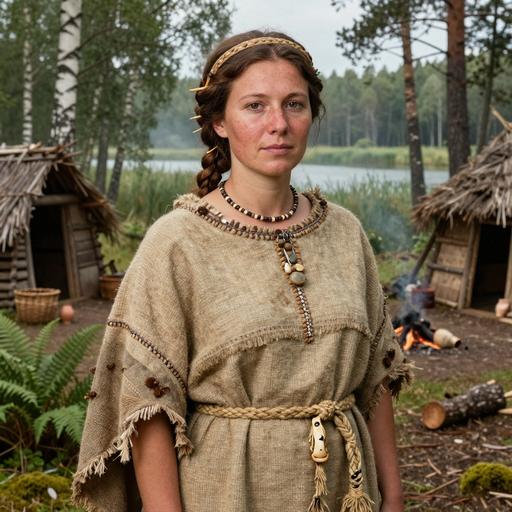
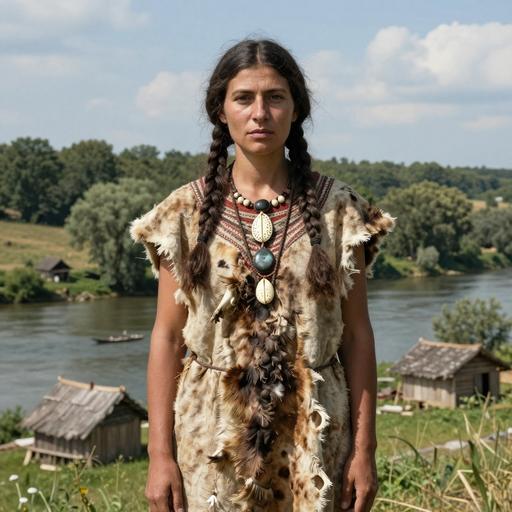
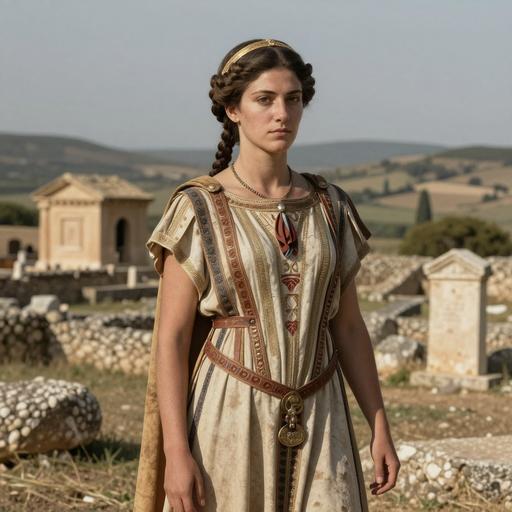
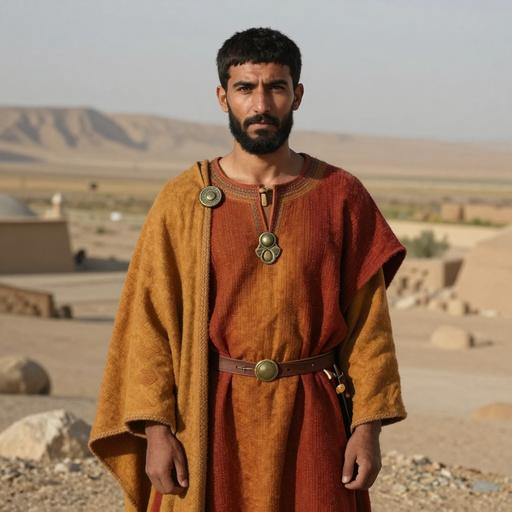
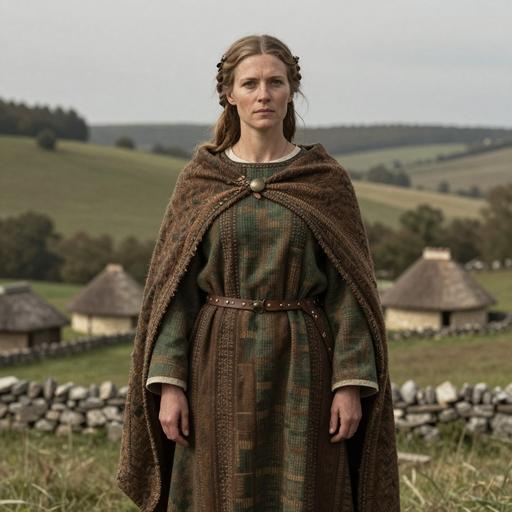
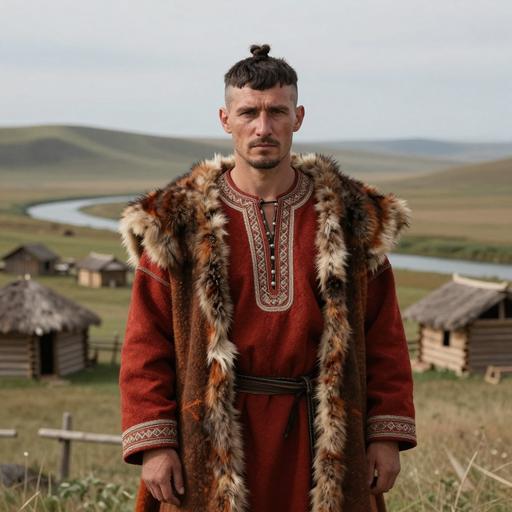
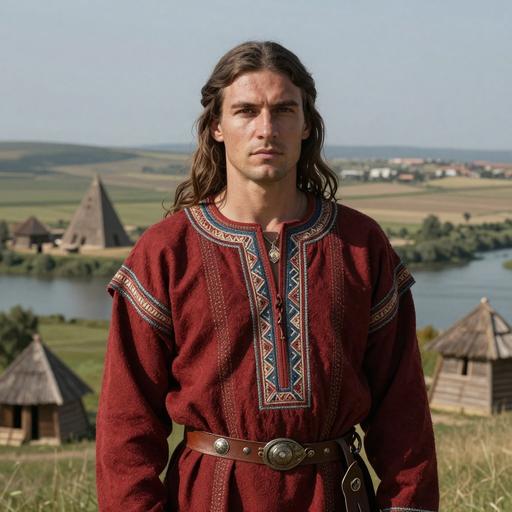
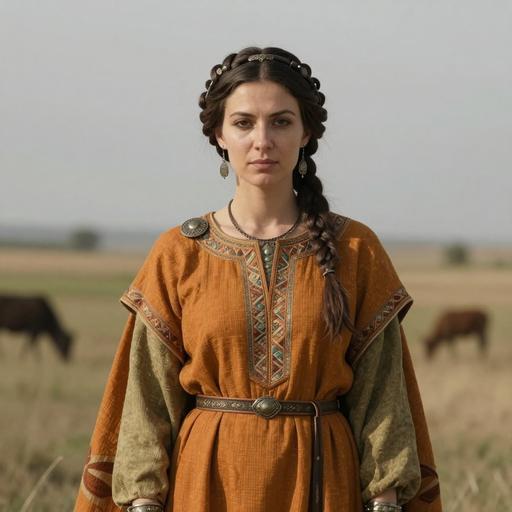
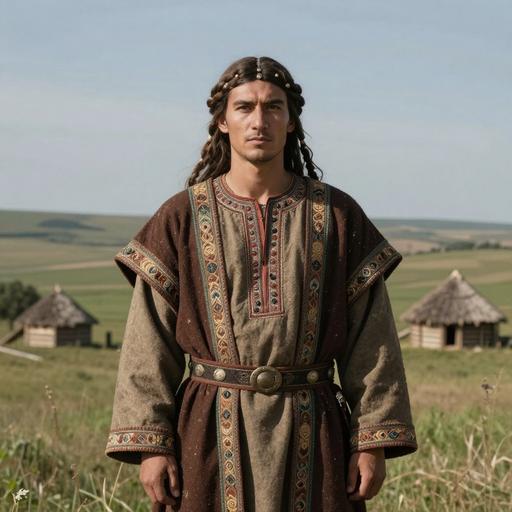
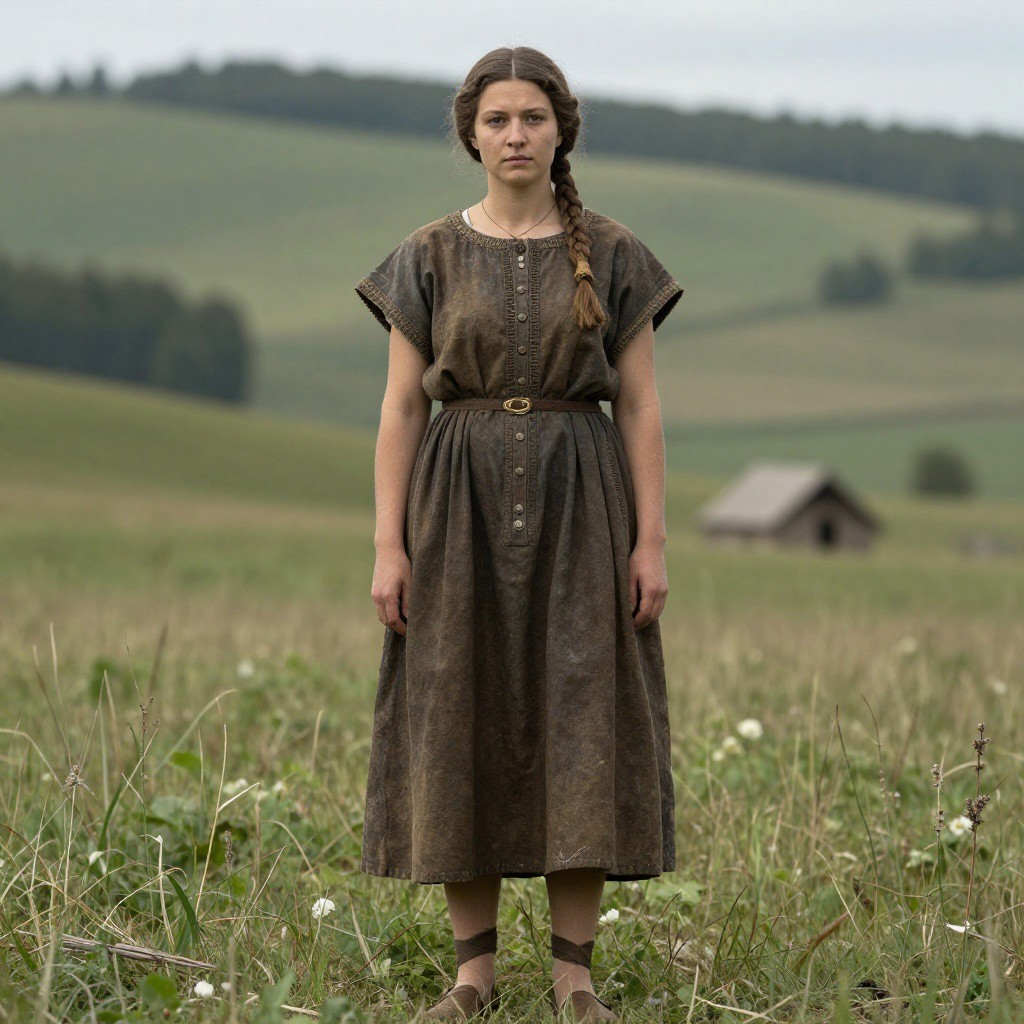
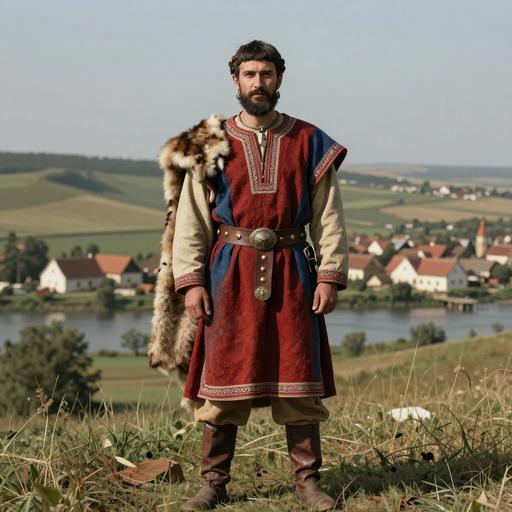
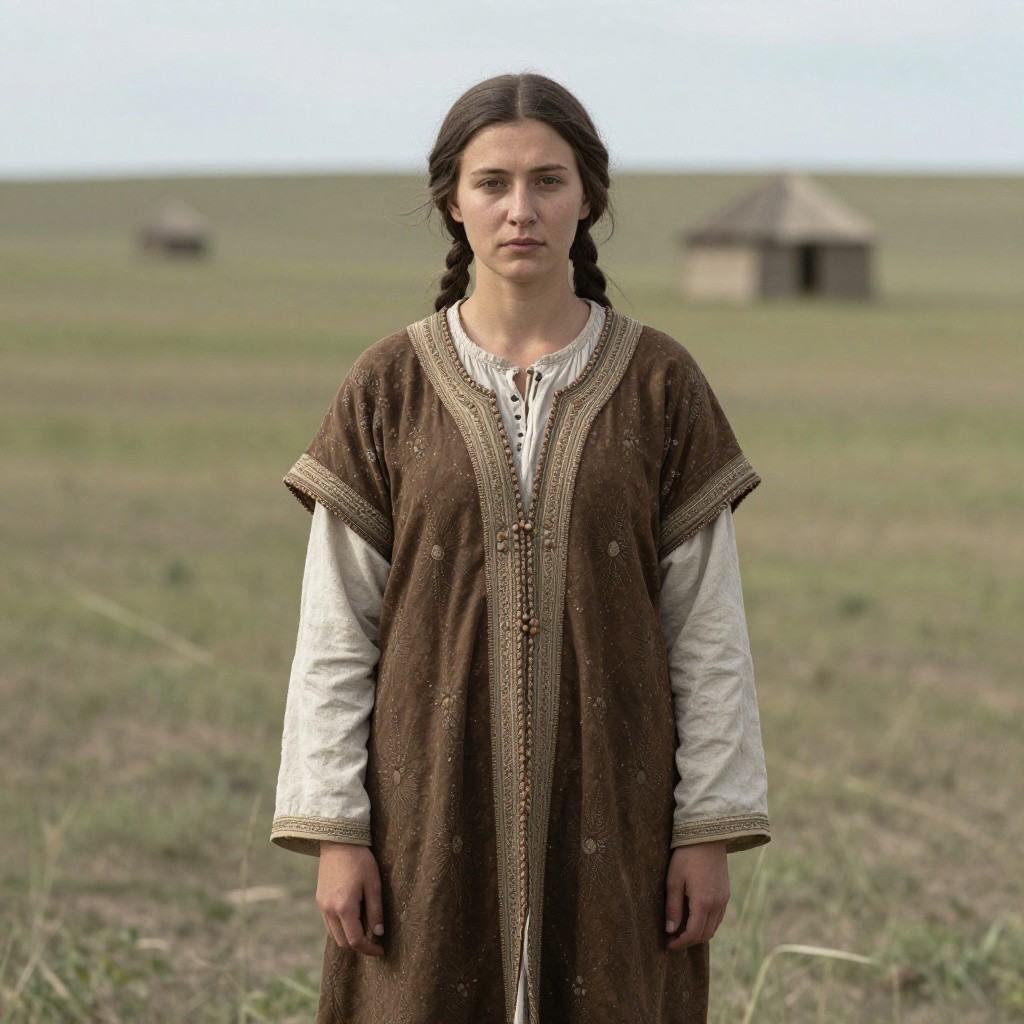
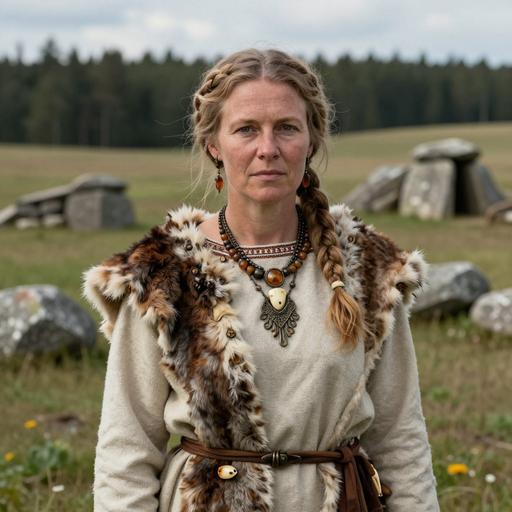
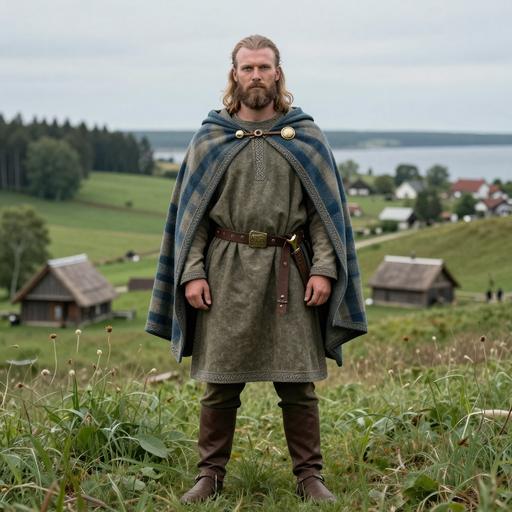
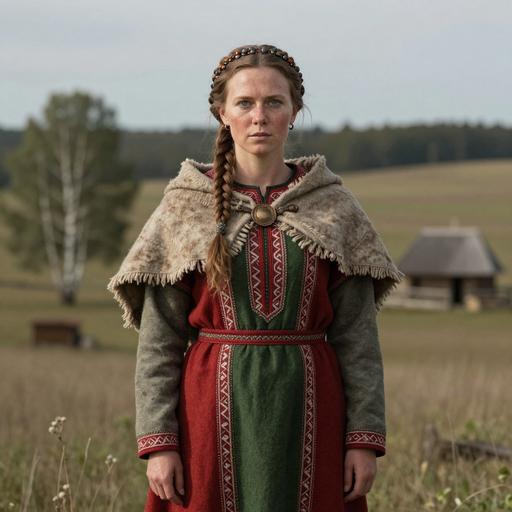
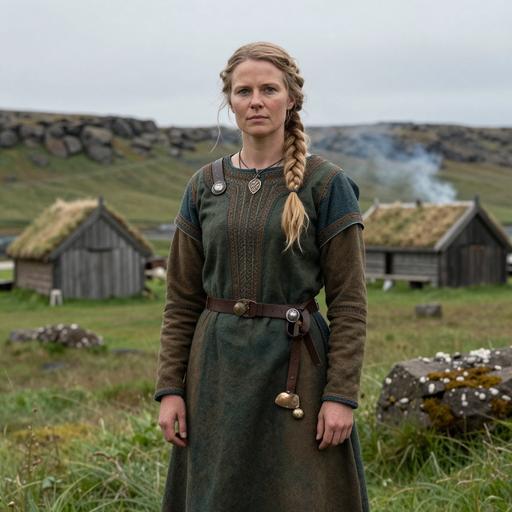
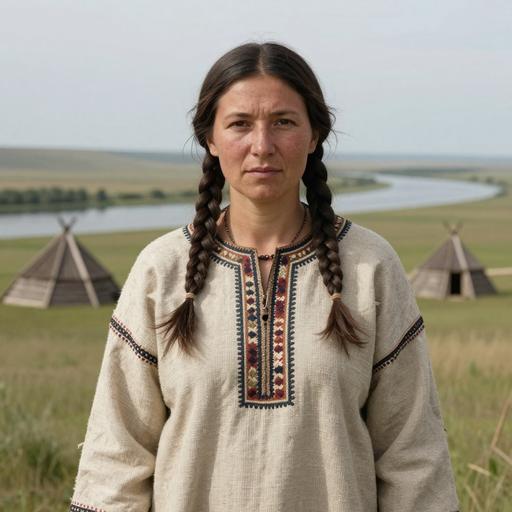
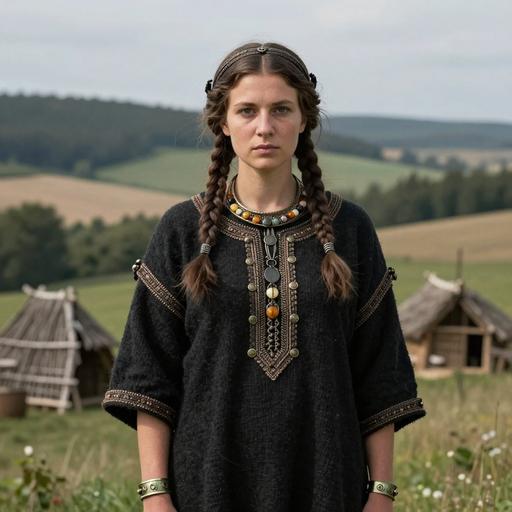
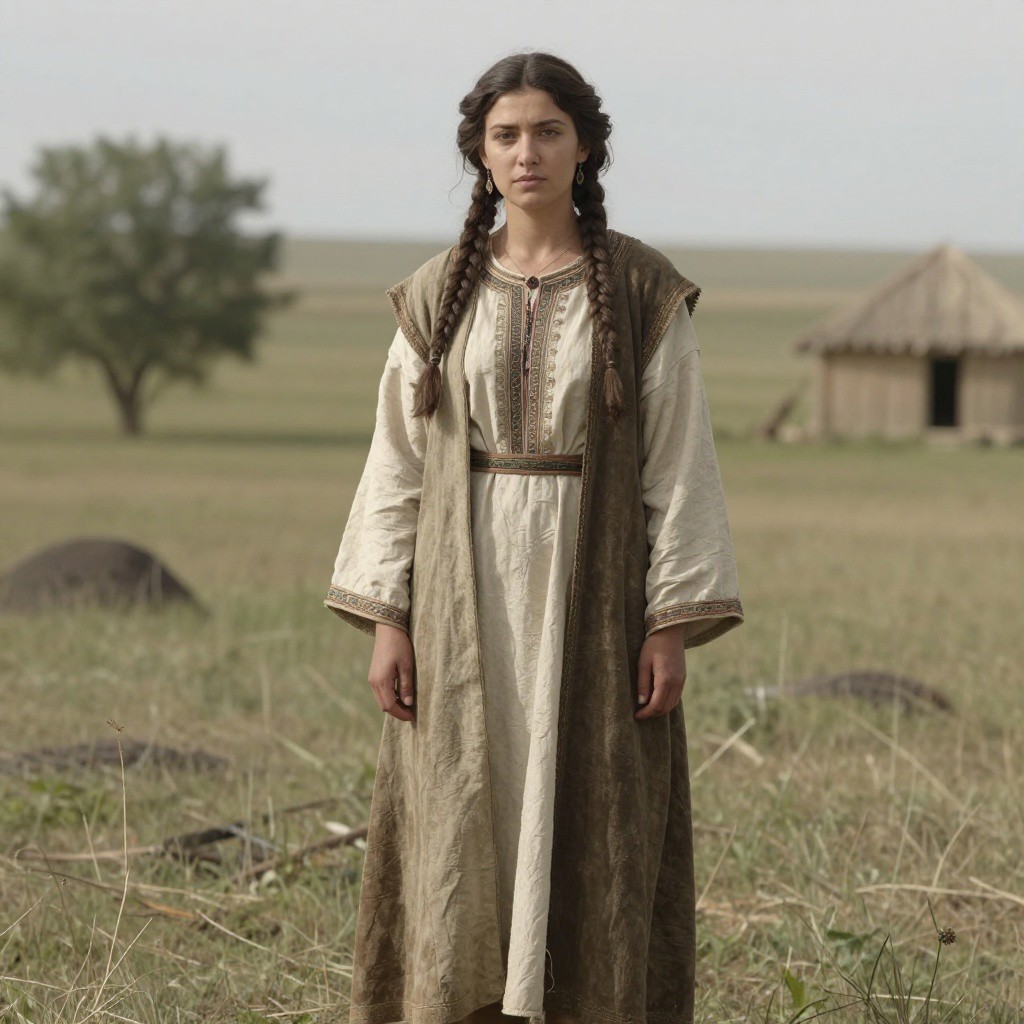
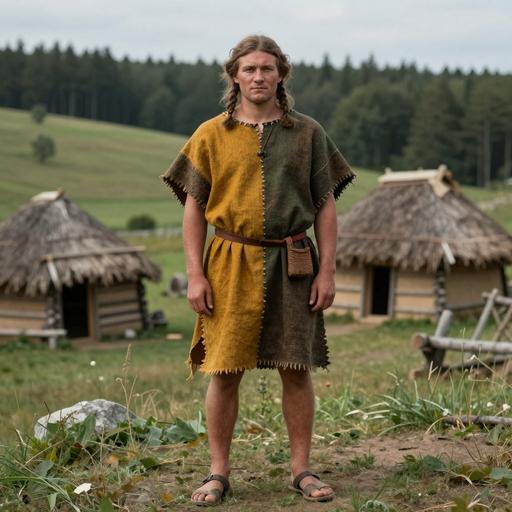
Os retratos são ilustrações geradas com IA. As etiquetas de amostra e os identificadores de acesso identificam os registros de referência.

Retrato Mostrar País Época Data Cultura mtDNA Corresponder
Retrato ilustrativo de Eneolithic Trypillia individual, Șoldănești (Șoldănești District), Moldova (3,366-3,062 BCE) gerado com IA
Identificador de amostra: I7920
Moldova Moldova Eneolithic Trypillia 3350-3099 calBCE (4505±25 BP, PSUAMS-4872) Moldova_Eneolithic_Trypillia K1b2 Direct
Retrato ilustrativo de EN Serednii Stih Migrant-o Khvalynsk individual, Kettőshalom Bárdostanya (Csongrád-Csanád County, Csongrád), Hungary (4,377-4,133 BCE) gerado com IA
Identificador de amostra: I5124
Hungary Hungary EN SeredniiStihMigrant oKhvalynsk 4331-4073 calBCE (5382±18 BP) [R_combine: (5470±40 BP, Poz-41865), (5360±20 BP, PSUAMS-2834)] Hungary_EN_SeredniiStihMigrant-oKhvalynsk K1b2 Direct
Retrato ilustrativo de Ivanovo LN Lyalovo- Dup individual, Sakhtysh-2 (Ivanovo Oblast, Teykovsky District, Sakhtysh Village), Russia (5,319-5,072 BCE) gerado com IA
Identificador de amostra: NEO192
Russia Lyalovo culture 5311-5210 calBCE (6271±24 BP) [R_Combine: (6275±30 BP, PSUAMS-14534), (6265±38 BP, UBA-40003) Lyalovo Culture K1b2 Direct
Retrato ilustrativo de Iron Gates Late Mesolithic individual, Schela-Cladovei (Mehedinți County, Drobeta-Turnu Severin), Romania (7,574-7,338 BCE) gerado com IA
Identificador de amostra: NEO672
Romania Late Mesolithic Iron Gates Culture 7574-7338 calBCE (8384±43 BP, UBA-40104) Iron Gates K1b2 Direct
Retrato ilustrativo de Imperial Roman-o Mixed individual, Girona. Empuries. necropolis Centre de Visitants, Spain (44 BCE-61 CE) gerado com IA
Identificador de amostra: I10866
Spain Roman Period Spain 44 calBCE - 61 calCE (2005±15 BP, PSUAMS-5281) Roman Hispania K1b2a Subclado
Retrato ilustrativo de IA Wielbark individual, Czarnówko (Pomeranian Province, Lębork County, Nowa Wieś Lęborska), Poland (100-300 CE) gerado com IA
Identificador de amostra: PCA0527
Poland Wielbark Culture 100-300 CE Wielbark K1b2a Subclado
Retrato ilustrativo de Antiquity individual, Surxondaryo Region, Rabat, Uzbekistan (150 BCE-50 CE) gerado com IA
Identificador de amostra: L5139
Uzbekistan Iron Age Rabat Culture of Surxondaryo 150 BCE - 50 CE Rabat Culture K1b2b Subclado
Retrato ilustrativo de Classical individual, Shуshakу (Forest-steppe, Left bank of Dnipro, Poltava), Ukraine (292-408 CE) gerado com IA
Identificador de amostra: UKR122-I
Ukraine Ukraine Classical 300-400 CE Ukraine_Classical K1b2b Subclado
Retrato ilustrativo de Grand Est individual, Marne. Chemin de Coupetz. Faux Vesigneul, France (300-200 BCE) gerado com IA
Identificador de amostra: I19362
France France GrandEst IA2 300-200 BCE Iron Age II Culture K1b2a Subclado
Retrato ilustrativo de Grand Est individual, Marne. Chemin de Coupetz. Faux Vesigneul, France (300-200 BCE) gerado com IA
Identificador de amostra: I19363
France France GrandEst IA2 300-200 BCE Iron Age II Culture K1b2a Subclado
MATERNAL LINHAGEM · DNA ANTIGO

Mapa de testes de linhagems antigos

Siga os clados superiores até este ramo e explora onde se encontraram portadores antigos.

A carregar as observações antigas...

Os marcadores são locais de achados arqueológicos. Uma linha de descontínua representa uma transição geográfica proposta e incerta entre ramos consecutivos, apoiada em várias observações fechadas; não é uma rota de viagem exata, um local de nascimento ou um teste de descendência direta. As amostras do clado parental podem pertencer a outros ramos descendentes. As datas das amostras são distintas das datas de formação dos haplogrupos são mantidas.

Perfil de Referência

Mapa de distribuição de portadores

Distribuição geográfica das amostras de DNA antigo (55), portadores directos ou de subclasses de K1B2

Portador directo Portador de um subclasse
Filtro de Período Temporária
Todos os períodos
Mostrar todas as amostras
Perfil de Referência

Distribuição temporária

Distribuição de portadores por períodos arqueológicos

Perfil de Referência

Distribuição geográfica

Recuentos por país registrado das amostras. Reflejam a seleção de referência disponível, não frequências de população.

Perfil de Referência

Distribuição por país e época

Compare as contagens de amostras registadas por países e períodos arqueológicos. Selecione uma célula com dados para examinar uma amostra.

Dados

Dados e proveniência

Informações sobre fontes e qualidade dos dados

Última actualização 2026-02-16
Pontuação de confiança 50/100
Cobertura Low

Fonte de Dados

A classificação, as datas estimadas e o contexto geográfico refletem os dados de referência registrados e podem mudar ao revisar os testes. A cobertura de amostras é desigual; os locais registrados e as associações arqueológicas não estabelecem a origem pessoal nem a identidade cultural.