Saltar para o conteúdo principal
mtDNA · Materno linaje

M10A1A1B

mtDNA Haplogroup M10A1A1B

Um perfil de referência de um ramo de linhagem. Compartilhar haplogrupos não demonstra uma relação familiar ou uma identidade cultural.

Perfil de Referência

Contexto do ramo

Contexto histórico de la rama de linaje mtDNA M10A1A1B

Origins and Evolution

mtDNA haplogroup M10A1A1B is a downstream branch of M10A1A1 and therefore sits within the broader East Eurasian M10 lineage. Based on the parent clade's estimated emergence in the mid-to-late Holocene, M10A1A1B most likely diversified on the eastern Eurasian steppe region during the later Bronze Age to early Iron Age interval (a few thousand years before present). Its phylogenetic position as a subclade of M10A1A1 implies a relatively recent origin (within the last ~3–4 kya), consistent with demographic events on the northern Eurasian steppe such as increasing pastoralist mobility and inter-group contacts across Mongolia, southern Siberia and adjacent parts of northern China.

Subclades (if applicable)

As a terminal designation (M10A1A1B), this lineage represents a narrowly defined maternal branch downstream of M10A1A1. Where additional downstream diversity exists, it is expected to be geographically localized and of recent antiquity; however, published and sampled diversity for M10A1A1B appears limited, with few reported variants and low-frequency occurrences in modern and ancient datasets. Continued high-resolution mtDNA sequencing in eastern Eurasia may reveal further substructure.

Geographical Distribution

M10A1A1B shows a concentrated distribution in northern East Asia and Siberia, reflecting the broader distribution of its parent clade. Modern and ancient detections indicate the haplogroup occurs at highest relative frequencies among:

  • Mongolic-speaking groups and populations across Mongolia and adjacent regions of southern Siberia.
  • Turkic-speaking groups of the Altai and nearby Central Asia at low-to-moderate frequencies.
  • Indigenous Siberian populations (for example Yakut/Sakha and some Evenk groups).

Lower-frequency or sporadic occurrences are recorded on the Tibetan Plateau, among northern Han Chinese and ethnic minorities in northern China, on the Korean peninsula and in regional Japanese samples. A small number of archaeological samples from eastern steppe Bronze Age and Iron Age burials carry lineages within M10A1A1, indicating antiquity in steppe contexts.

Historical and Cultural Significance

The pattern of M10A1A1B — concentrated in steppe pastoralist and northern East Asian groups with spill-over into highland and agricultural populations — fits demographic models of maternal lineage movement associated with nomadic mobility, small-scale female-mediated gene flow, and regional admixture between steppe pastoralists and neighboring agricultural populations. Its presence in ancient steppe burials ties it to the mobile lifeways of Bronze Age and later Iron Age eastern steppe horizons; later medieval nomadic polities (Turkic and Mongolic expansions) likely redistributed such maternal lineages across broader parts of northeastern Eurasia and into Central Asia.

Because it is a relatively rare and recent subclade, M10A1A1B is most useful in regional phylogeographic studies that track maternal line continuity and small-scale migrations across the eastern steppe and adjacent highlands rather than as a marker of large continent-spanning events.

Conclusion

M10A1A1B is a localized, recently derived maternal lineage of the eastern Eurasian steppe, principally associated with Mongolic, Turkic and Siberian populations and detected at low frequencies in neighboring East Asian and Tibetan populations. Its distribution and archaeological occurrences point to a role in the demographic dynamics of steppe pastoralist populations from the late Bronze Age/Iron Age onward and to ongoing, low-level maternal gene flow between steppe groups and surrounding agricultural and highland communities. Further sampling and full mitogenome sequencing across under-sampled regions may clarify its internal diversity and finer-scale migration history.

Pontos- Chave

  • Origins and Evolution
  • Subclades (if applicable)
  • Geographical Distribution
  • Historical and Cultural Significance
  • Conclusion
Perfil de Referência

Árvore e relações

Contexto filogenético e subclasse

Trajectória evolutiva

Sigue las ramas superiores registradas hasta M10A1A1B. Las fechas son estimaciones y pueden cambiar al revisarse los datos de referencia.

Passos Haplogrupo Antiguidade estimada Época arqueológica Tempo decorrido Subclasses imediatas Portadores modernos analisados Referências antigas
1 M10A1A1B Actual ~3,000 years ago Iron Age 3,200 years 0 14 3
2 M10A1A1 ~4,000 years ago Bronze Age 3,800 years 2 15 0
3 M10A1A ~4,000 years ago Bronze Age 4,500 years 1 19 2
4 M10A1 ~8,000 years ago Neolithic 8,000 years 2 19 0
5 M10A ~12,000 years ago Neolithic 12,000 years 2 23 1
6 M10 ~25,000 years ago Paleolithic 25,000 years 1 24 0
7 M ~60,000 years ago Paleolithic 60,000 years 42 2,671 41
8 L3 ~70,000 years ago Paleolithic 70,000 years 7 30,162 6
9 L3'4 - - - 2 30,212 0
10 L3'4'6 - - - 2 30,216 0
11 L2'3'4'6 - - - 2 31,333 0
12 L2'3'4'5'6'7 - - - 2 31,349 0
13 L1'2'3'4'5'6'7 - - - 2 31,852 0
14 L ~160,000 years ago Paleolithic 160,000 years 2 32,236 5

Subclados (0)

Rama terminal: não há subclasses registrados

Ramas hermanas (1)

Outros ramos do mesmo haplogrupo superior

Perfil de Referência

No mundo

Distribuição geográfica e presença moderna

Origem registada

Central–Northeast Asia (Eastern Eurasian steppe)

Distribuição moderna

The populations where mtDNA haplogroup M10A1A1B is found include:

  1. Mongolic-speaking groups (Mongolians, Buryats)
  2. Turkic-speaking populations of the Altai and nearby Central Asia (Tuvans, Altaians, some Kazakh/Kyrgyz samples)
  3. Indigenous Siberian peoples (Yakut/Sakha, Evenk and other north Siberian groups)
  4. Tibetan Plateau populations (Tibetans and neighboring highland groups) — low frequency
  5. Northern Han Chinese and ethnic minorities in northern China (low to moderate frequency)
  6. Korean peninsula populations (low frequency)
  7. Japan (sporadic/low frequency in some regional samples)
  8. Central Asian groups (scattered low-frequency occurrences among Kyrgyz, Uzbek/Kazakh samples)
  9. Ancient eastern steppe assemblages (Bronze Age and Iron Age burials associated with nomadic horizons)
  10. Diaspora and admixed East Eurasian communities (scattered occurrences)
Contexto Histórico

Uma ramificação através do tempo

Formação estimada em uma cronologia histórica ampla. Os marcadores temporais contribuem contexto e não implicam relação com culturas concretas.

  1. ~10k años de antigüedad

    Revolução neolítica

    Início da agricultura e formação de comunidades sedentárias

  2. ~5k años de antigüedad

    Idade do Bronze

    Metalurgia, escrita e primeiras civilizações

  3. ~3.2k años de antigüedad

    Haplogrupo M10A1A1B

    Formação estimada deste ramo mtDNA; as datas e localizações são estimativas de referência.

    Este ramo
  4. ~3k años de antigüedad

    Idade do Ferro

    Ferramentas de ferro e ampliação de redes comerciais

  5. ~2.5k años de antigüedad

    Antiguidades clássicas

    Desenvolvimento das civilizações grega e romana

  6. Actualidad

    Actualidad

    Idade moderna

Perfil de Referência

Contexto arqueológico

Asociaciones arqueológicas registradas para la rama mtDNA M10A1A1B

Associações registradas

Esses rótulos descrevem os contextos arqueológicos registrados para as amostras de referência vinculadas a M10A1A1B. Uma associação não demonstra que todos os portadores pertenceram a uma cultura ou seguiram uma rota migratória específica.

China_Tibet_Pulanduowa_IA Early Avar Hunnic Period Indonesian Hunter-Gatherer Culture Medieval Tuv Russia_Udmurtia_Medieval_LateChiyalik-oEurope Scythian Sukhbaatar Bronze Culture Tang Culture Three Kingdoms Period Xiongnu Culture
As atribuições culturais baseiam-se no contexto arqueológico das amostras de DNA antigo e podem representar associações regionais de períodos concretos.
Perfil de Referência

Catálogo de amostras

3 portadores directos del haplogrupo M10A1A1B

3 mostradas 3 amostras correspondentes

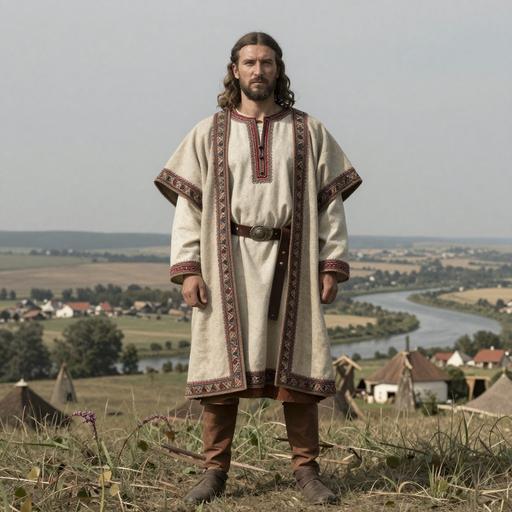
Os retratos são ilustrações geradas com IA. As etiquetas de amostra e os identificadores de acesso identificam os registros de referência.

Retrato Mostrar País Época Data Cultura mtDNA Corresponder
Retrato ilustrativo de Early Avar-o Low East Asia individual, Rákóczifalva-Bagi-földek (Jász-Nagykun-Szolnok Coiunty, Szolnok), Hungary (550-700 CE) gerado com IA
Identificador de amostra: RKF164
Hungary Hungary EarlyAvar 550-700 CE Early Avar M10a1a1b Direct
Retrato ilustrativo de Early Avar-o High East Asia individual, Rákóczifalva-Bagi-földek (Jász-Nagykun-Szolnok Coiunty, Szolnok), Hungary (550-700 CE) gerado com IA
Identificador de amostra: RKF185
Hungary Hungary EarlyAvar 550-700 CE Early Avar M10a1a1b Direct
Retrato ilustrativo de Early Avar-o Low East Asia individual, Rákóczifalva-Bagi-földek (Jász-Nagykun-Szolnok Coiunty, Szolnok), Hungary (606-646 CE) gerado com IA
Identificador de amostra: RKF148
Hungary Hungary EarlyAvar 600-650 BCE Early Avar M10a1a1b Direct
MATERNAL LINHAGEM · DNA ANTIGO

Mapa de testes de linhagems antigos

Siga os clados superiores até este ramo e explora onde se encontraram portadores antigos.

A carregar as observações antigas...

Os marcadores são locais de achados arqueológicos. Uma linha de descontínua representa uma transição geográfica proposta e incerta entre ramos consecutivos, apoiada em várias observações fechadas; não é uma rota de viagem exata, um local de nascimento ou um teste de descendência direta. As amostras do clado parental podem pertencer a outros ramos descendentes. As datas das amostras são distintas das datas de formação dos haplogrupos são mantidas.

Perfil de Referência

Mapa de distribuição de portadores

Distribuição geográfica das amostras de DNA antigo (3), portadores directos ou de subclasses de M10A1A1B

Portador directo
Filtro de Período Temporária
Todos os períodos
Mostrar todas as amostras
Perfil de Referência

Distribuição temporária

Distribuição de portadores por períodos arqueológicos

Perfil de Referência

Distribuição geográfica

Recuentos por país registrado das amostras. Reflejam a seleção de referência disponível, não frequências de população.

Perfil de Referência

Distribuição por país e época

Compare as contagens de amostras registadas por países e períodos arqueológicos. Selecione uma célula com dados para examinar uma amostra.

Dados

Dados e proveniência

Informações sobre fontes e qualidade dos dados

Última actualização 2026-02-16
Pontuação de confiança 50/100
Cobertura Low

Fonte de Dados

A classificação, as datas estimadas e o contexto geográfico refletem os dados de referência registrados e podem mudar ao revisar os testes. A cobertura de amostras é desigual; os locais registrados e as associações arqueológicas não estabelecem a origem pessoal nem a identidade cultural.