Um perfil de referência de um ramo de linhagem. Compartilhar haplogrupos não demonstra uma relação familiar ou uma identidade cultural.
Perfil de Referência
Contexto do ramo
Contexto histórico de la rama de linaje mtDNA N1A1A
Origins and Evolution
mtDNA haplogroup N1A1A is a downstream branch of N1A1, itself a derivative of the broader N1A lineage. Based on the phylogenetic position of N1A1A below N1A1 and the known age of N1A1 (~11 kya in Near East/Anatolia), N1A1A most plausibly arose in the Near East or Anatolia in the early Holocene (roughly ~9 kya). Its emergence likely coincided with the demographic processes associated with the spread of food production and the early Neolithic transition, when regional population growth and mobility created opportunities for local mitochondrial lineages to diversify and spread.
Subclades (if applicable)
Downstream variation within N1A1A has been observed in both ancient and modern mtDNA datasets, though the subclade structure is less deeply sampled than for some more common lineages. Ancient DNA studies that recover N1A1-derived lineages sometimes resolve finer branches of N1A1A in early Neolithic assemblages; modern population sampling has identified rare, geographically scattered derivatives. Because sampling remains limited, researchers treat many downstream branches as moderately defined and subject to refinement as more complete mitogenomes are published.
Geographical Distribution
N1A1A shows a distribution pattern characteristic of a Near Eastern/Anatolian origin with diffusion into adjoining regions during the Neolithic expansion. Highest frequencies and diversity are observed historically in Anatolia and adjacent Near Eastern regions, while occurrences in Europe (both ancient and modern) are typically low-frequency but important for tracing Neolithic farmer ancestry. The haplogroup also appears sporadically in North Africa and the Horn of Africa, consistent with historical and prehistoric gene flow between the Near East and Africa. In modern populations N1A1A is uncommon and patchily distributed, often seen at low frequencies in southern Europe and coastal North Africa and represented by isolated lineages in parts of the Caucasus and Iran.
Historical and Cultural Significance
N1A1A is notable in population genetics because of its association with early agricultural communities. It (and closely related N1A1 sublineages) has been recovered from ancient Anatolian and early European Neolithic contexts — including Cardial and Linearbandkeramik (LBK)-associated assemblages — making it a useful marker for studying the maternal component of the Neolithic migration into Europe. The presence of N1A1A in ancient farmer genomes underlines the Near Eastern contribution to European Neolithic ancestry. Its later low frequency in many modern populations reflects both the initial Neolithic dispersal and substantial subsequent demographic events (population replacement, drift, and admixture) that reshaped maternal-lineage frequencies across Eurasia.
Conclusion
As a relatively rare but historically informative lineage, N1A1A functions as a molecular signature of early Near Eastern/Anatolian maternal ancestry that participated in the Neolithic spread of farming into Europe. Continued mitogenome sequencing of both modern and ancient samples will refine its internal branching, geographic patchiness, and the timing of its dispersals, but current evidence places its origin in the early Holocene Near East with notable representation among early farmers in archaeological contexts.
Pontos- Chave
Origins and Evolution
Subclades (if applicable)
Geographical Distribution
Historical and Cultural Significance
Conclusion
Perfil de Referência
Árvore e relações
Contexto filogenético e subclasse
Trajectória evolutiva
Sigue las ramas superiores registradas hasta N1A1A. Las fechas son estimaciones y pueden cambiar al revisarse los datos de referencia.
The populations where mtDNA haplogroup N1A1A is found include:
Anatolian and Levantine Near Eastern populations
Ancient Anatolian Neolithic assemblages
Early European Neolithic farmers (e.g., LBK, Cardial-related groups)
Modern Southern European populations (Italy, Greece, Iberian fringe) at low frequencies
Central and Northern European populations in ancient contexts (now rare)
North African coastal populations and the Maghreb at low frequencies
Horn of Africa populations (Ethiopia, Somalia) in specific sublineages
Caucasus and Iranian populations (moderate to low frequencies)
Sporadic occurrences in parts of Central Asia and steppe-adjacent groups
Ancient Cardial/Cardial-related and other early farmer assemblages in Europe
Contexto Histórico
Uma ramificação através do tempo
Formação estimada em uma cronologia histórica ampla. Os marcadores temporais contribuem contexto e não implicam relação com culturas concretas.
~10k años de antigüedad
Revolução neolítica
Início da agricultura e formação de comunidades sedentárias
~9k años de antigüedad
Haplogrupo N1A1A
Formação estimada deste ramo mtDNA; as datas e localizações são estimativas de referência.
Este ramo
~5k años de antigüedad
Idade do Bronze
Metalurgia, escrita e primeiras civilizações
~3k años de antigüedad
Idade do Ferro
Ferramentas de ferro e ampliação de redes comerciais
~2.5k años de antigüedad
Antiguidades clássicas
Desenvolvimento das civilizações grega e romana
Actualidad
Actualidad
Idade moderna
Perfil de Referência
Contexto arqueológico
Asociaciones arqueológicas registradas para la rama mtDNA N1A1A
Associações registradas
Esses rótulos descrevem os contextos arqueológicos registrados para as amostras de referência vinculadas a N1A1A. Uma associação não demonstra que todos os portadores pertenceram a uma cultura ou seguiram uma rota migratória específica.
Alföld Linear PotteryAnatolian NeolithicArmenian LBA-EIABaalberge CultureBaja PPNBCzech NeolithicEarly Bronze Age RussianHungary_C_BodrogkereszturLinear Pottery CultureStarčevo CultureTisza Culture
As atribuições culturais baseiam-se no contexto arqueológico das amostras de DNA antigo e podem representar associações regionais de períodos concretos.
Perfil de Referência
Catálogo de amostras
8 portadores directos y 56 portadores de subclados del haplogrupo N1A1A
10 mostradas 50 amostras correspondentes
Nenhuma amostra coincide com estes filtros. Teste outra marca, localização ou período.
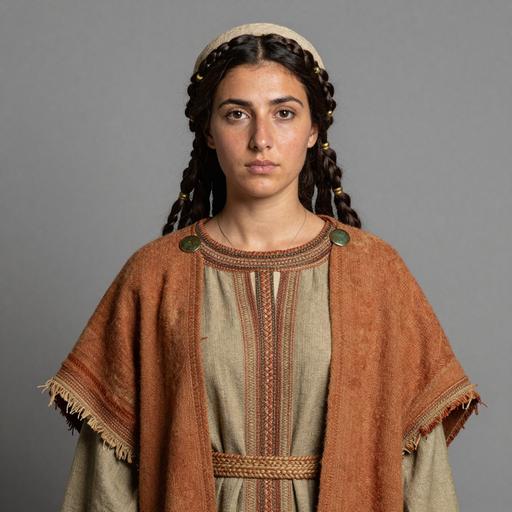
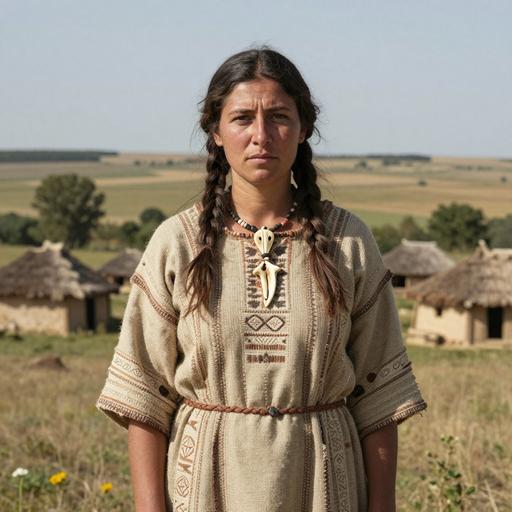
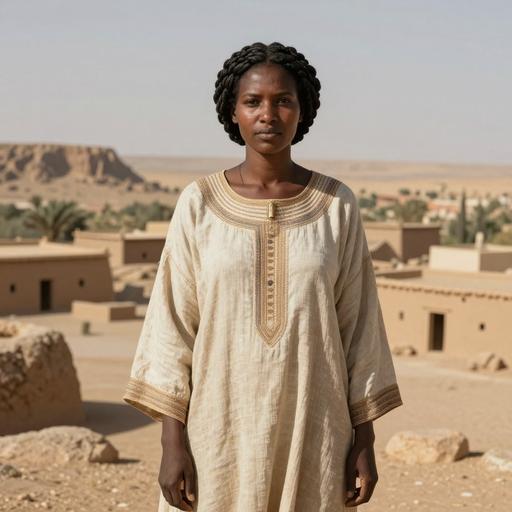
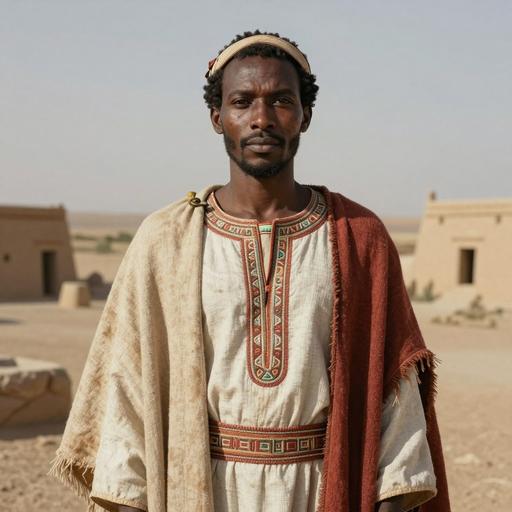
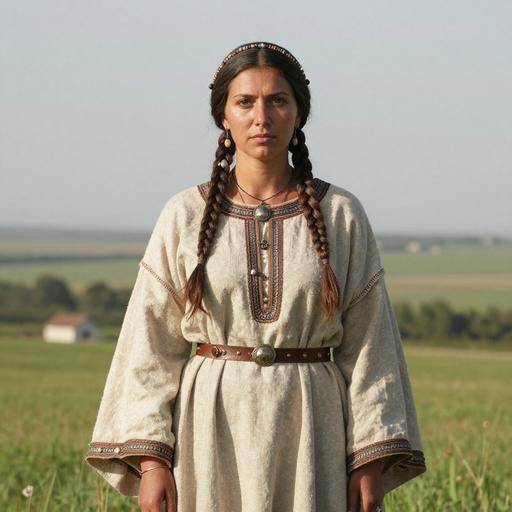
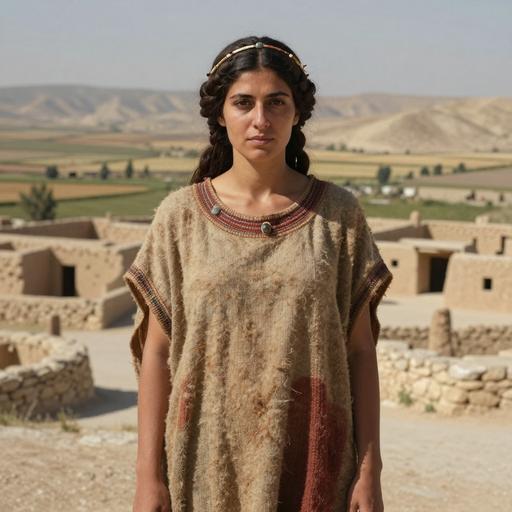
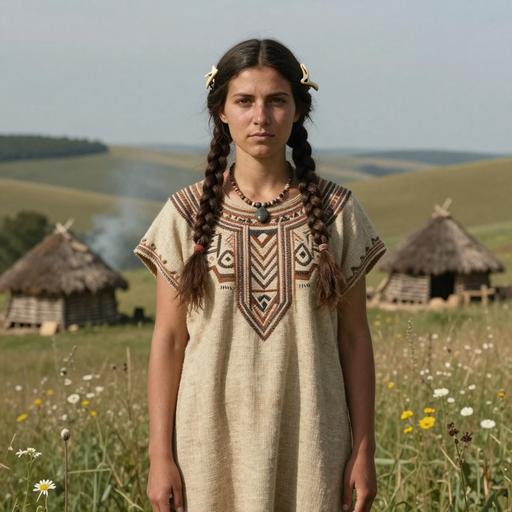
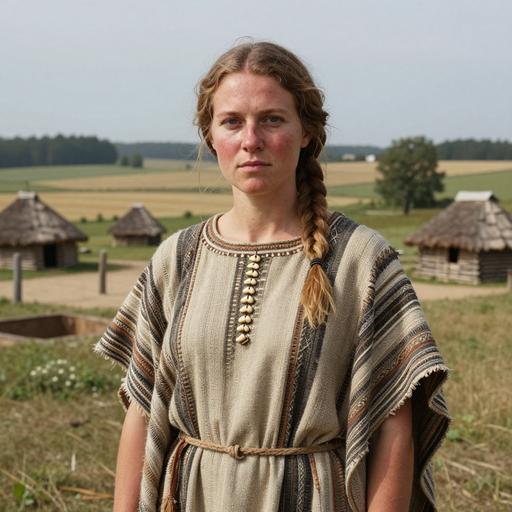
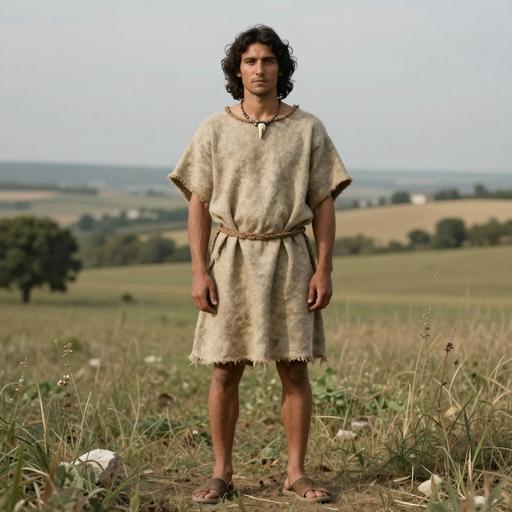
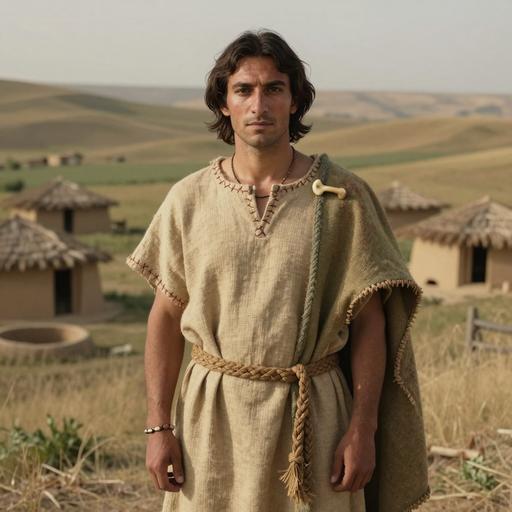
Os retratos são ilustrações geradas com IA. As etiquetas de amostra e os identificadores de acesso identificam os registros de referência.
Retrato
Mostrar
País
Época
Data
Cultura
mtDNA
Corresponder
Identificador de amostra: I19328
Armenia
Late Bronze Age to Early Iron Age Armenia
904-814 calBCE (2715±20 BP, PSUAMS-8888)
Armenian LBA-EIA
N1a1a
Direct
Identificador de amostra: I18470
Armenia
Late Bronze Age to Early Iron Age Armenia
1550-1300 BCE
Armenian LBA-EIA
N1a1a
Direct
Identificador de amostra: I7188
Czech Republic
Chalcolithic Baalberge Culture, Czech Republic
3705-3635 calBCE (4880±20 BP, PSUAMS-4232)
Baalberge Culture
N1a1a
Direct
Identificador de amostra: I7893
Slovakia
Slovakia N LBK
5205-4847 calBCE (6075±35 BP, PSUAMS-15084)
Linear Pottery Culture
N1a1a
Direct
Identificador de amostra: I10352
Hungary
Hungary MN AVK
5250-4750 BCE
Alföld Linear Pottery
N1a1a
Direct
Identificador de amostra: I7952
Czech Republic
Neolithic Czech Republic
5500-5000 BCE
Czech Neolithic
N1a1a
Direct
Identificador de amostra: I8105
Serbia
Serbia EN Starcevo
5800-5600 BCE
Starčevo Culture
N1a1a
Direct
Identificador de amostra: BAJ022
Jordan
Pre-Pottery Neolithic B of Baja
7250-6800 BCE
Baja PPNB
N1a1a
Direct
Identificador de amostra: CLR31
France
Iron Age Culture of Aude
400-300 BCE
Aude
N1a1a1
Subclado
Identificador de amostra: I18536
Sudan
Early Christian Era in Sudan
650 CE - 1050 CE
Nubian Christian
N1a1a3
Subclado
Identificador de amostra: I18524
Sudan
Early Christian Era in Sudan
650 CE - 1050 CE
Nubian Christian
N1a1a3
Subclado
Identificador de amostra: SZRV-212
Hungary
Hungary LateAvar
700-800 CE
Avar Culture
N1a1a1
Subclado
Identificador de amostra: SZRV-67
Hungary
Hungary LateAvar
700-800 CE
Avar Culture
N1a1a1
Subclado
Identificador de amostra: VK232
Sweden
Sweden Viking
900 CE - 1050 CE
Viking
N1a1a1
Subclado
Identificador de amostra: VK232
Sweden
The Viking Age
900 CE - 1050 CE
N1a1a1
Subclado
Identificador de amostra: NEO806
Italy
Bronze Age Italy
1386-1129 calBCE (3014±26 BP, UBA-40109)
Italian Bronze Age
N1a1a1
Subclado
Identificador de amostra: I5695
Slovenia
Middle Bronze Age Slovenia
1423 BCE - 1268 BCE
Slovenian Bronze Age
N1a1a1
Subclado
Identificador de amostra: I18746
Croatia
Croatia MBA Cetina
1669-1511 calBCE (3320±25 BP, PSUAMS-14714)
Croatian Middle Bronze Age
N1a1a1
Subclado
Identificador de amostra: I14792
Turkey
Turkey EBA
2454-2201 calBCE (3840±25 BP, PSUAMS-6844)
Early Bronze Anatolia
N1a1a3
Subclado
Identificador de amostra: NEO828
Italy
Gaudo culture
3300-3000 BCE
Gaudo
N1a1a1
Subclado
Identificador de amostra: N18
Poland
Poland TRB
3632 BCE - 3376 BCE
Funnel Beaker
N1a1a1
Subclado
Identificador de amostra: N18
Poland
Middle Neolithic Central Europe
3632 BCE - 3376 BCE
N1a1a1
Subclado
Identificador de amostra: I2790
Hungary
Hungary LateC Protoboleraz
3768 BCE - 3543 BCE
Proto-Boleráz Culture
N1a1a3
Subclado
Identificador de amostra: I2790
Hungary
Late Chalcolithic Balkans
3768 BCE - 3543 BCE
N1a1a3
Subclado
Identificador de amostra: lbk102
Poland
Eastern Linear Pottery Culture of Kruszyn
4350-3950 BCE
Linear Pottery Culture
N1a1a1
Subclado
Identificador de amostra: I14159
Romania
Romania C Bodrogkeresztur
4400-3500 BCE
Bodrogkeresztur
N1a1a1
Subclado
Identificador de amostra: I4168
Croatia
Croatia MN Sopot
4777 BCE - 4538 BCE
Sopot Culture
N1a1a1
Subclado
Identificador de amostra: POP14
Croatia
Middle Neolithic Popova Culture
4777 BCE - 4538 BCE
Popova Culture
N1a1a1
Subclado
Identificador de amostra: SCH004
Germany
Early Neolithic Linear Pottery Culture, Germany
5200-5000 BCE
Linear Pottery Culture
N1a1a1
Subclado
Identificador de amostra: XN215
Germany
Early Neolithic Linear Pottery Culture, Germany
5208-4945 calBCE (6115±25 BP, MAMS-36727)
Linear Pottery Culture
N1a1a1
Subclado
Identificador de amostra: I2379
Hungary
Middle Neolithic Alföld Linear Pottery Culture Tiszadob Group, Hungary
5209-4855 calBCE (6100±40 BP, Poz-88115)
Tiszadob Group
N1a1a1
Subclado
Identificador de amostra: OBN006
France
France MN
5209-4954 calBCE (6124±25 BP, LTL-18527A)
Middle Neolithic French
N1a1a1
Subclado
Identificador de amostra: I2008
Germany
Early Neolithic Linear Pottery Culture, Germany
5211 BCE - 4957 BCE
Linear Pottery Culture
N1a1a1
Subclado
Identificador de amostra: I2008
Germany
The Linear Pottery Culture
5211 BCE - 4957 BCE
N1a1a1
Subclado
Identificador de amostra: I0057
Germany
Early Neolithic Linear Pottery Culture, Germany
5215 BCE - 5011 BCE
Linear Pottery Culture
N1a1a1
Subclado
Identificador de amostra: I0057
Germany
The Linear Pottery Culture
5215 BCE - 5011 BCE
N1a1a1
Subclado
Identificador de amostra: XN165
Germany
Early Neolithic Linear Pottery Culture, Germany
5296-5056 calBCE (6213±24 BP, MAMS-36725)
Linear Pottery Culture
N1a1a1
Subclado
Identificador de amostra: XN205
Germany
Early Neolithic Linear Pottery Culture, Germany
5300-5000 BCE
Linear Pottery Culture
N1a1a1
Subclado
Identificador de amostra: I16245
Slovakia
Slovakia N LBK
5400-4900 BCE
Linear Pottery Culture
N1a1a1
Subclado
Identificador de amostra: I17344
Slovakia
Slovakia N LBK
5400-4900 BCE
Linear Pottery Culture
N1a1a1
Subclado
Identificador de amostra: I24894
Austria
Austria N LBK
5300-5000 BCE
Linear Pottery Culture
N1a1a1
Subclado
Identificador de amostra: I17938
Hungary
Hungary MN AVK
5302-5047 calBCE (6215±35 BP, PSUAMS-15079)
Alföld Linear Pottery
N1a1a1
Subclado
Identificador de amostra: UZZ074
Italy
Italy Sicily N Stentinello
5350-5200 BCE
Stentinello
N1a1a1
Subclado
Identificador de amostra: DER007
Germany
Neolithic Linear Pottery Culture in Saxony, Germany
5400-4900 BCE
Linear Pottery Culture
N1a1a1
Subclado
Identificador de amostra: I10942
Gibraltar
Gibraltar EN
5500-4500 BCE
Gibraltar Neolithic
N1a1a1
Subclado
Identificador de amostra: I21771
Hungary
Hungary MN AVK
5500-4750 BCE
Alföld Linear Pottery
N1a1a1
Subclado
Identificador de amostra: I0174
Hungary
Hungary EN Starcevo 1
5712-5531 calBCE (6695±40 BP, MAMS-11939)
Starčevo Culture
N1a1a1
Subclado
Identificador de amostra: I3121
Turkey
Turkey N
6150-5800 BCE
Anatolian Neolithic
N1a1a1
Subclado
Identificador de amostra: I15705
Albania
Albanian Early Neolithic
6223-6067 calBCE (7270±30 BP, PSUAMS-7927)
Albanian Neolithic
N1a1a1
Subclado
Identificador de amostra: Tep006
Turkey
Neolithic Tepecik-Çiftlik, Turkey
6223 BCE - 6072 BCE
Tepecik-Çiftlik
N1a1a1
Subclado
Identificador de amostra: I19328
Late Bronze Age to Early Iron Age Armenia - Armenia - Noratus
Armenia Late Bronze Age to Early Iron Age Armenia 904-814 calBCE (2715±20 BP, PSUAMS-8888)
N1a1aDirect
Identificador de amostra: I18470
Late Bronze Age to Early Iron Age Armenia - Armenia - Noratus
Armenia Late Bronze Age to Early Iron Age Armenia 1550-1300 BCE
Siga os clados superiores até este ramo e explora onde se encontraram portadores antigos.
A carregar as observações antigas...
A redução do movimento está activada. Use a cronologia ou Mostrar tudo para explorar o seu ritmo.
Ler as observações numa tabela
Observações antigas visíveis por ramo, período e ponto médio da data
Ramada
Período
Intervalo de datas
Mostrar
Identificador de amostra
Localização
Haplogrupo
Relação
Os marcadores são locais de achados arqueológicos. Uma linha de descontínua representa uma transição geográfica proposta e incerta entre ramos consecutivos, apoiada em várias observações fechadas; não é uma rota de viagem exata, um local de nascimento ou um teste de descendência direta. As amostras do clado parental podem pertencer a outros ramos descendentes. As datas das amostras são distintas das datas de formação dos haplogrupos são mantidas.
O agrupamento por período histórico reflete quando viveu cada indivíduo antigo e combina todos os ramos desta cadeia de linhagems; não é uma sequência migratória nem uma cronologia pessoal entre períodos.
Perfil de Referência
Mapa de distribuição de portadores
Distribuição geográfica das amostras de DNA antigo (64), portadores directos ou de subclasses de N1A1A
Portador directo Portador de um subclasse
Filtro de Período Temporária
Todos os períodos
Mostrar todas as amostras
Perfil de Referência
Distribuição temporária
Distribuição de portadores por períodos arqueológicos
Perfil de Referência
Distribuição geográfica
Recuentos por país registrado das amostras. Reflejam a seleção de referência disponível, não frequências de população.
Perfil de Referência
Distribuição por país e época
Compare as contagens de amostras registadas por países e períodos arqueológicos. Selecione uma célula com dados para examinar uma amostra.
Dados
Dados e proveniência
Informações sobre fontes e qualidade dos dados
Última actualização2026-02-16
Pontuação de confiança50/100
CoberturaLow
Fonte de Dados
A classificação, as datas estimadas e o contexto geográfico refletem os dados de referência registrados e podem mudar ao revisar os testes. A cobertura de amostras é desigual; os locais registrados e as associações arqueológicas não estabelecem a origem pessoal nem a identidade cultural.