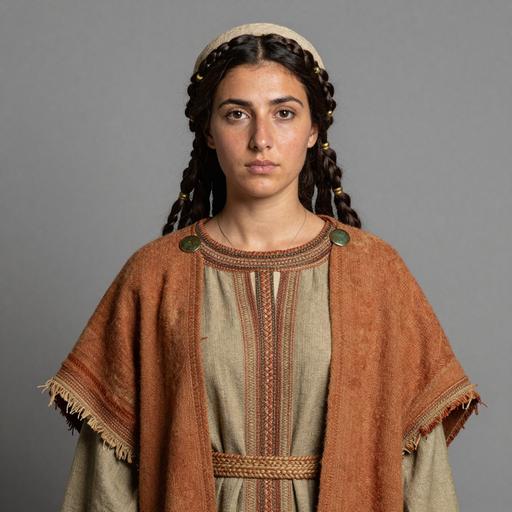
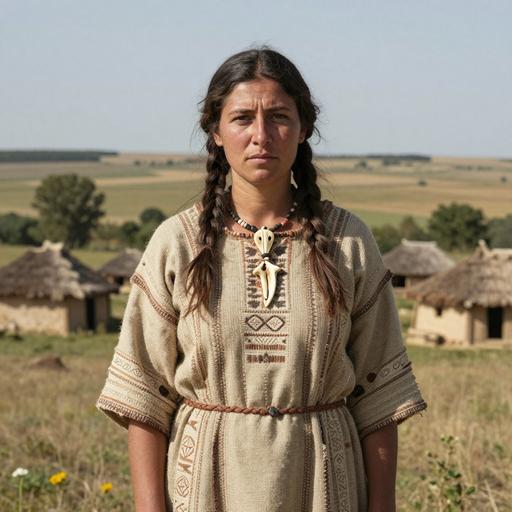
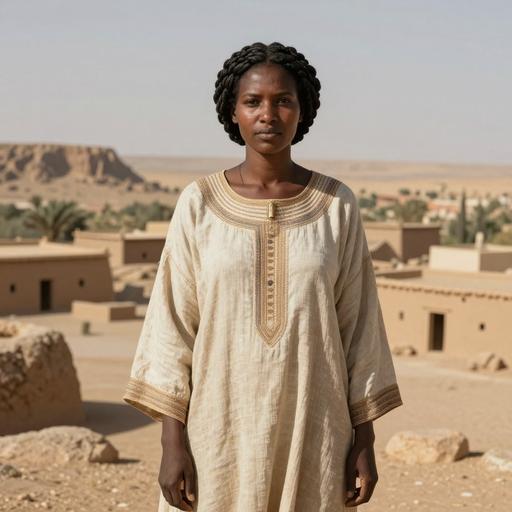
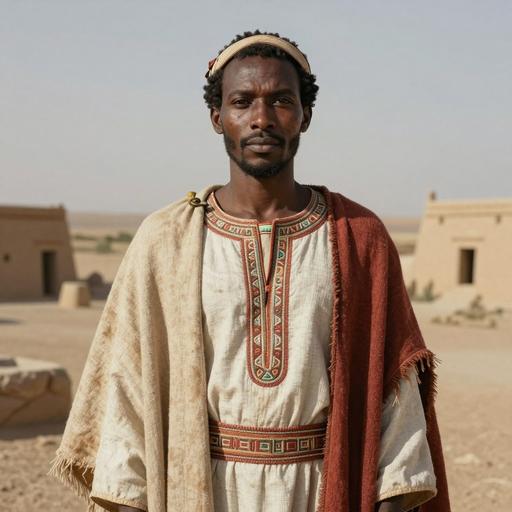
A reference profile for one lineage branch. Shared haplogroups do not establish a family relationship or cultural identity.
Reference profile
Branch background
Historical context for mtDNA lineage branch N1A1A
Origins and Evolution
mtDNA haplogroup N1A1A is a downstream branch of N1A1, itself a derivative of the broader N1A lineage. Based on the phylogenetic position of N1A1A below N1A1 and the known age of N1A1 (~11 kya in Near East/Anatolia), N1A1A most plausibly arose in the Near East or Anatolia in the early Holocene (roughly ~9 kya). Its emergence likely coincided with the demographic processes associated with the spread of food production and the early Neolithic transition, when regional population growth and mobility created opportunities for local mitochondrial lineages to diversify and spread.
Subclades (if applicable)
Downstream variation within N1A1A has been observed in both ancient and modern mtDNA datasets, though the subclade structure is less deeply sampled than for some more common lineages. Ancient DNA studies that recover N1A1-derived lineages sometimes resolve finer branches of N1A1A in early Neolithic assemblages; modern population sampling has identified rare, geographically scattered derivatives. Because sampling remains limited, researchers treat many downstream branches as moderately defined and subject to refinement as more complete mitogenomes are published.
Geographical Distribution
N1A1A shows a distribution pattern characteristic of a Near Eastern/Anatolian origin with diffusion into adjoining regions during the Neolithic expansion. Highest frequencies and diversity are observed historically in Anatolia and adjacent Near Eastern regions, while occurrences in Europe (both ancient and modern) are typically low-frequency but important for tracing Neolithic farmer ancestry. The haplogroup also appears sporadically in North Africa and the Horn of Africa, consistent with historical and prehistoric gene flow between the Near East and Africa. In modern populations N1A1A is uncommon and patchily distributed, often seen at low frequencies in southern Europe and coastal North Africa and represented by isolated lineages in parts of the Caucasus and Iran.
Historical and Cultural Significance
N1A1A is notable in population genetics because of its association with early agricultural communities. It (and closely related N1A1 sublineages) has been recovered from ancient Anatolian and early European Neolithic contexts — including Cardial and Linearbandkeramik (LBK)-associated assemblages — making it a useful marker for studying the maternal component of the Neolithic migration into Europe. The presence of N1A1A in ancient farmer genomes underlines the Near Eastern contribution to European Neolithic ancestry. Its later low frequency in many modern populations reflects both the initial Neolithic dispersal and substantial subsequent demographic events (population replacement, drift, and admixture) that reshaped maternal-lineage frequencies across Eurasia.
Conclusion
As a relatively rare but historically informative lineage, N1A1A functions as a molecular signature of early Near Eastern/Anatolian maternal ancestry that participated in the Neolithic spread of farming into Europe. Continued mitogenome sequencing of both modern and ancient samples will refine its internal branching, geographic patchiness, and the timing of its dispersals, but current evidence places its origin in the early Holocene Near East with notable representation among early farmers in archaeological contexts.
Key Points
Origins and Evolution
Subclades (if applicable)
Geographical Distribution
Historical and Cultural Significance
Conclusion
Reference profile
Tree & Relationships
Phylogenetic context and subclades
Evolution Path
Follow the recorded parent branches toward N1A1A. Dates are estimates and can change as reference data is revised.
The populations where mtDNA haplogroup N1A1A is found include:
Anatolian and Levantine Near Eastern populations
Ancient Anatolian Neolithic assemblages
Early European Neolithic farmers (e.g., LBK, Cardial-related groups)
Modern Southern European populations (Italy, Greece, Iberian fringe) at low frequencies
Central and Northern European populations in ancient contexts (now rare)
North African coastal populations and the Maghreb at low frequencies
Horn of Africa populations (Ethiopia, Somalia) in specific sublineages
Caucasus and Iranian populations (moderate to low frequencies)
Sporadic occurrences in parts of Central Asia and steppe-adjacent groups
Ancient Cardial/Cardial-related and other early farmer assemblages in Europe
Historical context
A branch through time
Estimated formation in a broad historical timeline. Period markers provide context and do not imply a connection with particular cultures.
~10k years ago
Neolithic Revolution
Agriculture begins, settled communities form
~9k years ago
Haplogroup N1A1A
Estimated formation of this mtDNA branch; dates and locations are reference estimates.
This branch
~5k years ago
Bronze Age
Metalworking, writing, and early civilizations
~3k years ago
Iron Age
Iron tools, expanded trade networks
~2.5k years ago
Classical Antiquity
Greek and Roman civilizations flourish
Present
Present Day
Modern era
Reference profile
Archaeological context
Recorded archaeological associations for mtDNA branch N1A1A
Recorded associations
These labels describe archaeological contexts recorded for reference samples linked to N1A1A. An association does not establish that all carriers belonged to a culture or followed a particular migration route.
Alföld Linear PotteryAnatolian NeolithicArmenian LBA-EIABaalberge CultureBaja PPNBCzech NeolithicEarly Bronze Age RussianHungary_C_BodrogkereszturLinear Pottery CultureStarčevo CultureTisza Culture
Culture assignments are based on archaeological context of ancient DNA samples and may represent regional associations during specific time periods.
Reference profile
Sample Catalog
8 direct carriers and 56 subclade carriers of haplogroup N1A1A
10 shown · 50 matching samples
No samples match these filters. Try another label, location or period.
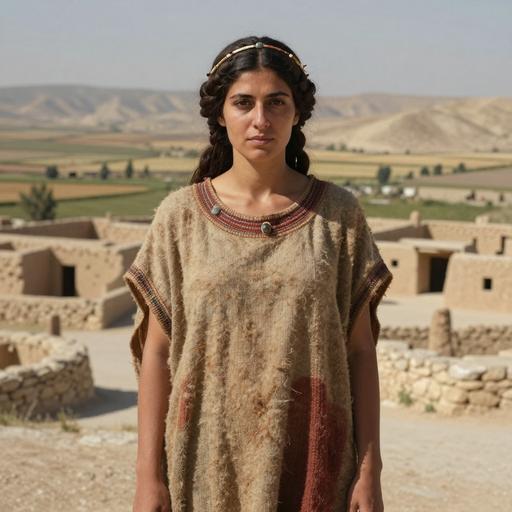
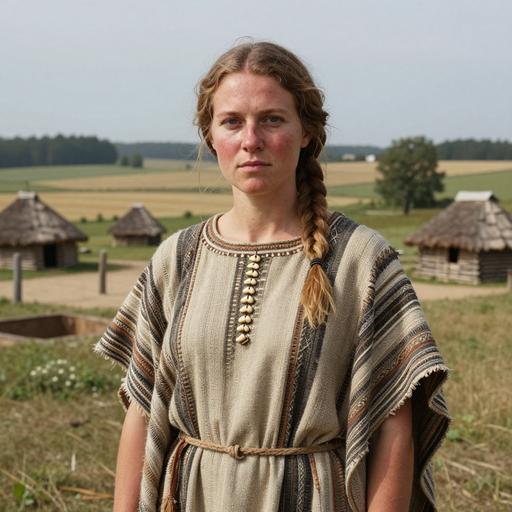
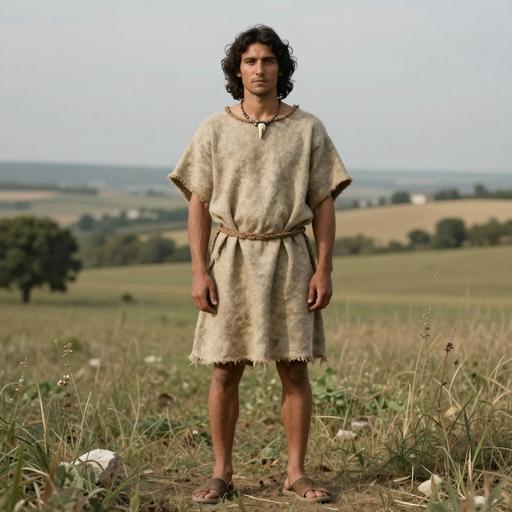
Portraits are AI-generated illustrations. Sample labels and accession IDs identify the reference records.
Portrait
Sample
Country
Era
Date
Culture
mtDNA
Match
Sample ID: I19328
Armenia
Late Bronze Age to Early Iron Age Armenia
904-814 calBCE (2715±20 BP, PSUAMS-8888)
Armenian LBA-EIA
N1a1a
Direct
Sample ID: I18470
Armenia
Late Bronze Age to Early Iron Age Armenia
1550-1300 BCE
Armenian LBA-EIA
N1a1a
Direct
Sample ID: I7188
Czech Republic
Chalcolithic Baalberge Culture, Czech Republic
3705-3635 calBCE (4880±20 BP, PSUAMS-4232)
Baalberge Culture
N1a1a
Direct
Sample ID: I7893
Slovakia
Slovakia N LBK
5205-4847 calBCE (6075±35 BP, PSUAMS-15084)
Linear Pottery Culture
N1a1a
Direct
Sample ID: I10352
Hungary
Hungary MN AVK
5250-4750 BCE
Alföld Linear Pottery
N1a1a
Direct
Sample ID: I7952
Czech Republic
Neolithic Czech Republic
5500-5000 BCE
Czech Neolithic
N1a1a
Direct
Sample ID: I8105
Serbia
Serbia EN Starcevo
5800-5600 BCE
Starčevo Culture
N1a1a
Direct
Sample ID: BAJ022
Jordan
Pre-Pottery Neolithic B of Baja
7250-6800 BCE
Baja PPNB
N1a1a
Direct
Sample ID: CLR31
France
Iron Age Culture of Aude
400-300 BCE
Aude
N1a1a1
Subclade
Sample ID: I18536
Sudan
Early Christian Era in Sudan
650 CE - 1050 CE
Nubian Christian
N1a1a3
Subclade
Sample ID: I18524
Sudan
Early Christian Era in Sudan
650 CE - 1050 CE
Nubian Christian
N1a1a3
Subclade
Sample ID: SZRV-212
Hungary
Hungary LateAvar
700-800 CE
Avar Culture
N1a1a1
Subclade
Sample ID: SZRV-67
Hungary
Hungary LateAvar
700-800 CE
Avar Culture
N1a1a1
Subclade
Sample ID: VK232
Sweden
Sweden Viking
900 CE - 1050 CE
Viking
N1a1a1
Subclade
Sample ID: VK232
Sweden
The Viking Age
900 CE - 1050 CE
N1a1a1
Subclade
Sample ID: NEO806
Italy
Bronze Age Italy
1386-1129 calBCE (3014±26 BP, UBA-40109)
Italian Bronze Age
N1a1a1
Subclade
Sample ID: I5695
Slovenia
Middle Bronze Age Slovenia
1423 BCE - 1268 BCE
Slovenian Bronze Age
N1a1a1
Subclade
Sample ID: I18746
Croatia
Croatia MBA Cetina
1669-1511 calBCE (3320±25 BP, PSUAMS-14714)
Croatian Middle Bronze Age
N1a1a1
Subclade
Sample ID: I14792
Turkey
Turkey EBA
2454-2201 calBCE (3840±25 BP, PSUAMS-6844)
Early Bronze Anatolia
N1a1a3
Subclade
Sample ID: NEO828
Italy
Gaudo culture
3300-3000 BCE
Gaudo
N1a1a1
Subclade
Sample ID: N18
Poland
Poland TRB
3632 BCE - 3376 BCE
Funnel Beaker
N1a1a1
Subclade
Sample ID: N18
Poland
Middle Neolithic Central Europe
3632 BCE - 3376 BCE
N1a1a1
Subclade
Sample ID: I2790
Hungary
Hungary LateC Protoboleraz
3768 BCE - 3543 BCE
Proto-Boleráz Culture
N1a1a3
Subclade
Sample ID: I2790
Hungary
Late Chalcolithic Balkans
3768 BCE - 3543 BCE
N1a1a3
Subclade
Sample ID: lbk102
Poland
Eastern Linear Pottery Culture of Kruszyn
4350-3950 BCE
Linear Pottery Culture
N1a1a1
Subclade
Sample ID: I14159
Romania
Romania C Bodrogkeresztur
4400-3500 BCE
Bodrogkeresztur
N1a1a1
Subclade
Sample ID: I4168
Croatia
Croatia MN Sopot
4777 BCE - 4538 BCE
Sopot Culture
N1a1a1
Subclade
Sample ID: POP14
Croatia
Middle Neolithic Popova Culture
4777 BCE - 4538 BCE
Popova Culture
N1a1a1
Subclade
Sample ID: SCH004
Germany
Early Neolithic Linear Pottery Culture, Germany
5200-5000 BCE
Linear Pottery Culture
N1a1a1
Subclade
Sample ID: XN215
Germany
Early Neolithic Linear Pottery Culture, Germany
5208-4945 calBCE (6115±25 BP, MAMS-36727)
Linear Pottery Culture
N1a1a1
Subclade
Sample ID: I2379
Hungary
Middle Neolithic Alföld Linear Pottery Culture Tiszadob Group, Hungary
5209-4855 calBCE (6100±40 BP, Poz-88115)
Tiszadob Group
N1a1a1
Subclade
Sample ID: OBN006
France
France MN
5209-4954 calBCE (6124±25 BP, LTL-18527A)
Middle Neolithic French
N1a1a1
Subclade
Sample ID: I2008
Germany
Early Neolithic Linear Pottery Culture, Germany
5211 BCE - 4957 BCE
Linear Pottery Culture
N1a1a1
Subclade
Sample ID: I2008
Germany
The Linear Pottery Culture
5211 BCE - 4957 BCE
N1a1a1
Subclade
Sample ID: I0057
Germany
Early Neolithic Linear Pottery Culture, Germany
5215 BCE - 5011 BCE
Linear Pottery Culture
N1a1a1
Subclade
Sample ID: I0057
Germany
The Linear Pottery Culture
5215 BCE - 5011 BCE
N1a1a1
Subclade
Sample ID: XN165
Germany
Early Neolithic Linear Pottery Culture, Germany
5296-5056 calBCE (6213±24 BP, MAMS-36725)
Linear Pottery Culture
N1a1a1
Subclade
Sample ID: XN205
Germany
Early Neolithic Linear Pottery Culture, Germany
5300-5000 BCE
Linear Pottery Culture
N1a1a1
Subclade
Sample ID: I16245
Slovakia
Slovakia N LBK
5400-4900 BCE
Linear Pottery Culture
N1a1a1
Subclade
Sample ID: I17344
Slovakia
Slovakia N LBK
5400-4900 BCE
Linear Pottery Culture
N1a1a1
Subclade
Sample ID: I24894
Austria
Austria N LBK
5300-5000 BCE
Linear Pottery Culture
N1a1a1
Subclade
Sample ID: I17938
Hungary
Hungary MN AVK
5302-5047 calBCE (6215±35 BP, PSUAMS-15079)
Alföld Linear Pottery
N1a1a1
Subclade
Sample ID: UZZ074
Italy
Italy Sicily N Stentinello
5350-5200 BCE
Stentinello
N1a1a1
Subclade
Sample ID: DER007
Germany
Neolithic Linear Pottery Culture in Saxony, Germany
5400-4900 BCE
Linear Pottery Culture
N1a1a1
Subclade
Sample ID: I10942
Gibraltar
Gibraltar EN
5500-4500 BCE
Gibraltar Neolithic
N1a1a1
Subclade
Sample ID: I21771
Hungary
Hungary MN AVK
5500-4750 BCE
Alföld Linear Pottery
N1a1a1
Subclade
Sample ID: I0174
Hungary
Hungary EN Starcevo 1
5712-5531 calBCE (6695±40 BP, MAMS-11939)
Starčevo Culture
N1a1a1
Subclade
Sample ID: I3121
Turkey
Turkey N
6150-5800 BCE
Anatolian Neolithic
N1a1a1
Subclade
Sample ID: I15705
Albania
Albanian Early Neolithic
6223-6067 calBCE (7270±30 BP, PSUAMS-7927)
Albanian Neolithic
N1a1a1
Subclade
Sample ID: Tep006
Turkey
Neolithic Tepecik-Çiftlik, Turkey
6223 BCE - 6072 BCE
Tepecik-Çiftlik
N1a1a1
Subclade
Sample ID: I19328
Late Bronze Age to Early Iron Age Armenia - Armenia - Noratus
Armenia Late Bronze Age to Early Iron Age Armenia 904-814 calBCE (2715±20 BP, PSUAMS-8888)
N1a1aDirect
Sample ID: I18470
Late Bronze Age to Early Iron Age Armenia - Armenia - Noratus
Armenia Late Bronze Age to Early Iron Age Armenia 1550-1300 BCE
Follow parent clades toward this branch and explore where ancient carriers were found.
Loading ancient observations…
Reduced motion is enabled. Use the timeline or Show all to explore at your own pace.
Read observations as a table
Displayed ancient observations by branch, period and date midpoint
Branch
Period
Date range
Sample
Sample ID
Location
Haplogroup
Relationship
Markers are archaeological find locations. A dashed connector is an uncertain, proposed geographic transition between consecutive branches supported by multiple dated observations; it is not an exact travel route, birthplace or proof of direct descent. Parent-clade samples may belong to other descendant branches. Gaps remain where evidence is insufficient. Sample dates differ from haplogroup formation dates.
Grouping by historical period reflects when each ancient individual lived, combined across every branch on this lineage chain; it is not a migration sequence or a personal timeline between periods.
Reference profile
Carrier Distribution Map
Geographic distribution of 64 ancient DNA samples (direct and subclade carriers of N1A1A)
Direct carrier Subclade carrier
Time Period Filter
All Time Periods
Showing all samples
Reference profile
Temporal Distribution
Distribution of carriers across archaeological periods
Reference profile
Geographic Distribution
Counts by recorded sample country. These reflect the available reference selection, not population frequencies.
Reference profile
Country × Era Distribution
Compare recorded sample counts across countries and archaeological periods. Select a populated cell to inspect a sample.
Data
Data & Provenance
Source information and data quality
Last Updated2026-02-16
Confidence Score50/100
CoverageLow
Data Source
Classification, estimated dates and geographic context reflect the recorded reference data and may change as evidence is revised. Sample coverage is uneven; recorded locations and archaeological associations do not establish personal origin or cultural identity.