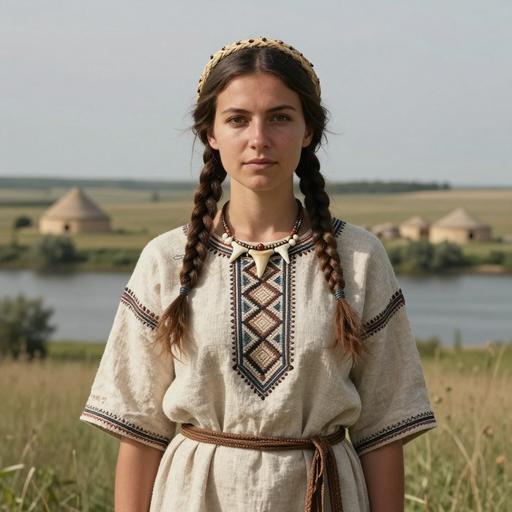
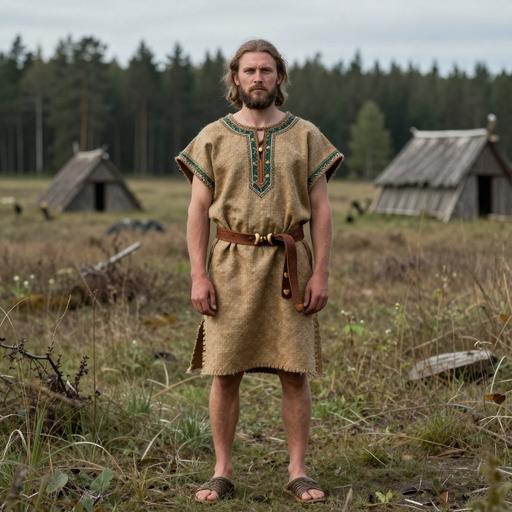
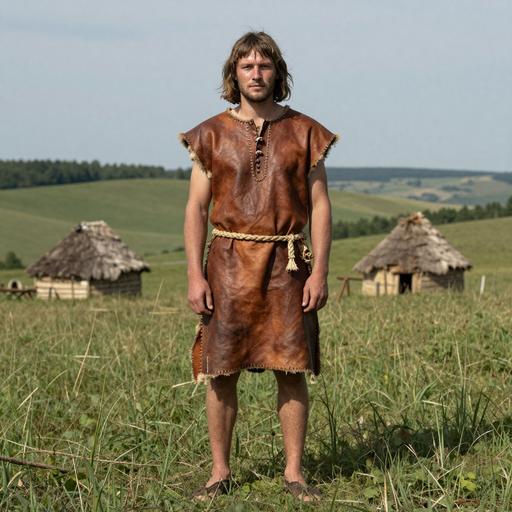
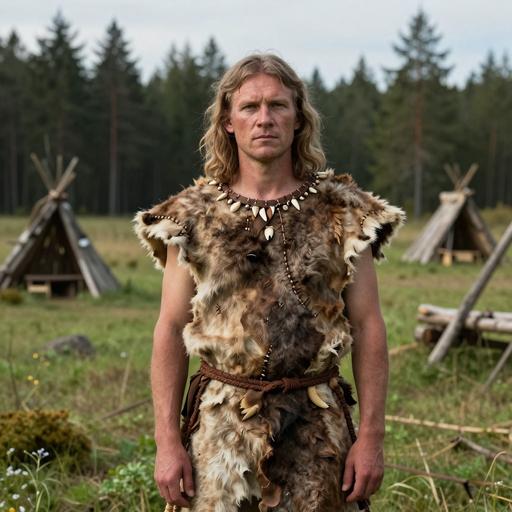
Um perfil de referência de um ramo de linhagem. Compartilhar haplogrupos não demonstra uma relação familiar ou uma identidade cultural.
Perfil de Referência
Contexto do ramo
Contexto histórico de la rama de linaje mtDNA U5A2D
Origins and Evolution
U5A2D is a subclade of mtDNA haplogroup U5A2, itself a branch of the deep European lineage U5a. Haplogroup U5a and its subclades are closely associated with post-Last Glacial Maximum re-expansion of human populations within Europe. U5A2D, as a derived branch of U5A2, most likely formed in Northern or Northeastern Europe during the later Mesolithic to early Neolithic timeframe (roughly ~7 kya, though confidence intervals allow a few thousand years either direction). The timing and phylogenetic position indicate it stemmed from hunter-gatherer maternal pools that persisted in high latitudes after the ice sheets retreated.
Genetic studies of modern populations and ancient mitochondrial genomes show a pattern in which U5-derived lineages are common in Mesolithic contexts and remain at elevated frequency in some modern northern populations. U5A2D appears in multiple ancient DNA datasets and in modern samples from northern Europe, consistent with continuity from late-glacial and Mesolithic maternal lineages.
Subclades
As a defined downstream clade of U5A2, U5A2D may itself host additional micro-subclades identified by private mutations in complete mitochondrial genomes. The resolution and naming of these microclades depends on full mitogenome sequencing and continued sampling of both modern and ancient individuals. In phylogenetic terms, U5A2 is the immediate parent clade; broader related branches include other U5a and U5b sublineages that share the deeper U5 ancestry.
Geographical Distribution
U5A2D shows a northern and northeastern European concentration in both modern and ancient samples. It is most frequently observed among populations in Scandinavia, Finland, and the Baltic region, and is found at elevated frequency among Saami groups relative to more southerly European populations. Lower but detectable frequencies occur in eastern and central Europe and in isolated instances in the Caucasus and areas of historical contact to the east. The presence of U5A2D in Mesolithic and later archaeological contexts across northern Europe supports a long-term regional continuity.
Historical and Cultural Significance
Because U5 lineages are tied to Paleolithic and Mesolithic hunter-gatherer groups in Europe, U5A2D is informative for tracing maternal continuity of pre-farming populations in high-latitude Europe. Its persistence into later archaeological periods and presence among groups traditionally described as descended from long-term northern inhabitants (for example, the Saami and other Fennoscandian populations) make it useful for studies of population continuity, migration, and admixture. Ancient DNA occurrences (dozens of identified samples in multiple databases) indicate U5A2D was present in archaeological remains from Mesolithic/Neolithic contexts and persisted through subsequent cultural transitions at varying frequencies.
Conclusion
U5A2D represents a regional, Europe-centered maternal lineage that likely arose after the Last Glacial Maximum from the broader U5a pool and persisted chiefly in northern and northeastern Europe. Its distribution and age make it a marker of Mesolithic-derived maternal ancestry in northern Europe and a valuable lineage for reconstructing regional continuity and the maternal contributions to modern populations such as the Saami and other northern Europeans. Ongoing mitogenome sequencing and ancient DNA sampling will refine the internal branching, timing, and finer-scale geographic patterns of U5A2D.
Pontos- Chave
Origins and Evolution
Subclades
Geographical Distribution
Historical and Cultural Significance
Conclusion
Perfil de Referência
Árvore e relações
Contexto filogenético e subclasse
Trajectória evolutiva
Sigue las ramas superiores registradas hasta U5A2D. Las fechas son estimaciones y pueden cambiar al revisarse los datos de referencia.
Western and Central Europeans at lower to moderate frequencies
Populations in the Caucasus at low frequencies
Isolated occurrences in Central Asia and North Africa (low frequency)
Ancient European hunter-gatherer populations (Mesolithic archaeological contexts)
Contexto Histórico
Uma ramificação através do tempo
Formação estimada em uma cronologia histórica ampla. Os marcadores temporais contribuem contexto e não implicam relação com culturas concretas.
~10k años de antigüedad
Revolução neolítica
Início da agricultura e formação de comunidades sedentárias
~7k años de antigüedad
Haplogrupo U5A2D
Formação estimada deste ramo mtDNA; as datas e localizações são estimativas de referência.
Este ramo
~5k años de antigüedad
Idade do Bronze
Metalurgia, escrita e primeiras civilizações
~3k años de antigüedad
Idade do Ferro
Ferramentas de ferro e ampliação de redes comerciais
~2.5k años de antigüedad
Antiguidades clássicas
Desenvolvimento das civilizações grega e romana
Actualidad
Actualidad
Idade moderna
Perfil de Referência
Contexto arqueológico
Asociaciones arqueológicas registradas para la rama mtDNA U5A2D
Associações registradas
Esses rótulos descrevem os contextos arqueológicos registrados para as amostras de referência vinculadas a U5A2D. Uma associação não demonstra que todos os portadores pertenceram a uma cultura ou seguiram uma rota migratória específica.
Alföld Linear PotteryDnieper-MariupolIron Gates CultureKundaLithuanian MesolithicMotala CultureRussia_Ivanovo_LN_LyalovoVeretyeYasinovatkaYuzhny Oleny Ostrov
As atribuições culturais baseiam-se no contexto arqueológico das amostras de DNA antigo e podem representar associações regionais de períodos concretos.
Perfil de Referência
Catálogo de amostras
37 portadores directos y 10 portadores de subclados del haplogrupo U5A2D
10 mostradas 47 amostras correspondentes
Nenhuma amostra coincide com estes filtros. Teste outra marca, localização ou período.
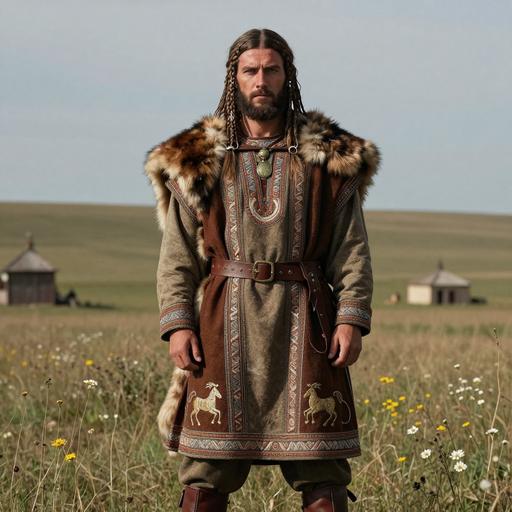
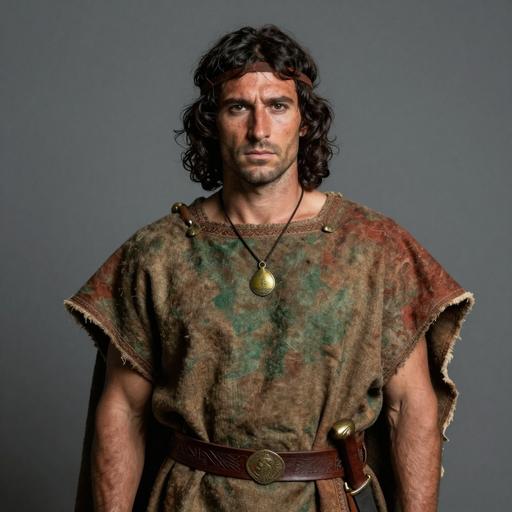
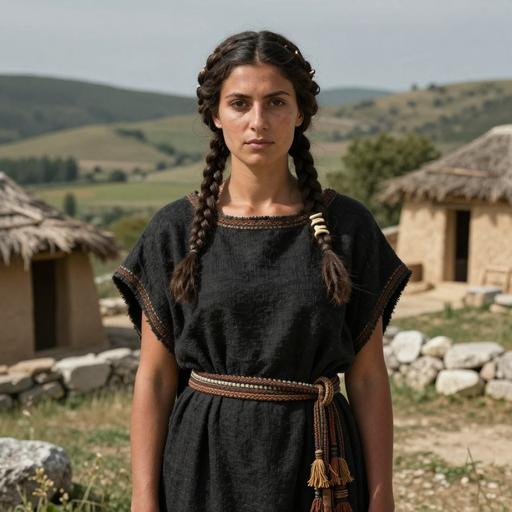
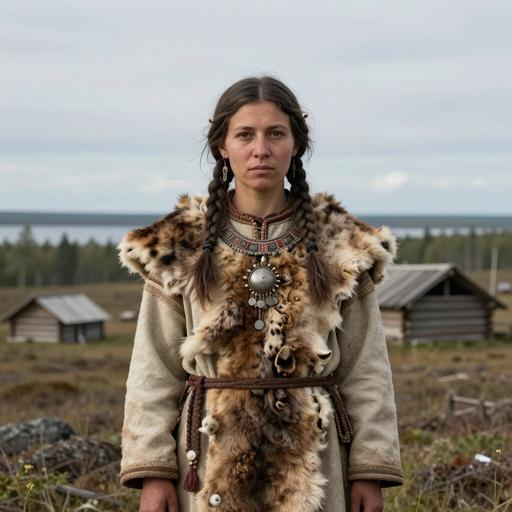
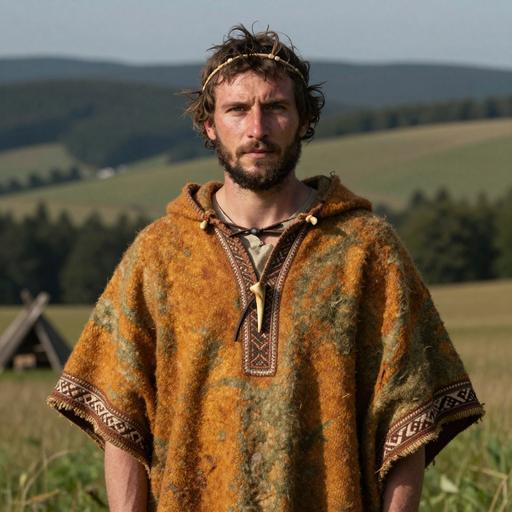
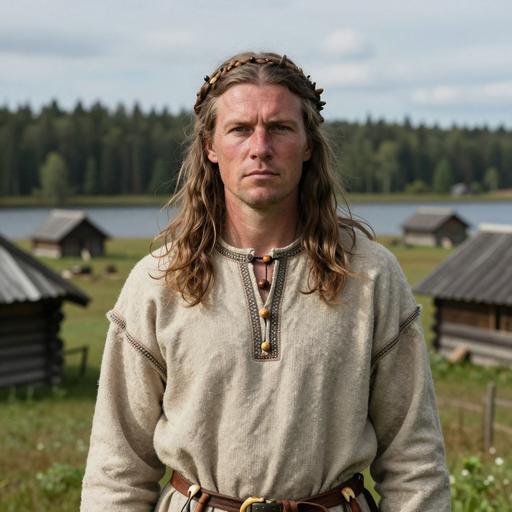
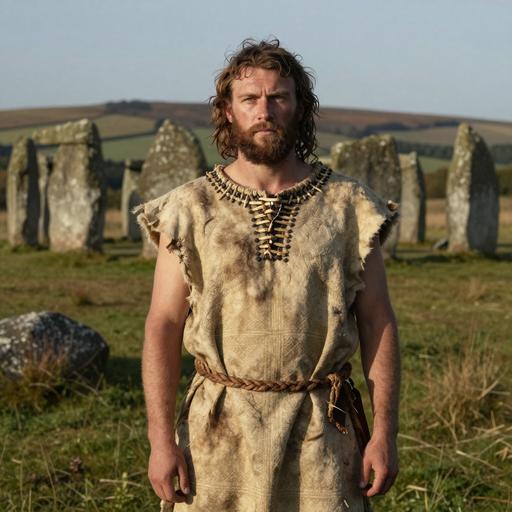
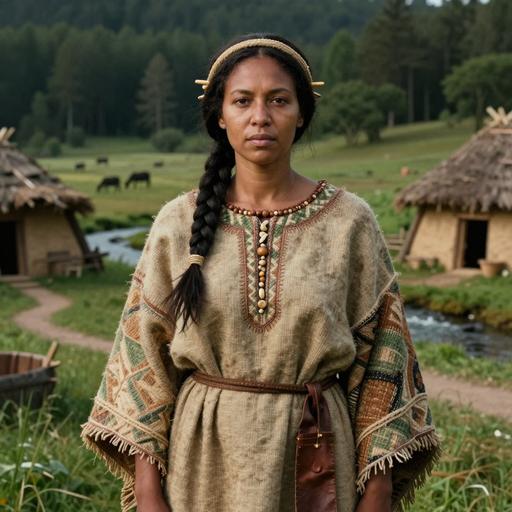
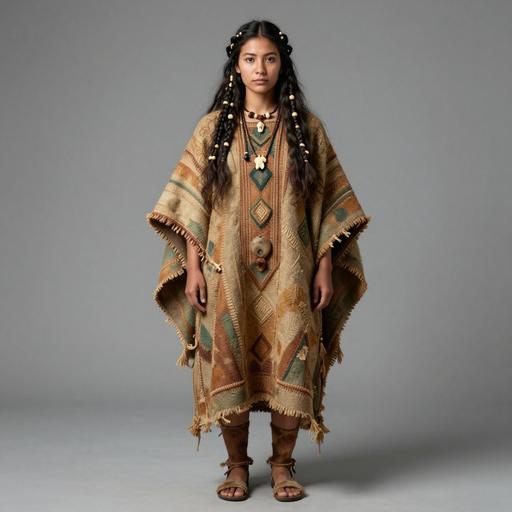
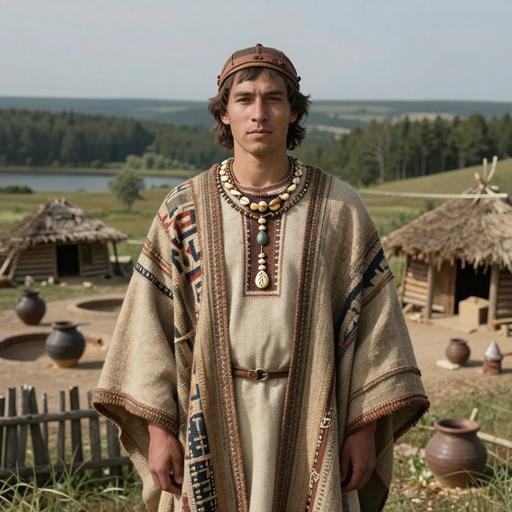
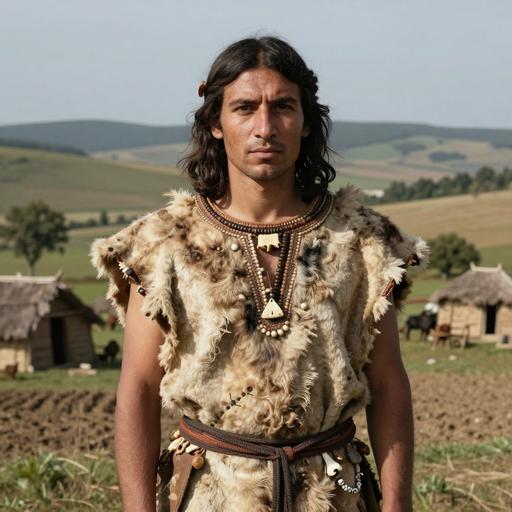
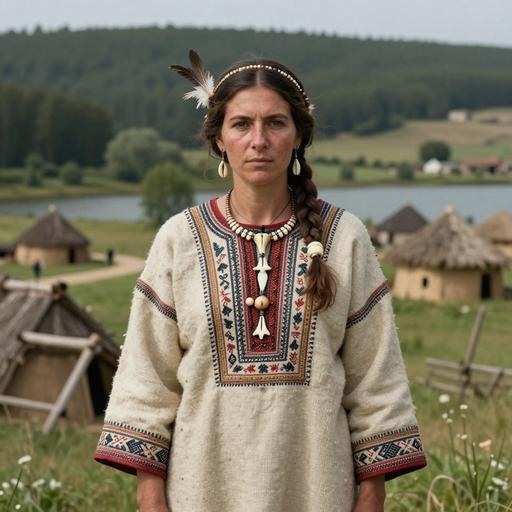
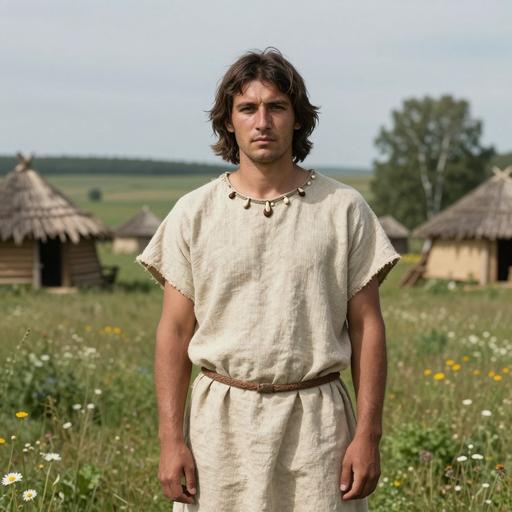
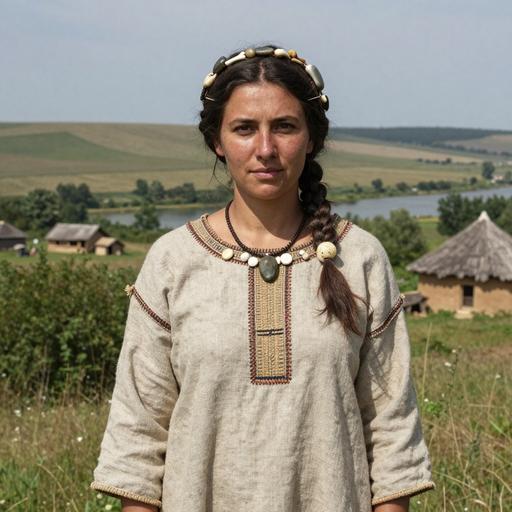
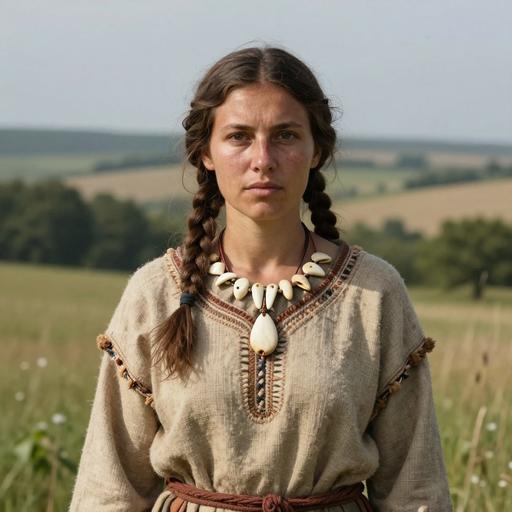
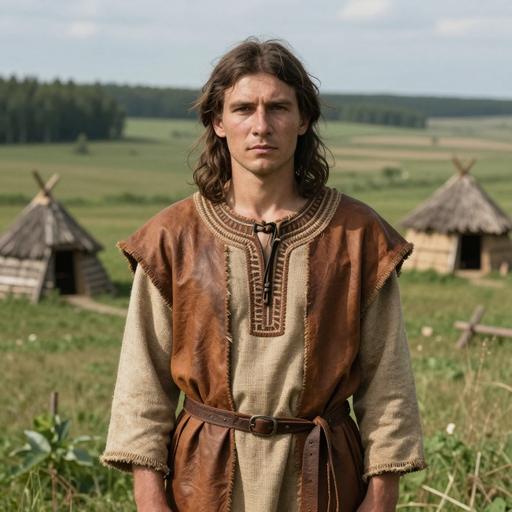
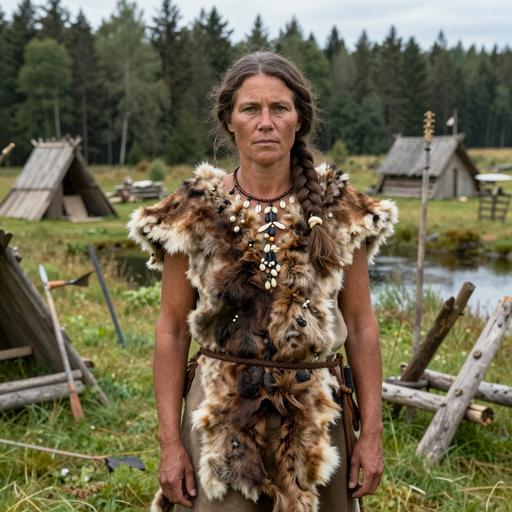
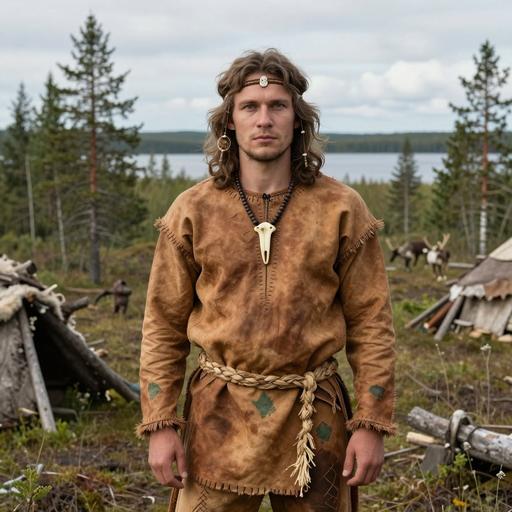
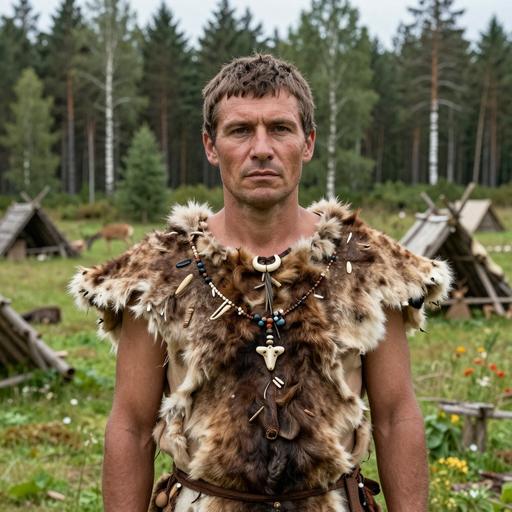
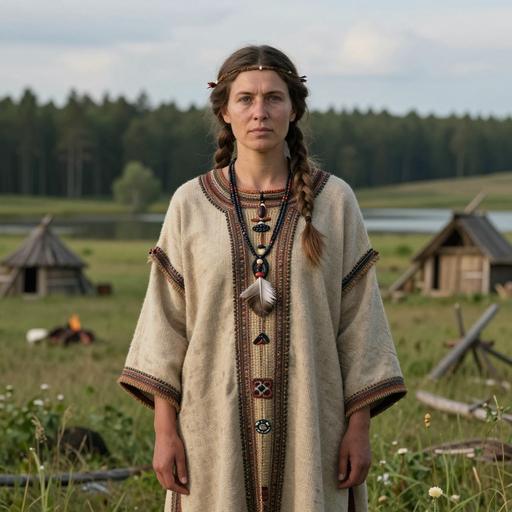
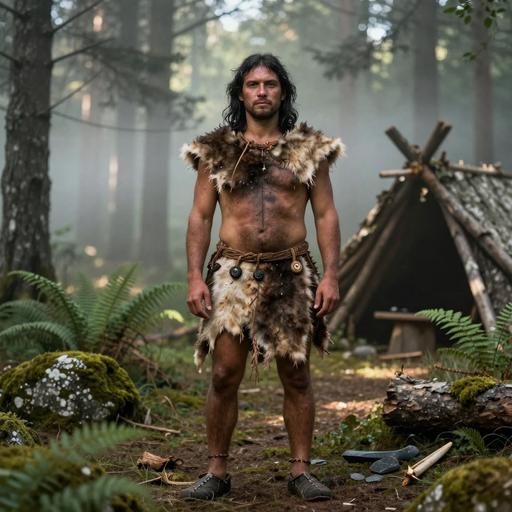
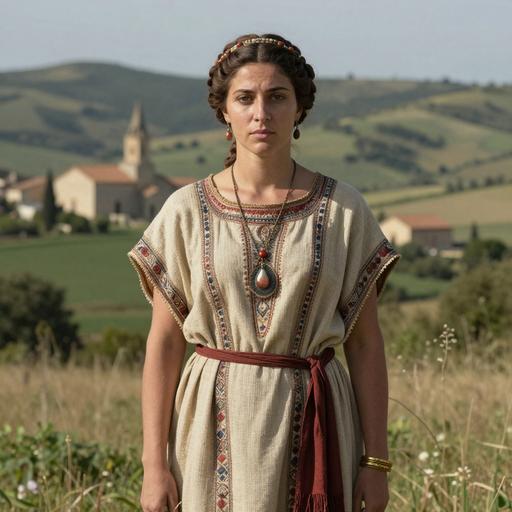
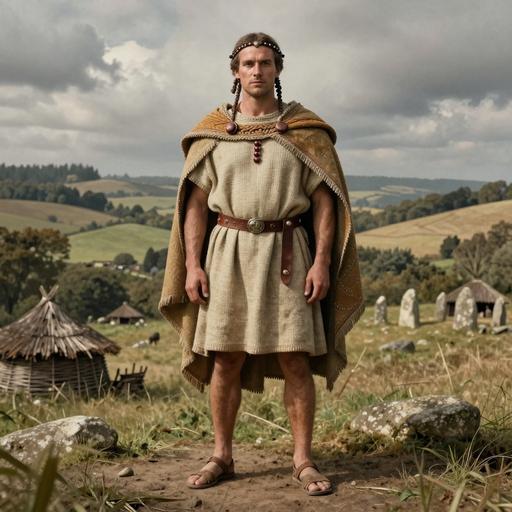
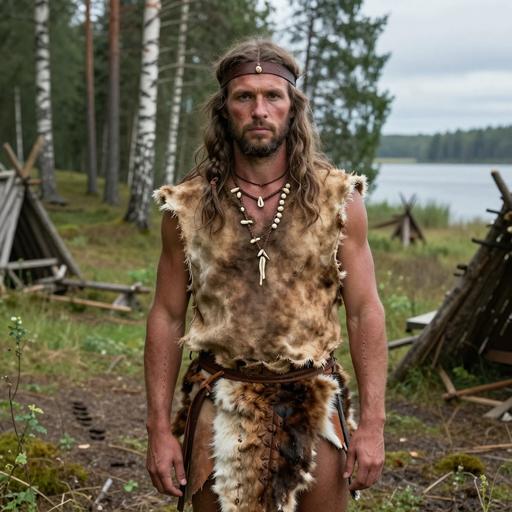
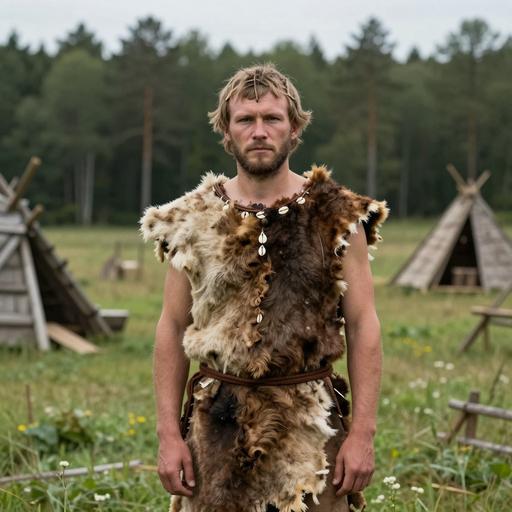
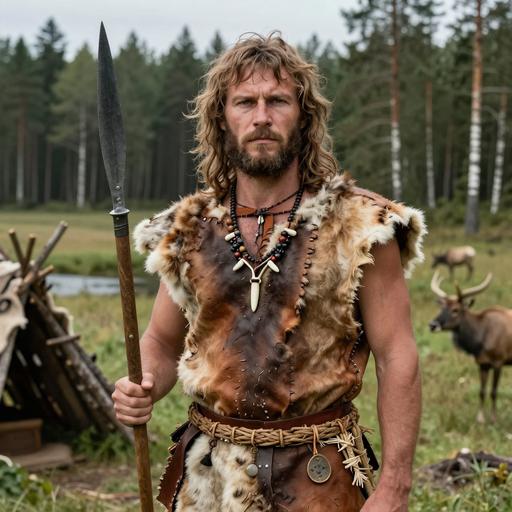
Os retratos são ilustrações geradas com IA. As etiquetas de amostra e os identificadores de acesso identificam os registros de referência.
Retrato
Mostrar
País
Época
Data
Cultura
mtDNA
Corresponder
Identificador de amostra: I20600
United Kingdom
England EarlyMedieval Saxon
450-650 CE
Anglo-Saxon
U5a2d
Direct
Identificador de amostra: NEO518
Ukraine
Scythian Culture
542-392 calBCE (2378±29 BP, UBA-40052)
Scythian Culture
U5a2d
Direct
Identificador de amostra: PCA0399
Poland
Iron Age Santok Culture
1000-1200 CE
Santok Culture
U5a2d
Direct
Identificador de amostra: I13169
Montenegro
Montenegro MLBA
1407-1271 calBCE (3070±20 BP, PSUAMS-7923)
Montenegrin Bronze Age
U5a2d
Direct
Identificador de amostra: I13777
Montenegro
Montenegro MLBA
1450-1250 BCE
Montenegrin Bronze Age
U5a2d
Direct
Identificador de amostra: I13776
Montenegro
Montenegro MLBA
1450-1250 BCE
Montenegrin Bronze Age
U5a2d
Direct
Identificador de amostra: NEO61
Russia
Bolshoy Oleniy Ostrov Culture
1738-1541 calBCE (3358±28 BP, UBA-39938)
Bolshoy Oleniy
U5a2d
Direct
Identificador de amostra: VPR001
Czech Republic
Neolithic Rivnac Culture, Bohemia, Czech Republic
2899-2697 calBCE (4213±25 BP, MAMS-41373)
Rivnac Culture
U5a2d
Direct
Identificador de amostra: ROS026
Sweden
Sweden Rossberga N
2904-2632 calBCE (4205±45 BP; UBA-36309)
Rossberga Culture
U5a2d
Direct
Identificador de amostra: FRA107
Sweden
Northern Swedish Frälsegården
3262-2930 calBCE (4420±15 BP; UCIAMS-278071)
Frälsegården
U5a2d
Direct
Identificador de amostra: NEO197
Russia
Volosovo culture
3651-3527 calBCE (4827±34 BP, UBA-40007)
Volosovo Culture
U5a2d
Direct
Identificador de amostra: I30301
United Kingdom
Megalithic Neolithic England
3750-3500 BCE
British Megalithic
U5a2d
Direct
Identificador de amostra: NEO179
Russia
Volosovo culture
3772 BCE - 3640 BCE
Volosovo Culture
U5a2d
Direct
Identificador de amostra: NEO184
Russia
Lyalovo culture
3946 BCE - 3659 BCE
Lyalovo Culture
U5a2d
Direct
Identificador de amostra: NEO189
Russia
Volosovo culture
4046 BCE - 3809 BCE
Volosovo Culture
U5a2d
Direct
Identificador de amostra: NEO195
Russia
Volosovo culture
4048 BCE - 3770 BCE
Volosovo Culture
U5a2d
Direct
Identificador de amostra: I7127
Romania
Romania C Bodrogkeresztur
4224-3976 calBCE (5240±25 BP, PSUAMS-4226)
Bodrogkeresztur
U5a2d
Direct
Identificador de amostra: SRA62
Ireland
Ireland Mesolithic
4226-3961 calBCE (5227±36 BP, UB-15772)
Irish Mesolithic
U5a2d
Direct
Identificador de amostra: I7129
Romania
Romania C Bodrogkeresztur
4240-4049 calBCE (5310±25 BP, PSUAMS-4228)
Bodrogkeresztur
U5a2d
Direct
Identificador de amostra: ukr123
Ukraine
Ukraine Eneolithic SeredniiStih
4342-4171 calBCE (5910±30 BP, Beta-448538)
Serednii Stih
U5a2d
Direct
Identificador de amostra: Kivisaare3
Estonia
Estonia EMN Narva
4776-4542 calBCE (5796±37 BP, UBA-25993)
Narva Culture
U5a2d
Direct
Identificador de amostra: ukr111
Ukraine
Ukraine N
4834-4621 calBCE (6370±30 BP, Beta-445790)
Ukrainian Neolithic
U5a2d
Direct
Identificador de amostra: XN173
Germany
Early Neolithic Linear Pottery Culture, Germany
5210-5007 calBCE (6155±31 BP, MAMS-25933)
Linear Pottery Culture
U5a2d
Direct
Identificador de amostra: I25334
Austria
Austria N LBK
5300-5000 BCE
Linear Pottery Culture
U5a2d
Direct
Identificador de amostra: I27789
Austria
Austria N LBK
5300 BCE - 5000 BCE
Linear Pottery Culture
U5a2d
Direct
Identificador de amostra: Latvia_HG3
Latvia
Latvian Mesolithic Culture
5304 BCE - 4848 BCE
Latvian Mesolithic
U5a2d
Direct
Identificador de amostra: ukr158
Ukraine
Neolithic Yasinovatka Culture
5314-5076 calBCE (6760±30 BP, Beta-445799)
Yasinovatka
U5a2d
Direct
Identificador de amostra: NEO503
Ukraine
Dnieper-Mariupol Culture
5473-5217 calBCE (6359±50 BP, UBA-40045)
Dnieper-Mariupol
U5a2d
Direct
Identificador de amostra: I18658
Hungary
Hungary MN AVK
5500-4800 BCE
Alföld Linear Pottery
U5a2d
Direct
Identificador de amostra: I21763
Hungary
Hungary MN AVK
5500-4750 BCE
Alföld Linear Pottery
U5a2d
Direct
Identificador de amostra: NEO304
Ukraine
Dnieper-Mariupol Culture
5613-5477 calBCE (6568±32 BP, UBA-40030)
Dnieper-Mariupol
U5a2d
Direct
Identificador de amostra: I0014
Sweden
Hunter-Gatherer Motala, Sweden
5885-5624 calBCE (6842±68 BP, Ua-42118)
Motala Culture
U5a2d
Direct
Identificador de amostra: I0015
Sweden
Hunter-Gatherer Motala, Sweden
5967-5627 calBCE (6863±75 BP, Ua-42120)
Motala Culture
U5a2d
Direct
Identificador de amostra: UOO049
Russia
Yuzhny Oleny Ostrov Culture
6078-5926 calBCE (7163±38 BP, OxA-35619)
Yuzhny Oleny Ostrov
U5a2d
Direct
Identificador de amostra: NEO307
Latvia
Kunda Culture
6336-6062 calBCE (7313±49 BP, UBA-40033)
Kunda
U5a2d
Direct
Identificador de amostra: NEO554
Russia
Veretye culture
6421-6241 calBCE (7472±42 BP, UBA-40069)
Veretye
U5a2d
Direct
Identificador de amostra: DON005
Lithuania
Lithuania Mesolithic
6464 BCE - 6390 BCE
Lithuanian Mesolithic
U5a2d
Direct
Identificador de amostra: VEN021
Italy
Basilicata Venosa Culture
600-800 CE
Venosa
U5a2d1
Subclado
Identificador de amostra: ARS003
Mongolia
Late Bronze Age Khovsgol 6, Mongolia
1423-1127 calBCE (3044±50 BP, A-)
Khovsgol Culture
U5a2d1
Subclado
Identificador de amostra: I4950
United Kingdom
England BellBeaker
2800-1800 BCE
Bell Beaker
U5a2d1
Subclado
Identificador de amostra: I2611
United Kingdom
England N
3092-2905 calBCE (4370±35 BP, Poz-83500)
British Neolithic
U5a2d1
Subclado
Identificador de amostra: I4628
Latvia
Hunter-Gatherer Latvia
5304 BCE - 4848 BCE
Baltic Hunter-Gatherer
U5a2d4
Subclado
Identificador de amostra: I4628
Latvia
Ancient Hunter-Gatherers of the Baltic
5304 BCE - 4848 BCE
U5a2d4
Subclado
Identificador de amostra: I4628
Latvia
Ancient Hunter-Gatherers of the Baltic
5304 BCE - 4848 BCE
U5a2d4
Subclado
Identificador de amostra: Donkalnis7
Lithuania
Lithuania EMN Narva
5374-4939 calBCE (6220±90 BP, Poz-61576)
Narva Culture
U5a2d1
Subclado
Identificador de amostra: I4434
Latvia
Hunter-Gatherer Latvia
5611-5382 calBCE (6530±35 BP, PSUAMS-2231)
Baltic Hunter-Gatherer
U5a2d3
Subclado
Identificador de amostra: I4596
Latvia
Hunter-Gatherer Latvia
6069 BCE - 5984 BCE
Baltic Hunter-Gatherer
U5a2d3
Subclado
Identificador de amostra: I20600
Early Medieval Saxon England - United Kingdom - West Sussex. Chichester. Apple Down
United Kingdom England EarlyMedieval Saxon 450-650 CE
Siga os clados superiores até este ramo e explora onde se encontraram portadores antigos.
A carregar as observações antigas...
A redução do movimento está activada. Use a cronologia ou Mostrar tudo para explorar o seu ritmo.
Ler as observações numa tabela
Observações antigas visíveis por ramo, período e ponto médio da data
Ramada
Período
Intervalo de datas
Mostrar
Identificador de amostra
Localização
Haplogrupo
Relação
Os marcadores são locais de achados arqueológicos. Uma linha de descontínua representa uma transição geográfica proposta e incerta entre ramos consecutivos, apoiada em várias observações fechadas; não é uma rota de viagem exata, um local de nascimento ou um teste de descendência direta. As amostras do clado parental podem pertencer a outros ramos descendentes. As datas das amostras são distintas das datas de formação dos haplogrupos são mantidas.
O agrupamento por período histórico reflete quando viveu cada indivíduo antigo e combina todos os ramos desta cadeia de linhagems; não é uma sequência migratória nem uma cronologia pessoal entre períodos.
Perfil de Referência
Mapa de distribuição de portadores
Distribuição geográfica das amostras de DNA antigo (47), portadores directos ou de subclasses de U5A2D
Portador directo Portador de um subclasse
Filtro de Período Temporária
Todos os períodos
Mostrar todas as amostras
Perfil de Referência
Distribuição temporária
Distribuição de portadores por períodos arqueológicos
Perfil de Referência
Distribuição geográfica
Recuentos por país registrado das amostras. Reflejam a seleção de referência disponível, não frequências de população.
Perfil de Referência
Distribuição por país e época
Compare as contagens de amostras registadas por países e períodos arqueológicos. Selecione uma célula com dados para examinar uma amostra.
Dados
Dados e proveniência
Informações sobre fontes e qualidade dos dados
Última actualização2026-02-16
Pontuação de confiança50/100
CoberturaLow
Fonte de Dados
A classificação, as datas estimadas e o contexto geográfico refletem os dados de referência registrados e podem mudar ao revisar os testes. A cobertura de amostras é desigual; os locais registrados e as associações arqueológicas não estabelecem a origem pessoal nem a identidade cultural.