Saltar para o conteúdo principal
Y-DNA · Paterno linaje

E1B

Y-DNA Haplogroup E1B

Um perfil de referência de um ramo de linhagem. Compartilhar haplogrupos não demonstra uma relação familiar ou uma identidade cultural.

Perfil de Referência

Contexto do ramo

Contexto histórico de la rama de linaje Y-DNA E1B

Origins and Evolution

Y-DNA haplogroup E1B is a downstream node of the broader haplogroup E1 clade that expanded within Africa after the initial emergence of E1. Estimates for the origin of E1B place it in Northeast/East Africa during the Late Upper Paleolithic to early post-glacial interval (roughly ~30 kya, noting that published age estimates vary by method and marker sets). As a branching point it precedes the major, geographically differentiated subclades that dominate different parts of Africa and later influence surrounding regions.

Evolutionary studies and phylogenetic reconstructions indicate that E1B is ancestral to or closely related with the lineages that later diversified into both the widespread West/Central African lineages and the North African / Mediterranean–Near Eastern lineages. This topology explains why descendant lineages of this node are common across very different ecological and cultural zones.

Subclades

E1B is best understood as an intermediate branching point that gave rise to several major downstream clades (nomenclature varies between different build versions of the Y-tree). Important descendant groups commonly associated with this node include:

  • E-M2 (often listed historically as E1b1a / E-V38 branch) — dominant in West, Central and much of Southern Africa and strongly associated with the Bantu expansion.
  • E-M35 (often listed historically as E1b1b / E-M215 branch) — frequent in Northeast Africa, the Horn, North Africa, parts of the Near East and southern Europe, with many regional subclades (e.g., M78, M81, V13) that have their own demographic histories.

Because nomenclature has changed over time (different research groups use different labels and marker sets), it is important to consult the latest Y-chromosome phylogeny for exact subclade names and SNP definitions. In functional terms, E1B is a transitional node linking deep African diversity with lineages that later spread into adjacent regions.

Geographical Distribution

The descendant lineages that emerged from E1B have a broad distribution:

  • High frequencies across many sub-Saharan populations (via E-M2 and related branches), especially among West and Central African groups and in populations that expanded during the Bantu migrations.
  • High to moderate frequencies in the Horn and Northeast Africa, where several E-M35-derived subclades are common.
  • Significant presence in North Africa and the Sahel, including among Berber (Amazigh) groups where particular subclades (e.g., M81) are frequent.
  • Lower but detectable frequencies in the Near East and southern Europe, reflecting prehistoric connections (Neolithic movements, later Bronze Age and historic gene flow) and the long-term contact across the Mediterranean.
  • Present in the Americas and Caribbean largely due to the transatlantic slave trade, where descendant lineages from sub-Saharan Africa are frequent in African-descended populations.

Regional frequencies and the relative contribution of particular subclades vary considerably; some branches reflect recent demographic expansions (e.g., Bantu-related spreads), while others reflect older Holocene or Late Pleistocene dynamics and migrations.

Historical and Cultural Significance

  • Bantu expansion: Descendant lineages of E1B (notably E-M2 branches) are closely tied to the demographic processes of the Bantu expansion (starting roughly 3–4 kya), which spread agriculture and ironworking across much of sub-Saharan Africa and carried these paternal markers widely.

  • Afroasiatic and North African histories: E-M35-derived lineages (from the broader E1B-associated radiation) are associated with populations speaking Afroasiatic languages in the Horn and parts of North Africa, and with historically documented movements between North Africa, the Near East and southern Europe across the Holocene.

  • Saharan and Neolithic connections: Some subclades show signatures consistent with Saharan and Sahelian Neolithic population processes and later pastoralist dispersals that shaped regional paternal variation.

  • Historical gene flow and diasporas: Mediterranean and Near Eastern presence of certain subclades reflects millennia of contact (trade, migration, colonization), while the presence of sub-Saharan descendant lineages in the Americas reflects recent historical events (transatlantic slave trade).

Conclusion
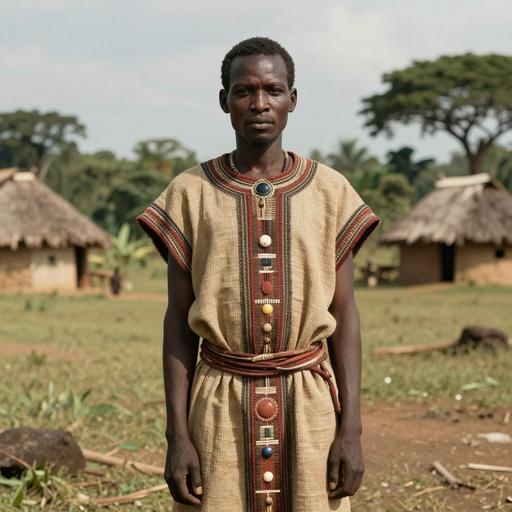
E1B functions as an important intermediate branch within the E1 lineage that links deep East African paternal ancestry to a wide set of descendant lineages with major demographic impacts across Africa and into neighboring regions. Its descendant clades document key episodes in human prehistory and history — from Late Pleistocene and Holocene population structure in Africa to the spread of agriculture, pastoralism and later historic movements. Ongoing refinement of the Y-chromosome phylogeny and broader sampling across Africa continue to clarify the timing, branching order and regional dynamics of E1B and its descendant lineages.

Pontos- Chave

  • Origins and Evolution
  • Subclades
  • Geographical Distribution
  • Historical and Cultural Significance
  • Conclusion

Perfil de Referência

Árvore e relações

Contexto filogenético e subclasse

Trajectória evolutiva

Sigue las ramas superiores registradas hasta E1B. Las fechas son estimaciones y pueden cambiar al revisarse los datos de referencia.

Passos Haplogrupo Antiguidade estimada Época arqueológica Tempo decorrido Subclasses imediatas Portadores modernos analisados Referências antigas
1 E1B Actual ~30,000 years ago Paleolithic 30,000 years 1 1,583 0
2 E1 ~50,000 years ago Paleolithic 50,000 years 2 1,667 2
3 E ~50,000 years ago Paleolithic 50,000 years 3 1,813 3

Ramas hermanas (1)

Outros ramos do mesmo haplogrupo superior

Perfil de Referência

No mundo

Distribuição geográfica e presença moderna

Origem registada

Northeast Africa

Distribuição moderna

The populations where Y-DNA haplogroup E1B is found include:

  1. Yoruba and other West African groups
  2. Bantu-speaking populations across Central, Eastern and Southern Africa
  3. Mande and West African coastal groups
  4. Ethiopian, Somali and Horn of Africa populations
  5. Berber (Amazigh) groups of North Africa
  6. Levantine and Near Eastern populations (at lower frequencies)
  7. Southern European groups in Mediterranean regions (e.g., Sicily, Iberia) at low–moderate frequencies
  8. African-descended populations in the Americas and Caribbean (via transatlantic slave trade)

Presença regional

Eastern Africa High
Northern Africa High
Western Africa Moderate
Central Africa Low
Western Asia / Near East Moderate
Southern Europe Low
North America (diaspora) Low
Northeast Africa High
Southern Africa Moderate
Contexto Histórico

Uma ramificação através do tempo

Formação estimada em uma cronologia histórica ampla. Os marcadores temporais contribuem contexto e não implicam relação com culturas concretas.

  1. ~30k años de antigüedad

    Haplogrupo E1B

    Formação estimada deste ramo Y-DNA; as datas e localizações são estimativas de referência.

    Este ramo
  2. ~20k años de antigüedad

    Último máximo glacial

    Máxima extensão da última glaciação e isolamento de populações

  3. ~10k años de antigüedad

    Revolução neolítica

    Início da agricultura e formação de comunidades sedentárias

  4. ~5k años de antigüedad

    Idade do Bronze

    Metalurgia, escrita e primeiras civilizações

  5. ~3k años de antigüedad

    Idade do Ferro

    Ferramentas de ferro e ampliação de redes comerciais

  6. ~2.5k años de antigüedad

    Antiguidades clássicas

    Desenvolvimento das civilizações grega e romana

  7. Actualidad

    Actualidad

    Idade moderna

Perfil de Referência

Contexto arqueológico

Asociaciones arqueológicas registradas para la rama Y-DNA E1B

Associações registradas

Esses rótulos descrevem os contextos arqueológicos registrados para as amostras de referência vinculadas a E1B. Uma associação não demonstra que todos os portadores pertenceram a uma cultura ou seguiram uma rota migratória específica.

Austria_Avar Moroccan Transitional Natufian PPNB Roman Provincial Saint Martin Spain_LatePunic-oAfrica
As atribuições culturais baseiam-se no contexto arqueológico das amostras de DNA antigo e podem representar associações regionais de períodos concretos.
Perfil de Referência

Catálogo de amostras

37 portadores de subclados del haplogrupo E1B (sin portadores directos en la selección de referencia actual)

10 mostradas 37 amostras correspondentes

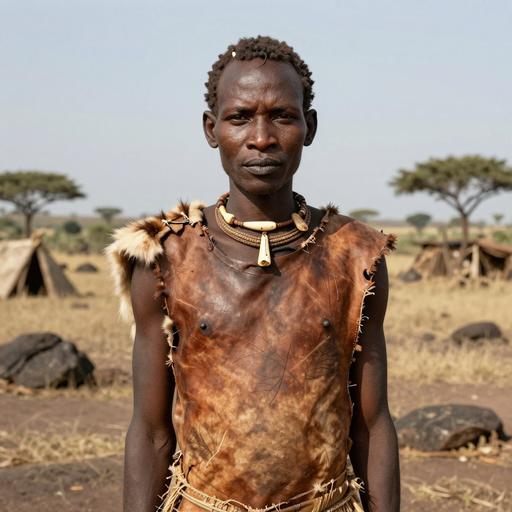
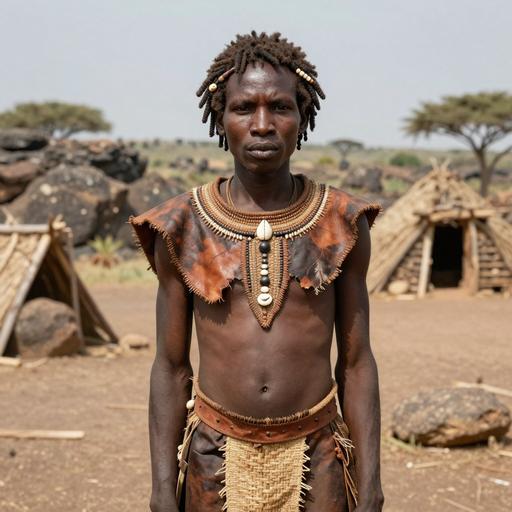
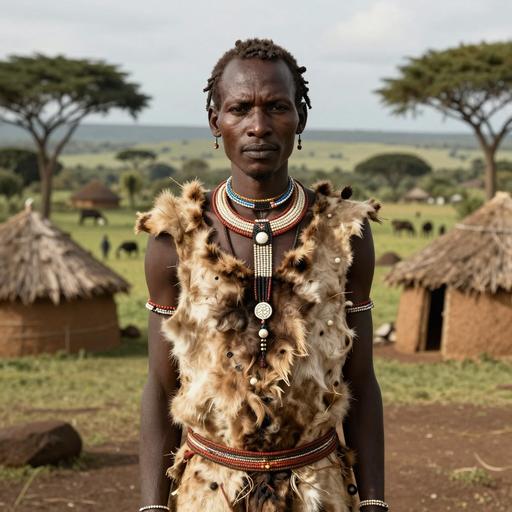
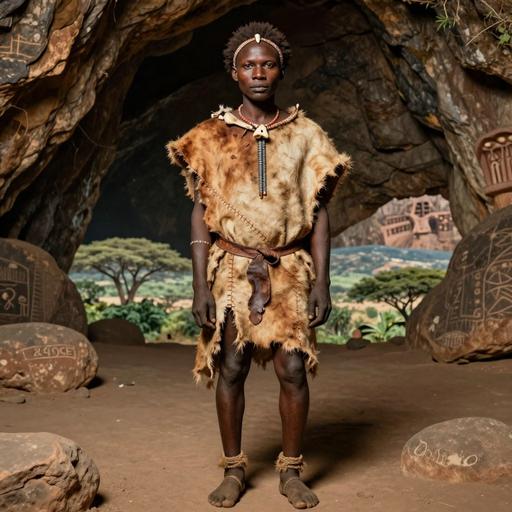
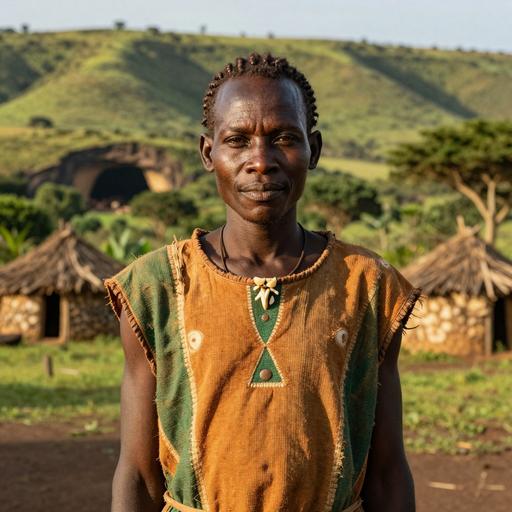
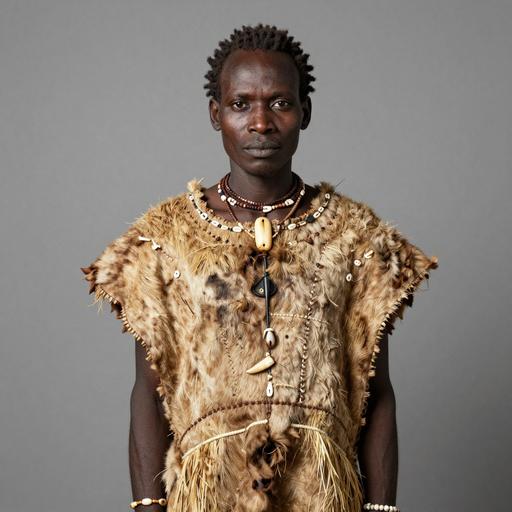
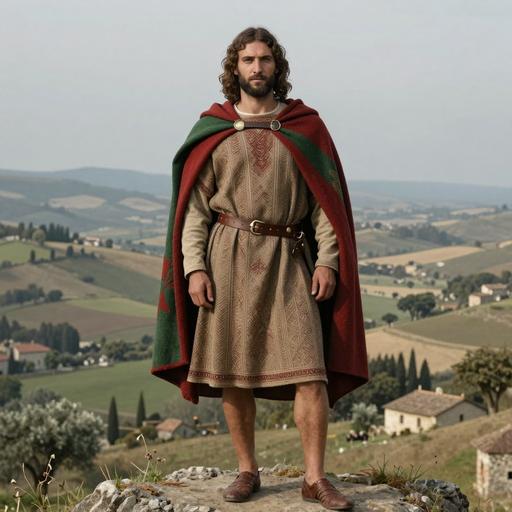
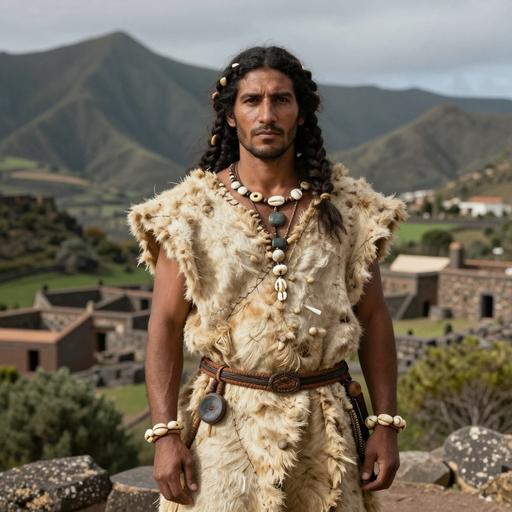
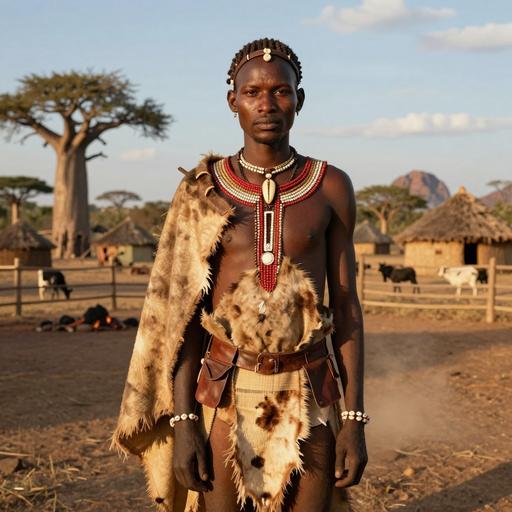
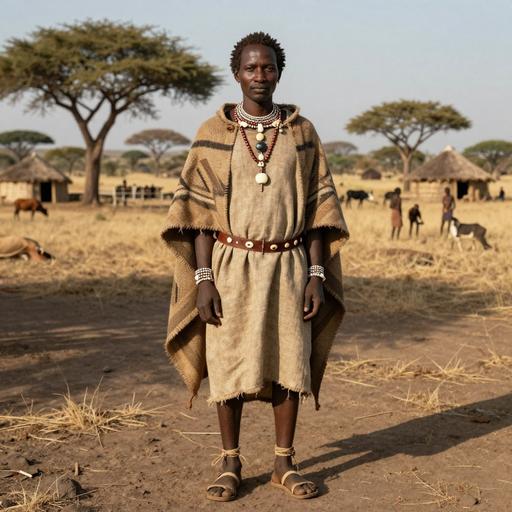
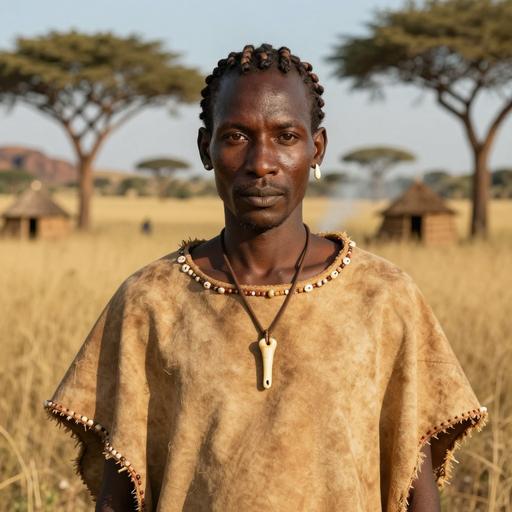
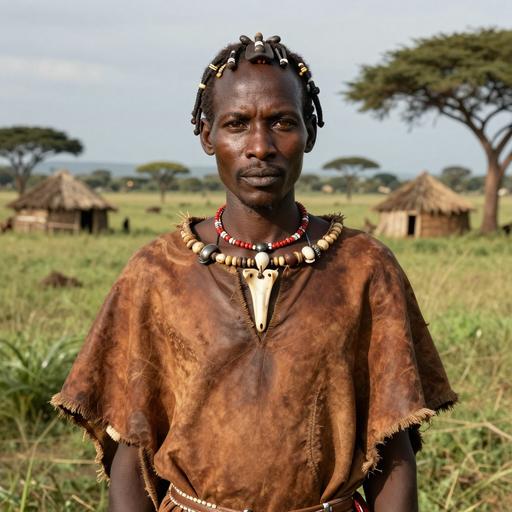
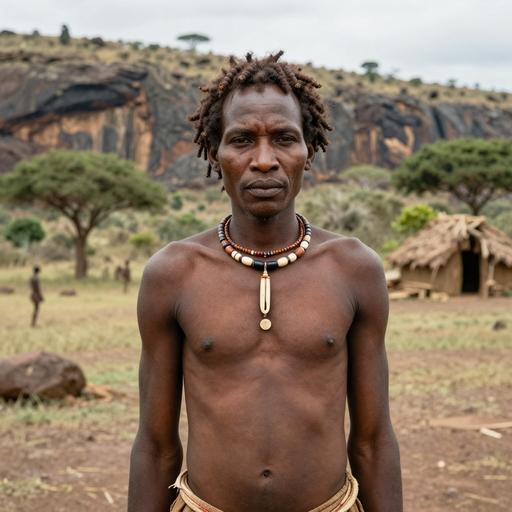
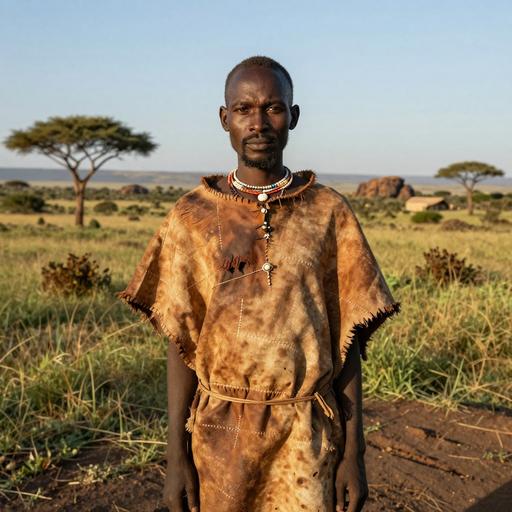
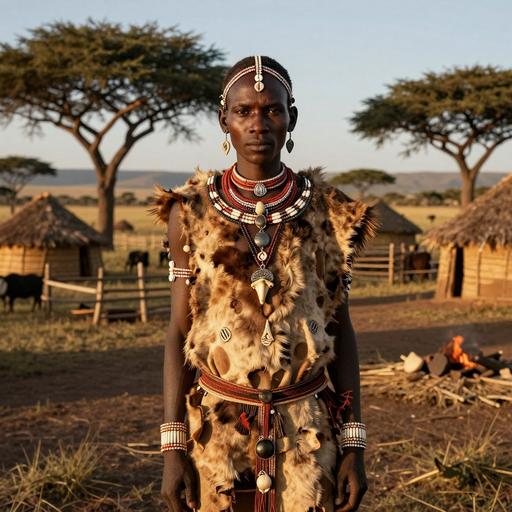
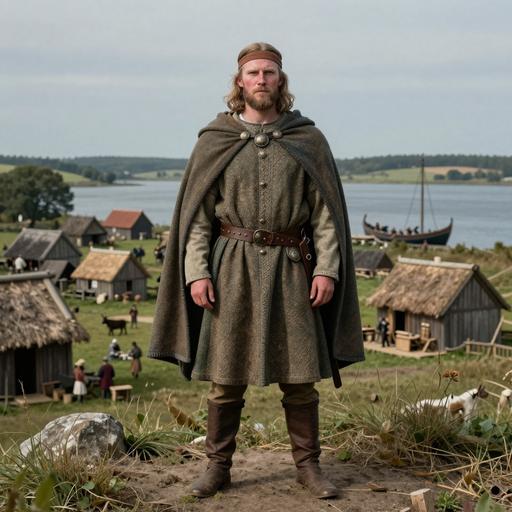
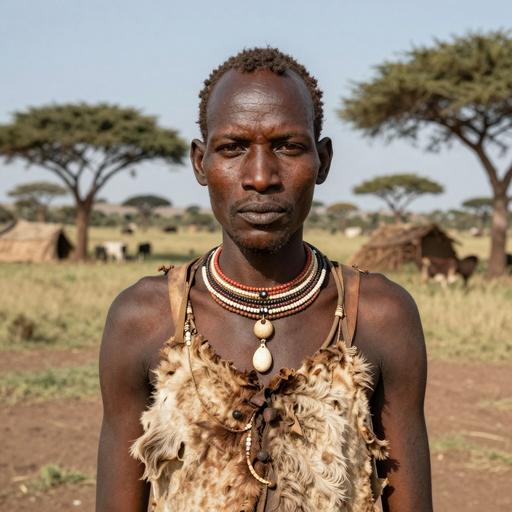
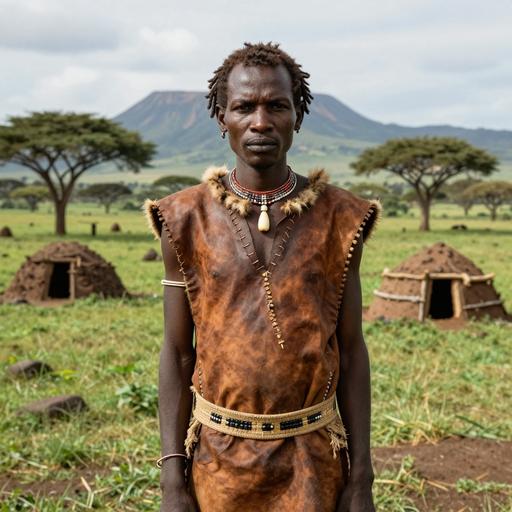
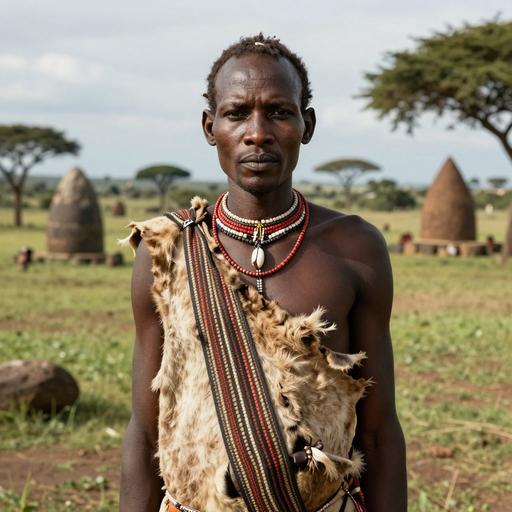
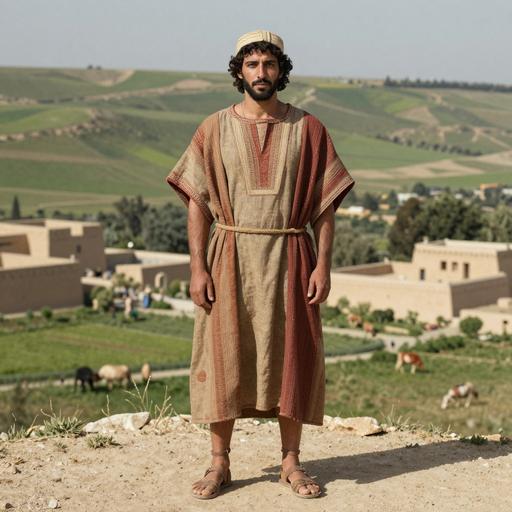
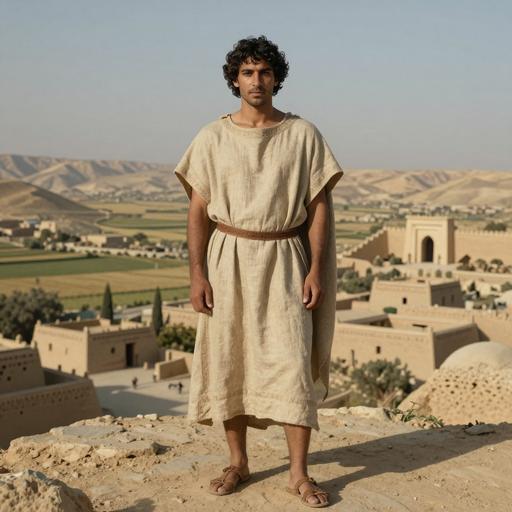
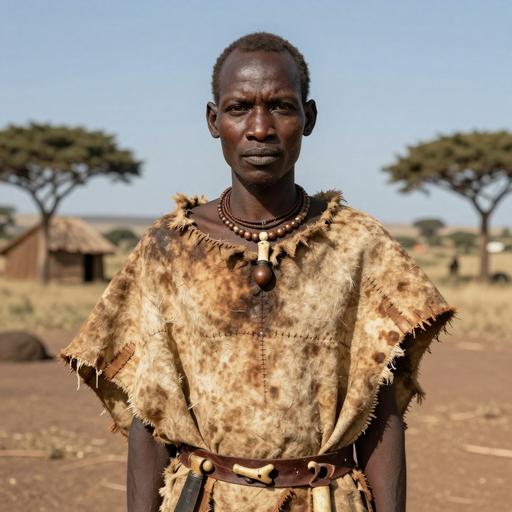
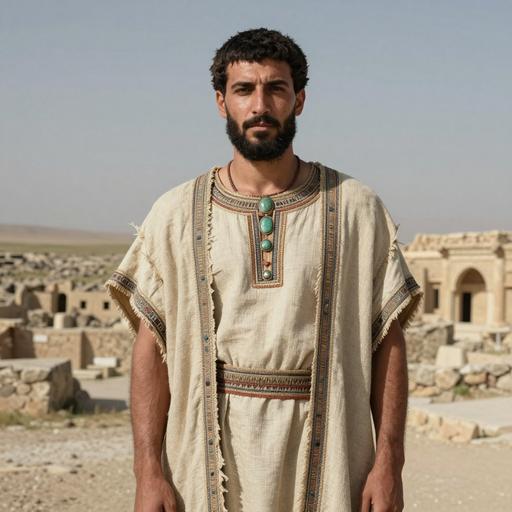
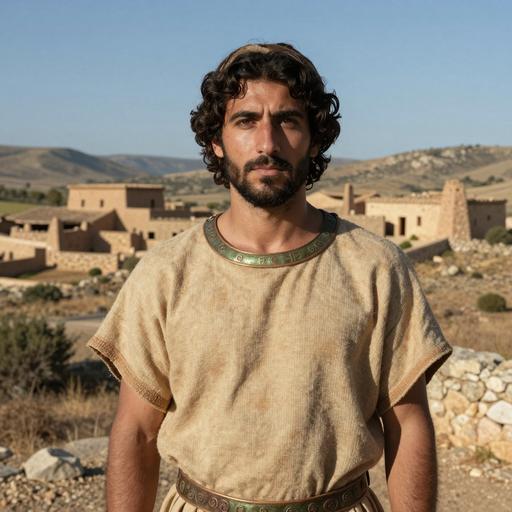
Os retratos são ilustrações geradas com IA. As etiquetas de amostra e os identificadores de acesso identificam os registros de referência.

Retrato Mostrar País Época Data Cultura Y-DNA Corresponder
Retrato ilustrativo de Pastoral N individual, Gishimangeda Cave, Tanzania (47-113 BCE) gerado com IA
Identificador de amostra: I13977
Tanzania Prehistoric in Tanzania 47 calBCE - 113 calCE (2005±20 BP, PSUAMS-5652) Tanzanian Prehistoric E1b1b1b2b2 Subclado
Retrato ilustrativo de LSA individual, Victoria Nyanza. Kisumu. Jawuoyo Rockshelter, Kenya (84-211 BCE) gerado com IA
Identificador de amostra: I8808
Kenya Kenya LSA 119-216 calCE (1895±15 BP, PSUAMS-4783) LSA Kenya E1b1b1a1b2 Subclado
Retrato ilustrativo de Pastoral N IA-o individual, Gishimangeda Cave, Tanzania (200-1 BCE) gerado com IA
Identificador de amostra: I13762
Tanzania Prehistoric and Iron Age in Tanzania 163-59 calBCE (2140±15 BP, PSUAMS-5458) Tanzania Multi-Period E1b1b1b2b2a1 Subclado
Retrato ilustrativo de Pastoral N individual, Nyandarua. Ol Kalou, Kenya (215-326 BCE) gerado com IA
Identificador de amostra: I12384
Kenya Kenya PastoralN 229-358 calCE (1800±20 BP, PSUAMS-4940) Pastoral Neolithic E1b1b1b2b2a1 Subclado
Retrato ilustrativo de Pastoral N individual, Gishimangeda Cave, Tanzania (245-368 CE) gerado com IA
Identificador de amostra: I13972
Tanzania Prehistoric in Tanzania 245-368 calCE (1780±25 BP, PSUAMS-5651) Tanzanian Prehistoric E1b1b1b2b2 Subclado
Retrato ilustrativo de Alt Inden Early Medieval-o Levant individual, North Rhine-Westphalia. Alt-Inden, Germany (400-800 CE) gerado com IA
Identificador de amostra: IND009
Germany Saxon Early Medieval Alt Inden, Germany 400-800 CE Saxon Culture E1b1b1a1b1a Subclado
Retrato ilustrativo de Pastoral N individual, Molo Cave. GoJi3, Kenya (437-600 BCE) gerado com IA
Identificador de amostra: MOL001
Kenya Molo Cave Pastoral Neolithic in Kenya 541-637 calCE (1532±21 BP, OxA-37360) Molo Cave Culture E1b1b1b2b Subclado
Retrato ilustrativo de Pastoral N individual, Hyrax Hill. GrJj25, Kenya (513-386 BCE) gerado com IA
Identificador de amostra: HYR002
Kenya Hyrax Hill Pastoral Neolithic in Kenya 415-202 calBCE (2354±23 BP, OxA-37352) Hyrax Hill E1b1b1b2b Subclado
Retrato ilustrativo de Piedmont North Early Medieval Lombards-3 individual, Piedmont. Collegno, Italy (580-630 CE) gerado com IA
Identificador de amostra: CL38
Italy Early Medieval Langobards, Northern Italy 550-650 CE Langobard E1b1b1a1b1a3 Subclado
Retrato ilustrativo de Berber individual, Tenerife, Canary Islands (593-660 CE) gerado com IA
Identificador de amostra: gun012
Canary Islands The Guanche People of the Canary Islands 593 CE - 660 CE Guanche E1b1b1b1a1 Subclado
PATERNAL LINHAGEM · DNA ANTIGO

Mapa de testes de linhagems antigos

Siga os clados superiores até este ramo e explora onde se encontraram portadores antigos.

A carregar as observações antigas...

Os marcadores são locais de achados arqueológicos. Uma linha de descontínua representa uma transição geográfica proposta e incerta entre ramos consecutivos, apoiada em várias observações fechadas; não é uma rota de viagem exata, um local de nascimento ou um teste de descendência direta. As amostras do clado parental podem pertencer a outros ramos descendentes. As datas das amostras são distintas das datas de formação dos haplogrupos são mantidas.

Perfil de Referência

Mapa de distribuição de portadores

Distribuição geográfica das amostras de DNA antigo (37), portadores directos ou de subclasses de E1B

Portador de um subclasse
Filtro de Período Temporária
Todos os períodos
Mostrar todas as amostras
Perfil de Referência

Distribuição temporária

Distribuição de portadores por períodos arqueológicos

Perfil de Referência

Distribuição geográfica

Recuentos por país registrado das amostras. Reflejam a seleção de referência disponível, não frequências de população.

Perfil de Referência

Distribuição por país e época

Compare as contagens de amostras registadas por países e períodos arqueológicos. Selecione uma célula com dados para examinar uma amostra.

Dados

Dados e proveniência

Informações sobre fontes e qualidade dos dados

Última actualização 2026-06-15
Pontuação de confiança 50/100
Cobertura Low

Fonte de Dados

A classificação, as datas estimadas e o contexto geográfico refletem os dados de referência registrados e podem mudar ao revisar os testes. A cobertura de amostras é desigual; os locais registrados e as associações arqueológicas não estabelecem a origem pessoal nem a identidade cultural.