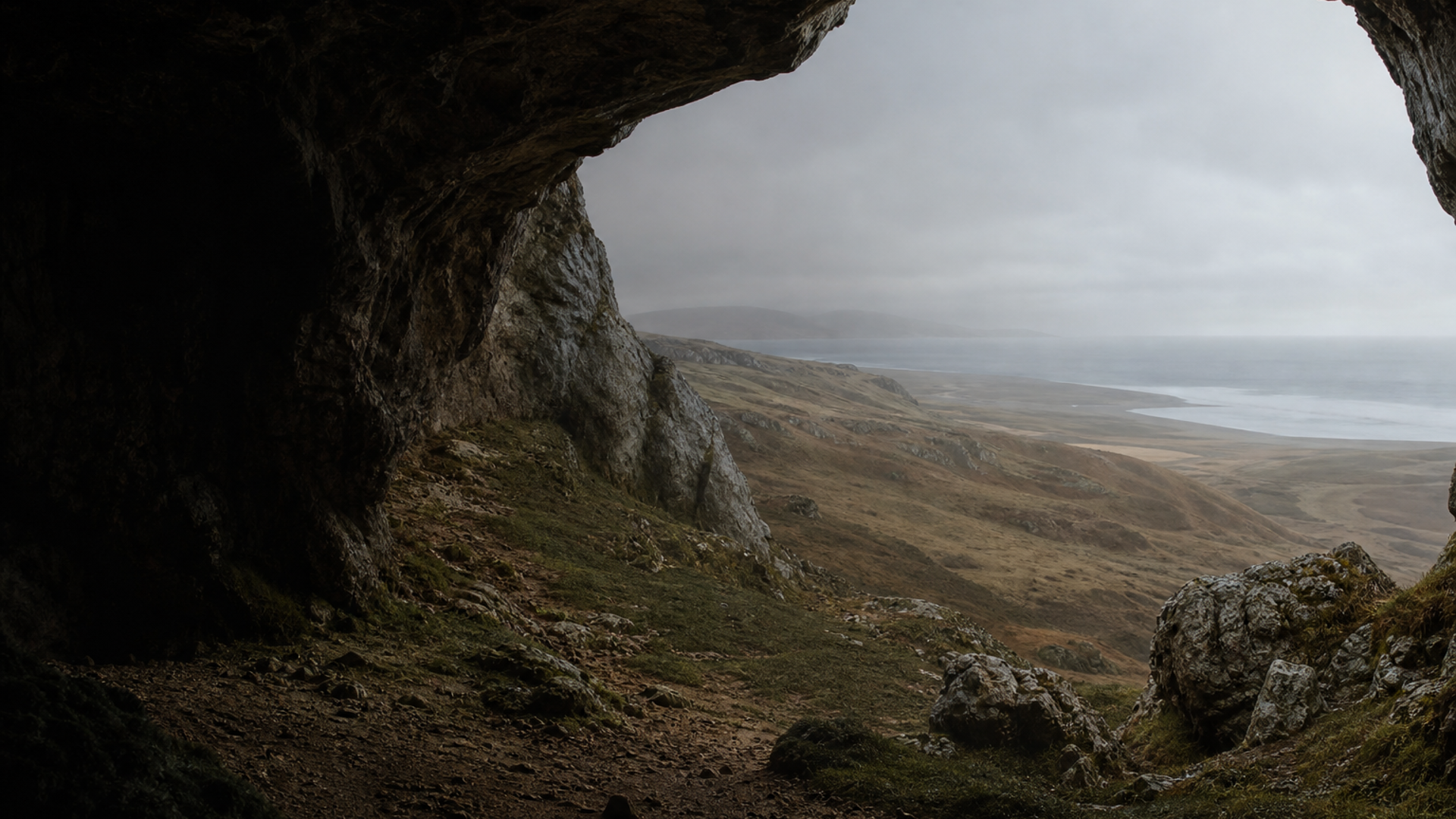
Life in Mesolithic England unfolded against a cinematic backdrop of newly forested hills and widening estuaries. Archaeological assemblages from the three caves show stone tools, butchered animal bones and occasional worked bone or antler — the material traces of hunting, fishing and hide working. Spatial patterns in caves suggest places of repeated human activity: hearths, discard zones and possible loci for ritual or mortuary behavior.
Comparative archaeology indicates small, mobile bands organized around kin networks, with seasonal movement between inland and coastal resources. The presence of multiple burials and modified human remains at some cave sites hints at complex social practices around death, though interpretive certainty is low. Archaeobotanical and zooarchaeological evidence is sparse for these particular samples, so reconstructions of diet and seasonality draw on regional Mesolithic parallels rather than direct site‑level proof.
Taken together, the archaeological record portrays resilient hunter‑gatherer communities negotiating a dynamic early Holocene environment, employing intimate knowledge of rivers, shores and woodlands to survive and reproduce socially.