Saltar para o conteúdo principal
Cultura de destaque

Middle Bronze Age Armenia

Tombs, trade, and emerging lineages across Armenia (2127–1211 BCE)

2127 CE - 1211 BCE
Armenia (South Caucasus)
8 Amostras antigas

A História

Armenia_MBA (2127–1211 BCE): nine ancient genomes from six sites reveal maternal ties to West Eurasia and sparse paternal diversity. Archaeology and DNA together sketch a society of herders, metalworkers, and long-distance contacts—interpretations remain preliminary given small sample size.

Time Period

2127–1211 BCE

Region

Armenia (South Caucasus)

Common Y-DNA

E (2), R (1)

Common mtDNA

T (4), K (2), U (2), HV (1)

Locais das amostras

O mapa interativo está indisponível. Consulte o catálogo de amostras para ver os locais registrados.

Cronologia

2127 BCE

Earliest sampled individual

The oldest Armenia_MBA genome dates to c. 2127 BCE from sites in the Armenian highlands, anchoring the dataset in the Middle Bronze Age.

1211 BCE

Latest sampled individual

The youngest sampled genome in the Armenia_MBA series dates to c. 1211 BCE, near the end of the Middle Bronze Age interval covered by this collection.

Origins & Emergence

The Armenia_MBA horizon sits within the Middle Bronze Age of the southern Caucasus, a time when fortified settlements, organized metalworking, and interregional exchange reshaped local lifeways. Archaeological contexts associated with the genomic samples include Katnaghbiur 1, Tavshut, Keti, Karashamb Cemetery, the Dzori Gekh archaeological complex, and Nerquin Getashen. Excavations at these sites reveal Bronze Age pottery styles, bronze tools and weapons, and burial traditions that link the Armenian highlands with neighboring Anatolia and the Iranian plateau.

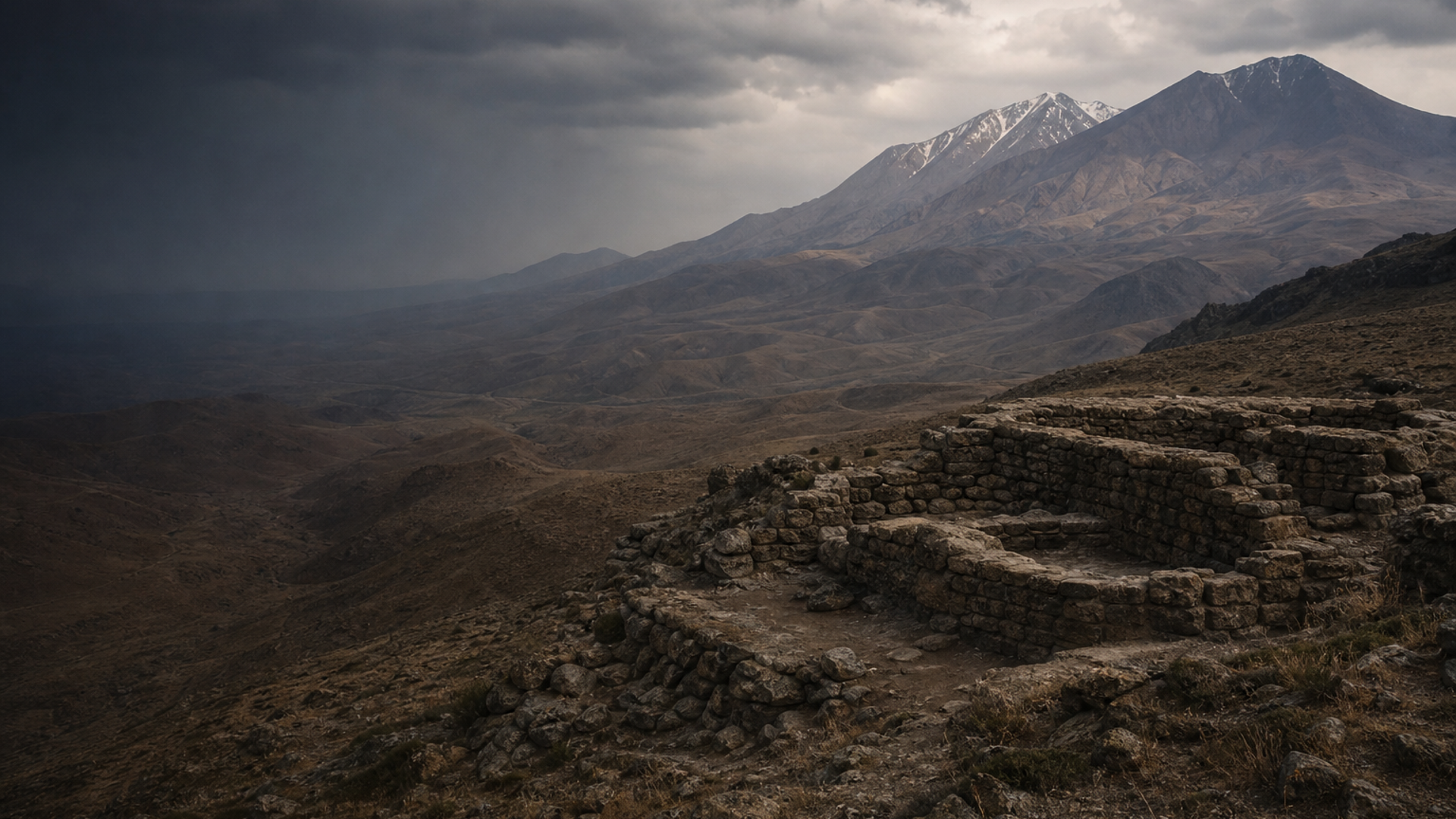
Cinematic landscapes—upland pastures rimmed by volcanic peaks and river valleys that funnel trade—hold traces of shifting networks. Material culture suggests sustained craft production (notably bronze metallurgy) and exchange in raw materials such as copper and tin. Limited evidence indicates both local continuity from earlier Bronze Age settlements and new inputs, possibly from Anatolian and Iranian contacts; however, the precise demographic processes (migration, elite exchange, or assimilation) remain debated.

Archaeological data indicate a mosaic of small towns, cemeteries, and fortified farmsteads rather than large urban centers. This pattern, combined with material links to surrounding regions, paints an image of an interconnected highland society adapting technologies and social forms across the Middle Bronze Age. Given the small genetic sample set, demographic conclusions must remain cautious.

  • Samples derive from six Armenian sites (Karashamb, Katnaghbiur 1, Tavshut, Keti, Dzori Gekh, Nerquin Getashen)
  • Material culture points to bronze metallurgy, pastoralism, and regional exchange
  • Archaeology suggests continuity and external influence; the scale of migration is uncertain

Daily Life & Society

Life across Middle Bronze Age Armenia appears to have been grounded in mixed farming and pastoralism, with household economies centered on grain cultivation, sheep and cattle herding, and craft specialization. The presence of bronze tools and weapons in graves and settlements indicates skilled metalworking and the importance of metal objects in status display and everyday use. Pottery assemblages from Karashamb Cemetery and nearby sites show both local traditions and decorative motifs shared with Anatolian and Transcaucasian neighbors, suggesting artisanship traveled with ideas and goods as well as objects.
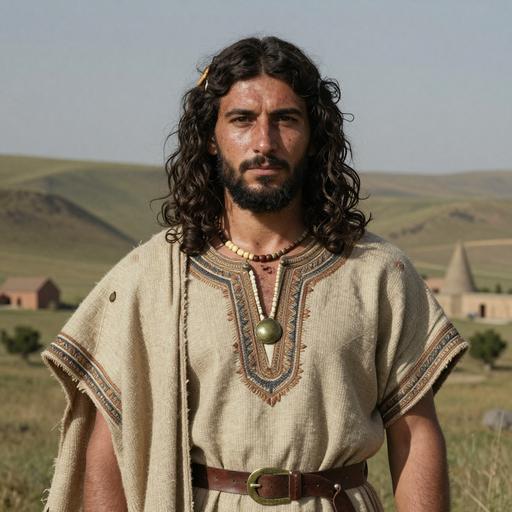
Burial customs—ranging from flat graves to cemetery contexts—offer glimpses into social differentiation. Some interments are accompanied by beads, metal implements, and ceramics that imply graded social roles or emerging elite identities. Settlements tend to be compact with defensive features in some locales, reflecting a landscape where communities invested in protecting resources and trade routes. Seasonal mobility of herds likely connected highland hamlets with lower valleys, creating a rhythm of movement that shaped social networks and resource distribution.
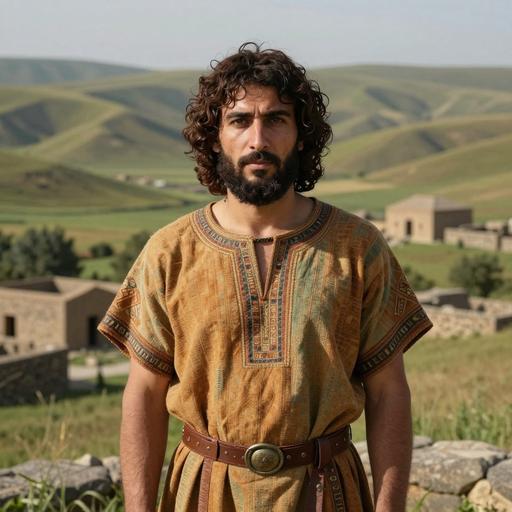
Archaeological evidence provides vivid fragments: the clink of hammer on bronze, the curve of a finely made pot, the alignment of graves within a cemetery. Together these traces sketch everyday behaviors while leaving many questions—about household composition, craft organization, and the reach of merchant networks—open to further study.

  • Mixed farming and pastoralism with specialized metalworking
  • Burial offerings and cemetery organization point to social differentiation

Genetic Profile

Nine ancient genomes (n = 9) from Armenia_MBA offer an initial genetic window into Middle Bronze Age highland communities. Maternal lineages are dominated by haplogroup T (four samples), with additional mtDNA K (two), U (two), and HV (one). These mitochondrial lineages are broadly characteristic of West Eurasian and Near Eastern maternal pools and are seen across Anatolia, the Caucasus, and parts of Europe in Bronze Age contexts. The maternal diversity suggests connections—by descent or exchange—with neighboring regions and continuity of matrilineal ancestries that trace back to earlier Neolithic and Bronze Age populations in the broader Near East.

On the paternal side, the dataset is sparse: two samples assigned to haplogroup E and one to haplogroup R. Haplogroup E in the Caucasus and Near East can reflect ancient Near Eastern or North-east African-derived lineages; without higher-resolution subclade data it is not possible to determine specific migration routes. Haplogroup R (unspecified subclade) represents a broad west-Eurasian paternal branch. The limited number of Y-chromosome detections (3 males with assignable haplogroups) prevents strong claims about population-wide male ancestry or social structure.

Genetically, the Armenia_MBA individuals fit a pattern of West Eurasian maternal continuity with mixed paternal signals that could reflect localized variation or incoming lineages. Archaeogenetic interpretation must emphasize caution: with fewer than ten samples, these observations are preliminary. Future sampling with larger, stratified collections and higher-resolution Y-chromosome data will be essential to test hypotheses about migration, patrilineal structure, and admixture with Anatolian, Iranian, or steppe-associated populations.

  • Maternal lineages dominated by T, with K, U, HV present—typical of West Eurasian/Near Eastern pools
  • Paternal data limited: E (2) and R (1); small sample size (<10) makes broad inference preliminary

Legacy & Modern Connections

The archaeological and genetic traces of Armenia_MBA contribute to a long story of population continuity and interaction in the Armenian highlands. Many maternal haplogroups observed—T, K, U, HV—continue to appear in modern West Eurasian and Caucasus populations, implying threads of lineage persistence. Paternal signals (E and R) are likewise present in varying frequencies in contemporary populations of the Near East and South Caucasus, but the small ancient sample set prevents direct lineal claims.

Culturally, the Middle Bronze Age laid down material idioms—metallurgy, burial practices, and settlement forms—that would be transformed but not wholly erased in later centuries. For modern descendants in Armenia and the surrounding Caucasus, these layers of material and genetic inheritance are part of a palimpsest: echoes rather than simple ancestral portraits. Ongoing ancient DNA sampling, combined with careful archaeological context from sites such as Karashamb and Dzori Gekh, will refine our understanding of how Bronze Age populations contributed to the genetic and cultural landscape of the region today.

  • Maternal haplogroups observed align with lineages still found in the Caucasus and Near East
  • Small ancient sample size means links to modern populations are suggestive, not definitive

Catálogo de amostras

8 / 8 amostras
Retrato Mostrar País Época Data Cultura Sexo DNA-Y ADNmt
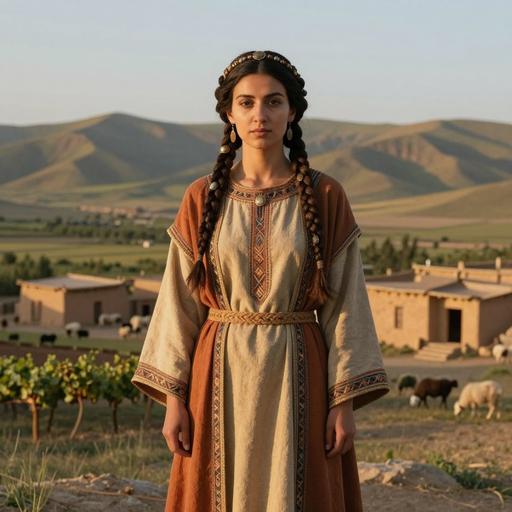
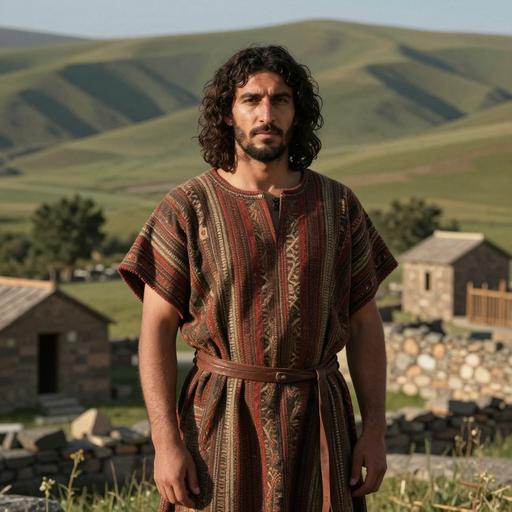
Retrato reconstruído de Katnaghbiur1 MBA individual, Armenia
Armenia Armenia_MBA 1502-1402 calBCE (3168±27 BP, OxA-31674) Ancient Near Eastern Civilization F - T1a1'3
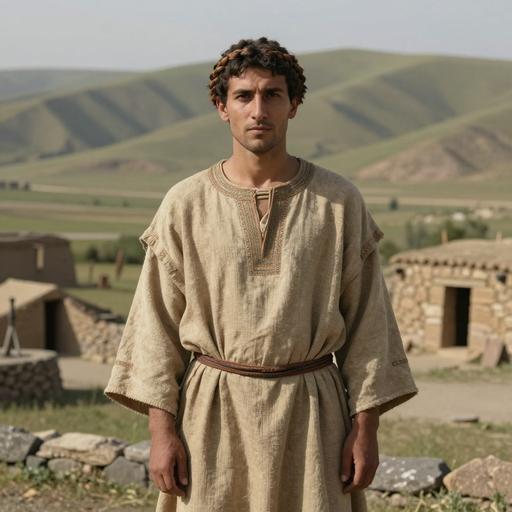
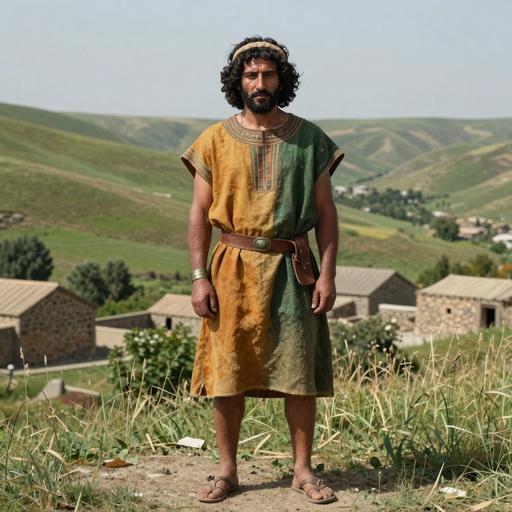
Retrato reconstruído de Tavshut MBA individual, Armenia
Armenia Armenia_MBA 2127-1900 calBCE (3630±25 BP, PSUAMS-6845) Ancient Near Eastern Civilization M I-Z26403 HV1a1
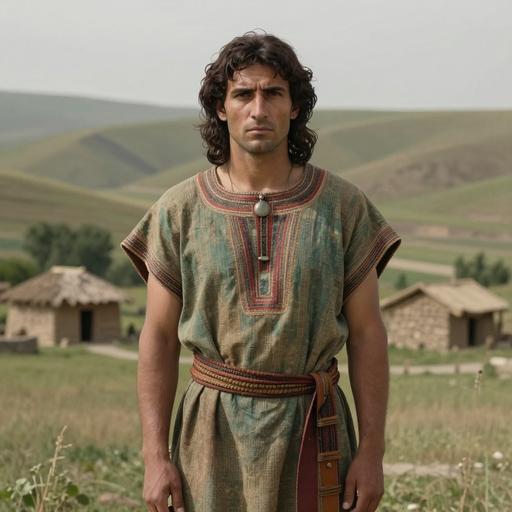
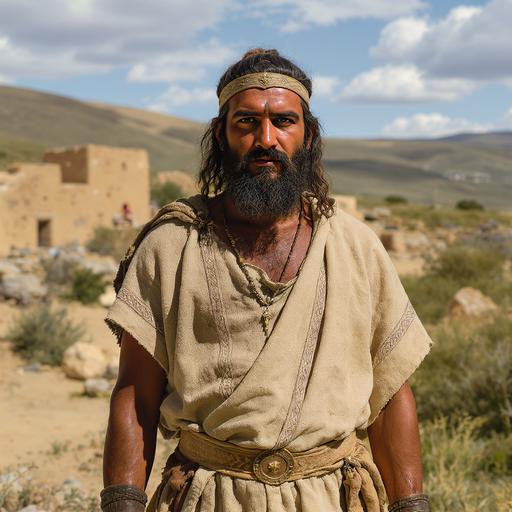
Retrato reconstruído de Ancient Near Eastern Civilization individual, Armenia
Armenia Armenia_MBA 1398 BCE Ancient Near Eastern Civilization M - K1a4c
Retrato reconstruído de Dzori Gekh LBA IA individual, Armenia
Armenia Armenia_MBA 1500-1350 BCE Ancient Near Eastern Civilization M J-Z2317 T2g1a
Retrato reconstruído de Ancient Near Eastern Civilization individual, Armenia
Armenia Armenia_MBA 1407 BCE Ancient Near Eastern Civilization M E-S11956 T2a3
Retrato reconstruído de Ancient Near Eastern Civilization individual, Armenia
Armenia Armenia_MBA 1420 BCE Ancient Near Eastern Civilization M - U1a1a1a
Retrato reconstruído de Ancient Near Eastern Civilization individual, Armenia
Armenia Armenia_MBA 1919 BCE Ancient Near Eastern Civilization M R-P297 T2c1f
Retrato reconstruído de Ancient Near Eastern Civilization individual, Armenia
Armenia Armenia_MBA 1616 BCE Ancient Near Eastern Civilization M E-L795 K1a17

Assistente de IA

Assistente de IA por DNAGENICS

Desbloquear esta função
Pregunta sobre la cultura Middle Bronze Age Armenia. El asistente con IA puede explicar hallazgos genéticos, contexto histórico, pruebas arqueológicas y conexiones modernas, con sus límites de interpretación.
Exemplo de análise com IA

La cultura Middle Bronze Age Armenia representa un capítulo de la historia humana...

A análise genética permite estudar semelhanças com populações anteriores e possíveis adaptações. As amostras de DNA antigo fornecem informações para investigar padrões migratórios e relações entre populações, com limites que dependem do estudo e do contexto arqueológico.

Esta é uma antevisão da análise com IA. Aceder ao assistente completo para explorar informações sobre:

  • Composição e similaridade genética
  • Padrões migratórios e origens
  • Vida cotidiana e práticas culturais
  • Contexto genético moderno