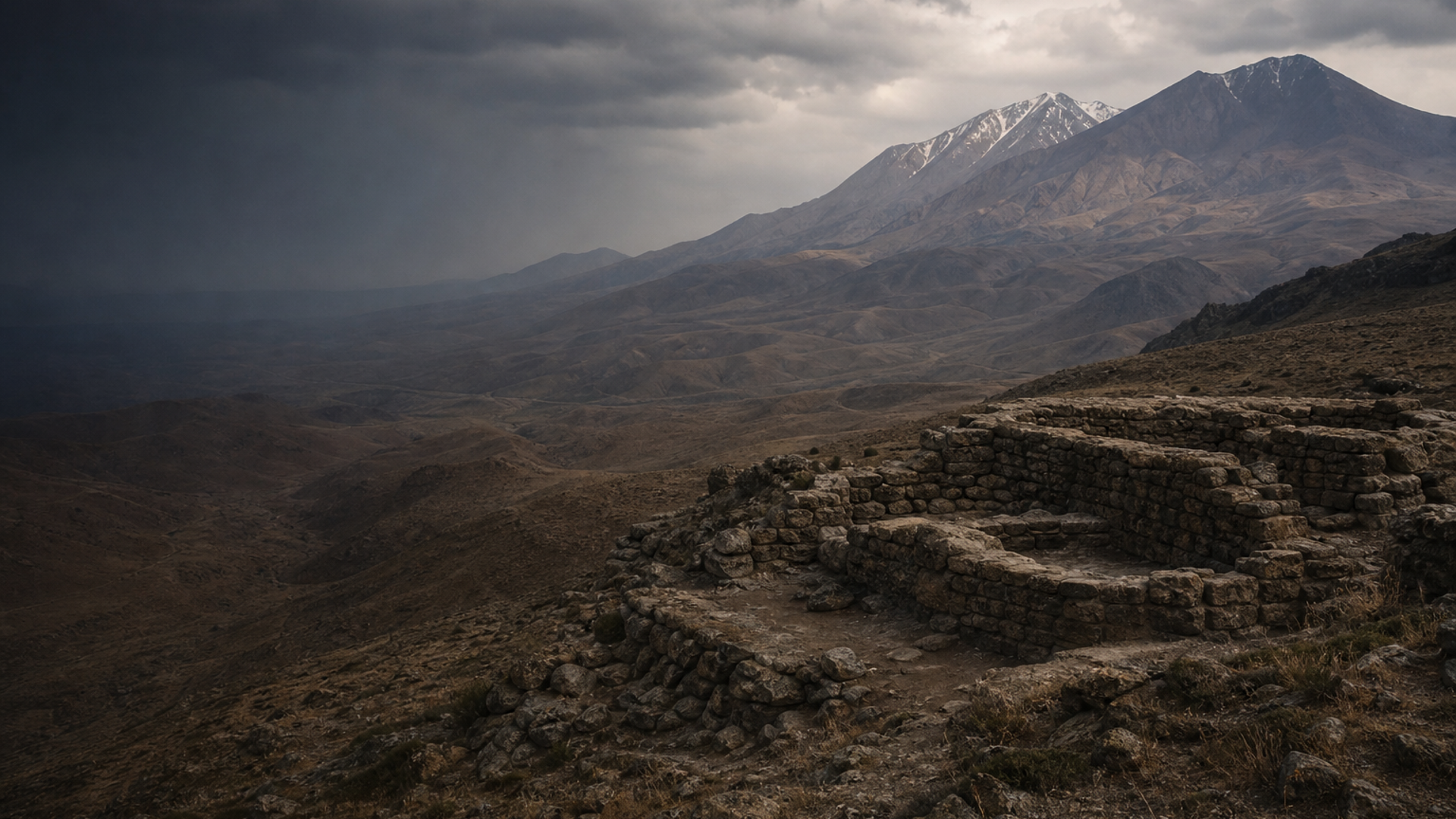
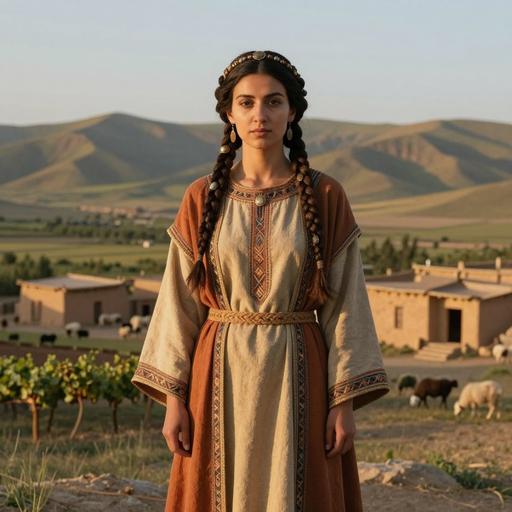
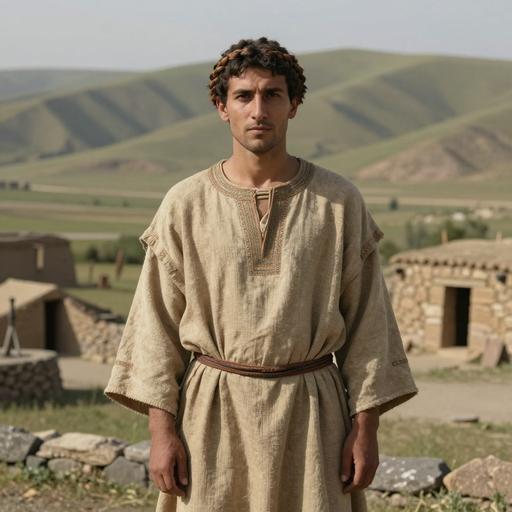
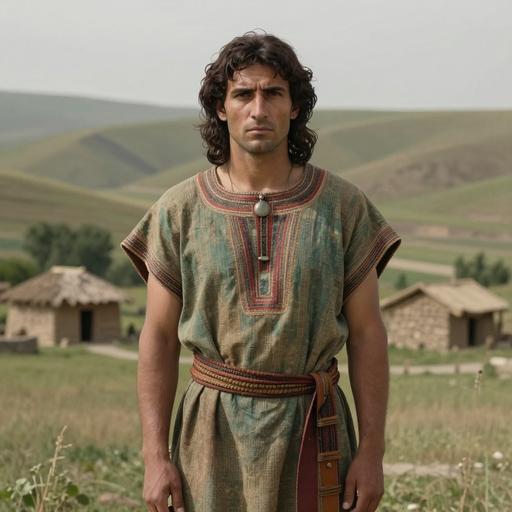
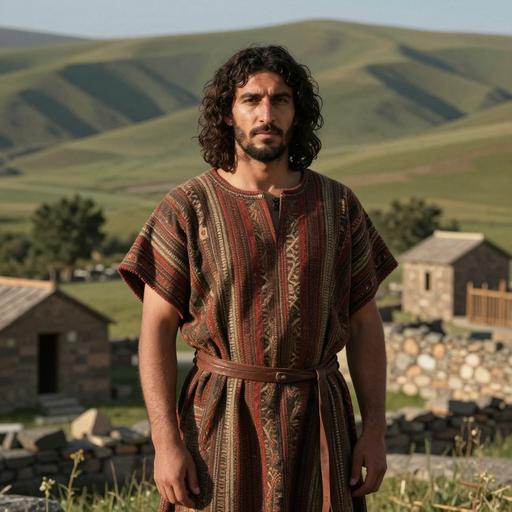
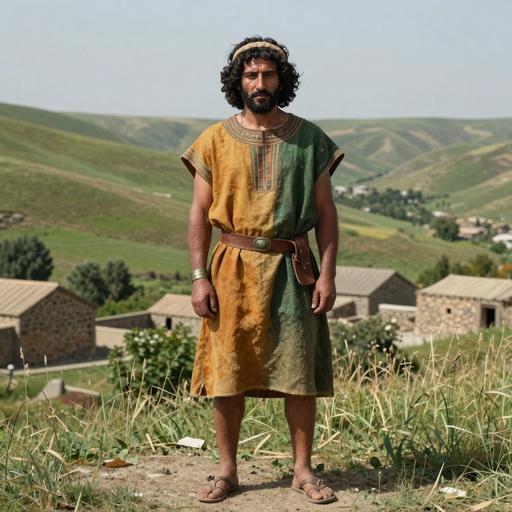
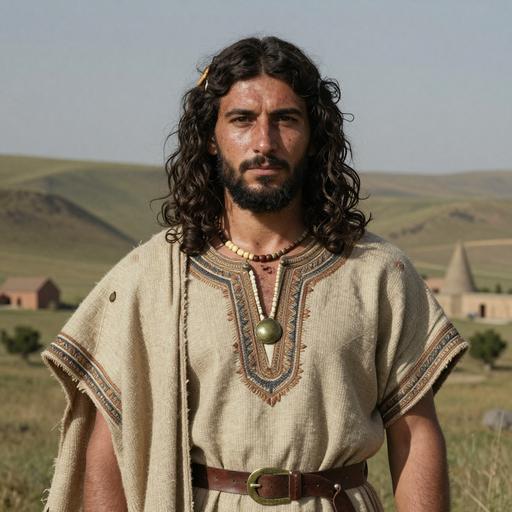
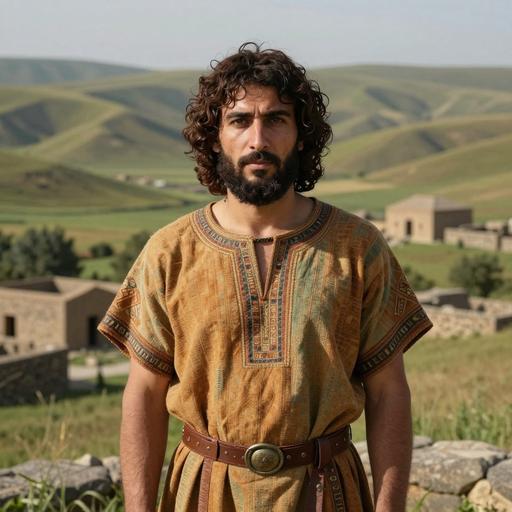
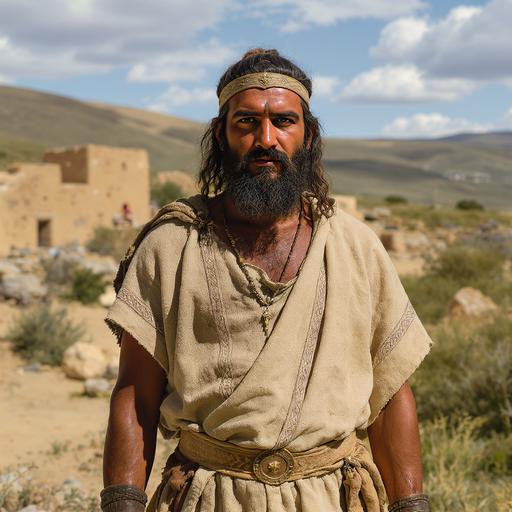
The Armenia_MBA horizon sits within the Middle Bronze Age of the southern Caucasus, a time when fortified settlements, organized metalworking, and interregional exchange reshaped local lifeways. Archaeological contexts associated with the genomic samples include Katnaghbiur 1, Tavshut, Keti, Karashamb Cemetery, the Dzori Gekh archaeological complex, and Nerquin Getashen. Excavations at these sites reveal Bronze Age pottery styles, bronze tools and weapons, and burial traditions that link the Armenian highlands with neighboring Anatolia and the Iranian plateau.
Cinematic landscapes—upland pastures rimmed by volcanic peaks and river valleys that funnel trade—hold traces of shifting networks. Material culture suggests sustained craft production (notably bronze metallurgy) and exchange in raw materials such as copper and tin. Limited evidence indicates both local continuity from earlier Bronze Age settlements and new inputs, possibly from Anatolian and Iranian contacts; however, the precise demographic processes (migration, elite exchange, or assimilation) remain debated.
Archaeological data indicate a mosaic of small towns, cemeteries, and fortified farmsteads rather than large urban centers. This pattern, combined with material links to surrounding regions, paints an image of an interconnected highland society adapting technologies and social forms across the Middle Bronze Age. Given the small genetic sample set, demographic conclusions must remain cautious.