部门背景
mtDNA 谱系分支 C1 的历史背景
Origins and Evolution
Haplogroup C1 is derived from mtDNA haplogroup C, itself a branch of macro-haplogroup M (commonly placed in M8'CZ). C likely arose in Northeast/East Asia during the Late Pleistocene, and the C1 subclade most likely split from other C lineages in Siberia or Beringia during the terminal Pleistocene (roughly ~20–15 kya). Phylogenetic and coalescence estimates, together with archaeological and palaeogenetic evidence, indicate that several sublineages of C1 diversified either in Beringia or in the first populations that moved into the Americas, making C1 an important lineage for reconstructing the peopling of the Americas.
Subclades (if applicable)
- C1a: A Northeast Asian / East Eurasian lineage found at low frequencies in parts of East Asia (including Japan and neighboring regions) and occasionally reported in ancient or admixed contexts in northern Eurasia; it appears to represent an Asian-surviving branch not involved in the primary founding of the Americas.
- C1b, C1c, C1d (and related sub-branches): These subclades are the principal Native American representatives of C1 and are widely distributed across North and South America. Their coalescence times are consistent with a late Pleistocene/early Holocene diversification associated with the first peoples of the Americas.
- C1e / rare European-associated lineages: Very rare C1-derived lineages have been reported in historical or medieval contexts in northern Europe (notably Iceland) and are the subject of debate; such occurrences are interpreted either as evidence of trans-oceanic contacts, later admixture, or rare long-distance movements.
Geographical Distribution
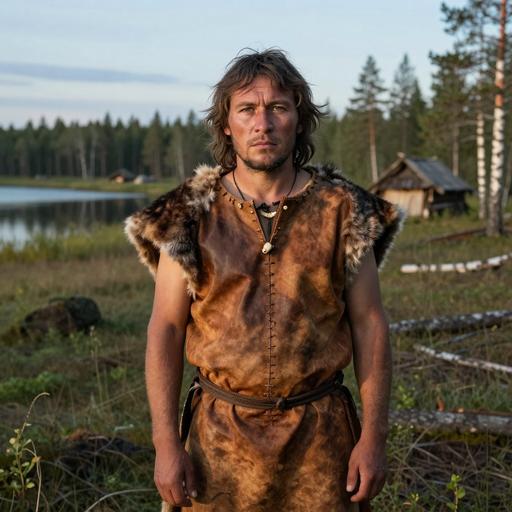
C1 shows a classic Eurasian–American distribution pattern: subclades that diversified in Beringia/East Asia are present among Siberian, Tungusic and Mongolic populations and gave rise to the main Native American branches found throughout the Americas. Today, the highest combined frequencies of C1 sublineages are observed in many indigenous American groups, while lower frequencies occur across Siberia, Northeast Asia, parts of Central Asia, and in Arctic populations (Inuit and some Yupik groups) due to later regional movements and founder effects.
Palaeogenetic sampling has recovered C1 in archaeological contexts spanning Siberia to the Americas; the dataset referenced here includes 7 ancient DNA samples carrying C1 or close derivatives, reinforcing its deep presence in Late Pleistocene / early Holocene contexts relevant to human dispersals across Beringia.
Historical and Cultural Significance
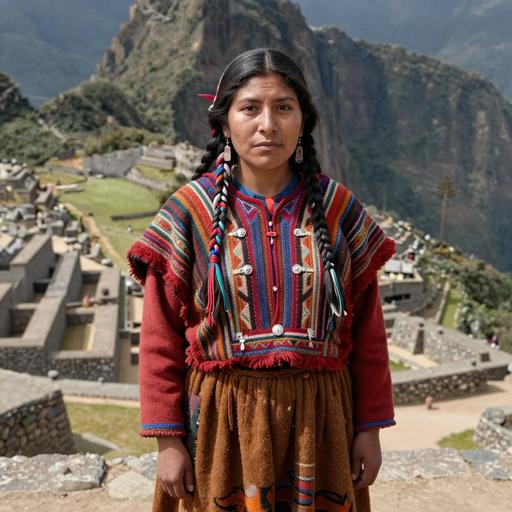
- Peopling of the Americas: C1 subclades (especially C1b–C1d) are considered among the maternal founding lineages of the Americas and are used alongside haplogroups A2, B2, D1 and X2a to trace migration routes, timing, and demographic expansions after entry into the Americas.
- Arctic adaptations and movements: Certain C1 derivatives occur among Arctic populations (Inuit, Yupik, and some northern Siberian peoples), reflecting both early migrations and later regional expansions tied to circumpolar adaptations.
- East Asian and Siberian continuity: The presence of C1a and other rare C1 branches in Northeast Asia and among Tungusic/Mongolic groups documents long-term maternal continuity in northern Eurasia and provides a link between Siberian populations and the ancestors of Native Americans.
- Debated trans-Atlantic signals: Rare reports of C1 lineages in medieval or historic northern Europe (e.g., Icelandic contexts) have prompted discussion about Norse contact with the Americas or other long-distance contacts; these cases are rare and subject to careful interpretation.
Conclusion
mtDNA haplogroup C1 is a geographically and historically informative maternal lineage that bridges northeastern Eurasia and the Americas. Its primary scientific importance lies in its role among the founding Native American mtDNA pool (C1b–C1d) and in documenting deep Late Pleistocene connections between Siberian/East Asian populations and early American settlers. While most C1 diversity in modern populations is concentrated in the Americas and Siberia, rare peripheral occurrences in other regions provide valuable signals about past migrations and contacts.
关键点
- Origins and Evolution
- Subclades (if applicable)
- Geographical Distribution
- Historical and Cultural Significance
- Conclusion