Menu
mtDNA Haplogroup • Maternal Lineage

C1

mtDNA Haplogroup C1

~18,000 years ago
Northeast Asia / Siberia
5 subclades
5 ancient samples
Scroll to explore
Chapter I

The Story

The journey of mtDNA haplogroup C1

Origins and Evolution

Haplogroup C1 is derived from mtDNA haplogroup C, itself a branch of macro-haplogroup M (commonly placed in M8'CZ). C likely arose in Northeast/East Asia during the Late Pleistocene, and the C1 subclade most likely split from other C lineages in Siberia or Beringia during the terminal Pleistocene (roughly ~20–15 kya). Phylogenetic and coalescence estimates, together with archaeological and palaeogenetic evidence, indicate that several sublineages of C1 diversified either in Beringia or in the first populations that moved into the Americas, making C1 an important lineage for reconstructing the peopling of the Americas.

Subclades (if applicable)

  • C1a: A Northeast Asian / East Eurasian lineage found at low frequencies in parts of East Asia (including Japan and neighboring regions) and occasionally reported in ancient or admixed contexts in northern Eurasia; it appears to represent an Asian-surviving branch not involved in the primary founding of the Americas.
  • C1b, C1c, C1d (and related sub-branches): These subclades are the principal Native American representatives of C1 and are widely distributed across North and South America. Their coalescence times are consistent with a late Pleistocene/early Holocene diversification associated with the first peoples of the Americas.
  • C1e / rare European-associated lineages: Very rare C1-derived lineages have been reported in historical or medieval contexts in northern Europe (notably Iceland) and are the subject of debate; such occurrences are interpreted either as evidence of trans-oceanic contacts, later admixture, or rare long-distance movements.

Geographical Distribution

C1 shows a classic Eurasian–American distribution pattern: subclades that diversified in Beringia/East Asia are present among Siberian, Tungusic and Mongolic populations and gave rise to the main Native American branches found throughout the Americas. Today, the highest combined frequencies of C1 sublineages are observed in many indigenous American groups, while lower frequencies occur across Siberia, Northeast Asia, parts of Central Asia, and in Arctic populations (Inuit and some Yupik groups) due to later regional movements and founder effects.

Palaeogenetic sampling has recovered C1 in archaeological contexts spanning Siberia to the Americas; the dataset referenced here includes 7 ancient DNA samples carrying C1 or close derivatives, reinforcing its deep presence in Late Pleistocene / early Holocene contexts relevant to human dispersals across Beringia.

Historical and Cultural Significance

  • Peopling of the Americas: C1 subclades (especially C1b–C1d) are considered among the maternal founding lineages of the Americas and are used alongside haplogroups A2, B2, D1 and X2a to trace migration routes, timing, and demographic expansions after entry into the Americas.
  • Arctic adaptations and movements: Certain C1 derivatives occur among Arctic populations (Inuit, Yupik, and some northern Siberian peoples), reflecting both early migrations and later regional expansions tied to circumpolar adaptations.
  • East Asian and Siberian continuity: The presence of C1a and other rare C1 branches in Northeast Asia and among Tungusic/Mongolic groups documents long-term maternal continuity in northern Eurasia and provides a link between Siberian populations and the ancestors of Native Americans.
  • Debated trans-Atlantic signals: Rare reports of C1 lineages in medieval or historic northern Europe (e.g., Icelandic contexts) have prompted discussion about Norse contact with the Americas or other long-distance contacts; these cases are rare and subject to careful interpretation.

Conclusion

mtDNA haplogroup C1 is a geographically and historically informative maternal lineage that bridges northeastern Eurasia and the Americas. Its primary scientific importance lies in its role among the founding Native American mtDNA pool (C1b–C1d) and in documenting deep Late Pleistocene connections between Siberian/East Asian populations and early American settlers. While most C1 diversity in modern populations is concentrated in the Americas and Siberia, rare peripheral occurrences in other regions provide valuable signals about past migrations and contacts.

Key Points

  • Origins and Evolution
  • Subclades (if applicable)
  • Geographical Distribution
  • Historical and Cultural Significance
  • Conclusion
Chapter II

Tree & Relationships

Phylogenetic context and subclades

Evolution Path

This haplogroup's evolutionary journey from its earliest ancestor to the present.

Steps Haplogroup Age Estimate Archaeology Era Time Passed Immediate Descendants Tested Modern Descendants Ancient Connections
1 C1 Current ~18,000 years ago 🏹 Mesolithic 18,000 years 5 562 5
2 C ~35,000 years ago 🦴 Paleolithic 35,000 years 5 617 75

Siblings (4)

Other branches from the same parent haplogroup

Chapter III

Where in the World

Geographic distribution and modern presence

Place of Origin

Northeast Asia / Siberia

Modern Distribution

The populations where mtDNA haplogroup C1 is found include:

  1. Indigenous peoples of the Americas (Native American groups across North and South America)
  2. Siberian ethnic groups (e.g., Yakut, Evenk, Nenets, Chukchi)
  3. Mongolic and Tungusic-speaking populations (e.g., Mongolians, Buryats, Evens)
  4. East Asian populations (e.g., some Han, Koreans, Japanese)
  5. Central Asian populations (e.g., Kazakhs, Altaians, Tuvans)
  6. Selected South Asian groups (low-to-moderate frequencies in parts of India and Tibet)
  7. Arctic and sub-Arctic peoples (e.g., Inuit and certain Yupik groups via C sublineages)
  8. Occasional occurrences in northern and eastern Europe in ancient or admixed contexts
CHAPTER IV

When in Time

Your haplogroup in the context of human history

~20k years ago

Last Glacial Maximum

Peak of the last ice age, populations isolated

~18k years ago

Haplogroup C1

Your mtDNA haplogroup emerged in Northeast Asia / Siberia

Northeast Asia / Siberia
~10k years ago

Neolithic Revolution

Agriculture begins, settled communities form

~5k years ago

Bronze Age

Metalworking, writing, and early civilizations

~3k years ago

Iron Age

Iron tools, expanded trade networks

~2k years ago

Classical Antiquity

Greek and Roman civilizations flourish

Present

Present Day

Modern era

Your Haplogroup
Historical Era
Chapter IV-B

Linked Cultures

Ancient cultures associated with mtDNA haplogroup C1

Cultural Heritage

These ancient cultures have been linked to haplogroup C1 based on matching ancient DNA samples from archaeological excavations. The presence of this haplogroup in these cultures provides insights into the migrations and population movements of populations carrying this haplogroup.

Altai-Sayan Ancient Beringian Armenian LBA-EIA Arroyo Seco Early Buryat Karelian Culture Late Paleoindian Belize Potapovka Culture Roman Croatia Tayopa
Culture assignments are based on archaeological context of ancient DNA samples and may represent regional associations during specific time periods.
Chapter V

Sample Catalog

5 subclade carriers of haplogroup C1 (no exact C1 samples sequenced yet)

5 / 5 samples
Portrait Sample Country Era Date Culture mtDNA Match
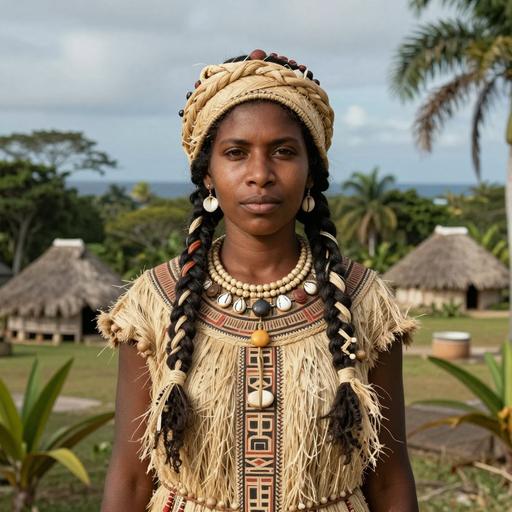
Portrait of ancient individual I11892 from Curacao, dated 1300 CE - 1398 CE
I11892
Curacao Ceramic Period de Savaan, Curacao 1300 CE - 1398 CE de Savaan C1c-a Downstream
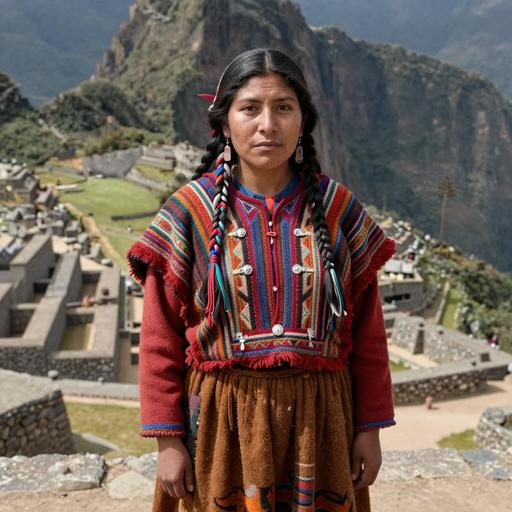
Portrait of ancient individual UC12-20 from Peru, dated 1400 CE - 1500 CE
UC12-20
Peru Late Horizon Chincha Culture, Peru 1400 CE - 1500 CE Chincha C1b-a Downstream
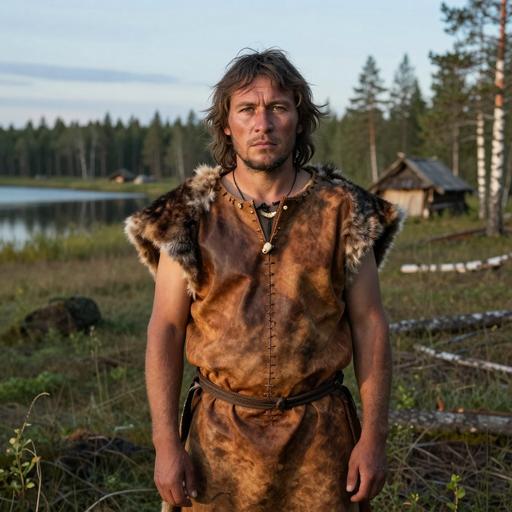
Portrait of ancient individual I0061 from Russia, dated 7050 BCE - 5950 BCE
I0061
Russia Hunter-Gatherer Karelia, Russia 7050 BCE - 5950 BCE Karelian Culture C1* Downstream
Portrait of ancient individual I0061 from Russia, dated 7050 BCE - 5950 BCE
I0061
Russia Ancient Hunter-Gatherers of Northeastern Europe 7050 BCE - 5950 BCE C1* Downstream
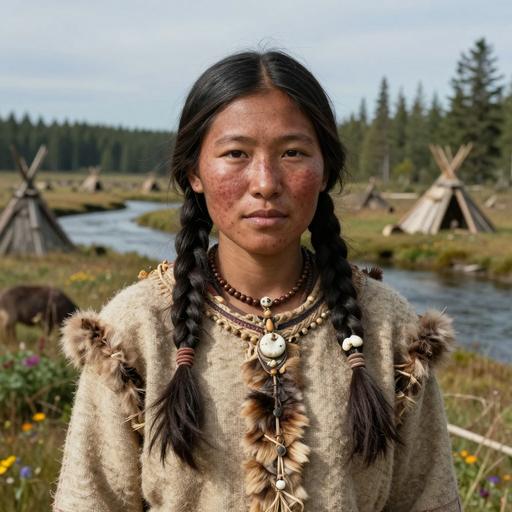
Portrait of ancient individual USR1 from USA, dated 9700 BCE - 9250 BCE
USR1
USA Ancient Beringian, USA 9700 BCE - 9250 BCE Ancient Beringian C1b* Downstream
Chapter VI

Carrier Distribution Map

Geographic distribution of 5 ancient DNA samples (direct and subclade carriers of C1)

Subclade carrier
Time Period Filter
All Time Periods
Showing all samples
Chapter VII

Temporal Distribution

Distribution of carriers across archaeological periods

Chapter VIII

Geographic Distribution

Distribution by country of origin (direct and subclade carriers shown by default)

Chapter IX

Country × Era Distribution

Cross-tabulation of carrier countries and archaeological periods (direct and subclade carriers shown by default)

Data

Data & Provenance

Source information and data quality

Last Updated 2026-02-15
Confidence Score 50/100
Coverage Low
Data Source

We use the latest phylotree for MTDNA haplogroup classification and data.