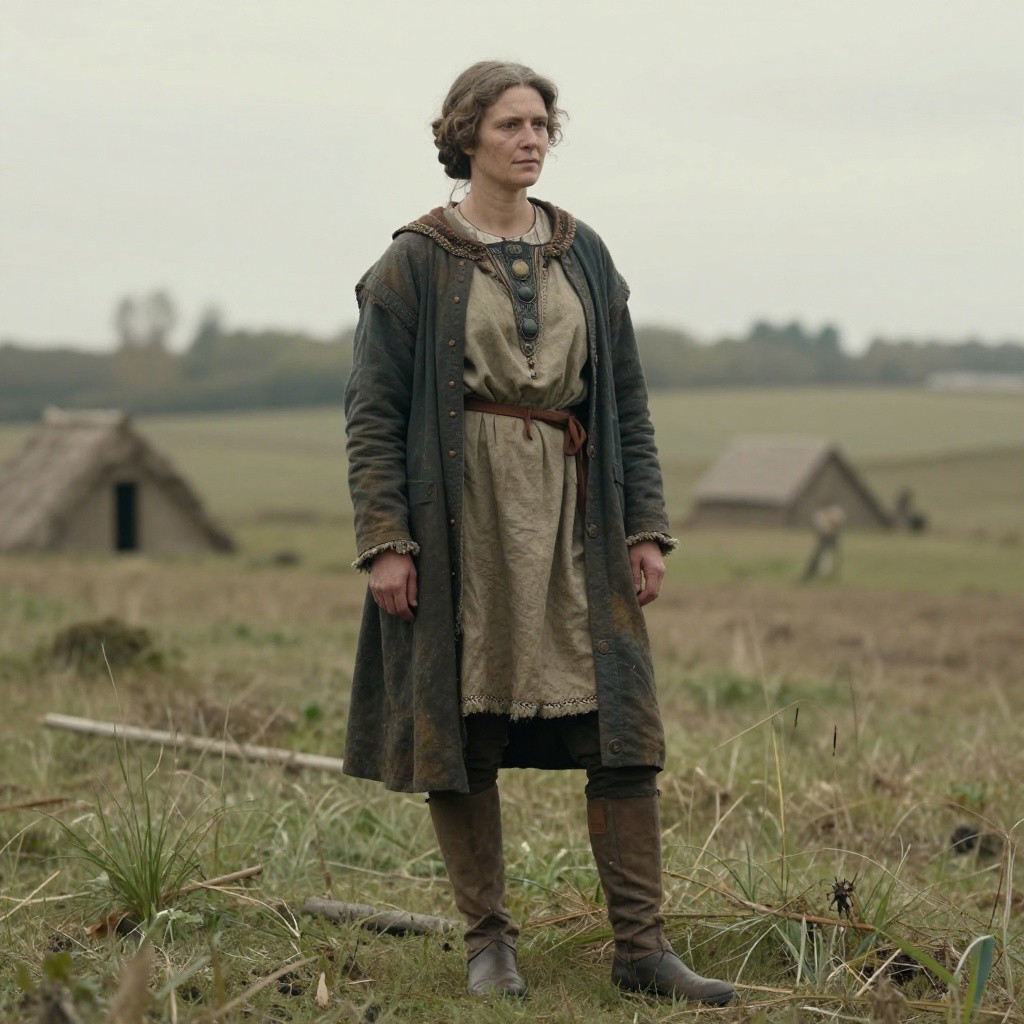
Mesolithic Hunter-Gatherers of Namur

下载的 PDF 是图像副本。如需可选中文本及更好的辅助技术支持,请使用打印功能。

Mesolithic Hunter-Gatherers of Namur

揭开一个失落的文明

正在加载考古记录……

正在收集古代记录

跳转到主内容
Mesolithic Hunter-Gatherers of Namur
文明焦点

Mesolithic Hunter-Gatherers of Namur

Post-glacial communities in Wallonia revealed by caves, river-systems and ancient DNA

9160 CE - 8294 BCE
Wallonia, Belgium (Namur province)
5 Ancient Samples
滚动开始
Chapter I

剧情

了解 Mesolithic Hunter-Gatherers of Namur 文化

Archaeological and genetic glimpses from 4 Mesolithic individuals (9160–8294 BCE) excavated at Abri des Autours, Malonne Petit Ri and Waulsort Caverne X in Namur, Belgium. mtDNA U appears in two samples; broader patterns hint at Western Hunter‑Gatherer ancestry but conclusions are preliminary.

Time Period

9160–8294 BCE

Region

Wallonia, Belgium (Namur province)

Common Y-DNA

Undetermined (few samples)

Common mtDNA

U (2 of 4 samples)

Chapter II

时间线

这种文化历史上的关键时刻

9000 BCE

Early Holocene occupation of Namur shelters

Archaeological layers at Abri des Autours, Malonne Petit Ri and Waulsort record seasonal occupations by Mesolithic hunter‑gatherers in river valleys.

Chapter III

Origins & Emergence

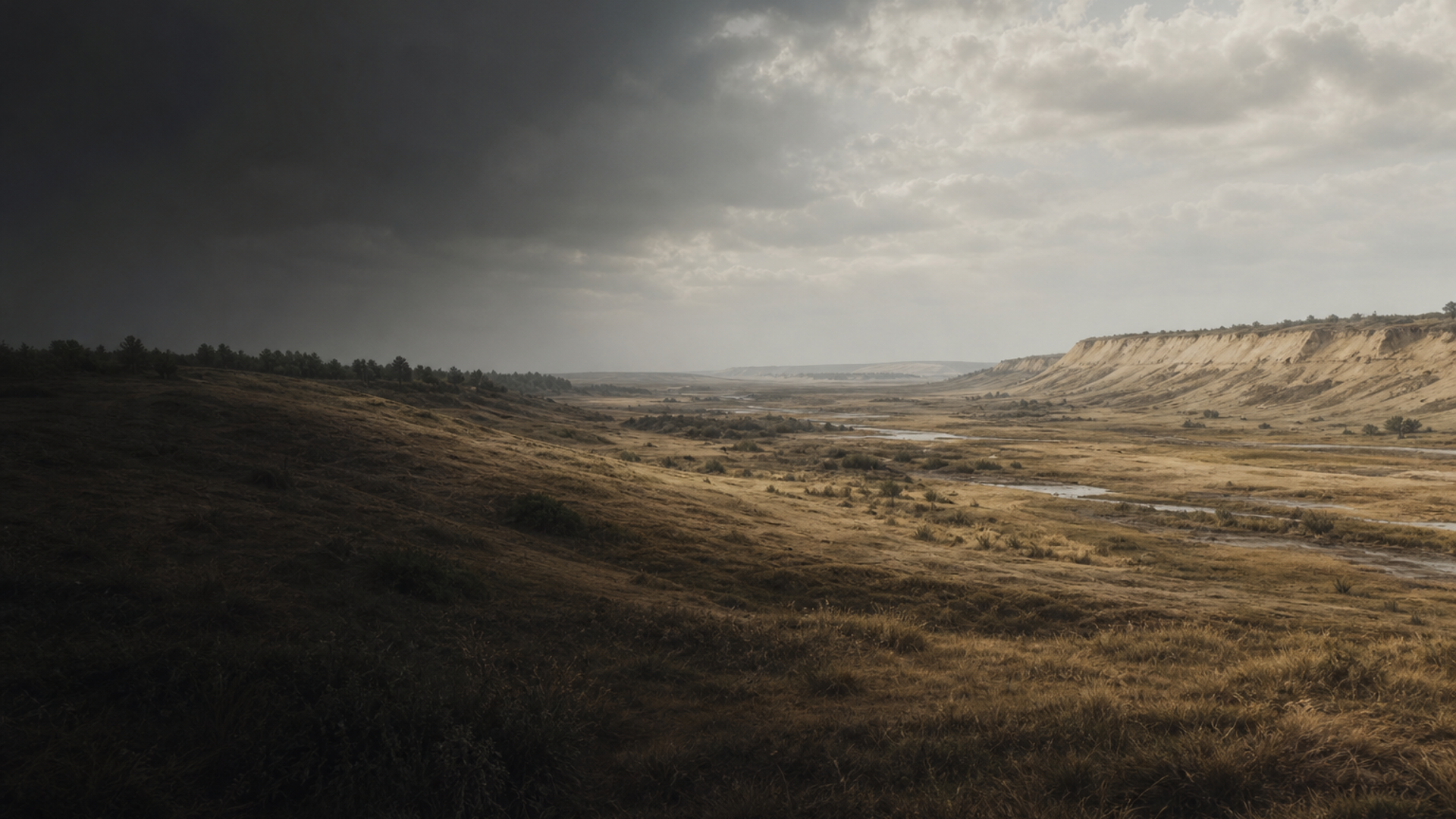
As the ice sheets retreated after the Last Glacial Maximum, the river valleys of what is now Namur became corridors of renewal. Between 9160 and 8294 BCE, small bands of hunter‑gatherers reoccupied sheltered abris and cave mouths along the Meuse and its tributaries. Archaeological data from Abri des Autours, Malonne Petit Ri and Waulsort Caverne X indicate episodic use of rock shelters and cave systems — places where human activity, hearths and discarded stone tools accumulated in stratified layers.

Limited evidence suggests these groups exploited a mosaic of habitats: riparian fisheries, wooded slopes and open wetlands created by a warming climate. Lithic scatters and tool types typically assigned to Mesolithic assemblages point to microlithic technologies optimized for composite weapons and versatile foraging. Faunal remains and site taphonomy (where preserved) further indicate seasonal occupation patterns tied to fish runs and migratory game.

Genetically, these early post‑glacial inhabitants fit into a broader story of Western European Mesolithic populations, but caution is essential: only four individuals are sampled. Archaeological and preliminary genetic signals together suggest continuity with wider hunter‑gatherer networks, yet local adaptations and mobility across riverine landscapes made each site a distinct chapter in a dynamic, postglacial landscape.

  • Occupied riverine shelters in Namur (Abri des Autours, Malonne Petit Ri, Waulsort Caverne X)
  • Date range: 9160–8294 BCE, early Holocene reoccupation after glacial retreat
  • Evidence indicates seasonal mobility, fishing, and microlithic tool use
Chapter IV

Daily Life & Society

Imagine a damp dawn in a limestone overhang: smoke wafts from small hearths, children run among dated tool‑knapping debris, and nets or weirs are repaired for the morning’s catch. Archaeological data indicates these were low‑density communities organized in small bands of kin, moving seasonally to exploit fish, birds, and large mammals as they tracked resources across interconnected river valleys.

Material culture was practical and portable. Microliths and retouched blades could be hafted onto shafts for hunting or sliced for plant processing. Organic implements — bone points, cordage — rarely survive in this region but are inferred from tool forms and use‑wear. Seasonal aggregation in caves and abris would have supported social exchange: sharing food, raw materials, and information about distant camps.

Burial evidence in the region is sparse; where human remains occur, they provide crucial snapshots of health, diet and kinship. Sedimentary contexts at the Namur sites show repeated short‑term occupations rather than large, permanent villages, underlining a flexible lifeway attuned to a changing early Holocene environment.

  • Small, mobile bands exploiting rivers, wetlands and forests
  • Portable toolkits, seasonal camps in shelters and caves
Chapter V

Genetic Profile

Four individuals, dated between 9160 and 8294 BCE from Abri des Autours, Malonne Petit Ri and Waulsort Caverne X, provide the genetic window we have for Belgium_Mesolithic. Two of the four carry mitochondrial haplogroup U — a lineage commonly found among European Upper Paleolithic and Mesolithic hunter‑gatherers. Y‑chromosome information is currently undetermined in these samples or not reported, so paternal lineages remain unresolved.

Broader ancient‑DNA studies across Western Europe repeatedly recover a dominant Western Hunter‑Gatherer (WHG) ancestry component in Mesolithic populations; the Belgian samples are compatible with that pattern but cannot alone define it. With only four genomes, statistical power is limited: population structure, kinship within sites, and subtle admixture events cannot be robustly inferred. Any claims about continuity into later populations or precise affinities to neighboring groups must therefore be framed as provisional.

Despite these constraints, combining archaeology with DNA yields compelling narratives: mitochondrial haplogroup U connects these individuals to a deep maternal heritage that spans much of Mesolithic Europe. Future sequencing of additional individuals, higher coverage genomes, and targeted Y‑DNA assays will be necessary to build a fuller genetic portrait of early Holocene Belgium.

  • mtDNA U detected in 2 of 4 samples — common in European Mesolithic contexts
  • Sample size is very small (<10); genetic conclusions are preliminary
Chapter VI

Legacy & Modern Connections

The people of Belgium’s Mesolithic landscape left no large monuments, but their legacy endured in subtle ways: ecological knowledge of riverine resources, seasonal mobility strategies, and genetic threads woven into later populations. Archaeological data indicates that Mesolithic hunter‑gatherers across northwest Europe formed a substrate of ancestry that later interacting groups — notably incoming Neolithic farmers — encountered and mixed with.

Genetically, traces of Mesolithic maternal lineages (such as haplogroup U) persist in later prehistoric and some modern mitochondrial pools, but direct continuity at the local scale cannot be assumed from the current four samples. Instead, these individuals are best seen as representative snapshots of a dynamic, post‑glacial human landscape whose people contributed to the tapestry of European ancestry. Ongoing aDNA work and new excavations in Wallonia will clarify how these early inhabitants connect to the present.

  • Mesolithic ancestry contributes to the genetic foundation of later European populations
  • Current genetic data are snapshots; additional sampling is required to assess local continuity
Chapter VII

样本目录

5 份与 Mesolithic Hunter-Gatherers of Namur 文化相关的古 DNA 样本,为研究该时期的人群提供遗传线索。

5 / 5 samples
纵向 样本 国家 大纪元 日期 文化 性别 Y-DNA mtDNA
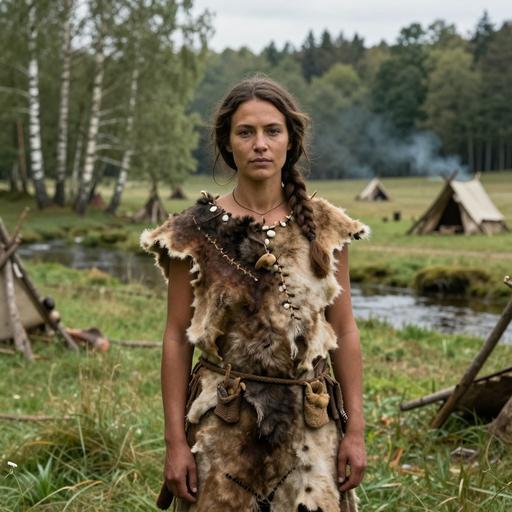
重建的肖像画 Mesolithic individual, Belgium
Mesolithic individual, Belgium
Belgium Belgium_Mesolithic 9160-8623 calBCE (9500±75 BP, OxA-4917) Pre-civilization F - U5a2
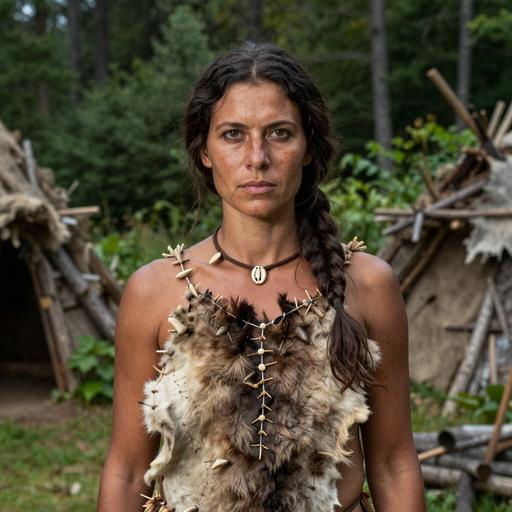
重建的肖像画 Mesolithic individual, Belgium
Mesolithic individual, Belgium
Belgium Belgium_Mesolithic 8731-8294 calBCE (9270±90 BP, OxA-5042) Pre-civilization F - U5b2a
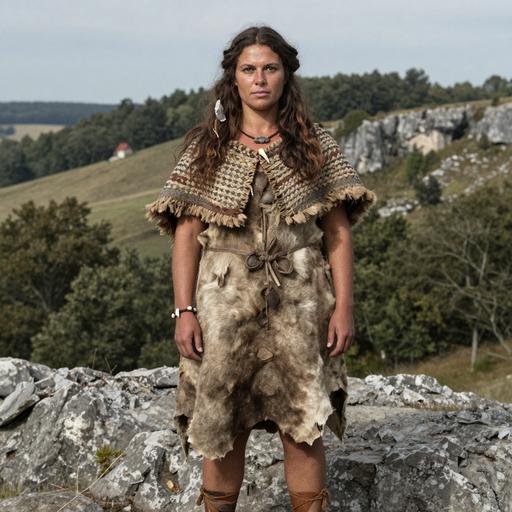
重建的肖像画 Mesolithic individual, Belgium
Mesolithic individual, Belgium
Belgium Belgium_Mesolithic 8694-8361 calBCE (9300±30 BP, ETH-74728) Pre-civilization F - -
重建的肖像画 Mesolithic individual, Belgium
Mesolithic individual, Belgium
Belgium Belgium_Mesolithic 8627-8355 calBCE (9285±30 BP, ETH-74725) Pre-civilization F - -
重建的肖像画 Mesolithic individual, Belgium
Mesolithic individual, Belgium
Belgium Belgium_Mesolithic 12000-5000 BCE F - U5b1b
AI 电源

AI 助手

就 Mesolithic Hunter-Gatherers of Namur 文化提问

AI 助手 由DNAGENICS公司制作

解锁此特性
Ask questions about the Mesolithic Hunter-Gatherers of Namur culture. Our AI assistant can explain genetic findings, historical context, archaeological evidence, and modern connections.
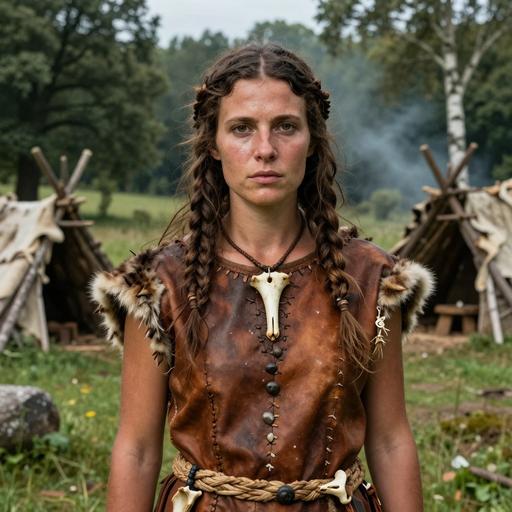
AI 样本分析

Mesolithic Hunter-Gatherers of Namur 文化是人类历史中值得了解的一章……

遗传分析揭示了与早期种群的联系,同时显示了独特的适应和文化创新的证据。 古代DNA样本提供了对迁徙模式、社会结构以及古代种群之间的生物关系的深刻见解。

这是人工智能分析的预览。 解锁全AI 助手, 以探索关于:

  • 遗传组成和祖先
  • 移徙模式和起源
  • 日常生活和文化习俗
  • 现代遗传遗产

探索更古老的文化

揭开古代世界文明的故事

使用优惠码 可减免 35% • 11月12日 到期