Menu
Store
Blog
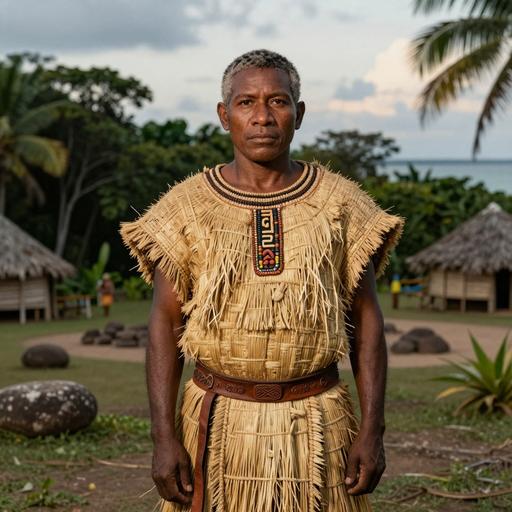
Portrait reconstruction of EPS002
Ancient Individual

A man buried in Brazil in the Shell Mound era

EPS002
811 BCE - 571 BCE
Male
Sambaqui Culture of Limão
Brazil
Scroll to begin
Chapter I

Identity

The biological and cultural markers that define this ancient individual

Sample ID

EPS002

Date Range

811 BCE - 571 BCE

Biological Sex

Male

mtDNA Haplogroup

D1-D1d1

Y-DNA Haplogroup

Q-L56

Cultural Period

Sambaqui Culture of Limão

Chapter II

Place

Where this individual was discovered

Country Brazil
Locality Sambaqui do Limão (Southeast Coast)
Chapter III

Time

When this individual lived in the broader context of human history

EPS002 811 BCE - 571 BCE
Chapter IV

Story

The narrative of this ancient life

The Sambaqui Culture, particularly in regions like Limão, is one of the fascinating pre-Columbian societies found in Brazil. These cultures are renowned for their extensive and skillful use of natural resources, particularly in coastal regions, where they created extensive shell middens, known as sambaquis, which are the key archaeological signature defining them. The term \Sambaqui" is derived from the Tupi language, meaning "mound of shells," which perfectly characterizes these heap-like structures.

Geography and Environment

The Limão sambaquis are primarily located in the coastal regions of Brazil, spanning the southern and southeastern parts. This environment is rich in marine biodiversity, with vast estuaries, mangroves, and beaches teeming with life. The ecological context provided an abundance of resources for the Sambaqui people. The area's geographical features include flat coastal plains, lagoons, and small islands, which are prone to periodic flooding and provide niches for various wildlife.

Social Structure and Lifestyle

The Sambaqui Culture of Limão exhibited a complex society that likely had a significant degree of social stratification. Their society was organized in small, semi-sedentary communities. The presence of substantial shell mounds indicates prolonged habitation in certain locales. These mounds served as both residential areas and ceremonial sites, suggesting an organized social and religious life.

The people were primarily hunter-gatherers, relying heavily on the rich marine resources available to them, such as fish, shellfish, and crustaceans. They also hunted terrestrial animals and gathered plant materials. This diet is evidenced by the remains found within the sambaquis, featuring a plethora of fish bones, shells, and plant residues.

Construction and Architecture

The sambaquis themselves are impressive constructions, sometimes reaching heights of over 30 meters (approximately 98 feet). They are made predominantly of discarded shells, alongside bones, artifacts, and soil, layered over generations. These structures were not merely refuse piles but served multiple purposes, including settlement platforms, burial sites, and territorial markers. The organization of the mounds suggests that they had significant social or ritual functions, indicative of a culture that invested considerable efforts in their construction.

Artifacts and Material Culture

Archaeological findings within the sambaquis reveal a rich material culture. Artifacts commonly found include bone tools, such as fishhooks and awls, stone tools like projectile points, and grindstones. Pottery remains suggest that the Sambaqui people engaged in some form of rudimentary ceramic technology. The use of red pigments, often thought to have ritual significance, has been observed on both artifacts and human remains. These items reflect a society with specialized skills in crafting tools and potentially trade networks for exchanging goods.

Burial Practices and Spiritual Beliefs

Burial practices are a significant part of the Sambaqui Culture, with intricate rites evidenced by the careful placement of the deceased within the mounds. Human remains found in the sambaquis are often associated with grave goods, including tools and ornaments, suggesting a belief in an afterlife or the importance of equipping individuals for another realm.

The presence of ossuaries and evidence of secondary burial practices indicates a complex and layered belief system. Ritualistic behaviors are further suggested by the spatial organization of burial sites and the repetitive use of red ochre in burials, hinting at ceremonies surrounding death and the afterlife.

Decline and Legacy

The decline of the Sambaqui Culture of Limão and other sambaqui cultures is not precisely understood. It is believed that environmental changes, resource depletion, or interactions with other indigenous groups could have contributed to their decline. However, the legacy of the Sambaqui people remains significant. Their mounds are not only a testament to their way of life but also an important part of the cultural history and archaeology of Brazil.

Today, the sambaquis serve as a window into the past, providing valuable insights into pre-Columbian societies and their adaptation to diverse environments. Continued archaeological research at these sites offers the potential to understand better the social, economic, and spiritual aspects of this intriguing culture."

Chapter V

Context

Other ancient individuals connected to this sample

Sources

References

Scientific publications and genetic data

Scientific Publication

Genomic history of coastal societies from eastern South America

Authors Ferraz T, Suarez Villagran X, Nägele K
Abstract

Sambaqui (shellmound) societies are among the most intriguing archaeological phenomena in pre-colonial South America, extending from approximately 8,000 to 1,000 years before present (yr BP) across 3,000 km on the Atlantic coast. However, little is known about their connection to early Holocene hunter-gatherers, how this may have contributed to different historical pathways and the processes through which late Holocene ceramists came to rule the coast shortly before European contact. To contribute to our understanding of the population history of indigenous societies on the eastern coast of South America, we produced genome-wide data from 34 ancient individuals as early as 10,000 yr BP from four different regions in Brazil. Early Holocene hunter-gatherers were found to lack shared genetic drift among themselves and with later populations from eastern South America, suggesting that they derived from a common radiation and did not contribute substantially to later coastal groups. Our analyses show genetic heterogeneity among contemporaneous Sambaqui groups from the southeastern and southern Brazilian coast, contrary to the similarity expressed in the archaeological record. The complex history of intercultural contact between inland horticulturists and coastal populations becomes genetically evident during the final horizon of Sambaqui societies, from around 2,200 yr BP, corroborating evidence of cultural change.

Use code for 40% off Expires Mar 01