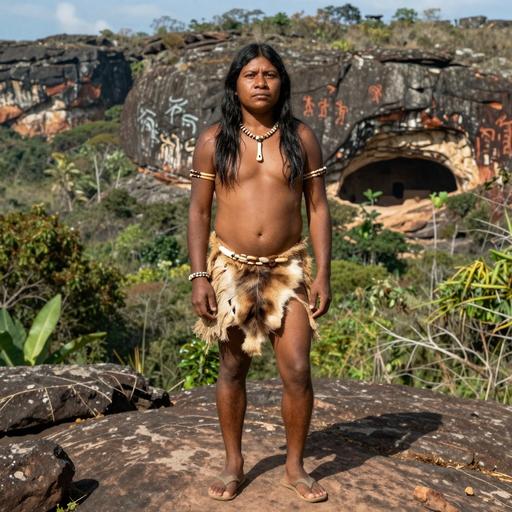
The Hunter-Gatherer Enoque of pre-Columbian Brazil represents a fascinating period in the vast tapestry of indigenous cultures that thrived in South America long before the arrival of Europeans. This rich era is characterized by its deep connection to the environment, complex social structures, and sophisticated knowledge systems developed by communities living in this region.
Geography and Environment
The Enoque peoples inhabited a diverse and ecologically rich landscape, ranging from dense rainforests to vast savannahs and riverine environments. The Amazon basin, known for its immense biodiversity, provided an abundant source of sustenance and natural resources. This lush environment influenced not only their diet but also their cultural practices, spiritual beliefs, and social organization.
Subsistence and Economy
As hunter-gatherers, the Enoque peoples were highly adept at exploiting the resources available to them in their immediate surroundings. They pursued a nomadic or semi-nomadic lifestyle, following seasonal cycles and animal migrations. Their diet was varied, including fruits, nuts, seeds, tubers, and a range of protein sources from hunting, such as game animals, birds, and fish. Fishing, in particular, played a crucial role due to the proximity of rivers and water bodies.
Their subsistence strategies required a profound knowledge of the ecosystem, including the habits and habitats of animals, the seasonal availability of plants, and the medicinal properties of various flora. This ecological wisdom was passed down through generations, ensuring the sustainability of their practices.
Social Structure
Although less is known about the specific social structures of the Enoque peoples compared to other indigenous groups, it is likely that they organized themselves into bands or small kinship groups. These units were flexible and could adapt to environmental pressures or opportunities for cooperation with other groups.
Leadership within these groups was often informal and based on experience, knowledge, and skills rather than hereditary privilege. Decision-making was typically consensual, reflecting the egalitarian nature of many hunter-gatherer societies.
Culture and Spirituality
The spiritual life of the Enoque peoples was deeply interwoven with the natural world. Animism was likely a central tenet of their spiritual beliefs, with a profound respect for, and understanding of, the interconnectedness of all living things. Rituals and ceremonies may have been conducted to honor the spirits of the land, animals, and ancestors, guided by shamans or spiritual leaders who served as mediators between the physical and spiritual realms.
Artistic expression, although not extensively documented for this specific group, often played a role in spiritual and cultural life. This likely included body painting, carving, and perhaps storytelling traditions that encapsulated their cosmology and oral history.
Technological and Artistic Developments
The technological inventions of the Enoque peoples were sophisticated adaptations to their environment. Tools were crafted from locally sourced materials such as wood, stone, bone, and shells. This included weapons for hunting, tools for processing food, and items used in daily life.
Artisanship likely extended to personal adornment and the creation of tools and items imbued with spiritual or symbolic significance. This craftsmanship was both functional and a means of cultural expression, reflecting the materials available in the region.
Legacy and Influence
While specific historical details about the Enoque peoples may be limited, their contributions to the cultural and ecological landscape of pre-Columbian Brazil are undeniable. They sustained a way of life that maintained a delicate balance with nature, which is an enduring legacy for contemporary discussions about sustainable living and environmental conservation.
Their wisdom, passed down orally, continues to influence and inform indigenous practices today, despite the disruptions and challenges faced over centuries. Understanding and appreciating the Enoque era provides valuable insights into the complex cultural mosaic that characterized pre-Columbian societies in Brazil and throughout the Americas.