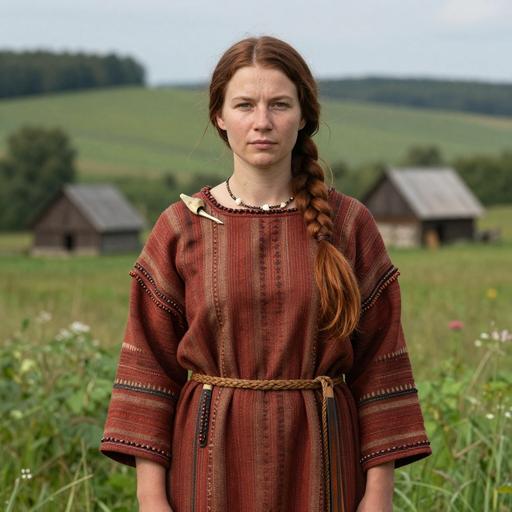
The Lublin-Volhynian culture is a significant archaeological culture of the Neolithic period that flourished in Central Europe, particularly in the areas that are now parts of southeastern Poland, western Ukraine, and northeastern Slovakia. Emerging around 3100 BCE and lasting until approximately 2200 BCE, the culture is named after the Lublin region in Poland and the Volhynia region in Ukraine. This culture is part of the broader Neolithic landscape in Europe, known for its transition from hunter-gatherer societies to more stable, agrarian-based communities.
Geographic Extent and Environment
The Lublin-Volhynian culture occupied a diverse geographic area characterized by rolling plains, abundant waterways, and fertile soils, ideal for agriculture. The presence of extensive forested areas and rivers provided resources for hunting, fishing, and gathering, forming a rich environment in which Neolithic communities could thrive. The climate during this period was temperate, with sufficient rainfall that supported the growth of crops and the maintenance of livestock.
Social and Economic Organization
This culture was primarily agrarian, relying heavily on farming and animal husbandry. The inhabitants cultivated a variety of crops, including wheat, barley, legumes, and flax, utilizing basic but effective agricultural techniques. Livestock farming included the rearing of cattle, pigs, sheep, and goats, which not only provided food but also materials like wool and leather for clothing and tools.
The social structure of the Lublin-Volhynian culture is inferred from archaeological findings that suggest relatively egalitarian communities organized in small settlements. These settlements consisted of longhouses that likely served as communal living and working spaces. The culture is noted for its complex social organization that facilitated trade and interaction with neighboring cultures, suggesting a network of exchange for goods like flint, pottery, and possibly even ideas.
Material Culture
One of the defining aspects of the Lublin-Volhynian culture is its pottery, which is characterized by specific styles and techniques. The pottery is often decorated with cord impressions and features various shapes, including pots and bowls used for daily activities such as cooking and storage. These items indicate a level of sophistication in their crafting abilities and an aesthetic sensibility.
Flint tools were integral to the daily life of this culture, crafted for agricultural purposes, hunting, and domestic tasks. Querns and other grinding tools were used to process grains, highlighting the importance of agriculture in their daily lives.
Architecture and Settlement Patterns
Settlements in the Lublin-Volhynian culture were strategically located near water sources and fertile lands. The architectural style included longhouses made of wooden post frames, clay, and wattle daub, reflecting a semi-permanent lifestyle. These structures were durable enough to endure seasonal changes while being relatively easy to construct using locally available materials.
Burial Practices and Religion
Burial practices varied, but some evidence suggests that they practiced both cremation and inhumation, with the latter being more common. The dead were often interred with grave goods such as pottery vessels, tools, and ornaments, which indicates a belief in an afterlife or spiritual continuity. These practices highlight the culture's complex belief system, although specific details of their religious beliefs remain largely speculative due to limited direct evidence.
Interaction with Neighboring Cultures
The Lublin-Volhynian culture existed in a dynamic region where several different cultural groups interacted. There was significant contact with the Funnelbeaker culture to the northwest and the Tripolye culture to the southeast. This interaction likely facilitated the exchange of goods, cultural practices, and technological innovations, evident in similarities in pottery styles and tools across these cultures.
Decline and Legacy
The decline of the Lublin-Volhynian culture is not definitively understood but is likely due to a combination of environmental changes, resource depletion, and increasing competition from neighboring cultures. As with many archaeological cultures, it gradually merged or was absorbed into succeeding cultures.
Today, the legacy of the Lublin-Volhynian culture contributes to our understanding of the development of early agricultural societies in Europe. Its study provides insight into the complex social and economic transitions that characterized the Neolithic period and laid the groundwork for subsequent cultural and technological advancements.