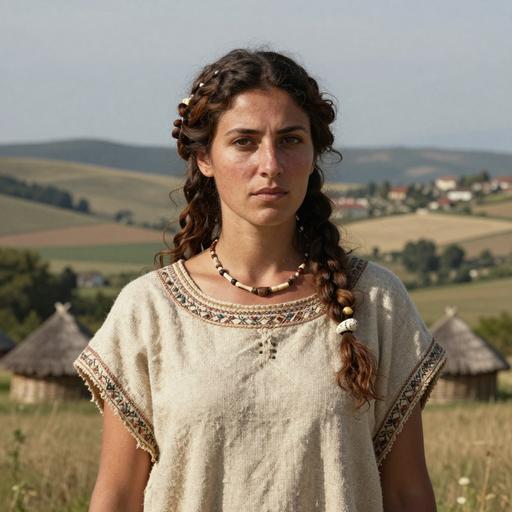
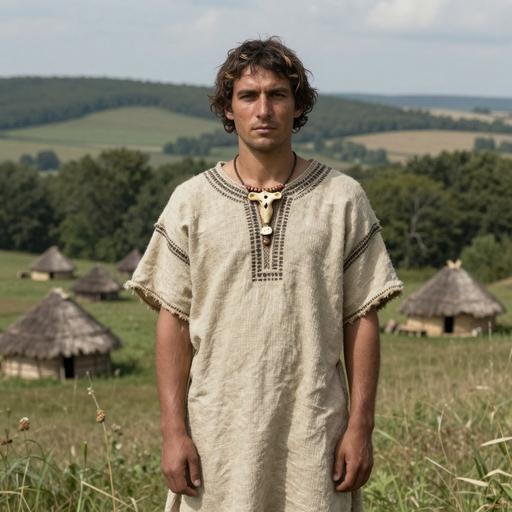
Ein Referenzprofil für einen Abstammungszweig. Gemeinsame Haplogruppen begründen weder eine familiäre Beziehung noch eine kulturelle Identität.
Referenzprofil
Hintergrund des Zweigs
Historischer Kontext für den mtDNA-Abstammungszweig T2B
Origins and Evolution
Haplogroup T2B is a downstream branch of mtDNA haplogroup T2, itself a descendant of the JT macro-haplogroup. T2 likely diversified near the Near East during or shortly after the Last Glacial Maximum (~21 kya for T2), and T2B represents a later split that genetic evidence and ancient DNA suggest formed during the Late Glacial or early postglacial period (roughly ~14 kya in this estimate). Its evolution is tied to the broader post-LGM recolonization of Europe from refugia around the Mediterranean and Near East and later to the Neolithic demographic expansion of early farmers.
Genetic studies have recovered T2B in Mesolithic-to-Neolithic transition contexts and across many later archaeological horizons, indicating continuity and repeated incorporation into expanding populations. The internal diversity of T2B in modern and ancient samples supports a scenario of an origin in or near the Near East with subsequent dispersal into Europe and peripheral regions.
Subclades
T2B contains further substructure (for example named branches often reported in sequence-based studies such as T2b1, T2b2, etc.), with some sub-lineages showing more restricted geographic patterns. Some subclades are more frequent in southern and central Europe, while others appear in the Near East and North Africa. High-resolution phylogenies built from full mitogenomes are required to resolve fine-scale subclade relationships and to date internal nodes accurately.
Geographical Distribution
T2B is widespread but uneven in frequency. It is most commonly observed in Southern and Central Europe, occurs at moderate frequencies in Eastern Europe and the Near East, and is present at lower frequencies in North Africa, parts of the Caucasus, and Central Asia. Ancient DNA demonstrates T2B in early farmer contexts in Europe (e.g., Early Neolithic agricultural communities) and in later archaeological cultures, indicating both early arrival with farming groups and persistence through subsequent demographic events.
Historical and Cultural Significance
The occurrence of T2B in early Neolithic farmer remains links it to the demic diffusion of agriculture from the Near East into Europe. Because T2 lineages are commonly found among ancient Early European Farmers (EEF), T2B is often treated as part of that maternal genetic signature. T2B is also observed in later archaeological horizons (e.g., Chalcolithic and Bronze Age samples) and in modern populations that descend from or admixed with those earlier groups.
T2B has been reported among some Jewish communities (including Ashkenazi lineages) and in North African groups at lower frequencies, reflecting historical migrations and gene flow across the Mediterranean. Its presence in many ancient samples (hundreds in aggregated databases) makes it a useful lineage for tracing maternal ancestry in archaeological and population-genetic studies.
Conclusion
mtDNA haplogroup T2B is a Neolithic- and postglacial-era maternal lineage that links the Near East and Mediterranean refugia with the peopling of Europe. It exemplifies how maternal lineages moved with both hunter-gatherer re-expansion after the LGM and later with the spread of farming populations, and it remains detectable in a wide range of modern and ancient populations across Europe, the Near East, North Africa, and adjacent regions.
Wichtige Punkte
Origins and Evolution
Subclades
Geographical Distribution
Historical and Cultural Significance
Conclusion
Referenzprofil
Baum und Verwandtschaft
Phylogenetischer Kontext und Subkladen
Entwicklungsweg
Folgen Sie den erfassten übergeordneten Zweigen bis T2B. Die Daten sind Schätzungen und können sich ändern, wenn Referenzdaten überarbeitet werden.
The populations where mtDNA haplogroup T2B is found include:
Southern and Central European populations (Italy, Iberia, Balkans)
Eastern European populations
Near Eastern populations (Anatolia, Levant)
North African populations (at lower frequencies)
Caucasus populations (sporadic occurrences)
Central Asian populations (low frequencies)
Jewish populations (including some Ashkenazi lineages)
Historischer Kontext
Ein Zweig durch die Zeit
Geschätzte Entstehung in einer breiten historischen Zeitleiste. Zeitmarken liefern Kontext und implizieren keine Verbindung zu bestimmten Kulturen.
~20k Jahre zurück
Letztes glaziales Maximum
Höhepunkt der letzten Eiszeit, isolierte Bevölkerungen
~14k Jahre zurück
Haplogruppe T2B
Geschätzte Entstehung dieses mtDNA-Zweigs; Daten und Orte sind Referenzschätzungen.
Dieser Zweig
~10k Jahre zurück
Neolithische Revolution
Beginn der Landwirtschaft und feste Siedlungen
~5k Jahre zurück
Bronzezeit
Metallverarbeitung, Schrift und frühe Zivilisationen
~3k Jahre zurück
Eisenzeit
Eisenwerkzeuge und ausgedehnte Handelsnetze
~2.5k Jahre zurück
Klassische Antike
Blüte griechischer und römischer Kulturen
Gegenwart
Gegenwart
Moderne Zeit
Referenzprofil
Archäologischer Kontext
Erfasste archäologische Zuordnungen für den mtDNA-Zweig T2B
Erfasste Zuordnungen
Diese Bezeichnungen beschreiben archäologische Kontexte erfasster Referenzproben mit Bezug zu T2B. Eine Zuordnung bedeutet nicht, dass alle Träger einer Kultur angehörten oder einer bestimmten Migrationsroute folgten.
Kulturzuordnungen basieren auf dem archäologischen Kontext antiker DNA-Proben und können regionale Verknüpfungen in bestimmten Zeiträumen widerspiegeln.
Referenzprofil
Probencatalog
57 direkte Träger und 43 Subkladen-Träger der Haplogruppe T2B
10 angezeigt · 50 passende Proben
Keine Proben entsprechen diesen Filtern. Versuchen Sie eine andere Bezeichnung, einen anderen Ort oder eine andere Epoche.
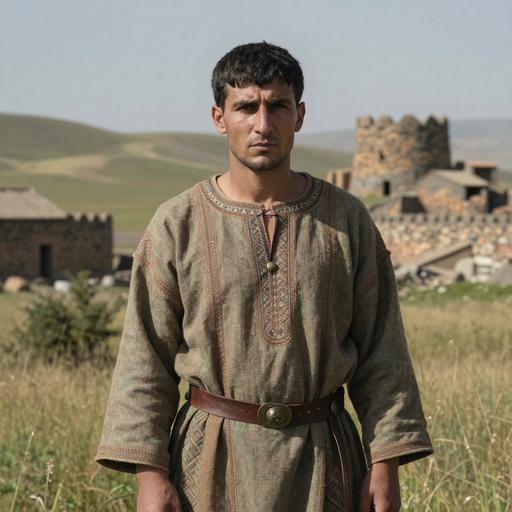
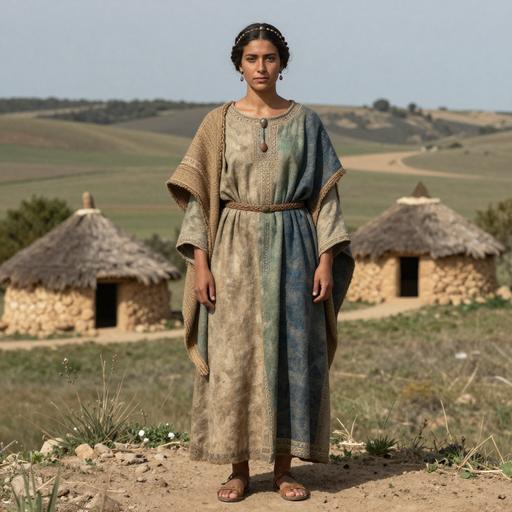
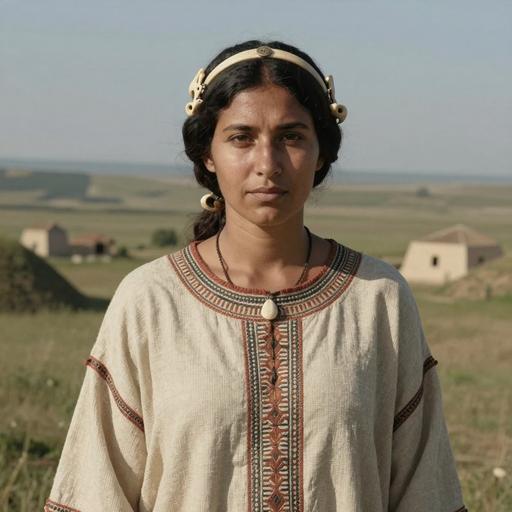
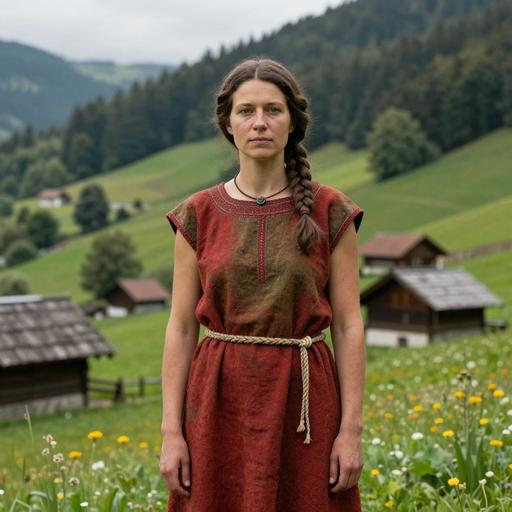
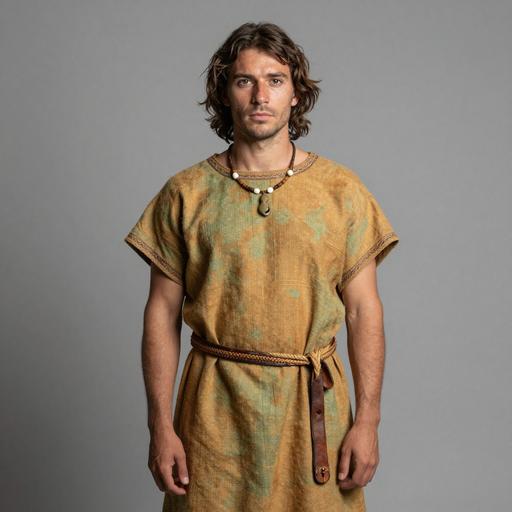
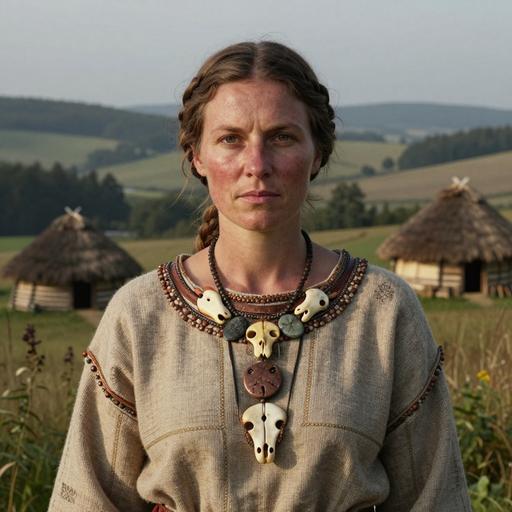
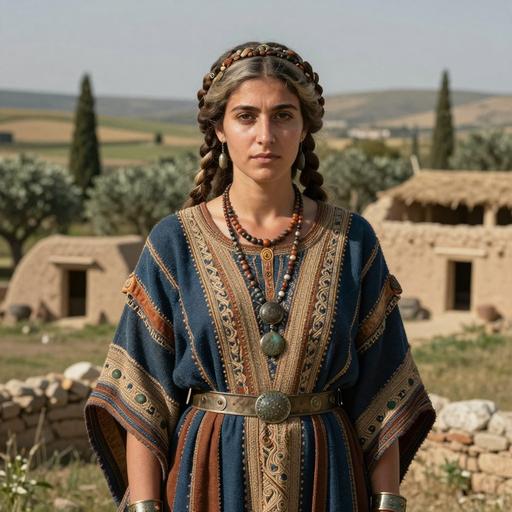
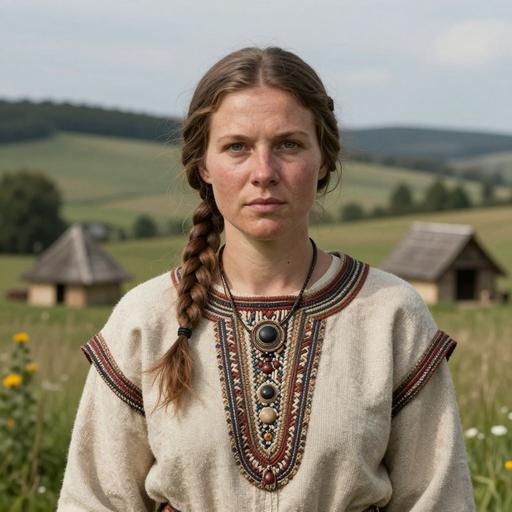
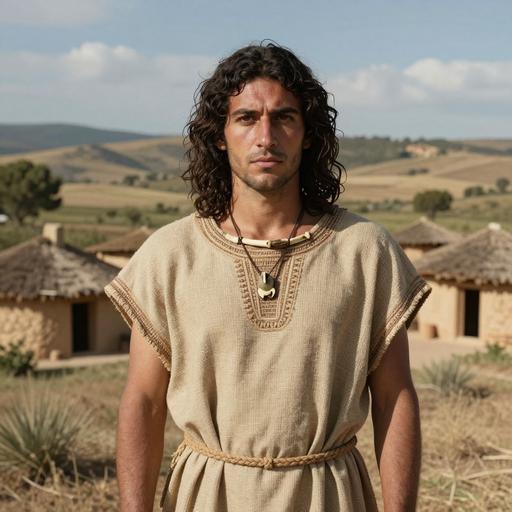
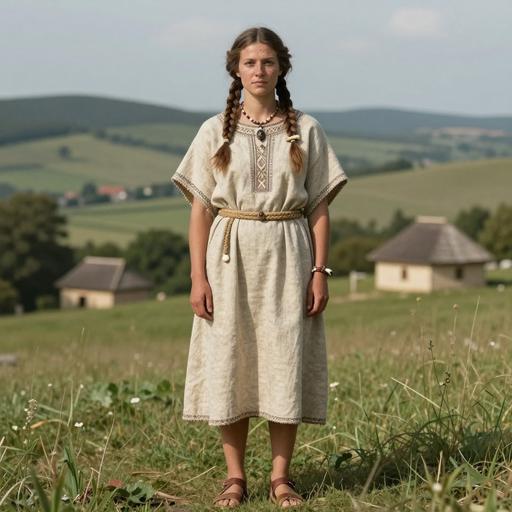
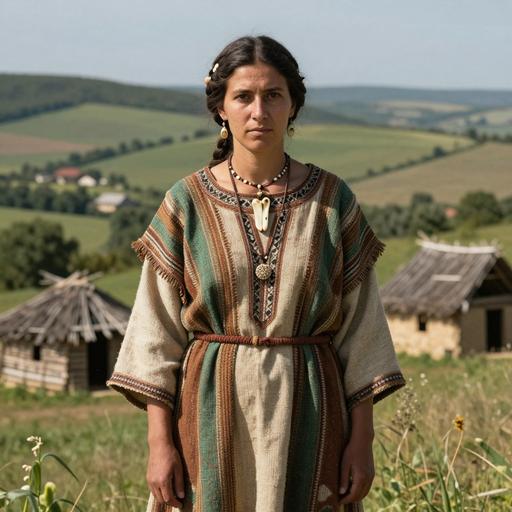
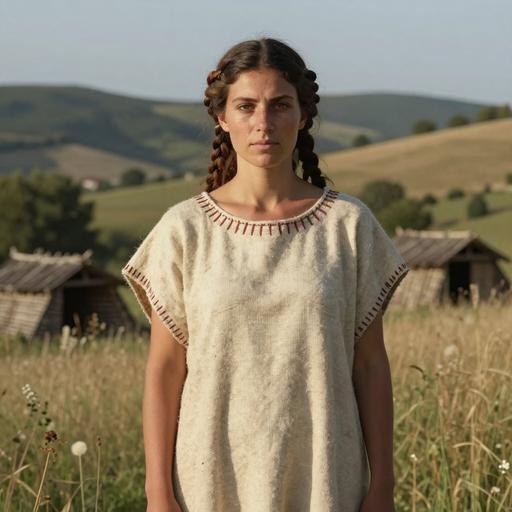
Porträts sind KI-generierte Illustrationen. Probenbezeichnungen und Zugangs-IDs identifizieren die Referenzdatensätze.
Porträt
Probe
Land
Epoche
Datum
Kultur
mtDNA
Übereinstimmung
Proben-ID: I8475
Spain
Roman Period Spain
100-200 CE
Roman Hispania
T2b
Direkt
Proben-ID: BUR001
Mongolia
Early Medieval Xiongnu
103 calBCE - 13 calCE (2051±15 BP, GrM-13986)
Xiongnu
T2b
Direkt
Proben-ID: AMC014
Italy
Roman Period Sardinia, Italy
126-310 calCE (1837±26 BP, MAMS-39522)
Roman Sardinian
T2b
Direkt
Proben-ID: I11701
Austria
Austria IA LaTene
500-200 BCE
La Tène Culture
T2b
Direkt
Proben-ID: CL121
Italy
Early Medieval Langobards, Northern Italy
550-650 CE
Langobard
T2b
Direkt
Proben-ID: CL145
Italy
Early Medieval Langobards, Northern Italy
550-650 CE
Langobard
T2b
Direkt
Proben-ID: CL151
Italy
Early Medieval Langobards, Northern Italy
550-650 CE
Langobard
T2b
Direkt
Proben-ID: I14688
Albania
The Transition to Iron Age in Albania
600-400 BCE
Albanian Iron Age
T2b
Direkt
Proben-ID: I16219
Armenia
Early Iron Age Armenia
773-523 calBCE (2490±25 BP, PSUAMS-7192)
Early Iron Age Armenian
T2b
Direkt
Proben-ID: I17181
Armenia
Early Iron Age Armenia
776-545 calBCE (2510±20 BP, PSUAMS-7908)
Early Iron Age Armenian
T2b
Direkt
Proben-ID: I23904
Croatia
Croatia EIA
789-568 calBCE (2535±15 BP, UCIAMS-169836)
Croatian Iron Age
T2b
Direkt
Proben-ID: Turlojiske1
Lithuania
Bronze Age Lithuania
928-810 calBCE (2730±30 BP, Poz-66904)
Lithuanian Bronze Age
T2b
Direkt
Proben-ID: R65
Italy
Medieval to Early Modern Italy
1070 CE - 1150 CE
Medieval Italian
T2b
Direkt
Proben-ID: I7626
United Kingdom
England MBA
1399-1130 calBCE (3025±35 BP, SUERC-25533)
British Middle Bronze Age
T2b
Direkt
Proben-ID: I3491
Spain
Spain EBA
1850-1150 BCE
Early Bronze Age Iberian
T2b
Direkt
Proben-ID: I5377
United Kingdom
Chalcolithic to Early Bronze Age England
1895 BCE - 1693 BCE
British Chalcolithic
T2b
Direkt
Proben-ID: MIB001
Czech Republic
Early Bronze Age Unetice Culture, Bohemia, Czech Republic
1919-1751 calBCE (3516±20 BP, MAMS-30481)
Unetice Culture
T2b
Direkt
Proben-ID: PMI009
Czech Republic
Early Bronze Age Unetice Culture, Bohemia, Czech Republic
2021-1773 calBCE (3560±35 BP, UtC-13190)
Unetice Culture
T2b
Direkt
Proben-ID: MOK21A
Serbia
The Maros Culture in Serbia
2100-1800 BCE
Maros
T2b
Direkt
Proben-ID: MOK9B
Serbia
The Maros Culture in Serbia
2100-1800 BCE
Maros
T2b
Direkt
Proben-ID: I3255
United Kingdom
England BellBeaker
2139-1947 calBCE (3661±31 BP, SUERC-49482)
Bell Beaker
T2b
Direkt
Proben-ID: BNL004
Czech Republic
Early Bronze Age Unetice Culture, Bohemia, Czech Republic
2150-1950 BCE
Unetice Culture
T2b
Direkt
Proben-ID: MX189
Switzerland
Switzerland EBA 2
2199-2035 calBCE (3721±20 BP, BE-7986.1.1)
Early Bronze Age Swiss
T2b
Direkt
Proben-ID: VLI039
Czech Republic
Early Bronze Age Unetice Culture, Bohemia, Czech Republic
2200-1900 BCE
Unetice Culture
T2b
Direkt
Proben-ID: I3256
United Kingdom
England BellBeaker
2269-2027 calBCE (3722±31 BP)
Bell Beaker
T2b
Direkt
Proben-ID: I5382
United Kingdom
England BellBeaker
2282-1980 calBCE (3725±40 BP, OxA-8728)
Bell Beaker
T2b
Direkt
Proben-ID: I5514
Czech Republic
Bell Beaker Culture, Czech Republic
2287-2140 calBCE (3780±20 BP, PSUAMS-2864)
Bell Beaker
T2b
Direkt
Proben-ID: I2787
Hungary
Hungary EBA BellBeaker
2456-2200 calBCE (3840±35 BP, Poz-83640)
Bell Beaker
T2b
Direkt
Proben-ID: PRU003
Czech Republic
Bell Beaker Culture, Bohemia, Czech Republic
2570-2348 calBCE (3957±24 BP, MAMS-30801)
Bell Beaker
T2b
Direkt
Proben-ID: I2683
Turkey
Turkey EBA
2621-2467 calBCE (4015±30 BP, PSUAMS-1988)
Early Bronze Anatolia
T2b
Direkt
Proben-ID: I5531
Germany
Bell Beaker Culture, Germany
2800-1800 BCE
Bell Beaker
T2b
Direkt
Proben-ID: KON001
Czech Republic
Corded Ware Culture, Bohemia, Czech Republic
2874-2627 calBCE (4147±24 BP, MAMS-45787)
Corded Ware
T2b
Direkt
Proben-ID: ILK002
Ukraine
Early Bronze Age Globular Amphora Culture, Ukraine
2889-2675 calBCE (4192±22 BP, MAMS-30073)
Globular Amphora Culture
T2b
Direkt
Proben-ID: I6629
Spain
Spain C
2900-2300 BCE
Los Millares
T2b
Direkt
Proben-ID: I2180
Bulgaria
Early Bronze Age Bulgaria
3098-2914 calBCE (4394±29 BP, OxA-23059)
Bulgarian EBA
T2b
Direkt
Proben-ID: I2370
Hungary
Hungary LateC Baden
3345-2937 calBCE (4460±40 BP, Poz-88230)
Baden Culture
T2b
Direkt
Proben-ID: I0172
Germany
Middle Neolithic Esperstedt, Germany
3363 BCE - 3029 BCE
Esperstedt Culture
T2b
Direkt
Proben-ID: I10285
Spain
Spain MLN
3400-2500 BCE
Iberian Neolithic
T2b
Direkt
Proben-ID: PB581
Ireland
Ireland MN
3625-3363 calBCE (4679±48 BP, UBA-38316)
Irish Middle Neolithic
T2b
Direkt
Proben-ID: CBT001
Turkey
Late Chalcolithic Çamlıbel Tarlası, Turkey
3627-3377 calBCE (4725±20 BP, MAMS-41627)
Çamlıbel Tarlası
T2b
Direkt
Proben-ID: I6677
Czech Republic
Baalberge Culture
3800-3400 BCE
Baalberge Culture
T2b
Direkt
Proben-ID: I2110
Ukraine
Ukraine Eneolithic Trypillia
3911-3650 calBCE (4976±33 BP, OxA-26203)
Trypillia Culture
T2b
Direkt
Proben-ID: I10272
Croatia
Croatia C Lasinja
4230-3967 calBCE (5240±40 BP, Beta-233122)
Lasinja Culture
T2b
Direkt
Proben-ID: I4189
Hungary
Hungary C Balaton Lasinja
4300-3900 BCE
Balaton-Lasinja
T2b
Direkt
Proben-ID: I10050
Croatia
Croatia C Lasinja
4300-3900 BCE
Lasinja Culture
T2b
Direkt
Proben-ID: I10275
Croatia
Croatia C Lasinja
4300-3900 BCE
Lasinja Culture
T2b
Direkt
Proben-ID: I10295
Croatia
Croatia C Lasinja
4300-3900 BCE
Lasinja Culture
T2b
Direkt
Proben-ID: ROS82
France
Middle Neolithic Grand Est, France
4780-4552 calBCE (5816±28 BP, SUERC-46435)
Middle Neolithic Culture
T2b
Direkt
Proben-ID: TU915(SX29)
France
Middle Neolithic Lingolsheim, Alsace, France
4800-4500 BCE
Lingolsheim Culture
T2b
Direkt
Proben-ID: I1899
Hungary
Hungary LN Lengyel
4900-4300 BCE
Lengyel Culture
T2b
Direkt
Proben-ID: I8475
Roman Period Spain - Spain - Girona. Empuries. necropolis Centre de Visitants
Middle Neolithic Grand Est, France - France - Grand-Est (East). Rosheim. Rosheim "Mittelfeld" "Rosenmeer
France Middle Neolithic Grand Est, France 4780-4552 calBCE (5816±28 BP, SUERC-46435)
T2bDirekt
Proben-ID: TU915(SX29)
Middle Neolithic Lingolsheim, Alsace, France - France - Alsace. Lingolsheim
France Middle Neolithic Lingolsheim, Alsace, France 4800-4500 BCE
T2bDirekt
Proben-ID: I1899
Late Neolithic Lengyel Culture, Hungary - Hungary - Veszprém Jutasi út
Hungary Hungary LN Lengyel 4900-4300 BCE
T2bDirekt
MATERNAL LINEAGE · ANCIENT DNA
Ancient lineage evidence map
Follow parent clades toward this branch and explore where ancient carriers were found.
Loading ancient observations…
Reduced motion is enabled. Use the timeline or Show all to explore at your own pace.
Read observations as a table
Displayed ancient observations by branch, period and date midpoint
Branch
Period
Date range
Sample
Sample ID
Location
Haplogroup
Relationship
Markers are archaeological find locations. A dashed connector is an uncertain, proposed geographic transition between consecutive branches supported by multiple dated observations; it is not an exact travel route, birthplace or proof of direct descent. Parent-clade samples may belong to other descendant branches. Gaps remain where evidence is insufficient. Sample dates differ from haplogroup formation dates.
Grouping by historical period reflects when each ancient individual lived, combined across every branch on this lineage chain; it is not a migration sequence or a personal timeline between periods.
Referenzprofil
Trägerverteilungskarte
Geografische Verteilung von 100 antiken DNA-Proben (direkte und Subkladen-Träger von T2B)
Direkter Träger Subkladen-Träger
Zeitraumfilter
Alle Zeiträume
Alle Proben werden angezeigt
Referenzprofil
Zeitliche Verteilung
Verteilung der Träger über archäologische Epochen
Referenzprofil
Geografische Verteilung
Anzahlen nach erfasstem Probenland. Sie spiegeln die verfügbare Referenzauswahl wider, nicht Bevölkerungshäufigkeiten.
Referenzprofil
Verteilung Land × Epoche
Vergleichen Sie erfasste Probenanzahlen nach Ländern und archäologischen Epochen. Wählen Sie eine belegte Zelle, um eine Probe anzusehen.
Daten
Daten und Herkunft
Quellenangaben und Datenqualität
Zuletzt aktualisiert2026-02-16
Konfidenzwert50/100
AbdeckungLow
Datenquelle
Klassifikation, geschätzte Daten und geografischer Kontext spiegeln die erfassten Referenzdaten wider und können sich bei überarbeiteten Belegen ändern. Die Probenabdeckung ist ungleichmäßig; erfasste Orte und archäologische Zuordnungen begründen weder persönliche Herkunft noch kulturelle Identität.