Profil de référence pour une branche de lignée. Des haplogroupes partagés n'établissent pas de lien familial ni d'identité culturelle.
Profil de référence
Contexte de la branche
Contexte historique de la branche de lignée mtDNA T2B
Origins and Evolution
Haplogroup T2B is a downstream branch of mtDNA haplogroup T2, itself a descendant of the JT macro-haplogroup. T2 likely diversified near the Near East during or shortly after the Last Glacial Maximum (~21 kya for T2), and T2B represents a later split that genetic evidence and ancient DNA suggest formed during the Late Glacial or early postglacial period (roughly ~14 kya in this estimate). Its evolution is tied to the broader post-LGM recolonization of Europe from refugia around the Mediterranean and Near East and later to the Neolithic demographic expansion of early farmers.
Genetic studies have recovered T2B in Mesolithic-to-Neolithic transition contexts and across many later archaeological horizons, indicating continuity and repeated incorporation into expanding populations. The internal diversity of T2B in modern and ancient samples supports a scenario of an origin in or near the Near East with subsequent dispersal into Europe and peripheral regions.
Subclades
T2B contains further substructure (for example named branches often reported in sequence-based studies such as T2b1, T2b2, etc.), with some sub-lineages showing more restricted geographic patterns. Some subclades are more frequent in southern and central Europe, while others appear in the Near East and North Africa. High-resolution phylogenies built from full mitogenomes are required to resolve fine-scale subclade relationships and to date internal nodes accurately.
Geographical Distribution
T2B is widespread but uneven in frequency. It is most commonly observed in Southern and Central Europe, occurs at moderate frequencies in Eastern Europe and the Near East, and is present at lower frequencies in North Africa, parts of the Caucasus, and Central Asia. Ancient DNA demonstrates T2B in early farmer contexts in Europe (e.g., Early Neolithic agricultural communities) and in later archaeological cultures, indicating both early arrival with farming groups and persistence through subsequent demographic events.
Historical and Cultural Significance
The occurrence of T2B in early Neolithic farmer remains links it to the demic diffusion of agriculture from the Near East into Europe. Because T2 lineages are commonly found among ancient Early European Farmers (EEF), T2B is often treated as part of that maternal genetic signature. T2B is also observed in later archaeological horizons (e.g., Chalcolithic and Bronze Age samples) and in modern populations that descend from or admixed with those earlier groups.
T2B has been reported among some Jewish communities (including Ashkenazi lineages) and in North African groups at lower frequencies, reflecting historical migrations and gene flow across the Mediterranean. Its presence in many ancient samples (hundreds in aggregated databases) makes it a useful lineage for tracing maternal ancestry in archaeological and population-genetic studies.
Conclusion
mtDNA haplogroup T2B is a Neolithic- and postglacial-era maternal lineage that links the Near East and Mediterranean refugia with the peopling of Europe. It exemplifies how maternal lineages moved with both hunter-gatherer re-expansion after the LGM and later with the spread of farming populations, and it remains detectable in a wide range of modern and ancient populations across Europe, the Near East, North Africa, and adjacent regions.
Points clés
Origins and Evolution
Subclades
Geographical Distribution
Historical and Cultural Significance
Conclusion
Profil de référence
Arbre et relations
Contexte phylogénétique et sous-clades
Voie évolutive
Suivez les branches parentes consignées jusqu'à T2B. Les dates sont des estimations et peuvent évoluer lorsque les données de référence sont révisées.
The populations where mtDNA haplogroup T2B is found include:
Southern and Central European populations (Italy, Iberia, Balkans)
Eastern European populations
Near Eastern populations (Anatolia, Levant)
North African populations (at lower frequencies)
Caucasus populations (sporadic occurrences)
Central Asian populations (low frequencies)
Jewish populations (including some Ashkenazi lineages)
Contexte historique
Une branche dans le temps
Formation estimée sur une chronologie historique large. Les repères de période servent de contexte et n'impliquent pas de lien avec des cultures particulières.
Il y a ~20k ans
Dernier maximum glaciaire
Apogée de la dernière période glaciaire, populations isolées
Il y a ~14k ans
Haplogroupe T2B
Formation estimée de cette branche mtDNA ; les dates et les lieux sont des estimations de référence.
Cette branche
Il y a ~10k ans
Révolution néolithique
Début de l'agriculture et émergence de communautés sédentaires
Il y a ~5k ans
Âge du bronze
Travail des métaux, écriture et premières civilisations
Il y a ~3k ans
Âge du fer
Outils en fer, réseaux d'échanges élargis
Il y a ~2.5k ans
Antiquité classique
Floraison des civilisations grecque et romaine
Aujourd'hui
Aujourd'hui
Époque moderne
Profil de référence
Contexte archéologique
Associations archéologiques consignées pour la branche mtDNA T2B
Associations consignées
Ces libellés décrivent des contextes archéologiques consignés pour des échantillons de référence liés à T2B. Une association n'établit pas que tous les porteurs appartenaient à une culture ni qu'ils ont suivi une route migratoire précise.
Les attributions culturelles reposent sur le contexte archéologique des échantillons d'ADN ancien et peuvent refléter des associations régionales à certaines périodes.
Profil de référence
Catalogue d'échantillons
57 porteurs directs et 43 porteurs de sous-clade de l'haplogroupe T2B
10 affiché(s) · 50 échantillons correspondants
Aucun échantillon ne correspond à ces filtres. Essayez un autre libellé, lieu ou période.
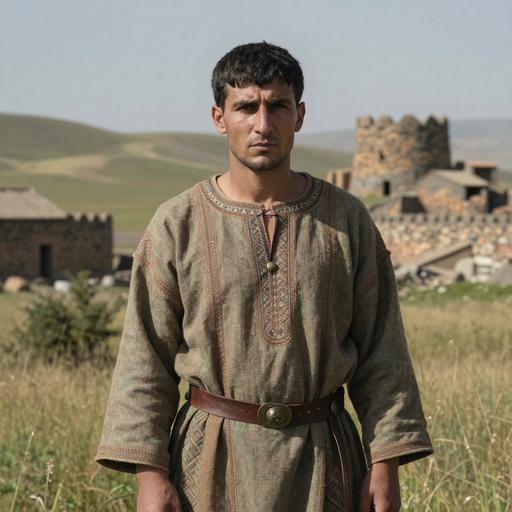
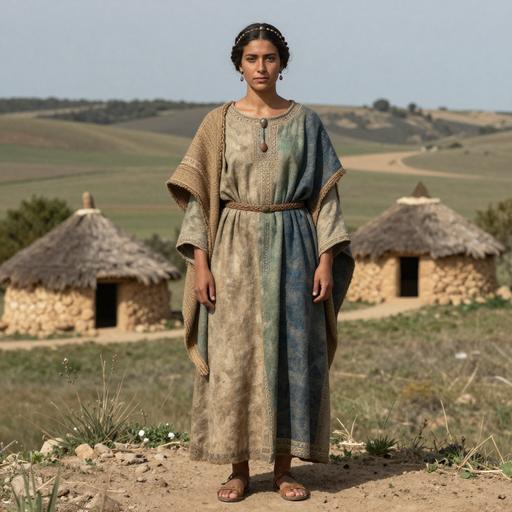
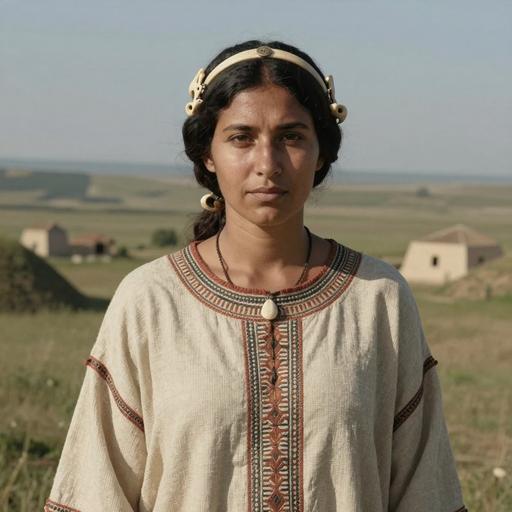
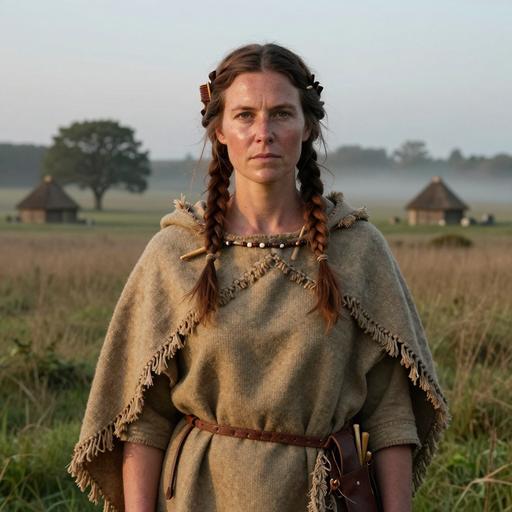
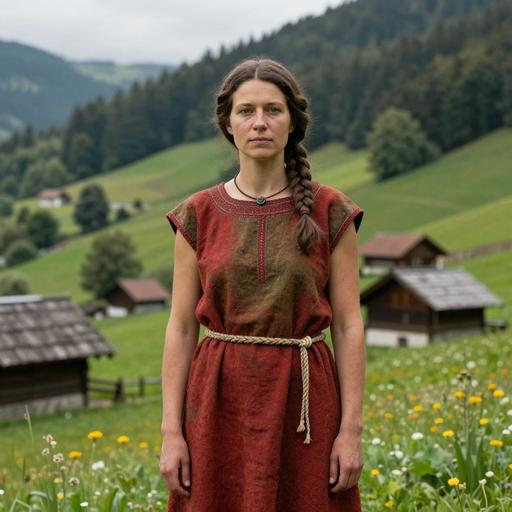
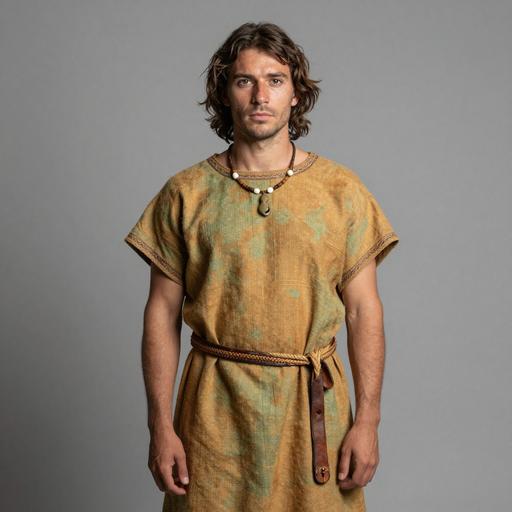
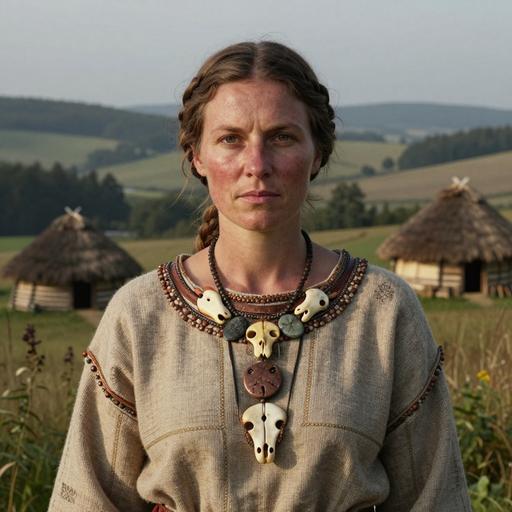
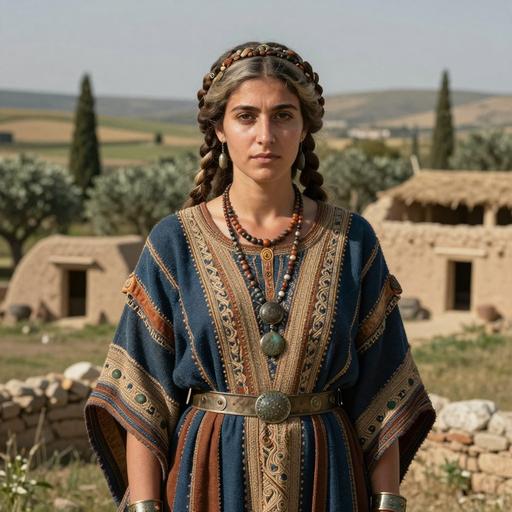
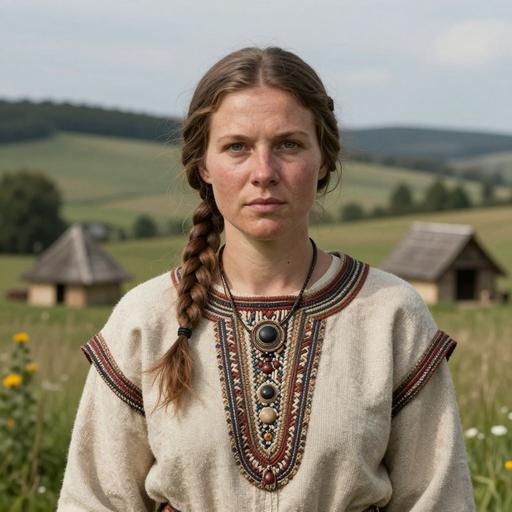
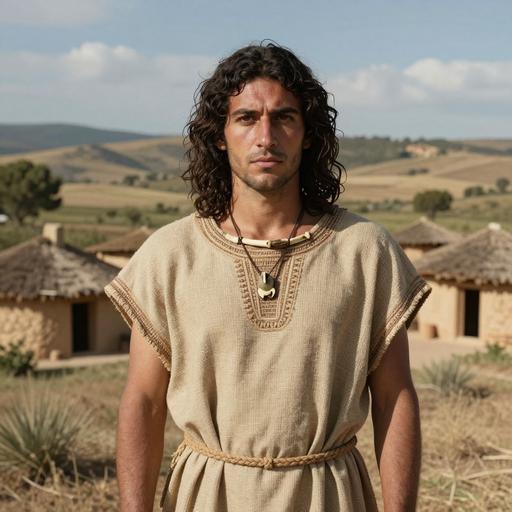
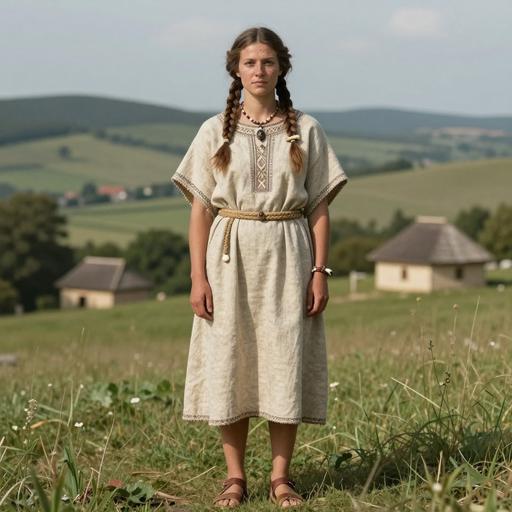
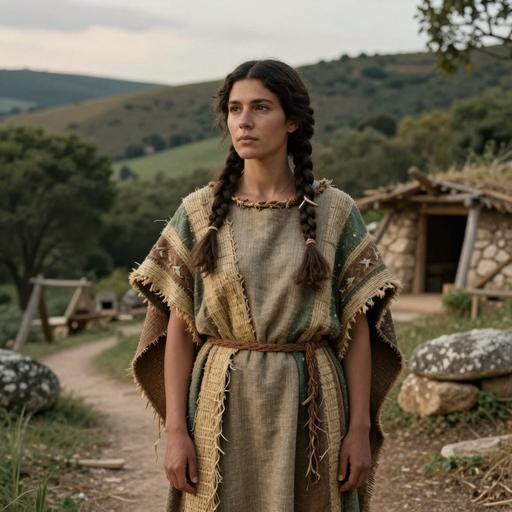
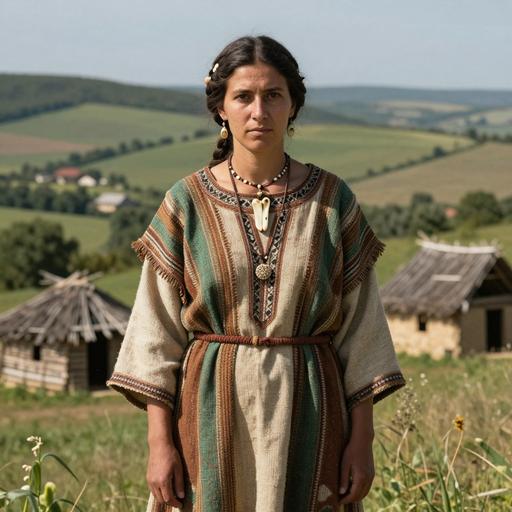
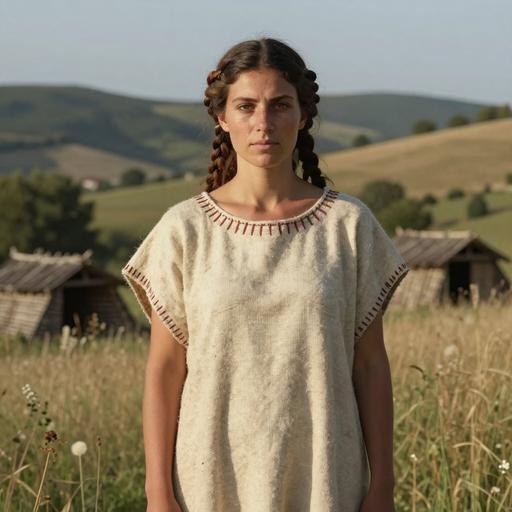
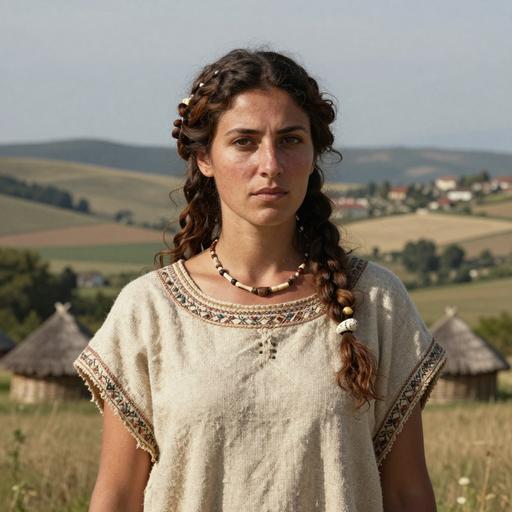
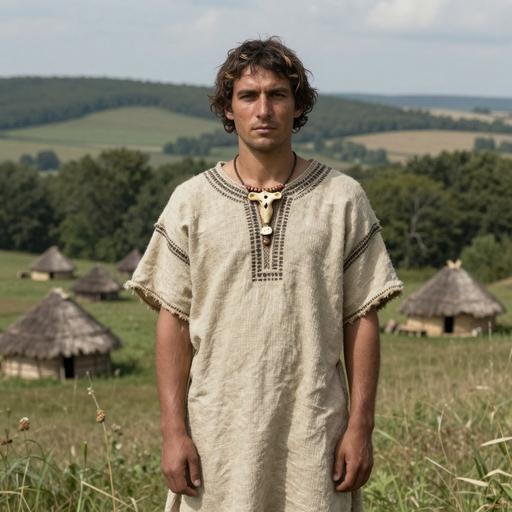
Les portraits sont des illustrations générées par IA. Les libellés d'échantillon et identifiants d'accès désignent les enregistrements de référence.
Portrait
Échantillon
Pays
Époque
Date
Culture
mtDNA
Correspondance
Identifiant d'échantillon : I8475
Spain
Roman Period Spain
100-200 CE
Roman Hispania
T2b
Direct
Identifiant d'échantillon : BUR001
Mongolia
Early Medieval Xiongnu
103 calBCE - 13 calCE (2051±15 BP, GrM-13986)
Xiongnu
T2b
Direct
Identifiant d'échantillon : AMC014
Italy
Roman Period Sardinia, Italy
126-310 calCE (1837±26 BP, MAMS-39522)
Roman Sardinian
T2b
Direct
Identifiant d'échantillon : I11701
Austria
Austria IA LaTene
500-200 BCE
La Tène Culture
T2b
Direct
Identifiant d'échantillon : CL121
Italy
Early Medieval Langobards, Northern Italy
550-650 CE
Langobard
T2b
Direct
Identifiant d'échantillon : CL145
Italy
Early Medieval Langobards, Northern Italy
550-650 CE
Langobard
T2b
Direct
Identifiant d'échantillon : CL151
Italy
Early Medieval Langobards, Northern Italy
550-650 CE
Langobard
T2b
Direct
Identifiant d'échantillon : I14688
Albania
The Transition to Iron Age in Albania
600-400 BCE
Albanian Iron Age
T2b
Direct
Identifiant d'échantillon : I16219
Armenia
Early Iron Age Armenia
773-523 calBCE (2490±25 BP, PSUAMS-7192)
Early Iron Age Armenian
T2b
Direct
Identifiant d'échantillon : I17181
Armenia
Early Iron Age Armenia
776-545 calBCE (2510±20 BP, PSUAMS-7908)
Early Iron Age Armenian
T2b
Direct
Identifiant d'échantillon : I23904
Croatia
Croatia EIA
789-568 calBCE (2535±15 BP, UCIAMS-169836)
Croatian Iron Age
T2b
Direct
Identifiant d'échantillon : Turlojiske1
Lithuania
Bronze Age Lithuania
928-810 calBCE (2730±30 BP, Poz-66904)
Lithuanian Bronze Age
T2b
Direct
Identifiant d'échantillon : R65
Italy
Medieval to Early Modern Italy
1070 CE - 1150 CE
Medieval Italian
T2b
Direct
Identifiant d'échantillon : I7626
United Kingdom
England MBA
1399-1130 calBCE (3025±35 BP, SUERC-25533)
British Middle Bronze Age
T2b
Direct
Identifiant d'échantillon : I3491
Spain
Spain EBA
1850-1150 BCE
Early Bronze Age Iberian
T2b
Direct
Identifiant d'échantillon : I5377
United Kingdom
Chalcolithic to Early Bronze Age England
1895 BCE - 1693 BCE
British Chalcolithic
T2b
Direct
Identifiant d'échantillon : MIB001
Czech Republic
Early Bronze Age Unetice Culture, Bohemia, Czech Republic
1919-1751 calBCE (3516±20 BP, MAMS-30481)
Unetice Culture
T2b
Direct
Identifiant d'échantillon : PMI009
Czech Republic
Early Bronze Age Unetice Culture, Bohemia, Czech Republic
2021-1773 calBCE (3560±35 BP, UtC-13190)
Unetice Culture
T2b
Direct
Identifiant d'échantillon : MOK21A
Serbia
The Maros Culture in Serbia
2100-1800 BCE
Maros
T2b
Direct
Identifiant d'échantillon : MOK9B
Serbia
The Maros Culture in Serbia
2100-1800 BCE
Maros
T2b
Direct
Identifiant d'échantillon : I3255
United Kingdom
England BellBeaker
2139-1947 calBCE (3661±31 BP, SUERC-49482)
Bell Beaker
T2b
Direct
Identifiant d'échantillon : BNL004
Czech Republic
Early Bronze Age Unetice Culture, Bohemia, Czech Republic
2150-1950 BCE
Unetice Culture
T2b
Direct
Identifiant d'échantillon : MX189
Switzerland
Switzerland EBA 2
2199-2035 calBCE (3721±20 BP, BE-7986.1.1)
Early Bronze Age Swiss
T2b
Direct
Identifiant d'échantillon : VLI039
Czech Republic
Early Bronze Age Unetice Culture, Bohemia, Czech Republic
2200-1900 BCE
Unetice Culture
T2b
Direct
Identifiant d'échantillon : I3256
United Kingdom
England BellBeaker
2269-2027 calBCE (3722±31 BP)
Bell Beaker
T2b
Direct
Identifiant d'échantillon : I5382
United Kingdom
England BellBeaker
2282-1980 calBCE (3725±40 BP, OxA-8728)
Bell Beaker
T2b
Direct
Identifiant d'échantillon : I5514
Czech Republic
Bell Beaker Culture, Czech Republic
2287-2140 calBCE (3780±20 BP, PSUAMS-2864)
Bell Beaker
T2b
Direct
Identifiant d'échantillon : I2787
Hungary
Hungary EBA BellBeaker
2456-2200 calBCE (3840±35 BP, Poz-83640)
Bell Beaker
T2b
Direct
Identifiant d'échantillon : PRU003
Czech Republic
Bell Beaker Culture, Bohemia, Czech Republic
2570-2348 calBCE (3957±24 BP, MAMS-30801)
Bell Beaker
T2b
Direct
Identifiant d'échantillon : I2683
Turkey
Turkey EBA
2621-2467 calBCE (4015±30 BP, PSUAMS-1988)
Early Bronze Anatolia
T2b
Direct
Identifiant d'échantillon : I5531
Germany
Bell Beaker Culture, Germany
2800-1800 BCE
Bell Beaker
T2b
Direct
Identifiant d'échantillon : KON001
Czech Republic
Corded Ware Culture, Bohemia, Czech Republic
2874-2627 calBCE (4147±24 BP, MAMS-45787)
Corded Ware
T2b
Direct
Identifiant d'échantillon : ILK002
Ukraine
Early Bronze Age Globular Amphora Culture, Ukraine
2889-2675 calBCE (4192±22 BP, MAMS-30073)
Globular Amphora Culture
T2b
Direct
Identifiant d'échantillon : I6629
Spain
Spain C
2900-2300 BCE
Los Millares
T2b
Direct
Identifiant d'échantillon : I2180
Bulgaria
Early Bronze Age Bulgaria
3098-2914 calBCE (4394±29 BP, OxA-23059)
Bulgarian EBA
T2b
Direct
Identifiant d'échantillon : I2370
Hungary
Hungary LateC Baden
3345-2937 calBCE (4460±40 BP, Poz-88230)
Baden Culture
T2b
Direct
Identifiant d'échantillon : I0172
Germany
Middle Neolithic Esperstedt, Germany
3363 BCE - 3029 BCE
Esperstedt Culture
T2b
Direct
Identifiant d'échantillon : I10285
Spain
Spain MLN
3400-2500 BCE
Iberian Neolithic
T2b
Direct
Identifiant d'échantillon : PB581
Ireland
Ireland MN
3625-3363 calBCE (4679±48 BP, UBA-38316)
Irish Middle Neolithic
T2b
Direct
Identifiant d'échantillon : CBT001
Turkey
Late Chalcolithic Çamlıbel Tarlası, Turkey
3627-3377 calBCE (4725±20 BP, MAMS-41627)
Çamlıbel Tarlası
T2b
Direct
Identifiant d'échantillon : I6677
Czech Republic
Baalberge Culture
3800-3400 BCE
Baalberge Culture
T2b
Direct
Identifiant d'échantillon : I2110
Ukraine
Ukraine Eneolithic Trypillia
3911-3650 calBCE (4976±33 BP, OxA-26203)
Trypillia Culture
T2b
Direct
Identifiant d'échantillon : I10272
Croatia
Croatia C Lasinja
4230-3967 calBCE (5240±40 BP, Beta-233122)
Lasinja Culture
T2b
Direct
Identifiant d'échantillon : I4189
Hungary
Hungary C Balaton Lasinja
4300-3900 BCE
Balaton-Lasinja
T2b
Direct
Identifiant d'échantillon : I10050
Croatia
Croatia C Lasinja
4300-3900 BCE
Lasinja Culture
T2b
Direct
Identifiant d'échantillon : I10275
Croatia
Croatia C Lasinja
4300-3900 BCE
Lasinja Culture
T2b
Direct
Identifiant d'échantillon : I10295
Croatia
Croatia C Lasinja
4300-3900 BCE
Lasinja Culture
T2b
Direct
Identifiant d'échantillon : ROS82
France
Middle Neolithic Grand Est, France
4780-4552 calBCE (5816±28 BP, SUERC-46435)
Middle Neolithic Culture
T2b
Direct
Identifiant d'échantillon : TU915(SX29)
France
Middle Neolithic Lingolsheim, Alsace, France
4800-4500 BCE
Lingolsheim Culture
T2b
Direct
Identifiant d'échantillon : I1899
Hungary
Hungary LN Lengyel
4900-4300 BCE
Lengyel Culture
T2b
Direct
Identifiant d'échantillon : I8475
Roman Period Spain - Spain - Girona. Empuries. necropolis Centre de Visitants
Middle Neolithic Grand Est, France - France - Grand-Est (East). Rosheim. Rosheim "Mittelfeld" "Rosenmeer
France Middle Neolithic Grand Est, France 4780-4552 calBCE (5816±28 BP, SUERC-46435)
T2bDirect
Identifiant d'échantillon : TU915(SX29)
Middle Neolithic Lingolsheim, Alsace, France - France - Alsace. Lingolsheim
France Middle Neolithic Lingolsheim, Alsace, France 4800-4500 BCE
T2bDirect
Identifiant d'échantillon : I1899
Late Neolithic Lengyel Culture, Hungary - Hungary - Veszprém Jutasi út
Hungary Hungary LN Lengyel 4900-4300 BCE
T2bDirect
LIGNÉE MATERNELLE · ADN ANTIQUE
Carte des preuves de lignées antiques
Suivez les clades parents jusqu'à cette branche et explorez où des porteurs antiques ont été identifiés.
Chargement des observations antiques…
La réduction des animations est activée. Utilisez la chronologie ou Tout afficher pour explorer à votre rythme.
Lire les observations sous forme de tableau
Observations antiques affichées par branche, période et date médiane
Branche
Période
Plage de dates
Échantillon
Identifiant d'échantillon
Emplacement
Haplogroupe
Relation
Les marqueurs indiquent des lieux de découvertes archéologiques. Un trait pointillé représente une transition géographique proposée et incertaine entre branches consécutives, appuyée sur plusieurs observations datées ; ce n'est pas un itinéraire exact, un lieu de naissance ni une preuve de descendance directe. Des échantillons de clades parents peuvent appartenir à d'autres branches descendantes. Des lacunes subsistent lorsque les preuves sont insuffisantes. Les dates d'échantillon diffèrent des dates de formation des haplogroupes.
Le regroupement par période historique reflète quand chaque individu antique a vécu, en combinant toutes les branches de cette chaîne de lignée ; ce n'est pas une séquence migratoire ni une chronologie personnelle entre périodes.
Profil de référence
Carte de répartition des porteurs
Répartition géographique de 100 échantillons d'ADN ancien (porteurs directs et de sous-clade de T2B)
Porteur direct Porteur de sous-clade
Filtre de période
Toutes les périodes
Affichage de tous les échantillons
Profil de référence
Répartition temporelle
Répartition des porteurs selon les périodes archéologiques
Profil de référence
Répartition géographique
Effectifs par pays d'échantillon consigné. Ils reflètent la sélection de référence disponible, pas des fréquences de population.
Profil de référence
Répartition pays × époque
Comparez les effectifs d'échantillons consignés selon les pays et les périodes archéologiques. Sélectionnez une cellule renseignée pour examiner un échantillon.
Données
Données et provenance
Informations sur les sources et qualité des données
Dernière mise à jour2026-02-16
Score de confiance50/100
CouvertureLow
Source des données
La classification, les dates estimées et le contexte géographique reflètent les données de référence consignées et peuvent évoluer lorsque les éléments sont révisés. La couverture d'échantillons est inégale ; les lieux consignés et les associations archéologiques n'établissent pas une origine personnelle ni une identité culturelle.