Saltar al contenido principal
mtDNA · Materno linaje

C4A

mtDNA Haplogroup C4A

Un perfil de referencia de una rama de linaje. Compartir haplogrupos no demuestra una relación familiar ni una identidad cultural.

Perfil de referencia

Contexto de la rama

Contexto histórico de la rama de linaje mtDNA C4A

Origins and Evolution

mtDNA haplogroup C4a is one of the primary sublineages of haplogroup C4, itself a branch of macro-haplogroup C. C4 as a whole coalesces in northern Asia during the Late Pleistocene (~20 kya for C4), and C4a represents a later diversification that most population-genetic studies place in the late Pleistocene to early Holocene (here estimated near ~15 kya). Its emergence likely coincided with regional population structure in Siberia and the north Eurasian frontier after the Last Glacial Maximum, followed by Holocene expansions and local differentiations in high-latitude environments.

Mitochondrial phylogenies and ancient DNA data indicate that C4a split into internal branches (commonly labeled C4a1, C4a2 and downstream local clades), with some subbranches showing shallow Holocene coalescence consistent with post-glacial re-colonization and population growth across Siberia and adjacent regions.

Subclades (if applicable)

Major recognized subdivisions include C4a1 and C4a2 (nomenclature varies between studies as new branches are discovered). Some points about subclades:

  • C4a1: Often the most frequently reported branch in many Siberian datasets; shows further internal structure and local founder effects in Tungusic- and Mongolic-speaking groups.
  • C4a2: Less common but present across Central and northern East Asia; may include localized high-frequency lineages in steppe-border or highland populations.
  • Downstream and regional branches: Localized clades of C4a are documented in specific ethnic groups (e.g., Yakut, Evenk, Buryat, Tuvan); these often reflect founder events and demographic expansions at regional scales.

Note: the Americas are principally associated with the C4c sublineage rather than C4a, so direct attribution of New World C4 lineages to C4a is uncommon; however, Beringian-adjacent and Arctic populations may carry C4a-related diversity.

Geographical Distribution

C4a shows its highest frequencies and greatest diversity in Siberia and adjoining parts of Northeast Asia, with measurable presence across Central Asia, low-level occurrences in East Asia (including northern Han, Korean and Japanese samples), and occasional detection in Himalayan/highland populations (e.g., localized Tibetan branches). Specific distributional patterns include:

  • High frequency and diversity in northern and eastern Siberian groups (Yakut, Evenk, Even, Chukchi, Nenets).
  • Moderate frequencies among some Central Asian populations (Altaians, Tuvans, some Kazakh groups), reflecting long-term north–south gene flow across southern Siberia and the Altai region.
  • Low-frequency occurrences in East Asia (northern Chinese populations, Koreans, Japanese) and rare/patchy presence in Himalayan populations where isolated founder branches have been reported.
  • Very limited direct presence in the Americas for C4a proper; instead, the related C4c clade marks part of the pre-contact Native American maternal pool. Isolated Arctic/Beringian groups may show C4a-like lineages linked to post-glacial coastal or interior dispersals.

Ancient DNA has recovered C4/C4a lineages in multiple archaeological contexts across Siberia and adjacent zones, consistent with a long-term northern Asian presence. Your database note of 9 ancient samples aligns with a pattern of repeated identification in Holocene and some late Pleistocene contexts.

Historical and Cultural Significance

C4a is important as a marker of northern Asian maternal ancestry and helps reconstruct post-glacial demographic processes in high-latitude Eurasia. Its distribution and substructure inform several broad historical inferences:

  • Post-LGM recolonization and Holocene expansions: C4a lineages expanded regionally as climate ameliorated after the Last Glacial Maximum, contributing to the maternal gene pool of many Siberian forager and later pastoralist groups.
  • Role in Siberian and Central Asian population history: Presence in Bronze Age and later archaeological samples (including Okunevo- and Andronovo-associated regions in some studies) indicates continuity and admixture between local Siberian groups and incoming Bronze Age steppe populations in border regions.
  • Arctic and Beringian connections: While the American-specific C4c clade is the principal link to the Americas, the broader C4 phylogeny including C4a documents the northern Asian maternal substrate from which Beringian and Arctic movements drew genetic lineages.

Culturally, C4a is not tied to a single archaeological culture but is present across a variety of subsistence systems (hunter-gatherers, reindeer pastoralists, and later agro-pastoral communities), reflecting the long-term continuity and mobility of maternal lineages in northern Eurasia.

Conclusion

mtDNA C4a is a northern Asian maternal lineage that captures important aspects of post-glacial demographic history in Siberia and adjacent regions. Its high diversity in northeastern Asia, moderate presence in Central Asia, and low-frequency occurrences elsewhere make it a useful marker for reconstructing regional population structure, migrations, and localized founder events across the Holocene. Continued sampling and ancient DNA work refine its subclade structure and timing, but the overall picture is of a deep northern Asian origin with sustained regional persistence and periodic expansions.

Puntos clave

  • Origins and Evolution
  • Subclades (if applicable)
  • Geographical Distribution
  • Historical and Cultural Significance
  • Conclusion
Perfil de referencia

Árbol y relaciones

Contexto filogenético y subclados

Trayectoria evolutiva

Sigue las ramas superiores registradas hasta C4A. Las fechas son estimaciones y pueden cambiar al revisarse los datos de referencia.

Pasos Haplogrupo Antigüedad estimada Época arqueológica Tiempo transcurrido Subclados inmediatos Portadores modernos analizados Referencias antiguas
1 C4A Actual ~15,000 years ago Mesolithic 15,000 years 3 22 18
2 C4 ~20,000 years ago Mesolithic 20,000 years 4 41 48
3 C ~35,000 years ago Paleolithic 35,000 years 5 806 75
4 CZ ~40,000 years ago Paleolithic 40,000 years 2 856 4
5 M8 ~42,000 years ago Paleolithic 42,000 years 2 873 5
6 M ~60,000 years ago Paleolithic 60,000 years 42 2,671 41
7 L3 ~70,000 years ago Paleolithic 70,000 years 7 30,162 6
8 L3'4 - - - 2 30,212 0
9 L3'4'6 - - - 2 30,216 0
10 L2'3'4'6 - - - 2 31,333 0
11 L2'3'4'5'6'7 - - - 2 31,349 0
12 L1'2'3'4'5'6'7 - - - 2 31,852 0
13 L ~160,000 years ago Paleolithic 160,000 years 2 32,236 5

Ramas hermanas (3)

Otras ramas del mismo haplogrupo superior

Perfil de referencia

En el mundo

Distribución geográfica y presencia moderna

Origen registrado

Northeast Asia / Siberia

Distribución moderna

The populations where mtDNA haplogroup C4A is found include:

  1. Siberian ethnic groups (e.g., Yakut, Evenk, Nenets, Chukchi)
  2. Mongolic and Tungusic-speaking populations (e.g., Buryats, Mongolians, Evens)
  3. Central Asian groups (e.g., Tuvans, Altaians, some Kazakh populations)
  4. East Asian populations at low frequency (e.g., northern Han Chinese, Koreans, Japanese)
  5. Highland/Himalayan populations with localized branches (e.g., some Tibetan groups)
  6. Arctic and Beringia-adjacent peoples (occasional C4a-like lineages; Americas more commonly carry C4c)
  7. Certain Native American groups indirectly related via the broader C4 phylogeny (mostly C4c in the New World)
  8. Occasional appearances in northern and eastern Europe in ancient or historically admixed contexts
Contexto histórico

Una rama a través del tiempo

Formación estimada en una cronología histórica amplia. Los marcadores temporales aportan contexto y no implican relación con culturas concretas.

  1. ~20k años de antigüedad

    Último máximo glacial

    Máxima extensión de la última glaciación y aislamiento de poblaciones

  2. ~15k años de antigüedad

    Haplogrupo C4A

    Formación estimada de esta rama de mtDNA; las fechas y ubicaciones son estimaciones de referencia.

    Esta rama
  3. ~10k años de antigüedad

    Revolución neolítica

    Inicio de la agricultura y formación de comunidades sedentarias

  4. ~5k años de antigüedad

    Edad del Bronce

    Metalurgia, escritura y primeras civilizaciones

  5. ~3k años de antigüedad

    Edad del Hierro

    Herramientas de hierro y ampliación de redes comerciales

  6. ~2.5k años de antigüedad

    Antigüedad clásica

    Desarrollo de las civilizaciones griega y romana

  7. Actualidad

    Actualidad

    Época moderna

Perfil de referencia

Contexto arqueológico

Asociaciones arqueológicas registradas para la rama mtDNA C4A

Asociaciones registradas

Estas etiquetas describen contextos arqueológicos registrados para las muestras de referencia enlazadas a C4A. Una asociación no demuestra que todos los portadores pertenecieran a una cultura ni siguieran una ruta migratoria concreta.

Austria_Avar Russia_AltaiKrai_Eneolithic Russia_AltaiKrai_N Russia_Irkutsk_Glazkovo Russia_Omsk_Eneolithic_Okunevsky Saidu Sharif Culture Shamanka Culture Taldysay Culture Ust-Belaya Culture
Las atribuciones culturales se basan en el contexto arqueológico de las muestras de ADN antiguo y pueden representar asociaciones regionales de periodos concretos.
Perfil de referencia

Catálogo de muestras

5 portadores directos y 13 portadores de subclados del haplogrupo C4A

10 mostradas · 18 muestras coincidentes

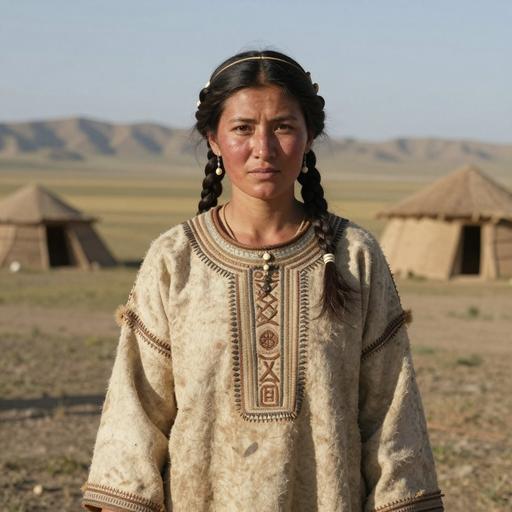
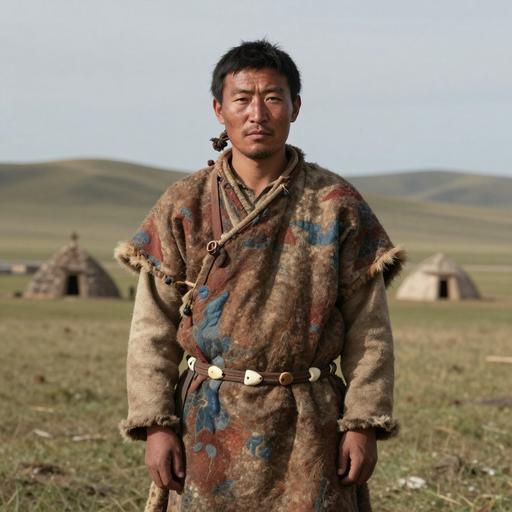
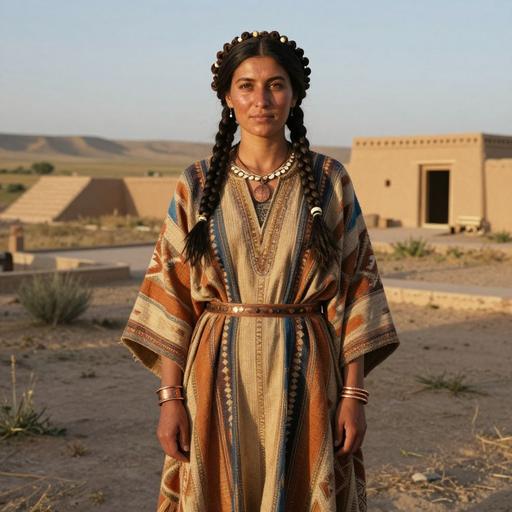
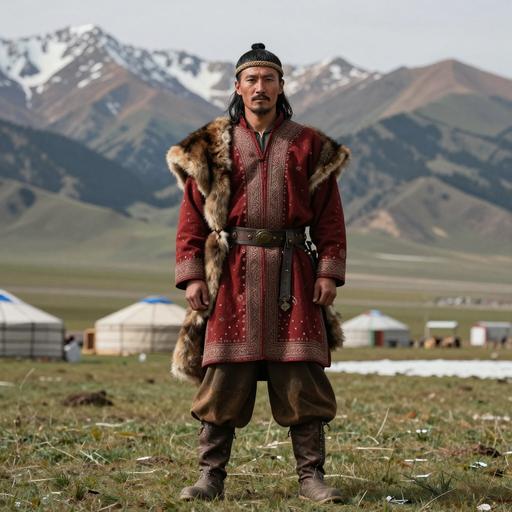
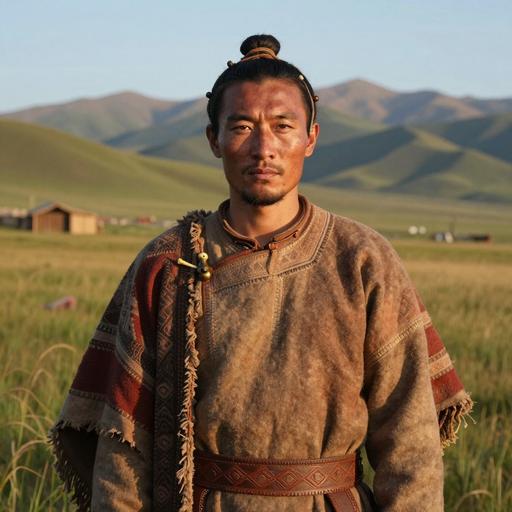
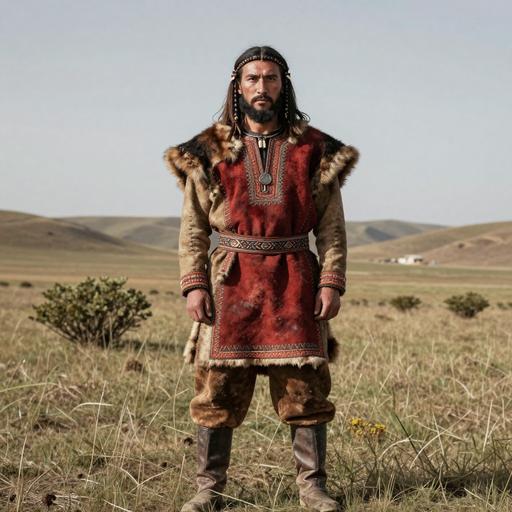
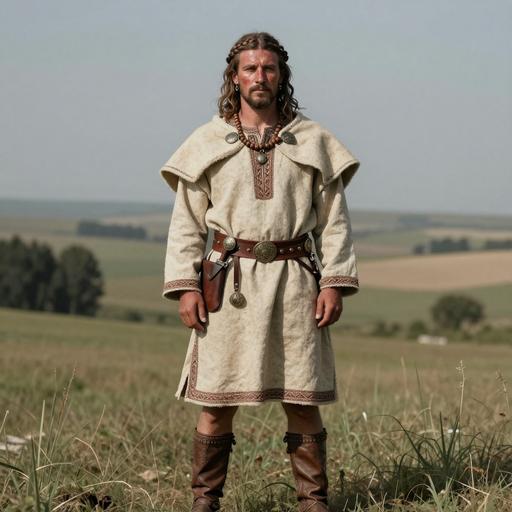
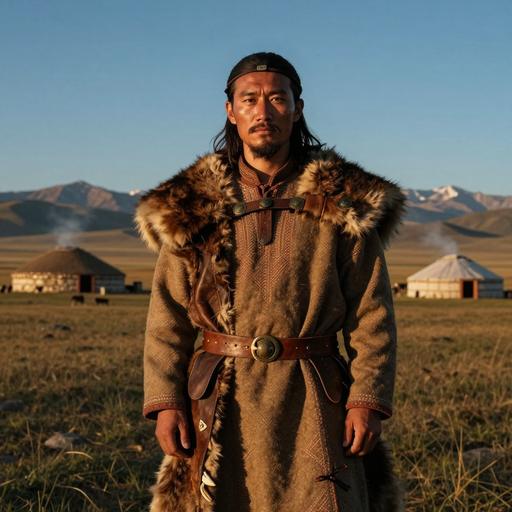
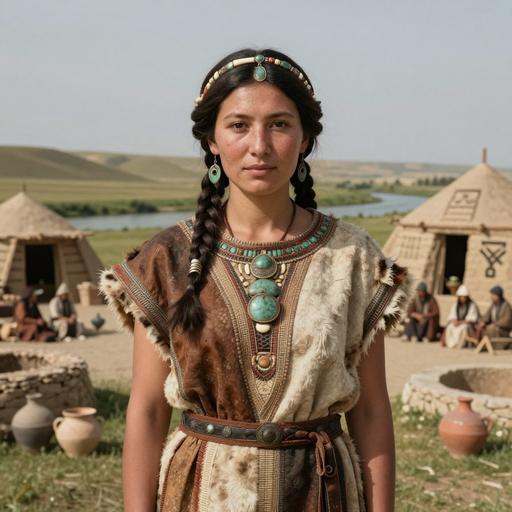
Los retratos son ilustraciones generadas con IA. Las etiquetas de muestra y los identificadores de acceso identifican los registros de referencia.

Retrato Muestra País Época Fecha Cultura mtDNA Coincidencia
Retrato ilustrativo de Steppe Cultures individual, Gregorievka 2, Kazakhstan (2,286-2,036 BCE) generado con IA
Identificador de muestra: EBA1
Kazakhstan Early Middle Bronze Age Kazakhstan 2286 BCE - 2036 BCE Early Kazakh Bronze C4-a Direct
Retrato ilustrativo de Steppe Central Emba individual, Gregorievka 2, Kazakhstan (2,286-2,036 BCE) generado con IA
Identificador de muestra: EBA1
Kazakhstan Early to Middle Bronze Age Central Steppe 2286 BCE - 2036 BCE C4-a Direct
Retrato ilustrativo de EBA Chemurchek-2 individual, Khovd. Bulgan sum. Yagshiin hodoo barrow 1. bone find B, Mongolia (2,571-2,471 BCE) generado con IA
Identificador de muestra: I12978
Mongolia Mongolia EBA Chemurchek 2 2571-2471 calBCE (4004±15 BP) [R_combine: (3983±17 BP, GrM-12984), (4050±25 BP, UCIAMS-226530, PSUG-5433), (3838±40 BP, Le-6932, Le-6933, Le-6939)] Chemurchek Culture C4-a Direct
Retrato ilustrativo de Ancient Near Eastern Civilization individual, Takhirbai 3, Turkmenistan (3,400-3,000 BCE) generado con IA
Identificador de muestra: DA383
Turkmenistan Chalcolithic Namazga, Turkmenistan 3400 BCE - 3000 BCE Namazga C4-a Direct
Retrato ilustrativo de Steppe Central Emba individual, Takhirbai 3, Turkmenistan (3,400-3,000 BCE) generado con IA
Identificador de muestra: DA383
Turkmenistan Early to Middle Bronze Age Central Steppe 3400 BCE - 3000 BCE C4-a Direct
Retrato ilustrativo de Nomadic Steppe Cultures individual, Tian Shan. Central Steppe, Kazakhstan (50-450 CE) generado con IA
Identificador de muestra: DA123
Kazakhstan Kazakhstan Kangju 50 CE - 450 CE Kangju C4a1 Subclado
Retrato ilustrativo de Steppe Central Nomad individual, Tian Shan. Central Steppe, Kazakhstan (50-450 CE) generado con IA
Identificador de muestra: DA123
Kazakhstan The Nomadic Empires of the Eurasian Steppe 50 CE - 450 CE C4a1 Subclado
Retrato ilustrativo de Nomadic Steppe Cultures individual, Tian Shan. Central Steppe, Kyrgyzstan (255-421 CE) generado con IA
Identificador de muestra: DA54
Kyrgyzstan The Hun Period in Kyrgyzstan 255 CE - 421 CE Hunnic Period C4-a1 Subclado
Retrato ilustrativo de Hun individual, Tian Shan. Central Steppe, Kyrgyzstan (255-421 CE) generado con IA
Identificador de muestra: DA54
Kyrgyzstan The Huns 255 CE - 421 CE C4-a1 Subclado
Retrato ilustrativo de Xinjiang Kuokesuxi EIA individual, Xinjiang. Yili Region. Tekesi County. Kuokesuxi, China (350-58 BCE) generado con IA
Identificador de muestra: C1668
China China Xinjiang Kuokesuxi EIA 350-58 calBCE Kuokesuxi Culture C4a1 Subclado
MATERNAL LINAJE · ADN ANTIGUO

Mapa de pruebas de linajes antiguos

Sigue los clados superiores hasta esta rama y explora dónde se encontraron portadores antiguos.

Cargando observaciones antiguas...

Los marcadores son ubicaciones de hallazgos arqueológicos. Una línea discontinua representa una transición geográfica propuesta e incierta entre ramas consecutivas, apoyada en varias observaciones fechadas; no es una ruta de viaje exacta, un lugar de nacimiento ni una prueba de descendencia directa. Las muestras del clado parental pueden pertenecer a otras ramas descendientes. Se mantienen huecos cuando las pruebas son insuficientes. Las fechas de las muestras son distintas de las fechas de formación de los haplogrupos.

Perfil de referencia

Mapa de distribución de portadores

Distribución geográfica de muestras de ADN antiguo (18), portadores directos o de subclados de C4A

Portador directo Portador de un subclado
Filtro de periodo temporal
Todos los periodos
Mostrando todas las muestras
Perfil de referencia

Distribución temporal

Distribución de portadores por periodos arqueológicos

Perfil de referencia

Distribución geográfica

Recuentos por país registrado de las muestras. Reflejan la selección de referencia disponible, no frecuencias de población.

Perfil de referencia

Distribución por país y época

Compara los recuentos de muestras registradas por países y periodos arqueológicos. Selecciona una celda con datos para examinar una muestra.

Datos

Datos y procedencia

Información sobre las fuentes y la calidad de los datos

Última actualización 2026-02-16
Puntuación de confianza 50/100
Cobertura Low

Fuente de datos

La clasificación, las fechas estimadas y el contexto geográfico reflejan los datos de referencia registrados y pueden cambiar al revisarse las pruebas. La cobertura de muestras es desigual; las ubicaciones registradas y las asociaciones arqueológicas no establecen el origen personal ni la identidad cultural.

Un haplogrupo sigue una línea materna o paterna. La rama que se puede predecir depende de los marcadores presentes en el archivo de ADN. Cómo analizamos el ADN