The Story
The journey of mtDNA haplogroup C4A
Origins and Evolution
mtDNA haplogroup C4a is one of the primary sublineages of haplogroup C4, itself a branch of macro-haplogroup C. C4 as a whole coalesces in northern Asia during the Late Pleistocene (~20 kya for C4), and C4a represents a later diversification that most population-genetic studies place in the late Pleistocene to early Holocene (here estimated near ~15 kya). Its emergence likely coincided with regional population structure in Siberia and the north Eurasian frontier after the Last Glacial Maximum, followed by Holocene expansions and local differentiations in high-latitude environments.
Mitochondrial phylogenies and ancient DNA data indicate that C4a split into internal branches (commonly labeled C4a1, C4a2 and downstream local clades), with some subbranches showing shallow Holocene coalescence consistent with post-glacial re-colonization and population growth across Siberia and adjacent regions.
Subclades (if applicable)
Major recognized subdivisions include C4a1 and C4a2 (nomenclature varies between studies as new branches are discovered). Some points about subclades:
- C4a1: Often the most frequently reported branch in many Siberian datasets; shows further internal structure and local founder effects in Tungusic- and Mongolic-speaking groups.
- C4a2: Less common but present across Central and northern East Asia; may include localized high-frequency lineages in steppe-border or highland populations.
- Downstream and regional branches: Localized clades of C4a are documented in specific ethnic groups (e.g., Yakut, Evenk, Buryat, Tuvan); these often reflect founder events and demographic expansions at regional scales.
Note: the Americas are principally associated with the C4c sublineage rather than C4a, so direct attribution of New World C4 lineages to C4a is uncommon; however, Beringian-adjacent and Arctic populations may carry C4a-related diversity.
Geographical Distribution
C4a shows its highest frequencies and greatest diversity in Siberia and adjoining parts of Northeast Asia, with measurable presence across Central Asia, low-level occurrences in East Asia (including northern Han, Korean and Japanese samples), and occasional detection in Himalayan/highland populations (e.g., localized Tibetan branches). Specific distributional patterns include:
- High frequency and diversity in northern and eastern Siberian groups (Yakut, Evenk, Even, Chukchi, Nenets).
- Moderate frequencies among some Central Asian populations (Altaians, Tuvans, some Kazakh groups), reflecting long-term north–south gene flow across southern Siberia and the Altai region.
- Low-frequency occurrences in East Asia (northern Chinese populations, Koreans, Japanese) and rare/patchy presence in Himalayan populations where isolated founder branches have been reported.
- Very limited direct presence in the Americas for C4a proper; instead, the related C4c clade marks part of the pre-contact Native American maternal pool. Isolated Arctic/Beringian groups may show C4a-like lineages linked to post-glacial coastal or interior dispersals.
Ancient DNA has recovered C4/C4a lineages in multiple archaeological contexts across Siberia and adjacent zones, consistent with a long-term northern Asian presence. Your database note of 9 ancient samples aligns with a pattern of repeated identification in Holocene and some late Pleistocene contexts.
Historical and Cultural Significance
C4a is important as a marker of northern Asian maternal ancestry and helps reconstruct post-glacial demographic processes in high-latitude Eurasia. Its distribution and substructure inform several broad historical inferences:
- Post-LGM recolonization and Holocene expansions: C4a lineages expanded regionally as climate ameliorated after the Last Glacial Maximum, contributing to the maternal gene pool of many Siberian forager and later pastoralist groups.
- Role in Siberian and Central Asian population history: Presence in Bronze Age and later archaeological samples (including Okunevo- and Andronovo-associated regions in some studies) indicates continuity and admixture between local Siberian groups and incoming Bronze Age steppe populations in border regions.
- Arctic and Beringian connections: While the American-specific C4c clade is the principal link to the Americas, the broader C4 phylogeny including C4a documents the northern Asian maternal substrate from which Beringian and Arctic movements drew genetic lineages.
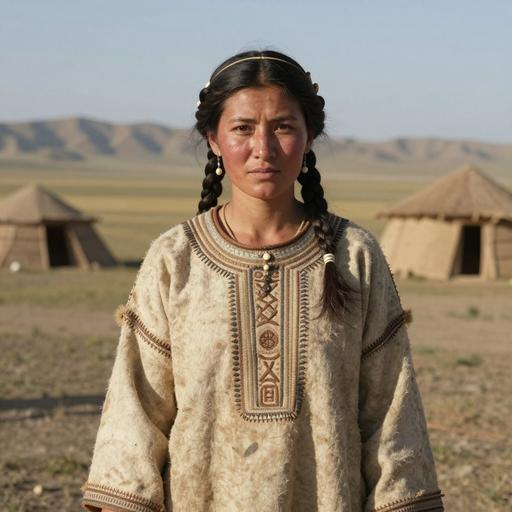
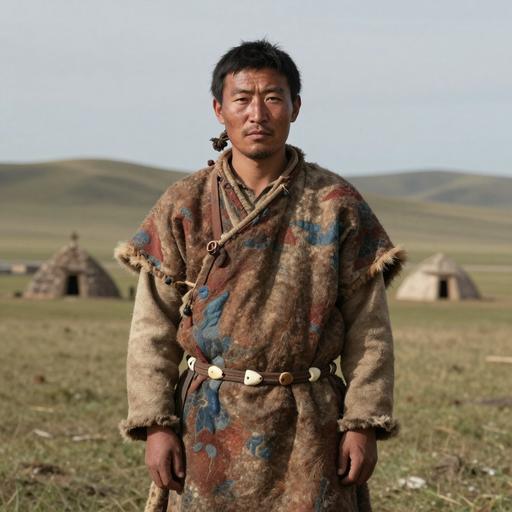
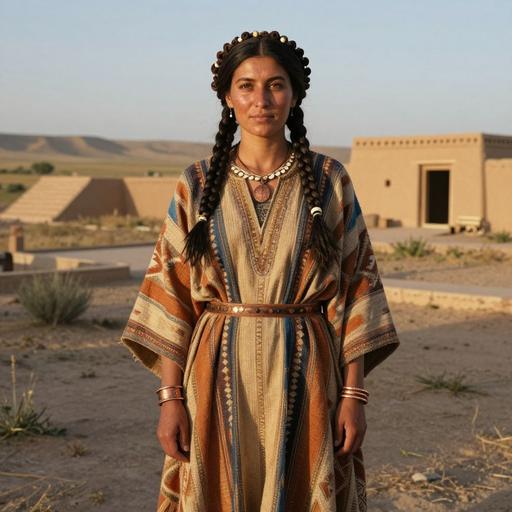
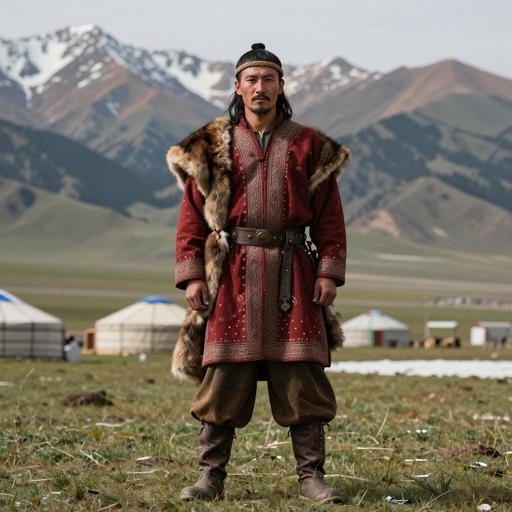
Culturally, C4a is not tied to a single archaeological culture but is present across a variety of subsistence systems (hunter-gatherers, reindeer pastoralists, and later agro-pastoral communities), reflecting the long-term continuity and mobility of maternal lineages in northern Eurasia.
Conclusion
mtDNA C4a is a northern Asian maternal lineage that captures important aspects of post-glacial demographic history in Siberia and adjacent regions. Its high diversity in northeastern Asia, moderate presence in Central Asia, and low-frequency occurrences elsewhere make it a useful marker for reconstructing regional population structure, migrations, and localized founder events across the Holocene. Continued sampling and ancient DNA work refine its subclade structure and timing, but the overall picture is of a deep northern Asian origin with sustained regional persistence and periodic expansions.
Key Points
- Origins and Evolution
- Subclades (if applicable)
- Geographical Distribution
- Historical and Cultural Significance
- Conclusion