Saltar al contenido principal
mtDNA · Materno linaje

T2A

mtDNA Haplogroup T2A

Un perfil de referencia de una rama de linaje. Compartir haplogrupos no demuestra una relación familiar ni una identidad cultural.

Perfil de referencia

Contexto de la rama

Contexto histórico de la rama de linaje mtDNA T2A

Origins and Evolution

mtDNA haplogroup T2A is a well-defined subclade within haplogroup T2, itself part of the broader JT lineage. The parent clade T2 is estimated to have originated around ~21 kya in the Near East or adjacent regions; T2A likely diversified later, in the late Paleolithic to early Holocene (roughly ~12 kya by phylogenetic inference), as populations in the Near East experienced post-glacial expansions and the beginnings of sedentary agricultural lifeways. T2A is defined by derived mutations nested within the T2 backbone and represents one branch of the maternal diversity carried by populations that contributed to the Neolithic spread into Europe.

Subclades

As a subclade of T2, T2A itself contains smaller downstream lineages observed in modern and ancient mtDNA surveys. These downstream branches vary in geographic distribution and frequency; some are concentrated in particular regions of Southern and Central Europe while others show wider dispersal into the Near East and the Caucasus. The phylogeny of T2A continues to be refined as more complete mitogenomes are sequenced, improving resolution of internal subbranches and the timing of splitting events.

Geographical Distribution

T2A shows a distribution consistent with a Near Eastern origin and later Neolithic-era dispersal into Europe. Modern population surveys and ancient DNA results indicate that T2A is:

  • Moderately common in Southern Europe (Italy, Greece, Iberia) and present across Central and parts of Eastern Europe;
  • Present in the Near East, Anatolia, and the Caucasus at variable frequencies;
  • Detected at low frequencies in North Africa and parts of Central Asia, likely reflecting historical gene flow and ancient back-and-forth movements across the Mediterranean and Eurasian corridors.

A small number of ancient DNA samples (including two noted in the user database) carry T2A in archaeological contexts, supporting its presence in past populations associated with Neolithic and later farming cultures.

Historical and Cultural Significance

The distribution and phylogenetic age of T2A fit the pattern of maternal lineages that accompanied the Neolithic expansion of farming populations from Anatolia and the Near East into Europe. T2A frequently appears alongside other farmer-associated mtDNA haplogroups (for example K, J and some H subclades) in ancient Neolithic samples and in modern populations with substantial Neolithic ancestry.

In addition, T2A has been observed in some Jewish populations (including Ashkenazi lineages) and in regions shaped by later historical movements (Bronze Age expansions, classical era migrations), indicating both early Neolithic dispersal and continued mobility of maternal lineages through later periods.

Conclusion

mtDNA haplogroup T2A is a Near Eastern-rooted maternal lineage that expanded into Europe primarily during the Neolithic and persisted through subsequent eras, contributing to the maternal genetic landscape of Southern, Central and Eastern Europe and leaving detectable traces in the Near East, North Africa and parts of Central Asia. Continued sampling of full mitochondrial genomes and ancient DNA will improve resolution of its internal branching and refine estimates of its timing and geographic movements.

Puntos clave

  • Origins and Evolution
  • Subclades
  • Geographical Distribution
  • Historical and Cultural Significance
  • Conclusion
Perfil de referencia

Árbol y relaciones

Contexto filogenético y subclados

Trayectoria evolutiva

Sigue las ramas superiores registradas hasta T2A. Las fechas son estimaciones y pueden cambiar al revisarse los datos de referencia.

Pasos Haplogrupo Antigüedad estimada Época arqueológica Tiempo transcurrido Subclados inmediatos Portadores modernos analizados Referencias antiguas
1 T2A Actual ~12,000 years ago Neolithic 12,000 years 4 214 16
2 T2 ~21,000 years ago Mesolithic 21,000 years 13 1,141 70
3 T ~27,000 years ago Paleolithic 27,000 years 3 1,950 84
4 JT ~40,000 years ago Paleolithic 40,000 years 2 4,094 1
5 R2'JT - - - 2 4,133 0
6 R ~55,000 years ago Paleolithic 55,000 years 17 22,830 57
7 NA - - - 1 22,830 0
8 N ~60,000 years ago Paleolithic 60,000 years 16 26,150 13
9 L3 ~70,000 years ago Paleolithic 70,000 years 7 30,162 6
10 L3'4 - - - 2 30,212 0
11 L3'4'6 - - - 2 30,216 0
12 L2'3'4'6 - - - 2 31,333 0
13 L2'3'4'5'6'7 - - - 2 31,349 0
14 L1'2'3'4'5'6'7 - - - 2 31,852 0
15 L ~160,000 years ago Paleolithic 160,000 years 2 32,236 5
Perfil de referencia

En el mundo

Distribución geográfica y presencia moderna

Origen registrado

Near East

Distribución moderna

The populations where mtDNA haplogroup T2A is found include:

  1. Southern European populations (Italy, Greece, Iberia)
  2. Central European populations (Germany, Austria, Balkans)
  3. Eastern European populations (Balkans, parts of Eastern Europe)
  4. Near Eastern / Anatolian populations
  5. North African populations (low frequencies)
  6. Caucasus populations and Anatolia
  7. Central Asian populations (sporadic)
  8. Jewish populations (including some Ashkenazi and Sephardi lineages)
Contexto histórico

Una rama a través del tiempo

Formación estimada en una cronología histórica amplia. Los marcadores temporales aportan contexto y no implican relación con culturas concretas.

  1. ~12k años de antigüedad

    Haplogrupo T2A

    Formación estimada de esta rama de mtDNA; las fechas y ubicaciones son estimaciones de referencia.

    Esta rama
  2. ~10k años de antigüedad

    Revolución neolítica

    Inicio de la agricultura y formación de comunidades sedentarias

  3. ~5k años de antigüedad

    Edad del Bronce

    Metalurgia, escritura y primeras civilizaciones

  4. ~3k años de antigüedad

    Edad del Hierro

    Herramientas de hierro y ampliación de redes comerciales

  5. ~2.5k años de antigüedad

    Antigüedad clásica

    Desarrollo de las civilizaciones griega y romana

  6. Actualidad

    Actualidad

    Época moderna

Perfil de referencia

Contexto arqueológico

Asociaciones arqueológicas registradas para la rama mtDNA T2A

Asociaciones registradas

Estas etiquetas describen contextos arqueológicos registrados para las muestras de referencia enlazadas a T2A. Una asociación no demuestra que todos los portadores pertenecieran a una cultura ni siguieran una ruta migratoria concreta.

Ghassulian Linear Pottery Culture Pottery Neolithic Romanian Neolithic Tanzanian Prehistoric Ukrainian Neolithic
Las atribuciones culturales se basan en el contexto arqueológico de las muestras de ADN antiguo y pueden representar asociaciones regionales de periodos concretos.
Perfil de referencia

Catálogo de muestras

2 portadores directos y 14 portadores de subclados del haplogrupo T2A

10 mostradas · 16 muestras coincidentes

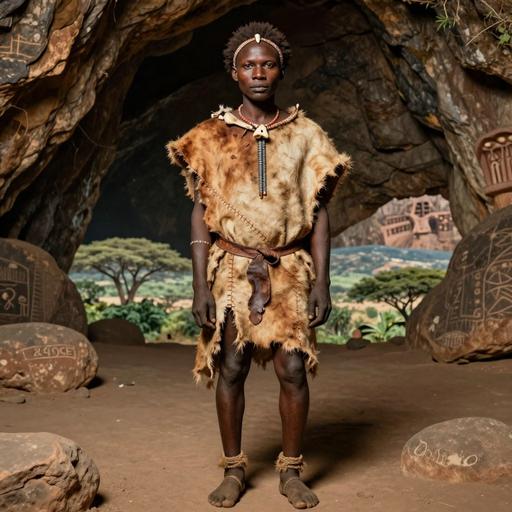
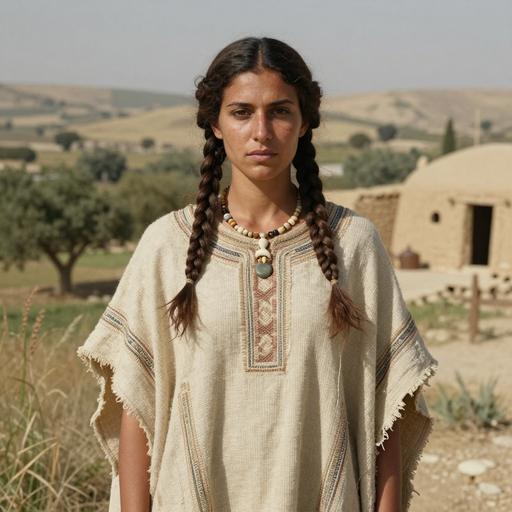
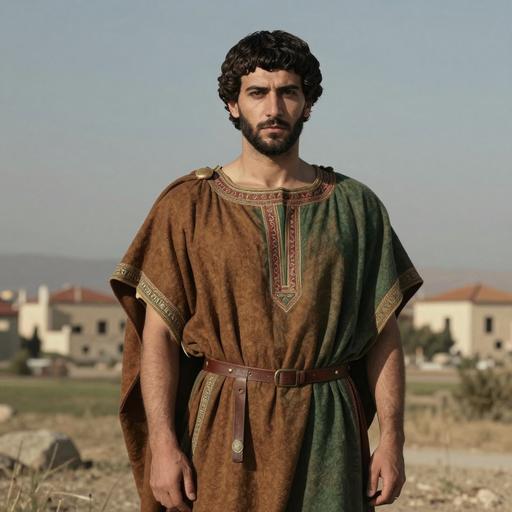
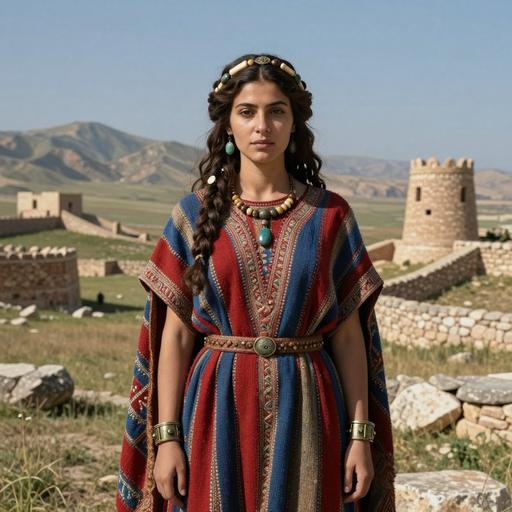
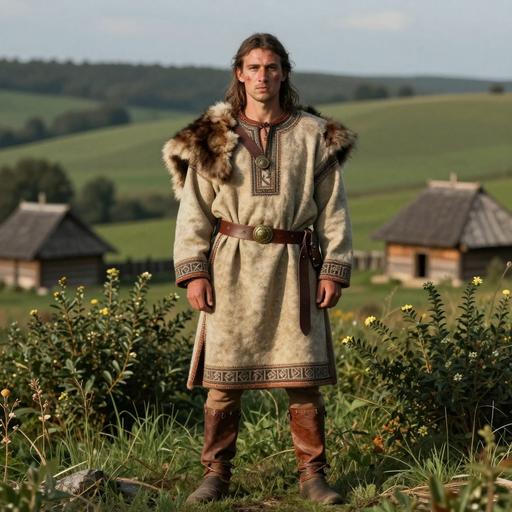
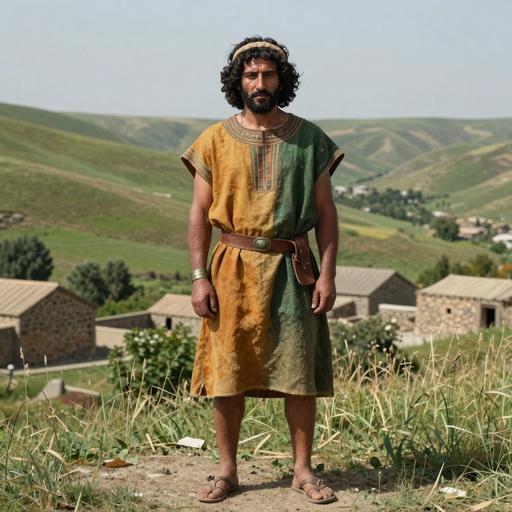
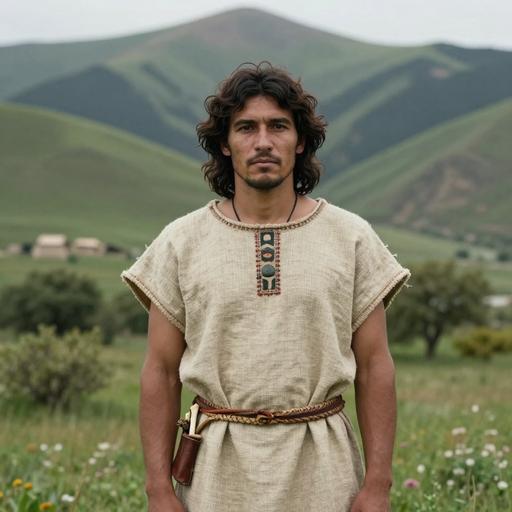
Los retratos son ilustraciones generadas con IA. Las etiquetas de muestra y los identificadores de acceso identifican los registros de referencia.

Retrato Muestra País Época Fecha Cultura mtDNA Coincidencia
Retrato ilustrativo de Pastoral N individual, Gishimangeda Cave, Tanzania (245-368 CE) generado con IA
Identificador de muestra: I13972
Tanzania Prehistoric in Tanzania 245-368 calCE (1780±25 BP, PSUAMS-5651) Tanzanian Prehistoric T2a Direct
Retrato ilustrativo de Late C individual, Upper Galilee. Pki'in, Israel (4,500-3,500 BCE) generado con IA
Identificador de muestra: I1168
Israel Israel C 4450-3950 BCE Ghassulian T2a Direct
Retrato ilustrativo de Steppe Nomads individual, Tian Shan. Central Steppe, Kyrgyzstan (376-119 BCE) generado con IA
Identificador de muestra: DA49
Kyrgyzstan Kyrgyzstan TianShan Saka 376 BCE - 119 BCE Saka Culture T2a1 Subclado
Retrato ilustrativo de Scythian Saka individual, Tian Shan. Central Steppe, Kyrgyzstan (376-119 BCE) generado con IA
Identificador de muestra: DA49
Kyrgyzstan The Scythian and Saka Cultures 376 BCE - 119 BCE T2a1 Subclado
Retrato ilustrativo de Medieval Byzantine individual, Yenişehirkapı (Marmara. İznik), Turkey (400-700 CE) generado con IA
Identificador de muestra: I14843
Turkey West Byzantine Turkey 400-700 CE Byzantine Culture T2a3 Subclado
Retrato ilustrativo de Urartian individual, Çavuştepe (East. Van), Turkey (850-750 BCE) generado con IA
Identificador de muestra: I19613
Turkey Turkey IA 850-750 BCE Anatolian Iron Age T2a3 Subclado
Retrato ilustrativo de Early Medieval Slav individual, Santok (Lubusz Province, Gorzów Wielkopolski, Santok), Poland (1,000-1,200 CE) generado con IA
Identificador de muestra: PCA0404
Poland Iron Age Santok Culture 1000-1200 CE Santok Culture T2a1 Subclado
Retrato ilustrativo de Medieval Byzantine individual, Tilbeşar Höyük (Southeast. Gaziantep), Turkey (1,100-1,300 CE) generado con IA
Identificador de muestra: I14645
Turkey Southeast Byzantine Turkey 1100-1300 CE Byzantine Anatolia T2a1 Subclado
Retrato ilustrativo de Ancient Near Eastern Civilization individual, Nerquin Getashen, Armenia (1,407-1,211 BCE) generado con IA
Identificador de muestra: RISE423
Armenia Middle Bronze Age Armenia 1407 BCE - 1211 BCE Middle Bronze Age Armenian T2a3 Subclado
Retrato ilustrativo de Armenia Mlba individual, Nerquin Getashen, Armenia (1,407-1,211 BCE) generado con IA
Identificador de muestra: RISE423
Armenia Middle to Late Bronze Age Armenia 1407 BCE - 1211 BCE T2a3 Subclado
MATERNAL LINAJE · ADN ANTIGUO

Mapa de pruebas de linajes antiguos

Sigue los clados superiores hasta esta rama y explora dónde se encontraron portadores antiguos.

Cargando observaciones antiguas...

Los marcadores son ubicaciones de hallazgos arqueológicos. Una línea discontinua representa una transición geográfica propuesta e incierta entre ramas consecutivas, apoyada en varias observaciones fechadas; no es una ruta de viaje exacta, un lugar de nacimiento ni una prueba de descendencia directa. Las muestras del clado parental pueden pertenecer a otras ramas descendientes. Se mantienen huecos cuando las pruebas son insuficientes. Las fechas de las muestras son distintas de las fechas de formación de los haplogrupos.

Perfil de referencia

Mapa de distribución de portadores

Distribución geográfica de muestras de ADN antiguo (16), portadores directos o de subclados de T2A

Portador directo Portador de un subclado
Filtro de periodo temporal
Todos los periodos
Mostrando todas las muestras
Perfil de referencia

Distribución temporal

Distribución de portadores por periodos arqueológicos

Perfil de referencia

Distribución geográfica

Recuentos por país registrado de las muestras. Reflejan la selección de referencia disponible, no frecuencias de población.

Perfil de referencia

Distribución por país y época

Compara los recuentos de muestras registradas por países y periodos arqueológicos. Selecciona una celda con datos para examinar una muestra.

Datos

Datos y procedencia

Información sobre las fuentes y la calidad de los datos

Última actualización 2026-02-16
Puntuación de confianza 50/100
Cobertura Low

Fuente de datos

La clasificación, las fechas estimadas y el contexto geográfico reflejan los datos de referencia registrados y pueden cambiar al revisarse las pruebas. La cobertura de muestras es desigual; las ubicaciones registradas y las asociaciones arqueológicas no establecen el origen personal ni la identidad cultural.