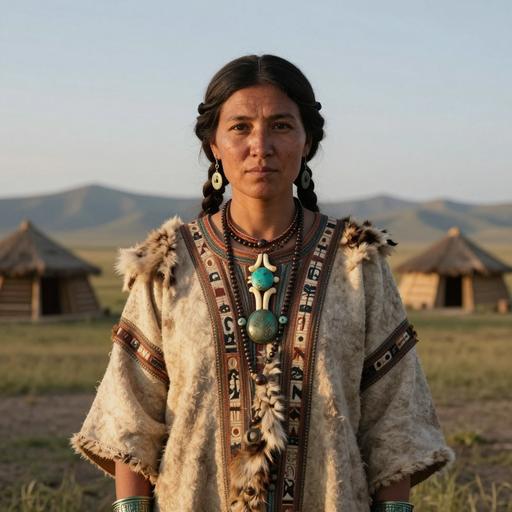
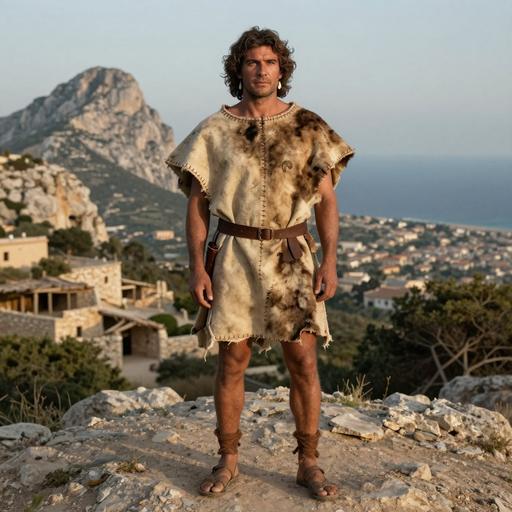
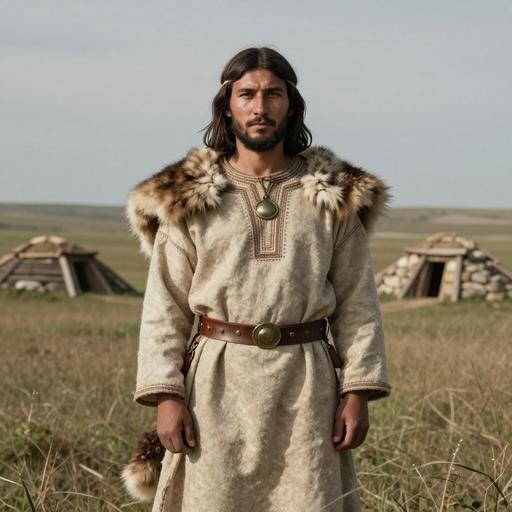
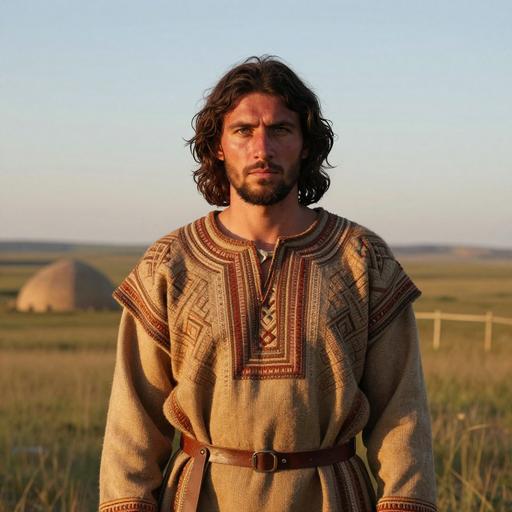
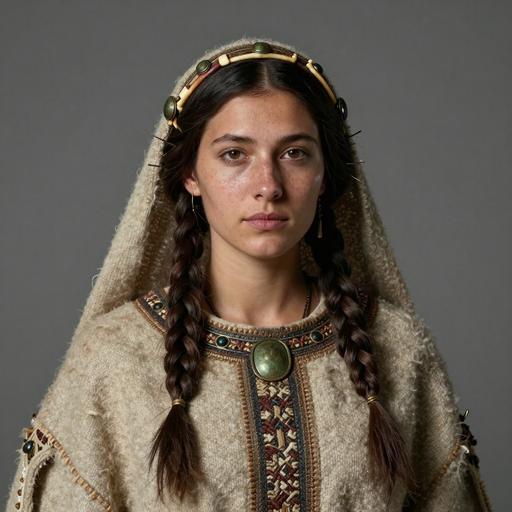
Un perfil de referencia de una rama de linaje. Compartir haplogrupos no demuestra una relación familiar ni una identidad cultural.
Perfil de referencia
Contexto de la rama
Contexto histórico de la rama de linaje mtDNA T2E
Origins and Evolution
mtDNA haplogroup T2E is a downstream branch of haplogroup T2, itself a major subclade of haplogroup T within the broader JT mitochondrial lineage. Based on the phylogenetic position of T2E within T2 and the temporal framework for diversification of T2 subclades, T2E most likely arose in the early Holocene (roughly the early Neolithic period) in the Near East or the eastern Mediterranean (Anatolia/Levant). From there, carriers of T2E spread westward into Europe alongside farming populations and also dispersed locally into neighboring regions such as North Africa and the Caucasus.
Subclades
T2E sits as a defined branch within the T2 phylogeny. Compared with some larger T2 subclades (e.g., T2b, T2d), T2E is relatively rare and presents fewer deeply split downstream branches documented in large reference datasets. Where present, further subdivisions of T2E are typically resolved by full mitogenome sequencing; population-level surveys based only on HVR or partial markers may under-detect its internal diversity. Ancient DNA surveys that include full mitochondrial genomes are the most informative source for identifying internal substructure of T2E.
Geographical Distribution
Modern distribution: T2E is most often observed at low-to-moderate frequencies in Southern European populations (Italy, Greece, Iberia), parts of Central and Eastern Europe, and in the Near East. Lower-frequency occurrences are recorded in North Africa, the Caucasus and parts of Central Asia. T2E has also been reported in some Jewish groups (including Ashkenazi lineages), consistent with historical gene flow between the Near East, Europe and Jewish diasporas.
Ancient DNA: T2E appears in archaeological contexts and is one of several T2 subclades identified in Neolithic and later European samples; in the dataset referenced here it is present in 38 ancient samples, supporting a pattern of persistence from the Neolithic into later prehistoric and historic periods.
Historical and Cultural Significance
Because T2 lineages in general are strongly associated with Neolithic farming populations migrating out of the Near East into Europe, T2E is best interpreted as a maternal lineage connected to the spread of agriculture and subsequent local demographic events. Its presence in early farmer-associated contexts (and in later Bronze Age and historic samples) indicates continuity of some maternal lineages across cultural transitions. In regions such as the Mediterranean and parts of Central Europe, T2E may reflect both initial Neolithic input and later regional movements (trade, migration, and demographic shifts).
T2E’s occurrence in Jewish communities reflects the complex history of migrations and gene flow between Levantine source populations and diasporic communities in Europe.
Conclusion
T2E is a moderately rare mtDNA subclade of T2 with an origin in the Near East during the early Holocene and a distribution shaped principally by the Neolithic expansion of farmers into Europe and subsequent regional demographic processes. It is best examined using full mitogenome data to resolve its internal diversity and to trace fine-scale migration histories across Europe, the Near East, North Africa and adjacent regions.
Puntos clave
Origins and Evolution
Subclades
Geographical Distribution
Historical and Cultural Significance
Conclusion
Perfil de referencia
Árbol y relaciones
Contexto filogenético y subclados
Trayectoria evolutiva
Sigue las ramas superiores registradas hasta T2E. Las fechas son estimaciones y pueden cambiar al revisarse los datos de referencia.
The populations where mtDNA haplogroup T2E is found include:
Southern European populations (Italy, Greece, Iberia)
Central European populations (Germany, Austria, Hungary)
Eastern European populations (Balkans, Romania)
Middle Eastern populations (Anatolia, Levant)
North African populations (coastal Maghreb, at lower frequencies)
Caucasus populations (sporadic occurrences)
Central Asian populations (low frequency)
Jewish populations (including some Ashkenazi lineages)
Contexto histórico
Una rama a través del tiempo
Formación estimada en una cronología histórica amplia. Los marcadores temporales aportan contexto y no implican relación con culturas concretas.
~10k años de antigüedad
Revolución neolítica
Inicio de la agricultura y formación de comunidades sedentarias
~9k años de antigüedad
Haplogrupo T2E
Formación estimada de esta rama de mtDNA; las fechas y ubicaciones son estimaciones de referencia.
Esta rama
~5k años de antigüedad
Edad del Bronce
Metalurgia, escritura y primeras civilizaciones
~3k años de antigüedad
Edad del Hierro
Herramientas de hierro y ampliación de redes comerciales
~2.5k años de antigüedad
Antigüedad clásica
Desarrollo de las civilizaciones griega y romana
Actualidad
Actualidad
Época moderna
Perfil de referencia
Contexto arqueológico
Asociaciones arqueológicas registradas para la rama mtDNA T2E
Asociaciones registradas
Estas etiquetas describen contextos arqueológicos registrados para las muestras de referencia enlazadas a T2E. Una asociación no demuestra que todos los portadores pertenecieran a una cultura ni siguieran una ruta migratoria concreta.
Las atribuciones culturales se basan en el contexto arqueológico de las muestras de ADN antiguo y pueden representar asociaciones regionales de periodos concretos.
Perfil de referencia
Catálogo de muestras
38 portadores directos y 18 portadores de subclados del haplogrupo T2E
10 mostradas · 50 muestras coincidentes
Ninguna muestra coincide con estos filtros. Prueba otra etiqueta, ubicación o periodo.
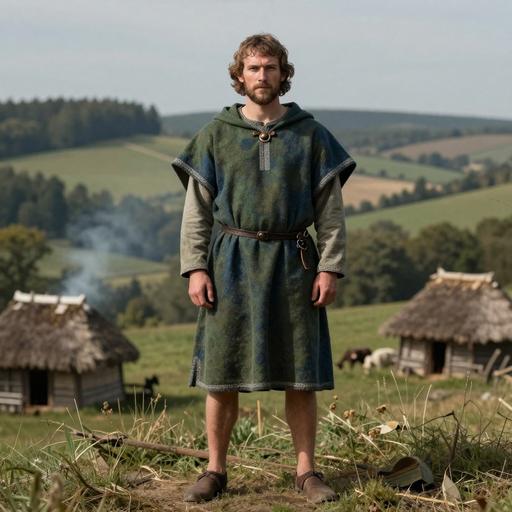
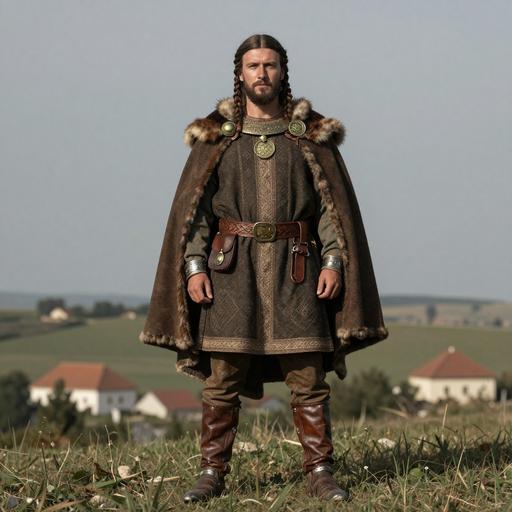
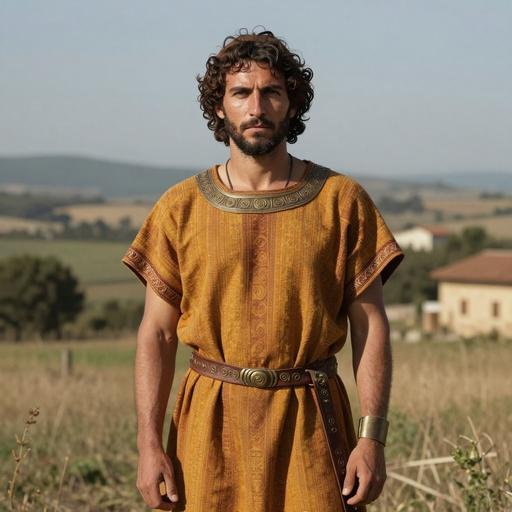
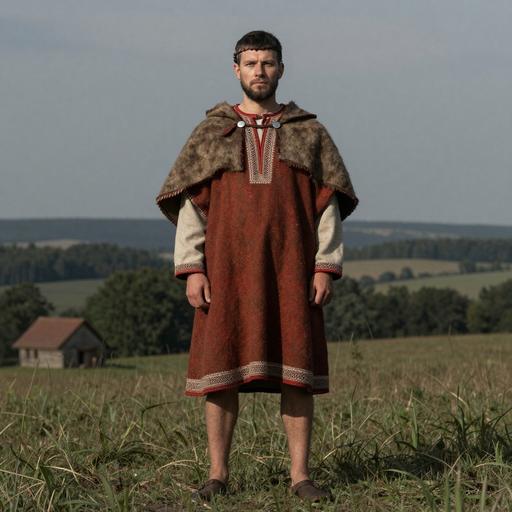
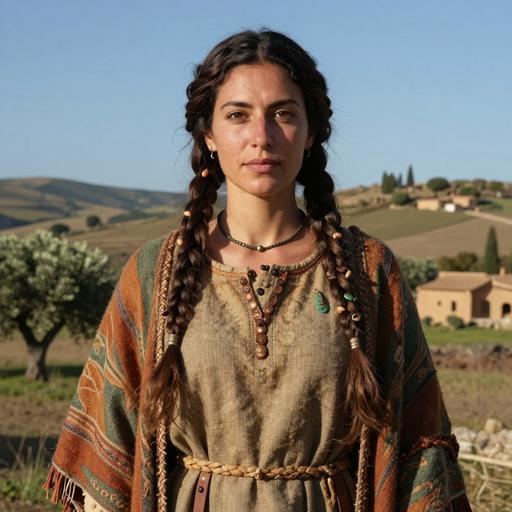
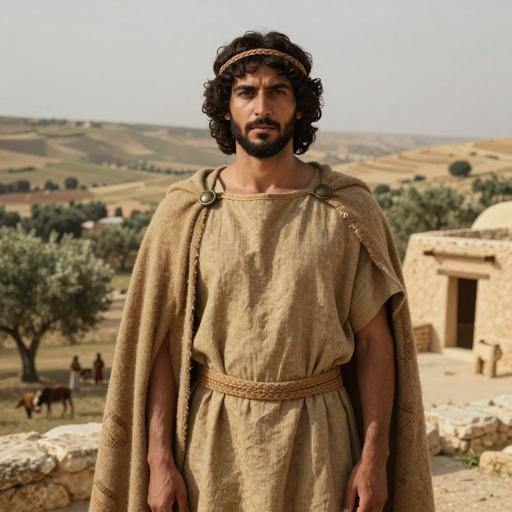
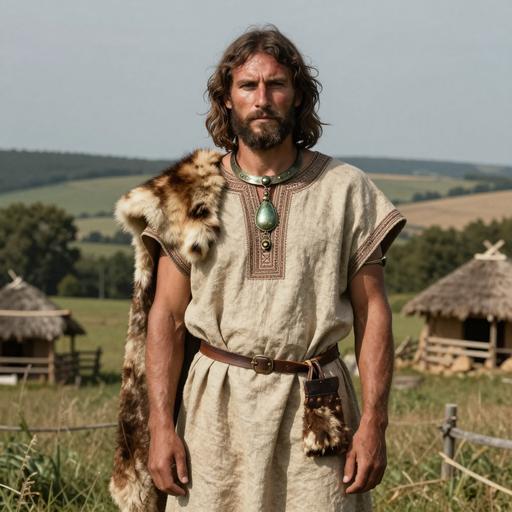
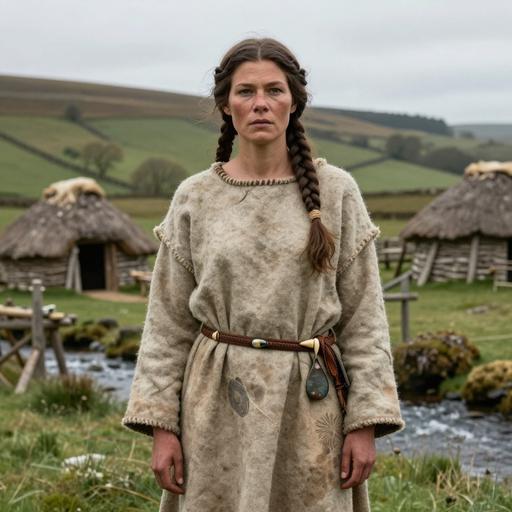
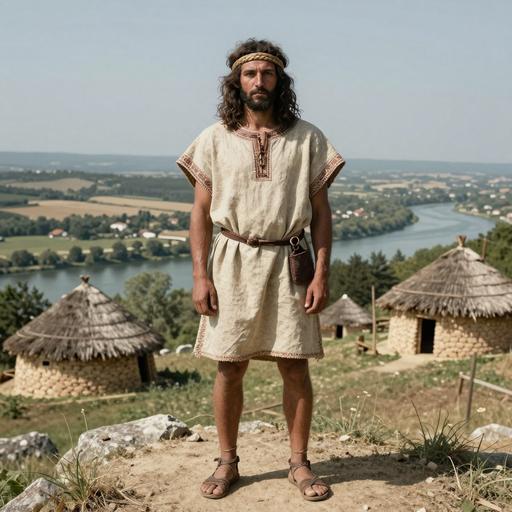
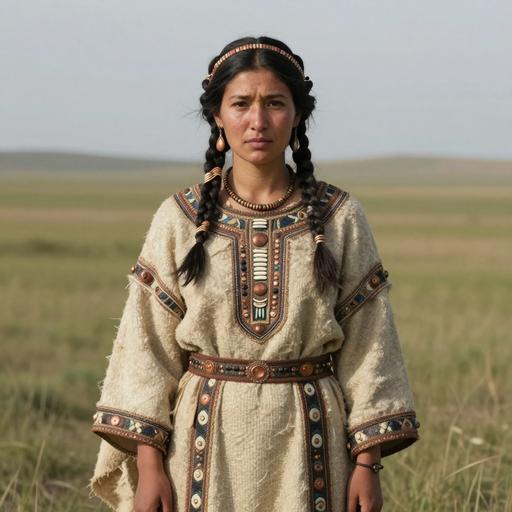
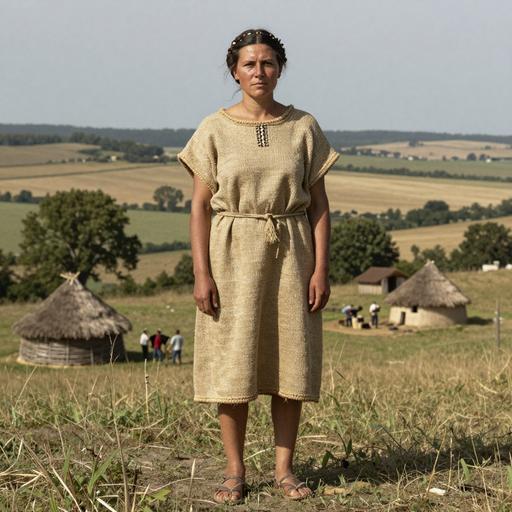
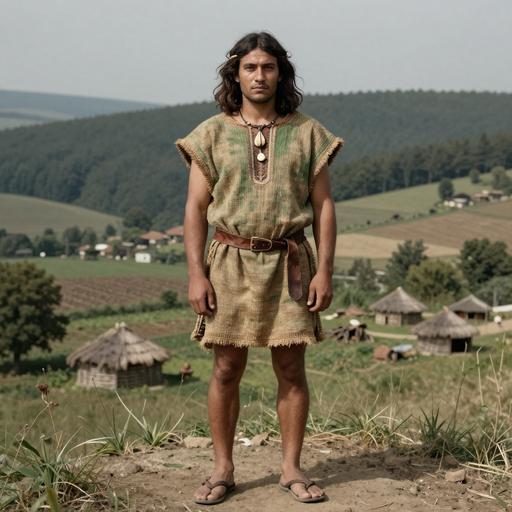
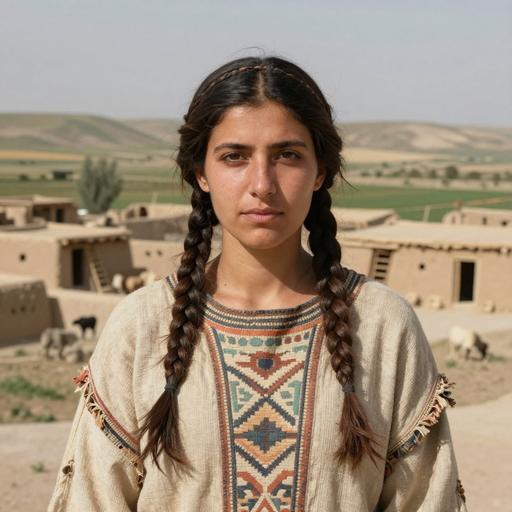
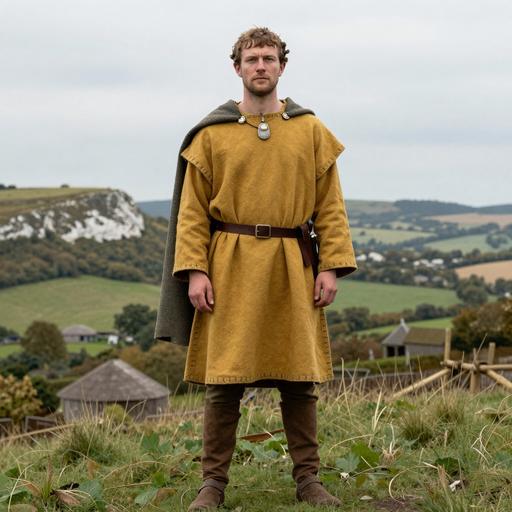
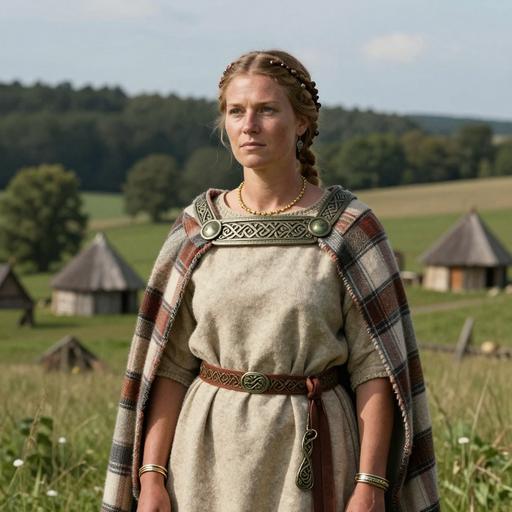
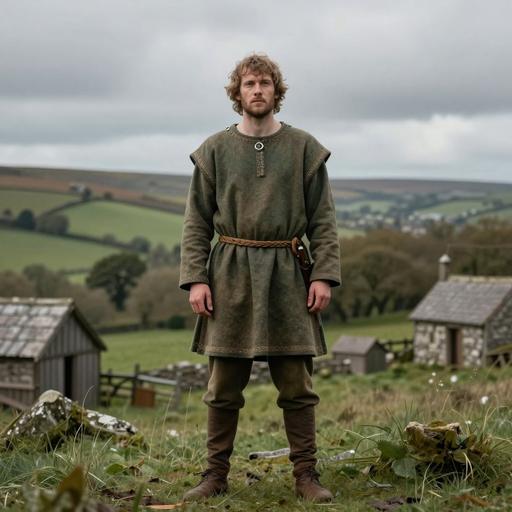
Los retratos son ilustraciones generadas con IA. Las etiquetas de muestra y los identificadores de acceso identifican los registros de referencia.
Sigue los clados superiores hasta esta rama y explora dónde se encontraron portadores antiguos.
Cargando observaciones antiguas...
La reducción de movimiento está activada. Utiliza la cronología o Mostrar todo para explorar a tu ritmo.
Leer las observaciones en una tabla
Observaciones antiguas visibles por rama, periodo y punto medio de la fecha
Rama
Periodo
Intervalo de fechas
Muestra
Identificador de muestra
Ubicación
Haplogrupo
Relación
Los marcadores son ubicaciones de hallazgos arqueológicos. Una línea discontinua representa una transición geográfica propuesta e incierta entre ramas consecutivas, apoyada en varias observaciones fechadas; no es una ruta de viaje exacta, un lugar de nacimiento ni una prueba de descendencia directa. Las muestras del clado parental pueden pertenecer a otras ramas descendientes. Se mantienen huecos cuando las pruebas son insuficientes. Las fechas de las muestras son distintas de las fechas de formación de los haplogrupos.
La agrupación por periodo histórico refleja cuándo vivió cada individuo antiguo y combina todas las ramas de esta cadena de linajes; no es una secuencia migratoria ni una cronología personal entre periodos.
Perfil de referencia
Mapa de distribución de portadores
Distribución geográfica de muestras de ADN antiguo (56), portadores directos o de subclados de T2E
Portador directo Portador de un subclado
Filtro de periodo temporal
Todos los periodos
Mostrando todas las muestras
Perfil de referencia
Distribución temporal
Distribución de portadores por periodos arqueológicos
Perfil de referencia
Distribución geográfica
Recuentos por país registrado de las muestras. Reflejan la selección de referencia disponible, no frecuencias de población.
Perfil de referencia
Distribución por país y época
Compara los recuentos de muestras registradas por países y periodos arqueológicos. Selecciona una celda con datos para examinar una muestra.
Datos
Datos y procedencia
Información sobre las fuentes y la calidad de los datos
Última actualización2026-02-16
Puntuación de confianza50/100
CoberturaLow
Fuente de datos
La clasificación, las fechas estimadas y el contexto geográfico reflejan los datos de referencia registrados y pueden cambiar al revisarse las pruebas. La cobertura de muestras es desigual; las ubicaciones registradas y las asociaciones arqueológicas no establecen el origen personal ni la identidad cultural.