Saltar al contenido principal
mtDNA · Materno linaje

V1

mtDNA Haplogroup V1

Un perfil de referencia de una rama de linaje. Compartir haplogrupos no demuestra una relación familiar ni una identidad cultural.

Perfil de referencia

Contexto de la rama

Contexto histórico de la rama de linaje mtDNA V1

Origins and Evolution

mtDNA haplogroup V1 is a downstream lineage of haplogroup V, which is widely interpreted as a maternal marker tied to post‑Last Glacial Maximum (LGM) expansions from southwestern European refugia (often termed the Franco‑Cantabrian region). Based on the phylogenetic position of V1 within V and molecular clock estimates for V, V1 most likely arose during the Late Glacial to early Epipaleolithic period, roughly ~12 kya, as human groups began to expand northward and recolonize temperate Europe.

The origin of V1 in Western Europe is consistent with the broader pattern for haplogroup V—an association with Mesolithic hunter‑gatherer populations that later admixed with incoming Neolithic farmers and Bronze Age groups. The lineage has subsequently persisted in many descendant populations, sometimes at low frequencies and in other cases concentrated (for example, in some Northern European indigenous groups).

Subclades (if applicable)

V1 may include internal substructure (often labeled as V1a, V1b, etc., in detailed phylogenies), although the precise subclade topology and ages can vary between publications as newer mitogenomes are sequenced. Subclades of V1 typically reflect later diversification during the Holocene as the haplogroup spread into different ecological and cultural zones (Iberia, Atlantic Europe, Scandinavia). High‑resolution complete mitogenome studies are the primary means to resolve and date these internal branches more accurately.

Geographical Distribution

The distribution of V1 mirrors that of parent haplogroup V but with notable regional patterns:

  • Western Europe (Iberian Peninsula, Atlantic France): Elevated frequencies and diversity consistent with a southwestern European origin and refugial persistence.
  • Northern Europe (Scandinavia, Saami populations): Marked presence in some indigenous northern groups, likely reflecting northward migrations or founder events during the early Holocene and/or later localized drift in small populations (e.g., Saami).
  • North Africa (Berber groups, especially along the Maghreb coast): Low to moderate frequencies likely representing prehistoric and historic gene flow across the western Mediterranean.
  • Caucasus and adjacent regions: Sporadic occurrences that may represent later long‑distance dispersals or low‑level gene flow.

Ancient DNA observations (including the 11 aDNA samples in your database) support continuity of V lineages through Mesolithic and subsequent periods in parts of Europe, reinforcing the interpretation of V1 as a long‑term regional maternal lineage.

Historical and Cultural Significance

V1 is primarily associated with Mesolithic hunter‑gatherer populations in Western Europe and with the post‑glacial demographic expansions that repopulated northern latitudes. Over the Neolithic and Bronze Age, V1 persisted but became part of more complex maternal gene pools as incoming farming and steppe‑derived groups mixed with local foragers. In regions such as Fennoscandia, founder effects and cultural isolation (for example among the Saami) helped maintain elevated local frequencies. The presence of V1 in North Africa signals prehistoric contacts across the western Mediterranean and later historical movements.

While V1 itself is not uniquely diagnostic of any single archaeological culture, it contributes to the genetic signature of Mesolithic and later European populations and appears occasionally in contexts linked to Neolithic and Bronze Age archaeological horizons where local continuity or admixture occurred.

Conclusion

mtDNA haplogroup V1 is best understood as a maternal lineage that emerged in Western Europe during the Late Glacial/Epipaleolithic period and participated in the repopulation of northern and Atlantic Europe. Its distribution today—concentrated in parts of Iberia and visible among Northern European indigenous groups (notably the Saami), with lower frequencies in North Africa and the Caucasus—reflects a mix of ancient refugial persistence, Holocene expansions, and later regional demographic processes. Continued high‑resolution mitogenome sequencing and ancient DNA sampling will refine the internal structure, precise age estimates, and migratory episodes associated with V1.

Puntos clave

  • Origins and Evolution
  • Subclades (if applicable)
  • Geographical Distribution
  • Historical and Cultural Significance
  • Conclusion

Perfil de referencia

Árbol y relaciones

Contexto filogenético y subclados

Trayectoria evolutiva

Sigue las ramas superiores registradas hasta V1. Las fechas son estimaciones y pueden cambiar al revisarse los datos de referencia.

Pasos Haplogrupo Antigüedad estimada Época arqueológica Tiempo transcurrido Subclados inmediatos Portadores modernos analizados Referencias antiguas
1 V1 Actual ~12,000 years ago Neolithic 12,000 years 10 97 0
2 V ~14,000 years ago Mesolithic 14,000 years 10 572 118
3 HV ~30,000 years ago Paleolithic 30,000 years 14 11,092 228
4 R0 ~15,000 years ago Mesolithic 15,000 years 2 11,230 4
5 R ~55,000 years ago Paleolithic 55,000 years 17 22,830 57
6 NA - - - 1 22,830 0
7 N ~60,000 years ago Paleolithic 60,000 years 16 26,150 13
8 L3 ~70,000 years ago Paleolithic 70,000 years 7 30,162 6
9 L3'4 - - - 2 30,212 0
10 L3'4'6 - - - 2 30,216 0
11 L2'3'4'6 - - - 2 31,333 0
12 L2'3'4'5'6'7 - - - 2 31,349 0
13 L1'2'3'4'5'6'7 - - - 2 31,852 0
14 L ~160,000 years ago Paleolithic 160,000 years 2 32,236 5

Ramas hermanas (9)

Otras ramas del mismo haplogrupo superior

Perfil de referencia

En el mundo

Distribución geográfica y presencia moderna

Origen registrado

Western Europe (Franco‑Cantabrian / Iberian region)

Distribución moderna

The populations where mtDNA haplogroup V1 is found include:

  1. Iberian populations (Spain, Portugal; including Basque populations)
  2. Atlantic France and other Western European groups
  3. Northern European populations (especially the Saami and some Scandinavian groups)
  4. Berber and other North African coastal populations
  5. Caucasus and adjacent West Asian populations (sporadic occurrences)
  6. Ancient European hunter‑gatherer remains (Mesolithic and later archaeological contexts)
Contexto histórico

Una rama a través del tiempo

Formación estimada en una cronología histórica amplia. Los marcadores temporales aportan contexto y no implican relación con culturas concretas.

  1. ~12k años de antigüedad

    Haplogrupo V1

    Formación estimada de esta rama de mtDNA; las fechas y ubicaciones son estimaciones de referencia.

    Esta rama
  2. ~10k años de antigüedad

    Revolución neolítica

    Inicio de la agricultura y formación de comunidades sedentarias

  3. ~5k años de antigüedad

    Edad del Bronce

    Metalurgia, escritura y primeras civilizaciones

  4. ~3k años de antigüedad

    Edad del Hierro

    Herramientas de hierro y ampliación de redes comerciales

  5. ~2.5k años de antigüedad

    Antigüedad clásica

    Desarrollo de las civilizaciones griega y romana

  6. Actualidad

    Actualidad

    Época moderna

Perfil de referencia

Contexto arqueológico

Asociaciones arqueológicas registradas para la rama mtDNA V1

Asociaciones registradas

Estas etiquetas describen contextos arqueológicos registrados para las muestras de referencia enlazadas a V1. Una asociación no demuestra que todos los portadores pertenecieran a una cultura ni siguieran una ruta migratoria concreta.

Alföld Linear Pottery Cardial Culture Hungarian Neolithic Körös Culture Linear Pottery Culture Sopot Culture
Las atribuciones culturales se basan en el contexto arqueológico de las muestras de ADN antiguo y pueden representar asociaciones regionales de periodos concretos.
Perfil de referencia

Catálogo de muestras

11 portadores directos y 27 portadores de subclados del haplogrupo V1

10 mostradas · 38 muestras coincidentes

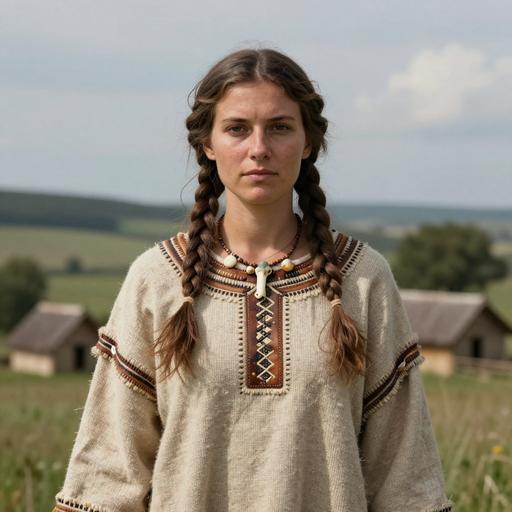
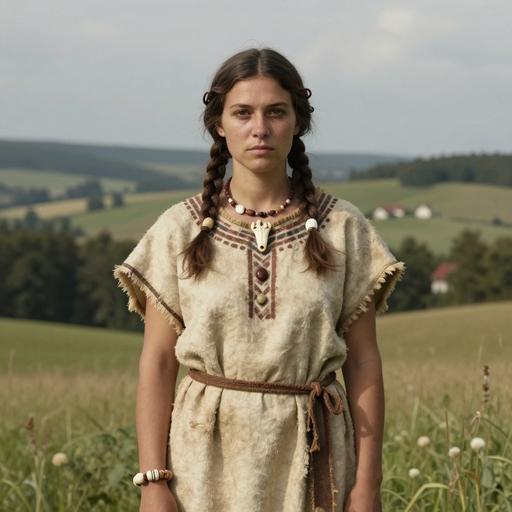
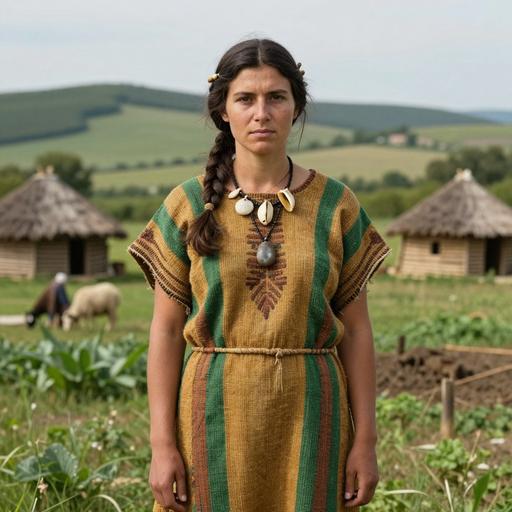
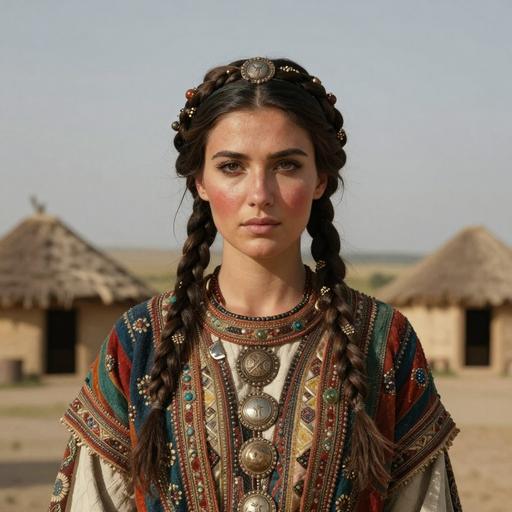
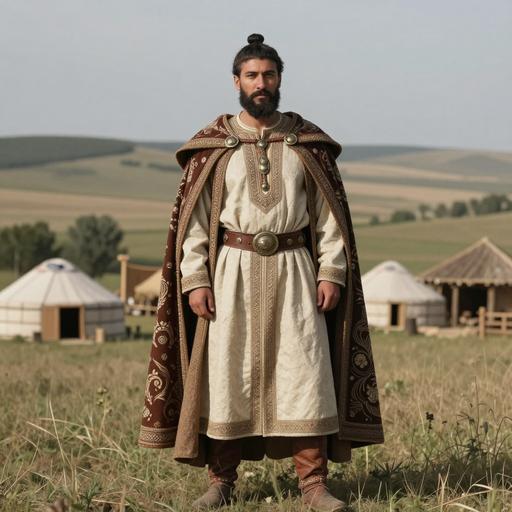
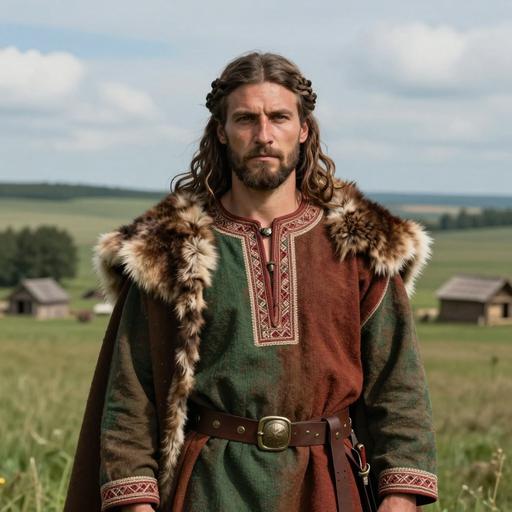
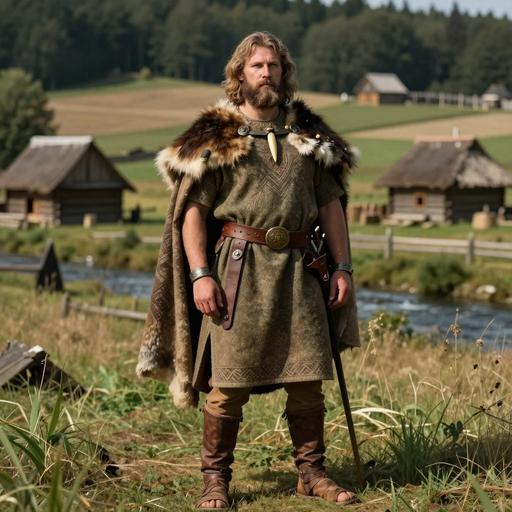
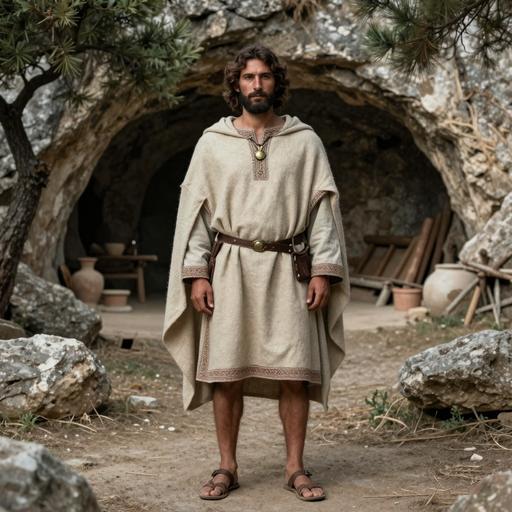
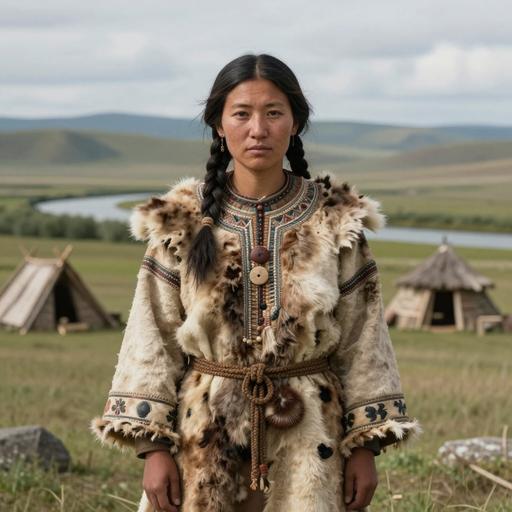
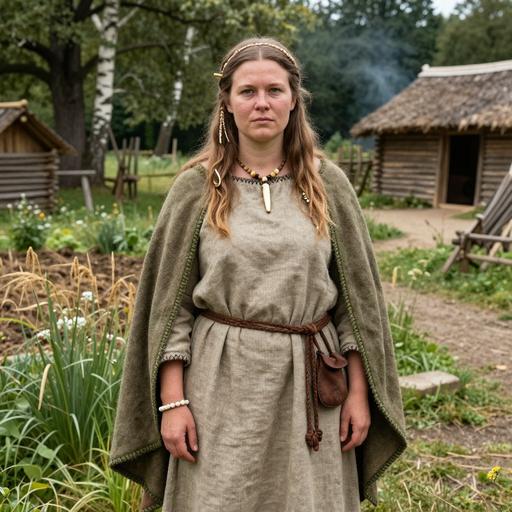
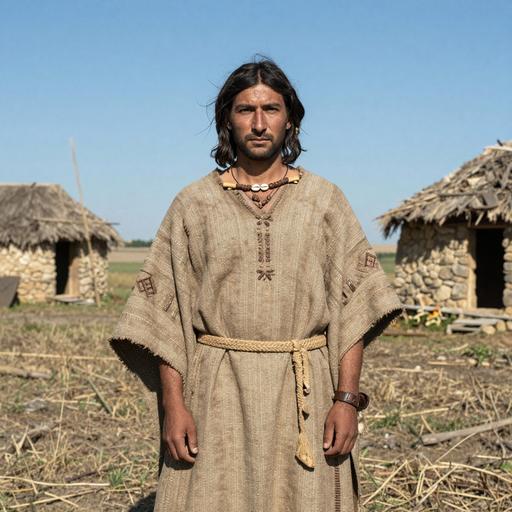
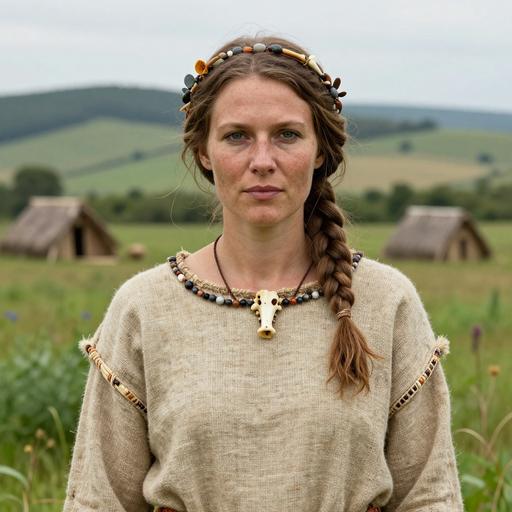
Los retratos son ilustraciones generadas con IA. Las etiquetas de muestra y los identificadores de acceso identifican los registros de referencia.

Retrato Muestra País Época Fecha Cultura mtDNA Coincidencia
Retrato ilustrativo de MN Sopot individual, Vinkovci. Vinka, Croatia (5,100-4,750 BCE) generado con IA
Identificador de muestra: I7538
Croatia Croatia MN Sopot 5100-4750 BCE Sopot Culture V1 Direct
Retrato ilustrativo de N LBK individual, Asparn Schletz (Niederösterreich, Mistelbach), Austria (5,205-4,847 BCE) generado con IA
Identificador de muestra: I24884
Austria Austria N LBK 5205-4847 calBCE (6075±35 BP, VERA-2012) Linear Pottery Culture V1 Direct
Retrato ilustrativo de MN Sopot individual, Vinkovci. Vinka, Croatia (5,216-5,045 BCE) generado con IA
Identificador de muestra: I7399
Croatia Croatia MN Sopot 5216-5045 calBCE (6190±25 BP, PSUAMS-4263) Sopot Culture V1 Direct
Retrato ilustrativo de N LBK individual, Nitra-Horné-Krškany (Nitra Region, Nitra District, Nitra), Slovakia (5,300-5,000 BCE) generado con IA
Identificador de muestra: I11873
Slovakia Slovakia N LBK 5400-4900 BCE Linear Pottery Culture V1 Direct
Retrato ilustrativo de N LBK individual, Asparn Schletz (Niederösterreich, Mistelbach), Austria (5,300-5,000 BCE) generado con IA
Identificador de muestra: I24283
Austria Austria N LBK 5300-5000 BCE Linear Pottery Culture V1 Direct
Retrato ilustrativo de N LBK individual, Asparn Schletz (Niederösterreich, Mistelbach), Austria (5,313-5,074 BCE) generado con IA
Identificador de muestra: I24889
Austria Austria N LBK 5313-5074 calBCE (6258±31 BP, MAMS-42232) Linear Pottery Culture V1 Direct
Retrato ilustrativo de European Neolithic individual, Halberstadt-Sonntagsfeld, Germany (5,500-4,850 BCE) generado con IA
Identificador de muestra: I2036
Germany Early Neolithic Linear Pottery Culture, Germany 5500 BCE - 4850 BCE Linear Pottery Culture V1 Direct
Retrato ilustrativo de European Neolithic individual, Halberstadt-Sonntagsfeld, Germany (5,500-4,850 BCE) generado con IA
Identificador de muestra: I2016
Germany Early Neolithic Linear Pottery Culture, Germany 5500 BCE - 4850 BCE Linear Pottery Culture V1 Direct
Retrato ilustrativo de Lbk individual, Halberstadt-Sonntagsfeld, Germany (5,500-4,850 BCE) generado con IA
Identificador de muestra: I2016
Germany The Linear Pottery Culture 5500 BCE - 4850 BCE V1 Direct
Retrato ilustrativo de Lbk individual, Halberstadt-Sonntagsfeld, Germany (5,500-4,850 BCE) generado con IA
Identificador de muestra: I2036
Germany The Linear Pottery Culture 5500 BCE - 4850 BCE V1 Direct
MATERNAL LINAJE · ADN ANTIGUO

Mapa de pruebas de linajes antiguos

Sigue los clados superiores hasta esta rama y explora dónde se encontraron portadores antiguos.

Cargando observaciones antiguas...

Los marcadores son ubicaciones de hallazgos arqueológicos. Una línea discontinua representa una transición geográfica propuesta e incierta entre ramas consecutivas, apoyada en varias observaciones fechadas; no es una ruta de viaje exacta, un lugar de nacimiento ni una prueba de descendencia directa. Las muestras del clado parental pueden pertenecer a otras ramas descendientes. Se mantienen huecos cuando las pruebas son insuficientes. Las fechas de las muestras son distintas de las fechas de formación de los haplogrupos.

Perfil de referencia

Mapa de distribución de portadores

Distribución geográfica de muestras de ADN antiguo (38), portadores directos o de subclados de V1

Portador directo Portador de un subclado
Filtro de periodo temporal
Todos los periodos
Mostrando todas las muestras
Perfil de referencia

Distribución temporal

Distribución de portadores por periodos arqueológicos

Perfil de referencia

Distribución geográfica

Recuentos por país registrado de las muestras. Reflejan la selección de referencia disponible, no frecuencias de población.

Perfil de referencia

Distribución por país y época

Compara los recuentos de muestras registradas por países y periodos arqueológicos. Selecciona una celda con datos para examinar una muestra.

Datos

Datos y procedencia

Información sobre las fuentes y la calidad de los datos

Última actualización 2026-02-16
Puntuación de confianza 50/100
Cobertura Low

Fuente de datos

La clasificación, las fechas estimadas y el contexto geográfico reflejan los datos de referencia registrados y pueden cambiar al revisarse las pruebas. La cobertura de muestras es desigual; las ubicaciones registradas y las asociaciones arqueológicas no establecen el origen personal ni la identidad cultural.