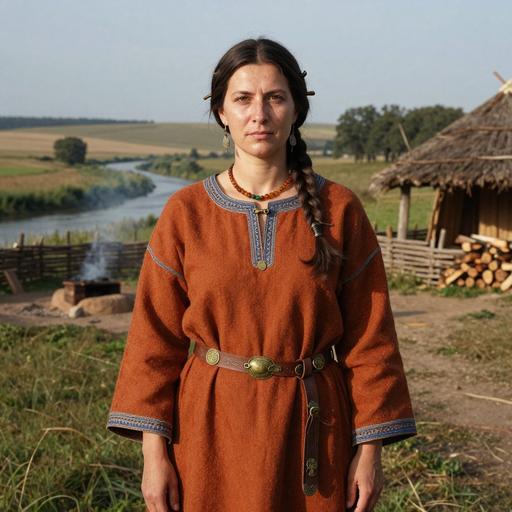
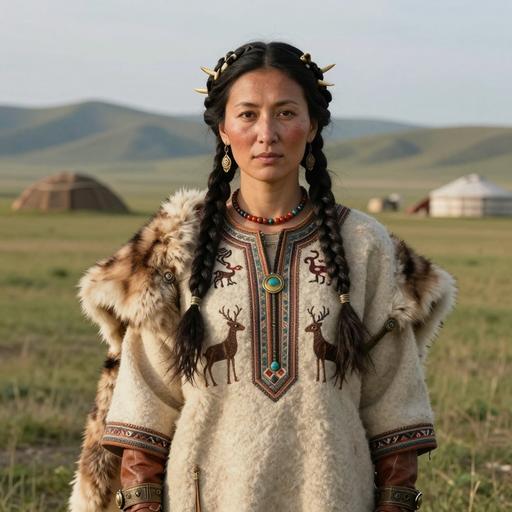
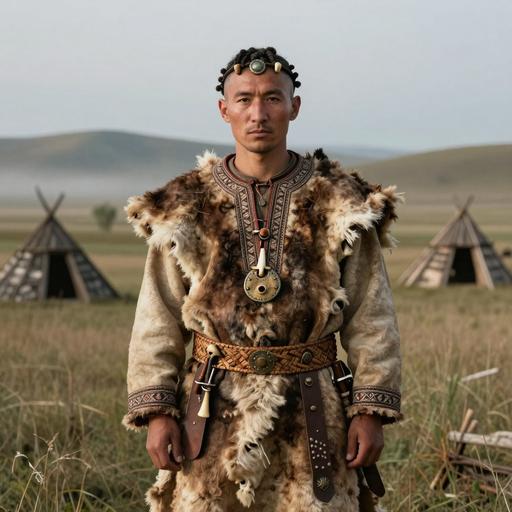
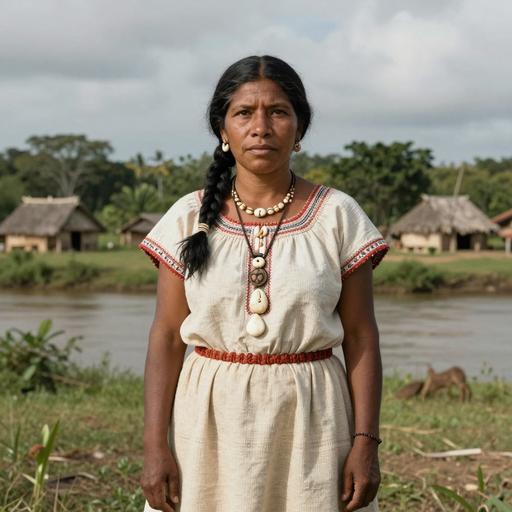
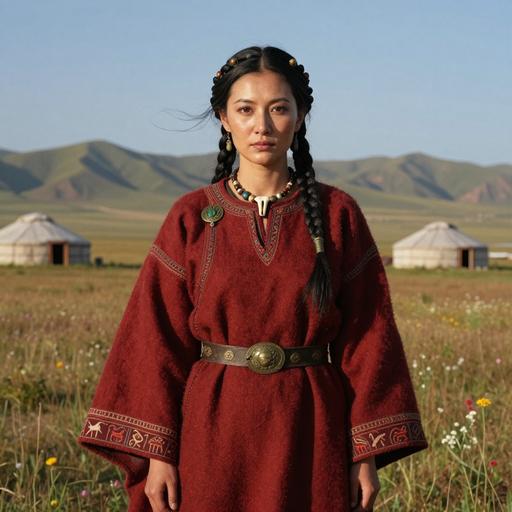
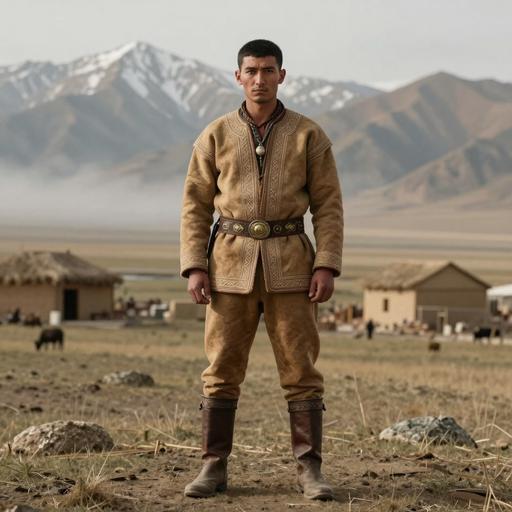
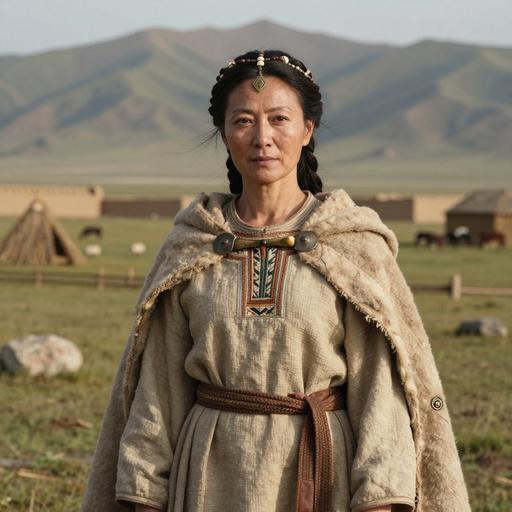
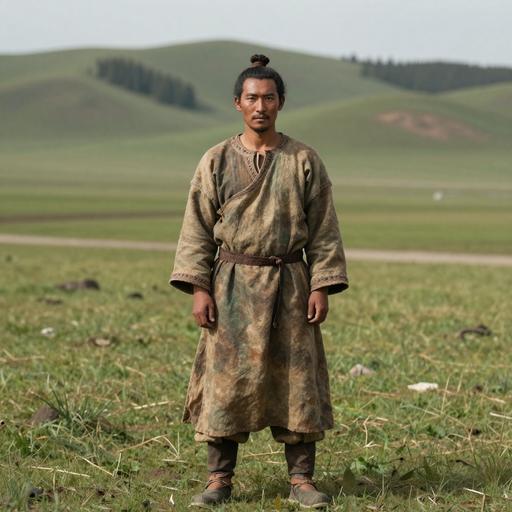
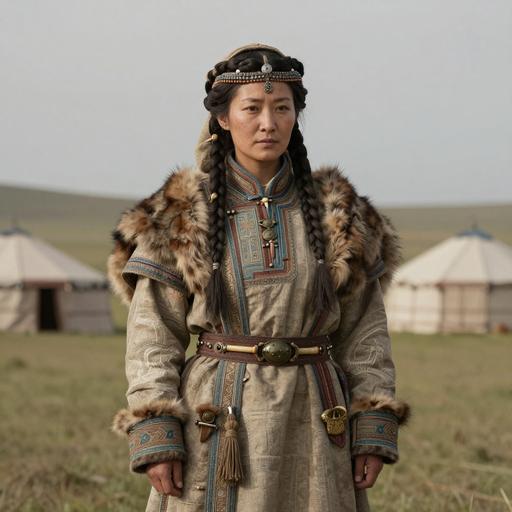
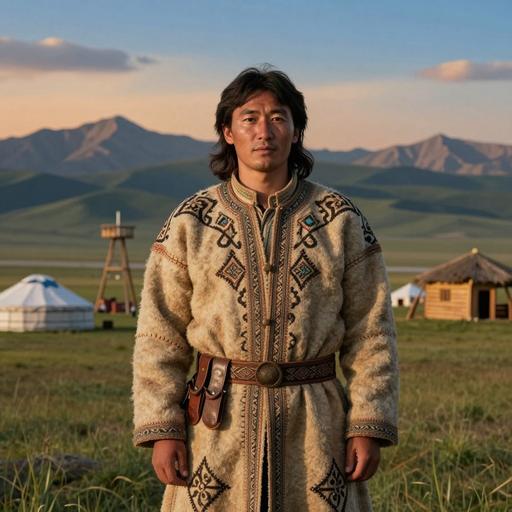
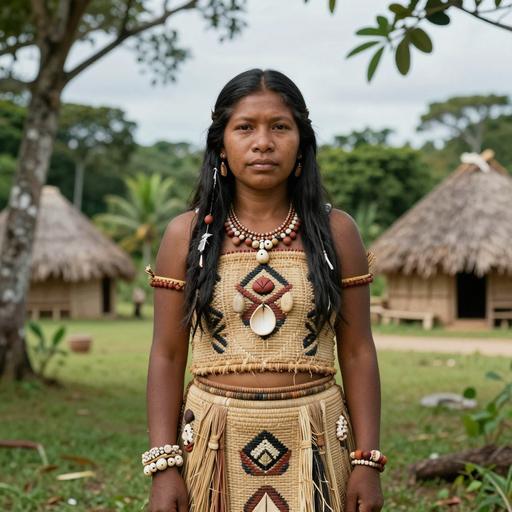
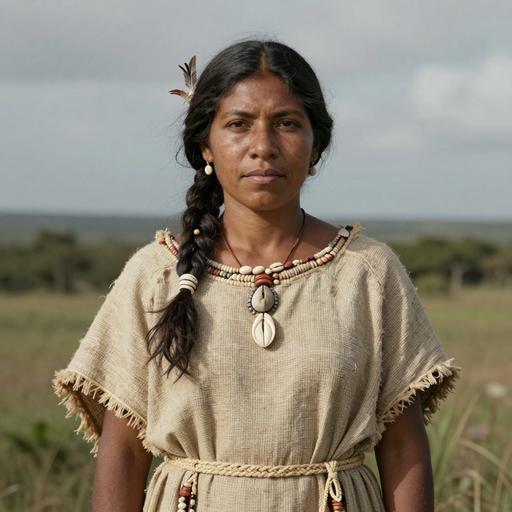
Profil de référence pour une branche de lignée. Des haplogroupes partagés n'établissent pas de lien familial ni d'identité culturelle.
Profil de référence
Contexte de la branche
Contexte historique de la branche de lignée mtDNA A
Origins and Evolution
mtDNA haplogroup A is a descendant of macro-haplogroup N and likely formed in Northeast/East Asia during the Late Pleistocene (roughly 20–40 kya, commonly centered in estimates near ~30 kya). From this ancestral Asian pool, distinct sublineages radiated within Siberia and East Asia, and one major derivative — A2 — became a founding Native American lineage during the Beringian/late glacial migrations into the Americas. Population-genetic and ancient-DNA studies support a scenario in which haplogroup A lineages were present among Upper Paleolithic and post-glacial hunter-gatherer groups in Northeast Asia and eastern Siberia, and contributed substantially to the maternal ancestry of indigenous peoples of the Americas.
Subclades
Within mtDNA haplogroup A there are multiple subclades with different geographic affinities. The most notable are:
A2 — the principal Native American branch, widespread across North, Central, and South America in many indigenous populations.
East Asian and Siberian subclades (various A1, A4, etc. depending on different nomenclatures in the literature) that are found at varying frequencies in populations from the Russian Far East, northern China, Mongolia, Korea, and Japan.
These subclades differ in coalescence times: A2 shows a comparatively recent coalescence consistent with late-Pleistocene/early-Holocene entry into the Americas, whereas some East Asian/Siberian A lineages trace to older Pleistocene expansions within Eurasia.
Geographical Distribution
mtDNA A exhibits a clear East Asian–Siberian origin and a trans-Beringian distribution via its descendant A2 in the Americas. Key patterns are:
High prevalence of A2 among many Native American groups (particularly in North and Central America) where it is one of the primary founding maternal lineages.
Moderate frequencies of non-A2 A subclades among Northeast Asian, Siberian, and certain Central Asian populations (including indigenous Siberian groups, some Mongolian and northern Chinese populations, Koreans and Japanese).
Low, sporadic presence in western Eurasia, usually traceable to recent gene flow or rare historical contacts.
Ancient DNA from Siberia and Beringia has repeatedly found A-lineage mitotypes in hunter-gatherer and early Holocene contexts, supporting the long-term presence of this lineage in northeastern Eurasia prior to the peopling of the Americas.
Historical and Cultural Significance
Haplogroup A is central to discussions of the peopling of the Americas: the presence of A2 in pre-Columbian remains and its phylogeographic pattern provide genetic evidence for a Beringian source and a late-Pleistocene/early-Holocene dispersal into the New World. In East Asia, A-lineages are found in populations associated with prehistoric coastal and inland hunter-gatherer cultures and later farming groups, such as the Jomon of Japan where mitochondrial diversity reflects continuity and local differentiation. Studies of modern and ancient populations use mtDNA A to trace migration corridors, population continuity versus replacement, and interactions between Siberian, East Asian, and Native American gene pools.
Conclusion
mtDNA haplogroup A is a well-documented maternal lineage whose phylogeography links Northeast/East Asia and the Americas. It is both an ancient East Asian/Siberian lineage and the source of one of the principal founding Native American maternal branches (A2). Because of its geographic breadth and clear archaeological and genetic signals, mtDNA A remains a focal marker for reconstructing Late Pleistocene population structure in northeastern Eurasia and the routes of early human migration into the Americas.
Points clés
Origins and Evolution
Subclades
Geographical Distribution
Historical and Cultural Significance
Conclusion
Profil de référence
Arbre et relations
Contexte phylogénétique et sous-clades
Voie évolutive
Suivez les branches parentes consignées jusqu'à A. Les dates sont des estimations et peuvent évoluer lorsque les données de référence sont révisées.
The populations where mtDNA haplogroup A is found include:
Indigenous Native American groups across North, Central, and South America (A2 prominent)
Indigenous Siberian groups (e.g., Evenks, Yakuts, Chukchi)
Northeast Asian populations (northern Han Chinese, Koreans, Mongolians)
Ainu and some Jomon-descended Japanese populations
Selected Central Asian and Turkic groups at low frequencies
Contexte historique
Une branche dans le temps
Formation estimée sur une chronologie historique large. Les repères de période servent de contexte et n'impliquent pas de lien avec des cultures particulières.
Il y a ~30k ans
Haplogroupe A
Formation estimée de cette branche mtDNA ; les dates et les lieux sont des estimations de référence.
Cette branche
Il y a ~20k ans
Dernier maximum glaciaire
Apogée de la dernière période glaciaire, populations isolées
Il y a ~10k ans
Révolution néolithique
Début de l'agriculture et émergence de communautés sédentaires
Il y a ~5k ans
Âge du bronze
Travail des métaux, écriture et premières civilisations
Il y a ~3k ans
Âge du fer
Outils en fer, réseaux d'échanges élargis
Il y a ~2.5k ans
Antiquité classique
Floraison des civilisations grecque et romaine
Aujourd'hui
Aujourd'hui
Époque moderne
Profil de référence
Contexte archéologique
Associations archéologiques consignées pour la branche mtDNA A
Associations consignées
Ces libellés décrivent des contextes archéologiques consignés pour des échantillons de référence liés à A. Une association n'établit pas que tous les porteurs appartenaient à une culture ni qu'ils ont suivi une route migratoire précise.
Angara River CultureKitoiKuenga CultureLokomotiv CultureOb River CultureRussia_AltaiKrai_EneolithicRussia_Irkutsk_Eneolithic_BAUlgii CultureUst-Ida CultureWuzhuangguoliang CultureYenisei Culture
Les attributions culturelles reposent sur le contexte archéologique des échantillons d'ADN ancien et peuvent refléter des associations régionales à certaines périodes.
Profil de référence
Catalogue d'échantillons
13 porteurs directs et 87 porteurs de sous-clade de l'haplogroupe A
10 affiché(s) · 50 échantillons correspondants
Aucun échantillon ne correspond à ces filtres. Essayez un autre libellé, lieu ou période.
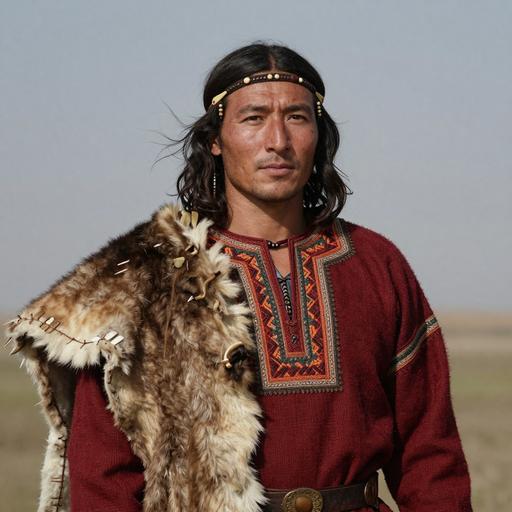
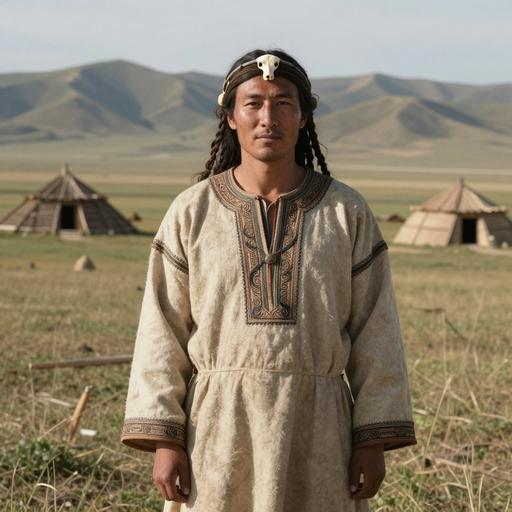
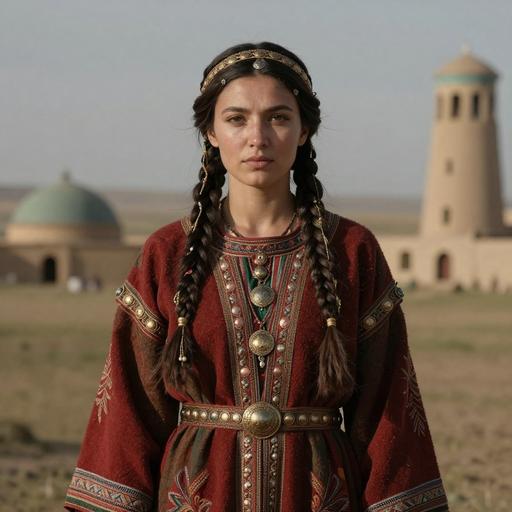
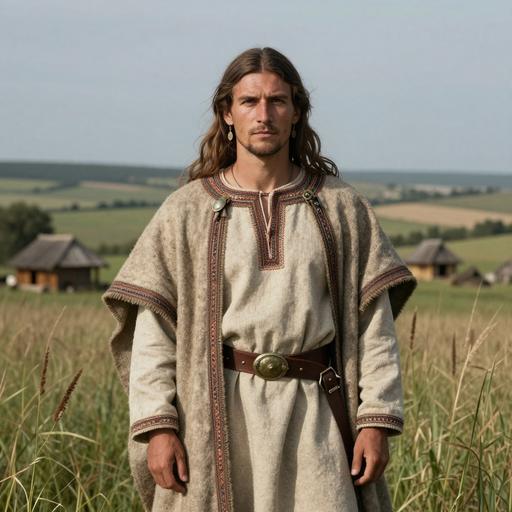
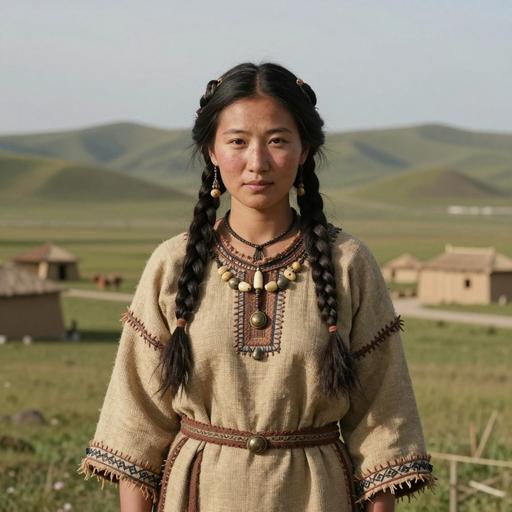
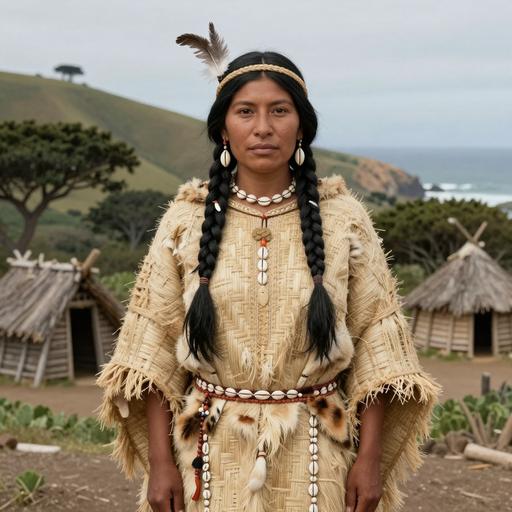
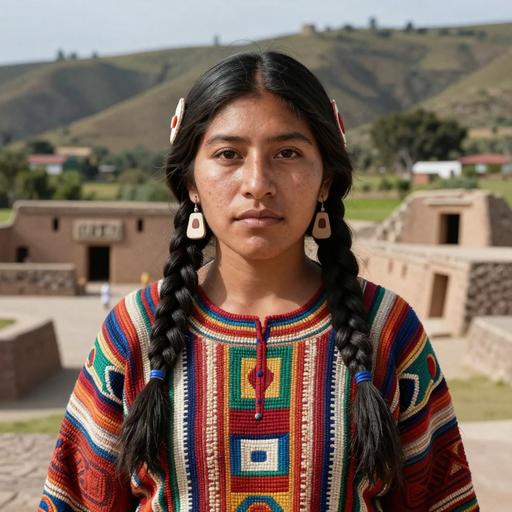
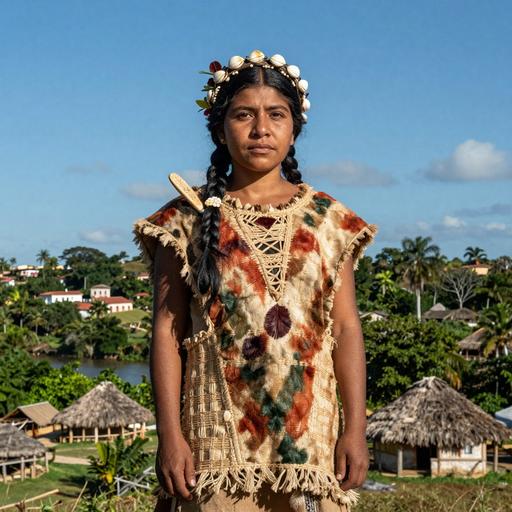
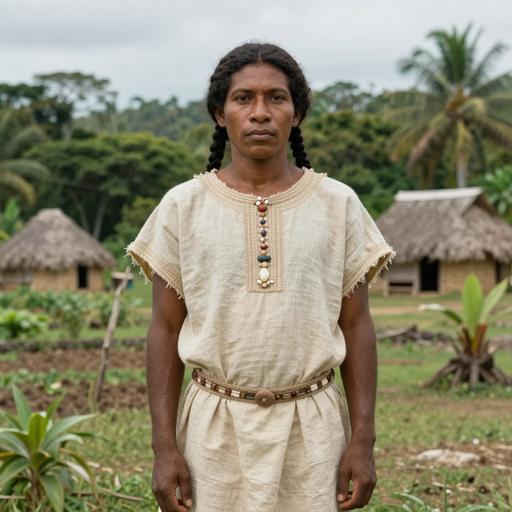
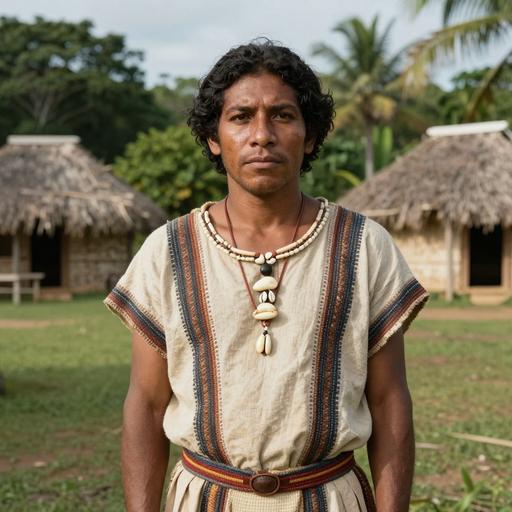
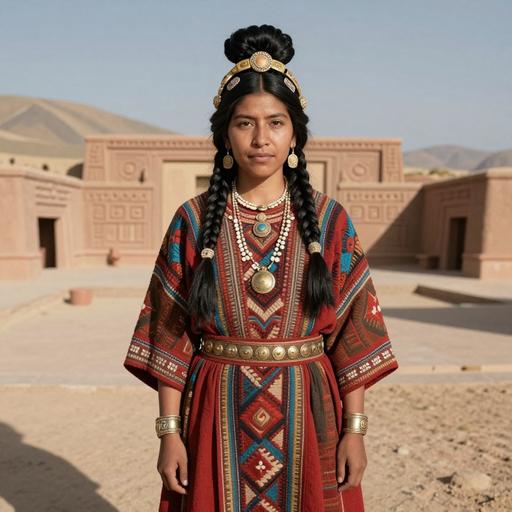
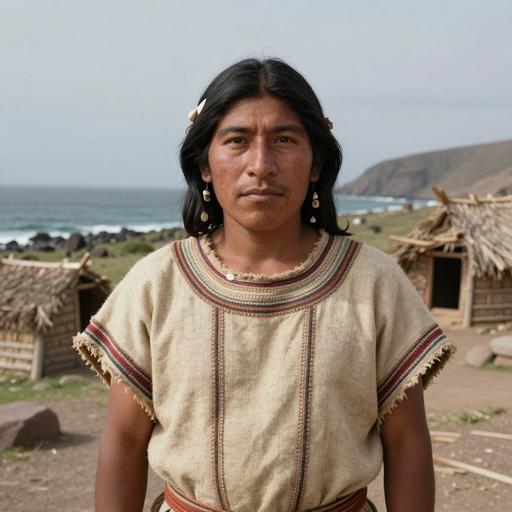
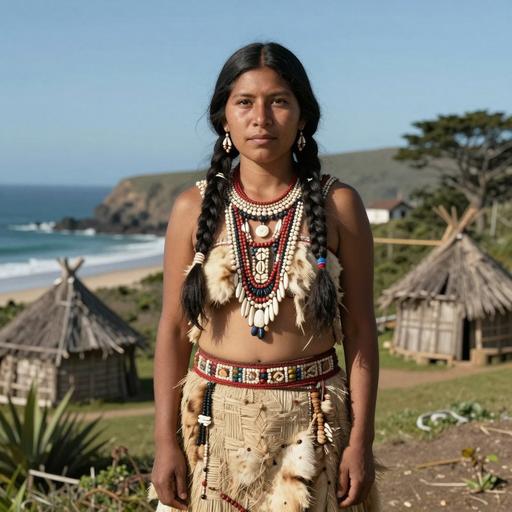
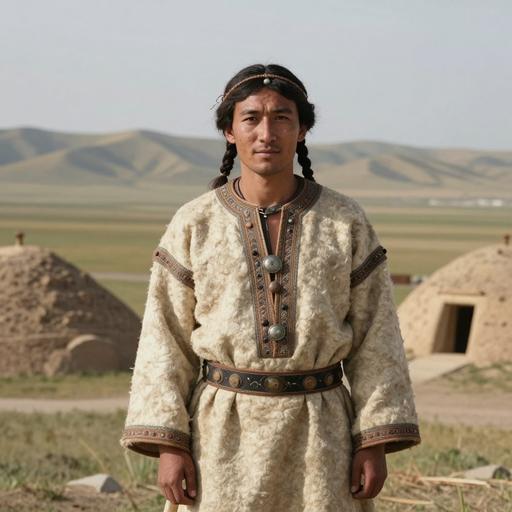
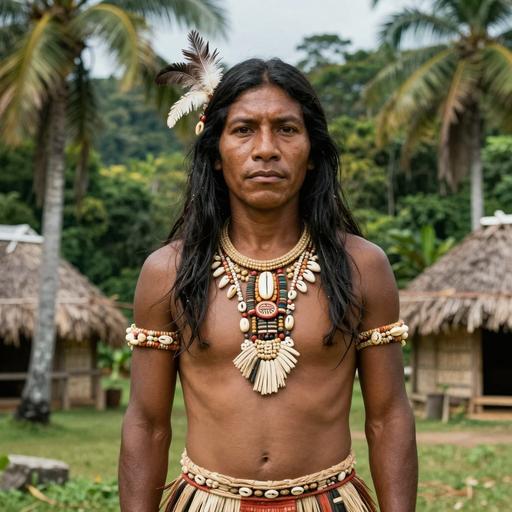
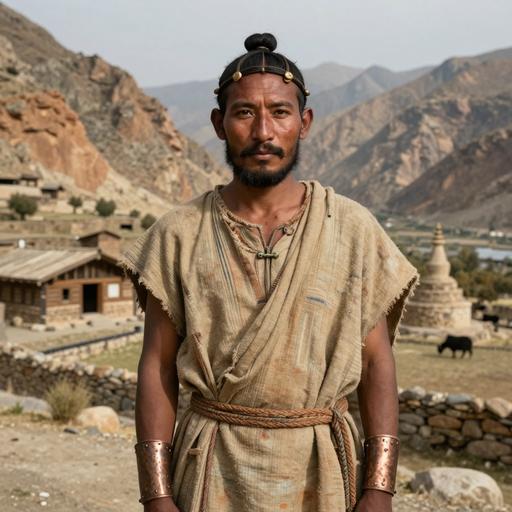
Les portraits sont des illustrations générées par IA. Les libellés d'échantillon et identifiants d'accès désignent les enregistrements de référence.
Portrait
Échantillon
Pays
Époque
Date
Culture
mtDNA
Correspondance
Identifiant d'échantillon : BRE014
Kazakhstan
Iron Age Kazakhstan
250-402 calCE (1733±18 BP)
Kazakh Iron Age
A
Direct
Identifiant d'échantillon : BRE004
Kazakhstan
Iron Age Kazakhstan
253-402 calCE (1728±13 BP)
Kazakh Iron Age
A
Direct
Identifiant d'échantillon : MM-240
Hungary
Hungary EarlyAvar
436-600 calCE (1534±23 BP, D-AMS010445)
Early Avar
A+152+16362
Direct
Identifiant d'échantillon : SGZ002
Kazakhstan
Iron Age Sarmatian, Kazakhstan
500-300 BCE
Sarmatian Culture
A
Direct
Identifiant d'échantillon : I16812
Hungary
Early Avar Period in Transtisza, Hungary
600-650 CE
Avar Culture
A
Direct
Identifiant d'échantillon : OBT-106
Hungary
Hungary LateAvar
600-800 CE
Avar Culture
A
Direct
Identifiant d'échantillon : MT-74
Hungary
Middle Avar Period Hungary
645-758 calCE (1358±19 BP, DeA-26557)
Avar Culture
A
Direct
Identifiant d'échantillon : SZRV-266
Hungary
Hungary LateAvar
702-878 calCE (1234±16 BP, DeA-26578)
Avar Culture
A
Direct
Identifiant d'échantillon : C1207
China
Iron Age Jierzankale, Xinjiang, China
750-350 BCE
Jierzankale Culture
A
Direct
Identifiant d'échantillon : C1197
China
Iron Age Jierzankale, Xinjiang, China
750-350 BCE
Jierzankale Culture
A
Direct
Identifiant d'échantillon : ESZ002
Kazakhstan
Iron Age Tasmola-Saka Culture, Kazakhstan
770-483 calBCE (2479±25 BP)
Tasmola-Saka Culture
A
Direct
Identifiant d'échantillon : I0577
Russia
Russia Tuva IA AldyBel
900 -700 BCE
Aldy-Bel Culture
A
Direct
Identifiant d'échantillon : NRC001
Mongolia
Late Medieval Uvurkhangai, Mongolia
1000-1500 CE
Uvurkhangai Culture
A
Direct
Identifiant d'échantillon : PDM010
Cuba
Archaic Period Playa del Mango, Cuba
14-125 calCE (1951±20 BP, UOC-6851)
Playa del Mango
A2
Sous-clade
Identifiant d'échantillon : IMA006
Russia
Xiongnu Period Buryatia, Russia
51 calBCE - 70 calCE (2012±23 BP, MAMS-43520)
Xiongnu Buryat
A24
Sous-clade
Identifiant d'échantillon : DA81
Kyrgyzstan
The Hun Period in Kyrgyzstan
166 CE - 412 CE
Hunnic Period
A16
Sous-clade
Identifiant d'échantillon : DA71
Kyrgyzstan
The Hun Period in Kyrgyzstan
246 CE - 405 CE
Hunnic Period
A16
Sous-clade
Identifiant d'échantillon : C3318
China
China Xinjiang Caishichang IA
336-53 calBCE
Caishichang Culture
A11
Sous-clade
Identifiant d'échantillon : KEN001
Kyrgyzstan
Iron Age Saka Culture, Kyrgyzstan
356-116 calBCE (2170±23 BP)
Saka Culture
A16
Sous-clade
Identifiant d'échantillon : F004
China
Iron Age Xinjiang, China
370 BCE - 190 BCE
Xinjiang Culture
A17
Sous-clade
Identifiant d'échantillon : C1647
China
China Xinjiang Wutulan IA
450-50 BCE
Wutulan Culture
A14
Sous-clade
Identifiant d'échantillon : C1634
China
China Xinjiang Wutulan IA
403-233 calBCE
Wutulan Culture
A26
Sous-clade
Identifiant d'échantillon : CH-01
USA
Mainland Chumash Culture, California, USA
416 CE - 545 CE
Mainland Chumash
A2
Sous-clade
Identifiant d'échantillon : I0971
Peru
Middle Horizon Lima Coast, Peru 1,000 Years Ago
500-900 CE
Lima Coast
A2
Sous-clade
Identifiant d'échantillon : CAO030
Cuba
Archaic Period Canimar Abajo, Cuba
550-750 CE
Canimar Abajo
A2
Sous-clade
Identifiant d'échantillon : ZAA001
Mongolia
Mongolia Bulgan EarlyMedieval LateMedieval
550-1200 CE
Medieval Mongolia
A24
Sous-clade
Identifiant d'échantillon : SZRV-54
Hungary
Hungary EarlyAvar
600-700 CE
Early Avar
A10
Sous-clade
Identifiant d'échantillon : DA89
Kazakhstan
Turkic Period Kazakhstan
645 CE - 822 CE
Turkic Period
A14
Sous-clade
Identifiant d'échantillon : I18300
Dominican Republic
Ceramic Period Atajadizo, Dominican Republic
650-1650 CE
Atajadizo Ceramic
A2
Sous-clade
Identifiant d'échantillon : CIP008
Cuba
Archaic Period Cueva Perico, Cuba
659-775 calCE (1308±22 BP, MAMS-39631)
Cueva Perico
A2
Sous-clade
Identifiant d'échantillon : I17906
Dominican Republic
Ceramic Period Atajadizo, Dominican Republic
708-884 calCE (1215±20 BP, PSUAMS-7367)
Atajadizo Ceramic
A2
Sous-clade
Identifiant d'échantillon : GUY002
Cuba
Archaic Period Guayabo Blanco, Cuba
749-409 calBCE (2440±22 BP, MAMS-44100)
Guayabo Blanco
A2
Sous-clade
Identifiant d'échantillon : I2243
Peru
Middle Horizon to Late Intermediate Period Lambayeque Culture, Peru
750-1300 CE
Lambayeque Culture
A2
Sous-clade
Identifiant d'échantillon : I2540
Chile
Middle Horizon Caleta Huelen, Chile 1,100 Years Ago
750-1150 CE
Caleta Huelen
A2
Sous-clade
Identifiant d'échantillon : C3353
China
China Xinjiang Songshugou EIA
800-450 BCE
Songshugou Culture
A26
Sous-clade
Identifiant d'échantillon : CR-01
USA
Santa Cruz Island Chumash Culture, California, USA
774 CE - 1022 CE
Island Chumash
A2
Sous-clade
Identifiant d'échantillon : MJ-52
Kazakhstan
Tasmola Culture in Kazakhstan
795 BCE - 546 BCE
Tasmola
A23
Sous-clade
Identifiant d'échantillon : I13326
Puerto Rico
Ceramic Period Monserrate, Puerto Rico
500-1400 CE
Monserrate Culture
A2
Sous-clade
Identifiant d'échantillon : DAR002
Mongolia
Early Iron Age to Late Medieval Mongolia
800-350 BCE
Mongolian
A11
Sous-clade
Identifiant d'échantillon : CNE1
Nepal
Iron Age Nepal
850-550 BCE
Nepal Iron Age
A17
Sous-clade
Identifiant d'échantillon : I15593
Dominican Republic
Ceramic Period La Caleta, Dominican Republic
897-1024 calCE (1070±20 BP, PSUAMS-8808)
La Caleta
A2
Sous-clade
Identifiant d'échantillon : I13324
Puerto Rico
Ceramic Period Santa Elena, Puerto Rico
1150-1350 CE
Santa Elena Culture
A2
Sous-clade
Identifiant d'échantillon : SZAK-6
Hungary
Conqueror Elite Hungary
900-1000 CE
Magyar Elite Culture
A16
Sous-clade
Identifiant d'échantillon : K3-12
Hungary
Conqueror Elite Hungary
960 CE - 1000 CE
Magyar Elite Culture
A13
Sous-clade
Identifiant d'échantillon : PDI010
Puerto Rico
Ceramic Period Paso del Indio, Puerto Rico
994-1163 calCE (973±41 BP, AA-75123)
Paso del Indio Culture
A2
Sous-clade
Identifiant d'échantillon : KRN002
Mongolia
Mongolia Selenge LateMedieval
1000-1500 CE
Selenge Culture
A18
Sous-clade
Identifiant d'échantillon : I8547
Dominican Republic
Ceramic Period Andres, Dominican Republic
1038-1160 calCE (935±20 BP, PSUAMS-7289)
Andres Ceramic
A2
Sous-clade
Identifiant d'échantillon : I15975
Dominican Republic
Ceramic Period La Caleta, Dominican Republic
1041-1174 calCE (920±15 BP, PSUAMS-9166)
La Caleta
A2
Sous-clade
Identifiant d'échantillon : SM-02
USA
San Miguel Island Chumash Culture, California, USA
1174 CE - 1269 CE
Chumash
A2
Sous-clade
Identifiant d'échantillon : PDI008
Puerto Rico
Ceramic Period Paso del Indio, Puerto Rico
1219 CE - 1386 CE
Paso del Indio Culture
A2
Sous-clade
Identifiant d'échantillon : BRE014
Iron Age Kazakhstan - Kazakhstan - Central Kazakhstan. Berel Necropolis. object 68. no. 1
Kazakhstan Iron Age Kazakhstan 250-402 calCE (1733±18 BP)
ADirect
Identifiant d'échantillon : BRE004
Iron Age Kazakhstan - Kazakhstan - Central Kazakhstan. Berel Necropolis. object 69
Kazakhstan Iron Age Kazakhstan 253-402 calCE (1728±13 BP)
ADirect
Identifiant d'échantillon : MM-240
Early Avar Period Hungary - Hungary - Csongrád-Csanád County. Makó-Mikócsa-halom
Ceramic Period La Caleta, Dominican Republic - Dominican Republic - La Caleta
Dominican Republic Ceramic Period La Caleta, Dominican Republic 1041-1174 calCE (920±15 BP, PSUAMS-9166)
A2Sous-clade
Identifiant d'échantillon : SM-02
San Miguel Island Chumash Culture, California, USA - USA - San Miguel Island. CA
USA San Miguel Island Chumash Culture, California, USA 1174 CE - 1269 CE
A2Sous-clade
Identifiant d'échantillon : PDI008
Ceramic Period Paso del Indio, Puerto Rico - Puerto Rico - Vega Baja. Paso del Indio
Puerto Rico Ceramic Period Paso del Indio, Puerto Rico 1219 CE - 1386 CE
A2Sous-clade
LIGNÉE MATERNELLE · ADN ANTIQUE
Carte des preuves de lignées antiques
Suivez les clades parents jusqu'à cette branche et explorez où des porteurs antiques ont été identifiés.
Chargement des observations antiques…
La réduction des animations est activée. Utilisez la chronologie ou Tout afficher pour explorer à votre rythme.
Lire les observations sous forme de tableau
Observations antiques affichées par branche, période et date médiane
Branche
Période
Plage de dates
Échantillon
Identifiant d'échantillon
Emplacement
Haplogroupe
Relation
Les marqueurs indiquent des lieux de découvertes archéologiques. Un trait pointillé représente une transition géographique proposée et incertaine entre branches consécutives, appuyée sur plusieurs observations datées ; ce n'est pas un itinéraire exact, un lieu de naissance ni une preuve de descendance directe. Des échantillons de clades parents peuvent appartenir à d'autres branches descendantes. Des lacunes subsistent lorsque les preuves sont insuffisantes. Les dates d'échantillon diffèrent des dates de formation des haplogroupes.
Le regroupement par période historique reflète quand chaque individu antique a vécu, en combinant toutes les branches de cette chaîne de lignée ; ce n'est pas une séquence migratoire ni une chronologie personnelle entre périodes.
Profil de référence
Carte de répartition des porteurs
Répartition géographique de 100 échantillons d'ADN ancien (porteurs directs et de sous-clade de A)
Porteur direct Porteur de sous-clade
Filtre de période
Toutes les périodes
Affichage de tous les échantillons
Profil de référence
Répartition temporelle
Répartition des porteurs selon les périodes archéologiques
Profil de référence
Répartition géographique
Effectifs par pays d'échantillon consigné. Ils reflètent la sélection de référence disponible, pas des fréquences de population.
Profil de référence
Répartition pays × époque
Comparez les effectifs d'échantillons consignés selon les pays et les périodes archéologiques. Sélectionnez une cellule renseignée pour examiner un échantillon.
Données
Données et provenance
Informations sur les sources et qualité des données
Dernière mise à jour2026-02-09
Source des données
La classification, les dates estimées et le contexte géographique reflètent les données de référence consignées et peuvent évoluer lorsque les éléments sont révisés. La couverture d'échantillons est inégale ; les lieux consignés et les associations archéologiques n'établissent pas une origine personnelle ni une identité culturelle.