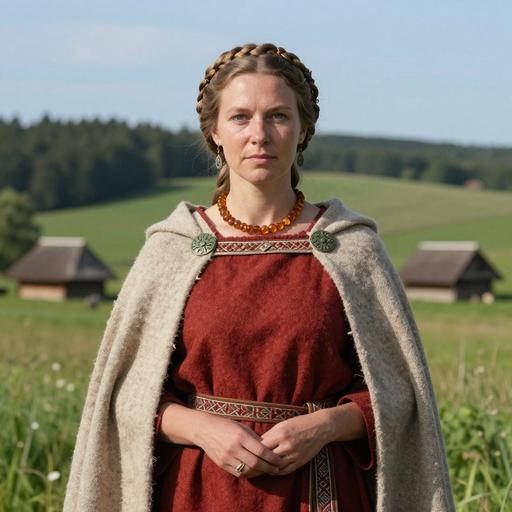
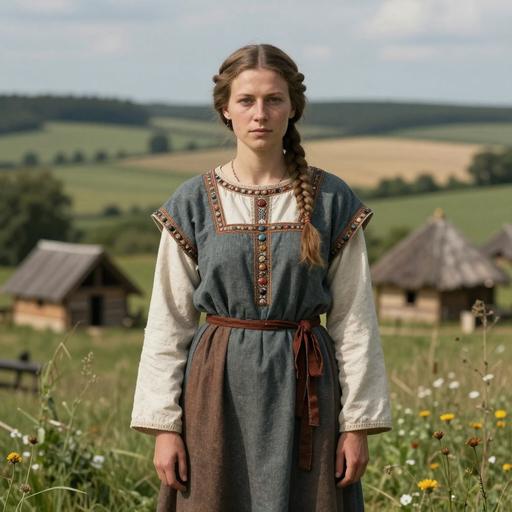
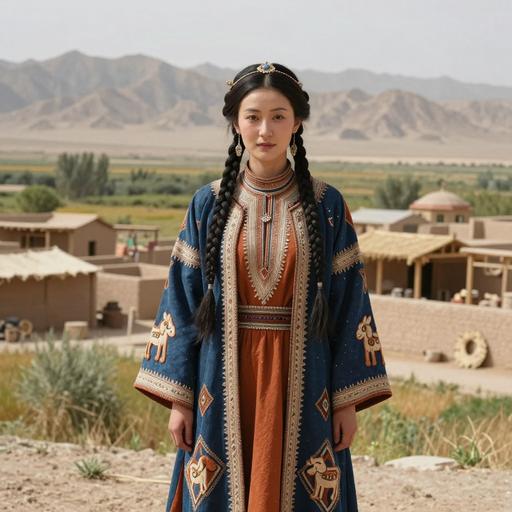
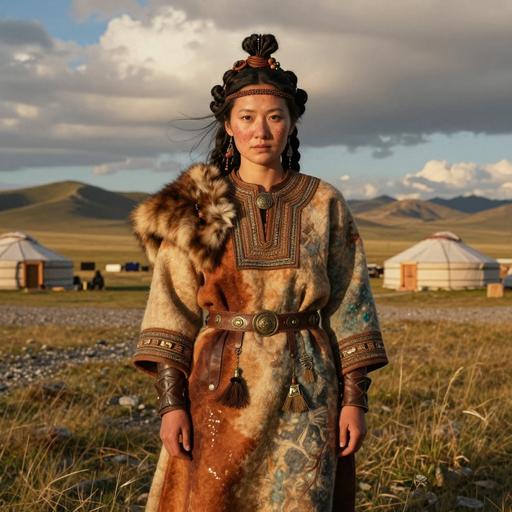
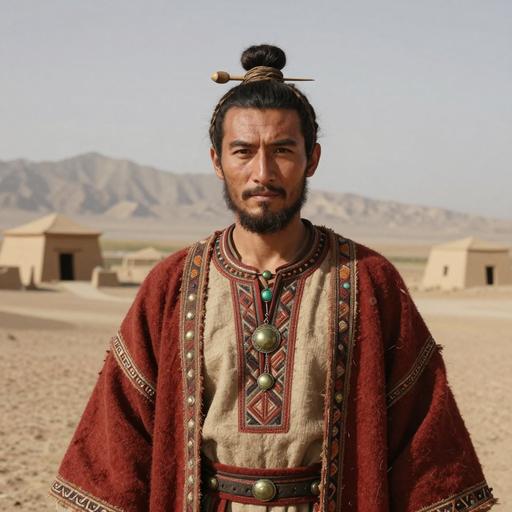
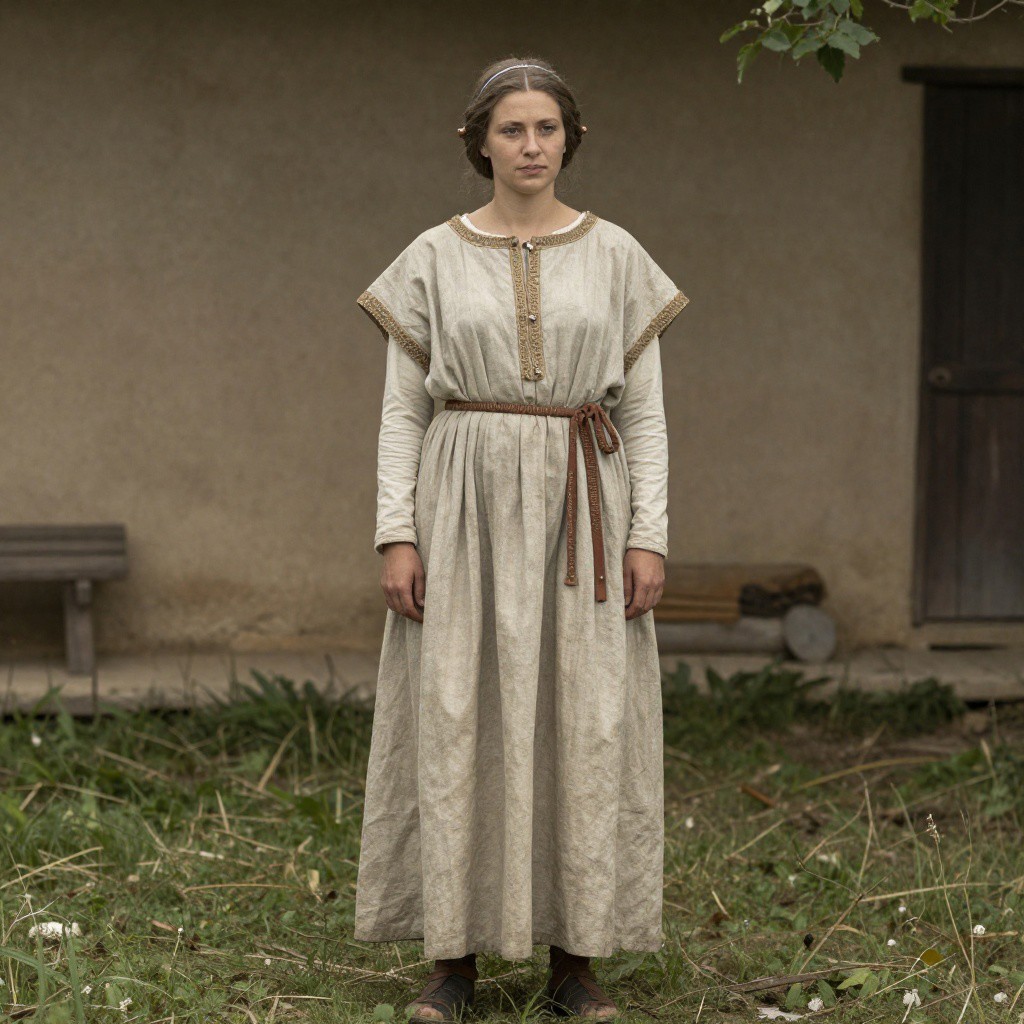
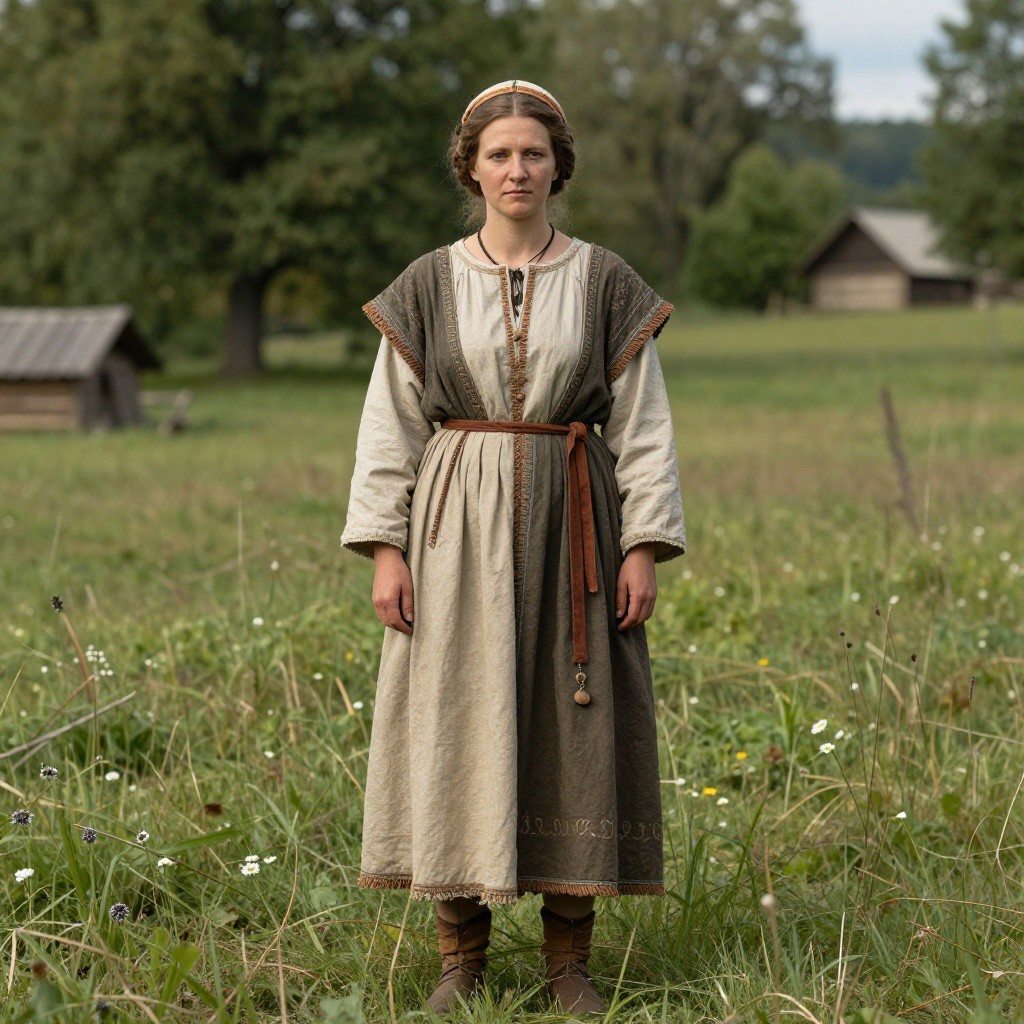
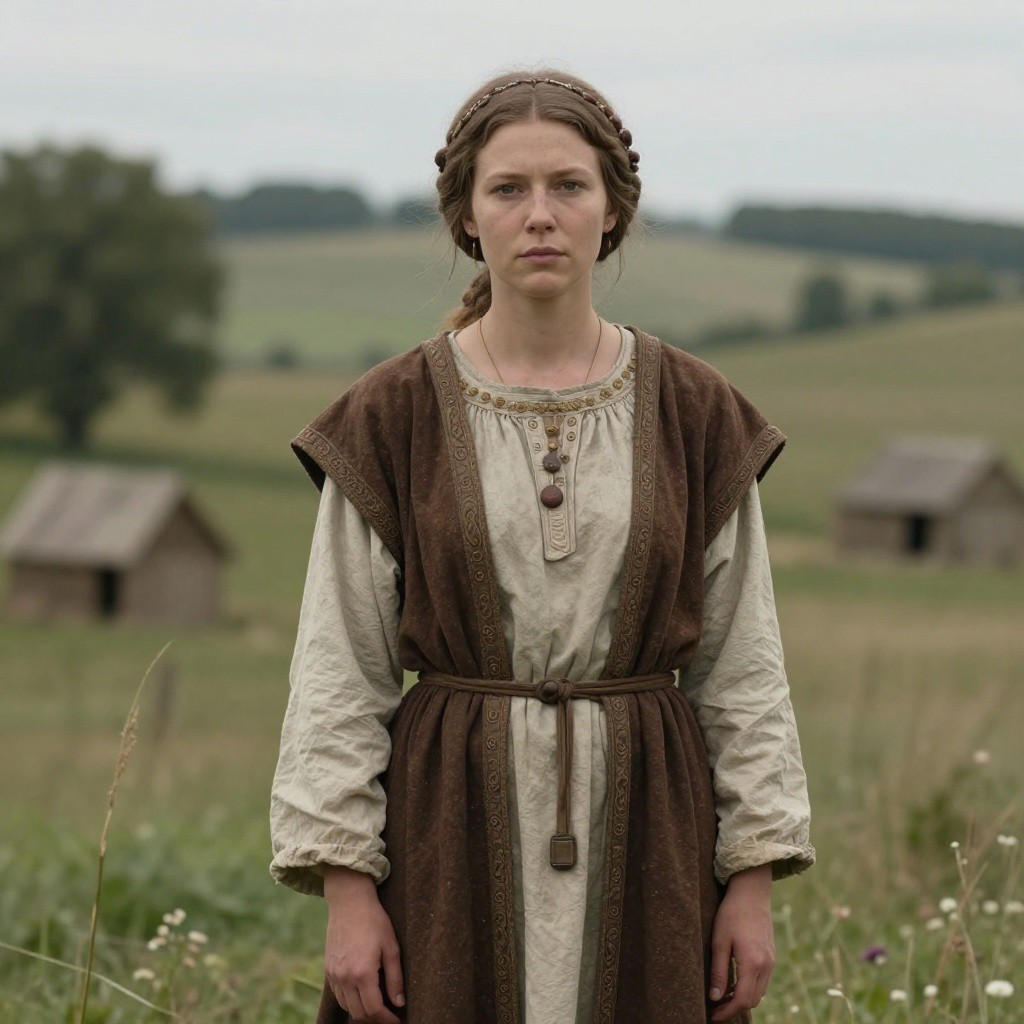
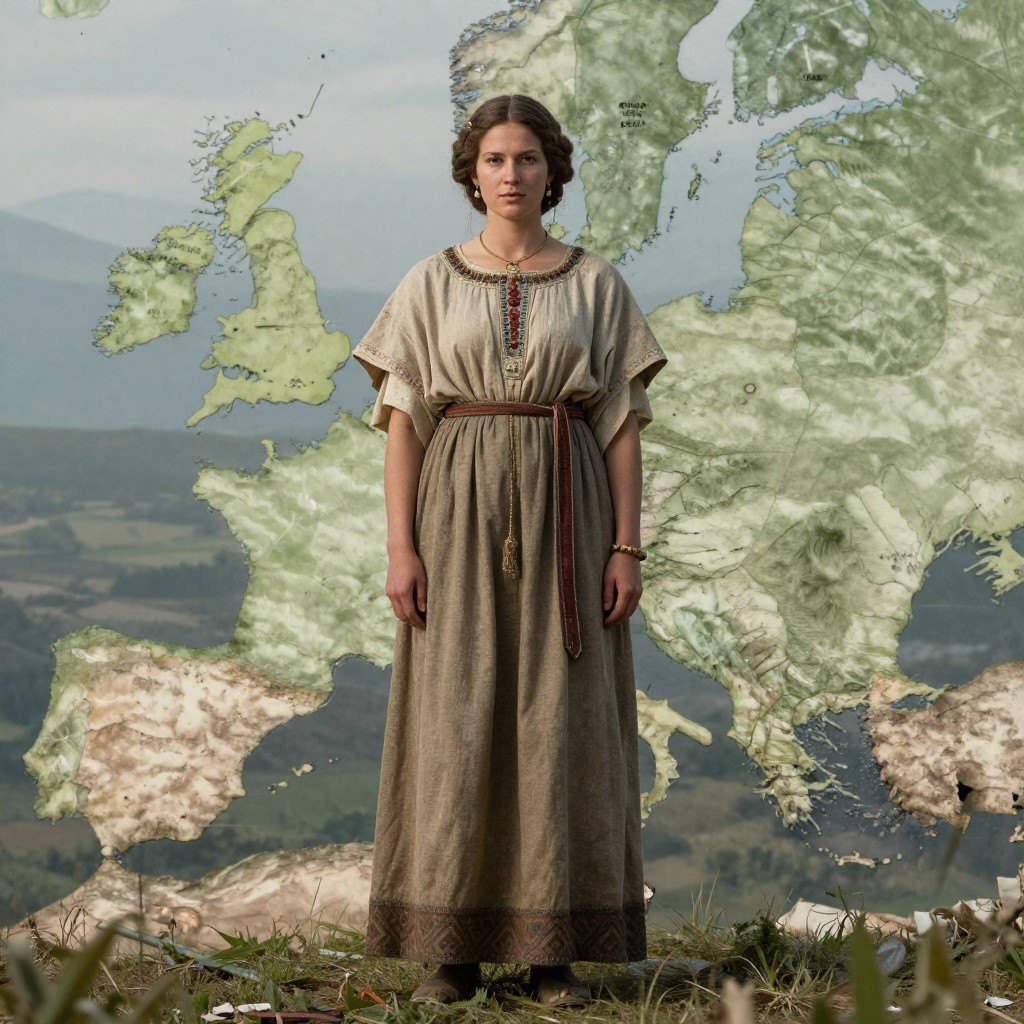
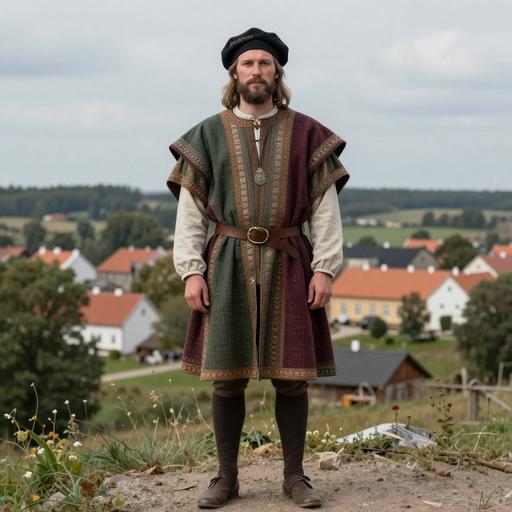
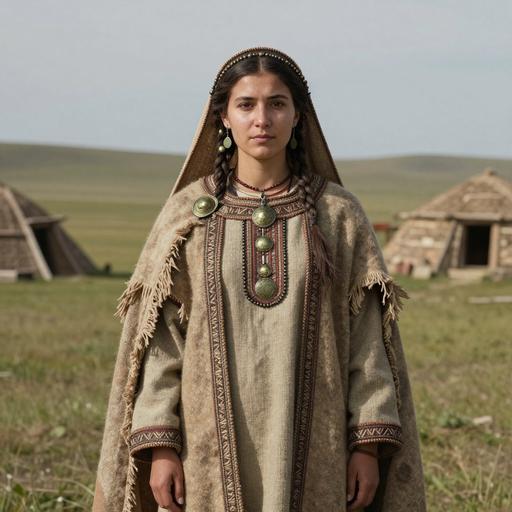
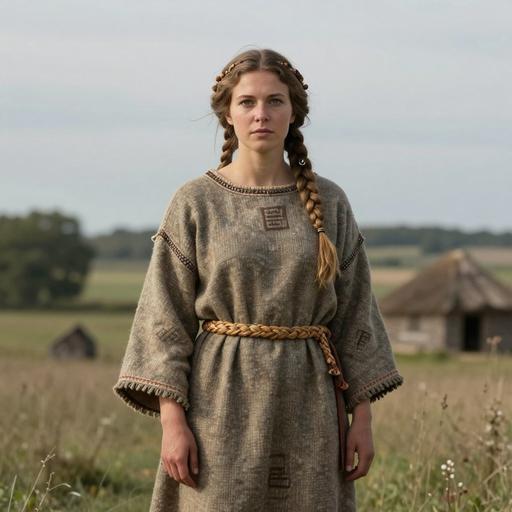
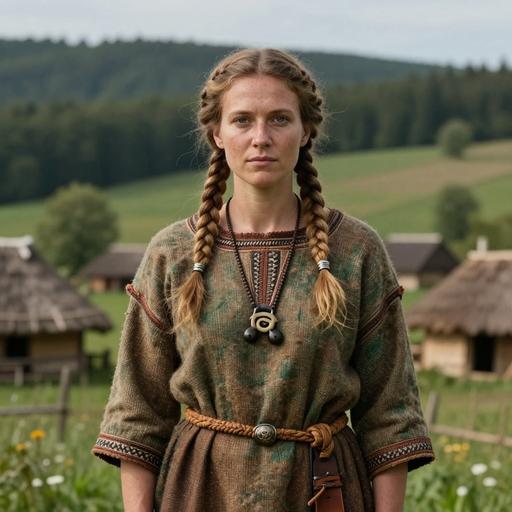
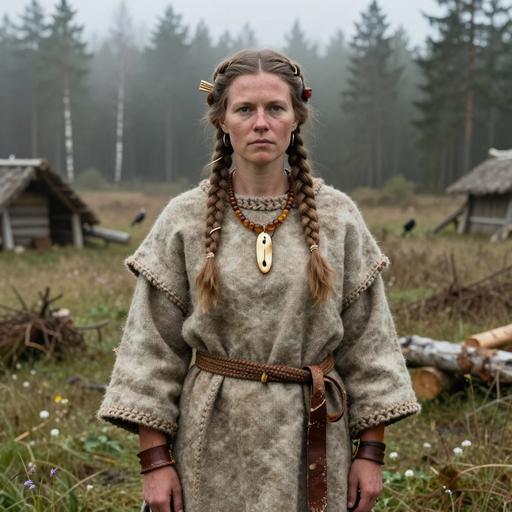
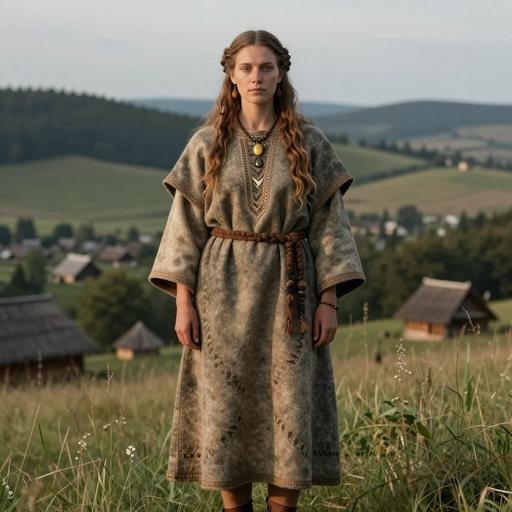
Profil de référence pour une branche de lignée. Des haplogroupes partagés n'établissent pas de lien familial ni d'identité culturelle.
Profil de référence
Contexte de la branche
Contexte historique de la branche de lignée mtDNA H5A1
Origins and Evolution
H5A1 is a subclade of mtDNA haplogroup H5A (often written H5a), itself part of the broader H5 branch of haplogroup H. Based on the phylogenetic position of H5A1 beneath H5A and the estimated time depth of H5A in the early Holocene, H5A1 most likely arose in the Near East / West Asia during the early Neolithic or late pre-Neolithic (roughly ~8–9 kya). Its emergence fits a pattern seen for many H5 sublineages: origin in West Asia followed by dispersal into Europe during post‑glacial recolonization and the Neolithic agricultural expansion.
Subclades (if applicable)
H5A1 itself is one branch within H5A and may contain downstream sublineages (for example, named subbranches recorded in some databases as H5A1a/H5A1b etc.). These downstream lineages are typically regionally restricted and can show local founder effects. Subclade structure within H5A1 is useful for resolving more recent maternal expansions in Europe and the Near East, and for tracing lineages that contributed to modern population structure in Mediterranean and southern European regions.
Geographical Distribution
H5A1 is most frequently observed in Southern Europe and the Mediterranean basin but is also present at lower to moderate frequencies across much of Western, Eastern, and parts of Central Europe. The haplogroup is found in the Near East and Anatolia, and occurs at low to moderate frequencies in the Caucasus and North Africa. H5A1 has been reported in several Jewish communities (notably some Ashkenazi and other Levantine-derived maternal lineages), where founder events have locally increased its frequency. Ancient DNA studies recover H5A and some of its subclades in Neolithic and later archaeological contexts across southeastern Europe and the Mediterranean, consistent with dispersal with farming and subsequent regional demographic processes.
Historical and Cultural Significance
The distribution and age of H5A1 link it to major demographic transitions in West Eurasia: the post‑glacial recolonization of Europe, the spread of Neolithic farmers from Anatolia/Levant, and later population movements and local expansions during the Bronze and Iron Ages. In southern Europe and certain island contexts, H5A1 (and its sublineages) can reflect maritime connectivity and localized drift or founder effects. Its presence in some Jewish maternal lineages also highlights how small community sizes and founder events can shape haplogroup frequencies over historical time.
Conclusion
H5A1 is a regionally informative maternal lineage tracing back to the Near East in the early Holocene, which contributed to the maternal genetic pool of southern and western Europe through Neolithic and post‑Neolithic processes. Studying H5A1 and its subclades helps clarify fine‑scale maternal demographic history in the Mediterranean and adjacent regions and complements broader analyses based on other H5 sublineages and non‑maternal markers.
Points clés
Origins and Evolution
Subclades (if applicable)
Geographical Distribution
Historical and Cultural Significance
Conclusion
Profil de référence
Arbre et relations
Contexte phylogénétique et sous-clades
Voie évolutive
Suivez les branches parentes consignées jusqu'à H5A1. Les dates sont des estimations et peuvent évoluer lorsque les données de référence sont révisées.
The populations where MTDNA haplogroup H5A1 is found include:
Southern European populations (Italy, Greece, Balkans, Mediterranean islands)
Western European populations (France, Iberia at moderate levels)
Eastern European and Balkan populations (Balkans, Poland, Ukraine at lower to moderate levels)
Near Eastern and Anatolian populations (Turkey, Levant)
Caucasus populations (Armenia, Georgia, Azerbaijan at low to moderate levels)
Jewish communities (notably some Ashkenazi and other Levantine-derived maternal lineages)
North African populations (Maghreb, at low to moderate frequencies)
Small frequencies in parts of Central Asia and Mediterranean island populations
Contexte historique
Une branche dans le temps
Formation estimée sur une chronologie historique large. Les repères de période servent de contexte et n'impliquent pas de lien avec des cultures particulières.
Il y a ~10k ans
Révolution néolithique
Début de l'agriculture et émergence de communautés sédentaires
Il y a ~8.5k ans
Haplogroupe H5A1
Formation estimée de cette branche mtDNA ; les dates et les lieux sont des estimations de référence.
Cette branche
Il y a ~5k ans
Âge du bronze
Travail des métaux, écriture et premières civilisations
Il y a ~3k ans
Âge du fer
Outils en fer, réseaux d'échanges élargis
Il y a ~2.5k ans
Antiquité classique
Floraison des civilisations grecque et romaine
Aujourd'hui
Aujourd'hui
Époque moderne
Profil de référence
Contexte archéologique
Associations archéologiques consignées pour la branche mtDNA H5A1
Associations consignées
Ces libellés décrivent des contextes archéologiques consignés pour des échantillons de référence liés à H5A1. Une association n'établit pas que tous les porteurs appartenaient à une culture ni qu'ils ont suivi une route migratoire précise.
Les attributions culturelles reposent sur le contexte archéologique des échantillons d'ADN ancien et peuvent refléter des associations régionales à certaines périodes.
Profil de référence
Catalogue d'échantillons
57 porteurs directs et 20 porteurs de sous-clade de l'haplogroupe H5A1
10 affiché(s) · 50 échantillons correspondants
Aucun échantillon ne correspond à ces filtres. Essayez un autre libellé, lieu ou période.
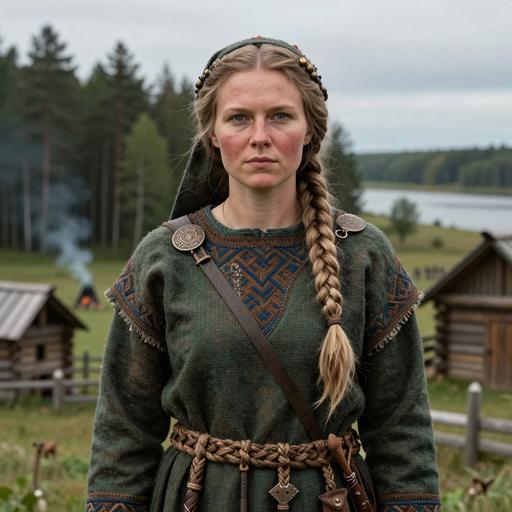
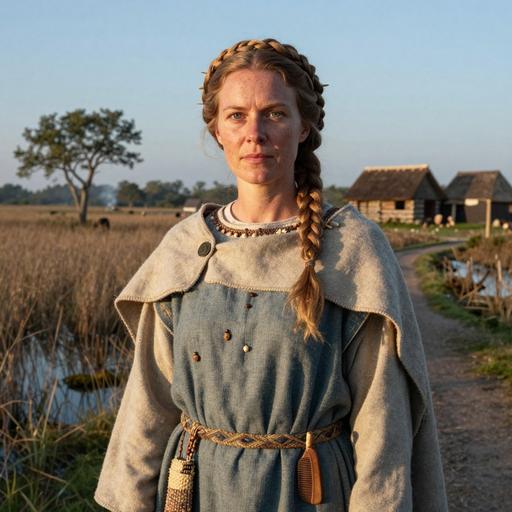
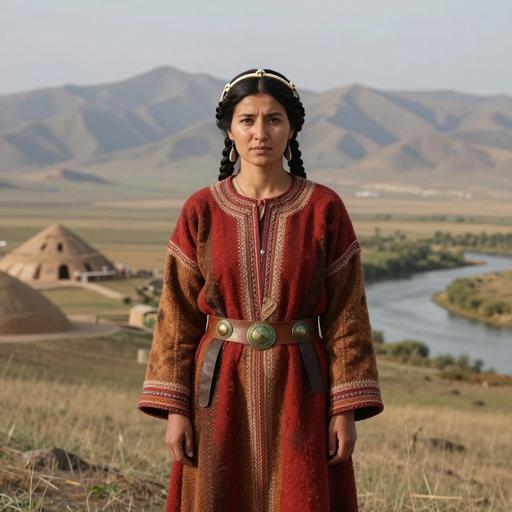
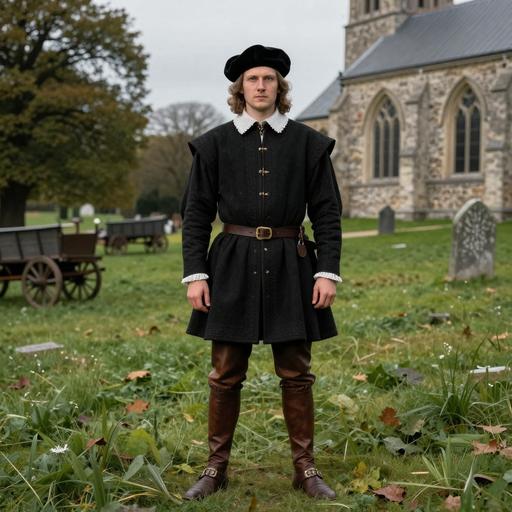
Les portraits sont des illustrations générées par IA. Les libellés d'échantillon et identifiants d'accès désignent les enregistrements de référence.
Late Bronze Age Scotland - United Kingdom - Scotland. Covesea Cave 2
United Kingdom Scotland LBA 969-812 calBCE (2738±29 BP, SUERC-68715)
H5a1Direct
Identifiant d'échantillon : PCA0378
Iron Age Santok Culture - Poland - Santok (Lubusz Province, Gorzów Wielkopolski, Santok)
Poland Iron Age Santok Culture 1000-1200 CE
H5a1Direct
Identifiant d'échantillon : UKR027
UKR027
Ukraine Ukraine LateMedieval 1100-1200 CE
H5a1Direct
Identifiant d'échantillon : RISE499
Karasuk Culture, Russia - Russia - Bystrovka
Russia Russia Karasuk 1400 BCE - 900 BCE
H5a1Direct
Identifiant d'échantillon : CGG100498
Medieval Danish - Denmark - Vor Frue Kirkegård (Aalborg)
Denmark Denmark Medieval 1400-1450 CE
H5a1Direct
Identifiant d'échantillon : RISE499
Russia The Karasuk Culture 1400 BCE - 900 BCE
H5a1Direct
Identifiant d'échantillon : I11973
Middle Bronze Age Netherlands - Netherlands - Noord-Holland. Westwoud-Binnenwijzend
Netherlands Netherlands MBA 1415-1230 calBCE (3065±30 BP, Poz-86327)
H5a1Direct
Identifiant d'échantillon : KZL004
Late Bronze Age Tasmola Culture, Kazakhstan - Kazakhstan - Karaganda Region. Aktogay District. Mount Begazy on the right bank of Karatal River. Kyzyl. mound 5
Kazakhstan Late Bronze Age Tasmola Culture, Kazakhstan 1436-1296 calBCE (3109±22 BP)
H5a1Direct
Identifiant d'échantillon : CGG100453
Danish Post-Medieval - Denmark - Vor Frue Kirkegård (Aalborg)
Denmark Danish Post-Medieval 1536 CE - 1806 CE
H5a1Direct
Identifiant d'échantillon : kro013
Southern Swedish Post-Medieval Culture - Sweden - Kronan (Kalmar län, Mörbylånga)
Sweden Southern Swedish Post-Medieval Culture 1676 CE
H5a1Direct
Identifiant d'échantillon : UKR055-I
UKR055-I
Ukraine Ukraine BA 1873-1566 calBCE (3404±35, UBA-48163)
H5a1Direct
Identifiant d'échantillon : MX277
Early Bronze Age Singen, Southern Germany - Germany - Southern Germany. Singen
Germany Early Bronze Age Singen, Southern Germany 1936-1751 calBCE (3526±23 BP, BE-9211.1.1)
H5a1Direct
Identifiant d'échantillon : I1061
Mid-Late Bronze Sintashta - Russia - Kamennyi Ambar 5 Cemetery
Russia Russia MLBA Sintashta 2050-1700 BCE
H5a1Direct
Identifiant d'échantillon : I4075
Bell Beaker Culture, Netherlands - Netherlands - Noord-Holland. Oostwoud. De Tuithoorn
Netherlands Bell Beaker Culture, Netherlands 2127-1933 calBCE (3635±20 BP, PSUAMS-2337)
H5a1Direct
Identifiant d'échantillon : I4249
Bell Beaker Culture, Germany - Germany - Irlbach LKR
Germany Bell Beaker Culture, Germany 2341 BCE - 2141 BCE
H5a1Direct
Identifiant d'échantillon : I4249
Germany The Bell Beaker Culture 2341 BCE - 2141 BCE
H5a1Direct
Identifiant d'échantillon : I5655
Bell Beaker Culture, Germany - Germany - Irlbach LKR
Germany Bell Beaker Culture, Germany 2500 BCE - 2000 BCE
H5a1Direct
Identifiant d'échantillon : I5655
Germany The Bell Beaker Culture 2500 BCE - 2000 BCE
Suivez les clades parents jusqu'à cette branche et explorez où des porteurs antiques ont été identifiés.
Chargement des observations antiques…
La réduction des animations est activée. Utilisez la chronologie ou Tout afficher pour explorer à votre rythme.
Lire les observations sous forme de tableau
Observations antiques affichées par branche, période et date médiane
Branche
Période
Plage de dates
Échantillon
Identifiant d'échantillon
Emplacement
Haplogroupe
Relation
Les marqueurs indiquent des lieux de découvertes archéologiques. Un trait pointillé représente une transition géographique proposée et incertaine entre branches consécutives, appuyée sur plusieurs observations datées ; ce n'est pas un itinéraire exact, un lieu de naissance ni une preuve de descendance directe. Des échantillons de clades parents peuvent appartenir à d'autres branches descendantes. Des lacunes subsistent lorsque les preuves sont insuffisantes. Les dates d'échantillon diffèrent des dates de formation des haplogroupes.
Le regroupement par période historique reflète quand chaque individu antique a vécu, en combinant toutes les branches de cette chaîne de lignée ; ce n'est pas une séquence migratoire ni une chronologie personnelle entre périodes.
Profil de référence
Carte de répartition des porteurs
Répartition géographique de 77 échantillons d'ADN ancien (porteurs directs et de sous-clade de H5A1)
Porteur direct Porteur de sous-clade
Filtre de période
Toutes les périodes
Affichage de tous les échantillons
Profil de référence
Répartition temporelle
Répartition des porteurs selon les périodes archéologiques
Profil de référence
Répartition géographique
Effectifs par pays d'échantillon consigné. Ils reflètent la sélection de référence disponible, pas des fréquences de population.
Profil de référence
Répartition pays × époque
Comparez les effectifs d'échantillons consignés selon les pays et les périodes archéologiques. Sélectionnez une cellule renseignée pour examiner un échantillon.
Données
Données et provenance
Informations sur les sources et qualité des données
Dernière mise à jour2026-02-16
Score de confiance50/100
CouvertureLow
Source des données
La classification, les dates estimées et le contexte géographique reflètent les données de référence consignées et peuvent évoluer lorsque les éléments sont révisés. La couverture d'échantillons est inégale ; les lieux consignés et les associations archéologiques n'établissent pas une origine personnelle ni une identité culturelle.
Un haplogroupe suit une seule lignée maternelle ou paternelle. La branche que l’on peut prédire dépend des marqueurs présents dans le fichier ADN.
Nos méthodes d’analyse