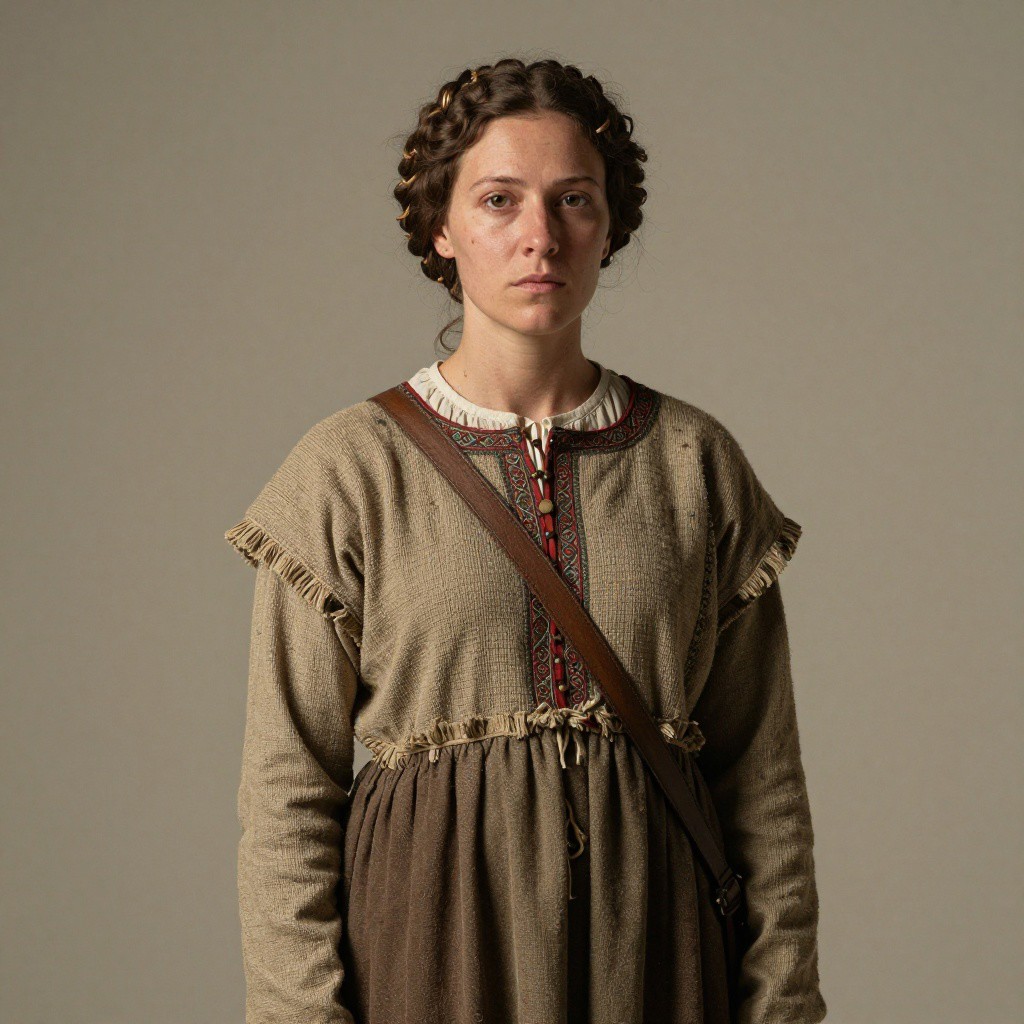
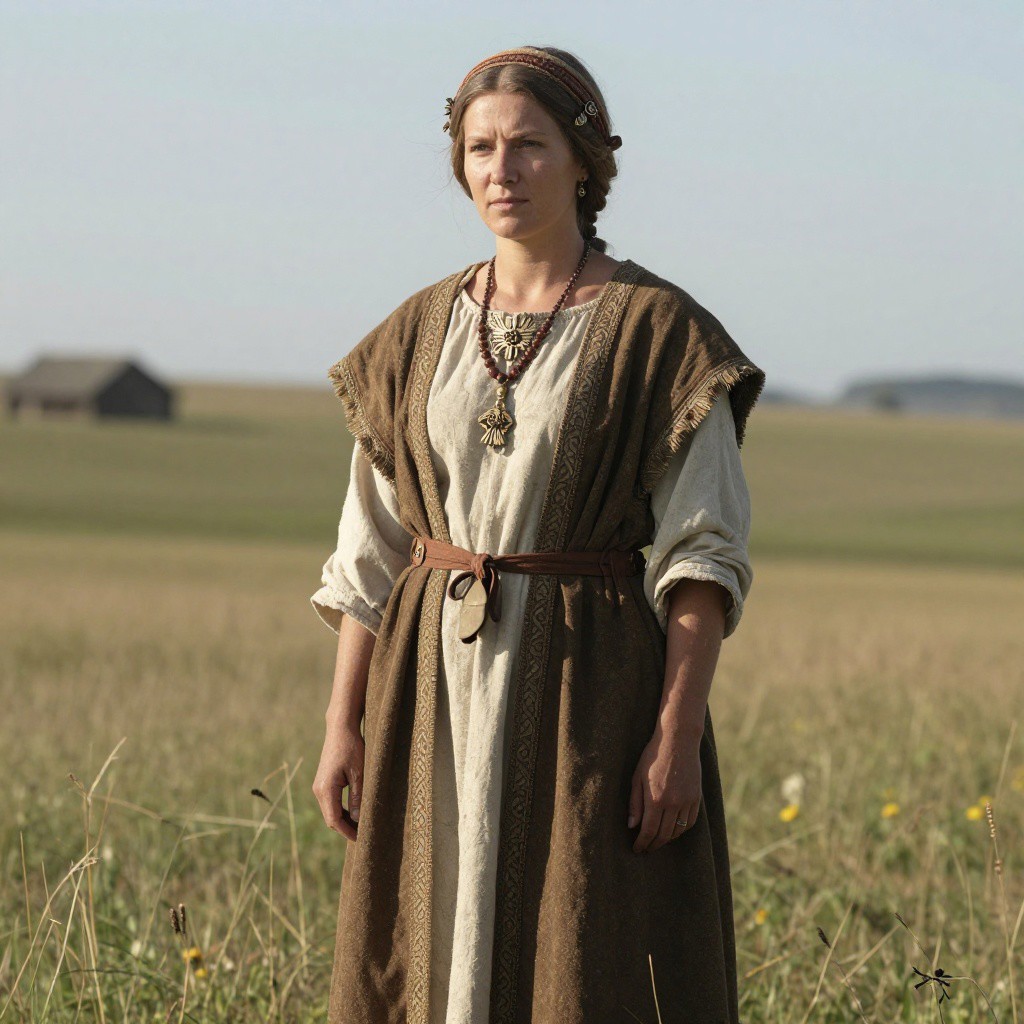
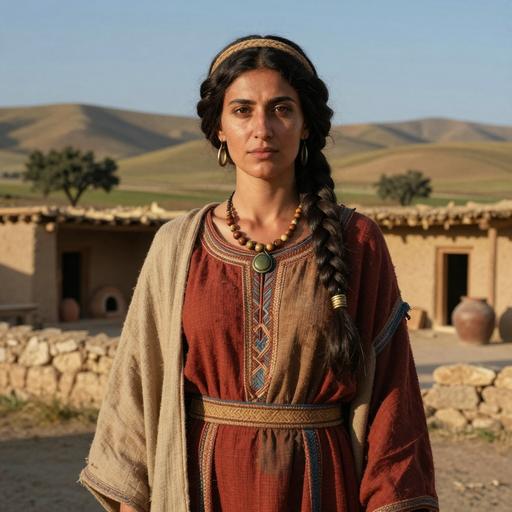
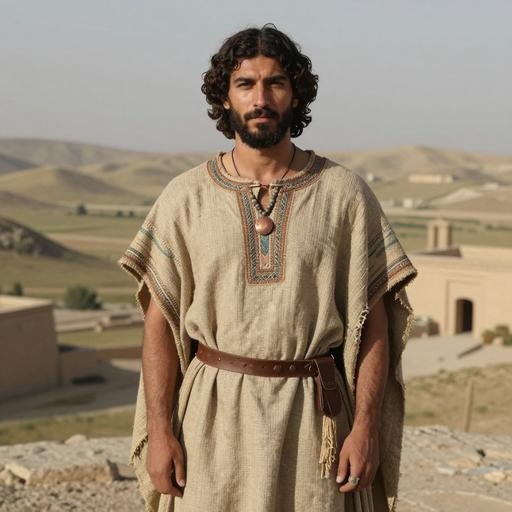
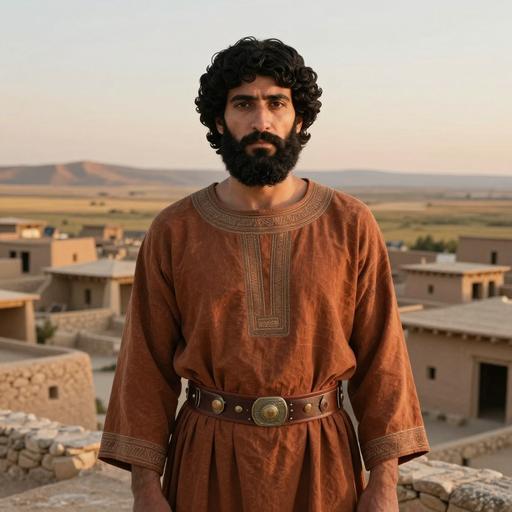
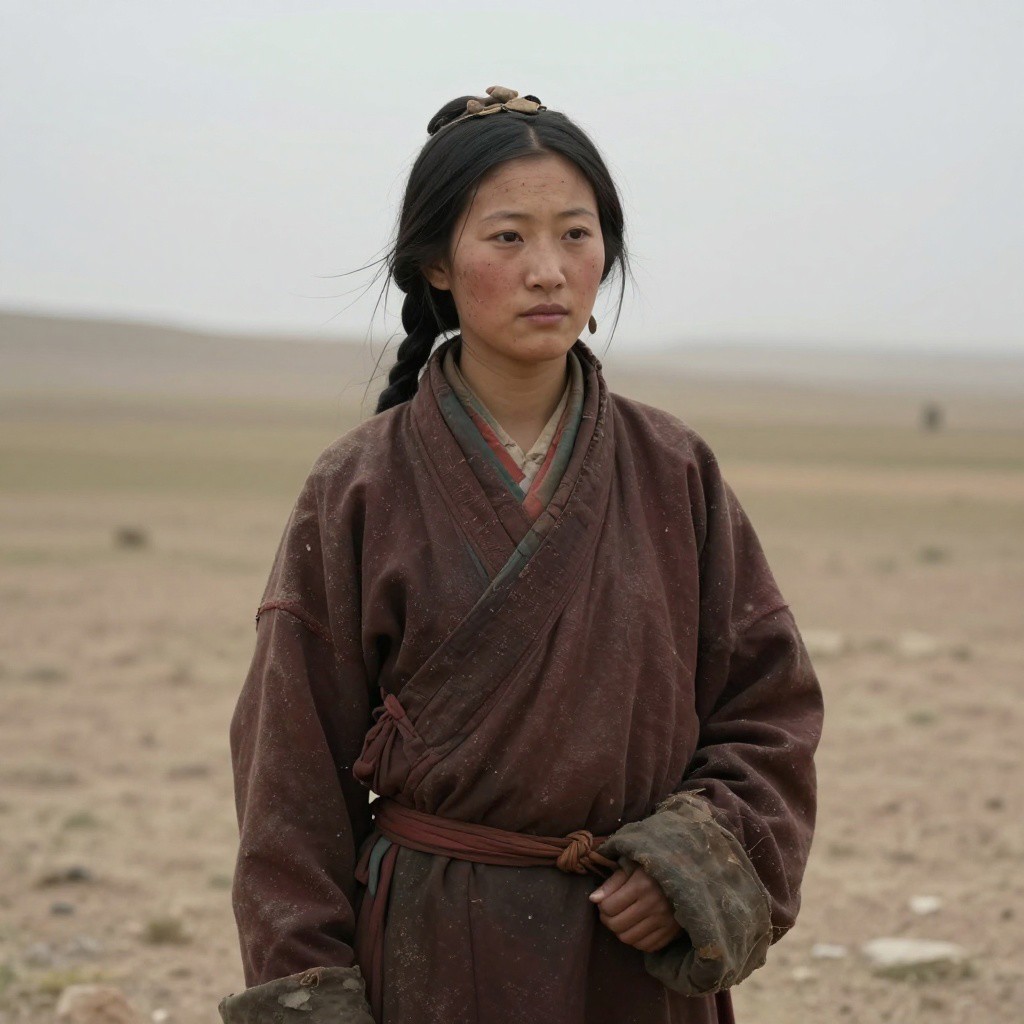
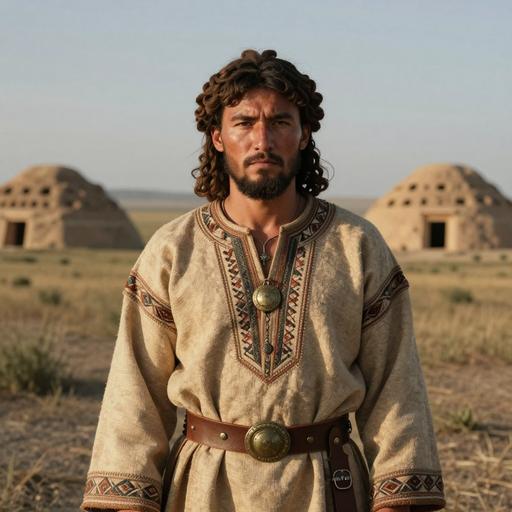
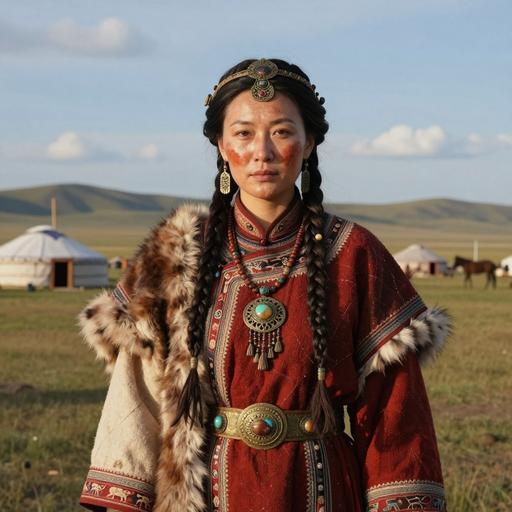
Profil de référence pour une branche de lignée. Des haplogroupes partagés n'établissent pas de lien familial ni d'identité culturelle.
Profil de référence
Contexte de la branche
Contexte historique de la branche de lignée mtDNA J2B1
Origins and Evolution
mtDNA haplogroup J2B1 is a maternal subclade of J2B, itself part of the broader haplogroup J. Based on the phylogenetic position of J2B under J and the time depth estimated for J2B (~12 kya), J2B1 most likely arose in the Near East during the early Holocene (roughly ~10 kya). Its emergence fits a pattern of post-glacial demographic expansions and early Neolithic movements that redistributed maternal lineages from refugial and Neolithic source regions into the Mediterranean, Europe, the Caucasus and adjacent parts of North Africa.
Subclades (if applicable)
J2B1 is defined by downstream mutations that distinguish it from other J2B branches. The internal structure of J2B1 appears relatively shallow in published and public phylogenies, with a number of locally restricted sub-branches detected in modern population surveys and increasingly seen in ancient DNA (aDNA) samples. These subclades often reflect local founder events (for example: island or coastal founder effects in the Mediterranean) rather than broad continent-wide expansions.
Geographical Distribution
In modern populations J2B1 is most commonly reported at low-to-moderate frequency in Southern Europe (particularly Mediterranean mainland and islands), Anatolia and the Levant, parts of the Caucasus, and coastal North Africa. Low frequencies are also seen in some Central Asian populations and in selected Jewish communities (both Ashkenazi and Sephardi) where the lineage likely reflects admixture from Near Eastern or Mediterranean maternal pools. The haplogroup has been identified in approximately 30 aDNA samples in curated databases, placing it in archaeological contexts that span the early Holocene through later prehistoric periods, consistent with a role in Neolithic and post-Neolithic population processes.
Historical and Cultural Significance
The distributional pattern of J2B1 aligns with demographic processes associated with Anatolian-derived early farmers and maritime Neolithic expansions along the Mediterranean (e.g., Cardial/Impressed Ware-related dispersals). The presence of J2B1 in the Caucasus and parts of North Africa is consistent with both overland and coastal connectivity across the Near East and Mediterranean littoral zones. In later periods, limited long-distance dispersals (for example Phoenician, Greek, Roman, and historic Islamic-era movements) likely contributed to the patchy, low-frequency occurrence of J2B1 beyond its core Near Eastern–Mediterranean range. In many contexts J2B1 functions as one of several maternal lineages that mark the genetic signature of early farmers and subsequent regional admixture events.
Conclusion
J2B1 is a Near Eastern–rooted maternal lineage that spread with post-glacial and early Neolithic demographic processes into the Mediterranean, Europe, the Caucasus and North Africa. Its modern and ancient distribution reflects a history of early farming-associated dispersals, subsequent localized founder effects, and later historical-scale movements that dispersed Near Eastern maternal lineages across the Mediterranean world. Continued sampling of modern populations and increasing numbers of well-dated ancient genomes will further clarify the finer substructure and migration history of J2B1 and its subbranches.
Points clés
Origins and Evolution
Subclades (if applicable)
Geographical Distribution
Historical and Cultural Significance
Conclusion
Profil de référence
Arbre et relations
Contexte phylogénétique et sous-clades
Voie évolutive
Suivez les branches parentes consignées jusqu'à J2B1. Les dates sont des estimations et peuvent évoluer lorsque les données de référence sont révisées.
The populations where MTDNA haplogroup J2B1 is found include:
European populations (particularly Southern Europe and Mediterranean islands)
Middle Eastern populations (Anatolia, Levant)
North African populations (coastal areas)
Caucasus region populations
Some populations in Central Asia
Jewish populations (observed at low frequencies in some Ashkenazi and Sephardi groups)
Contexte historique
Une branche dans le temps
Formation estimée sur une chronologie historique large. Les repères de période servent de contexte et n'impliquent pas de lien avec des cultures particulières.
Il y a ~10k ans
Révolution néolithique
Début de l'agriculture et émergence de communautés sédentaires
Il y a ~10k ans
Haplogroupe J2B1
Formation estimée de cette branche mtDNA ; les dates et les lieux sont des estimations de référence.
Cette branche
Il y a ~5k ans
Âge du bronze
Travail des métaux, écriture et premières civilisations
Il y a ~3k ans
Âge du fer
Outils en fer, réseaux d'échanges élargis
Il y a ~2.5k ans
Antiquité classique
Floraison des civilisations grecque et romaine
Aujourd'hui
Aujourd'hui
Époque moderne
Profil de référence
Contexte archéologique
Associations archéologiques consignées pour la branche mtDNA J2B1
Associations consignées
Ces libellés décrivent des contextes archéologiques consignés pour des échantillons de référence liés à J2B1. Une association n'établit pas que tous les porteurs appartenaient à une culture ni qu'ils ont suivi une route migratoire précise.
Alföld Linear PotteryAVKHungary_MN_Szakalhat_cIron Gates CultureLinear Pottery CultureMalak Preslavets CultureStarčevo CultureStarčevo-CrișSzakálhát Group
Les attributions culturelles reposent sur le contexte archéologique des échantillons d'ADN ancien et peuvent refléter des associations régionales à certaines périodes.
Profil de référence
Catalogue d'échantillons
14 porteurs directs et 86 porteurs de sous-clade de l'haplogroupe J2B1
10 affiché(s) · 50 échantillons correspondants
Aucun échantillon ne correspond à ces filtres. Essayez un autre libellé, lieu ou période.
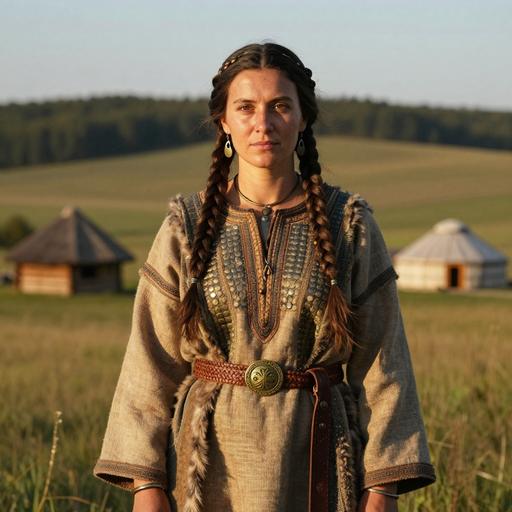
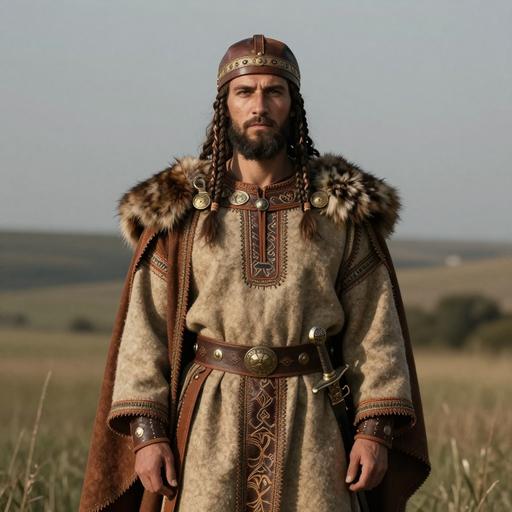
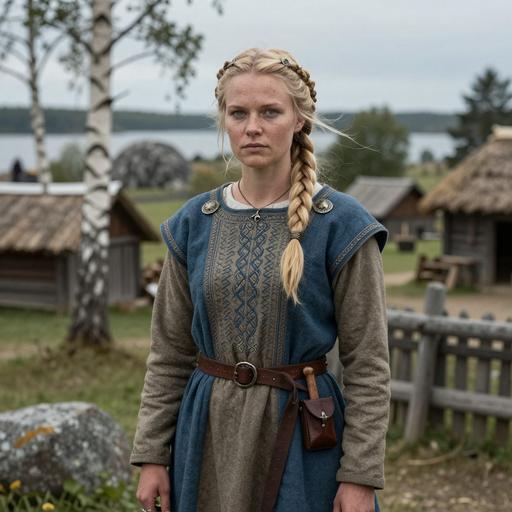
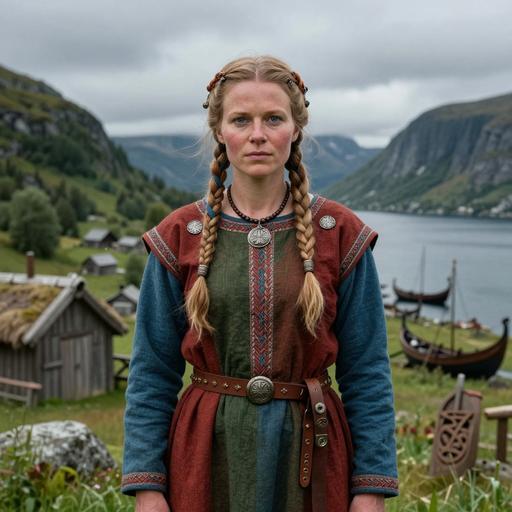
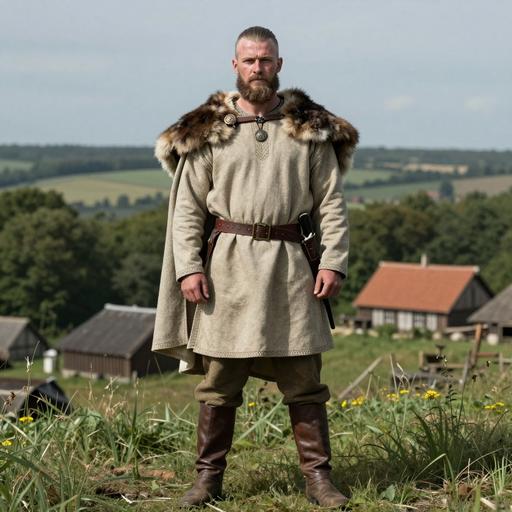
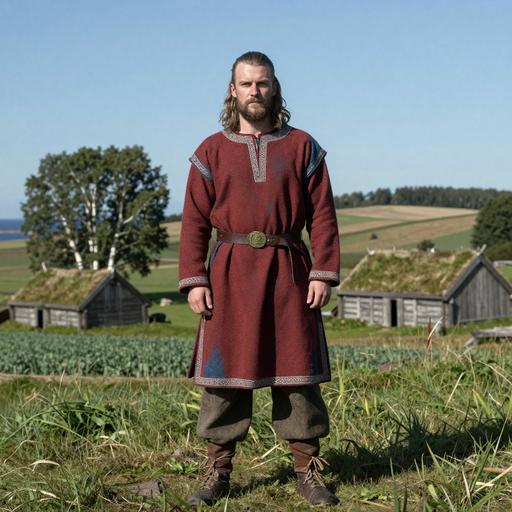
Les portraits sont des illustrations générées par IA. Les libellés d'échantillon et identifiants d'accès désignent les enregistrements de référence.
Portrait
Échantillon
Pays
Époque
Date
Culture
mtDNA
Correspondance
Identifiant d'échantillon : I14800
United Kingdom
England MIA
382-197 calBCE (2216±30 BP, SUERC-95009)
Middle Iron Age British
J2b1
Direct
Identifiant d'échantillon : SZ5
Hungary
Langobard Period Hungary
400-650 CE
Langobard Culture
J2b1
Direct
Identifiant d'échantillon : I7651
Italy
Italy Sicily IA b IA c Punic
500-300 BCE
Italy_Sicily_IA_b_IA_c_Punic
J2b1
Direct
Identifiant d'échantillon : MGS038
Austria
Austria Avar
650-800 CE
Austria_Avar
J2b1
Direct
Identifiant d'échantillon : MGS185
Austria
Austria Avar
650-800 CE
Austria_Avar
J2b1
Direct
Identifiant d'échantillon : MGS188
Austria
Austria Avar
650-800 CE
Austria_Avar
J2b1
Direct
Identifiant d'échantillon : I14644
Turkey
Turkey IA
778-520 calBCE (2500±30 BP, PSUAMS-6833)
Anatolian Iron Age
J2b1
Direct
Identifiant d'échantillon : I18246
Hungary
The Prescythian Mezocsat Culture in Hungary
900-650 BCE
Mezocsat Culture
J2b1
Direct
Identifiant d'échantillon : I4355
Iran
Iran Hasanlu IA
1011-860 calBCE (2795±20 BP, PSUAMS-2772)
Hasanlu Culture
J2b1
Direct
Identifiant d'échantillon : I16537
Armenia
Late Bronze Age Armenia
1115-932 calBCE (2860±20 BP, PSUAMS-7889)
Late Bronze Age Armenian
J2b1
Direct
Identifiant d'échantillon : XAN030
Greece
Late Minoan Culture
1300-1250 BCE
Minoan
J2b1
Direct
Identifiant d'échantillon : XAN027
Greece
Late Minoan Culture
1350-1100 BCE
Minoan
J2b1
Direct
Identifiant d'échantillon : MA2205
Turkey
Turkey AssyrianColonyPeriod
2000 BCE - 1750 BCE
Assyrian Trading Colony
J2b1
Direct
Identifiant d'échantillon : MA2205
Turkey
Middle to Late Bronze Age Anatolia
2000 BCE - 1750 BCE
J2b1
Direct
Identifiant d'échantillon : PLDW9
China
China Tibet Pulanduowa IA
50-350 CE
China_Tibet_Pulanduowa_IA
J2b1a1
Sous-clade
Identifiant d'échantillon : BRE005
Kazakhstan
Iron Age Kazakhstan
32 calBCE - 113 calCE (1975±13 BP)
Kazakh Iron Age
J2b1a2a
Sous-clade
Identifiant d'échantillon : TMI001
Mongolia
Early Medieval Xiongnu
40 calBCE - 109 calCE (1985±15 BP, GrM-12946)
Xiongnu
J2b1a2a
Sous-clade
Identifiant d'échantillon : PCA0035
Poland
Wielbark Culture
100-300 CE
Wielbark
J2b1a5
Sous-clade
Identifiant d'échantillon : R39
Italy
Imperial Rome
81-210 calCE (1900±15 BP, UCIAMS-198887)
Roman Empire
J2b1c1
Sous-clade
Identifiant d'échantillon : PCA0065
Poland
Wielbark Culture
100 CE - 300 CE
Wielbark
J2b1a5
Sous-clade
Identifiant d'échantillon : BUR003
Mongolia
Early Medieval Xiongnu
100 BCE - 150 CE
Xiongnu
J2b1a2a1
Sous-clade
Identifiant d'échantillon : I3327
Spain
Spain IA
250-200 BCE
Iberian Iron Age
J2b1a
Sous-clade
Identifiant d'échantillon : I21402
France
France GrandEst IA2
300-200 BCE
Iron Age II Culture
J2b1b1
Sous-clade
Identifiant d'échantillon : I15532
Serbia
Serbia Roman
300-400 CE
Roman Provincial
J2b1c
Sous-clade
Identifiant d'échantillon : UKR095
Ukraine
Ukraine LIA Scythian
389-204 calBCE (2241±27, UBA-48151)
Ukraine_LIA_Scythian
J2b1a2a
Sous-clade
Identifiant d'échantillon : KOK003
Russia
Iron Age Gorokhov 3, Russia
400-200 BCE
Gorokhov
J2b1a2a
Sous-clade
Identifiant d'échantillon : I20586
United Kingdom
England MIA
400-200 BCE
Middle Iron Age British
J2b1a
Sous-clade
Identifiant d'échantillon : IND007
Germany
Saxon Early Medieval Alt Inden, Germany
400-800 CE
Saxon Culture
J2b1a1
Sous-clade
Identifiant d'échantillon : I22114
Italy
Italy Sardinia Roman IA c Punic Nuragic oEurope
387-208 calBCE (2245±20 BP, PSUAMS-9222)
Italy_Sardinia_Roman_IA_c_Punic_Nuragic-oEurope
J2b1a2
Sous-clade
Identifiant d'échantillon : I12163
Spain
Visigothic Period Girona, Spain
416-700 CE
Visigothic Culture
J2b1a-a
Sous-clade
Identifiant d'échantillon : CL93
Italy
Early Medieval Langobards, Northern Italy
550-650 CE
Langobard
J2b1a
Sous-clade
Identifiant d'échantillon : MGS219
Austria
Austria Avar
650-800 CE
Austria_Avar
J2b1a6
Sous-clade
Identifiant d'échantillon : I20798
Hungary
Late Avar Period in Transtisza, Hungary
700-800 CE
Avar Culture
J2b1a
Sous-clade
Identifiant d'échantillon : scy009
Ukraine
Scythian Culture, Ukraine
766 BCE - 422 BCE
Scythian Culture
J2b1a6
Sous-clade
Identifiant d'échantillon : scy009
Ukraine
The Scythian Culture
766 BCE - 422 BCE
J2b1a6
Sous-clade
Identifiant d'échantillon : VK108
Sweden
Sweden Viking
800 CE - 1200 CE
Viking
J2b1a
Sous-clade
Identifiant d'échantillon : VK526
Norway
Norway Viking
800 CE - 900 CE
Viking Culture
J2b1a3
Sous-clade
Identifiant d'échantillon : VK373
Denmark
Denmark Viking
800 CE - 1100 CE
Viking Denmark
J2b1a24
Sous-clade
Identifiant d'échantillon : VK289
Denmark
Denmark Viking
800 CE - 900 CE
Viking Denmark
J2b1a
Sous-clade
Identifiant d'échantillon : VK108
Sweden
The Viking Age
800 CE - 1200 CE
J2b1a
Sous-clade
Identifiant d'échantillon : VK289
Denmark
The Viking Age
800 CE - 900 CE
J2b1a
Sous-clade
Identifiant d'échantillon : VK373
Denmark
The Viking Age
800 CE - 1100 CE
J2b1a24
Sous-clade
Identifiant d'échantillon : VK526
Norway
The Viking Age
800 CE - 900 CE
J2b1a3
Sous-clade
Identifiant d'échantillon : VK357
Sweden
Sweden Viking
899 CE - 1168 CE
Viking
J2b1a
Sous-clade
Identifiant d'échantillon : VK357
Sweden
The Viking Age
899 CE - 1168 CE
J2b1a
Sous-clade
Identifiant d'échantillon : SH-175
Hungary
Hungary Conqueror Commoner
900-1000 CE
Magyar Commoner Culture
J2b1a
Sous-clade
Identifiant d'échantillon : VK206
United Kingdom
Scotland Viking
900 CE - 1000 CE
Norse-Scottish
J2b1a
Sous-clade
Identifiant d'échantillon : VK220
Russia
Russia Viking
900 CE - 1200 CE
Viking Culture
J2b1a
Sous-clade
Identifiant d'échantillon : VK206
United Kingdom
The Viking Age
900 CE - 1000 CE
J2b1a
Sous-clade
Identifiant d'échantillon : VK220
Russia
The Viking Age
900 CE - 1200 CE
J2b1a
Sous-clade
Identifiant d'échantillon : I14800
Middle Iron Age England - United Kingdom - England. Oxfordshire. Thame
United Kingdom England MIA 382-197 calBCE (2216±30 BP, SUERC-95009)
J2b1Direct
Identifiant d'échantillon : SZ5
Langobard Period Hungary - Hungary - Szólád
Hungary Langobard Period Hungary 400-650 CE
J2b1Direct
Identifiant d'échantillon : I7651
I7651
Italy Italy Sicily IA b IA c Punic 500-300 BCE
J2b1Direct
Identifiant d'échantillon : MGS038
MGS038
Austria Austria Avar 650-800 CE
J2b1Direct
Identifiant d'échantillon : MGS185
MGS185
Austria Austria Avar 650-800 CE
J2b1Direct
Identifiant d'échantillon : MGS188
MGS188
Austria Austria Avar 650-800 CE
J2b1Direct
Identifiant d'échantillon : I14644
Iron Age Turkey - Turkey - Kuriki Höyük (Southeast. Batman)
Turkey Turkey IA 778-520 calBCE (2500±30 BP, PSUAMS-6833)
J2b1Direct
Identifiant d'échantillon : I18246
The Prescythian Mezocsat Culture in Hungary - Hungary - Heves county. Novaj-Földvár
Hungary The Prescythian Mezocsat Culture in Hungary 900-650 BCE
J2b1Direct
Identifiant d'échantillon : I4355
The Iron Age in Hasanlu, Iran - Iran - Hasanlu
Iran Iran Hasanlu IA 1011-860 calBCE (2795±20 BP, PSUAMS-2772)
J2b1Direct
Identifiant d'échantillon : I16537
Late Bronze Age Armenia - Armenia - Pidjut. Znganek monument
Armenia Late Bronze Age Armenia 1115-932 calBCE (2860±20 BP, PSUAMS-7889)
J2b1Direct
Identifiant d'échantillon : XAN030
Late Minoan Culture - Greece - Chania (Crete)
Greece Late Minoan Culture 1300-1250 BCE
J2b1Direct
Identifiant d'échantillon : XAN027
Late Minoan Culture - Greece - Chania (Crete)
Greece Late Minoan Culture 1350-1100 BCE
J2b1Direct
Identifiant d'échantillon : MA2205
Assyrian Colony Period in Turkey - Turkey - Kalehöyük
The Viking Age in Scotland - United Kingdom - Scotland. Orkney. Newark Deerness
United Kingdom Scotland Viking 900 CE - 1000 CE
J2b1aSous-clade
Identifiant d'échantillon : VK220
Viking Age Russia - Russia - Ladoga
Russia Russia Viking 900 CE - 1200 CE
J2b1aSous-clade
Identifiant d'échantillon : VK206
United Kingdom The Viking Age 900 CE - 1000 CE
J2b1aSous-clade
Identifiant d'échantillon : VK220
Russia The Viking Age 900 CE - 1200 CE
J2b1aSous-clade
LIGNÉE MATERNELLE · ADN ANTIQUE
Carte des preuves de lignées antiques
Suivez les clades parents jusqu'à cette branche et explorez où des porteurs antiques ont été identifiés.
Chargement des observations antiques…
La réduction des animations est activée. Utilisez la chronologie ou Tout afficher pour explorer à votre rythme.
Lire les observations sous forme de tableau
Observations antiques affichées par branche, période et date médiane
Branche
Période
Plage de dates
Échantillon
Identifiant d'échantillon
Emplacement
Haplogroupe
Relation
Les marqueurs indiquent des lieux de découvertes archéologiques. Un trait pointillé représente une transition géographique proposée et incertaine entre branches consécutives, appuyée sur plusieurs observations datées ; ce n'est pas un itinéraire exact, un lieu de naissance ni une preuve de descendance directe. Des échantillons de clades parents peuvent appartenir à d'autres branches descendantes. Des lacunes subsistent lorsque les preuves sont insuffisantes. Les dates d'échantillon diffèrent des dates de formation des haplogroupes.
Le regroupement par période historique reflète quand chaque individu antique a vécu, en combinant toutes les branches de cette chaîne de lignée ; ce n'est pas une séquence migratoire ni une chronologie personnelle entre périodes.
Profil de référence
Carte de répartition des porteurs
Répartition géographique de 100 échantillons d'ADN ancien (porteurs directs et de sous-clade de J2B1)
Porteur direct Porteur de sous-clade
Filtre de période
Toutes les périodes
Affichage de tous les échantillons
Profil de référence
Répartition temporelle
Répartition des porteurs selon les périodes archéologiques
Profil de référence
Répartition géographique
Effectifs par pays d'échantillon consigné. Ils reflètent la sélection de référence disponible, pas des fréquences de population.
Profil de référence
Répartition pays × époque
Comparez les effectifs d'échantillons consignés selon les pays et les périodes archéologiques. Sélectionnez une cellule renseignée pour examiner un échantillon.
Données
Données et provenance
Informations sur les sources et qualité des données
Dernière mise à jour2026-02-16
Score de confiance50/100
CouvertureLow
Source des données
La classification, les dates estimées et le contexte géographique reflètent les données de référence consignées et peuvent évoluer lorsque les éléments sont révisés. La couverture d'échantillons est inégale ; les lieux consignés et les associations archéologiques n'établissent pas une origine personnelle ni une identité culturelle.