Menu
mtDNA Haplogroup • Maternal Lineage

J2B1

mtDNA Haplogroup J2B1

~10,000 years ago
Near East
6 subclades
Scroll to explore
Chapter I

The Story

The journey of mtDNA haplogroup J2B1

Origins and Evolution

mtDNA haplogroup J2B1 is a maternal subclade of J2B, itself part of the broader haplogroup J. Based on the phylogenetic position of J2B under J and the time depth estimated for J2B (~12 kya), J2B1 most likely arose in the Near East during the early Holocene (roughly ~10 kya). Its emergence fits a pattern of post-glacial demographic expansions and early Neolithic movements that redistributed maternal lineages from refugial and Neolithic source regions into the Mediterranean, Europe, the Caucasus and adjacent parts of North Africa.

Subclades (if applicable)

J2B1 is defined by downstream mutations that distinguish it from other J2B branches. The internal structure of J2B1 appears relatively shallow in published and public phylogenies, with a number of locally restricted sub-branches detected in modern population surveys and increasingly seen in ancient DNA (aDNA) samples. These subclades often reflect local founder events (for example: island or coastal founder effects in the Mediterranean) rather than broad continent-wide expansions.

Geographical Distribution

In modern populations J2B1 is most commonly reported at low-to-moderate frequency in Southern Europe (particularly Mediterranean mainland and islands), Anatolia and the Levant, parts of the Caucasus, and coastal North Africa. Low frequencies are also seen in some Central Asian populations and in selected Jewish communities (both Ashkenazi and Sephardi) where the lineage likely reflects admixture from Near Eastern or Mediterranean maternal pools. The haplogroup has been identified in approximately 30 aDNA samples in curated databases, placing it in archaeological contexts that span the early Holocene through later prehistoric periods, consistent with a role in Neolithic and post-Neolithic population processes.

Historical and Cultural Significance

The distributional pattern of J2B1 aligns with demographic processes associated with Anatolian-derived early farmers and maritime Neolithic expansions along the Mediterranean (e.g., Cardial/Impressed Ware-related dispersals). The presence of J2B1 in the Caucasus and parts of North Africa is consistent with both overland and coastal connectivity across the Near East and Mediterranean littoral zones. In later periods, limited long-distance dispersals (for example Phoenician, Greek, Roman, and historic Islamic-era movements) likely contributed to the patchy, low-frequency occurrence of J2B1 beyond its core Near Eastern–Mediterranean range. In many contexts J2B1 functions as one of several maternal lineages that mark the genetic signature of early farmers and subsequent regional admixture events.

Conclusion

J2B1 is a Near Eastern–rooted maternal lineage that spread with post-glacial and early Neolithic demographic processes into the Mediterranean, Europe, the Caucasus and North Africa. Its modern and ancient distribution reflects a history of early farming-associated dispersals, subsequent localized founder effects, and later historical-scale movements that dispersed Near Eastern maternal lineages across the Mediterranean world. Continued sampling of modern populations and increasing numbers of well-dated ancient genomes will further clarify the finer substructure and migration history of J2B1 and its subbranches.

Key Points

  • Origins and Evolution
  • Subclades (if applicable)
  • Geographical Distribution
  • Historical and Cultural Significance
  • Conclusion

Chapter II

Tree & Relationships

Phylogenetic context and subclades

Evolution Path

This haplogroup's evolutionary journey from its earliest ancestor to the present.

Steps Haplogroup Age Estimate Archaeology Era Time Passed Immediate Descendants Tested Modern Descendants Ancient Connections
1 J2B1 Current ~10,000 years ago 🌾 Neolithic 10,000 years 6 98 0
2 J2B ~12,000 years ago 🌾 Neolithic 12,000 years 2 104 35
3 J2 ~30,000 years ago 🦴 Paleolithic 30,000 years 2 301 10
4 J ~45,000 years ago 🦴 Paleolithic 45,000 years 4 1,622 16
5 JT ~45,000 years ago 🦴 Paleolithic 45,000 years 2 3,237 1
6 N ~60,000 years ago 🦴 Paleolithic 60,000 years 15 15,452 13
7 L3 ~70,000 years ago 🦴 Paleolithic 70,000 years 11 17,621 6
8 L ~160,000 years ago 🦴 Paleolithic 160,000 years 7 18,987 5

Siblings (1)

Other branches from the same parent haplogroup

Chapter III

Where in the World

Geographic distribution and modern presence


Place of Origin

Near East

Modern Distribution

The populations where MTDNA haplogroup J2B1 is found include:

  1. European populations (particularly Southern Europe and Mediterranean islands)
  2. Middle Eastern populations (Anatolia, Levant)
  3. North African populations (coastal areas)
  4. Caucasus region populations
  5. Some populations in Central Asia
  6. Jewish populations (observed at low frequencies in some Ashkenazi and Sephardi groups)
CHAPTER IV

When in Time

Your haplogroup in the context of human history

~10k years ago

Neolithic Revolution

Agriculture begins, settled communities form

~10k years ago

Haplogroup J2B1

Your mtDNA haplogroup emerged in Near East

Near East
~5k years ago

Bronze Age

Metalworking, writing, and early civilizations

~3k years ago

Iron Age

Iron tools, expanded trade networks

~2k years ago

Classical Antiquity

Greek and Roman civilizations flourish

Present

Present Day

Modern era

Your Haplogroup
Historical Era
Chapter IV-B

Linked Cultures

Ancient cultures associated with mtDNA haplogroup J2B1

Cultural Heritage

These ancient cultures have been linked to haplogroup J2B1 based on matching ancient DNA samples from archaeological excavations. The presence of this haplogroup in these cultures provides insights into the migrations and population movements of populations carrying this haplogroup.

Alföld Linear Pottery AVK Gumelnița Iron Gates Culture Linear Pottery Culture Malak Preslavets Culture Starčevo Culture Starčevo-Criș Szakálhát Group Varna
Culture assignments are based on archaeological context of ancient DNA samples and may represent regional associations during specific time periods.
Chapter V

Sample Catalog

12 direct carriers and 88 subclade carriers of haplogroup J2B1

50 / 50 samples
Portrait Sample Country Era Date Culture mtDNA Match
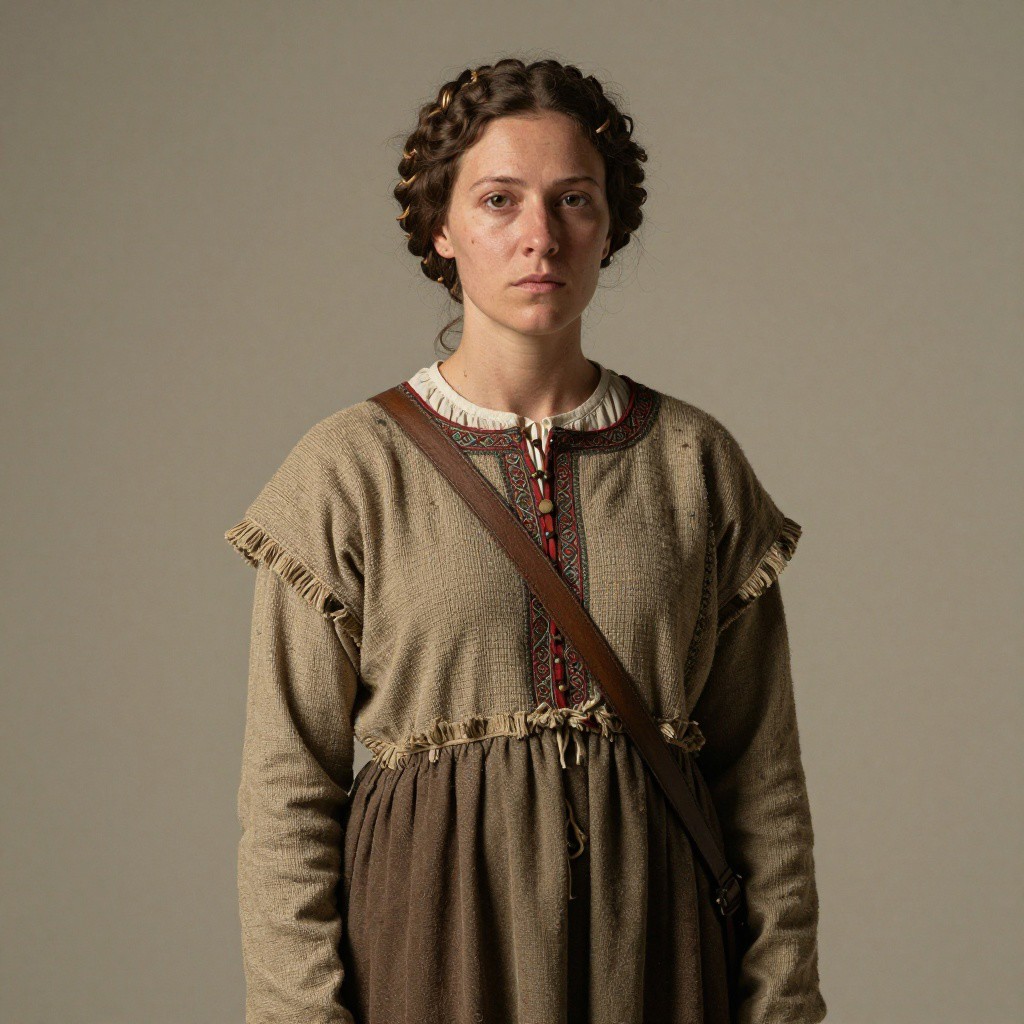
Portrait of ancient individual I14800 from United Kingdom, dated 382 BCE - 197 BCE
I14800
United Kingdom Middle Iron Age England 382 BCE - 197 BCE Middle Iron Age British J2b1 Direct
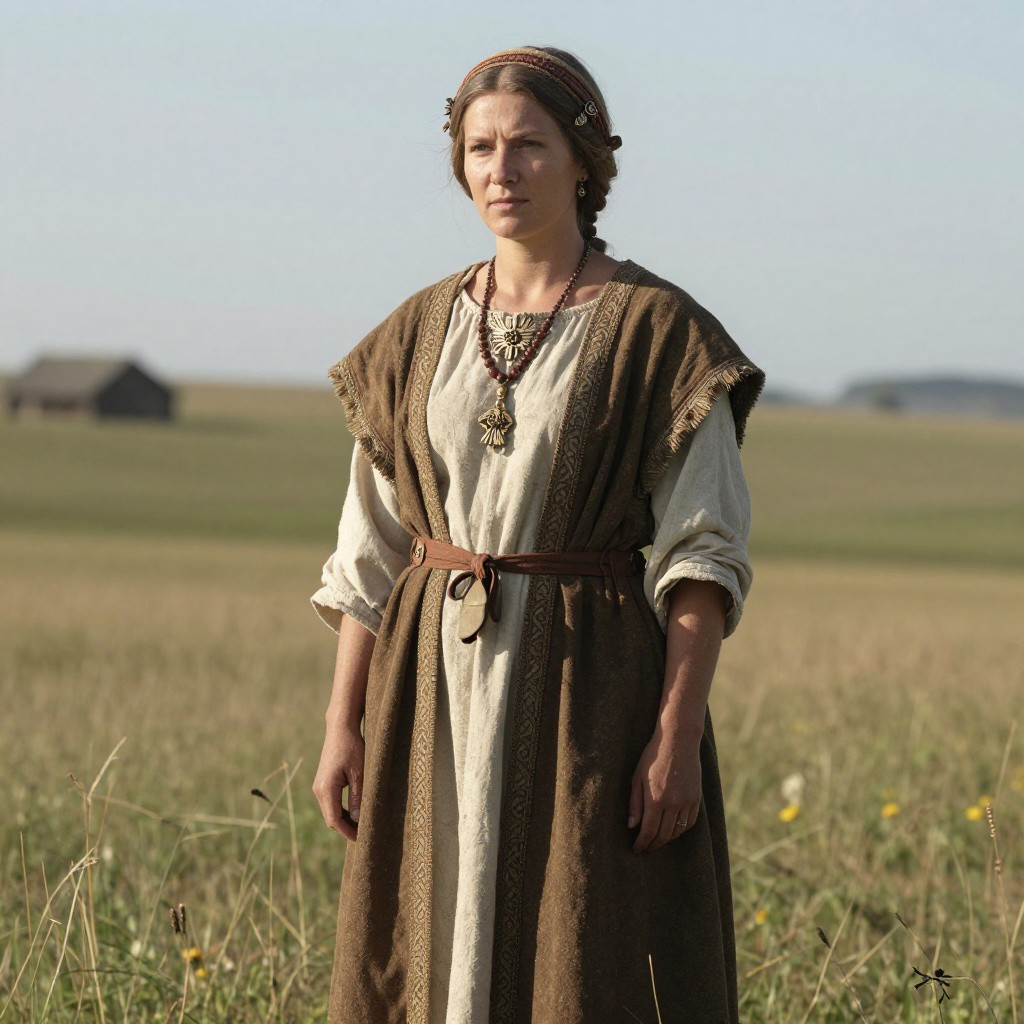
Portrait of ancient individual SZ5 from Hungary, dated 412 CE - 604 CE
SZ5
Hungary Langobard Period Hungary 412 CE - 604 CE Langobard Culture J2b1 Direct
Portrait of ancient individual I14644 from Turkey, dated 778 BCE - 520 BCE
I14644
Turkey Iron Age Turkey 778 BCE - 520 BCE Anatolian Iron Age J2b1 Direct
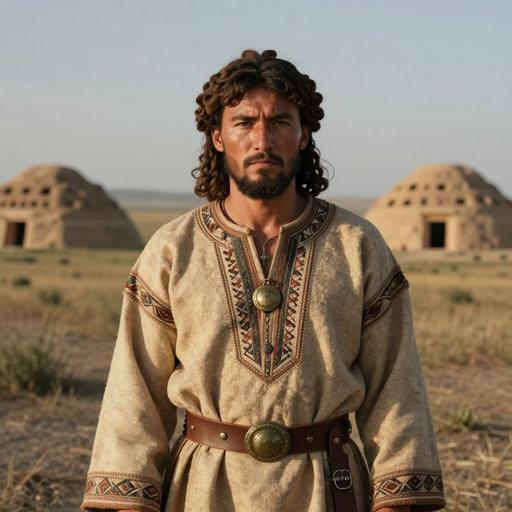
Portrait of ancient individual I18246 from Hungary, dated 900 BCE - 650 BCE
I18246
Hungary The Prescythian Mezocsat Culture in Hungary 900 BCE - 650 BCE Mezocsat Culture J2b1 Direct
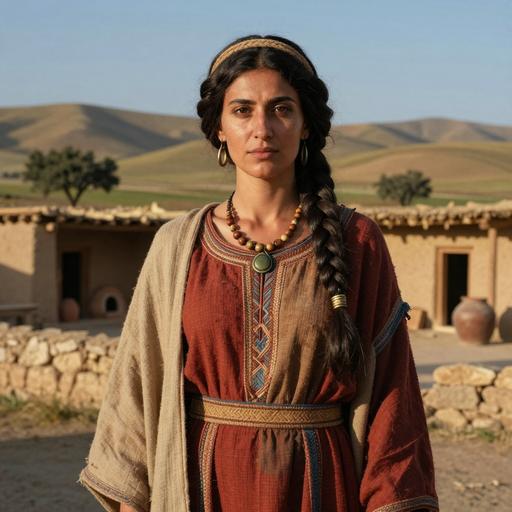
Portrait of ancient individual I4355 from Iran, dated 1011 BCE - 860 BCE
I4355
Iran The Iron Age in Hasanlu, Iran 1011 BCE - 860 BCE Hasanlu Culture J2b1 Direct
Portrait of ancient individual I16537 from Armenia, dated 1115 BCE - 932 BCE
I16537
Armenia Late Bronze Age Armenia 1115 BCE - 932 BCE Late Bronze Age Armenian J2b1 Direct
Portrait of ancient individual XAN030 from Greece, dated 1300 BCE - 1250 BCE
XAN030
Greece Late Minoan Culture 1300 BCE - 1250 BCE Minoan J2b1 Direct
Portrait of ancient individual XAN027 from Greece, dated 1350 BCE - 1100 BCE
XAN027
Greece Late Minoan Culture 1350 BCE - 1100 BCE Minoan J2b1 Direct
Portrait of ancient individual MA2205 from Turkey, dated 2000 BCE - 1750 BCE
MA2205
Turkey Assyrian Colony Period in Turkey 2000 BCE - 1750 BCE Assyrian Trading Colony J2b1 Direct
Portrait of ancient individual MA2205 from Turkey, dated 2000 BCE - 1750 BCE
MA2205
Turkey Middle to Late Bronze Age Anatolia 2000 BCE - 1750 BCE J2b1 Direct
Chapter VI

Carrier Distribution Map

Geographic distribution of 100 ancient DNA samples (direct and subclade carriers of J2B1)

Direct carrier Subclade carrier
Time Period Filter
All Time Periods
Showing all samples
Chapter VII

Temporal Distribution

Distribution of carriers across archaeological periods

Chapter VIII

Geographic Distribution

Distribution by country of origin (direct and subclade carriers shown by default)

Chapter IX

Country × Era Distribution

Cross-tabulation of carrier countries and archaeological periods (direct and subclade carriers shown by default)

Data

Data & Provenance

Source information and data quality

Last Updated 2026-02-16
Confidence Score 50/100
Coverage Low
Data Source

We use the latest phylotree for MTDNA haplogroup classification and data.