Aller au contenu principal
mtDNA · lignée Maternelle

N1A1

mtDNA Haplogroup N1A1

Profil de référence pour une branche de lignée. Des haplogroupes partagés n'établissent pas de lien familial ni d'identité culturelle.

Profil de référence

Contexte de la branche

Contexte historique de la branche de lignée mtDNA N1A1

Origins and Evolution

Haplogroup N1A1 is a downstream branch of the broader N1a clade (itself a descendant of macro-haplogroup N) and occupies an intermediate position in the mtDNA phylogeny linking parent and more derived lineages. Coalescence estimates for the N1a family generally place its origin in the early Holocene or late Pleistocene; the N1A1 node is therefore plausibly dated to the early Holocene (~12 kya), consistent with a Near Eastern/Anatolian origin followed by dispersal during the Neolithic transition.

The clade shows the typical pattern of a lineage that diversified in a source region (Near East/Anatolia) and later contributed to the maternal gene pool of expanding farming populations. Ancient DNA studies have repeatedly identified N1a sublineages among Early European Farmer (EEF) assemblages, supporting the role of N1a derivatives in the Neolithic demic expansion into Europe.

Subclades

N1A1 functions as an intermediate node with downstream subclades (for example, documented clades such as N1A1a and related branches in Phylotree) that show further geographic structuring. Some of these daughter lineages are observed in ancient Neolithic contexts in central and eastern Europe, while others are detected in modern populations across the Near East and the Caucasus. The detailed internal structure and full catalogue of subclades remain subjects of ongoing mtDNA sequencing and phylogenetic refinement.

Geographical Distribution

The geographic pattern for N1A1 is consistent with a Near Eastern/Anatolian origin and a subsequent spread into Europe during the Neolithic. Observations from ancient and modern DNA indicate:

  • High incidence in Anatolian/Levantine and Near Eastern contexts for the ancestral N1a family and related branches.
  • Presence in Early European Farmer (EEF) remains, especially in Linearbandkeramik (LBK) and other early Neolithic contexts in Central Europe, where some N1a sublineages were comparatively common relative to later periods.
  • Low-to-moderate frequencies in modern European populations, concentrated in Central and Eastern Europe, and detectable at low frequencies in the Caucasus and parts of Central Asia and North Africa, reflecting ancient dispersal and subsequent demographic processes.

Modern distribution is patchy: N1A1 and its immediate descendants occur at low frequencies in many regions and at higher relative frequencies in localized Near Eastern and some European ancient samples. Ongoing sampling in undersampled regions (e.g., parts of the Caucasus and Anatolia) continues to refine the picture.

Historical and Cultural Significance

The most prominent cultural association for N1A1 and related N1a lineages is with the Neolithic farming expansion out of Anatolia into Europe. Ancient DNA from early Neolithic archaeological cultures (notably LBK/Early European Farmers and Anatolian farmer contexts) includes N1a-derived mtDNA, making these haplogroups useful markers for tracing maternal ancestry associated with the spread of agriculture.

Because of later demographic events (Bronze Age migrations, local drift, and population replacements), many N1a lineages that were relatively common in early Neolithic Europe decline in frequency in later prehistoric and modern populations. This pattern makes N1A1 especially informative in ancient DNA studies where it can indicate direct maternal ancestry stemming from early farming communities.

Conclusion

N1A1 is a Near Eastern/Anatolian-rooted mtDNA subclade within the N1a family that played a role in the maternal signatures of the Neolithic demic expansion into Europe. While often seen at low-to-moderate frequencies in modern populations, its presence in ancient farmer remains gives it outsized value for reconstructing early agricultural dispersals and maternal lineage continuity or replacement during the Holocene. Continued high-resolution sequencing of both modern and ancient samples will clarify the internal branching of N1A1 and refine its geographic and temporal history.

Points clés

  • Origins and Evolution
  • Subclades
  • Geographical Distribution
  • Historical and Cultural Significance
  • Conclusion

Profil de référence

Arbre et relations

Contexte phylogénétique et sous-clades

Voie évolutive

Suivez les branches parentes consignées jusqu'à N1A1. Les dates sont des estimations et peuvent évoluer lorsque les données de référence sont révisées.

Étapes Haplogroupe Âge estimé Époque archéologique Temps écoulé Descendants immédiats Descendants modernes testés Liens anciens
1 N1A1 Actuel ~12,000 years ago Neolithic 12,000 ans 2 660 0
2 N1A1'2 - - - 2 662 0
3 N1A ~13,000 years ago Mesolithic 13,000 ans 2 688 6
4 N1 ~45,000 years ago Paleolithic 45,000 ans 3 906 21
5 N1'5 - - - 2 955 0
6 N ~60,000 years ago Paleolithic 60,000 ans 16 26,150 13
7 L3 ~70,000 years ago Paleolithic 70,000 ans 7 30,162 6
8 L3'4 - - - 2 30,212 0
9 L3'4'6 - - - 2 30,216 0
10 L2'3'4'6 - - - 2 31,333 0
11 L2'3'4'5'6'7 - - - 2 31,349 0
12 L1'2'3'4'5'6'7 - - - 2 31,852 0
13 L ~160,000 years ago Paleolithic 160,000 ans 2 32,236 5

Branches sœurs (1)

Autres branches issues du même haplogroupe parent

Profil de référence

Dans le monde

Distribution géographique et présence moderne

Origine consignée

Near East / Anatolia

Distribution moderne
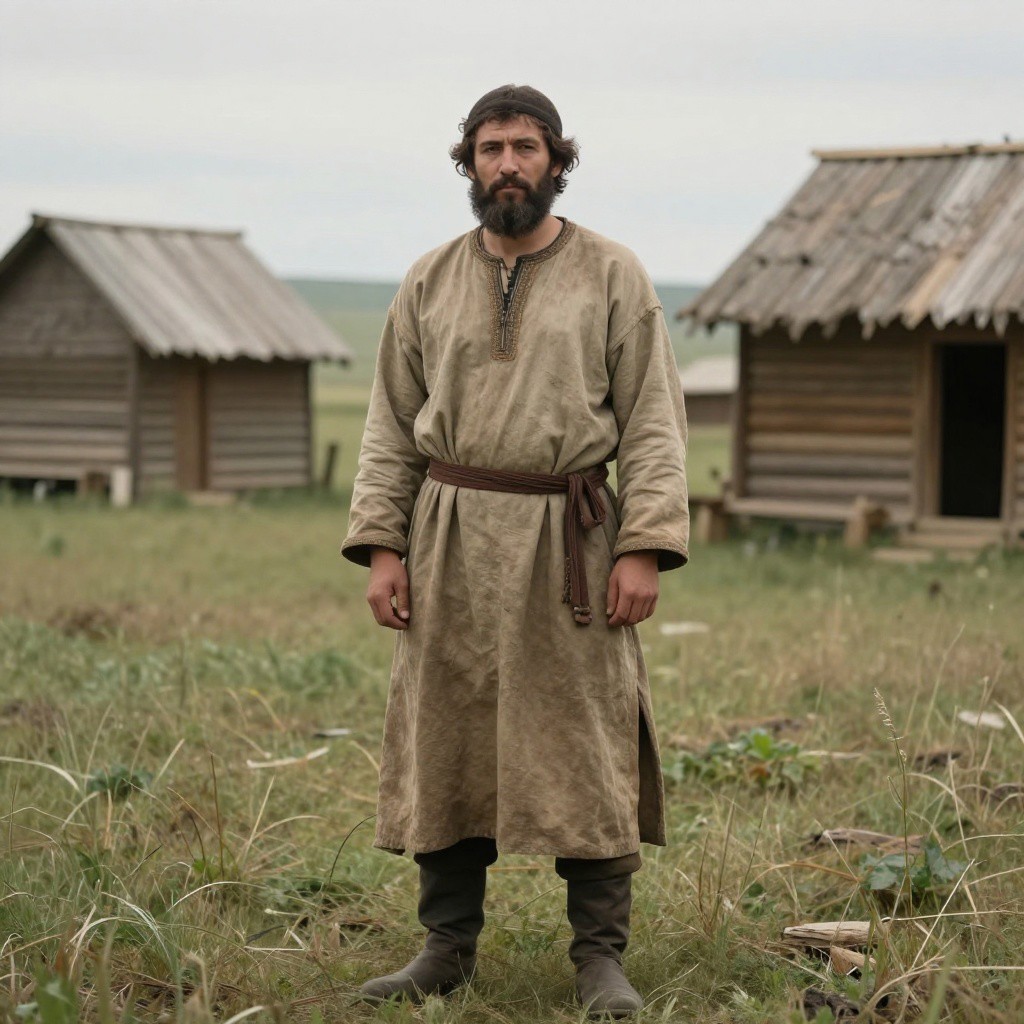
The populations where mtDNA haplogroup N1A1 is found include:

  1. Early European Farmers (Linearbandkeramik and other early Neolithic groups)
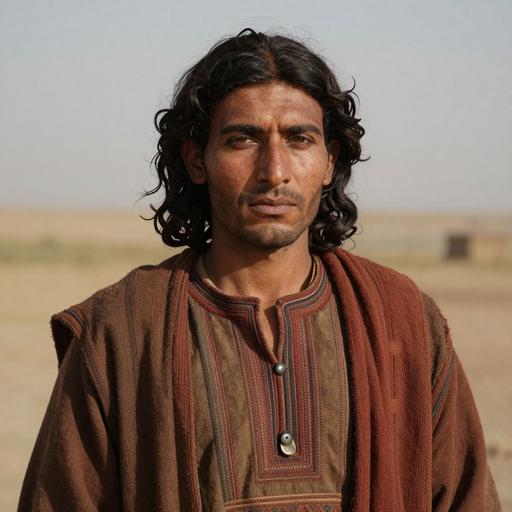
  2. Modern populations of Anatolia and the Levant
  3. Modern and ancient populations of the Caucasus (Armenia, Georgia)
  4. Central and Eastern European populations (low-to-moderate frequencies)
  5. Some Central Asian groups (low frequency, sporadic)
  6. Occasional detections in North African populations (low frequency)
Contexte historique

Une branche dans le temps

Formation estimée sur une chronologie historique large. Les repères de période servent de contexte et n'impliquent pas de lien avec des cultures particulières.

  1. Il y a ~12k ans

    Haplogroupe N1A1

    Formation estimée de cette branche mtDNA ; les dates et les lieux sont des estimations de référence.

    Cette branche
  2. Il y a ~10k ans

    Révolution néolithique

    Début de l'agriculture et émergence de communautés sédentaires

  3. Il y a ~5k ans

    Âge du bronze

    Travail des métaux, écriture et premières civilisations

  4. Il y a ~3k ans

    Âge du fer

    Outils en fer, réseaux d'échanges élargis

  5. Il y a ~2.5k ans

    Antiquité classique

    Floraison des civilisations grecque et romaine

  6. Aujourd'hui

    Aujourd'hui

    Époque moderne

Profil de référence

Contexte archéologique

Associations archéologiques consignées pour la branche mtDNA N1A1

Associations consignées

Ces libellés décrivent des contextes archéologiques consignés pour des échantillons de référence liés à N1A1. Une association n'établit pas que tous les porteurs appartenaient à une culture ni qu'ils ont suivi une route migratoire précise.

Alföld Linear Pottery Baja PPNB Cardial Culture Czech Neolithic Hungary_C_Bodrogkeresztur Hungary_LateC_Yamnaya Linear Pottery Culture PPNA Anatolia PPNB Culture Shanidar Culture Starčevo Culture Tisza Culture
Les attributions culturelles reposent sur le contexte archéologique des échantillons d'ADN ancien et peuvent refléter des associations régionales à certaines périodes.
Profil de référence

Catalogue d'échantillons

1 porteur direct et 99 porteurs de sous-clade de l'haplogroupe N1A1

10 affiché(s) · 50 échantillons correspondants

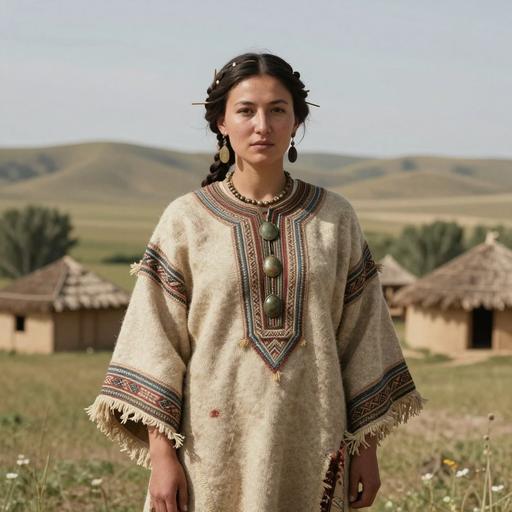
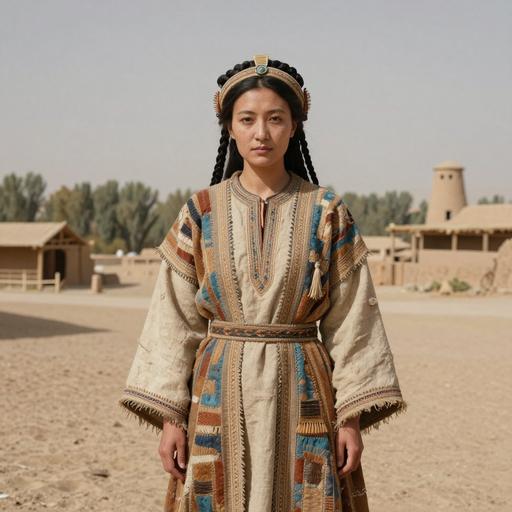
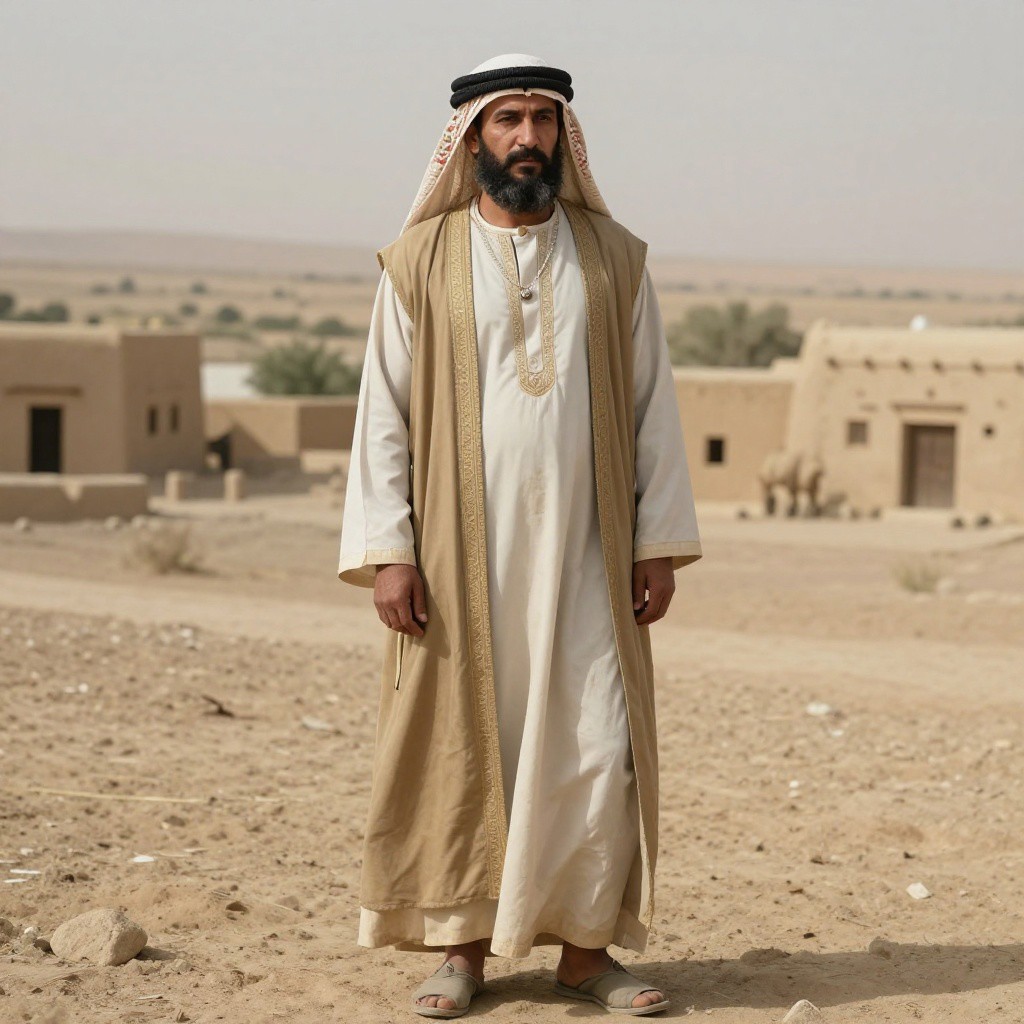
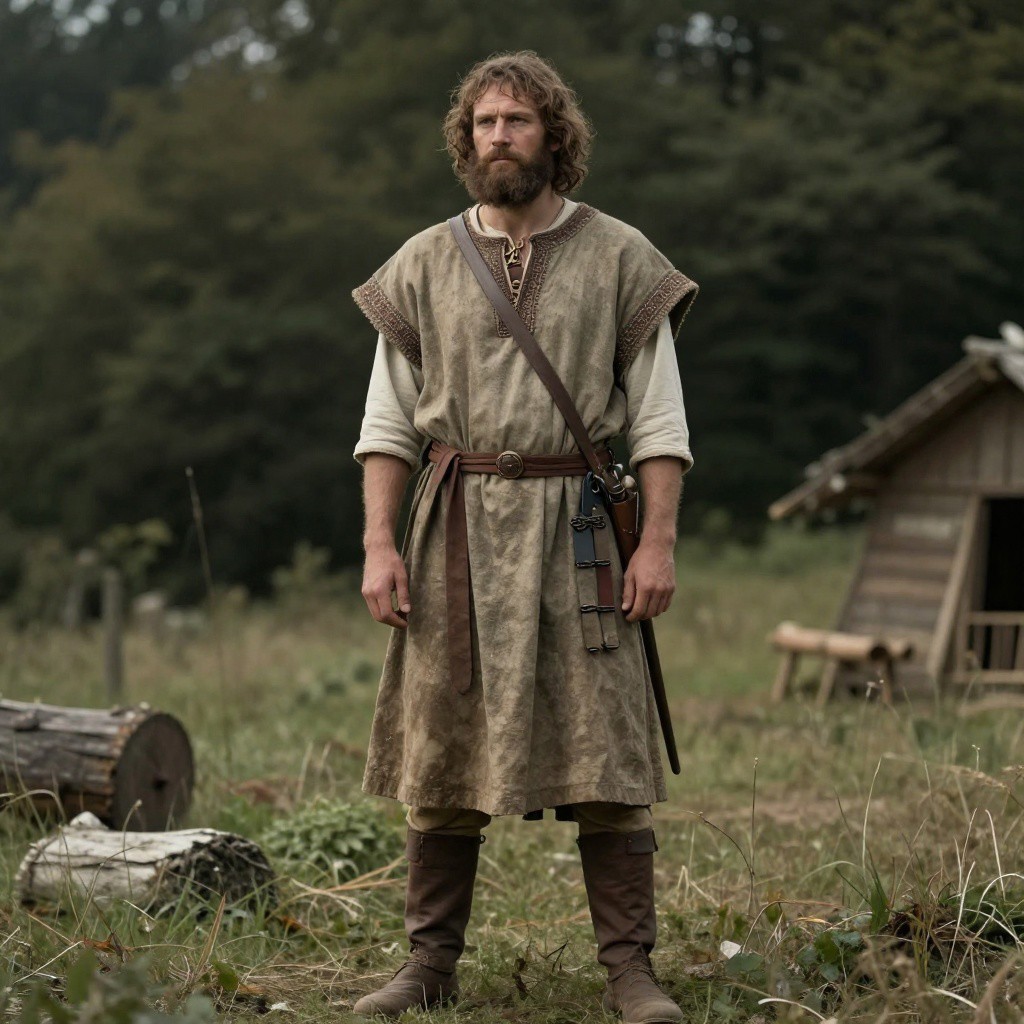
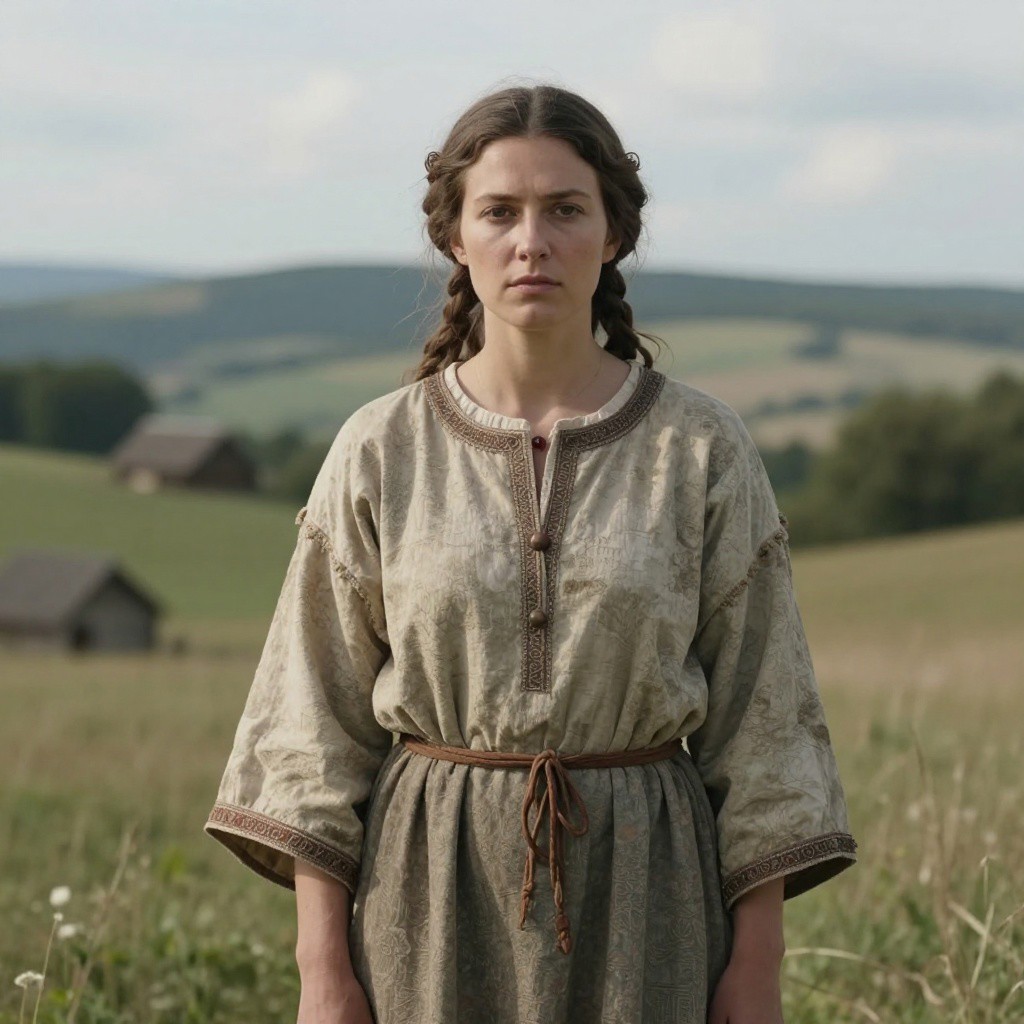
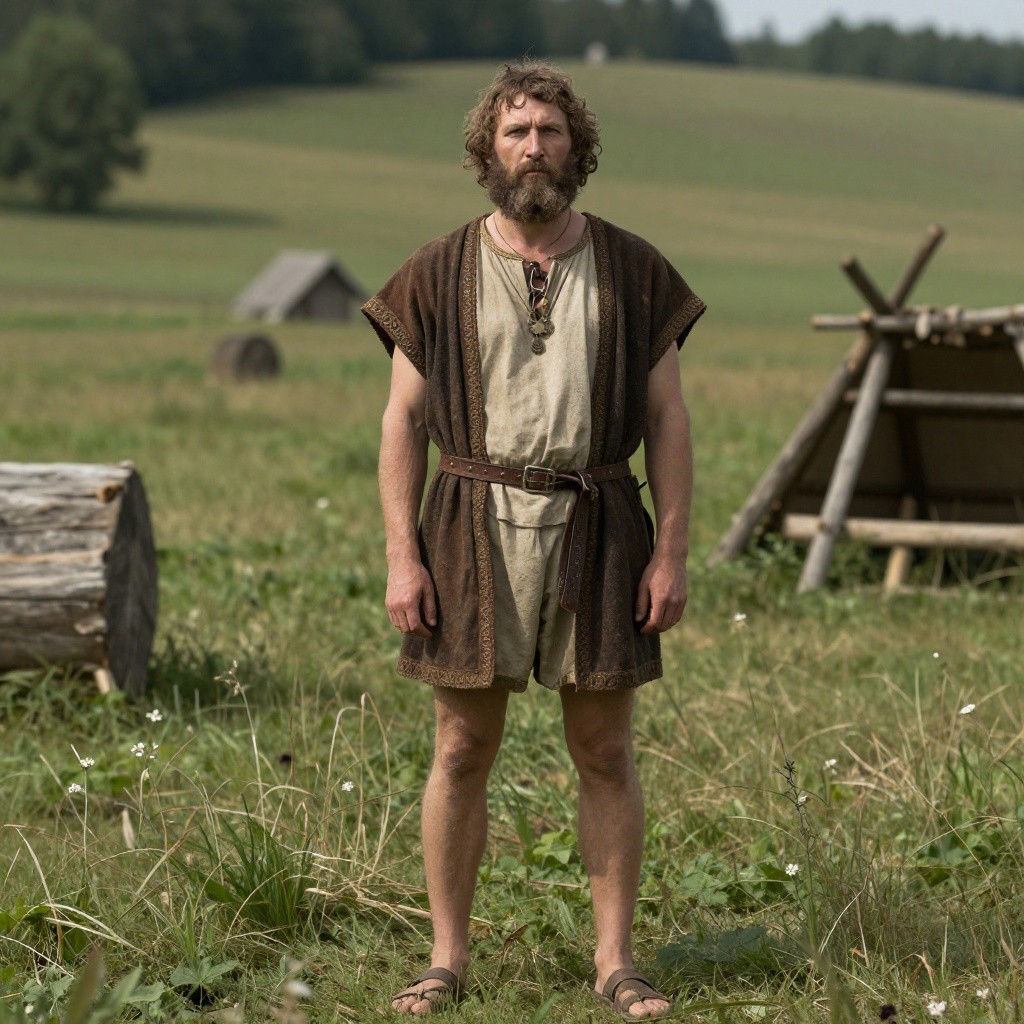
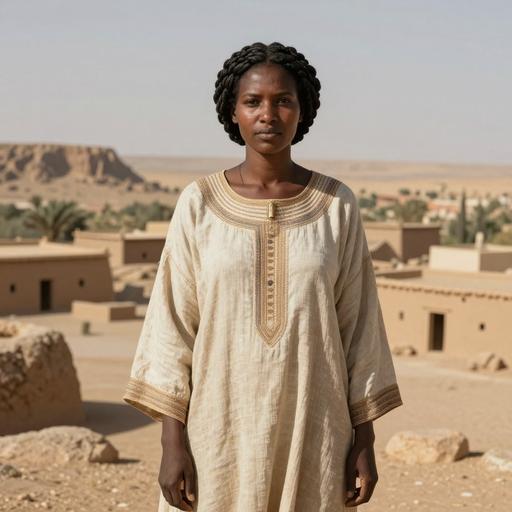
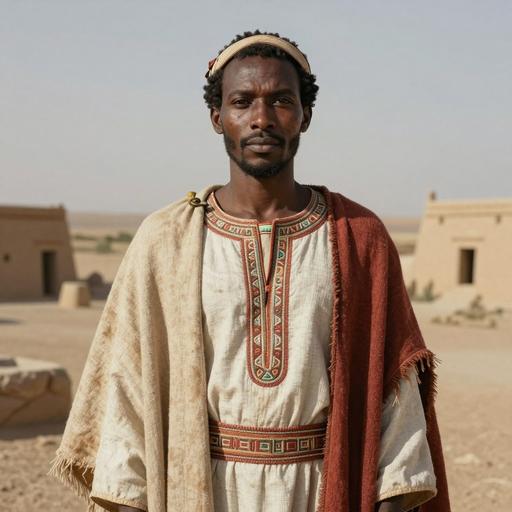
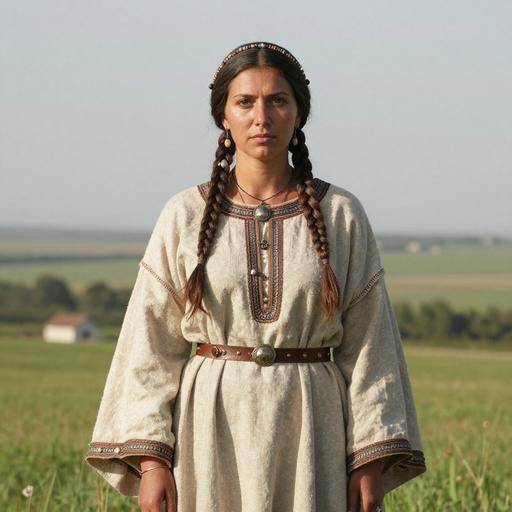
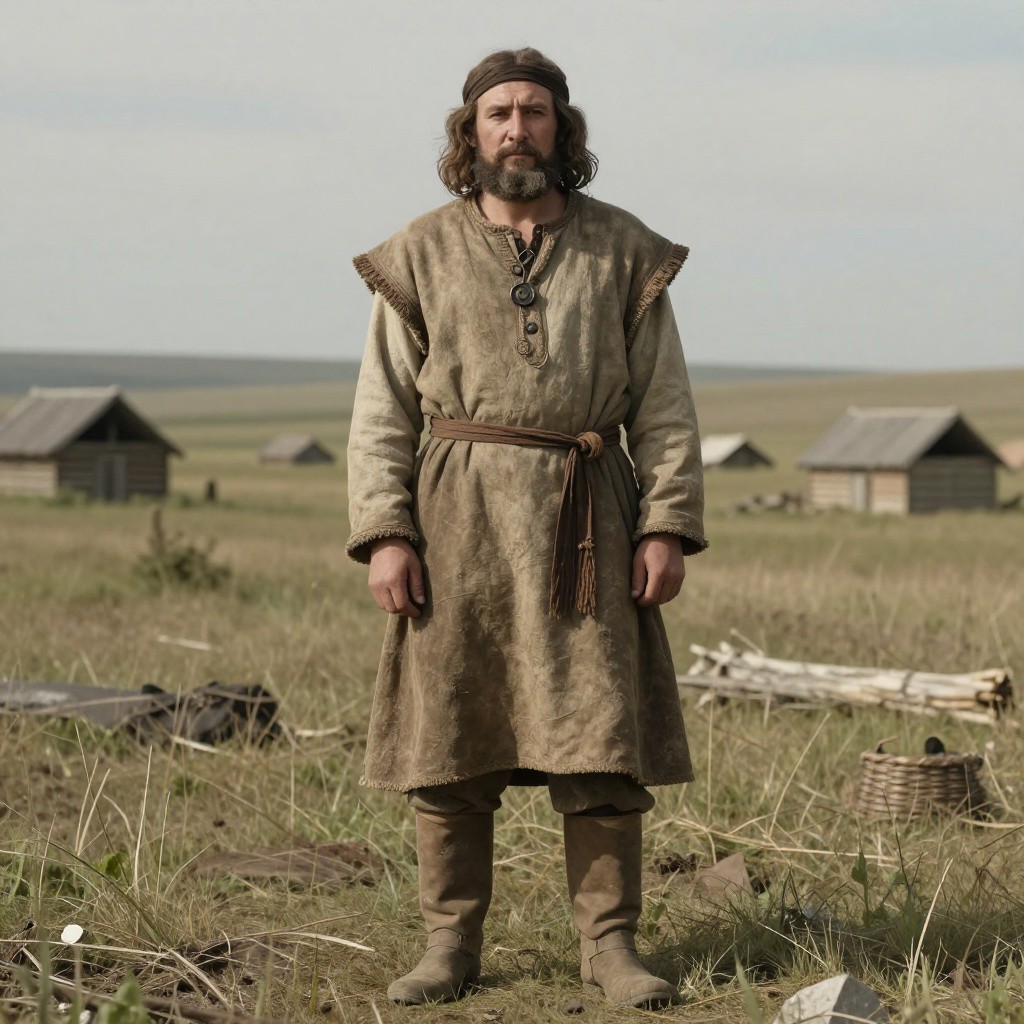
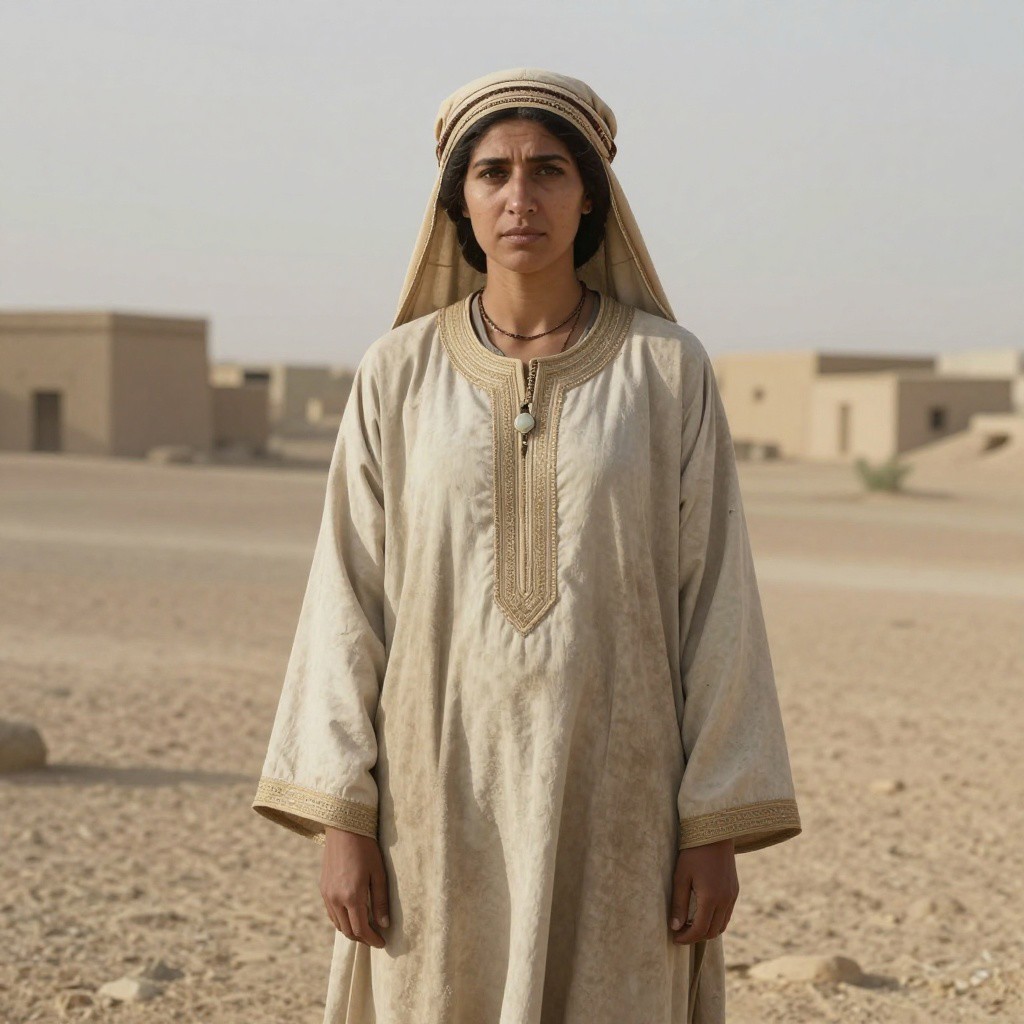
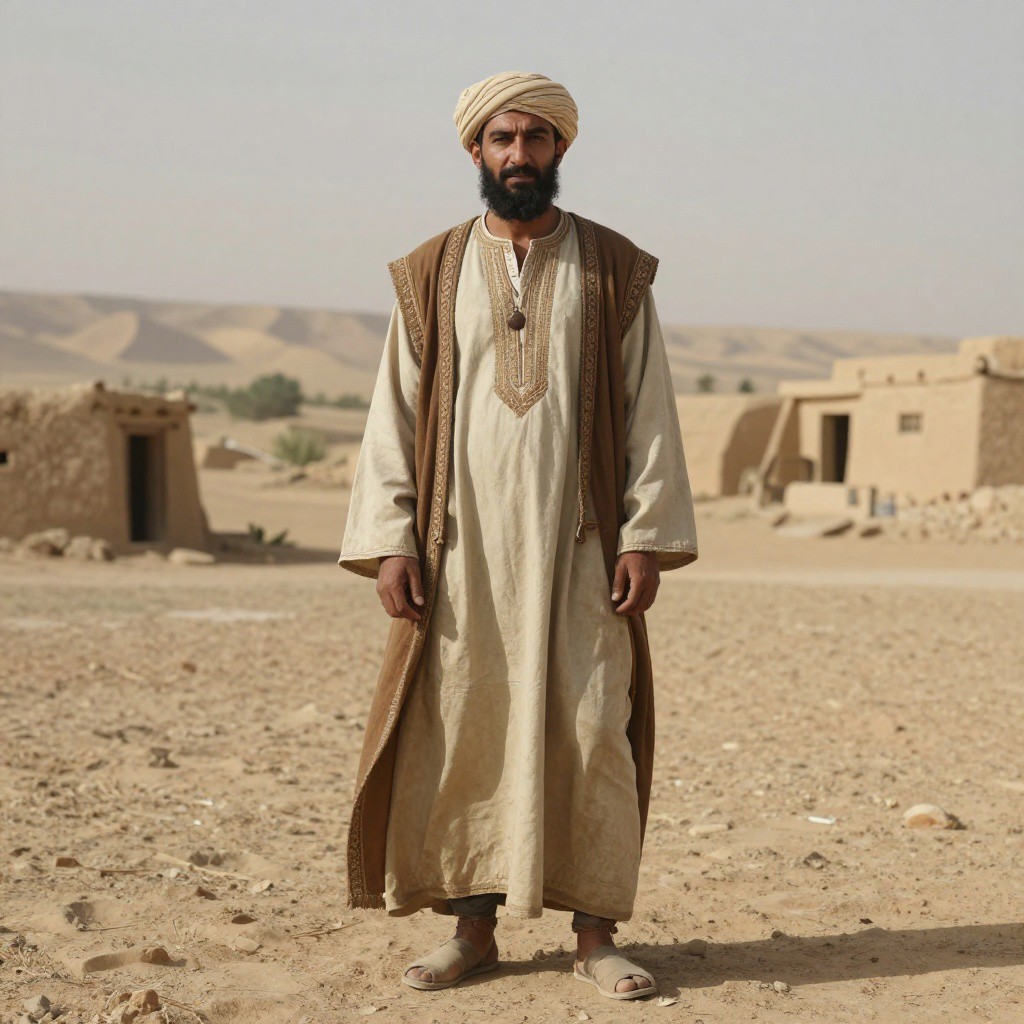
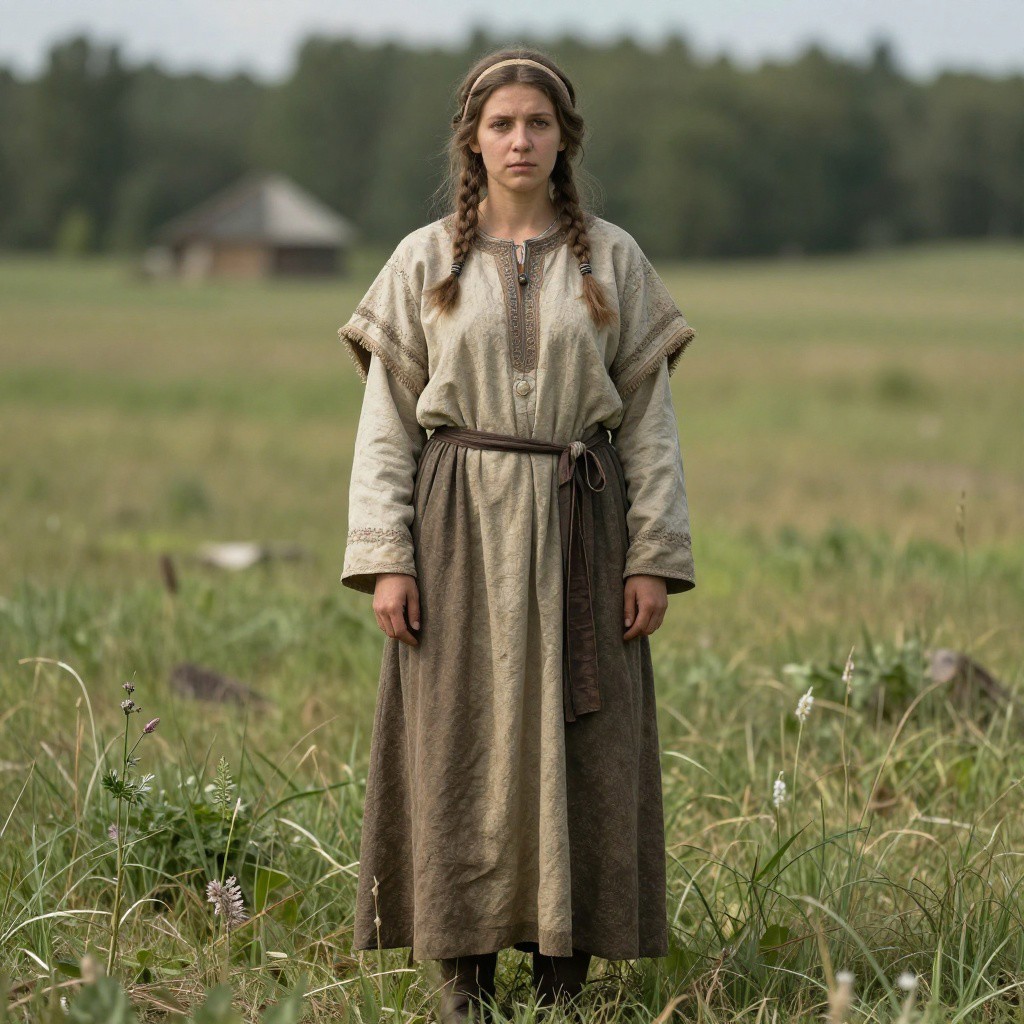
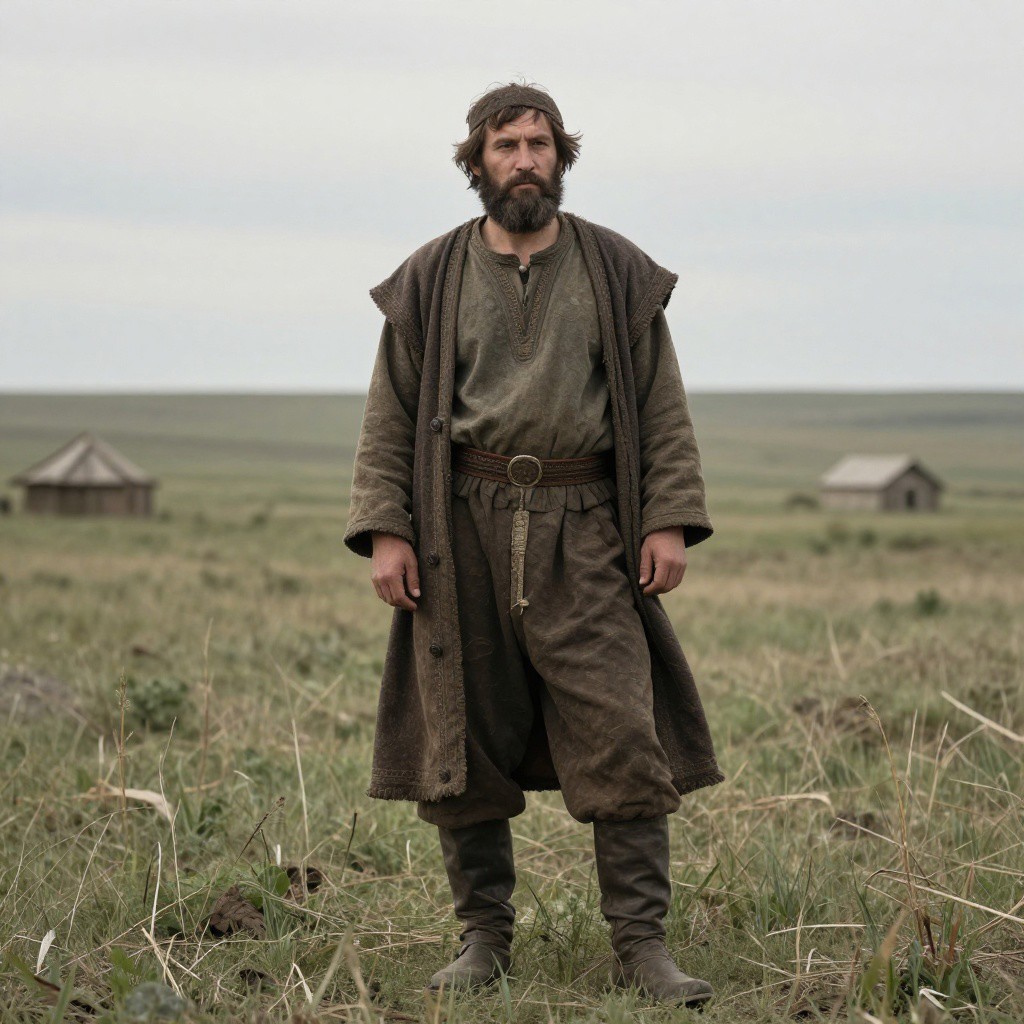
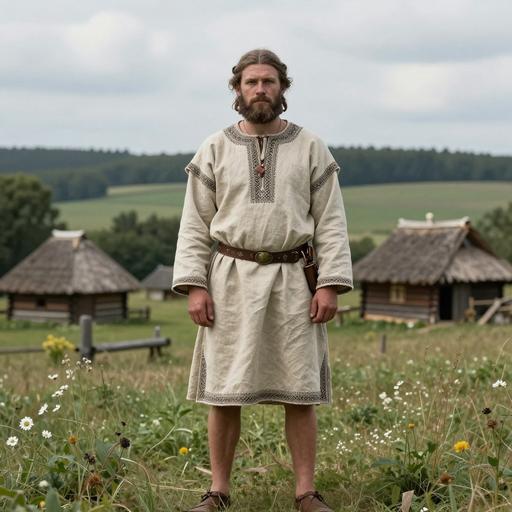
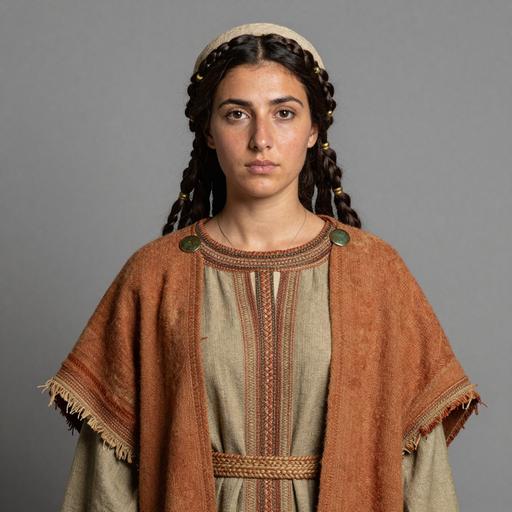
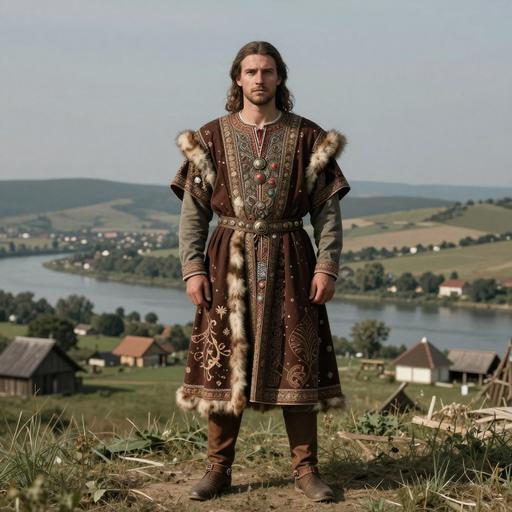
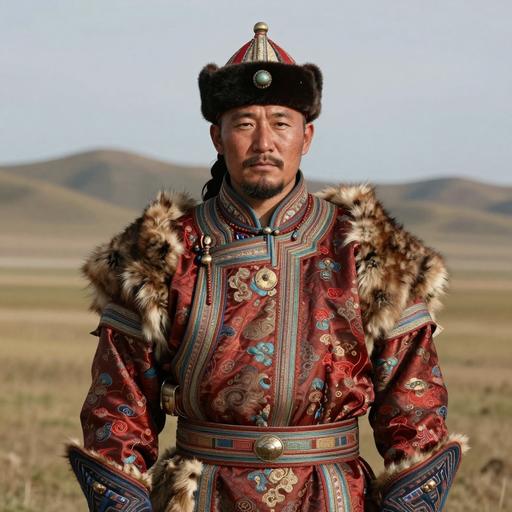
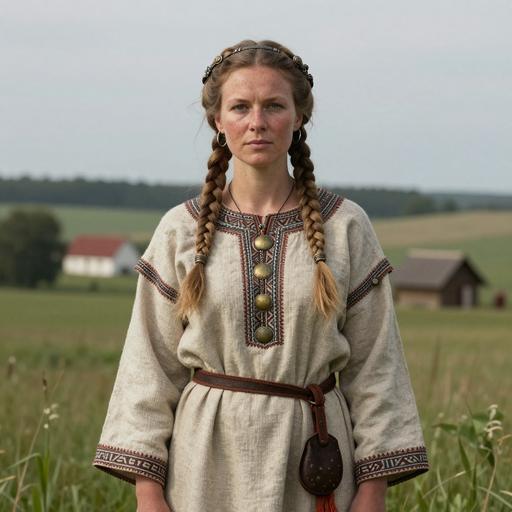
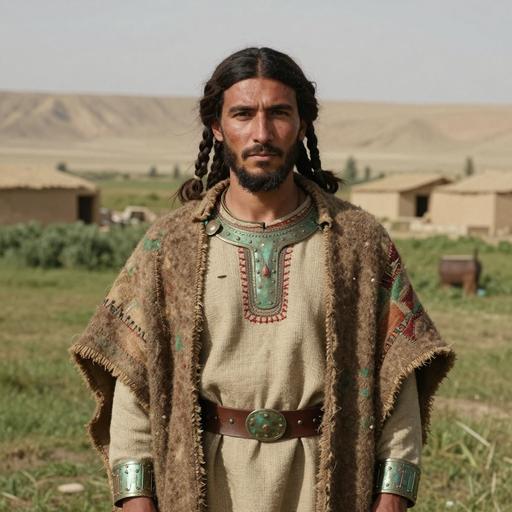
Les portraits sont des illustrations générées par IA. Les libellés d'échantillon et identifiants d'accès désignent les enregistrements de référence.

Portrait Échantillon Pays Époque Date Culture mtDNA Correspondance
Portrait illustratif généré par IA de Late C Yamnaya individual, Kunhegyes-Nagyállás-halom (Hajdú-Bihar County, Hajdúnánás), Hungary (2,977-2,573 BCE)
Identifiant d'échantillon : I18101
Hungary Hungary LateC Yamnaya 2950-2600 BCE Hungary_LateC_Yamnaya N1a1 Direct
Portrait illustratif généré par IA de Imperial Roman individual, Apollonia (Marmara. Bursa. Gölyazı), Turkey (100 BCE-200 CE)
Identifiant d'échantillon : I16584
Turkey Roman Period 2 Turkey 100 BCE - 200 CE Middle Roman Anatolia N1a1b1 Sous-clade
Portrait illustratif généré par IA de Tyumen EIA Sargatka individual, Ipkul' (Tyumen Oblast, Nizhnetavdinsky District, Ipkul' Village), Russia (176-524 CE)
Identifiant d'échantillon : I33844
Russia Russia Tyumen EIA Sargatka 200-500 CE Russia_Tyumen_EIA_Sargatka N1a1a1a1a Sous-clade
Portrait illustratif généré par IA de IA individual, Southern Urals. Borovoye Hillfort, Kazakhstan (200 BCE-100 CE)
Identifiant d'échantillon : BRV001
Kazakhstan Iron Age Kazakhstan 200 BCE - 100 CE Kazakh Iron Age N1a1a1a1a Sous-clade
Portrait illustratif généré par IA de IA Wielbark individual, Masłomęcz (Lublin Province, Hrubieszów County, Hrubieszów), Poland (200-400 CE)
Identifiant d'échantillon : PCA0111
Poland Wielbark Culture 200-400 CE Wielbark N1a1a1a2 Sous-clade
Portrait illustratif généré par IA de EIA IA Sargatka individual, Western Siberia. Bitiya Burial Ground. Bitiya#228/25. mound 4, Russia (300-100 BCE)
Identifiant d'échantillon : BIY009
Russia Iron Age Sargat Culture, Russia 300-100 BCE Sargat Culture N1a1a1a1a Sous-clade
Portrait illustratif généré par IA de LIA MIA individual, Noord-Holland. Uitgeest-Dorregeest, Netherlands (356-57 BCE)
Identifiant d'échantillon : I12907
Netherlands Middle to Late Iron Age Netherlands 356-57 calBCE (2160±30 BP, GrN 25639) Dutch Iron Age N1a1a1a3 Sous-clade
Portrait illustratif généré par IA de Occitanie Gard IA individual, Le Cailar "Place de la Saint-Jean" (Occitanie Region, Gard Department, Nîmes arrondissement), France (400-300 BCE)
Identifiant d'échantillon : CLR31
France Iron Age Culture of Aude 400-300 BCE Aude N1a1a1 Sous-clade
Portrait illustratif généré par IA de Lombards-2 individual, Szólád, Hungary (419-543 CE)
Identifiant d'échantillon : SZ27
Hungary Langobard Period Hungary 419-543 calCE (1595±27 BP) Langobard Culture N1a1a1a1 Sous-clade
Portrait illustratif généré par IA de England EIA individual, England. Wiltshire. Rowbarrow, United Kingdom (460-382 BCE)
Identifiant d'échantillon : I19863
United Kingdom England EIA 460-382 calBCE (2342±21 BP) [R_combine: (2359±29 BP, SUERC-41690), (2327±28 BP, SUERC-47739)] Early British Iron Age N1a1a1a2 Sous-clade
LIGNÉE MATERNELLE · ADN ANTIQUE

Carte des preuves de lignées antiques

Suivez les clades parents jusqu'à cette branche et explorez où des porteurs antiques ont été identifiés.

Chargement des observations antiques…

Les marqueurs indiquent des lieux de découvertes archéologiques. Un trait pointillé représente une transition géographique proposée et incertaine entre branches consécutives, appuyée sur plusieurs observations datées ; ce n'est pas un itinéraire exact, un lieu de naissance ni une preuve de descendance directe. Des échantillons de clades parents peuvent appartenir à d'autres branches descendantes. Des lacunes subsistent lorsque les preuves sont insuffisantes. Les dates d'échantillon diffèrent des dates de formation des haplogroupes.

Profil de référence

Carte de répartition des porteurs

Répartition géographique de 100 échantillons d'ADN ancien (porteurs directs et de sous-clade de N1A1)

Porteur direct Porteur de sous-clade
Filtre de période
Toutes les périodes
Affichage de tous les échantillons
Profil de référence

Répartition temporelle

Répartition des porteurs selon les périodes archéologiques

Profil de référence

Répartition géographique

Effectifs par pays d'échantillon consigné. Ils reflètent la sélection de référence disponible, pas des fréquences de population.

Profil de référence

Répartition pays × époque

Comparez les effectifs d'échantillons consignés selon les pays et les périodes archéologiques. Sélectionnez une cellule renseignée pour examiner un échantillon.

Données

Données et provenance

Informations sur les sources et qualité des données

Dernière mise à jour 2026-06-14
Score de confiance 50/100
Couverture Low

Source des données

La classification, les dates estimées et le contexte géographique reflètent les données de référence consignées et peuvent évoluer lorsque les éléments sont révisés. La couverture d'échantillons est inégale ; les lieux consignés et les associations archéologiques n'établissent pas une origine personnelle ni une identité culturelle.