Profil de référence pour une branche de lignée. Des haplogroupes partagés n'établissent pas de lien familial ni d'identité culturelle.
Profil de référence
Contexte de la branche
Contexte historique de la branche de lignée mtDNA U2E1
Origins and Evolution
Haplogroup U2E1 sits as a downstream branch of the U2E/U2EA portion of the mtDNA tree. The broader U2 haplogroup arose early in Upper Paleolithic Eurasia, and its descendant lineages show deep structure across South Asia and Europe. U2E1 is best understood as a post-glacial / Mesolithic-era diversification within the U2E radiation in western or central Eurasia, likely coalescing in the late Pleistocene to early Holocene (on the order of ~10–15 kya). Because U2E1 is an intermediate and relatively rare clade, its exact origin point and age estimates remain imprecise and would benefit from additional complete mitogenomes and dense ancient DNA sampling.
Subclades
As an intermediate clade under U2EA, U2E1 may contain further downstream sub-branches in full-resolution phylogenies, but many of these are currently poorly characterized in public databases. Where high-resolution mitogenomes are available, U2E1 often functions as a connecting node between the parent U2EA cluster and more localized descendant lineages; ongoing sequencing efforts occasionally reveal novel private mutations and very localized subclades within modern and ancient samples.
Geographical Distribution
The distribution of U2E1 is concentrated in western and parts of central Eurasia in both ancient and modern contexts, but at generally low frequencies. Ancient DNA from Mesolithic and early Neolithic Europe includes U2-type lineages, and U2E1 specifically has been observed in limited ancient samples and sporadically in modern populations of Western Europe. Low-frequency occurrences have also been reported in peripheral regions (Northern and Eastern Europe) and—as rare traces—near the Near East and South Asia, plausibly reflecting ancient population contacts and later movements.
Historical and Cultural Significance
Because U2E1 connects to lineages common among prehistoric European hunter-gatherers, it is often interpreted as part of the maternal substrate present in Europe before and during the early spread of farming. It therefore has relevance for studies of Mesolithic population structure, hunter-gatherer persistence, and the maternal contributions to subsequent Neolithic and Bronze Age communities. U2E1 itself is not diagnostic of a single archaeological culture but appears as one of several maternal lineages that persisted through transitions such as the Mesolithic-to-Neolithic shift and into later prehistoric periods.
Conclusion
U2E1 is a low-frequency, regionally informative maternal lineage within the U2 family that likely originated in western/central Eurasia around the Mesolithic. It functions as an intermediate and under-characterized clade that links parent U2EA to more localized descendant lineages. Greater sampling of complete mitogenomes—especially from ancient remains and understudied modern populations—will improve age estimates, refine its subclade structure, and clarify its historical dynamics.
Points clés
Origins and Evolution
Subclades
Geographical Distribution
Historical and Cultural Significance
Conclusion
Profil de référence
Arbre et relations
Contexte phylogénétique et sous-clades
Voie évolutive
Suivez les branches parentes consignées jusqu'à U2E1. Les dates sont des estimations et peuvent évoluer lorsque les données de référence sont révisées.
The populations where mtDNA haplogroup U2E1 is found include:
Mesolithic and early Neolithic European hunter-gatherer remains (ancient DNA datasets)
Modern Western European populations (e.g., Iberia, France) at low to moderate rarity
British Isles and Northern Europe (sporadic low-frequency occurrences)
Eastern Europe and the Baltic region (occasional detections in modern and ancient samples)
Near East and South Asia (rare, possibly reflecting ancient gene flow or recent low-frequency presence)
Contexte historique
Une branche dans le temps
Formation estimée sur une chronologie historique large. Les repères de période servent de contexte et n'impliquent pas de lien avec des cultures particulières.
Il y a ~12k ans
Haplogroupe U2E1
Formation estimée de cette branche mtDNA ; les dates et les lieux sont des estimations de référence.
Cette branche
Il y a ~10k ans
Révolution néolithique
Début de l'agriculture et émergence de communautés sédentaires
Il y a ~5k ans
Âge du bronze
Travail des métaux, écriture et premières civilisations
Il y a ~3k ans
Âge du fer
Outils en fer, réseaux d'échanges élargis
Il y a ~2.5k ans
Antiquité classique
Floraison des civilisations grecque et romaine
Aujourd'hui
Aujourd'hui
Époque moderne
Profil de référence
Contexte archéologique
Associations archéologiques consignées pour la branche mtDNA U2E1
Associations consignées
Ces libellés décrivent des contextes archéologiques consignés pour des échantillons de référence liés à U2E1. Une association n'établit pas que tous les porteurs appartenaient à une culture ni qu'ils ont suivi une route migratoire précise.
Baltic Hunter-GathererDnieper MesolithicMotala CultureRussia_AltaiKrai_NRussia_Karelia_MesolithicUkrainian NeolithicYuzhny Oleny Ostrov
Les attributions culturelles reposent sur le contexte archéologique des échantillons d'ADN ancien et peuvent refléter des associations régionales à certaines périodes.
Profil de référence
Catalogue d'échantillons
11 porteurs directs et 89 porteurs de sous-clade de l'haplogroupe U2E1
10 affiché(s) · 50 échantillons correspondants
Aucun échantillon ne correspond à ces filtres. Essayez un autre libellé, lieu ou période.
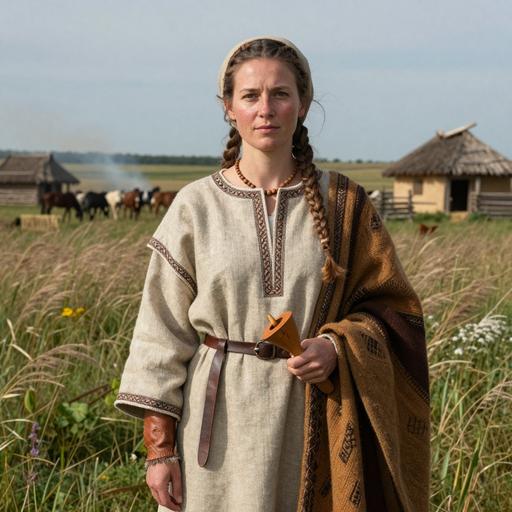
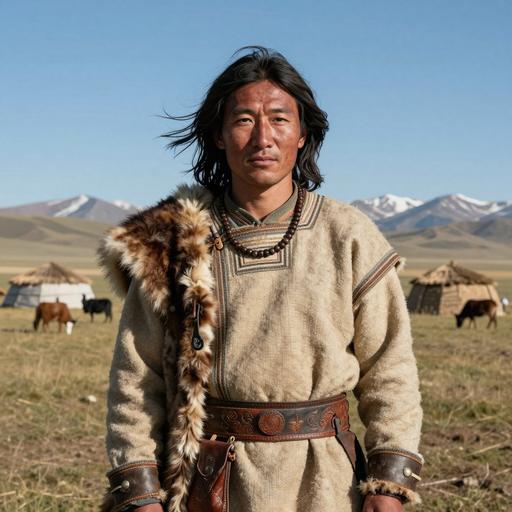
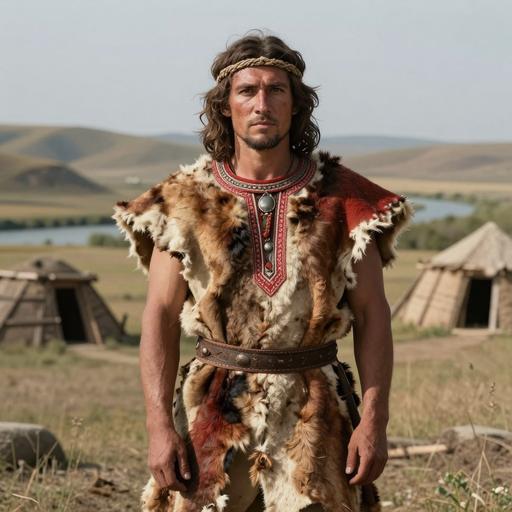
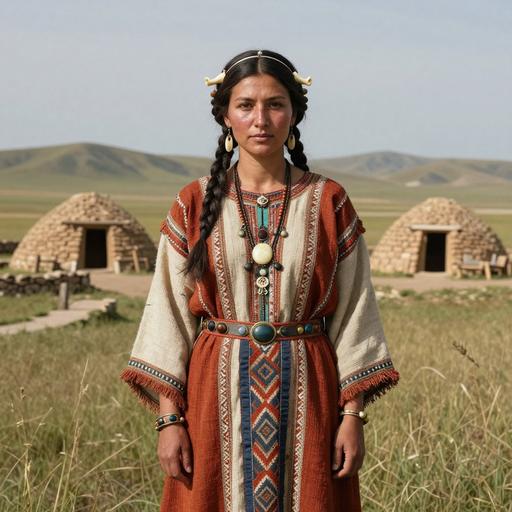
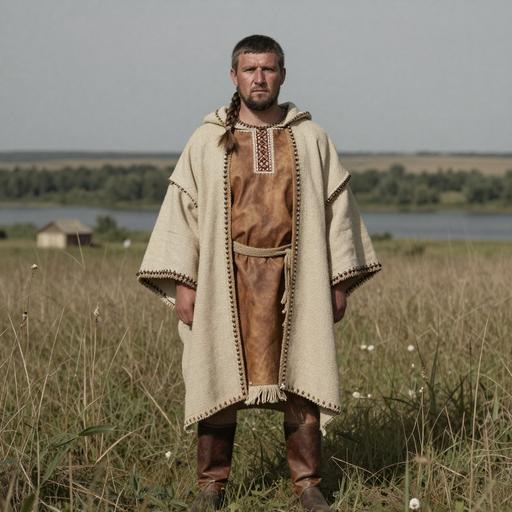
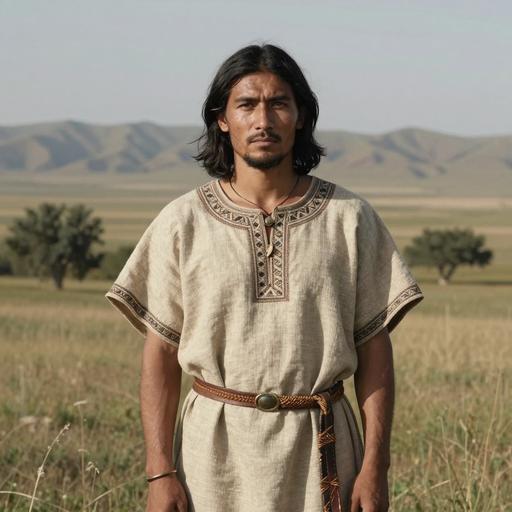
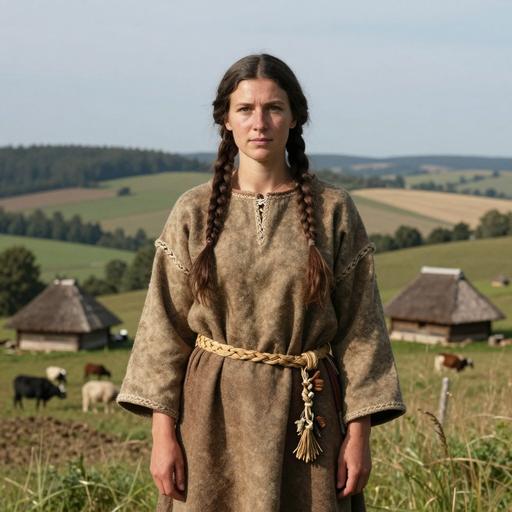
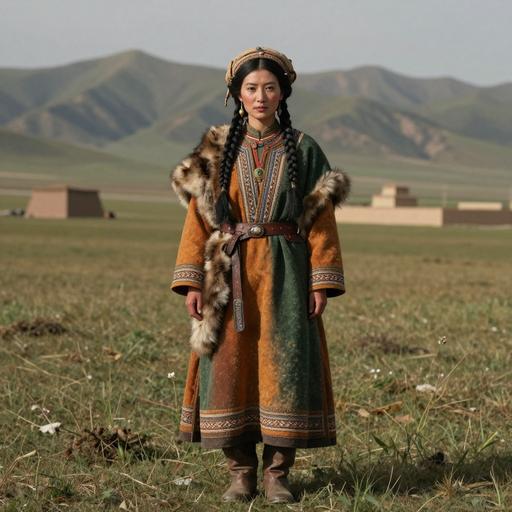
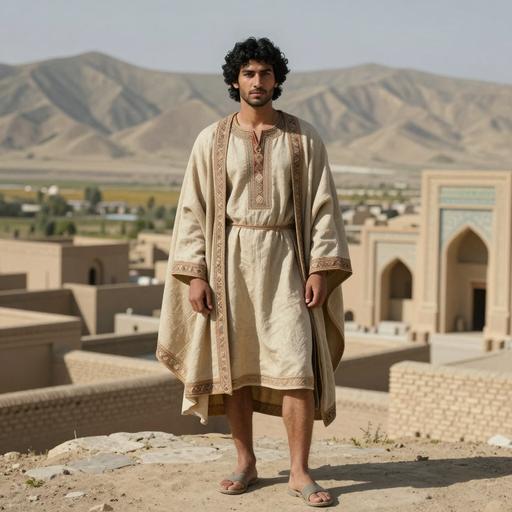
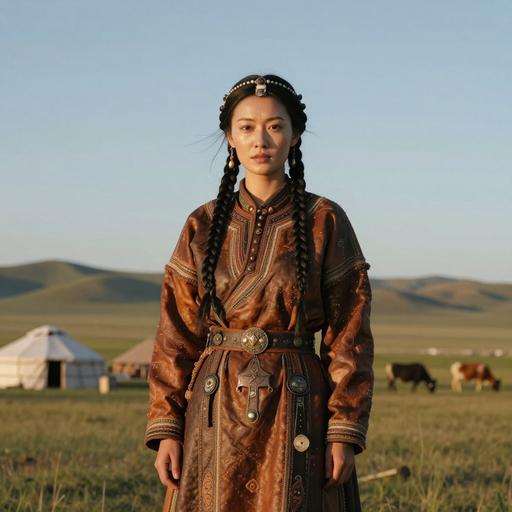
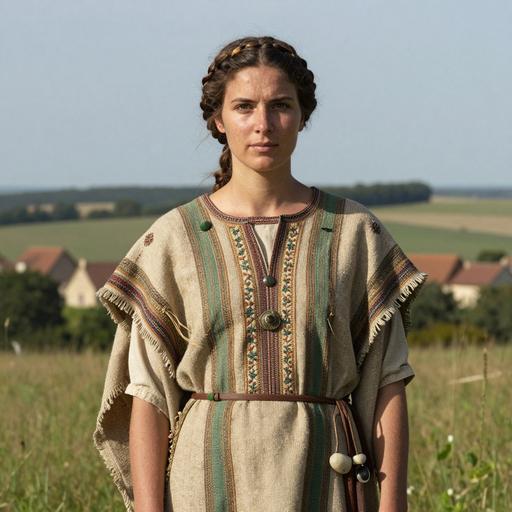
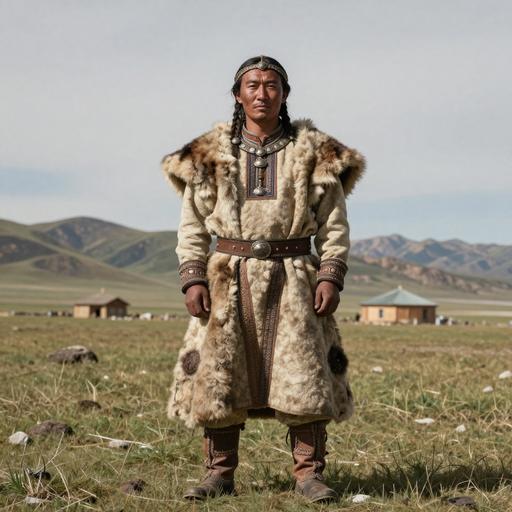
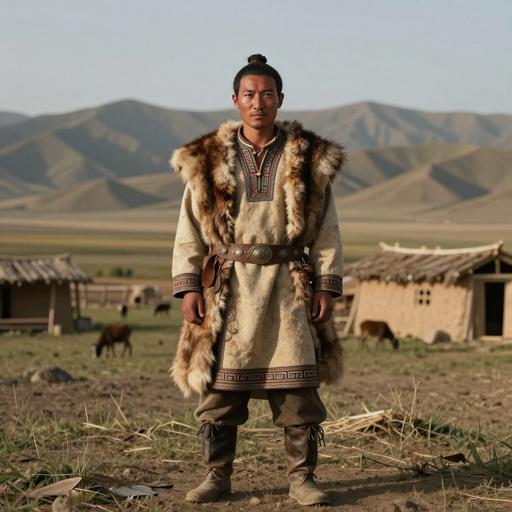
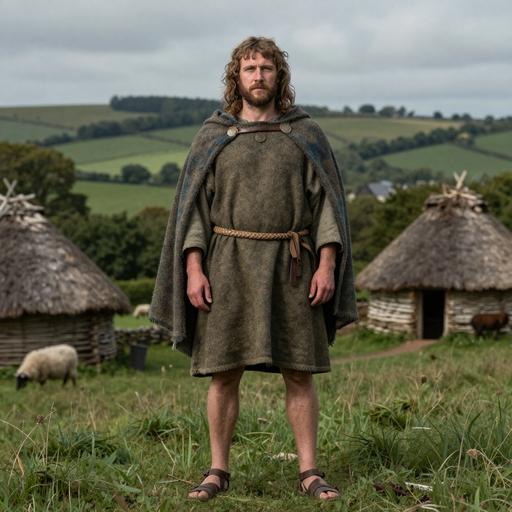
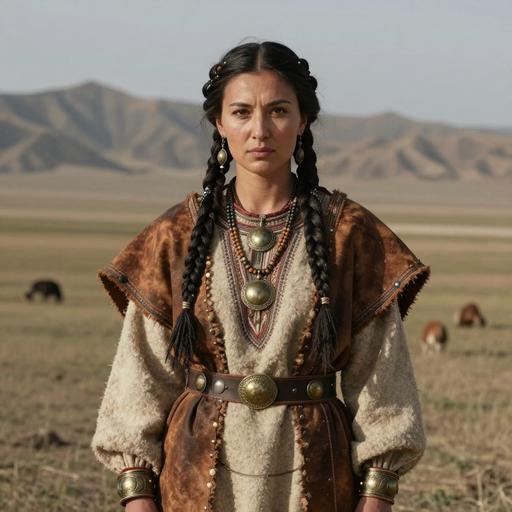
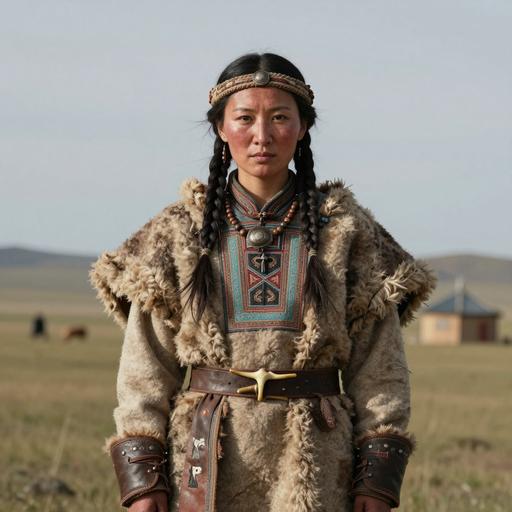
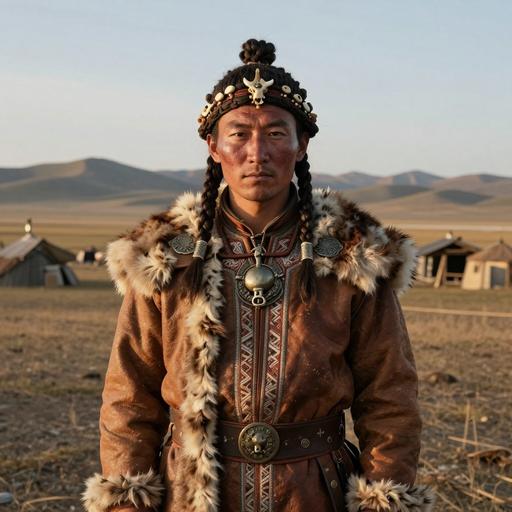
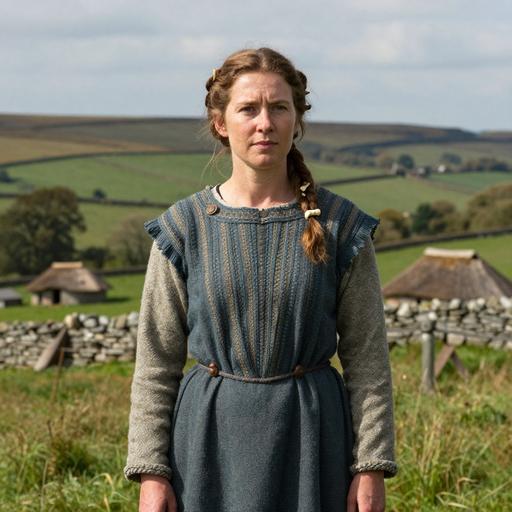
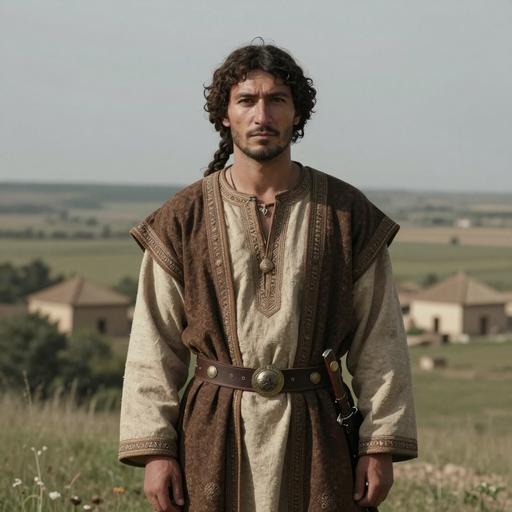
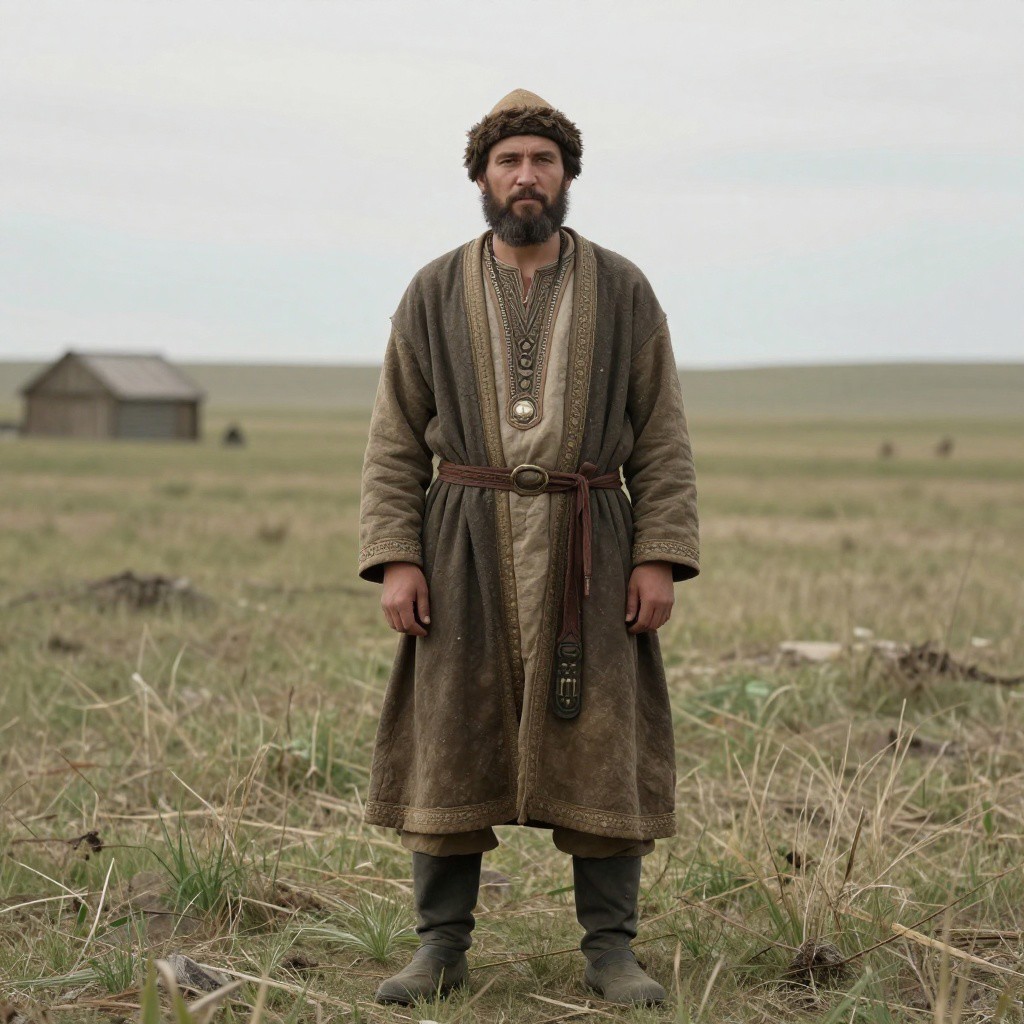
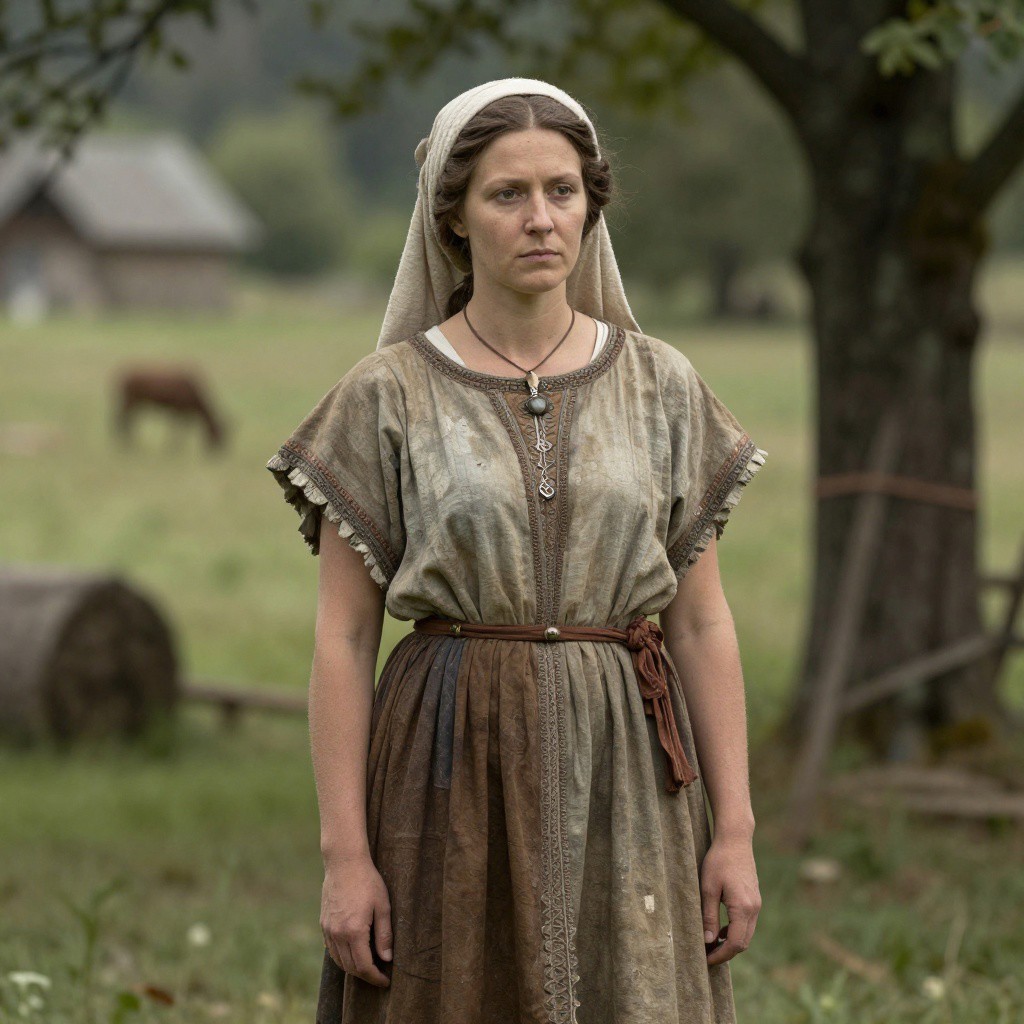
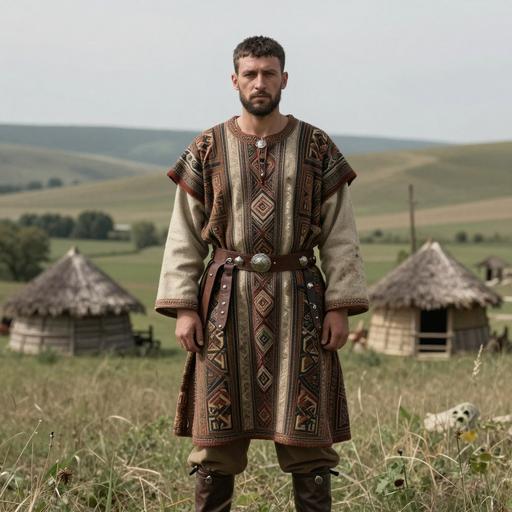
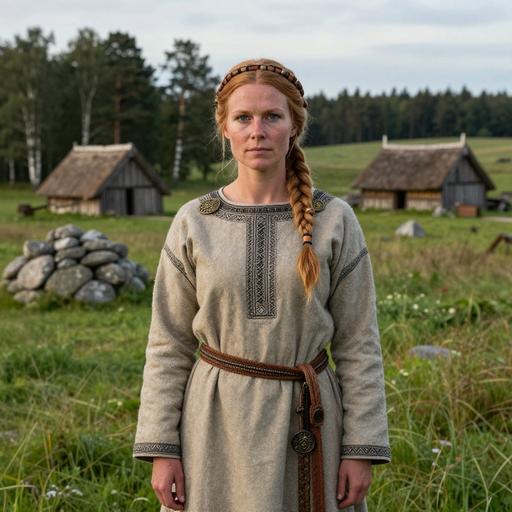
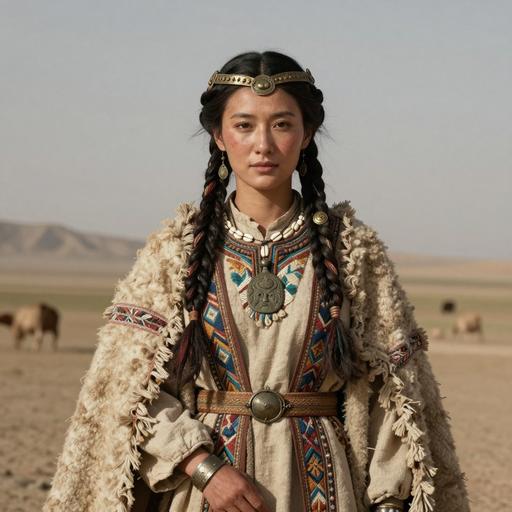
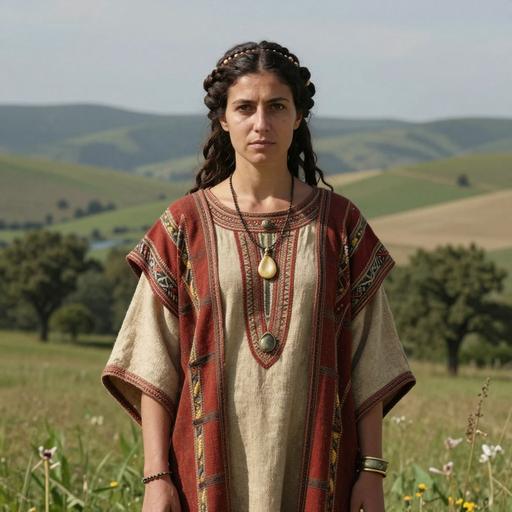
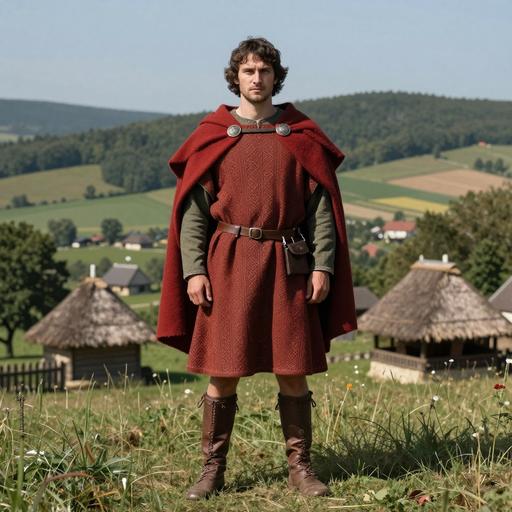
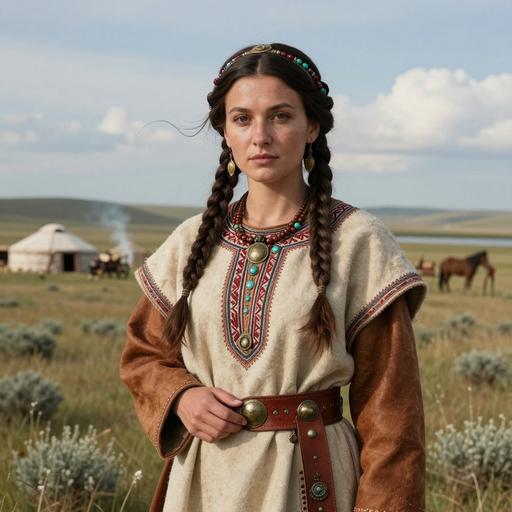
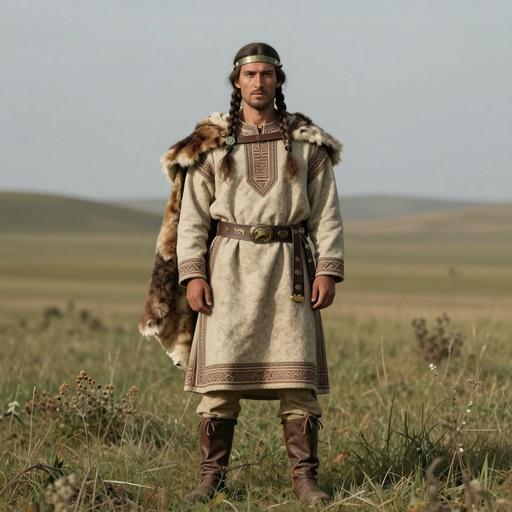
Les portraits sont des illustrations générées par IA. Les libellés d'échantillon et identifiants d'accès désignent les enregistrements de référence.
Portrait
Échantillon
Pays
Époque
Date
Culture
mtDNA
Correspondance
Identifiant d'échantillon : BUR002
Mongolia
Early Medieval Xiongnu
150 BCE - 450 CE
Xiongnu
U2e1
Direct
Identifiant d'échantillon : I17322
Czech Republic
Iron Age La Tène Culture, Czech Republic
400-200 BCE
La Tène Culture
U2e1
Direct
Identifiant d'échantillon : SH-12
Hungary
Hungary Conqueror Commoner
900-1000 CE
Magyar Commoner Culture
U2e1
Direct
Identifiant d'échantillon : CGG100750
Denmark
Denmark Medieval
1000-1300 CE
Danish Medieval
U2e1
Direct
Identifiant d'échantillon : I6363
Mongolia
Late Bronze Age Mongun-Taiga 3, Mongolia
1215 BCE - 1055 BCE
Mongun-Taiga Culture
U2e1
Direct
Identifiant d'échantillon : RISE512
Russia
Russia Andronovo
1488 BCE - 1295 BCE
Andronovo Culture
U2e1
Direct
Identifiant d'échantillon : RISE512
Russia
The Ancient Eurasian Steppe
1488 BCE - 1295 BCE
U2e1
Direct
Identifiant d'échantillon : NEO899
Kazakhstan
Middle-Late Bronze Age Elunino Culture
2192-1985 calBCE (3696±20 BP, OxA-39283)
Elunino
U2e1
Direct
Identifiant d'échantillon : I0419
Russia
Potapovka Culture
2200-1900 BCE
Potapovka Culture
U2e1
Direct
Identifiant d'échantillon : NEO900
Kazakhstan
Middle-Late Bronze Age Elunino Culture
2404-2155 calBCE (3831±20 BP, OxA-39284)
Elunino
U2e1
Direct
Identifiant d'échantillon : VLI070
Czech Republic
Corded Ware Culture, Bohemia, Czech Republic
2470-2306 calBCE (3918±21 BP, MAMS-46362)
Corded Ware
U2e1
Direct
Identifiant d'échantillon : DA226
Kazakhstan
Kazakhstan Kangju
50 CE - 450 CE
Kangju
U2e1h1a
Sous-clade
Identifiant d'échantillon : DA226
Kazakhstan
The Nomadic Empires of the Eurasian Steppe
50 CE - 450 CE
U2e1h1a
Sous-clade
Identifiant d'échantillon : C2032
China
Historical Period Xianshuiquangucheng, Xinjiang, China
50-250 BCE
Xianshuiquangucheng Culture
U2e1h
Sous-clade
Identifiant d'échantillon : I0525
United Kingdom
Late Iron Age East Yorkshire, England
100 BCE - 50 CE
Late Iron Age
U2e1e
Sous-clade
Identifiant d'échantillon : I12292
Tajikistan
Kushan Ksirov
160 calBCE - 1 calCE (2075±20 BP, PSUAMS-6159)
Ksirov Culture
U2e1e
Sous-clade
Identifiant d'échantillon : I12260
Tajikistan
Kushan Ksirov
200-1 BCE
Ksirov Culture
U2e1e
Sous-clade
Identifiant d'échantillon : I12293
Tajikistan
Kushan Ksirov
200 BCE - 100 CE
Ksirov Culture
U2e1e
Sous-clade
Identifiant d'échantillon : SKT004
Mongolia
Xiongnu to Late Medieval Khuvsgul, Mongolia
200-1 BCE
Khuvsgul Transition
U2e1a1
Sous-clade
Identifiant d'échantillon : M1489
United Kingdom
England IA
210 BCE - 40 CE
British Iron Age
U2e1e
Sous-clade
Identifiant d'échantillon : M1489
United Kingdom
Iron Age Britain
210 BCE - 40 CE
U2e1e
Sous-clade
Identifiant d'échantillon : I15518
Serbia
Serbia Roman
211-326 calCE (1805±20 BP, PSUAMS-9558)
Roman Provincial
U2e1a1
Sous-clade
Identifiant d'échantillon : BFM265
France
France HautsdeFrance IA2
300-150 BCE
Iron Age II Culture
U2e1b2
Sous-clade
Identifiant d'échantillon : I25516
Hungary
Hungary IA LaTene
300-100 BCE
La Tene Culture
U2e1a1
Sous-clade
Identifiant d'échantillon : I18834
Hungary
Hungary IA LaTene
350-200 BCE
La Tene Culture
U2e1a1
Sous-clade
Identifiant d'échantillon : I6230
Mongolia
Mongolia EIA Sagly 4
346-57 calBCE (2140±20 BP, PSUAMS-7396)
Sagly Culture
U2e1h
Sous-clade
Identifiant d'échantillon : I20624
United Kingdom
Middle to Late Iron Age England
356-108 calBCE (2166±24 BP, OxA-23358)
Late Iron Age British
U2e1a1
Sous-clade
Identifiant d'échantillon : C1673
China
China Xinjiang Kuokesuxi EIA
361-197 calBCE
Kuokesuxi Culture
U2e1b
Sous-clade
Identifiant d'échantillon : I17016
United Kingdom
England MIA
377-178 calBCE (2210±30 BP, SUERC-94984)
Middle Iron Age British
U2e1a1
Sous-clade
Identifiant d'échantillon : AIG003
Kazakhstan
Iron Age Sarmatian, Kazakhstan
386-203 calBCE (2236±24 BP)
Sarmatian Culture
U2e1b
Sous-clade
Identifiant d'échantillon : CHN006
Mongolia
Early Iron Age to Xiongnu to Late Medieval Uvs, Mongolia
400 BCE - 1500 CE
Uvs Multi-Period
U2e1h
Sous-clade
Identifiant d'échantillon : CHN007
Mongolia
Early Iron Age to Xiongnu to Late Medieval Uvs, Mongolia
500-150 BCE
Uvs Multi-Period
U2e1h
Sous-clade
Identifiant d'échantillon : I0527
United Kingdom
East Yorkshire Iron Age
400-100 BCE
East Yorkshire
U2e1e
Sous-clade
Identifiant d'échantillon : I19907
United Kingdom
England MIA
400-200 BCE
Middle Iron Age British
U2e1a1
Sous-clade
Identifiant d'échantillon : A181015
Hungary
Late Sarmatian to Early Hun Period Danube-Tisza, Hungary
400-500 CE
Sarmatian-Hun
U2e1h
Sous-clade
Identifiant d'échantillon : I17264
United Kingdom
Middle to Late Iron Age England
450-100 BCE
Late Iron Age British
U2e1f1
Sous-clade
Identifiant d'échantillon : I20260
Turkey
Early Byzantine Period 2 Turkey
450-750 CE
Early Byzantine
U2e1a1
Sous-clade
Identifiant d'échantillon : RKF027
Hungary
Hungary Avar
550-850 CE
Avar
U2e1b1
Sous-clade
Identifiant d'échantillon : I25531
Russia
Russia Bashkortostan MigrationPeriod Kushnarenkovo
Sarmatian Culture, Russia - Russia - Caspian steppe
Russia Russia Sarmatian 800 BCE - 100 CE
U2e1h1a7Sous-clade
Identifiant d'échantillon : DA145
Sarmatian Culture, Russia - Russia - Caspian steppe
Russia Russia Sarmatian 800 BCE - 100 CE
U2e1hSous-clade
LIGNÉE MATERNELLE · ADN ANTIQUE
Carte des preuves de lignées antiques
Suivez les clades parents jusqu'à cette branche et explorez où des porteurs antiques ont été identifiés.
Chargement des observations antiques…
La réduction des animations est activée. Utilisez la chronologie ou Tout afficher pour explorer à votre rythme.
Lire les observations sous forme de tableau
Observations antiques affichées par branche, période et date médiane
Branche
Période
Plage de dates
Échantillon
Identifiant d'échantillon
Emplacement
Haplogroupe
Relation
Les marqueurs indiquent des lieux de découvertes archéologiques. Un trait pointillé représente une transition géographique proposée et incertaine entre branches consécutives, appuyée sur plusieurs observations datées ; ce n'est pas un itinéraire exact, un lieu de naissance ni une preuve de descendance directe. Des échantillons de clades parents peuvent appartenir à d'autres branches descendantes. Des lacunes subsistent lorsque les preuves sont insuffisantes. Les dates d'échantillon diffèrent des dates de formation des haplogroupes.
Le regroupement par période historique reflète quand chaque individu antique a vécu, en combinant toutes les branches de cette chaîne de lignée ; ce n'est pas une séquence migratoire ni une chronologie personnelle entre périodes.
Profil de référence
Carte de répartition des porteurs
Répartition géographique de 100 échantillons d'ADN ancien (porteurs directs et de sous-clade de U2E1)
Porteur direct Porteur de sous-clade
Filtre de période
Toutes les périodes
Affichage de tous les échantillons
Profil de référence
Répartition temporelle
Répartition des porteurs selon les périodes archéologiques
Profil de référence
Répartition géographique
Effectifs par pays d'échantillon consigné. Ils reflètent la sélection de référence disponible, pas des fréquences de population.
Profil de référence
Répartition pays × époque
Comparez les effectifs d'échantillons consignés selon les pays et les périodes archéologiques. Sélectionnez une cellule renseignée pour examiner un échantillon.
Données
Données et provenance
Informations sur les sources et qualité des données
Dernière mise à jour2026-06-14
Score de confiance50/100
CouvertureLow
Source des données
La classification, les dates estimées et le contexte géographique reflètent les données de référence consignées et peuvent évoluer lorsque les éléments sont révisés. La couverture d'échantillons est inégale ; les lieux consignés et les associations archéologiques n'établissent pas une origine personnelle ni une identité culturelle.