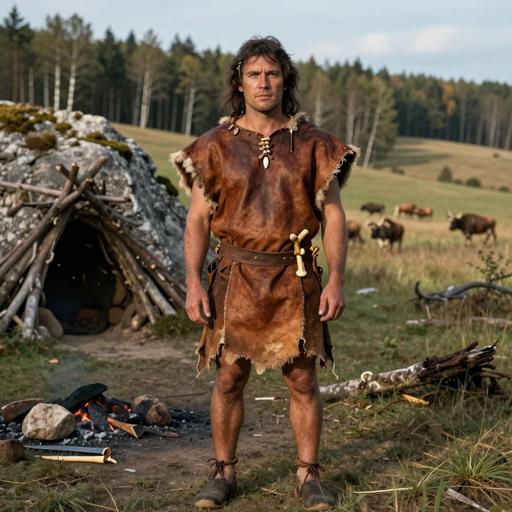
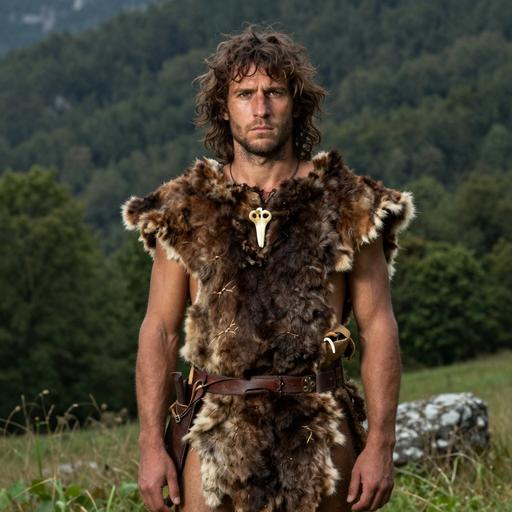
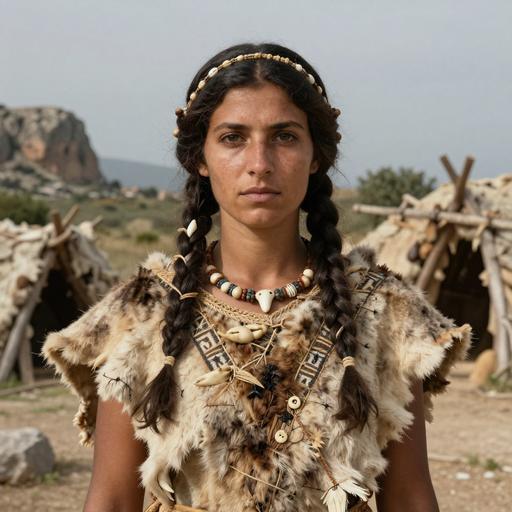
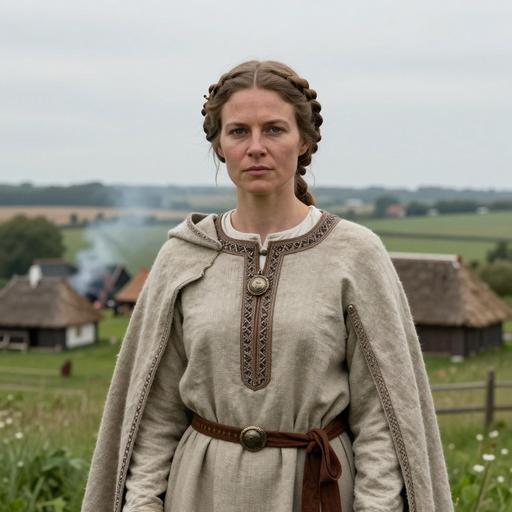
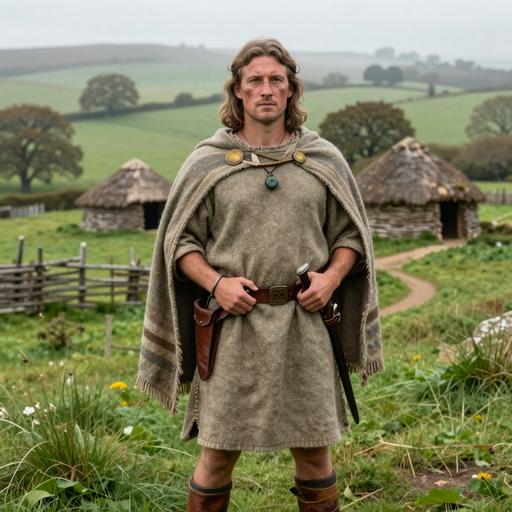
Profil de référence pour une branche de lignée. Des haplogroupes partagés n'établissent pas de lien familial ni d'identité culturelle.
Profil de référence
Contexte de la branche
Contexte historique de la branche de lignée mtDNA U5B2B
Origins and Evolution
mtDNA haplogroup U5B2B is a downstream branch of U5b2, itself part of the broader U5 maternal lineage that is one of the oldest and most characteristic mtDNA haplogroups of post-glacial Europe. U5 lineages expanded and diversified during and after the Late Glacial and Mesolithic periods as human populations recolonized northern and western Europe following the Last Glacial Maximum. Based on its phylogenetic position beneath U5b2 (a clade with an estimated origin around ~12 kya) and its representation in ancient samples, U5B2B most likely arose in Western/Northern Europe in the early Holocene (roughly ~10 kya) as local hunter-gatherer populations differentiated maternally.
Subclades
U5B2B is a relatively narrow and low-frequency branch in the U5 phylogeny. High-resolution mitogenomes have identified a limited number of downstream variants assigned to U5B2B in both ancient DNA (aDNA) and modern samples, but the clade does not yet show extensive, well-defined substructure compared with larger European mtDNA clades (e.g., H or some U5 subclades). Ongoing sequencing of modern and ancient mitogenomes continues to refine its internal structure; currently U5B2B is treated as a distinct tip clade with a few local derivative lineages in northern and western Europe.
Geographical Distribution
U5B2B is observed primarily in northern and western Europe at low to moderate frequencies in certain localized populations. It is most strongly represented in regions with long-term Mesolithic and post-Mesolithic continuity (e.g., parts of Scandinavia and northern Europe), and has been reported sporadically at low frequency in central and eastern Europe, and rarely in Anatolia/Caucasus and North Africa—likely reflecting later movements, gene flow, or low-level ancient connections. In total, U5B2B has been identified in multiple ancient DNA contexts (including 56 samples in the referenced database), which supports its long-term presence in Europe from the Mesolithic into later periods.
Historical and Cultural Significance
The distribution and antiquity of U5B2B link it to Mesolithic hunter-gatherer ancestry in Europe. As farming and later cultural complexes spread across the continent during the Neolithic and Bronze Age, maternal lineages from Mesolithic populations (including U5 subclades) persisted in many regions, sometimes at reduced frequency but often contributing to the maternal ancestry of later populations. U5B2B therefore represents maternal continuity from post-glacial hunter-gatherers in parts of northern and western Europe and contributes to the genetic signature observed in some indigenous and northern groups (for example, among Saami and certain Scandinavian populations where U5 lineages are relatively enriched). Its sporadic presence outside core European areas (Anatolia/Caucasus, North Africa) is consistent with rare maternal gene flow events or migration-mediated dispersal over millennia.
Conclusion
U5B2B is a geographically and historically informative mtDNA subclade that acts as a marker of Mesolithic-derived maternal ancestry in parts of northern and western Europe. While not highly frequent, its presence in multiple ancient DNA samples underscores continuity of maternal lineages from the early Holocene into later archaeological cultures. Continued mitogenome sequencing of both modern and ancient populations will clarify its finer substructure and precise demographic history.
Points clés
Origins and Evolution
Subclades
Geographical Distribution
Historical and Cultural Significance
Conclusion
Profil de référence
Arbre et relations
Contexte phylogénétique et sous-clades
Voie évolutive
Suivez les branches parentes consignées jusqu'à U5B2B. Les dates sont des estimations et peuvent évoluer lorsque les données de référence sont révisées.
The populations where mtDNA haplogroup U5B2B is found include:
Western European populations
Northern European populations (including Saami and other indigenous groups)
Central European populations
Eastern European populations
North African populations (low frequency, sporadic)
Caucasus and Anatolia (low frequency, sporadic)
Contexte historique
Une branche dans le temps
Formation estimée sur une chronologie historique large. Les repères de période servent de contexte et n'impliquent pas de lien avec des cultures particulières.
Il y a ~10k ans
Révolution néolithique
Début de l'agriculture et émergence de communautés sédentaires
Il y a ~10k ans
Haplogroupe U5B2B
Formation estimée de cette branche mtDNA ; les dates et les lieux sont des estimations de référence.
Cette branche
Il y a ~5k ans
Âge du bronze
Travail des métaux, écriture et premières civilisations
Il y a ~3k ans
Âge du fer
Outils en fer, réseaux d'échanges élargis
Il y a ~2.5k ans
Antiquité classique
Floraison des civilisations grecque et romaine
Aujourd'hui
Aujourd'hui
Époque moderne
Profil de référence
Contexte archéologique
Associations archéologiques consignées pour la branche mtDNA U5B2B
Associations consignées
Ces libellés décrivent des contextes archéologiques consignés pour des échantillons de référence liés à U5B2B. Une association n'établit pas que tous les porteurs appartenaient à une culture ni qu'ils ont suivi une route migratoire précise.
Les attributions culturelles reposent sur le contexte archéologique des échantillons d'ADN ancien et peuvent refléter des associations régionales à certaines périodes.
Profil de référence
Catalogue d'échantillons
46 porteurs directs et 54 porteurs de sous-clade de l'haplogroupe U5B2B
10 affiché(s) · 50 échantillons correspondants
Aucun échantillon ne correspond à ces filtres. Essayez un autre libellé, lieu ou période.
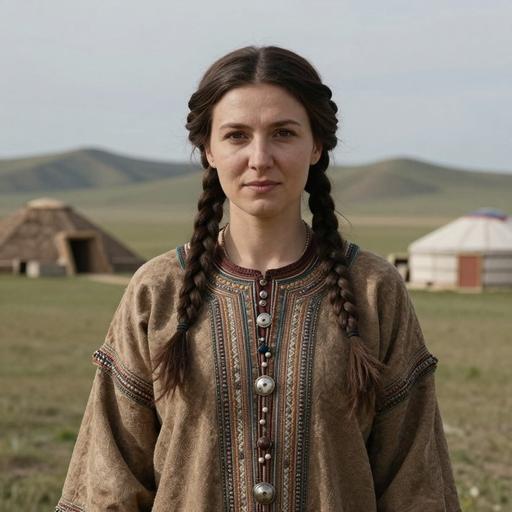
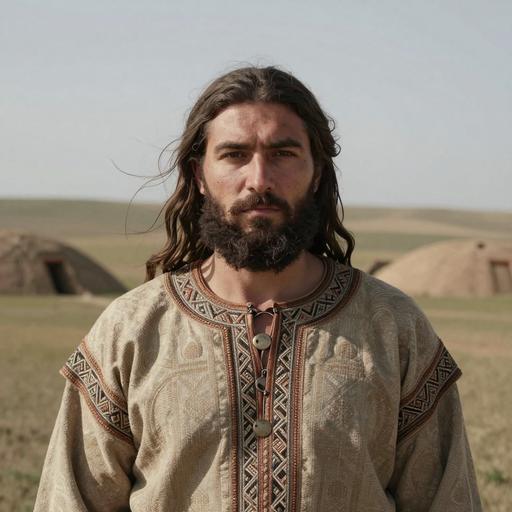
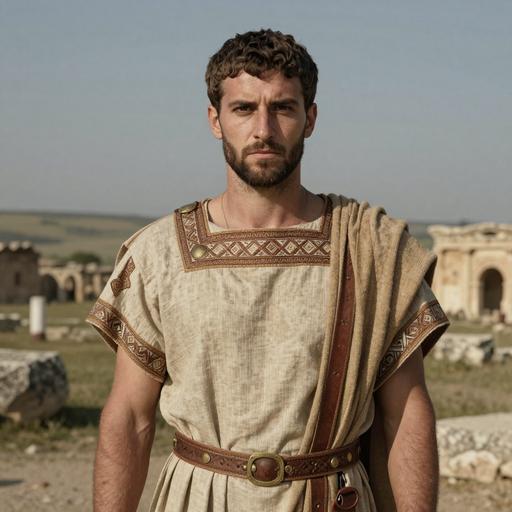
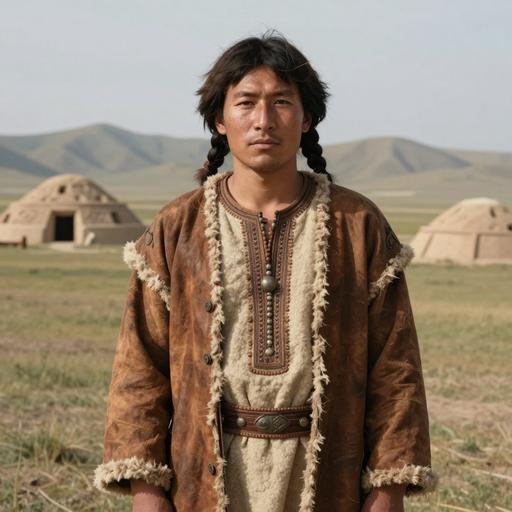
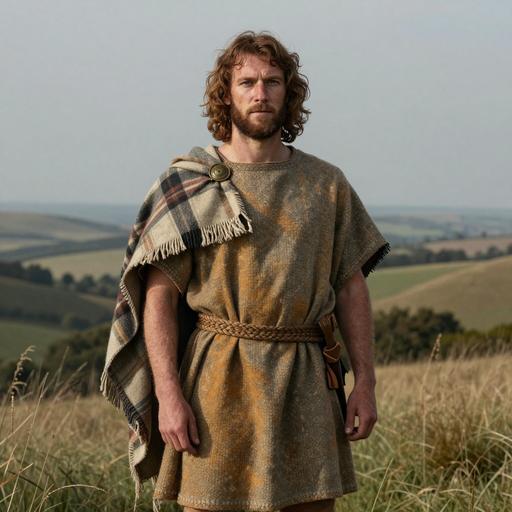
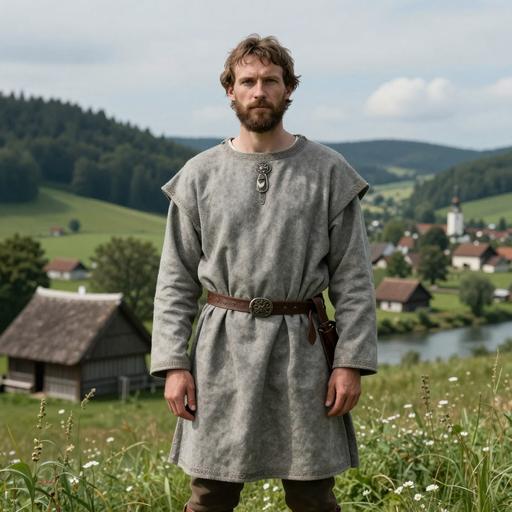
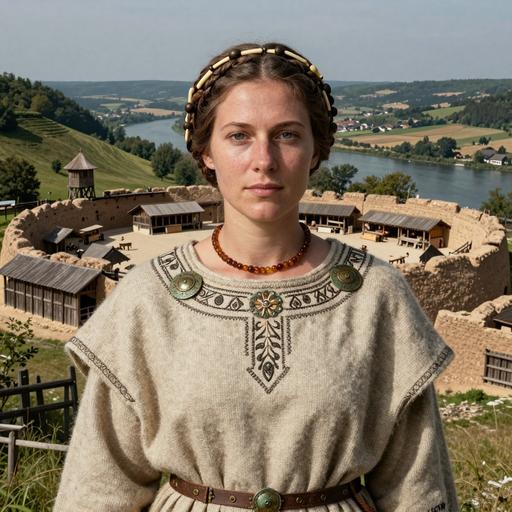
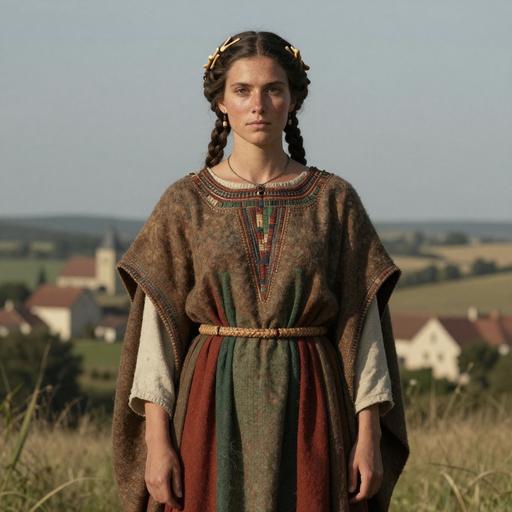
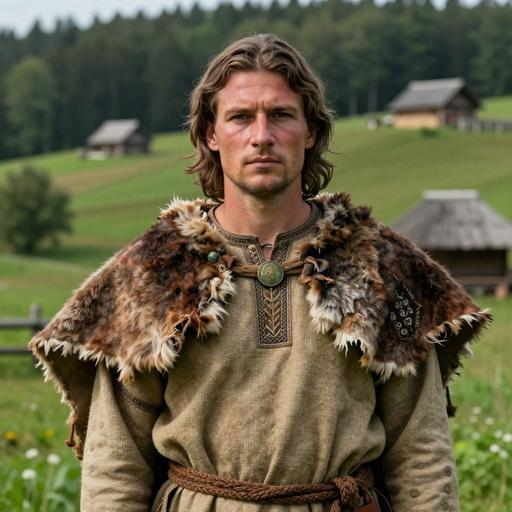
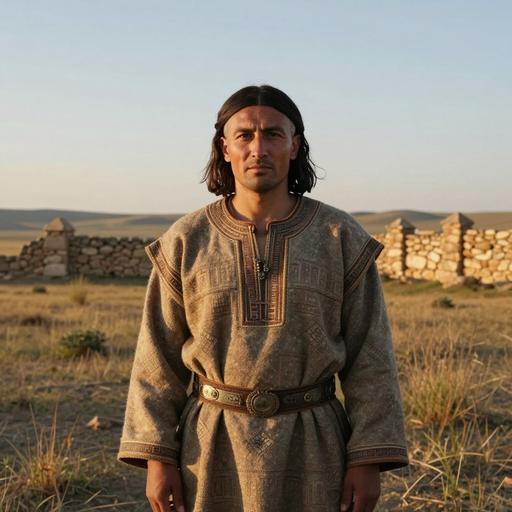
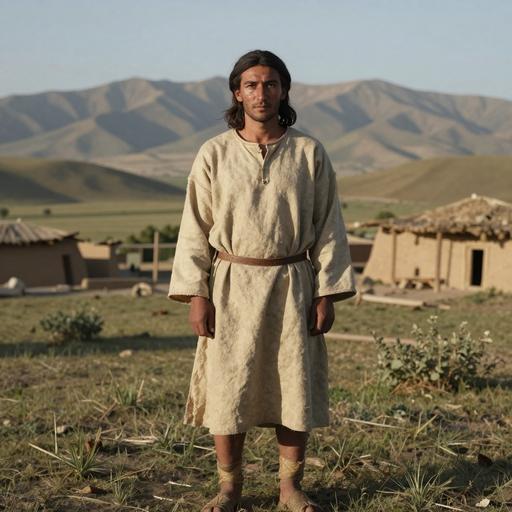
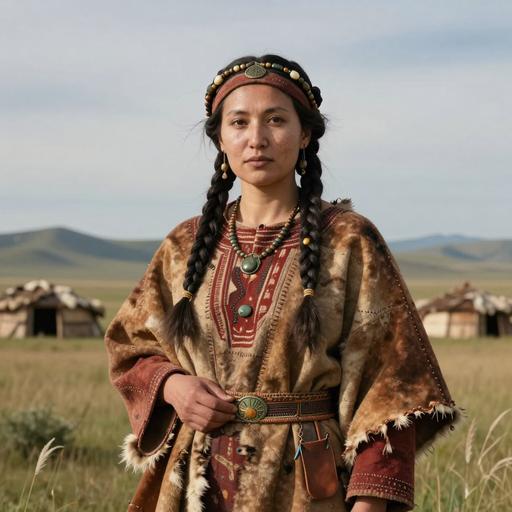
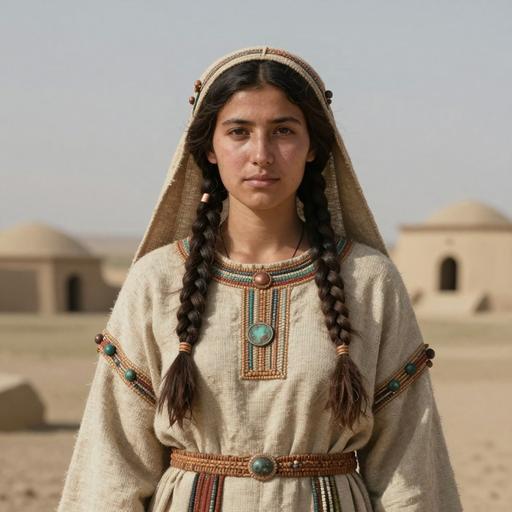
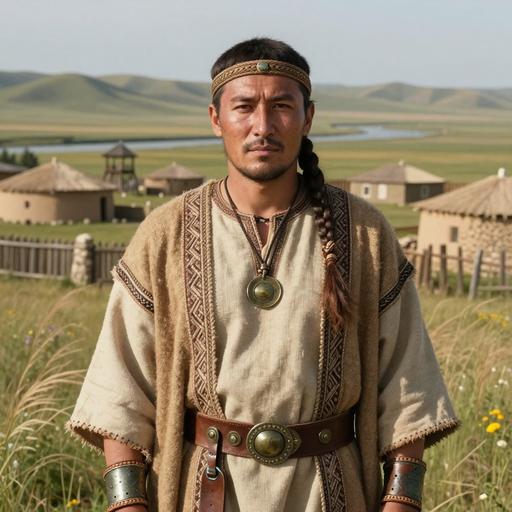
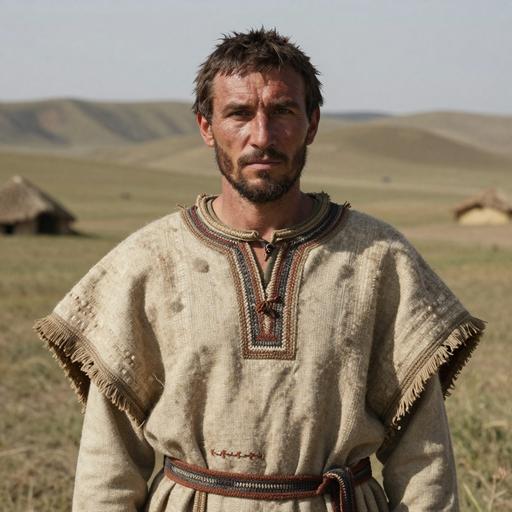
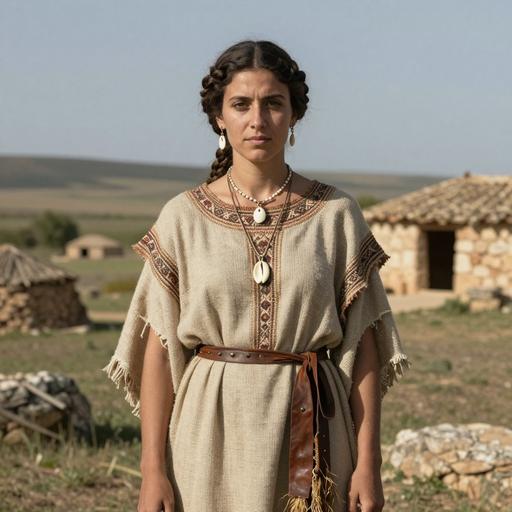
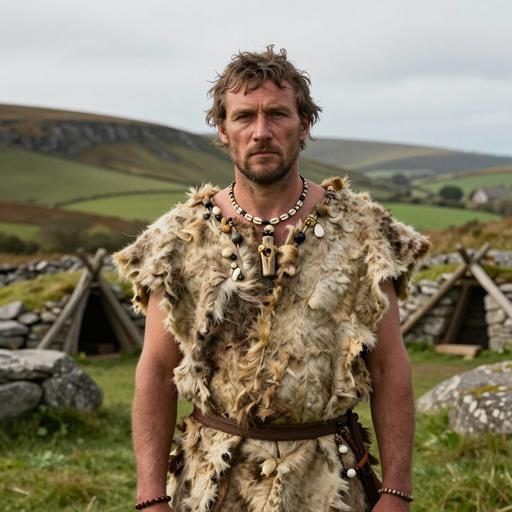
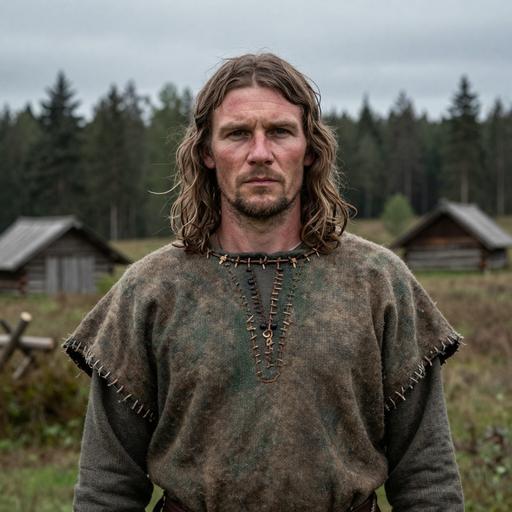
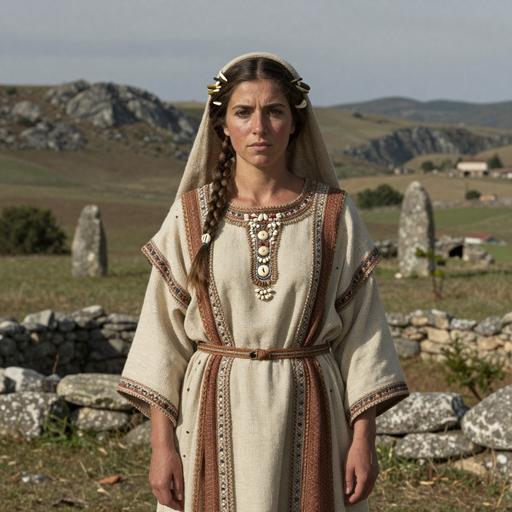
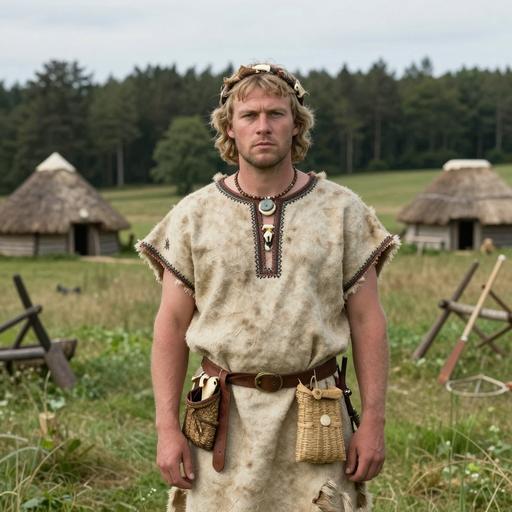
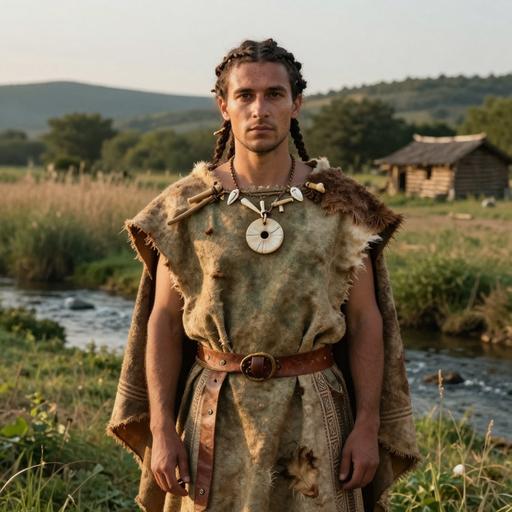
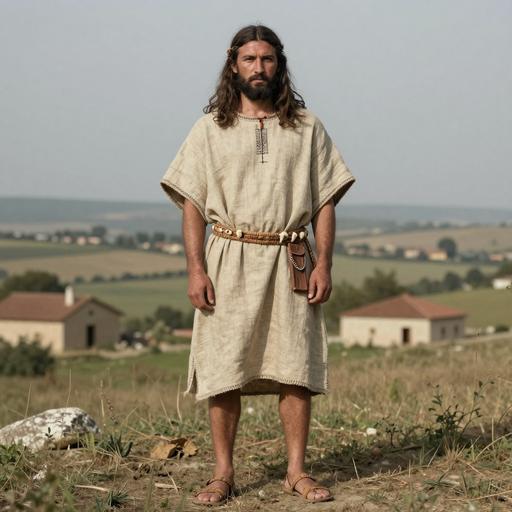
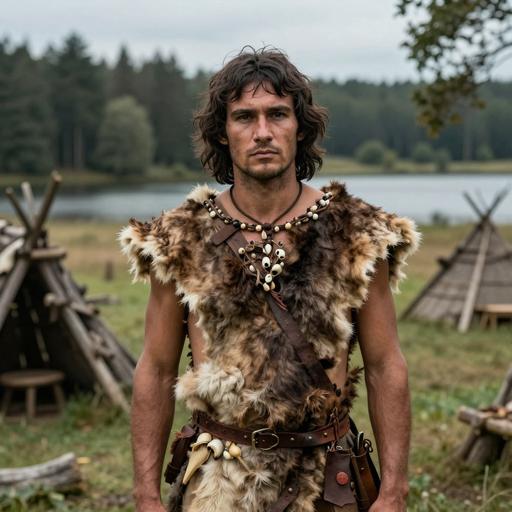
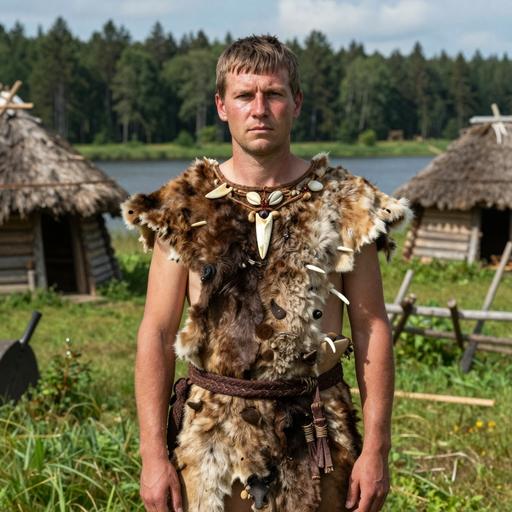
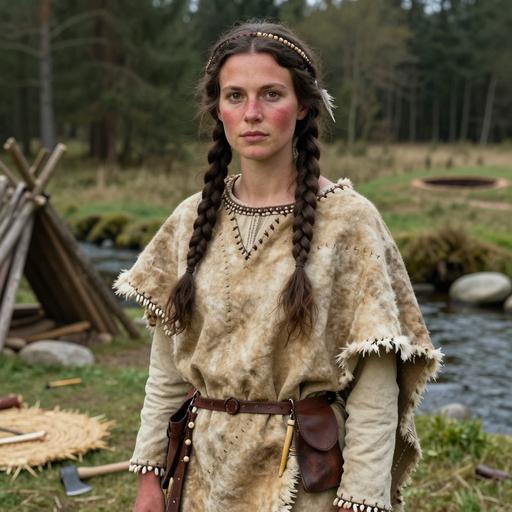
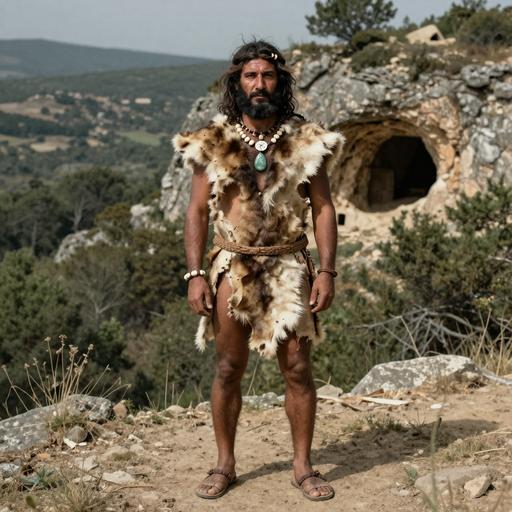
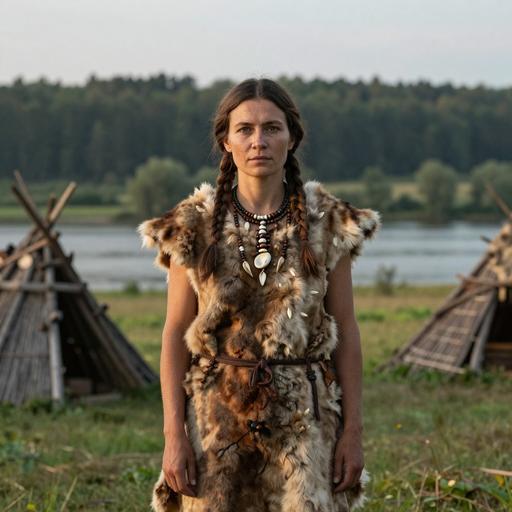
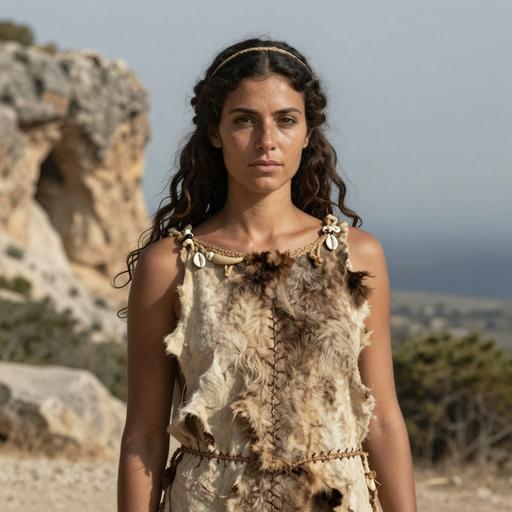
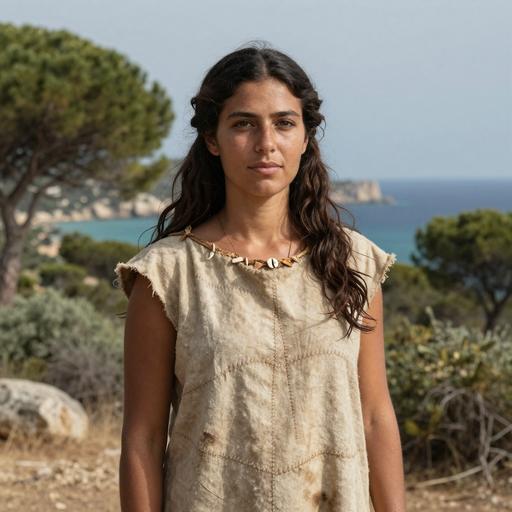
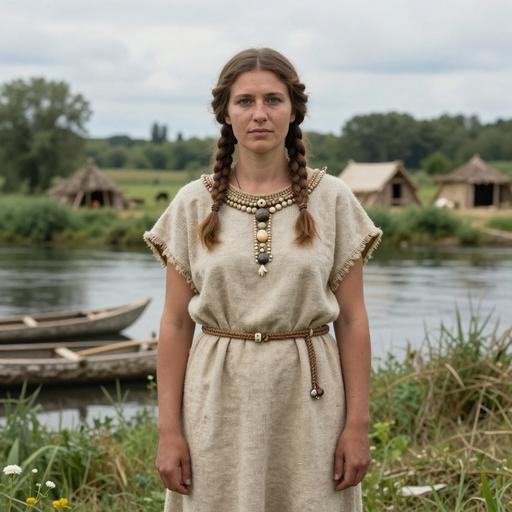
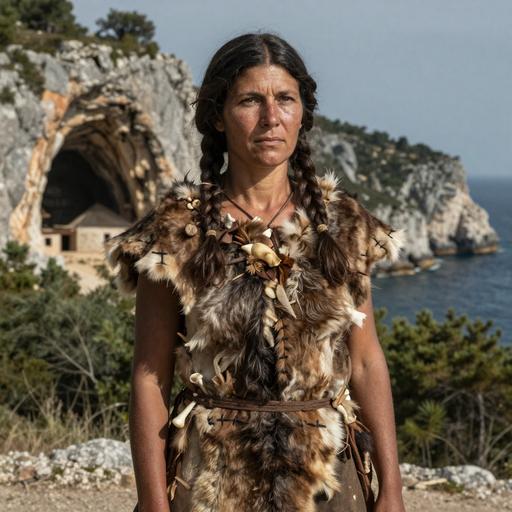
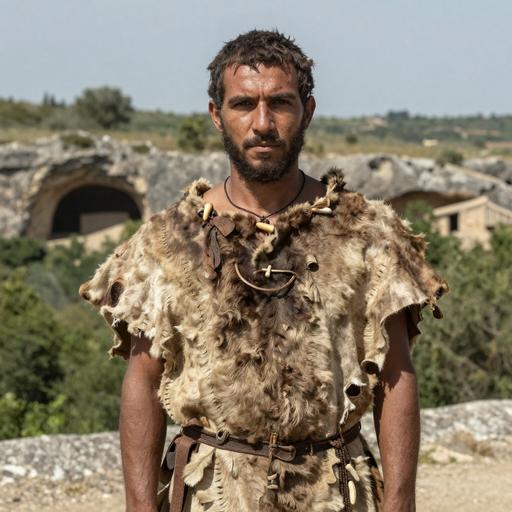
Les portraits sont des illustrations générées par IA. Les libellés d'échantillon et identifiants d'accès désignent les enregistrements de référence.
Portrait
Échantillon
Pays
Époque
Date
Culture
mtDNA
Correspondance
Identifiant d'échantillon : tem001
Russia
Russia LateSarmatian
129 CE - 321 CE
Sarmatian Culture
U5b2b
Direct
Identifiant d'échantillon : tem003
Russia
Russia LateSarmatian
131 CE - 336 CE
Sarmatian Culture
U5b2b
Direct
Identifiant d'échantillon : I15520
Serbia
Serbia Roman
207-326 calCE (1810±20 BP, PSUAMS-9559)
Roman Provincial
U5b2b
Direct
Identifiant d'échantillon : MJ-53
Kazakhstan
Tasmola Culture in Kazakhstan
393 BCE - 206 BCE
Tasmola
U5b2b
Direct
Identifiant d'échantillon : I19873
United Kingdom
England MIA
400-209 calBCE (2279±25 BP, SUERC-132756)
Middle Iron Age British
U5b2b
Direct
Identifiant d'échantillon : AED249
Germany
Early Medieval Germany
480 CE - 510 CE
Early Medieval German
U5b2b
Direct
Identifiant d'échantillon : HEU001
Germany
Hallstatt Culture
550-500 BCE
Hallstatt
U5b2b
Direct
Identifiant d'échantillon : NIED
France
Late Bronze Age Grand Est, France
950-800 BCE
Late Bronze Age Culture
U5b2b
Direct
Identifiant d'échantillon : PCA0424
Poland
Iron Age Santok Culture
1000-1200 CE
Santok Culture
U5b2b
Direct
Identifiant d'échantillon : I3977
Kazakhstan
Late Bronze Zevakinskiy
1190-999 calBCE (2885±20 BP, PSUAMS-2507)
Zevakinskiy Culture
U5b2b
Direct
Identifiant d'échantillon : I4153
Uzbekistan
Bronze Age Kashkarchi
1200-1000 BCE
Kashkarchi
U5b2b
Direct
Identifiant d'échantillon : I4782
Kazakhstan
Mid-Late Bronze Kazakh Mys
1741-1549 calBCE (3370±20 BP, PSUAMS-2915)
Kazakh Mys Culture
U5b2b
Direct
Identifiant d'échantillon : I11538
Kazakhstan
Middle Bronze Chanchar
1741 BCE - 1613 BCE
Chanchar Culture
U5b2b
Direct
Identifiant d'échantillon : I3767
Kazakhstan
Ak-Moustafa Mid-Late Bronze Age
1872-1636 calBCE (3430±20 BP, PSUAMS-2496)
Ak-Moustafa Culture
U5b2b
Direct
Identifiant d'échantillon : I2602
United Kingdom
Chalcolithic to Early Bronze Age England
1892-1699 calBCE (3490±30 BP, SUERC-40290)
British Chalcolithic
U5b2b
Direct
Identifiant d'échantillon : I3393
Russia
Mid-Late Bronze Krasnoyarsk
1650-1400 BCE
Krasnoyarsk Culture
U5b2b
Direct
Identifiant d'échantillon : I0459
Spain
Spain C
2600-2200 BCE
Los Millares
U5b2b
Direct
Identifiant d'échantillon : I11592
Portugal
Portugal C
2800-2600 BCE
Portuguese Chalcolithic
U5b2b
Direct
Identifiant d'échantillon : I16491
United Kingdom
Wales N
2876-2680 calBCE (4170±100 BP, OxA-3817)
Welsh Neolithic
U5b2b
Direct
Identifiant d'échantillon : FRA024
Sweden
Northern Swedish Frälsegården
3082-2919 calBCE (4385±15 BP; UCIAMS-278088)
Frälsegården
U5b2b
Direct
Identifiant d'échantillon : I3277
Spain
Spain C
3150-2850 BCE
Los Millares
U5b2b
Direct
Identifiant d'échantillon : NEO962
Denmark
Danish Early Neolithic
3977-3796 calBCE (5102±37 BP, AAR-7416-2)
Danish Early Neolithic
U5b2b
Direct
Identifiant d'échantillon : I4167
Croatia
Croatia N Starcevo
4792 BCE - 4552 BCE
Starčevo Culture
U5b2b
Direct
Identifiant d'échantillon : POP07
Croatia
Middle Neolithic Popova Culture
4792 BCE - 4552 BCE
Popova Culture
U5b2b
Direct
Identifiant d'échantillon : NEO732
Denmark
Ertebølle culture
5299-5063 calBCE (6223±22 BP, P-48475)
Ertebølle
U5b2b
Direct
Identifiant d'échantillon : NEO733
Denmark
Ertebølle culture
5299-5063 calBCE (6223±22 BP, P-48474)
Ertebølle
U5b2b
Direct
Identifiant d'échantillon : DRI001
Germany
Mesolithic Germany
5462-4997 calBCE (6250±80 BP, UZ-4093)
German Mesolithic
U5b2b
Direct
Identifiant d'échantillon : Kretuonas2
Lithuania
Lithuania EMN Narva
5500 BCE - 2900 BCE
Narva Culture
U5b2b
Direct
Identifiant d'échantillon : Kretuonas2
Lithuania
Early Middle Neolithic Baltic
5500 BCE - 2900 BCE
U5b2b
Direct
Identifiant d'échantillon : GFW002
Germany
Mesolithic Germany
6022 BCE - 5832 BCE
German Mesolithic
U5b2b
Direct
Identifiant d'échantillon : GFW003
Germany
Mesolithic Germany
6022 BCE - 5832 BCE
German Mesolithic
U5b2b
Direct
Identifiant d'échantillon : GFW002_GFW003_merge
Germany
Mesolithic Germany
6022 BCE - 5832 BCE
German Mesolithic
U5b2b
Direct
Identifiant d'échantillon : GFW002
Germany
Mesolithic Germany
6022 BCE - 5832 BCE
German Mesolithic
U5b2b
Direct
Identifiant d'échantillon : I8130
Spain
Hunter-Gatherer Spain
6064-5926 calBCE (7135±25 BP, PSUAMS-4429)
Mesolithic Iberian
U5b2b
Direct
Identifiant d'échantillon : hoe003
France
France Mesolithic
6100-5000 BCE
French Mesolithic
U5b2b
Direct
Identifiant d'échantillon : I5885
Ukraine
Ukraine Mesolithic
6392 BCE - 5921 BCE
Mesolithic Ukrainian
U5b2b
Direct
Identifiant d'échantillon : UZZ4446
Italy
Late Mesolithic Castelnovian Culture, Sicily, Italy
6633-6469 calBCE (7713±26 BP)
Castelnovian Culture
U5b2b
Direct
Identifiant d'échantillon : UZZ069
Italy
Late Mesolithic Castelnovian Culture, Sicily, Italy
6773-6597 calBCE (7848±26 BP)
Castelnovian Culture
U5b2b
Direct
Identifiant d'échantillon : NEO521
Ukraine
Dnieper Neolithic Culture
7032-6645 calBCE (7901±42 BP, UBA-40053)
Dnieper-Donets Culture
U5b2b
Direct
Identifiant d'échantillon : I1875
Croatia
Croatia Mesolithic HG
7321-6834 calBCE (8110±50 BP, Poz-90130)
Croatian Mesolithic
U5b2b
Direct
Identifiant d'échantillon : Iboussieres39
France
Iboussieres 39 Site, France
9992 BCE - 9456 BCE
Iboussieres Culture
U5b2b
Direct
Identifiant d'échantillon : Iboussieres39
France
Paleolithic France
9992 BCE - 9456 BCE
U5b2b
Direct
Identifiant d'échantillon : Rochedane
France
Rochedane Site, France
11207 BCE - 10955 BCE
Rochedane Culture
U5b2b
Direct
Identifiant d'échantillon : Villabruna
Italy
Villabruna Hunter-Gatherer, Northern Italy
12268 BCE - 11851 BCE
Villabruna
U5b2b
Direct
Identifiant d'échantillon : MA1863
Italy
Italy Sicily Epigravettian
12000-8500 BCE
Sicilian Epigravettian
U5b2b
Direct
Identifiant d'échantillon : MA1864
Italy
Italy Sicily Epigravettian
12000-8500 BCE
Sicilian Epigravettian
U5b2b
Direct
Identifiant d'échantillon : MDM003
Netherlands
Netherlands Friesland Medieval Saxon
350-550 CE
Frisian-Saxon Culture
U5b2b3
Sous-clade
Identifiant d'échantillon : I17317
Czech Republic
Iron Age La Tène Culture, Czech Republic
400-200 BCE
La Tène Culture
U5b2b2
Sous-clade
Identifiant d'échantillon : I13754
United Kingdom
East Yorkshire Iron Age
400-50 BCE
East Yorkshire
U5b2b3
Sous-clade
Identifiant d'échantillon : I20987
United Kingdom
Middle to Late Iron Age England
450-1 BCE
Late Iron Age British
U5b2b3
Sous-clade
Identifiant d'échantillon : tem001
Late Sarmatian Culture, Russia - Russia - Republic of Bashkortostan. Baymak Distict. Temyaysovo-1 burial ground
Russia Russia LateSarmatian 129 CE - 321 CE
U5b2bDirect
Identifiant d'échantillon : tem003
Late Sarmatian Culture, Russia - Russia - Republic of Bashkortostan. Baymak Distict. Temyaysovo-1 burial ground
Russia Russia LateSarmatian 131 CE - 336 CE
U5b2bDirect
Identifiant d'échantillon : I15520
Roman Serbia - Serbia - Viminacium-Vise-Grobalja (Braničevo District, Požarevac Municipality, Kostolac)
Serbia Serbia Roman 207-326 calCE (1810±20 BP, PSUAMS-9559)
U5b2bDirect
Identifiant d'échantillon : MJ-53
Tasmola Culture in Kazakhstan - Kazakhstan - Nurken-2. Mound 6
Kazakhstan Tasmola Culture in Kazakhstan 393 BCE - 206 BCE
U5b2bDirect
Identifiant d'échantillon : I19873
Middle Iron Age England - United Kingdom - England. Kent. East Kent Access Road
United Kingdom England MIA 400-209 calBCE (2279±25 BP, SUERC-132756)
U5b2bDirect
Identifiant d'échantillon : AED249
Early Medieval Germany - Germany - Bavaria. Altenerding- Klettham
Netherlands Netherlands Friesland Medieval Saxon 350-550 CE
U5b2b3Sous-clade
Identifiant d'échantillon : I17317
Iron Age La Tène Culture, Czech Republic - Czech Republic - Central Bohemia. Prague 5. Prague-Jinonice (Holmanʼs Garden Centre)
Czech Republic Iron Age La Tène Culture, Czech Republic 400-200 BCE
U5b2b2Sous-clade
Identifiant d'échantillon : I13754
East Yorkshire Iron Age - United Kingdom - England. East Riding of Yorkshire. Pocklington (Burnby Lane)
United Kingdom East Yorkshire Iron Age 400-50 BCE
U5b2b3Sous-clade
Identifiant d'échantillon : I20987
Middle to Late Iron Age England - United Kingdom - England. Hampshire. Middle Wallop. Suddern Farm
United Kingdom Middle to Late Iron Age England 450-1 BCE
U5b2b3Sous-clade
LIGNÉE MATERNELLE · ADN ANTIQUE
Carte des preuves de lignées antiques
Suivez les clades parents jusqu'à cette branche et explorez où des porteurs antiques ont été identifiés.
Chargement des observations antiques…
La réduction des animations est activée. Utilisez la chronologie ou Tout afficher pour explorer à votre rythme.
Lire les observations sous forme de tableau
Observations antiques affichées par branche, période et date médiane
Branche
Période
Plage de dates
Échantillon
Identifiant d'échantillon
Emplacement
Haplogroupe
Relation
Les marqueurs indiquent des lieux de découvertes archéologiques. Un trait pointillé représente une transition géographique proposée et incertaine entre branches consécutives, appuyée sur plusieurs observations datées ; ce n'est pas un itinéraire exact, un lieu de naissance ni une preuve de descendance directe. Des échantillons de clades parents peuvent appartenir à d'autres branches descendantes. Des lacunes subsistent lorsque les preuves sont insuffisantes. Les dates d'échantillon diffèrent des dates de formation des haplogroupes.
Le regroupement par période historique reflète quand chaque individu antique a vécu, en combinant toutes les branches de cette chaîne de lignée ; ce n'est pas une séquence migratoire ni une chronologie personnelle entre périodes.
Profil de référence
Carte de répartition des porteurs
Répartition géographique de 100 échantillons d'ADN ancien (porteurs directs et de sous-clade de U5B2B)
Porteur direct Porteur de sous-clade
Filtre de période
Toutes les périodes
Affichage de tous les échantillons
Profil de référence
Répartition temporelle
Répartition des porteurs selon les périodes archéologiques
Profil de référence
Répartition géographique
Effectifs par pays d'échantillon consigné. Ils reflètent la sélection de référence disponible, pas des fréquences de population.
Profil de référence
Répartition pays × époque
Comparez les effectifs d'échantillons consignés selon les pays et les périodes archéologiques. Sélectionnez une cellule renseignée pour examiner un échantillon.
Données
Données et provenance
Informations sur les sources et qualité des données
Dernière mise à jour2026-02-16
Score de confiance50/100
CouvertureLow
Source des données
La classification, les dates estimées et le contexte géographique reflètent les données de référence consignées et peuvent évoluer lorsque les éléments sont révisés. La couverture d'échantillons est inégale ; les lieux consignés et les associations archéologiques n'établissent pas une origine personnelle ni une identité culturelle.