Y-DNA · Paternal lineage

L

Y-DNA Haplogroup L

A reference profile for one lineage branch. Shared haplogroups do not establish a family relationship or cultural identity.

Reference profile

Branch background

Historical context for Y-DNA lineage branch L

Origins and Evolution

Y-DNA haplogroup L is a major paternal lineage descended from the broader LT branch of the Y-chromosome phylogenetic tree. It is generally regarded as an old lineage that diversified in South Asia, the Iranian plateau, or a nearby region of western South Asia / eastern Near East, likely during the late Paleolithic or early Holocene.

Most phylogenetic and population genetic studies place the age of haplogroup L at roughly 40,000 years ago, with subsequent diversification into several regional subclades during the early agricultural and post-glacial periods. Its internal structure suggests long-term regional continuity in parts of the Indian subcontinent and surrounding areas, alongside multiple later dispersals.

Subclades

Haplogroup L has several important downstream branches, including lineages often discussed in relation to South Asian and Iranian ancestry. Notable subclades include:

  • L1 and L2, which contain geographically distinctive regional branches.
  • Subclades found at appreciable frequencies in India, Pakistan, Iran, Afghanistan, and the Arabian Peninsula.
  • Some derived branches show stronger associations with specific endogamous communities in South Asia, reflecting founder effects and drift rather than a single cultural origin.

Because haplogroup L is an intermediate clade, it serves as an important connector between the ancestral LT macrobranch and later regional Y-lineages.

Geographical Distribution

Today, haplogroup L is found at its highest frequencies in South Asia, especially in Pakistan, northwestern India, western India, and parts of southern India. It is also present at lower to moderate frequencies in Iran, Afghanistan, the Caucasus, Central Asia, and the Arabian Peninsula, with occasional occurrences in the broader Middle East.

Its distribution is best interpreted as the result of both deep regional ancestry and later demographic expansions associated with Neolithic and post-Neolithic societies. In South Asia, it is often found among both caste and tribal populations, as well as in some isolated or endogamous groups.

Historical and Cultural Significance

Haplogroup L is significant because it provides evidence for very early paternal diversification in the region spanning South Asia and the western edge of Inner Asia. Its presence in multiple ancient and modern populations suggests that it may reflect ancestry from early resident populations predating later large-scale expansions of steppe, Indo-Iranian, and historical-era lineages.

In archaeogenetic terms, haplogroup L is sometimes discussed in connection with Neolithic and Bronze Age population structure in South Asia and the Iranian plateau, though no single archaeological culture can be assigned to it exclusively. Its broad spread and deep substructure indicate a lineage shaped by regional continuity, migration, and founder effects over tens of millennia.

Conclusion

Y-DNA haplogroup L is an ancient and informative paternal lineage with a likely origin in South Asia or the adjacent Near East, and a long history of diversification across the Indian subcontinent and surrounding regions. It is a valuable marker for studying prehistoric population structure, regional continuity, and the complex paternal ancestry of South and Central Asia.

Key Points

  • Origins and Evolution
  • Subclades
  • Geographical Distribution
  • Historical and Cultural Significance
  • Conclusion

Reference profile

Tree & Relationships

Phylogenetic context and subclades

Evolution Path

Follow the recorded parent branches toward L. Dates are estimates and can change as reference data is revised.

Steps Haplogroup Age Estimate Archaeology Era Time Passed Immediate Descendants Tested Modern Descendants Ancient Connections
1 L Current ~40,000 years ago Paleolithic 40,000 years 4 290 77
Reference profile

Where in the World

Geographic distribution and modern presence

Recorded origin

South Asia / Near East

Modern Distribution

The populations where Y-DNA haplogroup L is found include:

  1. Punjabi, Sindhi, Gujarati, and other North and West Indian populations
  2. Pakistani populations, including groups from Punjab, Sindh, and Balochistan
  3. Iranian populations, especially in western and eastern Iran
  4. Afghan populations and some Central Asian groups
  5. Arabian Peninsula populations at lower frequencies
  6. Southern Indian populations, including some Dravidian-speaking and tribal groups

Regional Presence

South Asia High
Central Asia Moderate
Western Asia Moderate
Middle East Low
Historical context

A branch through time

Estimated formation in a broad historical timeline. Period markers provide context and do not imply a connection with particular cultures.

  1. ~50k years ago

    Upper Paleolithic

    Advanced tool-making, art, and cultural explosion

  2. ~40k years ago

    Haplogroup L

    Estimated formation of this Y-DNA branch; dates and locations are reference estimates.

    This branch
  3. ~20k years ago

    Last Glacial Maximum

    Peak of the last ice age, populations isolated

  4. ~10k years ago

    Neolithic Revolution

    Agriculture begins, settled communities form

  5. ~5k years ago

    Bronze Age

    Metalworking, writing, and early civilizations

  6. ~3k years ago

    Iron Age

    Iron tools, expanded trade networks

  7. ~2.5k years ago

    Classical Antiquity

    Greek and Roman civilizations flourish

  8. Present

    Present Day

    Modern era

Reference profile

Archaeological context

Recorded archaeological associations for Y-DNA branch L

Recorded associations

These labels describe archaeological contexts recorded for reference samples linked to L. An association does not establish that all carriers belonged to a culture or followed a particular migration route.

Ashkelon Culture Chalcolithic Armenian Gumelnița Gumelnița-Karanovo Unetice Varna
Culture assignments are based on archaeological context of ancient DNA samples and may represent regional associations during specific time periods.
Reference profile

Sample Catalog

3 direct carriers and 74 subclade carriers of haplogroup L

10 shown · 50 matching samples

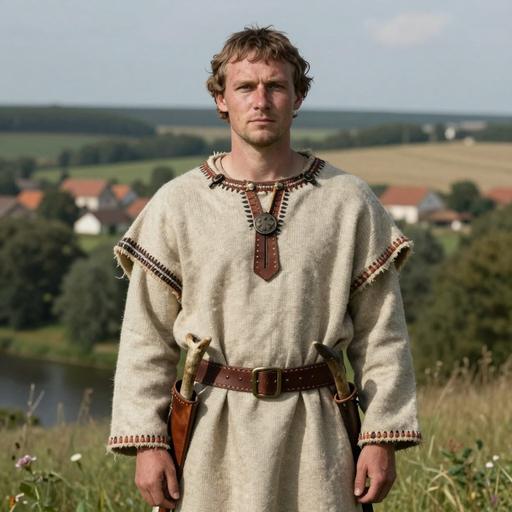
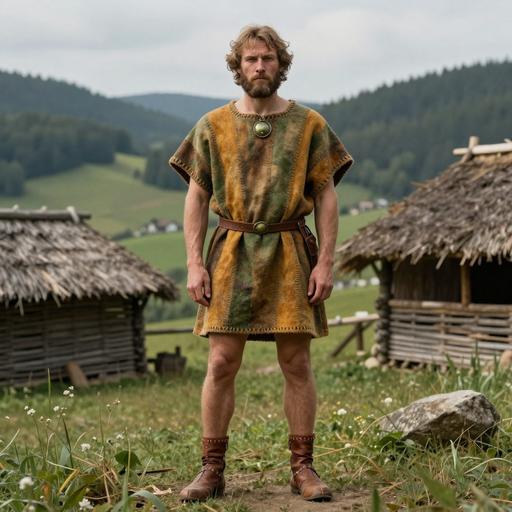
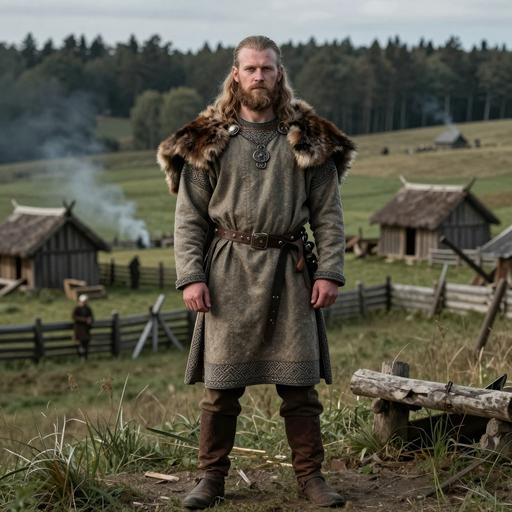
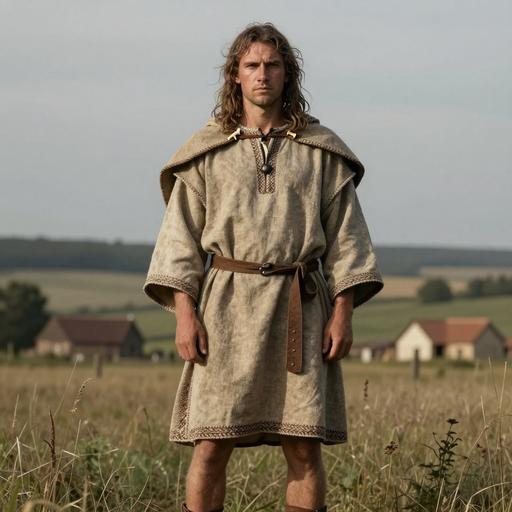
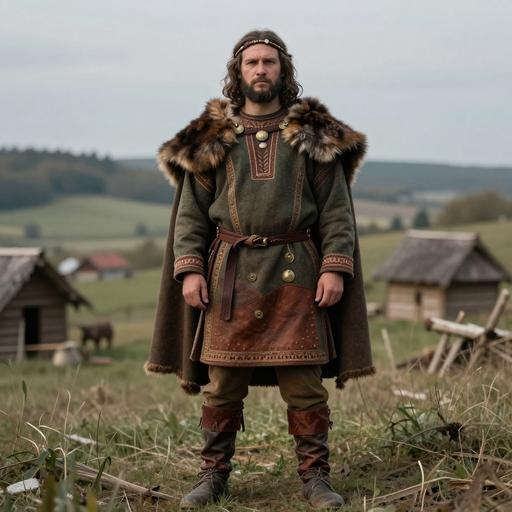
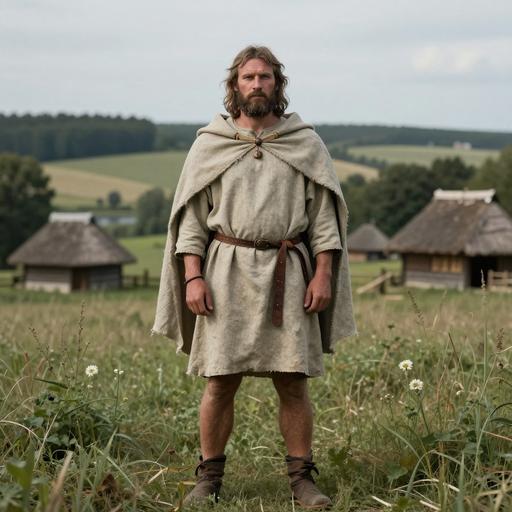
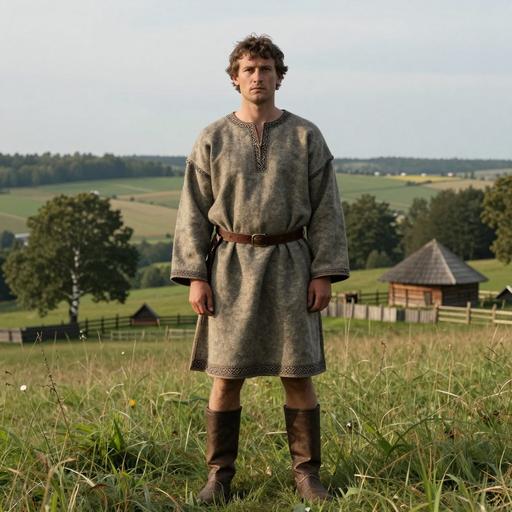
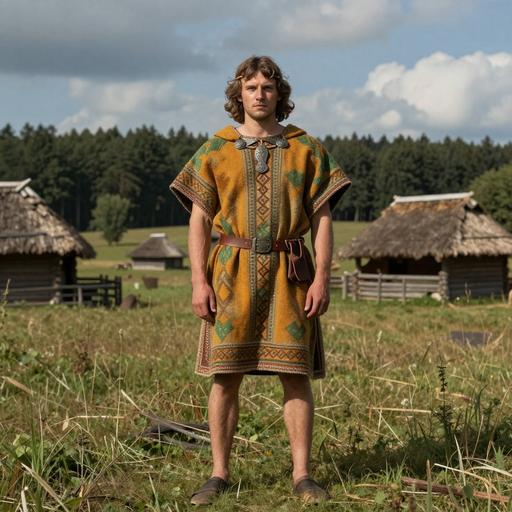
Portraits are AI-generated illustrations. Sample labels and accession IDs identify the reference records.

Portrait Sample Country Era Date Culture Y-DNA Match
AI-generated illustrative portrait of Sicily Himera IA b Greek-o Aegean individual, Himera (Sicily, Palermo, Termini Imerese), Italy (700-400 BCE)
Sample ID: I20166
Italy Classical Sicilian (Himera) 700-400 BCE Himeran Greek L Direct
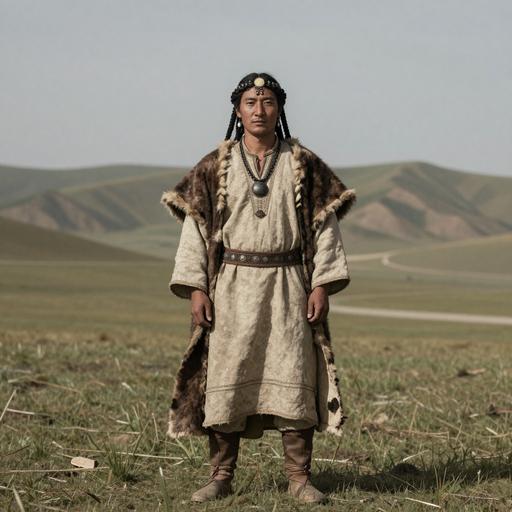
AI-generated illustrative portrait of Xinjiang Abusanteer IA individual, Xinjiang. Yili Region. Chabuchaer County. Abusanteer, China (789-202 BCE)
Sample ID: C4273
China China Xinjiang Abusanteer IA 800-200 BCE Abusanteer Culture L~ Direct
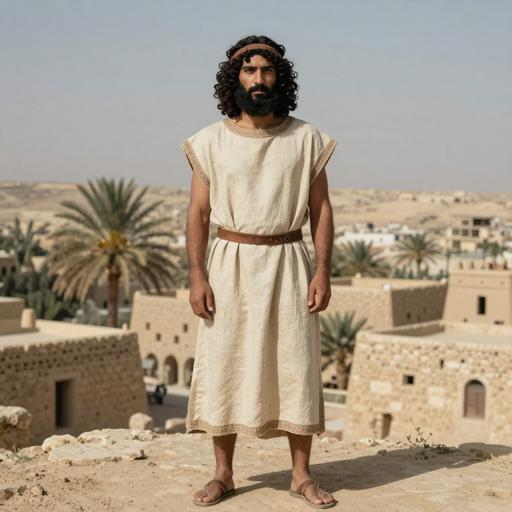
AI-generated illustrative portrait of Canaanite/Phoenician individual, Ashkelon, Israel (1,200-1,100 BCE)
Sample ID: ASH087
Israel Iron Age II Ashkelon, Israel 1200-1100 BCE Ashkelon Culture L Direct
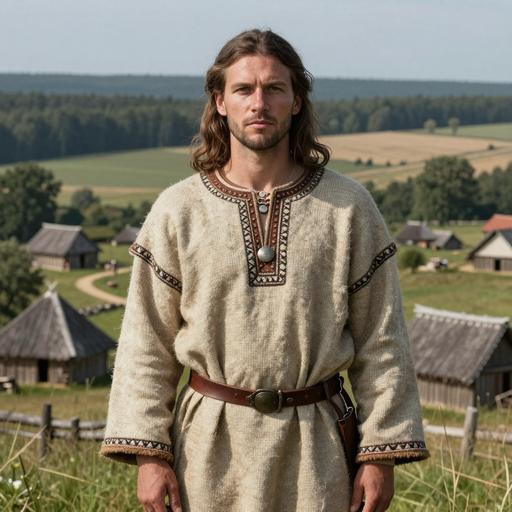
AI-generated illustrative portrait of IA Wielbark individual, Kowalewko (Greater Poland Province, Oborniki), Poland (16-141 CE)
Sample ID: PCA0066
Poland Wielbark Culture 150-1 BCE Wielbark L1237 Subclade
AI-generated illustrative portrait of IA Wielbark individual, Kowalewko (Greater Poland Province, Oborniki), Poland (40 BCE-87 CE)
Sample ID: PCA0046
Poland Wielbark Culture 50 BCE - 100 CE Wielbark L118 Subclade
AI-generated illustrative portrait of IA Wielbark individual, Kowalewko (Greater Poland Province, Oborniki), Poland (42-90 CE)
Sample ID: PCA0035
Poland Wielbark Culture 100-300 CE Wielbark L118 Subclade
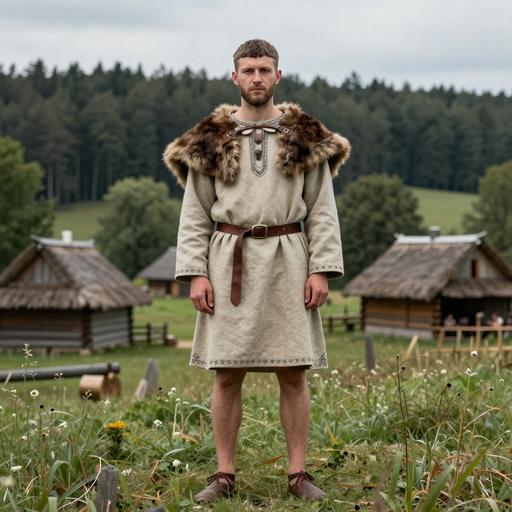
AI-generated illustrative portrait of Germanic individual, Kowalewko (Greater Poland Province, Oborniki), Poland (50-180 CE)
Sample ID: PCA0060
Poland Wielbark Culture 50 CE - 180 CE Wielbark L1237 Subclade
AI-generated illustrative portrait of IA Wielbark individual, Kowalewko (Greater Poland Province, Oborniki), Poland (85-235 CE)
Sample ID: PCA0018
Poland Wielbark Culture 50-250 BCE Wielbark L1237 Subclade
AI-generated illustrative portrait of Germanic individual, Kowalewko (Greater Poland Province, Oborniki), Poland (100-300 CE)
Sample ID: PCA0065
Poland Wielbark Culture 100 CE - 300 CE Wielbark L118 Subclade
AI-generated illustrative portrait of IA Wielbark individual, Czarnówko (Pomeranian Province, Lębork County, Nowa Wieś Lęborska), Poland (100-300 CE)
Sample ID: PCA0457
Poland Wielbark Culture 100-300 CE Wielbark L1029 Subclade
PATERNAL LINEAGE · ANCIENT DNA

Ancient lineage evidence map

Follow parent clades toward this branch and explore where ancient carriers were found.

Loading ancient observations…

Markers are archaeological find locations. A dashed connector is an uncertain, proposed geographic transition between consecutive branches supported by multiple dated observations; it is not an exact travel route, birthplace or proof of direct descent. Parent-clade samples may belong to other descendant branches. Gaps remain where evidence is insufficient. Sample dates differ from haplogroup formation dates.

Reference profile

Carrier Distribution Map

Geographic distribution of 77 ancient DNA samples (direct and subclade carriers of L)

Direct carrier Subclade carrier
Time Period Filter
All Time Periods
Showing all samples
Reference profile

Temporal Distribution

Distribution of carriers across archaeological periods

Reference profile

Geographic Distribution

Counts by recorded sample country. These reflect the available reference selection, not population frequencies.

Reference profile

Country × Era Distribution

Compare recorded sample counts across countries and archaeological periods. Select a populated cell to inspect a sample.

Data

Data & Provenance

Source information and data quality

Last Updated 2026-06-17

Data Source

Classification, estimated dates and geographic context reflect the recorded reference data and may change as evidence is revised. Sample coverage is uneven; recorded locations and archaeological associations do not establish personal origin or cultural identity.