Voices of Imperial Italy
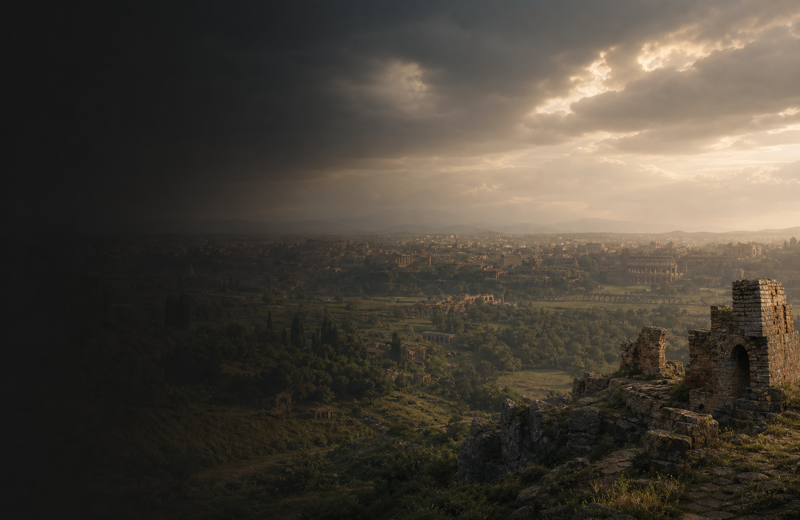
Archaeology and DNA reveal life in Rome's first centuries CE
הכירו את המיקום והתקופה של דגימות DNA קדום ואת המחקר שפורסם עליהן, ועיינו בתרבויות הקשורות אליהן.
עיון באוסףתוצאות 1,525 עד 1,536 מתוך 1,627
Archaeology and DNA reveal life in Rome's first centuries CE
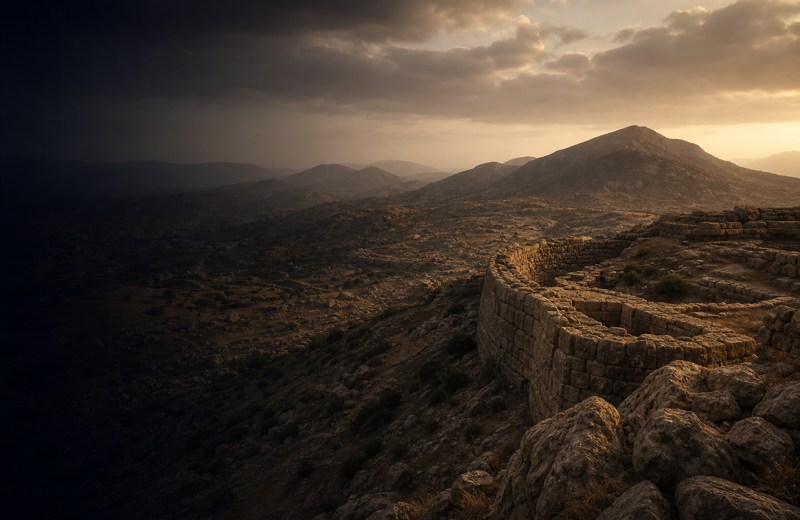
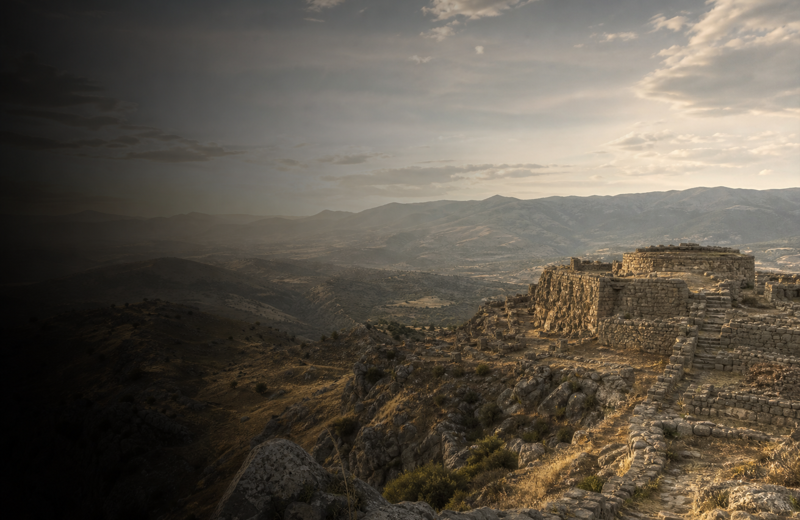
Archaeology from Peloponnese palaces meets DNA to reveal Aegean networks and mixed ancestries.
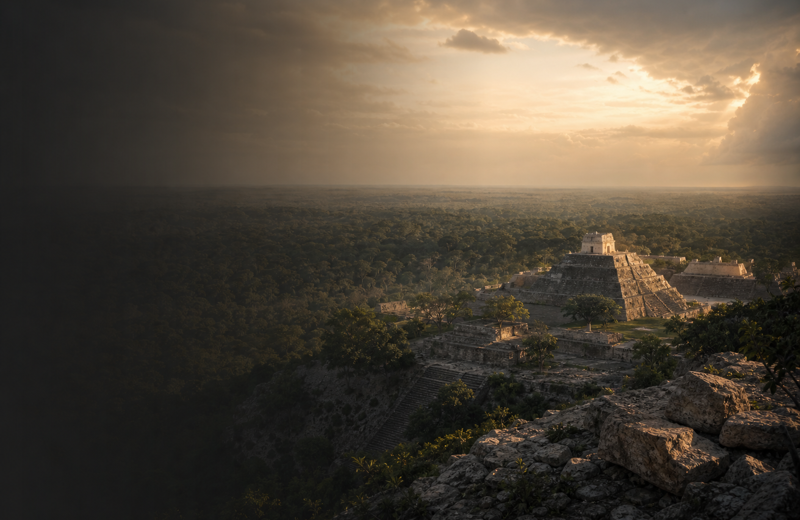
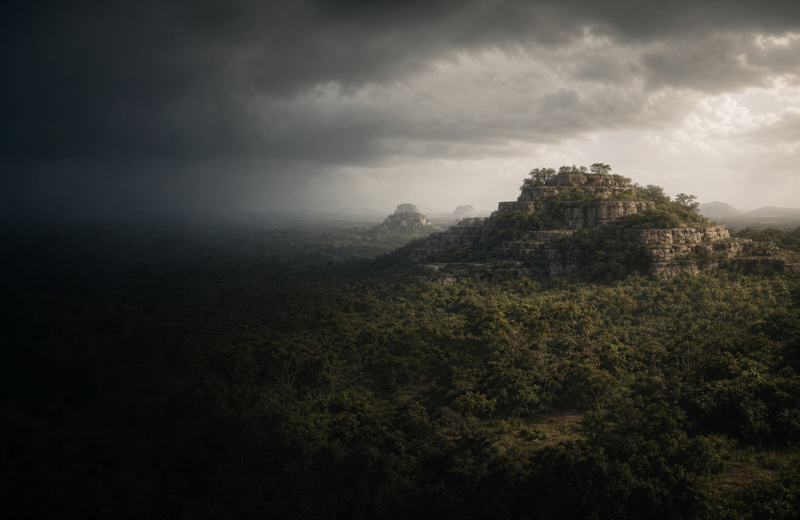
Archaeology and ancient DNA illuminate life at a Yucatán metropolis (550–1200 CE)
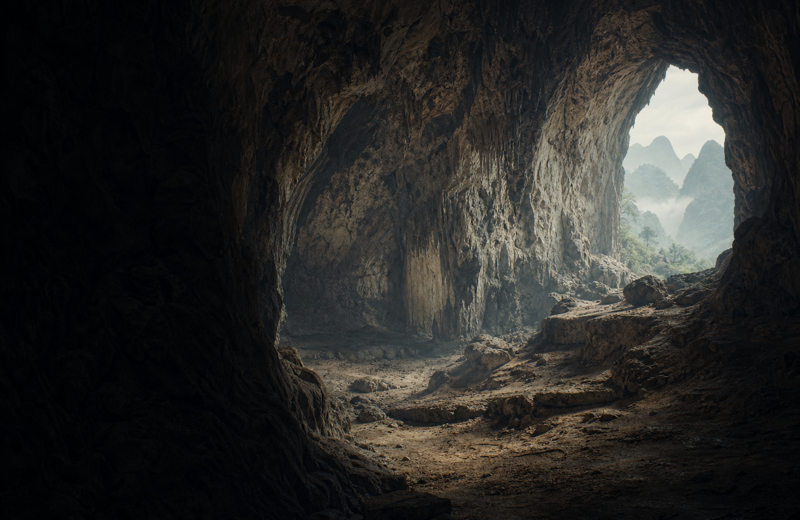
Three mitochondrial genomes from Cenxun Cave (440–658 CE) illuminate local maternal lineages in southern China
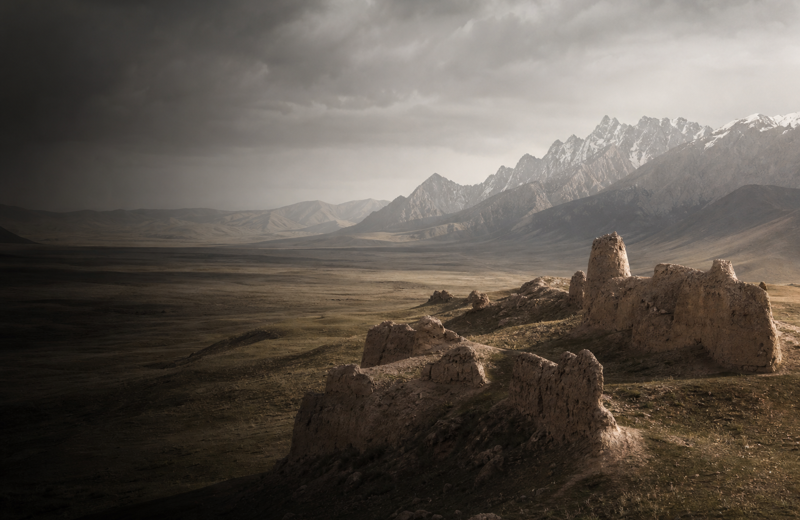
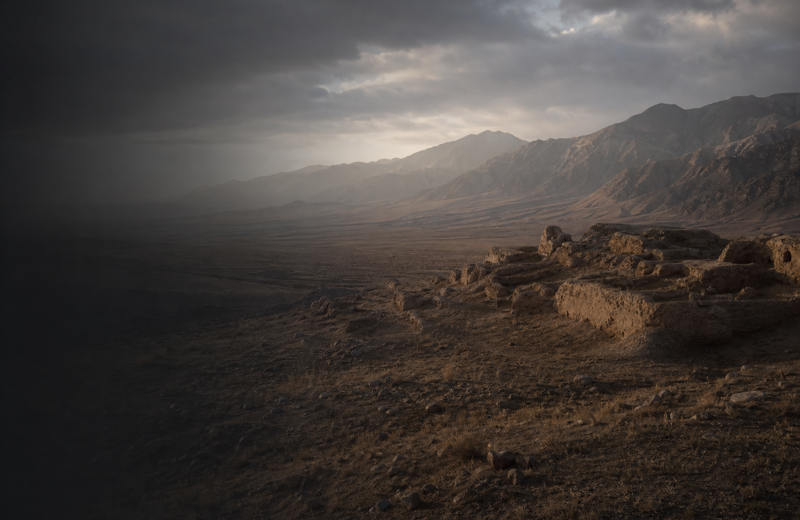
Three medieval genomes from the Almaty foothills reveal a tapestry of steppe and Silk Road connections
Bones and genomes from the Tian Shan reveal a medieval frontier of movement and mixture
A genetic and archaeological portrait of Italy during the Roman Empire
Bronze Age palaces of the Peloponnese—craft, sea power, and a layered genetic heritage.
Material and maternal lines from a Yucatán metropolis (550–1200 CE)
Three individuals from Cenxun Cave (440–658 CE) illuminate southern China's past
Three medieval individuals revealing hints of Silk Road admixture in the Almaty foothills (800–1100 CE)
Three medieval genomes from the Tian Shan illuminate Karakhanid-era mobility and mixed ancestry.