Saltar para o conteúdo principal
mtDNA · Materno linaje

U5B1D1

mtDNA Haplogroup U5B1D1

Um perfil de referência de um ramo de linhagem. Compartilhar haplogrupos não demonstra uma relação familiar ou uma identidade cultural.

Perfil de Referência

Contexto do ramo

Contexto histórico de la rama de linaje mtDNA U5B1D1

Origins and Evolution

U5B1D1 is a downstream branch of the U5B1D lineage, itself part of the broader U5 haplogroup that is one of the oldest and most characteristic maternal lineages associated with European hunter‑gatherers. U5 lineages expanded in Europe after the Last Glacial Maximum, and the U5B1 sub‑structure developed during the early to mid‑Holocene. U5B1D1 likely arose in Northern or Central Europe in the early Holocene (on the order of ~7 kya), deriving from U5B1D and retaining the deep Mesolithic ancestry signal characteristic of many U5 subclades.

This clade reflects a pattern seen across several U5 derivatives: origin in post‑glacial refugial/colonizing populations of Europe, persistence in northern high‑latitude populations, and survival through cultural transitions (Mesolithic → Neolithic → Bronze Age) often at low to moderate frequencies.

Subclades

As a terminal or near‑terminal branch (U5B1D1) it is defined by one or a small number of downstream coding/control‑region mutations relative to U5B1D. At present U5B1D1 is treated as a fine‑scale subclade used to capture regional continuity; additional downstream diversification can occur in local populations but the overall diversity within U5B1D1 remains relatively low compared with older U5 branches. Where more detailed phylogenetic resolution exists, U5B1D1 samples cluster tightly, consistent with a Holocene origin and limited effective population size in northern refugial groups.

Geographical Distribution

U5B1D1 shows a clear northern and north‑central European focal point, with highest frequencies and diversity in Scandinavia and among the Saami, and detectable occurrences throughout the British Isles, Iberia, Central/Eastern Europe and at low frequency in adjacent regions (North Africa, the Caucasus). Ancient DNA studies have recovered U5B1D and derived lineages in Mesolithic and post‑Mesolithic contexts in northern Europe, supporting long‑term local continuity rather than a purely recent introduction.

The distribution pattern is consistent with a lineage that persisted in post‑glacial northern hunter‑gatherer populations and was subsequently incorporated at low to moderate frequency into farming and later societies across Europe via admixture and local survival.

Historical and Cultural Significance

U5B1D1 is a marker of post‑glacial continuity in northern Europe. Its prominence in modern Saami and some Scandinavian groups echoes patterns seen in other U5 subclades that survived the Neolithic farmer expansions by remaining at appreciable frequency in high‑latitude or marginal regions. The haplogroup's presence in archaeological samples (the user dataset notes 16 ancient occurrences) underlines its relevance to studies of Mesolithic-to‑Historic population continuity, movements of small hunter‑gatherer groups, and interactions with incoming Neolithic farmers and later Bronze Age societies.

Because it is relatively restricted geographically and low in overall frequency outside its core area, U5B1D1 is useful in tracing maternal continuity, local persistence, and minor gene flows into peripheral regions (e.g., sporadic findspots in Iberia, the British Isles, North Africa and the Caucasus).

Conclusion

U5B1D1 is a Holocene, northern European maternal lineage nested within U5B1D that documents the survival of Mesolithic‑derived maternal ancestry into later Scandinavian and Saami populations and at low frequency across broader Europe and neighboring regions. It is most informative in regional studies of continuity and admixture in northern Europe and complements other ancient‑DNA signals from U5 and related maternal lineages.

Pontos- Chave

  • Origins and Evolution
  • Subclades
  • Geographical Distribution
  • Historical and Cultural Significance
  • Conclusion
Perfil de Referência

Árvore e relações

Contexto filogenético e subclasse

Trajectória evolutiva

Sigue las ramas superiores registradas hasta U5B1D1. Las fechas son estimaciones y pueden cambiar al revisarse los datos de referencia.

Passos Haplogrupo Antiguidade estimada Época arqueológica Tempo decorrido Subclasses imediatas Portadores modernos analisados Referências antigas
1 U5B1D1 Actual ~7,000 years ago Neolithic 7,000 years 2 11 0
2 U5B1D ~8,000 years ago Neolithic 8,000 years 2 12 25
3 U5B1 ~9,000 years ago Neolithic 9,000 years 5 213 0
4 U5b ~22,000 years ago Mesolithic 22,000 years 3 654 140
5 U5A'B - - - 2 1,339 0
6 U5 ~35,000 years ago Paleolithic 35,000 years 1 1,339 142
7 U ~46,000 years ago Paleolithic 46,000 years 5 5,557 110
8 R ~55,000 years ago Paleolithic 55,000 years 17 22,830 57
9 NA - - - 1 22,830 0
10 N ~60,000 years ago Paleolithic 60,000 years 16 26,150 13
11 L3 ~70,000 years ago Paleolithic 70,000 years 7 30,162 6
12 L3'4 - - - 2 30,212 0
13 L3'4'6 - - - 2 30,216 0
14 L2'3'4'6 - - - 2 31,333 0
15 L2'3'4'5'6'7 - - - 2 31,349 0
16 L1'2'3'4'5'6'7 - - - 2 31,852 0
17 L ~160,000 years ago Paleolithic 160,000 years 2 32,236 5

Ramas hermanas (1)

Outros ramos do mesmo haplogrupo superior

Perfil de Referência

No mundo

Distribuição geográfica e presença moderna

Origem registada

Northern/Central Europe

Distribuição moderna

The populations where mtDNA haplogroup U5B1D1 is found include:

  1. Saami (Sápmi, Northern Scandinavia and Kola)
  2. Scandinavian populations (Norway, Sweden, Denmark)
  3. British Isles populations (England, Scotland, Ireland)
  4. Iberian Peninsula populations (Spain, Portugal)
  5. Central and Eastern European populations (Poland, Germany, Baltic states, Russia)
  6. North African groups at low frequency (Berber-speaking populations and adjacent regions)
  7. Caucasus populations at low frequency
Contexto Histórico

Uma ramificação através do tempo

Formação estimada em uma cronologia histórica ampla. Os marcadores temporais contribuem contexto e não implicam relação com culturas concretas.

  1. ~10k años de antigüedad

    Revolução neolítica

    Início da agricultura e formação de comunidades sedentárias

  2. ~7k años de antigüedad

    Haplogrupo U5B1D1

    Formação estimada deste ramo mtDNA; as datas e localizações são estimativas de referência.

    Este ramo
  3. ~5k años de antigüedad

    Idade do Bronze

    Metalurgia, escrita e primeiras civilizações

  4. ~3k años de antigüedad

    Idade do Ferro

    Ferramentas de ferro e ampliação de redes comerciais

  5. ~2.5k años de antigüedad

    Antiguidades clássicas

    Desenvolvimento das civilizações grega e romana

  6. Actualidad

    Actualidad

    Idade moderna

Perfil de Referência

Contexto arqueológico

Asociaciones arqueológicas registradas para la rama mtDNA U5B1D1

Associações registradas

Esses rótulos descrevem os contextos arqueológicos registrados para as amostras de referência vinculadas a U5B1D1. Uma associação não demonstra que todos os portadores pertenceram a uma cultura ou seguiram uma rota migratória específica.

Baltic Hunter-Gatherer Bockstein Globular Amphora Iron Gates Culture Italy_Sardinia_IA_b_Punic_Nuragic Jordanow Culture Lasinja Culture Mesolithic Iberian Ofnet Culture San Giovanni Culture Sicilian Iron Age
As atribuições culturais baseiam-se no contexto arqueológico das amostras de DNA antigo e podem representar associações regionais de períodos concretos.
Perfil de Referência

Catálogo de amostras

17 portadores directos y 8 portadores de subclados del haplogrupo U5B1D1

10 mostradas 25 amostras correspondentes

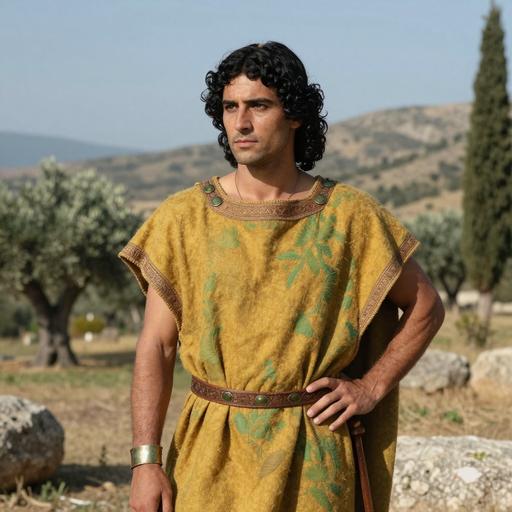
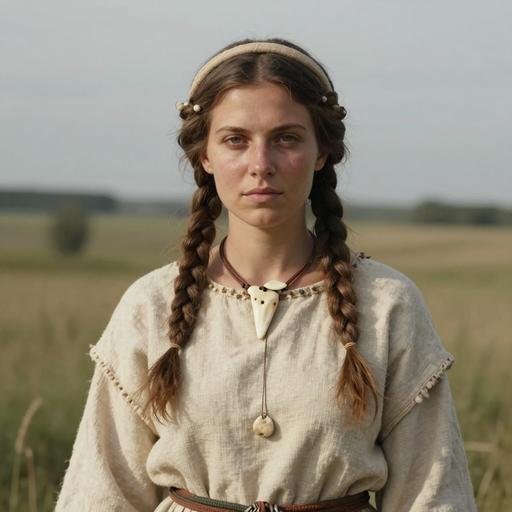
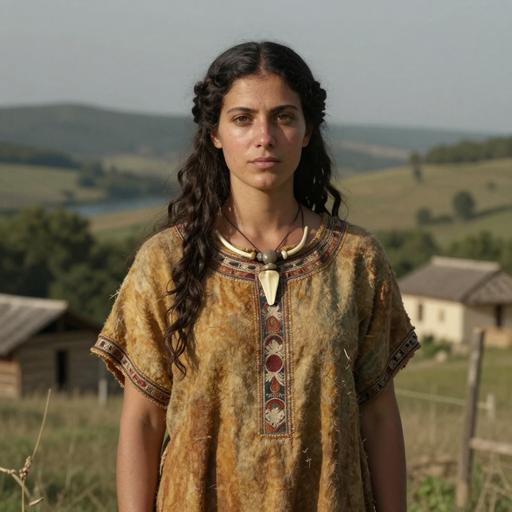
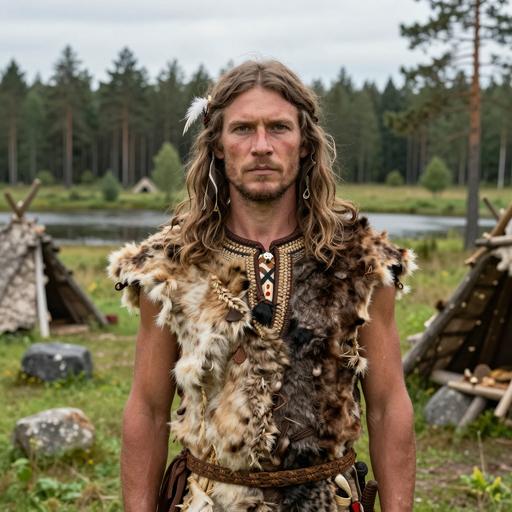
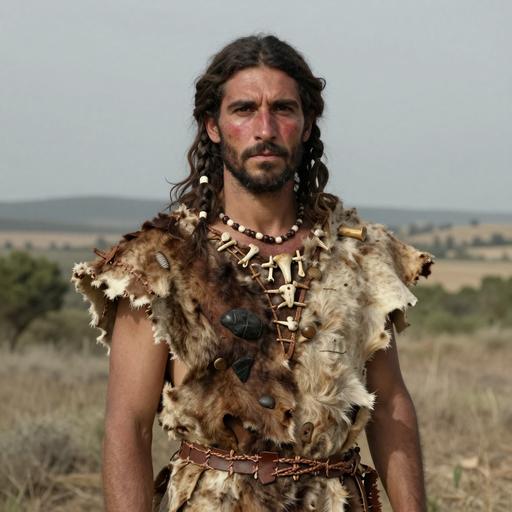
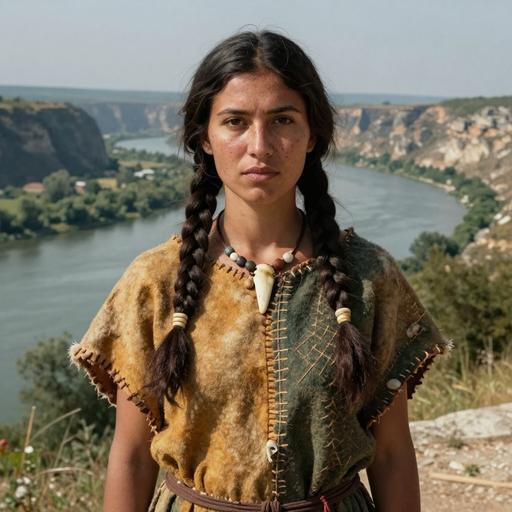
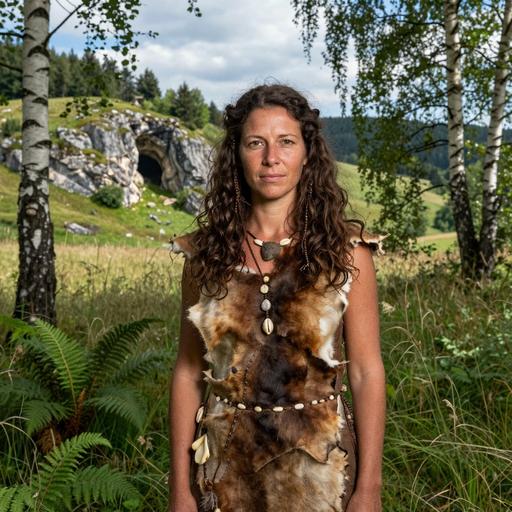
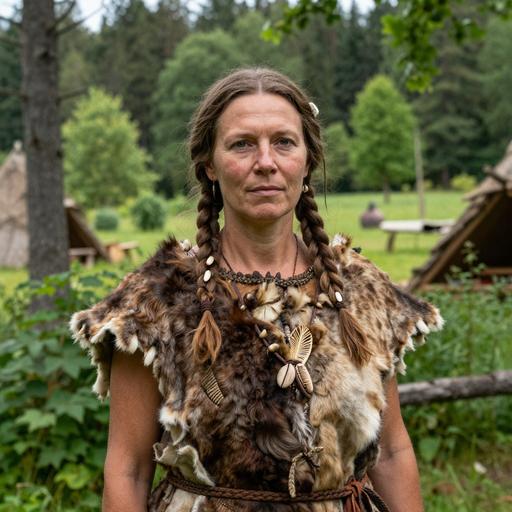
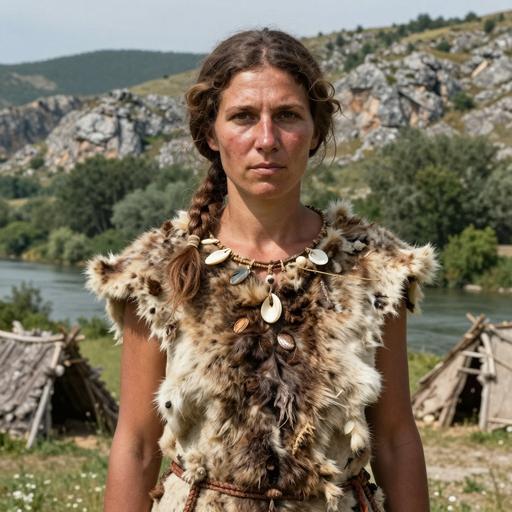
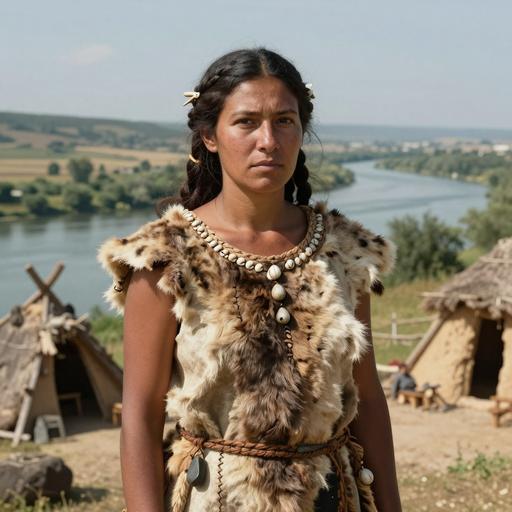
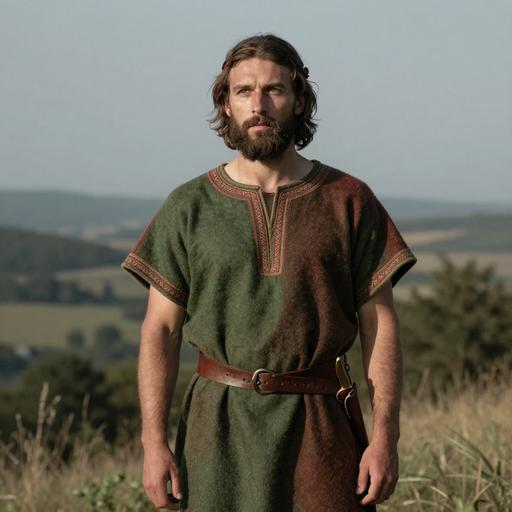
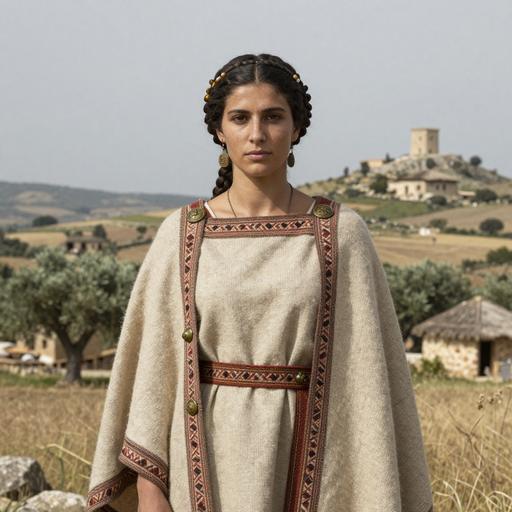
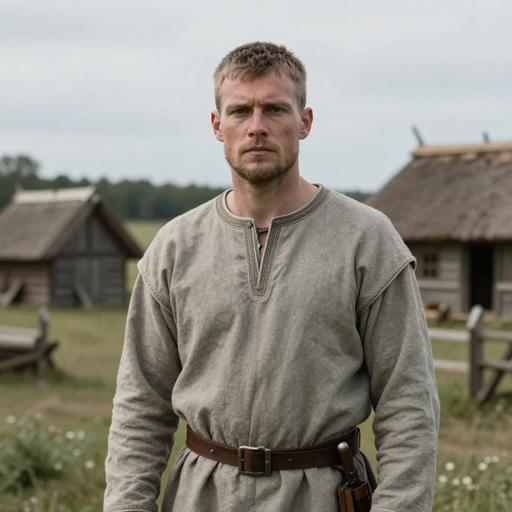
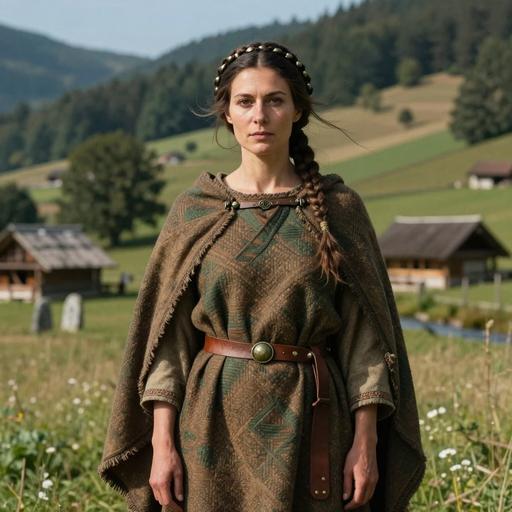
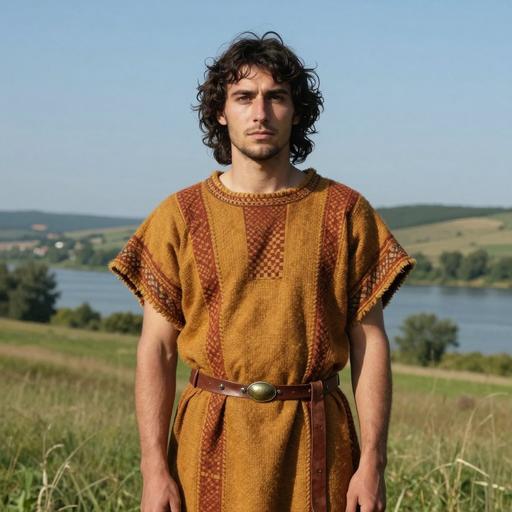
Os retratos são ilustrações geradas com IA. As etiquetas de amostra e os identificadores de acesso identificam os registros de referência.

Retrato Mostrar País Época Data Cultura mtDNA Corresponder
Retrato ilustrativo de IA Wielbark individual, Kowalewko (Greater Poland Province, Oborniki), Poland (50-180 CE) gerado com IA
Identificador de amostra: PCA0036
Poland Wielbark Culture 50-200 BCE Wielbark U5b1d1 Direct
Retrato ilustrativo de Germanic individual, Kowalewko (Greater Poland Province, Oborniki), Poland (50-180 CE) gerado com IA
Identificador de amostra: PCA0060
Poland Wielbark Culture 50 CE - 180 CE Wielbark U5b1d1 Direct
Retrato ilustrativo de Sardinia IA b Punic Nuragic individual, Tharros (Sardinia, Oristano, Cabras), Italy (616-384 BCE) gerado com IA
Identificador de amostra: I21987
Italy Italy Sardinia IA b Punic Nuragic 600-400 BCE Italy_Sardinia_IA_b_Punic_Nuragic U5b1d1 Direct
Retrato ilustrativo de Apulia IA a IA b Daunian individual, Apulia. SanGiovanniRotondo, Italy (751-415 BCE) gerado com IA
Identificador de amostra: SGR002
Italy Iron Age San Giovanni, Italy 751 BCE - 415 BCE San Giovanni Culture U5b1d1 Direct
Retrato ilustrativo de Sicily IA a IA b Sicani individual, Polizzello (Sicily, Caltanissetta), Italy (850-550 BCE) gerado com IA
Identificador de amostra: I13386
Italy Iron Age Sicily 850-550 BCE Sicilian Iron Age U5b1d1 Direct
Retrato ilustrativo de Globular Amphora individual, Kierzkowo, Poland (3,400-2,800 BCE) gerado com IA
Identificador de amostra: I2434
Poland Poland GlobularAmphora 3400-2800 BCE Globular Amphora U5b1d1 Direct
Retrato ilustrativo de Czechia N Jordanow individual, Bohemia. Neratovice, Czech Republic (4,235-3,995 BCE) gerado com IA
Identificador de amostra: NER001
Czech Republic Neolithic Jordanow Culture, Bohemia, Czech Republic 4235-3995 calBCE (5284±27 BP, MAMS-45790) Jordanow Culture U5b1d1 Direct
Retrato ilustrativo de Lasinja individual, Potočani, Croatia (4,246-4,052 BCE) gerado com IA
Identificador de amostra: I10052
Croatia Croatia C Lasinja 4246-4052 calBCE (5325±20 BP, UCIAMS-140250) Lasinja Culture U5b1d1 Direct
Retrato ilustrativo de Late Mesolithic Kunda individual, Zvejnieki, Latvia (5,769-5,628 BCE) gerado com IA
Identificador de amostra: I4439
Latvia Hunter-Gatherer Latvia 5769-5628 calBCE (6815±40 BP, PSUAMS-2236) Baltic Hunter-Gatherer U5b1d1 Direct
Retrato ilustrativo de Mesolithic individual, Valencian Community. Castelló/Castellón. Ares del Maestre. Cingle del Mas Nou, Spain (5,978-5,773 BCE) gerado com IA
Identificador de amostra: I3209
Spain Hunter-Gatherer Spain 5978-5773 calBCE (6980±25 BP, PSUAMS-4414) Mesolithic Iberian U5b1d1 Direct
MATERNAL LINHAGEM · DNA ANTIGO

Mapa de testes de linhagems antigos

Siga os clados superiores até este ramo e explora onde se encontraram portadores antigos.

A carregar as observações antigas...

Os marcadores são locais de achados arqueológicos. Uma linha de descontínua representa uma transição geográfica proposta e incerta entre ramos consecutivos, apoiada em várias observações fechadas; não é uma rota de viagem exata, um local de nascimento ou um teste de descendência direta. As amostras do clado parental podem pertencer a outros ramos descendentes. As datas das amostras são distintas das datas de formação dos haplogrupos são mantidas.

Perfil de Referência

Mapa de distribuição de portadores

Distribuição geográfica das amostras de DNA antigo (25), portadores directos ou de subclasses de U5B1D1

Portador directo Portador de um subclasse
Filtro de Período Temporária
Todos os períodos
Mostrar todas as amostras
Perfil de Referência

Distribuição temporária

Distribuição de portadores por períodos arqueológicos

Perfil de Referência

Distribuição geográfica

Recuentos por país registrado das amostras. Reflejam a seleção de referência disponível, não frequências de população.

Perfil de Referência

Distribuição por país e época

Compare as contagens de amostras registadas por países e períodos arqueológicos. Selecione uma célula com dados para examinar uma amostra.

Dados

Dados e proveniência

Informações sobre fontes e qualidade dos dados

Última actualização 2026-02-16
Pontuação de confiança 50/100
Cobertura Low

Fonte de Dados

A classificação, as datas estimadas e o contexto geográfico refletem os dados de referência registrados e podem mudar ao revisar os testes. A cobertura de amostras é desigual; os locais registrados e as associações arqueológicas não estabelecem a origem pessoal nem a identidade cultural.