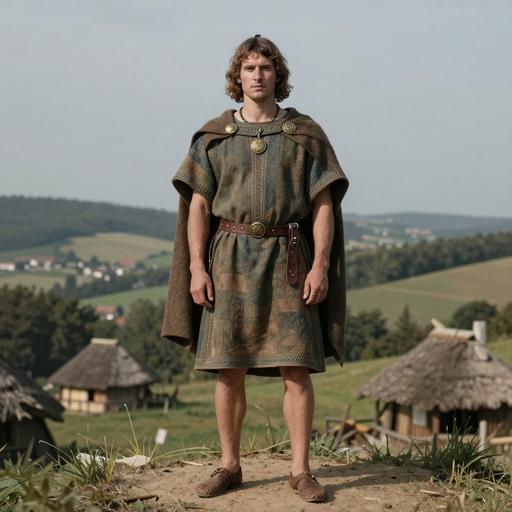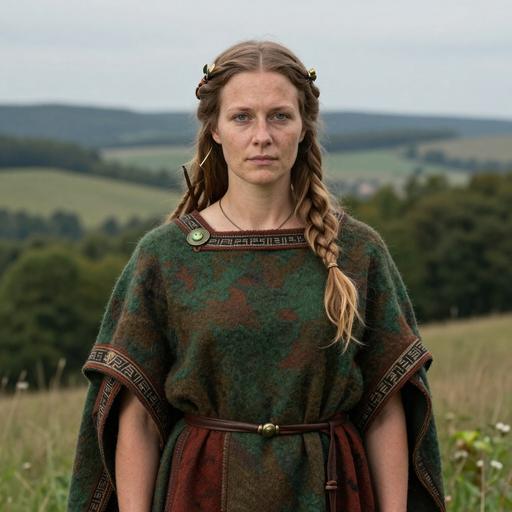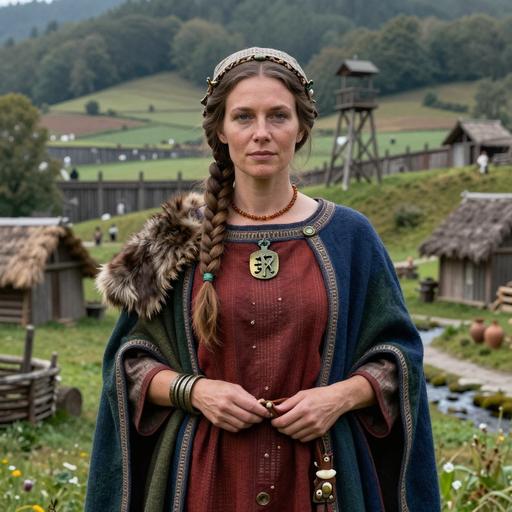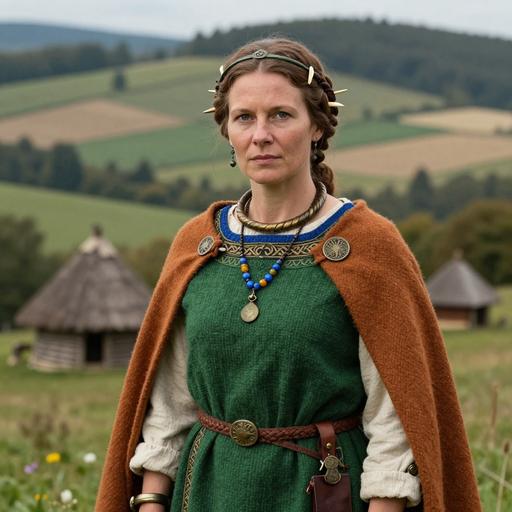
The Story of the Celts
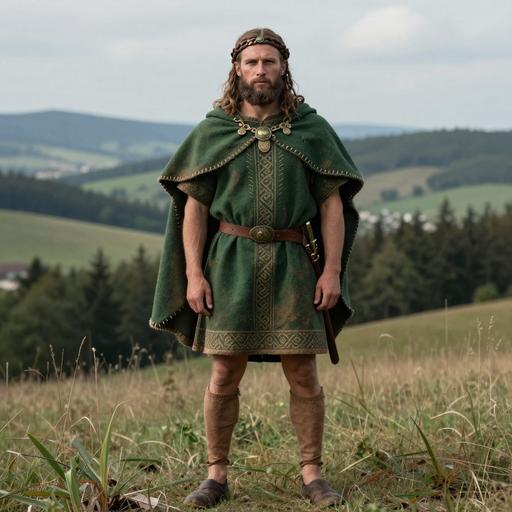
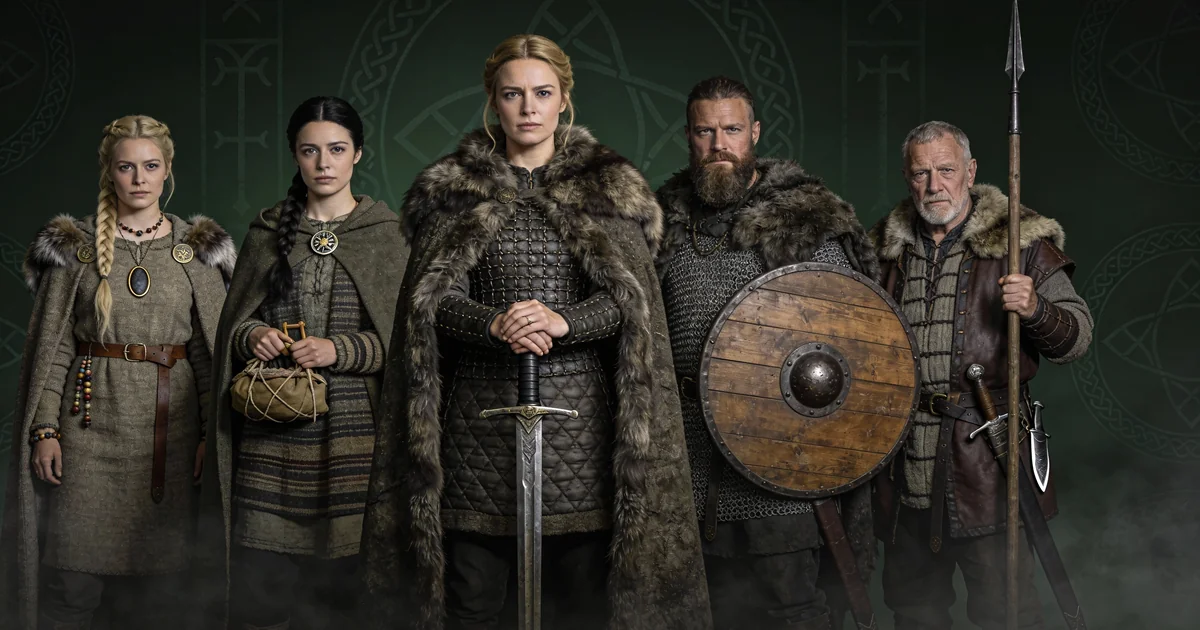
They called themselves by a hundred names. The Romans called them Galli. The Greeks, Keltoi. They were warriors and poets, metalworkers and druids.
They built hillforts that touched the clouds and forged gold that still gleams after millennia. From the misty highlands of Scotland to the sun-drenched shores of Iberia, from the dense forests of Germania to the Alpine valleys—the Celtic world stretched across a continent.
They were not one people, but many. United not by a single king, but by language, by art, by the sacred groves where druids spoke to the gods. They traded with Greeks and Romans, sacked Rome itself, and left their mark on every land they touched.
When the legions came, when Christianity rose, when borders were drawn on maps they never made—the Celts did not disappear. They endured. In the music of Ireland, the poetry of Wales, the standing stones of Brittany. In the DNA that passed from parent to child, generation after generation, until it reached you.
"The land remembers. The blood remembers. The story continues."
Hallstatt
800–450 BCEThe cradle of Celtic culture in the Alpine salt mines of Austria. Masters of iron and trade.
La Tène
450–50 BCEThe golden age of Celtic art. Intricate metalwork, curving designs, warrior aristocracies.
Gaul
500 BCE–500 CECeltic tribes of modern France. The Druids' heartland. Rome's greatest challenge.