




The Story of the Ancient Near East & North Africa
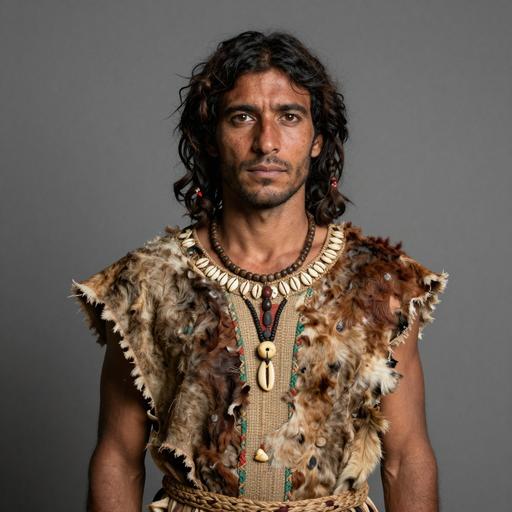
When the last Ice Age receded, a revolution began in the hills of the Levant. The Natufians were among the first to settle, to harvest wild grains, and to lay the foundations of agriculture.
From the Fertile Crescent, the Neolithic revolution spread outward. The people of Catalhoyuk built one of the world's earliest cities. In Mesopotamia, the Sumerians invented writing, the wheel, and the concept of law. Egypt's pharaohs raised monuments that still stand after five millennia.
The Phoenicians carried the alphabet across the Mediterranean. The Achaemenid Persians built an empire stretching from the Indus to the Nile. In North Africa, the peoples of the Maghreb and the Nile Valley wove together African and Near Eastern traditions into cultures of extraordinary depth and resilience.
Through every era, from the Epipaleolithic foragers of the Levant to the scholars of the Islamic Golden Age, the ancient blood endured. It flows through the peoples of the modern Middle East and North Africa, and through diaspora communities across the world.
"The desert remembers. The rivers remember. The stones remember. The story continues in you."
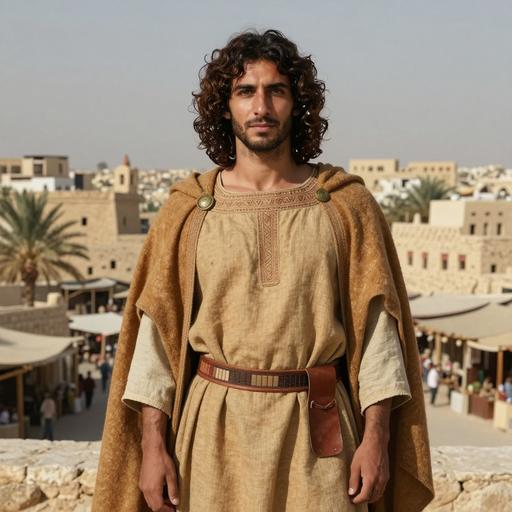
Natufian Foragers
12,500 – 9,500 BCEThe first settlers of the Levant, pioneers of agriculture and the Neolithic revolution.
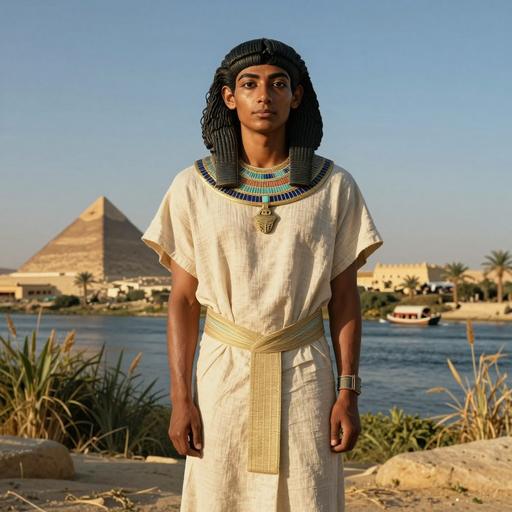
Egyptian Kingdoms
3,100 – 30 BCEPharaohs, pyramids, and the Nile Valley civilization that endured for three millennia.
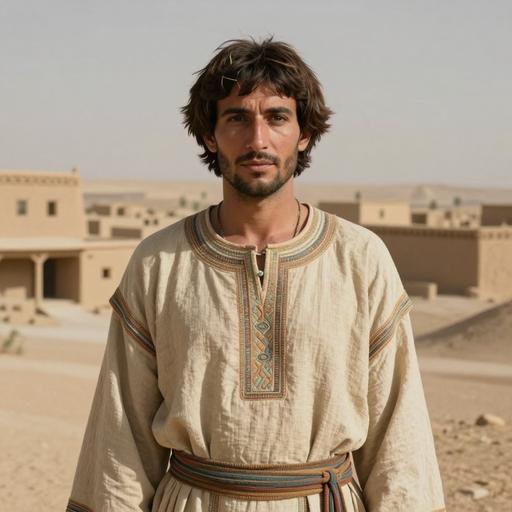
Mesopotamian Empires
3,500 – 539 BCESumerians, Akkadians, Babylonians, and Assyrians who invented writing and the rule of law.
Phoenician Navigators
1,500 – 300 BCESeafarers who carried the alphabet and trade across the Mediterranean world.
Achaemenid Persians
550 – 330 BCEBuilders of the largest empire the ancient world had known, from the Indus to the Nile.
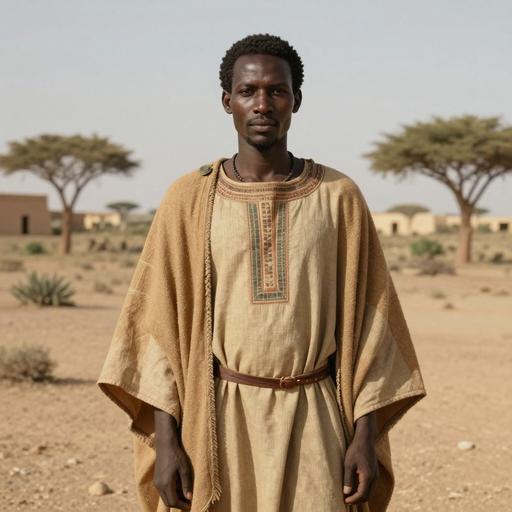
North African Peoples
3,000 BCE – 700 CEBerbers, Carthaginians, and the diverse cultures of the Maghreb and the Saharan fringe.


Trusted by 200,000+ DNA Explorers
Real, verified reviews from people who have explored their genetic similarity with DNAGENICS
Great reports like the "Human Leukocyte Antigen" Report. The Deep Ancient Reports with Samples are very helpful to understand the Results and own Heritage. I like the Admixture Studio and the powerful G25 Studio.
DNAGenics is an excellent company. It provides necessary services for those of us who need help understanding and working with complex genetic information. They are efficient in their communications. I recommend them without hesitation.
Excellent company with helpful customer support that always respond very quickly. There are always new features and the purchase packs include a lot of admixture reports and G25 coordinates. Highly recommend.