
Sample Match
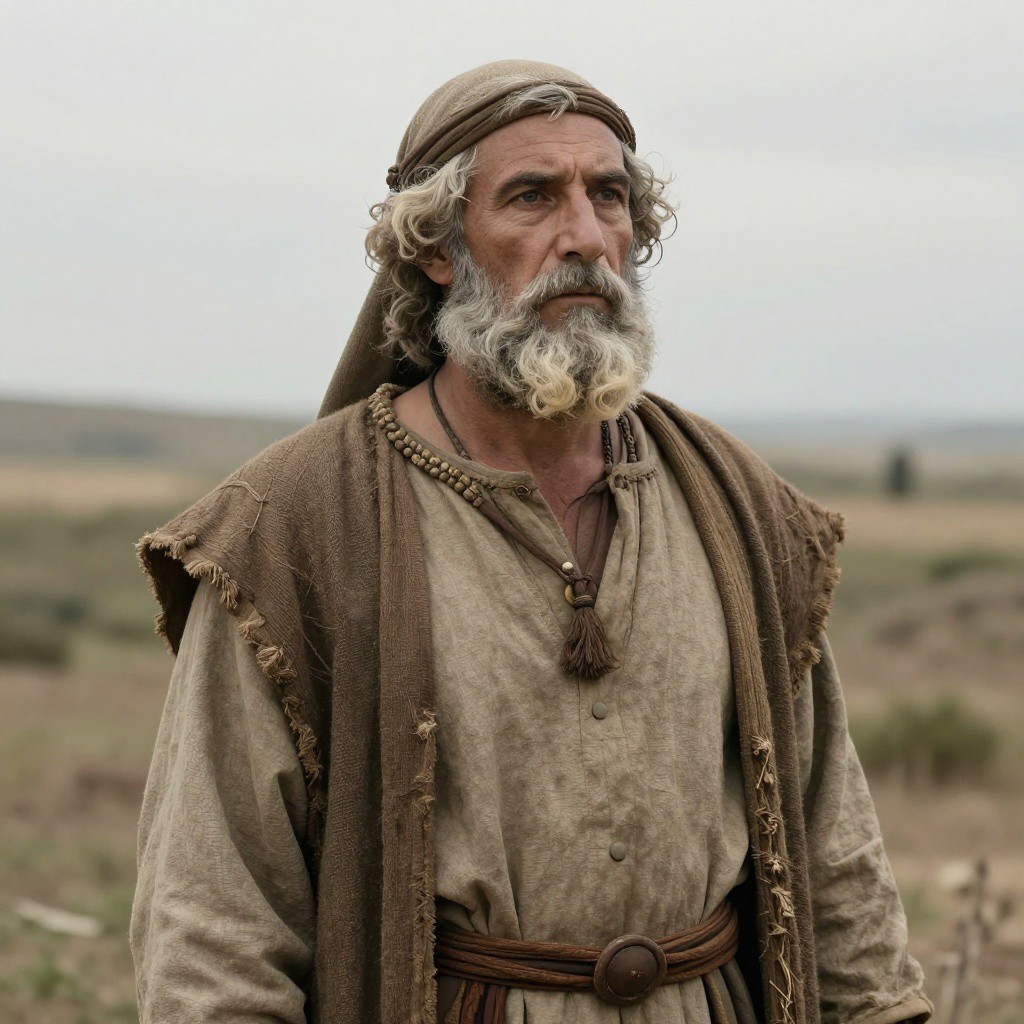
Mesolithic individual, La Braña-Arintero (Castilla y León, León, La Braña), Spain (5991.0 BCE - 5731.0 BCE)
Mesolithic · Spain
5991.0 BCE - 5731.0 BCE


Ancestral Heritage
Discover the stories carried through stone, symbol, and bloodline.
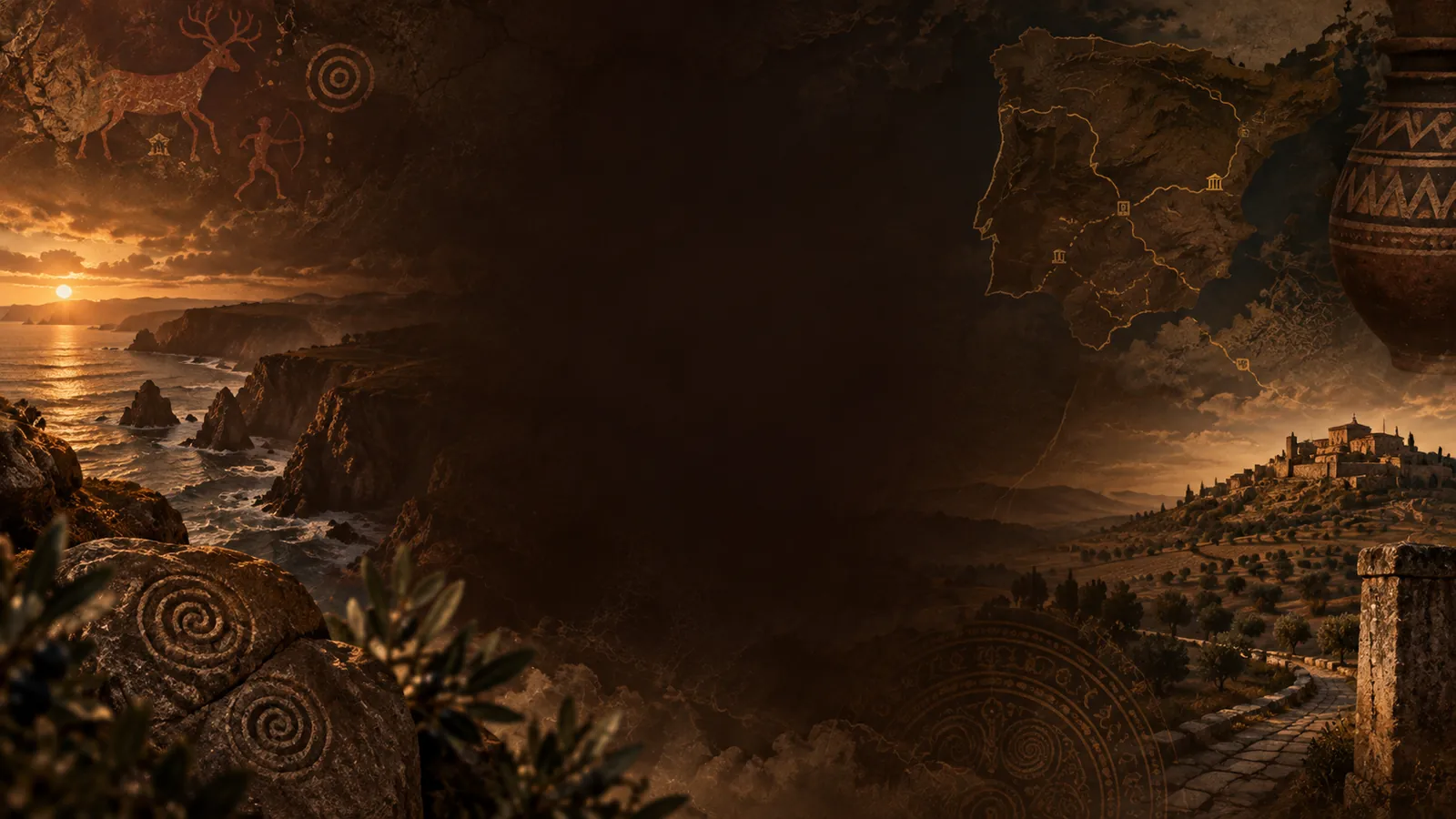
From Mesolithic hunter-gatherers to Bell Beaker traders, from Bronze Age El Argar to Roman Hispania, your DNA carries fragments of a peninsula where memory was carved in stone.
Mesolithic · Spain
5991.0 BCE - 5731.0 BCELong before Rome, before Carthage, before the written word reached these shores, humans had already called this land home for millennia.
The first Iberians were Mesolithic hunter-gatherers, roaming the valleys of what is now Spain and Portugal, leaving their handprints on cave walls at Altamira and El Castillo.
They were joined by Neolithic farmers who brought agriculture and megalithic traditions, building the great dolmens of Antequera. Then came the Bell Beaker people, master metallurgists and traders who spread their distinctive pottery and bronze-working techniques across Europe.
The Bronze Age brought El Argar in the southeast, one of the earliest urban cultures of Western Europe. The Iron Age saw Celtiberians, Tartessians, and Iberians rise across the peninsula before Rome claimed Hispania.
The stones remember. The blood remembers. The story continues in you.
Hunter-gatherers who painted caves and shaped the first Iberian identity.
Master traders and metallurgists whose vessels became a European signature.
El Argar civilization, early urban centers, and sophisticated bronze-working.
Celtiberians, Tartessians, and Iberians before the Roman horizon.
Roman Hispania, Visigothic kingdoms, and the foundations of modern Iberia.
This is not a list of percentages. This is a journey into the ancient stories your DNA connects to.
We scan your autosomal DNA in short segments and compare each one against every ancient Iberian genome using identical-by-state (IBS) segment matching, weighting longer, rarer shared segments more heavily.
A panel-specific statistical similarity score weighting shared-segment evidence at 50%, ADMIXTURE distance at 31.25%, and Monte Carlo fit at 18.75%; it is not an ancestry percentage.
The fixed Iberian ADMIXTURE reference panel defines stable PCA axes; your kit is projected afterward without moving the reference samples.
See the exact archaeological sites where your genetic kin lived and died: real places across Spain, Portugal, the Canary Islands, and Gibraltar.
Your genetic affinity to each Iberian era, from Mesolithic and Neolithic to Iron Age and Roman or Medieval populations.
Meet the ancient individual whose DNA resonates most strongly with yours and learn their time, place, and story.
Personalized explanations place your genetic story in historical and archaeological context.
Discover connections to Andalusia, Catalonia, Galicia, Basque Country, Portugal, and more.
Find ancient Iberians who share your mtDNA maternal or Y-DNA paternal lineage.
Understand whether your roots trace to pre-Indo-European inhabitants, Steppe migrants, or later historical populations.
Connect with sites like Atapuerca, Los Millares, El Argar, and the caves of Altamira.
Your report includes an interactive map showing the exact archaeological sites across Spain, Portugal, the Canary Islands, and Gibraltar where your genetic matches were discovered.
Explore the map preview below, or search the complete reference panel in the table. Genetic similarity to these individuals does not mean they are your real ancestors.
Map preview This map shows a preview of 150 of 750 reference individuals used in this report. Search the complete list in the table below.
| Sample ID | Name | Location | Era | mtDNA | Y-DNA |
|---|
Loading reference individuals…
No reference individuals match your search.
This portrait is an AI-generated speculative reconstruction and may be historically or biologically inaccurate. It is not a photograph of the individual.
These portraits are AI-generated artistic interpretations, not photographs. The archaeological samples behind them are real, recovered from Iberian burial sites, their DNA preserved across millennia.
Spain · La Braña-Arintero (Castilla y León, León, La Braña)
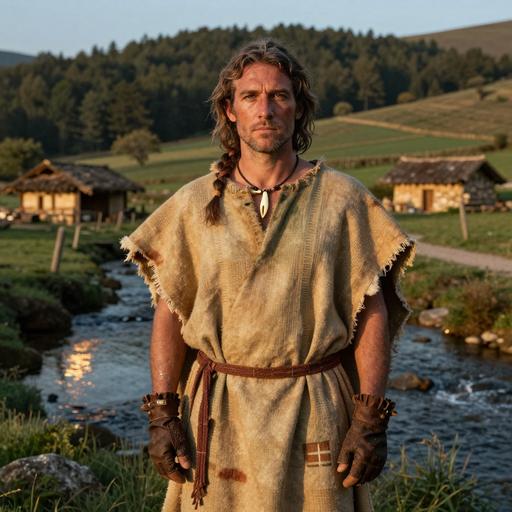
Spain · Els Trocs
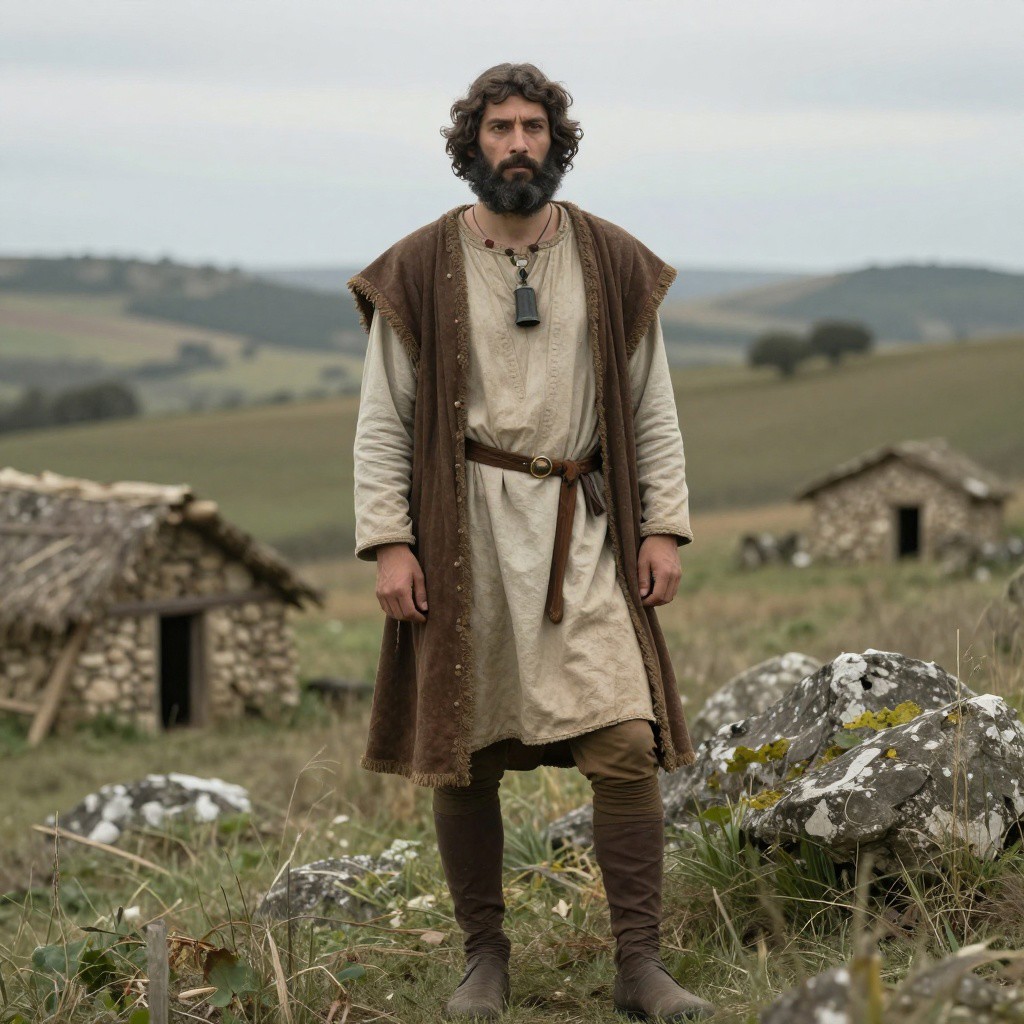
Portugal · Gruta_do_Caldeirão (Estremadura)
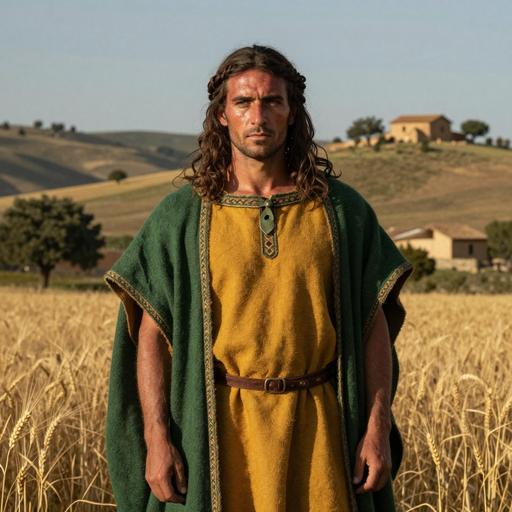
Spain · Castilla y León. Valladolid. San Román de Hornija. La Requejada
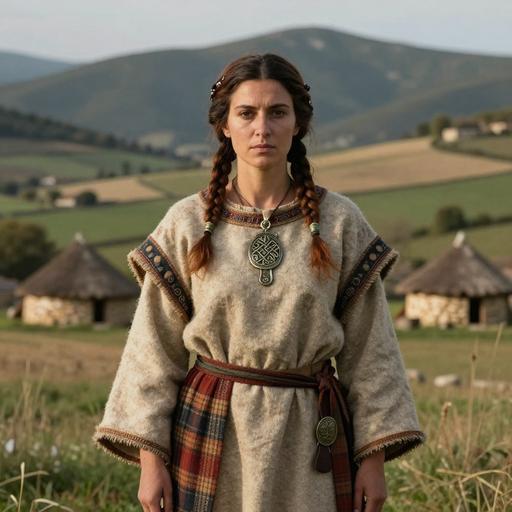
Spain · Basque Country. Araba/Álava. Laguardia. La Hoya
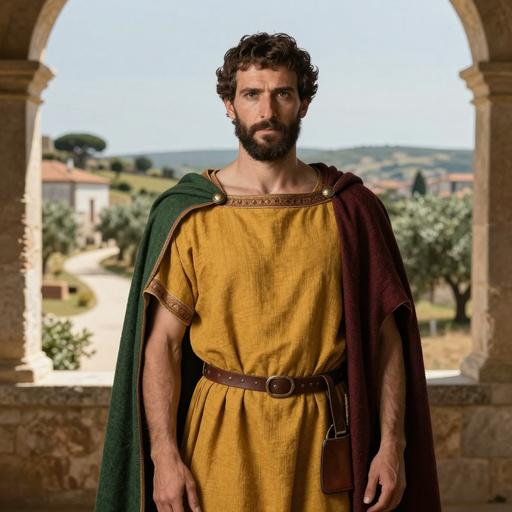
Portugal · Cascais. Miroiço
Ancient DNA, modern analysis. Advanced algorithms, transparent results.
We scan your autosomal DNA in short segments and compare each one against every ancient Iberian genome using identical-by-state (IBS) segment matching, weighting longer, rarer shared segments more heavily.
Advanced ADMIXTURE algorithms compare your genetic profile against reference populations across ancestral components with high resolution for Iberian similarity analysis.
The fixed regional ADMIXTURE reference panel defines stable PCA axes; your kit is projected afterward without moving the reference samples.
Your Ancient Iberian Index is a panel-specific statistical similarity score weighting shared-segment evidence at 50%, ADMIXTURE distance at 31.25%, and Monte Carlo fit at 18.75%. It is not an ancestry percentage or proof of direct descent.
A reference panel spanning Spain, Portugal, the Canary Islands, and Gibraltar from Mesolithic caves to Visigothic cemeteries.
All ancient DNA samples come from academic publications with citations and links in your report.
Full compliance with European data protection regulations.
Bank-level security for all your genetic data.
Delete your data anytime. No questions asked.
Illustrative examples of report output, not your personal results. See what awaits you in your personalized Ancient Iberian Heritage report.
Preview a Live Demo ReportDiscover your connections to modern regions of Spain, Portugal, and the Canary Islands.
See your position in Iberian genetic space with interactive scatter plots.
Find ancient individuals who share a maternal or paternal lineage branch with you.
Print, export, or share your results with family and friends.
Some stories are inherited. Others are remembered. Yours is waiting in the ancient stones of Iberia.
The blood remembers. The stones remember. Now, so will you.
Secure payment · GDPR compliant · Your data stays yours
DNA Genics has been building ancestry and DNA analysis reports since 2018. Our reports come from years of work with our own reference panels, calculators and ancient-genome comparisons, developed and reviewed by our team. They are not generated on the fly or assembled as a side project. We use AI only in clearly labelled optional features.
Trusted by 200,000+ DNA Explorers
Real, verified reviews from people who have explored their genetic similarity with DNAGENICS
Great reports like the "Human Leukocyte Antigen" Report. The Deep Ancient Reports with Samples are very helpful to understand the Results and own Heritage. I like the Admixture Studio and the powerful G25 Studio.
DNAGenics is an excellent company. It provides necessary services for those of us who need help understanding and working with complex genetic information. They are efficient in their communications. I recommend them without hesitation.
Excellent company with helpful customer support that always respond very quickly. There are always new features and the purchase packs include a lot of admixture reports and G25 coordinates. Highly recommend.