The Moraes individual dates to roughly 3960–3714 BCE, placing this single genome in the later part of the Early Holocene — a time when human groups across much of lowland South America adapted to shifting riverine, coastal, and forest landscapes. Archaeological data from the Moraes site are limited but indicate human presence during a period of environmental transformation after the end of the last Ice Age.
Limited evidence suggests inhabitants exploited diverse local resources and maintained mobility strategies keyed to seasonal availability of fish, shellfish, tubers, and game. The broader cultural horizon sometimes labeled "Moraes Site, Brazil 5,800 Years Ago" sits within a mosaic of contemporaneous Holocene occupations across eastern and central Brazil.
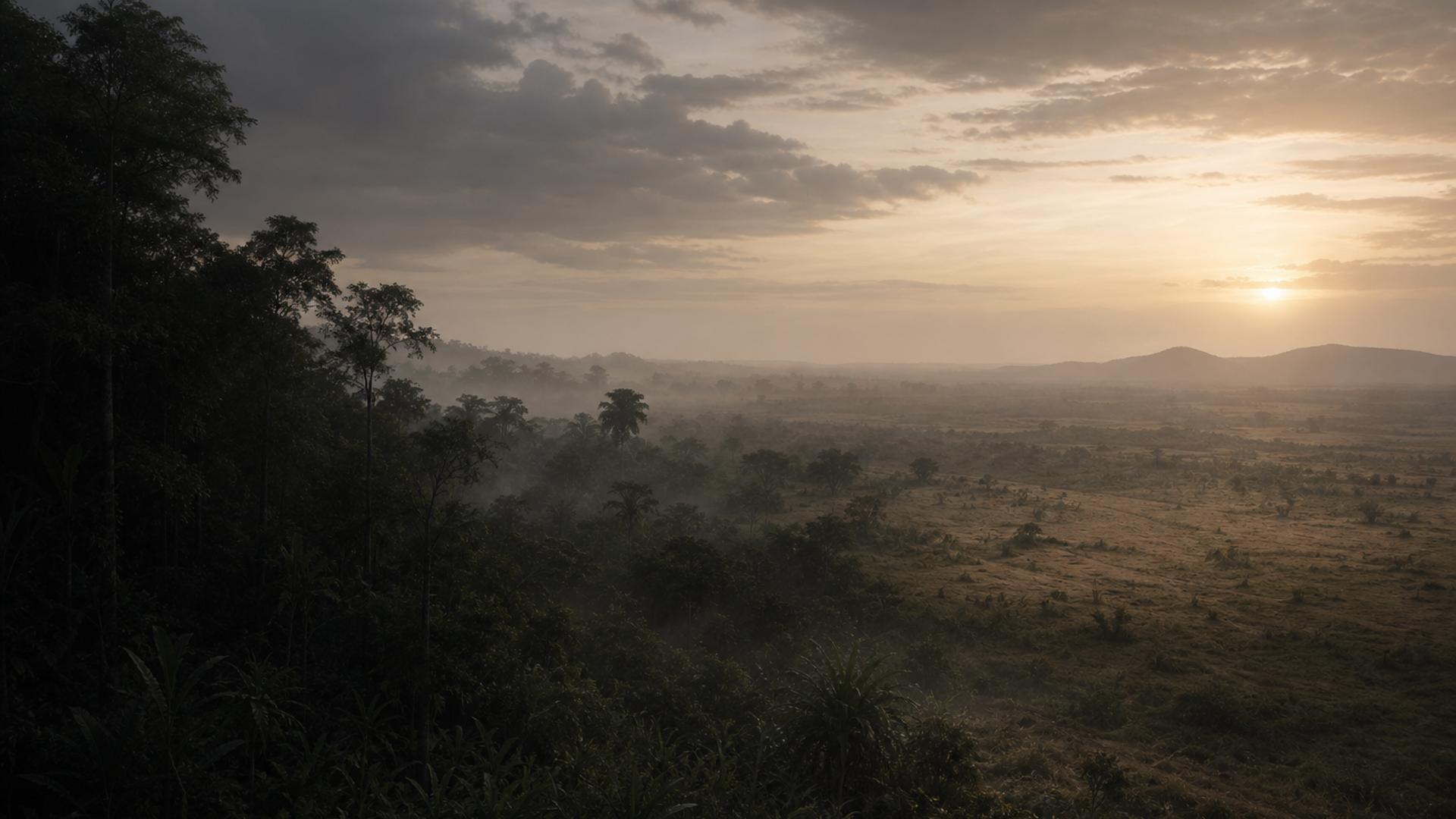
From a landscape perspective, the Moraes individual likely lived in a world of braided rivers, estuaries, and savanna–forest ecotones. Archaeological interpretations emphasize flexibility rather than large, permanent settlements. Because the dataset for Moraes is a single sampled individual, any reconstruction of cultural emergence must remain provisional: the genome is a powerful probe, but not yet a panorama.