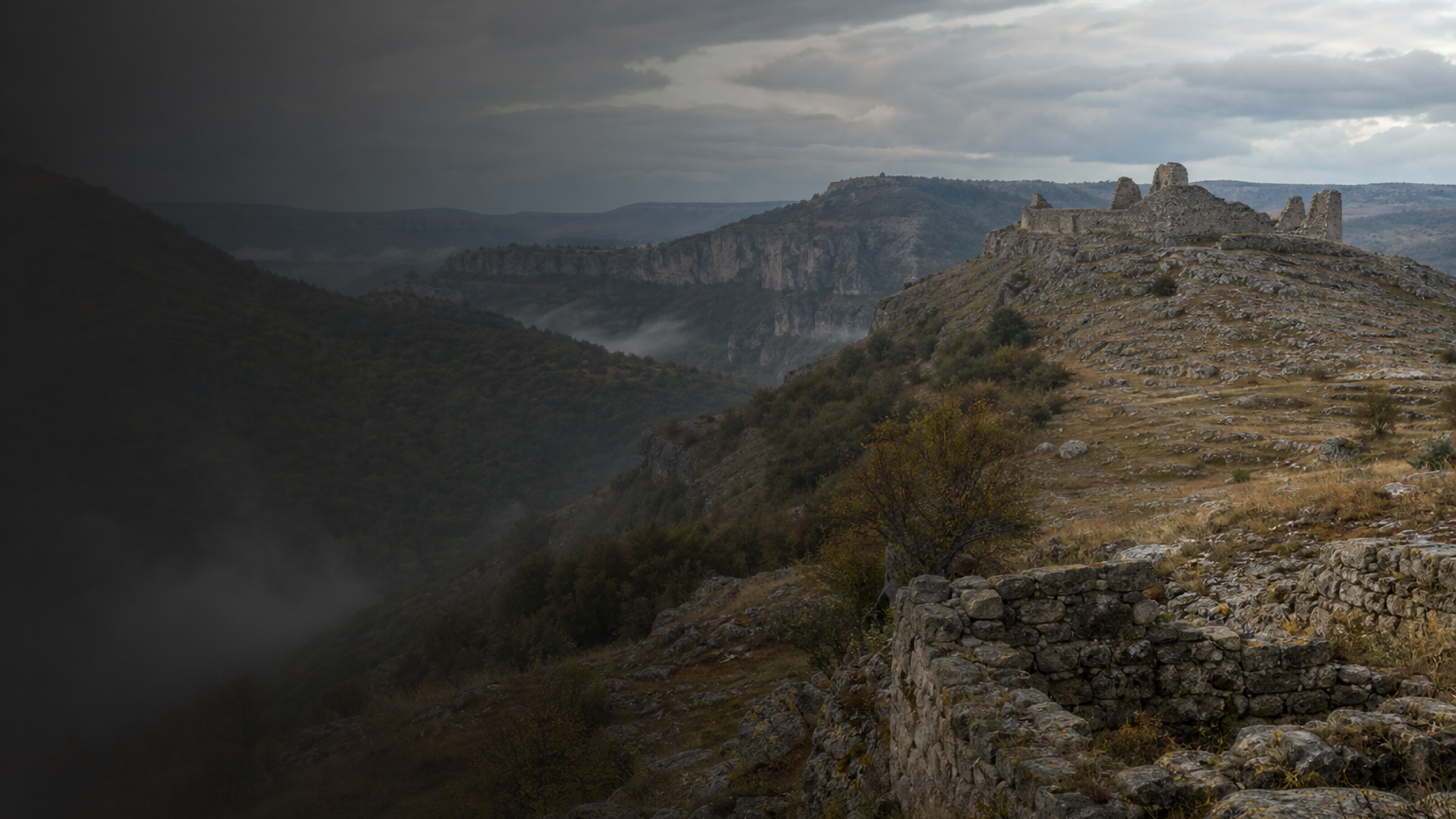
Archaeological remains paint a cinematic but fragmentary picture of everyday life in the Veliko Tarnovo hinterland. Fortified towers and ramparts at Ryahovets imply a landscape governed by defense and control of movement—watchposts that oversaw roads, river crossings and grain-producing lowlands. Within the shadow of such strongholds, villagers and artisans would have tended fields, maintained livestock and worked in small workshops producing pottery, leather goods and metal tools.
Samovodene’s archaeological strata include hearths, craft debris and domestic architecture indicative of household-based production. Archaeological data indicates household economies tied to urban markets in Veliko Tarnovo: surplus grain, crafted wares and textiles could move uphill to the city, while luxury imports filtered back through merchant networks.
Religious life was shaped by Eastern Orthodox Christianity after the Christianization of Bulgaria; churches and ecclesiastical objects appear in the region’s archaeological record from the 10th century onward. Burial practices visible in nearby cemeteries show a mix of Christian rites and residual local traditions—grave goods are comparatively modest but occasionally include personal adornments that signal status. Bioarchaeological evidence is limited for this small sample set, so reconstructions of diet, health, and mobility remain provisional and would benefit greatly from isotope and wider aDNA sampling campaigns.