Saltar al contenido principal
mtDNA · Materno linaje

C4B

mtDNA Haplogroup C4B

Un perfil de referencia de una rama de linaje. Compartir haplogrupos no demuestra una relación familiar ni una identidad cultural.

Perfil de referencia

Contexto de la rama

Contexto histórico de la rama de linaje mtDNA C4B

Origins and Evolution

Haplogroup C4B is a subclade of mtDNA haplogroup C4, itself part of macro-haplogroup C, a lineage that arose in northern/central Asia after the initial out-of-Africa dispersals. Based on its position in the phylogeny and the distribution of related C4 lineages, C4B likely diversified in Siberia or adjacent Northeast Asian regions during the Late Upper Paleolithic (roughly 20–15 kya), a period that encompasses the Last Glacial Maximum and early post-glacial expansions. Like other C4 branches, C4B represents a deep Asian maternal lineage that survived in northern Eurasian refugia and later contributed to regional population re-expansions.

Subclades

C4B is an intermediate clade within the C4 phylogeny and may contain further downstream sublineages (often annotated in databases as C4b1, C4b2, etc., depending on the reference). However, the internal structure of C4B remains incompletely resolved in public phylogenies because many regional samples remain undersampled and additional complete mitochondrial genomes are needed to define and date finer branches. Ongoing mitogenome sequencing in Siberian, Central Asian, and Northeast Asian populations is progressively clarifying these internal subclades.

Geographical Distribution

Empirical population genetics and ancient DNA work indicate that C4B is concentrated in Siberia and other parts of northern Asia, and is found at variable, generally lower frequencies in neighboring East-Central Asian groups. Modern populations with reported C4 (and specifically C4B-like) lineages include indigenous Siberian groups (Evenks, Evens, Yakuts, Koryaks), Mongolic and Tungusic-speaking groups, as well as some populations in the Sayan–Altai region and parts of Central Asia (Tuva, Tuvan-related groups). A few low-frequency occurrences have been reported outside mainland Asia in regions touched by later westward or northward movements; rare matches in ancient DNA from northern Eurasia support an Early Holocene presence in the region. The lineage is generally rare or absent in most of Europe and only marginally detected in the Americas (other C4 subclades, especially C4c, are more important in Native American contexts).

Historical and Cultural Significance

C4B is primarily informative for studies of Paleo-Siberian and post-glacial demographic history rather than association with a single archaeological ‘culture’ in the way European haplogroups might be. It likely reflects maternal continuity among hunter-gatherer groups of Siberia and played a role in later demographic processes including localized Bronze Age and Iron Age population dynamics in the steppe–forest–tundra belt. Archaeological contexts where related C4 lineages appear include remains attributed to Mesolithic/Neolithic hunter-gatherers and various Bronze Age assemblages in southern and central Siberia (e.g., Okunevo-like and other late Neolithic–Bronze Age groups in the Altai–Sayan region), but direct culture-to-haplogroup attributions are tentative without dense ancient-DNA sampling.

Conclusion

mtDNA C4B is a northern Asian maternal lineage that provides a window onto Late Upper Paleolithic and Holocene population history of Siberia and adjacent regions. While its broad geographic affinity and antiquity are supported by modern and ancient mitogenomes, detailed substructure, exact divergence dates, and fine-grained geographic histories require more complete mitochondrial sequencing from under-sampled Siberian, Mongolic, Tungusic, and Central Asian populations. When integrated with autosomal and Y-chromosome data, C4B contributes to reconstructing sex-biased migrations and survival of maternal lineages in harsh northern environments.

Puntos clave

  • Origins and Evolution
  • Subclades
  • Geographical Distribution
  • Historical and Cultural Significance
  • Conclusion
Perfil de referencia

Árbol y relaciones

Contexto filogenético y subclados

Trayectoria evolutiva

Sigue las ramas superiores registradas hasta C4B. Las fechas son estimaciones y pueden cambiar al revisarse los datos de referencia.

Pasos Haplogrupo Antigüedad estimada Época arqueológica Tiempo transcurrido Subclados inmediatos Portadores modernos analizados Referencias antiguas
1 C4B Actual ~18,000 years ago Mesolithic 18,000 years 4 5 17
2 C4A'B'C - - - 2 7 0
3 C4 ~20,000 years ago Mesolithic 20,000 years 4 41 48
4 C ~35,000 years ago Paleolithic 35,000 years 5 806 75
5 CZ ~40,000 years ago Paleolithic 40,000 years 2 856 4
6 M8 ~42,000 years ago Paleolithic 42,000 years 2 873 5
7 M ~60,000 years ago Paleolithic 60,000 years 42 2,671 41
8 L3 ~70,000 years ago Paleolithic 70,000 years 7 30,162 6
9 L3'4 - - - 2 30,212 0
10 L3'4'6 - - - 2 30,216 0
11 L2'3'4'6 - - - 2 31,333 0
12 L2'3'4'5'6'7 - - - 2 31,349 0
13 L1'2'3'4'5'6'7 - - - 2 31,852 0
14 L ~160,000 years ago Paleolithic 160,000 years 2 32,236 5

Ramas hermanas (1)

Otras ramas del mismo haplogrupo superior

Perfil de referencia

En el mundo

Distribución geográfica y presencia moderna

Origen registrado

Siberia / Northeast Asia

Distribución moderna

The populations where mtdna haplogroup C4B is found include:

  1. Yakut (Sakha) and other Siberian Turkic groups
  2. Tungusic-speaking peoples (Evenk, Even, Negidal)
  3. Koryak and other Far Northeastern Siberian groups
  4. Buryat and Mongolic-speaking groups in southern Siberia
  5. Tuvan and Altai populations in the Sayan–Altai region
  6. Low-frequency occurrences in some Central Asian groups (e.g., Kazakh/Tuva-adjacent)
  7. Sporadic matches in ancient northern Eurasian human remains
Contexto histórico

Una rama a través del tiempo

Formación estimada en una cronología histórica amplia. Los marcadores temporales aportan contexto y no implican relación con culturas concretas.

  1. ~20k años de antigüedad

    Último máximo glacial

    Máxima extensión de la última glaciación y aislamiento de poblaciones

  2. ~18k años de antigüedad

    Haplogrupo C4B

    Formación estimada de esta rama de mtDNA; las fechas y ubicaciones son estimaciones de referencia.

    Esta rama
  3. ~10k años de antigüedad

    Revolución neolítica

    Inicio de la agricultura y formación de comunidades sedentarias

  4. ~5k años de antigüedad

    Edad del Bronce

    Metalurgia, escritura y primeras civilizaciones

  5. ~3k años de antigüedad

    Edad del Hierro

    Herramientas de hierro y ampliación de redes comerciales

  6. ~2.5k años de antigüedad

    Antigüedad clásica

    Desarrollo de las civilizaciones griega y romana

  7. Actualidad

    Actualidad

    Época moderna

Perfil de referencia

Contexto arqueológico

Asociaciones arqueológicas registradas para la rama mtDNA C4B

Asociaciones registradas

Estas etiquetas describen contextos arqueológicos registrados para las muestras de referencia enlazadas a C4B. Una asociación no demuestra que todos los portadores pertenecieran a una cultura ni siguieran una ruta migratoria concreta.

Avar Bolshoy Oleni Ostrov Early Buryat Jirentaigoukou Culture Kitoi Culture Kolyma River Culture Magyar Commoner Culture Magyar Elite Culture Russia_Sakha_LN_Ymyakhtakh Russia_Tatarstan_EarlyMedieval Shamanka Culture Siberian Paleolithic Ukraine_MIA_Scythian
Las atribuciones culturales se basan en el contexto arqueológico de las muestras de ADN antiguo y pueden representar asociaciones regionales de periodos concretos.
Perfil de referencia

Catálogo de muestras

5 portadores directos y 12 portadores de subclados del haplogrupo C4B

10 mostradas · 17 muestras coincidentes

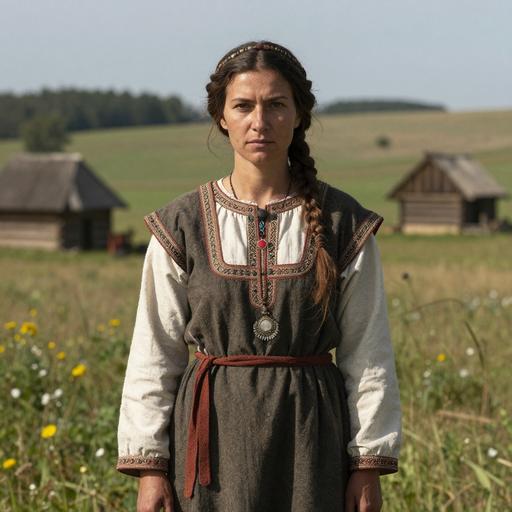
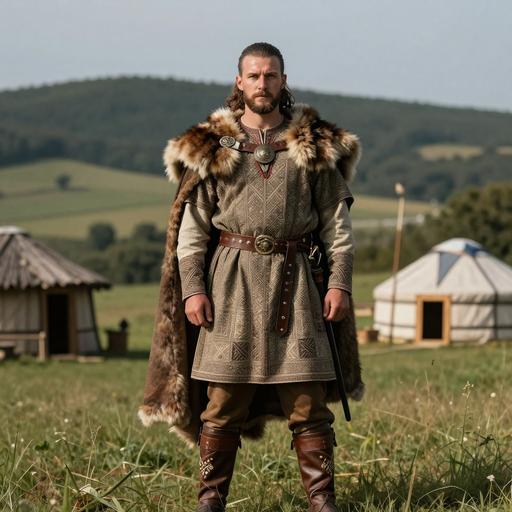
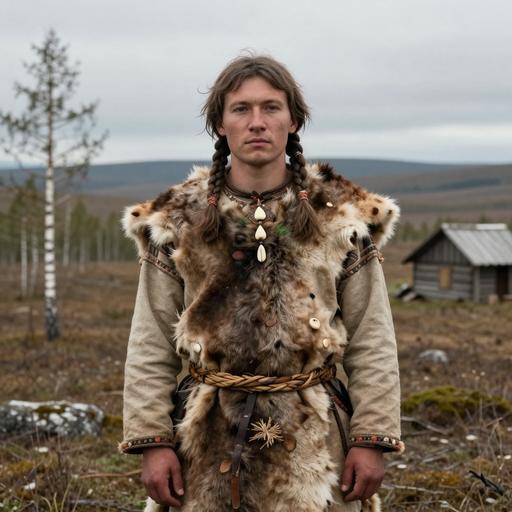
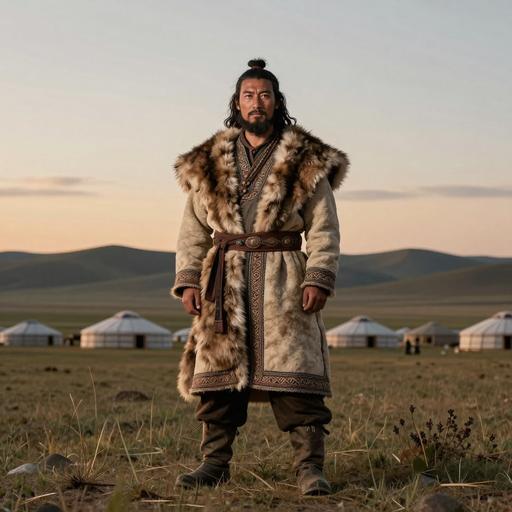
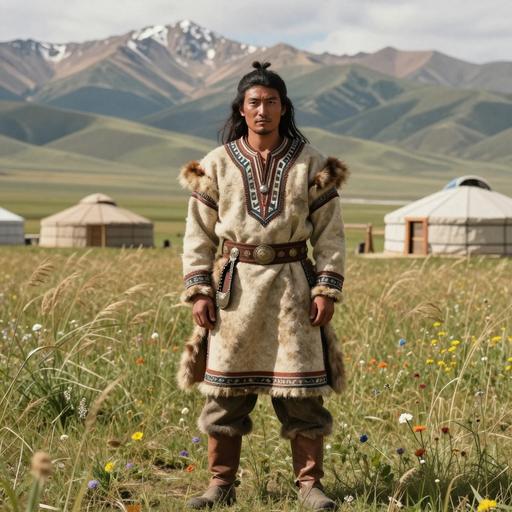
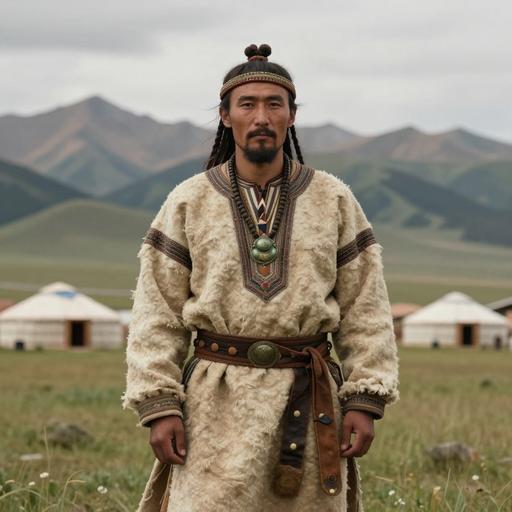
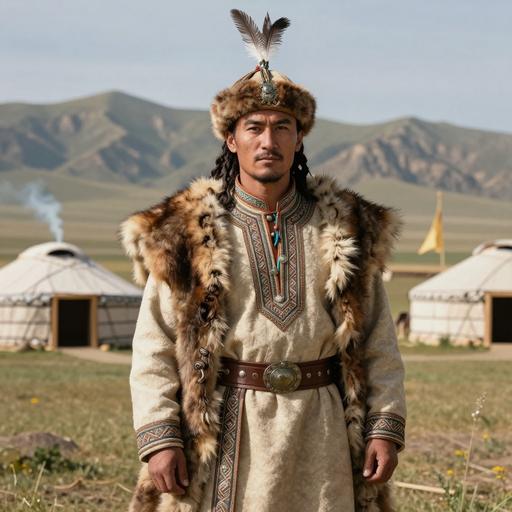
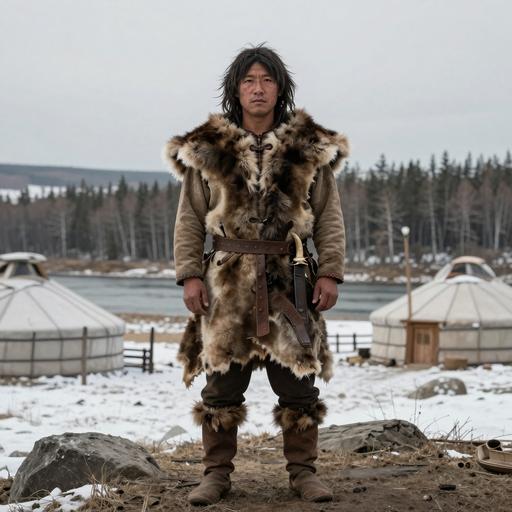
Los retratos son ilustraciones generadas con IA. Las etiquetas de muestra y los identificadores de acceso identifican los registros de referencia.

Retrato Muestra País Época Fecha Cultura mtDNA Coincidencia
Retrato ilustrativo de Xinjiang Jirentaigoukou Antiquity individual, Xinjiang. Yili Region. Nileke County. Jirentaigoukou, China (250-50 BCE) generado con IA
Identificador de muestra: C1370
China Historical Period Jirentaigoukou, Xinjiang, China 50-250 BCE Jirentaigoukou Culture C4b Direct
Retrato ilustrativo de Avar-o Low East Asia individual, Rákóczifalva-Bagi-földek (Jász-Nagykun-Szolnok Coiunty, Szolnok), Hungary (500-750 CE) generado con IA
Identificador de muestra: RKF234
Hungary Hungary Avar 500-750 CE Avar C4b Direct
Retrato ilustrativo de Commoner individual, Pest County. Nagytarcsa-Homokbánya, Hungary (892-992 CE) generado con IA
Identificador de muestra: NTH-2
Hungary Hungary Conqueror Commoner 892-992 calCE (1109±17 BP, DeA-26561) Magyar Commoner Culture C4b Direct
Retrato ilustrativo de Magyar/Hungarian individual, Borsod-Abaúj-Zemplén County. Kenézlő-Fazekaszug-1, Hungary (960-1,000 CE) generado con IA
Identificador de muestra: KeF1-10936
Hungary Conqueror Elite Hungary 960 CE - 1000 CE Magyar Elite Culture C4b Direct
Retrato ilustrativo de Arctic Cultures individual, Murmansk. Bolshoy Oleniy Ostrov, Russia (2,050-1,500 BCE) generado con IA
Identificador de muestra: BOO004
Russia Bolshoy Oleni Ostrov Site, Russia 2050 BCE - 1500 BCE Bolshoy Oleni Ostrov C4b Direct
Retrato ilustrativo de Nomadic Steppe Cultures individual, Sukhbaatar. Tavan Tolgoi, Mongolia (200 BCE-1,500 CE) generado con IA
Identificador de muestra: TAV011
Mongolia Late Medieval Xiongnu 200 BCE - 1500 CE Late Xiongnu C4b1 Subclado
Retrato ilustrativo de Nomadic Steppe Cultures individual, Tian Shan. Central Steppe, Kyrgyzstan (235-425 CE) generado con IA
Identificador de muestra: DA100
Kyrgyzstan The Hun Period in Kyrgyzstan 235 CE - 425 CE Hunnic Period C4b1 Subclado
Retrato ilustrativo de Hun individual, Tian Shan. Central Steppe, Kyrgyzstan (235-425 CE) generado con IA
Identificador de muestra: DA100
Kyrgyzstan The Huns 235 CE - 425 CE C4b1 Subclado
Retrato ilustrativo de Turkic Nomadic individual, Tian Shan. Central Steppe, Kazakhstan (265-539 CE) generado con IA
Identificador de muestra: DA27
Kazakhstan Nomadic Kazakhstan 265 CE - 539 CE Nomadic Kazakh C4b1 Subclado
Retrato ilustrativo de Hun Sarmatian individual, Tian Shan. Central Steppe, Kazakhstan (265-539 CE) generado con IA
Identificador de muestra: DA27
Kazakhstan The Huns and Sarmatians 265 CE - 539 CE 1935 C4b1 Subclado
MATERNAL LINAJE · ADN ANTIGUO

Mapa de pruebas de linajes antiguos

Sigue los clados superiores hasta esta rama y explora dónde se encontraron portadores antiguos.

Cargando observaciones antiguas...

Los marcadores son ubicaciones de hallazgos arqueológicos. Una línea discontinua representa una transición geográfica propuesta e incierta entre ramas consecutivas, apoyada en varias observaciones fechadas; no es una ruta de viaje exacta, un lugar de nacimiento ni una prueba de descendencia directa. Las muestras del clado parental pueden pertenecer a otras ramas descendientes. Se mantienen huecos cuando las pruebas son insuficientes. Las fechas de las muestras son distintas de las fechas de formación de los haplogrupos.

Perfil de referencia

Mapa de distribución de portadores

Distribución geográfica de muestras de ADN antiguo (17), portadores directos o de subclados de C4B

Portador directo Portador de un subclado
Filtro de periodo temporal
Todos los periodos
Mostrando todas las muestras
Perfil de referencia

Distribución temporal

Distribución de portadores por periodos arqueológicos

Perfil de referencia

Distribución geográfica

Recuentos por país registrado de las muestras. Reflejan la selección de referencia disponible, no frecuencias de población.

Perfil de referencia

Distribución por país y época

Compara los recuentos de muestras registradas por países y periodos arqueológicos. Selecciona una celda con datos para examinar una muestra.

Datos

Datos y procedencia

Información sobre las fuentes y la calidad de los datos

Última actualización 2026-06-14
Puntuación de confianza 50/100
Cobertura Low

Fuente de datos

La clasificación, las fechas estimadas y el contexto geográfico reflejan los datos de referencia registrados y pueden cambiar al revisarse las pruebas. La cobertura de muestras es desigual; las ubicaciones registradas y las asociaciones arqueológicas no establecen el origen personal ni la identidad cultural.

Un haplogrupo sigue una línea materna o paterna. La rama que se puede predecir depende de los marcadores presentes en el archivo de ADN. Cómo analizamos el ADN