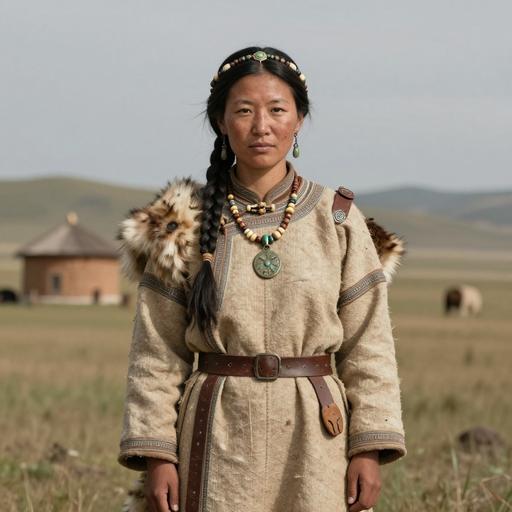
The Story
The journey of mtDNA haplogroup C4B
Origins and Evolution
Haplogroup C4B is a subclade of mtDNA haplogroup C4, itself part of macro-haplogroup C, a lineage that arose in northern/central Asia after the initial out-of-Africa dispersals. Based on its position in the phylogeny and the distribution of related C4 lineages, C4B likely diversified in Siberia or adjacent Northeast Asian regions during the Late Upper Paleolithic (roughly 20–15 kya), a period that encompasses the Last Glacial Maximum and early post-glacial expansions. Like other C4 branches, C4B represents a deep Asian maternal lineage that survived in northern Eurasian refugia and later contributed to regional population re-expansions.
Subclades
C4B is an intermediate clade within the C4 phylogeny and may contain further downstream sublineages (often annotated in databases as C4b1, C4b2, etc., depending on the reference). However, the internal structure of C4B remains incompletely resolved in public phylogenies because many regional samples remain undersampled and additional complete mitochondrial genomes are needed to define and date finer branches. Ongoing mitogenome sequencing in Siberian, Central Asian, and Northeast Asian populations is progressively clarifying these internal subclades.
Geographical Distribution
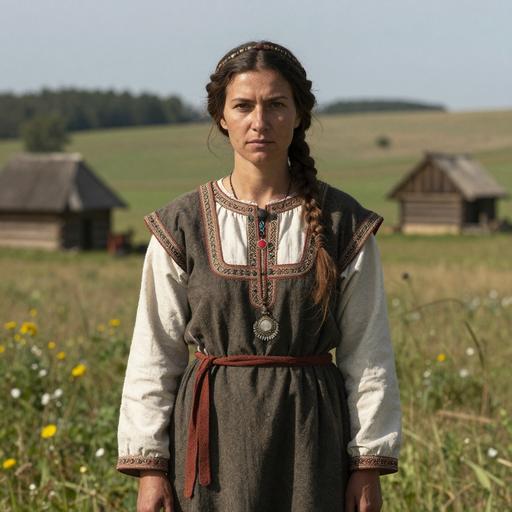
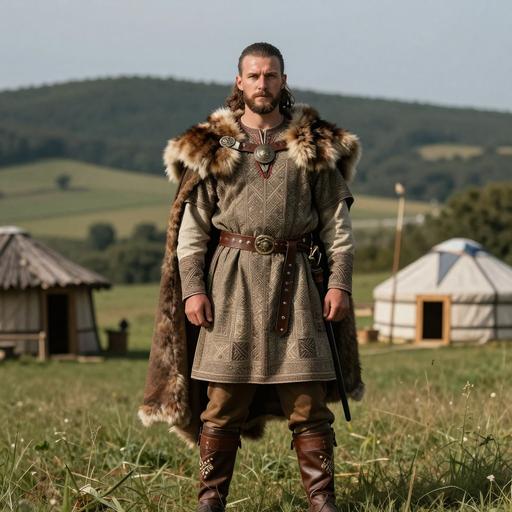
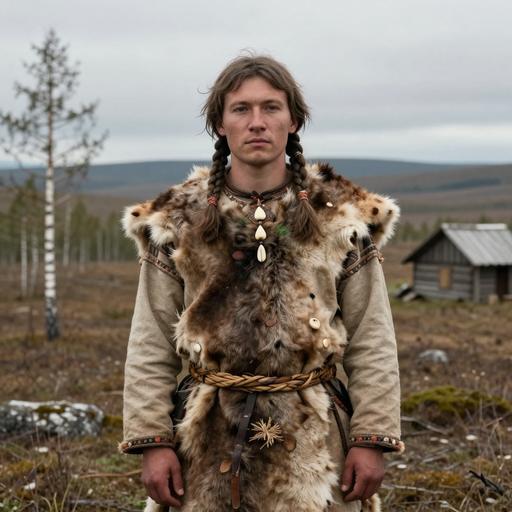
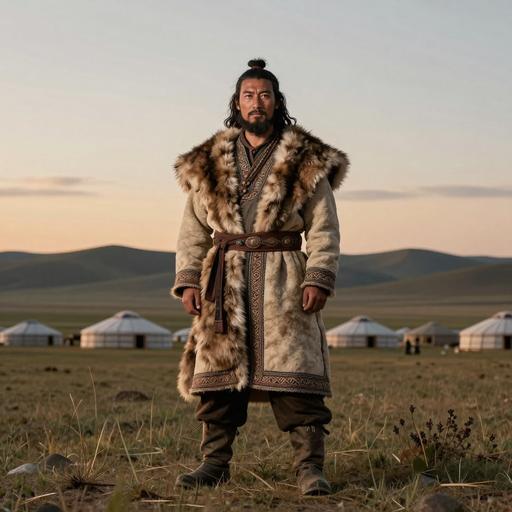
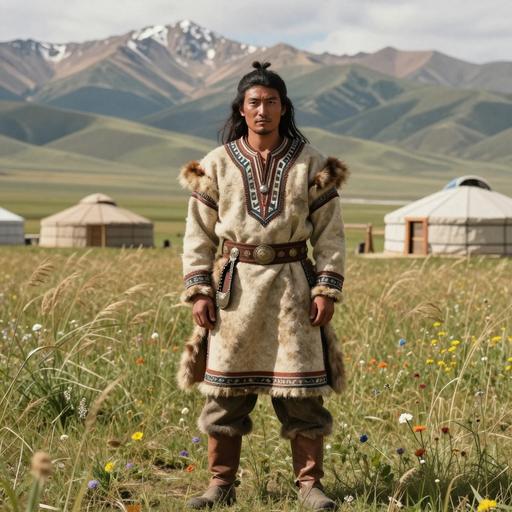
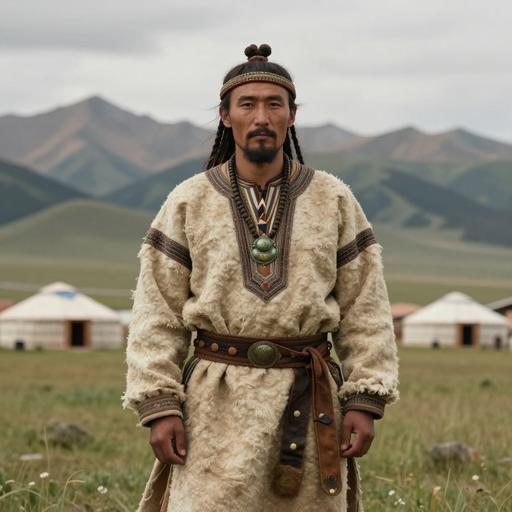
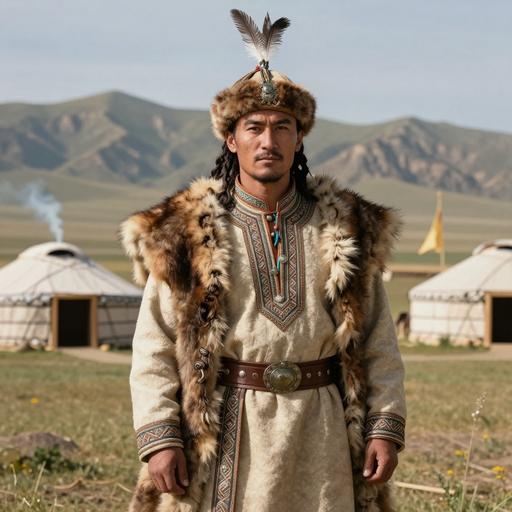
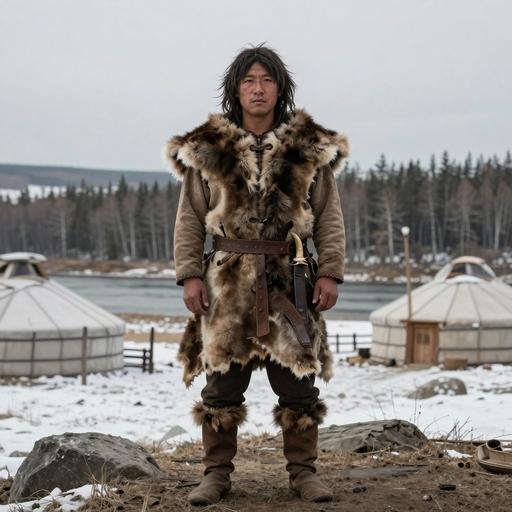
Empirical population genetics and ancient DNA work indicate that C4B is concentrated in Siberia and other parts of northern Asia, and is found at variable, generally lower frequencies in neighboring East-Central Asian groups. Modern populations with reported C4 (and specifically C4B-like) lineages include indigenous Siberian groups (Evenks, Evens, Yakuts, Koryaks), Mongolic and Tungusic-speaking groups, as well as some populations in the Sayan–Altai region and parts of Central Asia (Tuva, Tuvan-related groups). A few low-frequency occurrences have been reported outside mainland Asia in regions touched by later westward or northward movements; rare matches in ancient DNA from northern Eurasia support an Early Holocene presence in the region. The lineage is generally rare or absent in most of Europe and only marginally detected in the Americas (other C4 subclades, especially C4c, are more important in Native American contexts).
Historical and Cultural Significance
C4B is primarily informative for studies of Paleo-Siberian and post-glacial demographic history rather than association with a single archaeological ‘culture’ in the way European haplogroups might be. It likely reflects maternal continuity among hunter-gatherer groups of Siberia and played a role in later demographic processes including localized Bronze Age and Iron Age population dynamics in the steppe–forest–tundra belt. Archaeological contexts where related C4 lineages appear include remains attributed to Mesolithic/Neolithic hunter-gatherers and various Bronze Age assemblages in southern and central Siberia (e.g., Okunevo-like and other late Neolithic–Bronze Age groups in the Altai–Sayan region), but direct culture-to-haplogroup attributions are tentative without dense ancient-DNA sampling.
Conclusion
mtDNA C4B is a northern Asian maternal lineage that provides a window onto Late Upper Paleolithic and Holocene population history of Siberia and adjacent regions. While its broad geographic affinity and antiquity are supported by modern and ancient mitogenomes, detailed substructure, exact divergence dates, and fine-grained geographic histories require more complete mitochondrial sequencing from under-sampled Siberian, Mongolic, Tungusic, and Central Asian populations. When integrated with autosomal and Y-chromosome data, C4B contributes to reconstructing sex-biased migrations and survival of maternal lineages in harsh northern environments.
Key Points
- Origins and Evolution
- Subclades
- Geographical Distribution
- Historical and Cultural Significance
- Conclusion