Saltar al contenido principal
mtDNA · Materno linaje

H5C

mtDNA Haplogroup H5C

Un perfil de referencia de una rama de linaje. Compartir haplogrupos no demuestra una relación familiar ni una identidad cultural.

Perfil de referencia

Contexto de la rama

Contexto histórico de la rama de linaje mtDNA H5C

Origins and Evolution

Haplogroup H5C is a downstream lineage of H5, itself a descendant of the broad European‑centered haplogroup H. Based on phylogenetic position within H5 and comparisons to age estimates for H5 and its subclades, H5C most likely arose in the early Holocene (roughly ~8 kya) in or near the Near East / West Asia and expanded into Europe with Neolithic farmer dispersals and subsequent local demographic processes. The lineage shows the pattern typical of many H subclades: an origin associated with post‑glacial and early agricultural movements from refugial or Near Eastern source areas, followed by regionally variable frequencies produced by founder effects and drift.

Genetic dating and molecular diversity in H5 and its subclades support an early Holocene origin for many daughter clades; H5C's coalescent time is younger than basal H5 (often modeled ~12 kya) but older than many very recent, geographically restricted subclades, consistent with a spread during the Neolithic and later archaeological periods.

Subclades

H5C itself may contain internal variation (for example, named sub‑lineages such as H5C1 in some phylogenies), but it is generally a less populous branch compared with the more widely expanded H5a. Where high‑resolution sequencing has been applied, H5C can be subdivided on the basis of coding‑region and control‑region mutations; however, many population datasets report H5C at modest frequencies without deep internal resolution. When more complete mitogenomes are available, those allow clearer resolution of any micro‑founder events (e.g., island or village‑level expansions).

Geographical Distribution

H5C is predominantly recorded in Mediterranean and adjacent European populations with lower frequencies farther east and in the Caucasus. Modern survey and ancient DNA contexts show occurrences in Southern Europe (Italy, Greece), parts of Western Europe (Iberia, southern France), the Balkans and eastern Europe at lower levels, and in Near Eastern / Anatolian and Caucasus samples at modest frequencies. H5C appears at low levels in North Africa and on Mediterranean islands (Sicily, Sardinia, Corsica) where founder events and island drift can increase local frequency.

The lineage has been observed in at least 15 ancient DNA samples in the referenced database, indicating its presence in archaeological contexts spanning Neolithic to later prehistoric periods. This ancient DNA evidence supports the interpretation of H5C as a lineage that accompanied farming communities into Europe and persisted through subsequent cultural transformations.

Historical and Cultural Significance

Because H5C likely spread with early farming populations and persisted through the Bronze Age and later periods, it serves as a marker for maternal continuity in several Mediterranean and southern European regions. In some localized populations H5C shows signs of founder effects, where a small number of female ancestors carrying H5C contributed disproportionately to modern maternal gene pools (for example on islands or in isolated inland communities).

H5C is not typically associated with a single archaeological culture exclusively; rather, it appears across multiple cultural horizons that reflect demographic continuity and admixture: Early Neolithic farmer assemblages, later Copper/Bronze Age contexts, and in some regions within the distribution of Bell Beaker and other pan‑European cultural phenomena. Its presence in both ancient and modern samples makes it useful for reconstructing maternal lineage continuity and migration trajectories in the Mediterranean and adjacent regions.

Conclusion

H5C is a regional daughter lineage of H5 with an early Holocene origin in the Near East / West Asia and a distribution focused on southern and western Europe, the Near East, and adjacent regions. It illustrates the pattern of Neolithic dispersal and subsequent local differentiation typical of many H subclades: moderate overall frequency, localized peaks due to founder effects, and presence in ancient DNA that links prehistoric demographic events to modern maternal lineages. Continued mitogenome sequencing and broader ancient DNA sampling will refine its internal structure and improve the resolution of its demographic history.

Puntos clave

  • Origins and Evolution
  • Subclades
  • Geographical Distribution
  • Historical and Cultural Significance
  • Conclusion
Perfil de referencia

Árbol y relaciones

Contexto filogenético y subclados

Trayectoria evolutiva

Sigue las ramas superiores registradas hasta H5C. Las fechas son estimaciones y pueden cambiar al revisarse los datos de referencia.

Pasos Haplogrupo Antigüedad estimada Época arqueológica Tiempo transcurrido Subclados inmediatos Portadores modernos analizados Referencias antiguas
1 H5C Actual ~8,000 years ago Neolithic 8,000 years 3 22 23
2 H5 ~12,000 years ago Mesolithic 12,500 years 14 473 23
3 H5'36 - - - 2 482 0
4 H ~25,000 years ago Paleolithic 25,000 years 78 9,404 991
5 HV ~30,000 years ago Paleolithic 30,000 years 14 11,092 228
6 R0 ~15,000 years ago Mesolithic 15,000 years 2 11,230 4
7 R ~55,000 years ago Paleolithic 55,000 years 17 22,830 57
8 NA - - - 1 22,830 0
9 N ~60,000 years ago Paleolithic 60,000 years 16 26,150 13
10 L3 ~70,000 years ago Paleolithic 70,000 years 7 30,162 6
11 L3'4 - - - 2 30,212 0
12 L3'4'6 - - - 2 30,216 0
13 L2'3'4'6 - - - 2 31,333 0
14 L2'3'4'5'6'7 - - - 2 31,349 0
15 L1'2'3'4'5'6'7 - - - 2 31,852 0
16 L ~160,000 years ago Paleolithic 160,000 years 2 32,236 5
Perfil de referencia

En el mundo

Distribución geográfica y presencia moderna

Origen registrado

Near East / West Asia

Distribución moderna

The populations where MTDNA haplogroup H5C is found include:

  1. Southern European populations (Italy, Greece)
  2. Western European populations (Iberia, southern France)
  3. Eastern European and Balkan populations (Balkans, Poland, Ukraine at lower to moderate levels)
  4. Near Eastern and Anatolian populations (Turkey, Levant)
  5. Caucasus populations (Armenia, Georgia, Azerbaijan)
  6. Jewish communities (notably some lineages within Mediterranean/Ashkenazi contexts at low frequency)
  7. North African populations (Maghreb, at low to moderate frequencies)
  8. Mediterranean island populations (Sicily, Sardinia, Corsica with local founder signals)
Contexto histórico

Una rama a través del tiempo

Formación estimada en una cronología histórica amplia. Los marcadores temporales aportan contexto y no implican relación con culturas concretas.

  1. ~10k años de antigüedad

    Revolución neolítica

    Inicio de la agricultura y formación de comunidades sedentarias

  2. ~8k años de antigüedad

    Haplogrupo H5C

    Formación estimada de esta rama de mtDNA; las fechas y ubicaciones son estimaciones de referencia.

    Esta rama
  3. ~5k años de antigüedad

    Edad del Bronce

    Metalurgia, escritura y primeras civilizaciones

  4. ~3k años de antigüedad

    Edad del Hierro

    Herramientas de hierro y ampliación de redes comerciales

  5. ~2.5k años de antigüedad

    Antigüedad clásica

    Desarrollo de las civilizaciones griega y romana

  6. Actualidad

    Actualidad

    Época moderna

Perfil de referencia

Contexto arqueológico

Asociaciones arqueológicas registradas para la rama mtDNA H5C

Asociaciones registradas

Estas etiquetas describen contextos arqueológicos registrados para las muestras de referencia enlazadas a H5C. Una asociación no demuestra que todos los portadores pertenecieran a una cultura ni siguieran una ruta migratoria concreta.

Anglo-Saxon British Chalcolithic Corded Ware Daunian Culture La Tène Culture Sampula Viking Viking Denmark Welsh Iron Age
Las atribuciones culturales se basan en el contexto arqueológico de las muestras de ADN antiguo y pueden representar asociaciones regionales de periodos concretos.
Perfil de referencia

Catálogo de muestras

19 portadores directos y 4 portadores de subclados del haplogrupo H5C

10 mostradas · 23 muestras coincidentes

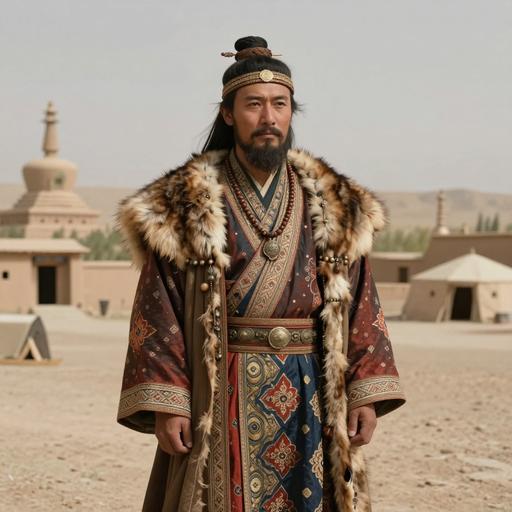
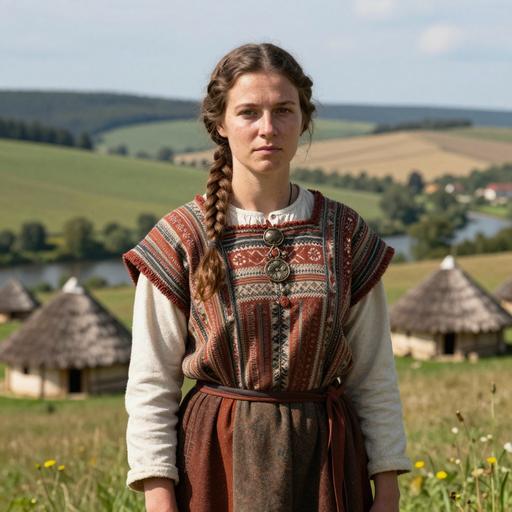
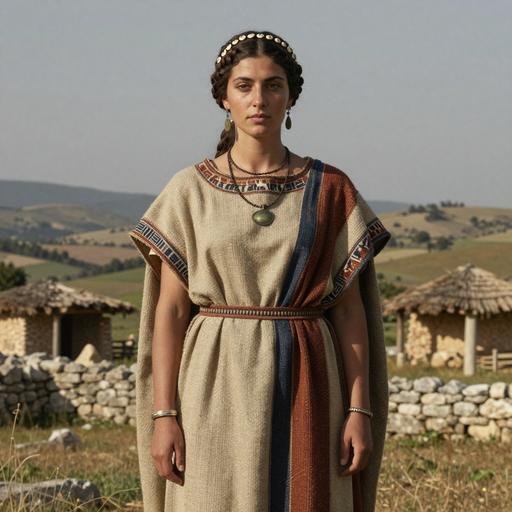
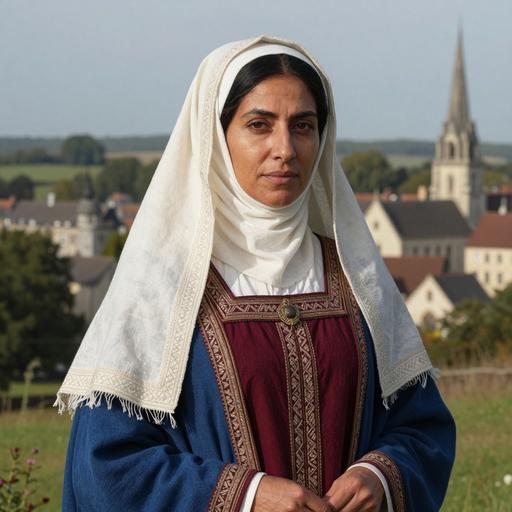
Los retratos son ilustraciones generadas con IA. Las etiquetas de muestra y los identificadores de acceso identifican los registros de referencia.

Retrato Muestra País Época Fecha Cultura mtDNA Coincidencia
Retrato ilustrativo de Silk Road Civilizations individual, Xinjiang. Hetian Region. Luopu County. Shanpula, China (84-239 CE) generado con IA
Identificador de muestra: C3625
China Historical Sampula, China 84 CE - 239 CE Sampula H5c Direct
Retrato ilustrativo de La Tène individual, NW Bohemia. Teplice. Radosevice (Cemetery I), Czech Republic (300-250 BCE) generado con IA
Identificador de muestra: I17139
Czech Republic Iron Age La Tène Culture, Czech Republic 300-250 BCE La Tène Culture H5c Direct
Retrato ilustrativo de La Tène individual, NW Bohemia. Teplice. Radosevice (Cemetery I), Czech Republic (300-250 BCE) generado con IA
Identificador de muestra: I17143
Czech Republic Iron Age La Tène Culture, Czech Republic 300-250 BCE La Tène Culture H5c Direct
Retrato ilustrativo de La Tène individual, NW Bohemia. Teplice. Radosevice (Cemetery I), Czech Republic (370-197 BCE) generado con IA
Identificador de muestra: I14985
Czech Republic Iron Age La Tène Culture, Czech Republic 370-197 calBCE (2210±20 BP, PSUAMS-10093) La Tène Culture H5c Direct
Retrato ilustrativo de England Early Medieval individual, England. Dorset. Worth Matravers, United Kingdom (500-700 CE) generado con IA
Identificador de muestra: I11581
United Kingdom England EarlyMedieval 500-700 CE Anglo-Saxon H5c Direct
Retrato ilustrativo de Norse individual, Saaremaa. Salme, Estonia (700-800 CE) generado con IA
Identificador de muestra: VK488
Estonia Early Viking Age Estonia 700 CE - 800 CE Viking H5c Direct
Retrato ilustrativo de Viking individual, Saaremaa. Salme, Estonia (700-800 CE) generado con IA
Identificador de muestra: VK488
Estonia The Viking Age 700 CE - 800 CE H5c Direct
Retrato ilustrativo de Apulia IA b Daunian individual, Apulia. Ordona. Herdonia, Italy (750-406 BCE) generado con IA
Identificador de muestra: ORD009
Italy Daunian Culture Ordona, Italy 750-406 calBCE (2433±27 BP, UBA-45175) Daunian Culture H5c Direct
Retrato ilustrativo de Apulia IA b Daunian individual, Apulia. Ordona. Herdonia, Italy (781-544 BCE) generado con IA
Identificador de muestra: ORD001
Italy Daunian Culture Salapia, Italy 781-544 calBCE (2516±25 BP, UBA-45191) Daunian Culture H5c Direct
Retrato ilustrativo de Wales IA individual, Wales. West Glamorgan. Culverhole Cave, United Kingdom (793-567 BCE) generado con IA
Identificador de muestra: I5364
United Kingdom Wales IA 793-567 calBCE (2540±20 BP, PSUAMS-8587) Welsh Iron Age H5c Direct
MATERNAL LINAJE · ADN ANTIGUO

Mapa de pruebas de linajes antiguos

Sigue los clados superiores hasta esta rama y explora dónde se encontraron portadores antiguos.

Cargando observaciones antiguas...

Los marcadores son ubicaciones de hallazgos arqueológicos. Una línea discontinua representa una transición geográfica propuesta e incierta entre ramas consecutivas, apoyada en varias observaciones fechadas; no es una ruta de viaje exacta, un lugar de nacimiento ni una prueba de descendencia directa. Las muestras del clado parental pueden pertenecer a otras ramas descendientes. Se mantienen huecos cuando las pruebas son insuficientes. Las fechas de las muestras son distintas de las fechas de formación de los haplogrupos.

Perfil de referencia

Mapa de distribución de portadores

Distribución geográfica de muestras de ADN antiguo (23), portadores directos o de subclados de H5C

Portador directo Portador de un subclado
Filtro de periodo temporal
Todos los periodos
Mostrando todas las muestras
Perfil de referencia

Distribución temporal

Distribución de portadores por periodos arqueológicos

Perfil de referencia

Distribución geográfica

Recuentos por país registrado de las muestras. Reflejan la selección de referencia disponible, no frecuencias de población.

Perfil de referencia

Distribución por país y época

Compara los recuentos de muestras registradas por países y periodos arqueológicos. Selecciona una celda con datos para examinar una muestra.

Datos

Datos y procedencia

Información sobre las fuentes y la calidad de los datos

Última actualización 2026-02-16
Puntuación de confianza 50/100
Cobertura Low

Fuente de datos

La clasificación, las fechas estimadas y el contexto geográfico reflejan los datos de referencia registrados y pueden cambiar al revisarse las pruebas. La cobertura de muestras es desigual; las ubicaciones registradas y las asociaciones arqueológicas no establecen el origen personal ni la identidad cultural.

Un haplogrupo sigue una línea materna o paterna. La rama que se puede predecir depende de los marcadores presentes en el archivo de ADN. Cómo analizamos el ADN