Profil de référence pour une branche de lignée. Des haplogroupes partagés n'établissent pas de lien familial ni d'identité culturelle.
Profil de référence
Contexte de la branche
Contexte historique de la branche de lignée mtDNA H13
Origins and Evolution
mtDNA haplogroup H13 is a branch of macro-haplogroup H that most genetic evidence places as having arisen in the early Holocene (roughly the last 10–15 kya) in the Near East or the Caucasus. As a descendant of H, H13 shares the broader post‑glacial demographic history of H lineages but displays a distinct phylogeographic pattern concentrated around the Caucasus, Anatolia and adjacent parts of the Near East. Its time depth and regional concentration suggest origin in a refugial or early‑Holocene population in that area followed by localized differentiation and later dispersals.
Subclades
H13 is divided into several recognized subclades (for example H13a, H13b, H13c and downstream branches). These subclades show differing geographic footprints: H13a and its derivatives are frequent in the Caucasus and Anatolia, while other sublineages (notably some H13c branches) appear at low frequencies in southeastern Europe, parts of Italy and in some Jewish communities. Subclade structure and internal coalescence ages indicate a pattern of early diversification in the Near East/Caucasus with subsequent limited westward and northward movements.
Geographical Distribution
Today H13 reaches its highest frequencies in the Caucasus (Armenians, Georgians, Azeris) and is common across parts of Anatolia and northwestern Iran. It is present at lower but detectable frequencies in the Balkans, Italy, the eastern Mediterranean and sporadically in Central and Western Europe. It also appears within some Jewish maternal lineages (both Ashkenazi and some Sephardic groups) and in several ancient DNA contexts from the Neolithic to the Bronze Age in the Near East and adjacent regions. This distribution is consistent with a Near Eastern/Caucasus origin and later involvement in regional demographic events.
Historical and Cultural Significance
The phylogeography of H13 links it to the major cultural and demographic processes that shaped southwest Eurasia after the Last Glacial Maximum. Its presence in Anatolia and the Caucasus ties H13 to early Holocene hunter‑gatherer and Neolithic farmer populations of the Near East, and archaeological associations suggest continuity into later Chalcolithic/Bronze Age cultural horizons. In the Caucasus region H13 lineages likely persisted locally and contributed maternally to neighboring populations during Bronze Age and later movements. The appearance of H13 sublineages in parts of southeastern and central Europe reflects episodic gene flow from the Near East/Caucasus during the Neolithic, Bronze Age and historic periods rather than a broad, high‑frequency expansion across Western Europe.
Conclusion
mtDNA H13 is best understood as a Near Eastern/Caucasus‑centered branch of haplogroup H that diversified in the early Holocene and subsequently participated in regional demographic processes — especially those linking the Caucasus, Anatolia and the eastern Mediterranean with parts of Europe. Its moderate regional specificity makes it a useful marker for studying maternal line continuity and episodic gene flow between the Near East/Caucasus and Europe.
Points clés
Origins and Evolution
Subclades
Geographical Distribution
Historical and Cultural Significance
Conclusion
Profil de référence
Arbre et relations
Contexte phylogénétique et sous-clades
Voie évolutive
Suivez les branches parentes consignées jusqu'à H13. Les dates sont des estimations et peuvent évoluer lorsque les données de référence sont révisées.
Northwestern Iran and adjacent Near Eastern groups
Levantine populations (Lebanon, Syria) at low to moderate frequencies
Balkan populations and Southern Europe (Italy, Greece) at low to moderate frequencies
Ashkenazi and some Sephardic Jewish maternal lineages (sporadic)
Central and Eastern European populations at low frequencies
Western European populations sporadically and in ancient contexts
Contexte historique
Une branche dans le temps
Formation estimée sur une chronologie historique large. Les repères de période servent de contexte et n'impliquent pas de lien avec des cultures particulières.
Il y a ~12k ans
Haplogroupe H13
Formation estimée de cette branche mtDNA ; les dates et les lieux sont des estimations de référence.
Cette branche
Il y a ~10k ans
Révolution néolithique
Début de l'agriculture et émergence de communautés sédentaires
Il y a ~5k ans
Âge du bronze
Travail des métaux, écriture et premières civilisations
Il y a ~3k ans
Âge du fer
Outils en fer, réseaux d'échanges élargis
Il y a ~2.5k ans
Antiquité classique
Floraison des civilisations grecque et romaine
Aujourd'hui
Aujourd'hui
Époque moderne
Profil de référence
Contexte archéologique
Associations archéologiques consignées pour la branche mtDNA H13
Associations consignées
Ces libellés décrivent des contextes archéologiques consignés pour des échantillons de référence liés à H13. Une association n'établit pas que tous les porteurs appartenaient à une culture ni qu'ils ont suivi une route migratoire précise.
Les attributions culturelles reposent sur le contexte archéologique des échantillons d'ADN ancien et peuvent refléter des associations régionales à certaines périodes.
Profil de référence
Catalogue d'échantillons
2 porteurs directs et 98 porteurs de sous-clade de l'haplogroupe H13
10 affiché(s) · 50 échantillons correspondants
Aucun échantillon ne correspond à ces filtres. Essayez un autre libellé, lieu ou période.
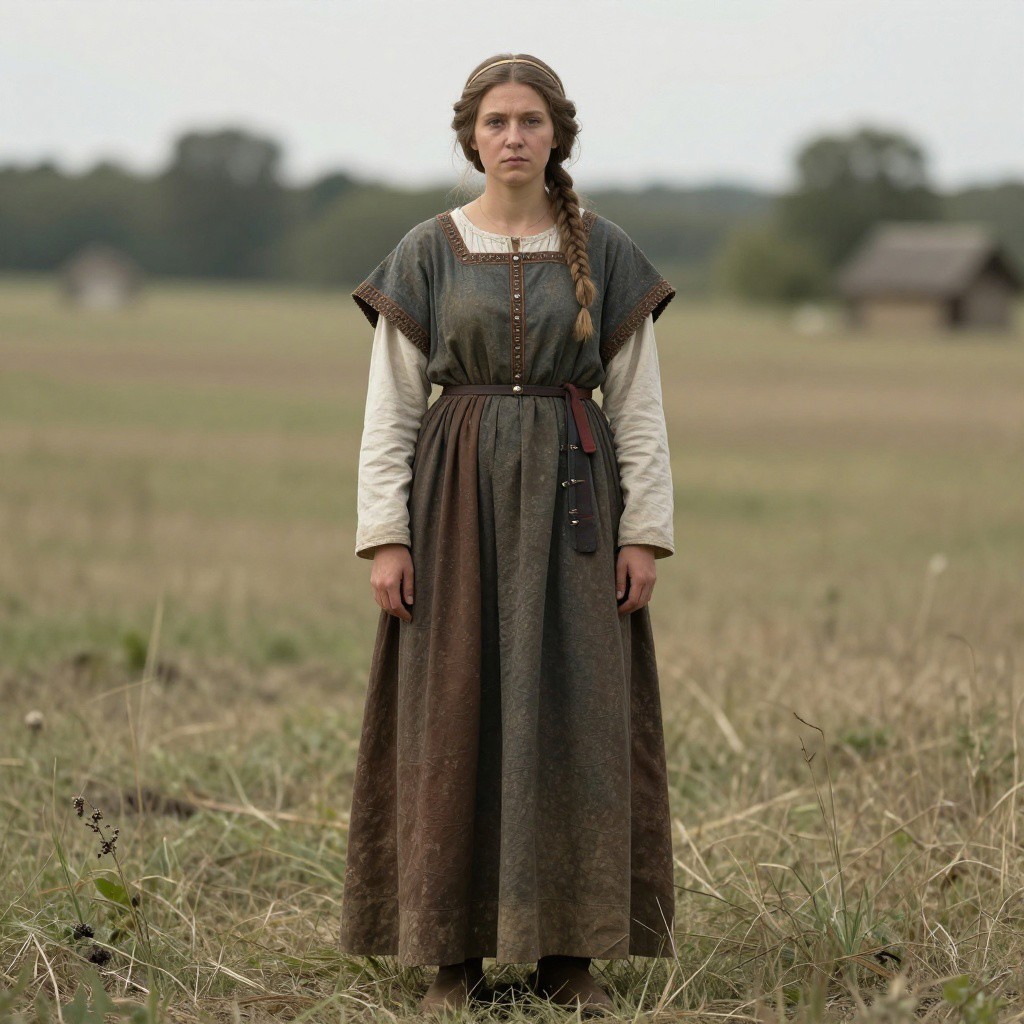
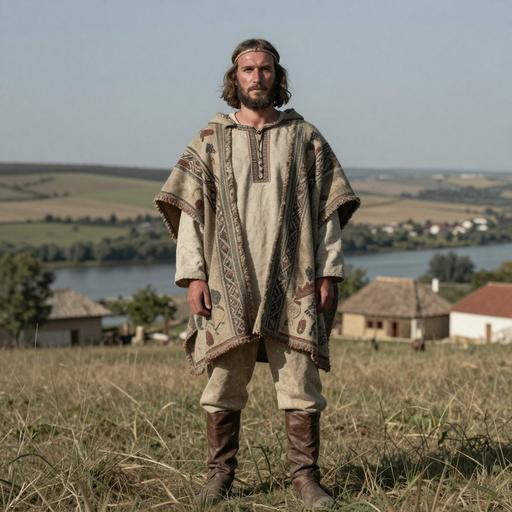
Les portraits sont des illustrations générées par IA. Les libellés d'échantillon et identifiants d'accès désignent les enregistrements de référence.
Portrait
Échantillon
Pays
Époque
Date
Culture
mtDNA
Correspondance
Identifiant d'échantillon : MGS272
Austria
Austria Avar
650-800 CE
Austria_Avar
H13
Direct
Identifiant d'échantillon : PCA0122
Poland
Iron Age Niemcza Culture
900-1000 CE
Niemcza Culture
H13
Direct
Identifiant d'échantillon : I2824
United Kingdom
Scotland LIA
41 BCE - 121 BCE
Scottish Iron Age
H13a1a
Sous-clade
Identifiant d'échantillon : I1637
Armenia
Late Hellenistic Armenia
72 BCE - 60 CE
Late Hellenistic Armenian
H13a1a2
Sous-clade
Identifiant d'échantillon : I15525
Serbia
Serbia Roman
100-300 CE
Roman Provincial
H13a1a1
Sous-clade
Identifiant d'échantillon : I15516
Serbia
Serbia Roman
127-233 calCE (1860±20 BP, PSUAMS-13192)
Roman Provincial
H13a1a1
Sous-clade
Identifiant d'échantillon : BOG024
Turkey
Turkey Central Bogazkoy-Hattusa Roman Imperial
100-200 CE
Boğazköy-Hattuša
H13c1a
Sous-clade
Identifiant d'échantillon : I3566
United Kingdom
Scotland LIA
170 BCE - 10 BCE
Scottish Iron Age
H13a1a
Sous-clade
Identifiant d'échantillon : VOL001
Italy
Etruscan Pisa, Italy
195-50 calBCE (2111±21 BP, MAMS-36122)
Etruscan
H13a1a1
Sous-clade
Identifiant d'échantillon : I15526
Serbia
Serbia Roman
215-326 calCE (1800±20 BP, PSUAMS-9561)
Roman Provincial
H13a2b2
Sous-clade
Identifiant d'échantillon : I24671
Italy
Italy Sicily Punic IA d
197-51 calBCE (2115±20 BP, PSUAMS-9231)
Italy_Sicily_Punic_IA_d
H13a1a1
Sous-clade
Identifiant d'échantillon : BOL008
Russia
Davydovskoye Archaeological Culture
235-335 calCE (1780±17 BP, MAMS35359)
Davydovskoye
H13a2b2a
Sous-clade
Identifiant d'échantillon : WBK28
United Kingdom
Roman England
252-532 calCE (1679±38 BP, UBA-29852)
Romano-British
H13a1a
Sous-clade
Identifiant d'échantillon : I15047
Czech Republic
Iron Age La Tène Culture, Czech Republic
300-150 BCE
La Tène Culture
H13a1a1
Sous-clade
Identifiant d'échantillon : I17616
Czech Republic
Iron Age La Tène Culture, Czech Republic
300-250 BCE
La Tène Culture
H13b1
Sous-clade
Identifiant d'échantillon : I8203
Spain
Hellenistic Period Spain
300-100 BCE
Hellenistic Iberian
H13a1a1
Sous-clade
Identifiant d'échantillon : I25517
Hungary
Hungary IA LaTene
300-100 BCE
La Tene Culture
H13a1a1
Sous-clade
Identifiant d'échantillon : I28448
Croatia
Croatia LateAntiquity
300-450 CE
Late Antique
H13b1b
Sous-clade
Identifiant d'échantillon : I15045
Czech Republic
Iron Age La Tène Culture, Czech Republic
350-250 BCE
La Tène Culture
H13a1a1a
Sous-clade
Identifiant d'échantillon : I13726
United Kingdom
Middle to Late Iron Age England
351-52 calBCE (2141±30 BP, SUERC-94964)
Late Iron Age British
H13a1a1
Sous-clade
Identifiant d'échantillon : I15951
Czech Republic
Iron Age La Tène Culture, Czech Republic
385-206 calBCE (2240±20 BP, PSUAMS-10101)
La Tène Culture
H13b1
Sous-clade
Identifiant d'échantillon : IND006
Germany
Saxon Early Medieval Alt Inden, Germany
400-800 CE
Saxon Culture
H13a1a
Sous-clade
Identifiant d'échantillon : TAQ010
Italy
Etruscan Italy
400-1 BCE
Etruscan
H13a1a1d
Sous-clade
Identifiant d'échantillon : I19872
United Kingdom
England MIA
403-209 calBCE (2285±30 BP, SUERC-40287)
Middle Iron Age British
H13a1a1
Sous-clade
Identifiant d'échantillon : I7717
Pakistan
Saidu Sharif Iron Age Complex in Swat Valley, Pakistan
406-209 calBCE (2292±31 BP, CIRCE-DSH-5625)
Saidu Sharif Culture
H13a2a
Sous-clade
Identifiant d'échantillon : I16591
United Kingdom
England MIA
408-232 calBCE (2305±27 BP, SUERC-94979)
Middle Iron Age British
H13a1a1
Sous-clade
Identifiant d'échantillon : SZ18
Hungary
Langobard Period Hungary
400-650 CE
Langobard Culture
H13a1a2
Sous-clade
Identifiant d'échantillon : SZ23
Hungary
Langobard Period Hungary
400-650 CE
Langobard Culture
H13a1a2
Sous-clade
Identifiant d'échantillon : SZ30
Hungary
Langobard Period Hungary
400-650 CE
Langobard Culture
H13a
Sous-clade
Identifiant d'échantillon : DA385
Kyrgyzstan
The Hun Period in Kyrgyzstan
415 CE - 575 CE
Hunnic Period
H13a2a
Sous-clade
Identifiant d'échantillon : DA385
Kyrgyzstan
The Huns
415 CE - 575 CE
H13a2a
Sous-clade
Identifiant d'échantillon : DA162
Russia
Russia Alan
450 CE - 850 CE
Alan Culture
H13a2c
Sous-clade
Identifiant d'échantillon : DA162
Russia
The Alan People
450 CE - 850 CE
Alan Culture
H13a2c
Sous-clade
Identifiant d'échantillon : RKF170
Hungary
Hungary Avar
550-850 CE
Avar
H13a1a1
Sous-clade
Identifiant d'échantillon : CSK056
Austria
Austria Avar
600-800 CE
Austria_Avar
H13a2c1
Sous-clade
Identifiant d'échantillon : ALT-77
Hungary
Early to Middle Avar Period Hungary
605-659 calCE (1406±17 BP, DeA-26537)
Early-Middle Avar
H13a2c1
Sous-clade
Identifiant d'échantillon : SZK-213
Hungary
Hungary EarlyAvar
600-700 CE
Early Avar
H13a2b2
Sous-clade
Identifiant d'échantillon : KPM-14
Hungary
Early to Middle Avar Period Hungary
600-650 CE
Early-Middle Avar
H13a2c1
Sous-clade
Identifiant d'échantillon : LEO054
Austria
Austria Avar
650-800 CE
Austria_Avar
H13b1a
Sous-clade
Identifiant d'échantillon : LEO078
Austria
Austria Avar
650-800 CE
Austria_Avar
H13a1a1
Sous-clade
Identifiant d'échantillon : MGS001
Austria
Austria Avar
650-800 CE
Austria_Avar
H13a1b
Sous-clade
Identifiant d'échantillon : MGS079
Austria
Austria Avar
650-800 CE
Austria_Avar
H13c1a
Sous-clade
Identifiant d'échantillon : MGS107
Austria
Austria Avar
650-800 CE
Austria_Avar
H13c1a
Sous-clade
Identifiant d'échantillon : MGS182
Austria
Austria Avar
650-800 CE
Austria_Avar
H13a1a
Sous-clade
Identifiant d'échantillon : MGS215
Austria
Austria Avar
650-800 CE
Austria_Avar
H13a2a
Sous-clade
Identifiant d'échantillon : MGS216
Austria
Austria Avar
650-800 CE
Austria_Avar
H13a2a
Sous-clade
Identifiant d'échantillon : MGS217
Austria
Austria Avar
650-800 CE
Austria_Avar
H13a
Sous-clade
Identifiant d'échantillon : MGS222
Austria
Austria Avar
650-800 CE
Austria_Avar
H13a2a
Sous-clade
Identifiant d'échantillon : MGS266
Austria
Austria Avar
650-800 CE
Austria_Avar
H13a2c1
Sous-clade
Identifiant d'échantillon : MGS298
Austria
Austria Avar
650-800 CE
Austria_Avar
H13a1a
Sous-clade
Identifiant d'échantillon : MGS272
MGS272
Austria Austria Avar 650-800 CE
H13Direct
Identifiant d'échantillon : PCA0122
Iron Age Niemcza Culture - Poland - Niemcza (Lower Silesian Province, Dzierżoniów County, Niemcza)
Poland Iron Age Niemcza Culture 900-1000 CE
H13Direct
Identifiant d'échantillon : I2824
Late Iron Age Scotland - United Kingdom - Scotland. Isle of Harris. Northton
United Kingdom Scotland LIA 41 BCE - 121 BCE
H13a1aSous-clade
Identifiant d'échantillon : I1637
Late Hellenistic Armenia - Armenia - Aghitu
Armenia Late Hellenistic Armenia 72 BCE - 60 CE
H13a1a2Sous-clade
Identifiant d'échantillon : I15525
Roman Serbia - Serbia - Viminacium-Vise-Grobalja (Braničevo District, Požarevac Municipality, Kostolac)
Serbia Serbia Roman 100-300 CE
H13a1a1Sous-clade
Identifiant d'échantillon : I15516
Roman Serbia - Serbia - Viminacium-Pirivoj (Braničevo District, Požarevac Municipality, Kostolac)
Serbia Serbia Roman 127-233 calCE (1860±20 BP, PSUAMS-13192)
H13a1a1Sous-clade
Identifiant d'échantillon : BOG024
Turkey Central Bogazkoy-Hattusa Roman Imperial - Turkey - Boğazköy-Ḫattuša (Çorum, Boğazkale)
Turkey Turkey Central Bogazkoy-Hattusa Roman Imperial 100-200 CE
H13c1aSous-clade
Identifiant d'échantillon : I3566
Late Iron Age Scotland - United Kingdom - Scotland. Highland. Applecross
Early to Middle Avar Period Hungary - Hungary - Jász-Nagykun-Szolnok County. Alattyán-Tulát
Hungary Early to Middle Avar Period Hungary 605-659 calCE (1406±17 BP, DeA-26537)
H13a2c1Sous-clade
Identifiant d'échantillon : SZK-213
Early Avar Period Hungary - Hungary - Csongrád-Csanád County. Szeged-Kundomb
Hungary Hungary EarlyAvar 600-700 CE
H13a2b2Sous-clade
Identifiant d'échantillon : KPM-14
Early to Middle Avar Period Hungary - Hungary - Bács-Kiskun County. Kiskőrös-PohibujMackódűlő
Hungary Early to Middle Avar Period Hungary 600-650 CE
H13a2c1Sous-clade
Identifiant d'échantillon : LEO054
LEO054
Austria Austria Avar 650-800 CE
H13b1aSous-clade
Identifiant d'échantillon : LEO078
LEO078
Austria Austria Avar 650-800 CE
H13a1a1Sous-clade
Identifiant d'échantillon : MGS001
MGS001
Austria Austria Avar 650-800 CE
H13a1bSous-clade
Identifiant d'échantillon : MGS079
MGS079
Austria Austria Avar 650-800 CE
H13c1aSous-clade
Identifiant d'échantillon : MGS107
MGS107
Austria Austria Avar 650-800 CE
H13c1aSous-clade
Identifiant d'échantillon : MGS182
MGS182
Austria Austria Avar 650-800 CE
H13a1aSous-clade
Identifiant d'échantillon : MGS215
MGS215
Austria Austria Avar 650-800 CE
H13a2aSous-clade
Identifiant d'échantillon : MGS216
MGS216
Austria Austria Avar 650-800 CE
H13a2aSous-clade
Identifiant d'échantillon : MGS217
MGS217
Austria Austria Avar 650-800 CE
H13aSous-clade
Identifiant d'échantillon : MGS222
MGS222
Austria Austria Avar 650-800 CE
H13a2aSous-clade
Identifiant d'échantillon : MGS266
MGS266
Austria Austria Avar 650-800 CE
H13a2c1Sous-clade
Identifiant d'échantillon : MGS298
MGS298
Austria Austria Avar 650-800 CE
H13a1aSous-clade
LIGNÉE MATERNELLE · ADN ANTIQUE
Carte des preuves de lignées antiques
Suivez les clades parents jusqu'à cette branche et explorez où des porteurs antiques ont été identifiés.
Chargement des observations antiques…
La réduction des animations est activée. Utilisez la chronologie ou Tout afficher pour explorer à votre rythme.
Lire les observations sous forme de tableau
Observations antiques affichées par branche, période et date médiane
Branche
Période
Plage de dates
Échantillon
Identifiant d'échantillon
Emplacement
Haplogroupe
Relation
Les marqueurs indiquent des lieux de découvertes archéologiques. Un trait pointillé représente une transition géographique proposée et incertaine entre branches consécutives, appuyée sur plusieurs observations datées ; ce n'est pas un itinéraire exact, un lieu de naissance ni une preuve de descendance directe. Des échantillons de clades parents peuvent appartenir à d'autres branches descendantes. Des lacunes subsistent lorsque les preuves sont insuffisantes. Les dates d'échantillon diffèrent des dates de formation des haplogroupes.
Le regroupement par période historique reflète quand chaque individu antique a vécu, en combinant toutes les branches de cette chaîne de lignée ; ce n'est pas une séquence migratoire ni une chronologie personnelle entre périodes.
Profil de référence
Carte de répartition des porteurs
Répartition géographique de 100 échantillons d'ADN ancien (porteurs directs et de sous-clade de H13)
Porteur direct Porteur de sous-clade
Filtre de période
Toutes les périodes
Affichage de tous les échantillons
Profil de référence
Répartition temporelle
Répartition des porteurs selon les périodes archéologiques
Profil de référence
Répartition géographique
Effectifs par pays d'échantillon consigné. Ils reflètent la sélection de référence disponible, pas des fréquences de population.
Profil de référence
Répartition pays × époque
Comparez les effectifs d'échantillons consignés selon les pays et les périodes archéologiques. Sélectionnez une cellule renseignée pour examiner un échantillon.
Données
Données et provenance
Informations sur les sources et qualité des données
Dernière mise à jour2026-02-16
Score de confiance50/100
CouvertureLow
Source des données
La classification, les dates estimées et le contexte géographique reflètent les données de référence consignées et peuvent évoluer lorsque les éléments sont révisés. La couverture d'échantillons est inégale ; les lieux consignés et les associations archéologiques n'établissent pas une origine personnelle ni une identité culturelle.