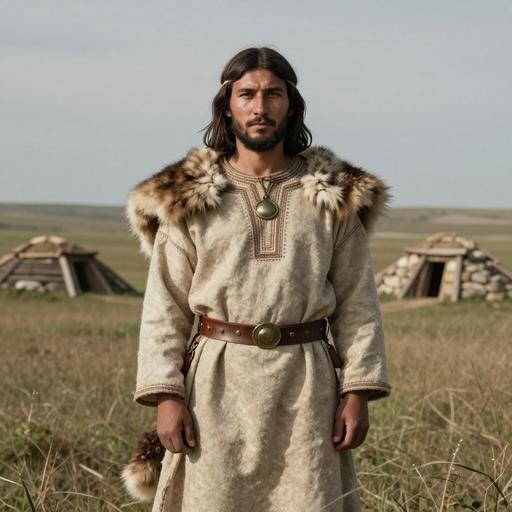
Profil de référence pour une branche de lignée. Des haplogroupes partagés n'établissent pas de lien familial ni d'identité culturelle.
Profil de référence
Contexte de la branche
Contexte historique de la branche de lignée mtDNA T2E
Origins and Evolution
mtDNA haplogroup T2E is a downstream branch of haplogroup T2, itself a major subclade of haplogroup T within the broader JT mitochondrial lineage. Based on the phylogenetic position of T2E within T2 and the temporal framework for diversification of T2 subclades, T2E most likely arose in the early Holocene (roughly the early Neolithic period) in the Near East or the eastern Mediterranean (Anatolia/Levant). From there, carriers of T2E spread westward into Europe alongside farming populations and also dispersed locally into neighboring regions such as North Africa and the Caucasus.
Subclades
T2E sits as a defined branch within the T2 phylogeny. Compared with some larger T2 subclades (e.g., T2b, T2d), T2E is relatively rare and presents fewer deeply split downstream branches documented in large reference datasets. Where present, further subdivisions of T2E are typically resolved by full mitogenome sequencing; population-level surveys based only on HVR or partial markers may under-detect its internal diversity. Ancient DNA surveys that include full mitochondrial genomes are the most informative source for identifying internal substructure of T2E.
Geographical Distribution
Modern distribution: T2E is most often observed at low-to-moderate frequencies in Southern European populations (Italy, Greece, Iberia), parts of Central and Eastern Europe, and in the Near East. Lower-frequency occurrences are recorded in North Africa, the Caucasus and parts of Central Asia. T2E has also been reported in some Jewish groups (including Ashkenazi lineages), consistent with historical gene flow between the Near East, Europe and Jewish diasporas.
Ancient DNA: T2E appears in archaeological contexts and is one of several T2 subclades identified in Neolithic and later European samples; in the dataset referenced here it is present in 38 ancient samples, supporting a pattern of persistence from the Neolithic into later prehistoric and historic periods.
Historical and Cultural Significance
Because T2 lineages in general are strongly associated with Neolithic farming populations migrating out of the Near East into Europe, T2E is best interpreted as a maternal lineage connected to the spread of agriculture and subsequent local demographic events. Its presence in early farmer-associated contexts (and in later Bronze Age and historic samples) indicates continuity of some maternal lineages across cultural transitions. In regions such as the Mediterranean and parts of Central Europe, T2E may reflect both initial Neolithic input and later regional movements (trade, migration, and demographic shifts).
T2E’s occurrence in Jewish communities reflects the complex history of migrations and gene flow between Levantine source populations and diasporic communities in Europe.
Conclusion
T2E is a moderately rare mtDNA subclade of T2 with an origin in the Near East during the early Holocene and a distribution shaped principally by the Neolithic expansion of farmers into Europe and subsequent regional demographic processes. It is best examined using full mitogenome data to resolve its internal diversity and to trace fine-scale migration histories across Europe, the Near East, North Africa and adjacent regions.
Points clés
Origins and Evolution
Subclades
Geographical Distribution
Historical and Cultural Significance
Conclusion
Profil de référence
Arbre et relations
Contexte phylogénétique et sous-clades
Voie évolutive
Suivez les branches parentes consignées jusqu'à T2E. Les dates sont des estimations et peuvent évoluer lorsque les données de référence sont révisées.
The populations where mtDNA haplogroup T2E is found include:
Southern European populations (Italy, Greece, Iberia)
Central European populations (Germany, Austria, Hungary)
Eastern European populations (Balkans, Romania)
Middle Eastern populations (Anatolia, Levant)
North African populations (coastal Maghreb, at lower frequencies)
Caucasus populations (sporadic occurrences)
Central Asian populations (low frequency)
Jewish populations (including some Ashkenazi lineages)
Contexte historique
Une branche dans le temps
Formation estimée sur une chronologie historique large. Les repères de période servent de contexte et n'impliquent pas de lien avec des cultures particulières.
Il y a ~10k ans
Révolution néolithique
Début de l'agriculture et émergence de communautés sédentaires
Il y a ~9k ans
Haplogroupe T2E
Formation estimée de cette branche mtDNA ; les dates et les lieux sont des estimations de référence.
Cette branche
Il y a ~5k ans
Âge du bronze
Travail des métaux, écriture et premières civilisations
Il y a ~3k ans
Âge du fer
Outils en fer, réseaux d'échanges élargis
Il y a ~2.5k ans
Antiquité classique
Floraison des civilisations grecque et romaine
Aujourd'hui
Aujourd'hui
Époque moderne
Profil de référence
Contexte archéologique
Associations archéologiques consignées pour la branche mtDNA T2E
Associations consignées
Ces libellés décrivent des contextes archéologiques consignés pour des échantillons de référence liés à T2E. Une association n'établit pas que tous les porteurs appartenaient à une culture ni qu'ils ont suivi une route migratoire précise.
Les attributions culturelles reposent sur le contexte archéologique des échantillons d'ADN ancien et peuvent refléter des associations régionales à certaines périodes.
Profil de référence
Catalogue d'échantillons
38 porteurs directs et 18 porteurs de sous-clade de l'haplogroupe T2E
10 affiché(s) · 50 échantillons correspondants
Aucun échantillon ne correspond à ces filtres. Essayez un autre libellé, lieu ou période.
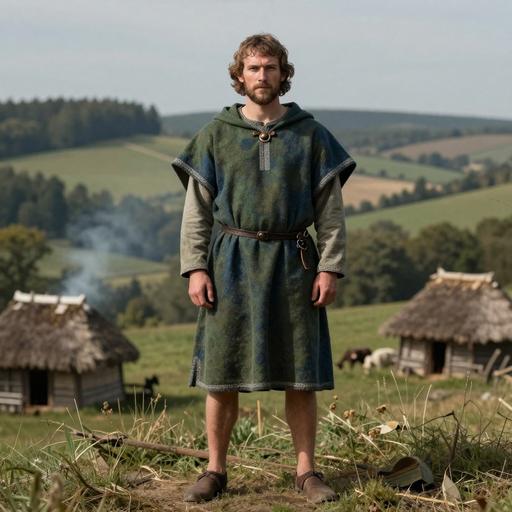
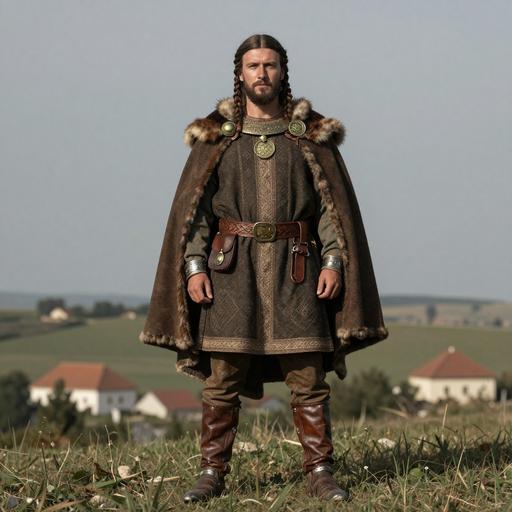
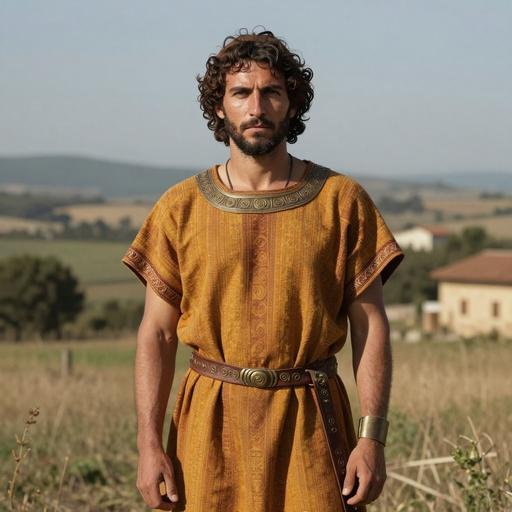
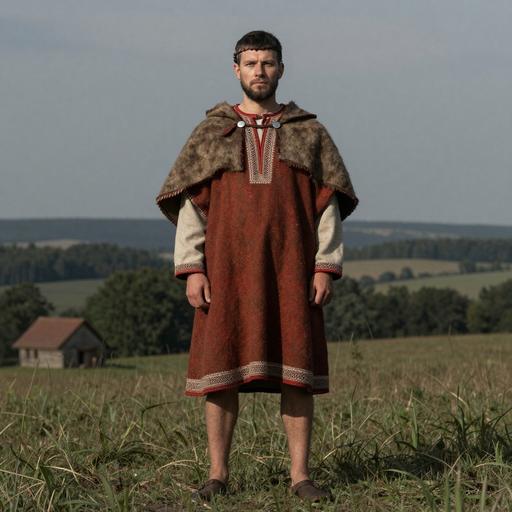
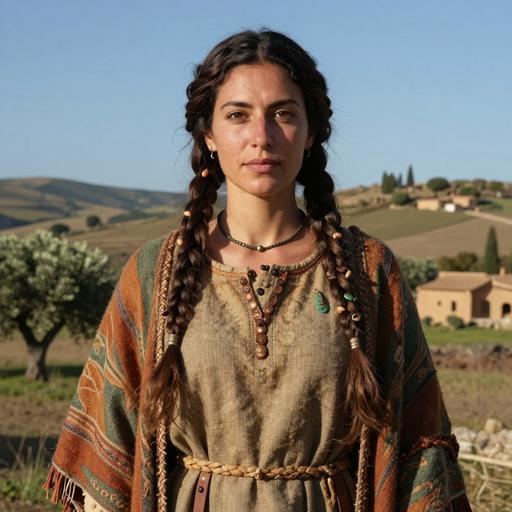
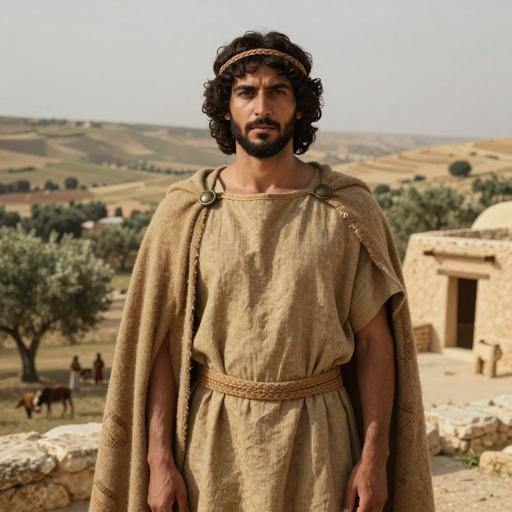
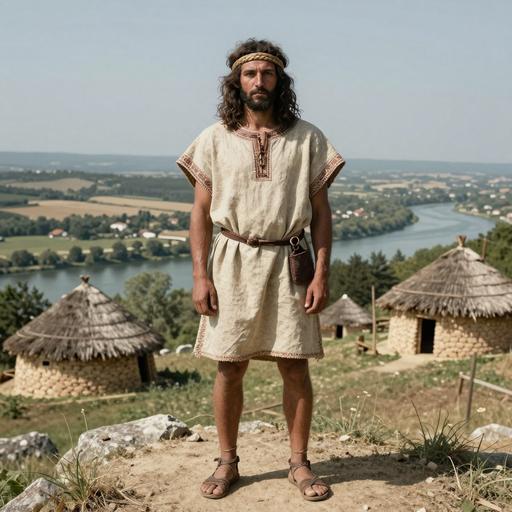
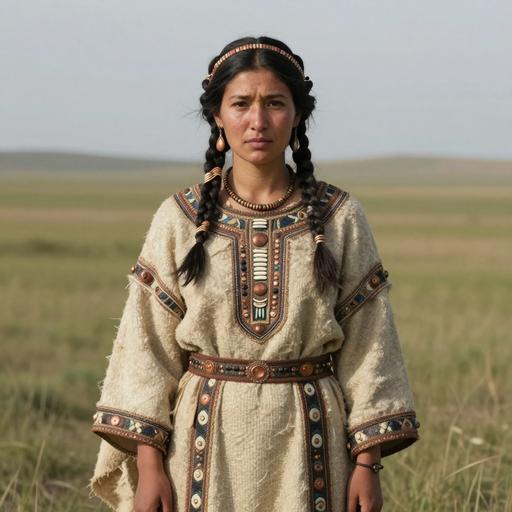
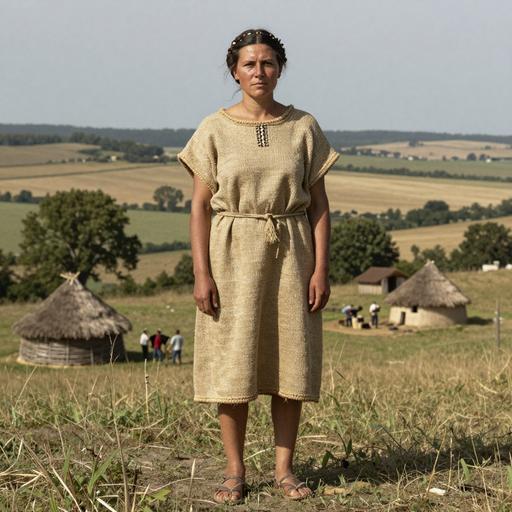
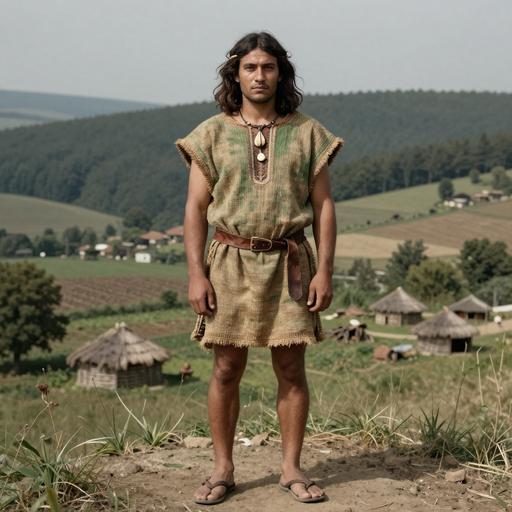
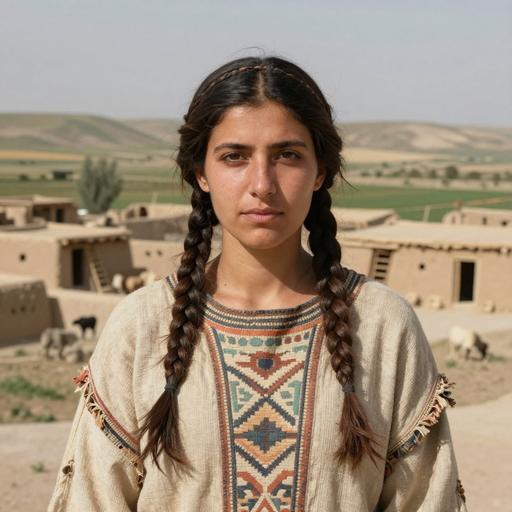
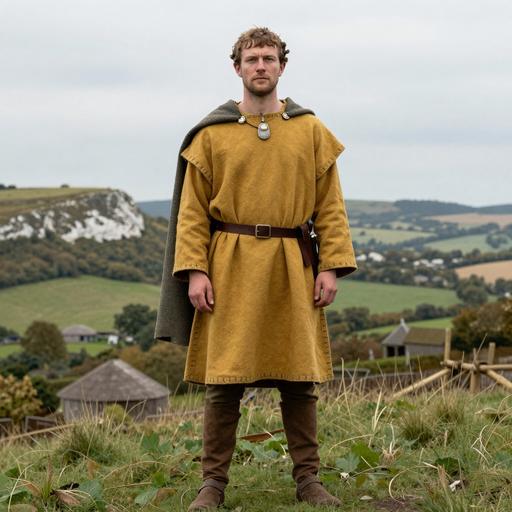
Les portraits sont des illustrations générées par IA. Les libellés d'échantillon et identifiants d'accès désignent les enregistrements de référence.
Suivez les clades parents jusqu'à cette branche et explorez où des porteurs antiques ont été identifiés.
Chargement des observations antiques…
La réduction des animations est activée. Utilisez la chronologie ou Tout afficher pour explorer à votre rythme.
Lire les observations sous forme de tableau
Observations antiques affichées par branche, période et date médiane
Branche
Période
Plage de dates
Échantillon
Identifiant d'échantillon
Emplacement
Haplogroupe
Relation
Les marqueurs indiquent des lieux de découvertes archéologiques. Un trait pointillé représente une transition géographique proposée et incertaine entre branches consécutives, appuyée sur plusieurs observations datées ; ce n'est pas un itinéraire exact, un lieu de naissance ni une preuve de descendance directe. Des échantillons de clades parents peuvent appartenir à d'autres branches descendantes. Des lacunes subsistent lorsque les preuves sont insuffisantes. Les dates d'échantillon diffèrent des dates de formation des haplogroupes.
Le regroupement par période historique reflète quand chaque individu antique a vécu, en combinant toutes les branches de cette chaîne de lignée ; ce n'est pas une séquence migratoire ni une chronologie personnelle entre périodes.
Profil de référence
Carte de répartition des porteurs
Répartition géographique de 56 échantillons d'ADN ancien (porteurs directs et de sous-clade de T2E)
Porteur direct Porteur de sous-clade
Filtre de période
Toutes les périodes
Affichage de tous les échantillons
Profil de référence
Répartition temporelle
Répartition des porteurs selon les périodes archéologiques
Profil de référence
Répartition géographique
Effectifs par pays d'échantillon consigné. Ils reflètent la sélection de référence disponible, pas des fréquences de population.
Profil de référence
Répartition pays × époque
Comparez les effectifs d'échantillons consignés selon les pays et les périodes archéologiques. Sélectionnez une cellule renseignée pour examiner un échantillon.
Données
Données et provenance
Informations sur les sources et qualité des données
Dernière mise à jour2026-02-16
Score de confiance50/100
CouvertureLow
Source des données
La classification, les dates estimées et le contexte géographique reflètent les données de référence consignées et peuvent évoluer lorsque les éléments sont révisés. La couverture d'échantillons est inégale ; les lieux consignés et les associations archéologiques n'établissent pas une origine personnelle ni une identité culturelle.