ื“ื™ืœื•ื’ ืœืชื•ื›ืŸ ื”ืจืืฉื™
mtDNA ยท ืฉื•ืฉืœืช אימהית

F1A1A1

mtDNA Haplogroup F1A1A1

ืคืจื•ืคื™ืœ ื™ื™ื—ื•ืก ืฉืœ ืขื ืฃ ืฉื•ืฉืœืช ืื—ื“. ืงื‘ื•ืฆื” ื”ืคืœื•ื’ืจื•ืคื™ืช ืžืฉื•ืชืคืช ืื™ื ื” ืงื•ื‘ืขืช ืงืฉืจ ืžืฉืคื—ืชื™ ื•ืื™ื ื” ืžื’ื“ื™ืจื” ื–ื”ื•ืช ืชืจื‘ื•ืชื™ืช.

ืคืจื•ืคื™ืœ ื”ื™ื™ื—ื•ืก

ืจืงืข ื”ืขื ืฃ

ื”ื”ืงืฉืจ ื”ื”ื™ืกื˜ื•ืจื™ ืฉืœ ืขื ืฃ F1A1A1 ื‘ืฉื•ืฉืœืช mtDNA

Origins and Evolution

mtDNA haplogroup F1A1A1 is a downstream subclade of F1A1A (itself nested within F1A1 and the broader F1 lineage). Based on the phylogenetic position of F1A1A1 and coalescence estimates for related F1 subclades, this lineage most likely arose in coastal or near-coastal populations of East to Southeast Asia during the early to mid-Holocene (around 6 kya). Its formation reflects localized diversification within the widespread F1 clade, which shows a strong association with Holocene demographic processes such as the spread of sedentary food-producing groups and later maritime expansions.

While direct mutation-rate dating for every subclade remains model-dependent, the time depth for F1A1A1 is consistent with a Neolithic or post-Neolithic origin tied to regional population growth and increased mobility along mainland and island coasts.

Subclades

As a named terminal subclade (F1A1A1), much of the internal diversity visible in current datasets is limited compared with older, higher-level F1 branches. F1A1A1 sits beneath F1A1A and may have very small, locally restricted daughter branches identified in high-resolution complete mitogenome surveys. Ongoing sequencing of modern and ancient mitogenomes sometimes resolves additional substructure, but F1A1A1 is generally treated as a relatively young and geographically concentrated sublineage.

Geographical Distribution

F1A1A1 is most frequent and diverse in mainland and island Southeast Asia, with meaningful secondary representation across parts of East Asia. Modern population surveys and available ancient DNA records indicate presence in:

  • Mainland Southeast Asia: Vietnam, Thailand, Laos (common in coastal and riverine groups)
  • Island Southeast Asia & Austronesian-speaking populations: Philippines, Indonesia, Malaysia, and Taiwan indigenous groups
  • East Asia: Han Chinese populations (especially in southern China), Japanese (including Ryukyuans/Okinawans), and Koreans at lower to moderate frequencies
  • Near Oceania and Micronesia: low to moderate frequencies in some communities, plausibly introduced during later maritime movements
  • Peripheral occurrences: rare instances in Tibeto-Burman/Himalayan fringe groups and sporadic detections in Central and South Asian samples, usually at very low frequency

F1A1A1 also appears in a small number of ancient DNA contexts (the database referenced contains 11 ancient samples assigned to this lineage), supporting continuity of the haplogroup in certain regions since the Holocene.

Historical and Cultural Significance

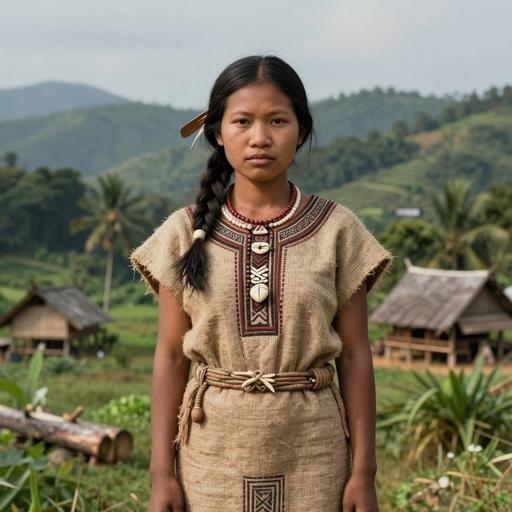
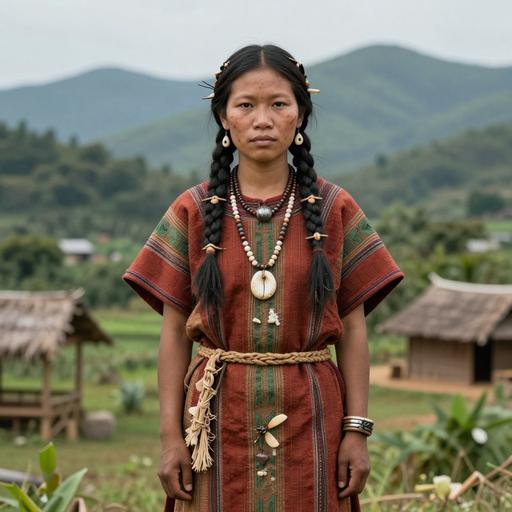
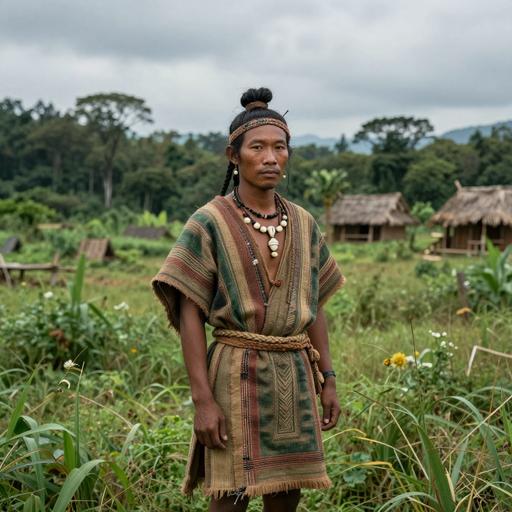
The geographic and temporal pattern of F1A1A1 suggests links to Neolithic coastal expansions and later Austronesian-related maritime dispersals. In Southeast Asia, maternal lineages such as F1 subclades frequently co-occur with other haplogroups characteristic of Holocene farmers and early coastal foragers who later participated in island colonization. The lineage's presence among Austronesian-speaking populations (including Taiwan indigenous groups, Philippines, and Island Southeast Asia) and among some coastal East Asian populations is consistent with demographic movement along maritime routes and with the spread of farming traditions in coastal corridors.

F1A1A1's low-frequency occurrences in Near Oceania and Micronesia likely reflect later-stage seafaring contacts and founder events during the expansion of people carrying Austronesian-associated maternal lineages. Scattered detections in inland or highland continental groups probably represent gene flow from neighboring coastal populations or later admixture events.

Conclusion

mtDNA haplogroup F1A1A1 is a Holocene-age maternal lineage emerging within the wider F1 family in East to Southeast Asia. Its modern distribution โ€” concentrated in Southeast Asia with secondary presence in East Asia and trace occurrences in Oceania and peripheral Asian regions โ€” mirrors patterns expected from Neolithic coastal demographic growth and subsequent maritime expansions (including Austronesian dispersals). Continued mitogenome sequencing of modern and ancient samples will refine the internal structure and migratory history of F1A1A1, but current evidence positions it as a regionally informative marker of Holocene maternal ancestry in coastal East and Southeast Asia.

ื ืงื•ื“ื•ืช ืขื™ืงืจื™ื•ืช

  • Origins and Evolution
  • Subclades
  • Geographical Distribution
  • Historical and Cultural Significance
  • Conclusion
ืคืจื•ืคื™ืœ ื”ื™ื™ื—ื•ืก

ืขืฅ ื”ืฉื•ืฉืœืช ื•ื”ืขื ืคื™ื ื”ืงืฉื•ืจื™ื

ืžืงื•ื ื”ืขื ืฃ ื‘ืขืฅ ื”ืฉื•ืฉืœืช ื•ืชืช-ื”ืขื ืคื™ื ืฉืœื•

ืžืกืœื•ืœ ื”ื”ืชืคืฆืœื•ืช ืฉืœ ื”ืฉื•ืฉืœืช

ืขืงื‘ื• ืื—ืจ ืขื ืคื™ ื”ืื‘ ื”ืžืชื•ืขื“ื™ื ืขื“ F1A1A1. ื”ืชืืจื™ื›ื™ื ื”ื ืื•ืžื“ื ื™ื ื•ืขืฉื•ื™ื™ื ืœื”ืฉืชื ื•ืช ื›ืฉื ืชื•ื ื™ ื”ื™ื™ื—ื•ืก ืžืชืขื“ื›ื ื™ื.

ืฉืœื‘ื™ ื”ืชืคืฆืœื•ืช ื”ืงื‘ื•ืฆื” ื”ื”ืคืœื•ื’ืจื•ืคื™ืช ื’ื™ืœ ืžืฉื•ืขืจ ื”ืชืงื•ืคื” ื”ืืจื›ืื•ืœื•ื’ื™ืช ื”ื–ืžืŸ ืฉื—ืœืฃ ืขื ืคื™ื ื™ืฉื™ืจื™ื ื“ื’ื™ืžื•ืช ืžื•ื“ืจื ื™ื•ืช ืฉื ื‘ื“ืงื• ืงื™ืฉื•ืจื™ื ืขืชื™ืงื™ื
1 F1A1A1 ื”ืขื ืฃ ื”ื ื•ื›ื—ื™ ~6,000 years ago Chalcolithic 6,000 שנים 0 2 0
2 F1A1A ~6,000 years ago Chalcolithic 6,000 שנים 1 7 14
3 F1A1 ~9,000 years ago Neolithic 9,000 שנים 1 55 0
4 F1A ~12,000 years ago Neolithic 12,000 שנים 9 120 2
5 F1 ~25,000 years ago Paleolithic 25,000 שנים 2 154 10
6 F ~28,000 years ago Paleolithic 28,000 שנים 4 265 6
7 R9 ~40,000 years ago Paleolithic 40,000 שנים 3 281 0
8 R ~55,000 years ago Paleolithic 55,000 שנים 17 22,830 57
9 NA - - - 1 22,830 0
10 N ~60,000 years ago Paleolithic 60,000 שנים 16 26,150 13
11 L3 ~70,000 years ago Paleolithic 70,000 שנים 7 30,162 6
12 L3'4 - - - 2 30,212 0
13 L3'4'6 - - - 2 30,216 0
14 L2'3'4'6 - - - 2 31,333 0
15 L2'3'4'5'6'7 - - - 2 31,349 0
16 L1'2'3'4'5'6'7 - - - 2 31,852 0
17 L ~160,000 years ago Paleolithic 160,000 שנים 2 32,236 5

ืชืช-ืขื ืคื™ื (0)

ืขื ืฃ ืกื•ืคื™ ื‘ืœื™ ืชืช-ืขื ืคื™ื ืžืชื•ืขื“ื™ื

ืคืจื•ืคื™ืœ ื”ื™ื™ื—ื•ืก

ื”ื™ื›ืŸ ื”ืขื ืฃ ืžื•ืคื™ืข

ืชืคื•ืฆื” ื’ืื•ื’ืจืคื™ืช ื•ื ื•ื›ื—ื•ืช ื ื•ื›ื—ื™ืช

ืžื•ืฆื ืžืชื•ืขื“

East to Southeast Asia

ืชืคื•ืฆื” ื ื•ื›ื—ื™ืช

The populations where mtDNA haplogroup F1A1A1 is found include:

  1. Han Chinese and other East Chinese populations
  2. Japanese (including some Ryukyu/Okinawan groups)
  3. Koreans
  4. Vietnamese and other mainland Southeast Asian groups (Thai, Lao)
  5. Filipinos and other Austronesian-speaking populations in Island Southeast Asia
  6. Indonesians and Malays
  7. Taiwanese Indigenous (Austronesian-speaking) groups
  8. Some Near Oceanian and Micronesian communities (low to moderate frequency)
  9. Tibeto-Burman and Himalayan fringe groups (low frequency)
  10. Scattered occurrences in Central Asian and South Asian groups (rare)
ื”ืงืฉืจ ื”ื™ืกื˜ื•ืจื™

ืขื ืฃ ืœืื•ืจืš ื–ืžืŸ

ืื•ืžื“ืŸ ื”ื™ื•ื•ืฆืจื•ืช ื‘ืฆื™ืจ ื–ืžืŸ ื”ื™ืกื˜ื•ืจื™ ืจื—ื‘. ืกืžื ื™ ื”ืชืงื•ืคื•ืช ื ื•ืชื ื™ื ื”ืงืฉืจ ื•ืื™ื ื ืžืจืžื–ื™ื ืขืœ ืงืฉืจ ืœืชืจื‘ื•ื™ื•ืช ืžืกื•ื™ืžื•ืช.

  1. ~10k שנים לפני

    המהפכה הנאוליתית

    ראשית החקלאות והתגבשות קהילות יושבות קבע

  2. ~6k שנים לפני

    קבוצה הפלוגרופית F1A1A1

    אומדן להיווצרות ענף mtDNA זה. תאריכים ומיקומים הם אומדני ייחוס.

    ื”ืขื ืฃ ื”ื–ื”
  3. ~5k שנים לפני

    תקופת הברונזה

    עיבוד מתכות, כתב וציוויליזציות מוקדמות

  4. ~3k שנים לפני

    תקופת הברזל

    כלי ברזל ורשתות מסחר מורחבות

  5. ~2.5k שנים לפני

    העת העתיקה הקלאסית

    שגשוג הציוויליזציות היוונית והרומית

  6. Present

    ימינו

    העידן המודרני

ืคืจื•ืคื™ืœ ื”ื™ื™ื—ื•ืก

ื”ืงืฉืจ ืืจื›ืื•ืœื•ื’ื™

ื”ืงืฉืจื™ื ืืจื›ืื•ืœื•ื’ื™ื™ื ืžืชื•ืขื“ื™ื ืฉืœ ืขื ืฃ F1A1A1 ืž-mtDNA

ื”ืงืฉืจื™ื ืžืชื•ืขื“ื™ื

ืชื•ื•ื™ื•ืช ืืœื” ืžืชืืจื•ืช ื”ืงืฉืจื™ื ืืจื›ืื•ืœื•ื’ื™ื™ื ืžืชื•ืขื“ื™ื ืฉืœ ื“ื’ื™ืžื•ืช ื”ื™ื™ื—ื•ืก ื”ืžืงื•ืฉืจื•ืช ืœ-F1A1A1. ื”ืงื™ืฉื•ืจ ืื™ื ื• ืžื•ื›ื™ื— ืฉื›ืœ ื ื•ืฉืื™ ื”ืขื ืฃ ื”ืฉืชื™ื™ื›ื• ืœืชืจื‘ื•ืช ืžืกื•ื™ืžืช ืื• ื”ืœื›ื• ื‘ืžืกืœื•ืœ ื ื“ื™ื“ื” ืžืกื•ื™ื.

China_NorthernChina_Xingfulindai Laotian Bronze Age Tham Lod Transitional Indonesian Upper Yellow River Culture Vietnamese Neolithic Yappa Nhae
ืกื™ื•ื•ื’ ื”ืชืจื‘ื•ื™ื•ืช ืžื‘ื•ืกืก ืขืœ ื”ื”ืงืฉืจ ื”ืืจื›ืื•ืœื•ื’ื™ ืฉืœ ื“ื’ื™ืžื•ืช ื“ื "ื ืขืชื™ืง, ื•ื”ื•ื ืขืฉื•ื™ ืœืฉืงืฃ ืงืฉืจื™ื ืื–ื•ืจื™ื™ื ื‘ืชืงื•ืคื•ืช ืžืกื•ื™ืžื•ืช.
ืคืจื•ืคื™ืœ ื”ื™ื™ื—ื•ืก

ืื™ื ื“ืงืก ื“ื’ื™ืžื•ืช

ืžืกืคืจ ื”ื“ื’ื™ืžื•ืช ื‘ื”ืชืืžื” ื™ืฉื™ืจื” ืœืงื‘ื•ืฆื” ื”ื”ืคืœื•ื’ืจื•ืคื™ืช F1A1A1 ื”ื•ื 11

10 ืžื•ืฆื’ื•ืช ยท 11 ื“ื’ื™ืžื•ืช ืชื•ืืžื•ืช

ื”ื“ื™ื•ืงื ืื•ืช ื”ื ืื™ื•ืจื™ื ืฉื ื•ืฆืจื• ื‘ื‘ื™ื ื” ืžืœืื›ื•ืชื™ืช. ืฉืžื•ืช ื”ื“ื’ื™ืžื•ืช ื•ืžื–ื”ื™ ื”ื”ืคืงื“ื” ืžื–ื”ื™ื ืืช ืจืฉื•ืžื•ืช ื”ื™ื™ื—ื•ืก.

ื“ื™ื•ืงืŸ ื”ื“ื’ื™ืžื” ื”ืžื“ื™ื ื” ื”ืชืงื•ืคื” ื”ืชืืจื™ืš ื”ืชืจื‘ื•ืช mtDNA ืกื•ื’ ื”ื”ืชืืžื”
ืฉื—ื–ื•ืจ ืืžื ื•ืชื™ ืฉื ื•ืฆืจ ื‘ื‘ื™ื ื” ืžืœืื›ื•ืชื™ืช ืฉืœ ื”ื“ื’ื™ืžื” IA Log Coffin individual, Yappa Nhae 2 (Mae Hong Son Province), Thailand (200-450 CE)
ืžื–ื”ื” ื“ื’ื™ืžื”: YPN002
Thailand Yappa Nhae Log Coffin Culture Iron Age 200-450 CE Yappa Nhae F1a1a1 התאמה ישירה
ืฉื—ื–ื•ืจ ืืžื ื•ืชื™ ืฉื ื•ืฆืจ ื‘ื‘ื™ื ื” ืžืœืื›ื•ืชื™ืช ืฉืœ ื”ื“ื’ื™ืžื” IA Log Coffin individual, Yappa Nhae 2 (Mae Hong Son Province), Thailand (200-450 CE)
ืžื–ื”ื” ื“ื’ื™ืžื”: YPN010
Thailand Yappa Nhae Log Coffin Culture Iron Age 200-450 CE Yappa Nhae F1a1a1 התאמה ישירה
ืฉื—ื–ื•ืจ ืืžื ื•ืชื™ ืฉื ื•ืฆืจ ื‘ื‘ื™ื ื” ืžืœืื›ื•ืชื™ืช ืฉืœ ื”ื“ื’ื™ืžื” IA Log Coffin individual, Yappa Nhae 2 (Mae Hong Son Province), Thailand (200-450 CE)
ืžื–ื”ื” ื“ื’ื™ืžื”: YPN013
Thailand Yappa Nhae Log Coffin Culture Iron Age 200-450 CE Yappa Nhae F1a1a1 התאמה ישירה
ืฉื—ื–ื•ืจ ืืžื ื•ืชื™ ืฉื ื•ืฆืจ ื‘ื‘ื™ื ื” ืžืœืื›ื•ืชื™ืช ืฉืœ ื”ื“ื’ื™ืžื” IA Log Coffin individual, Yappa Nhae 2 (Mae Hong Son Province), Thailand (200-450 CE)
ืžื–ื”ื” ื“ื’ื™ืžื”: YPN022
Thailand Yappa Nhae Log Coffin Culture Iron Age 200-450 CE Yappa Nhae F1a1a1 התאמה ישירה
ืฉื—ื–ื•ืจ ืืžื ื•ืชื™ ืฉื ื•ืฆืจ ื‘ื‘ื™ื ื” ืžืœืื›ื•ืชื™ืช ืฉืœ ื”ื“ื’ื™ืžื” IA Log Coffin individual, Yappa Nhae 2 (Mae Hong Son Province), Thailand (200-450 CE)
ืžื–ื”ื” ื“ื’ื™ืžื”: YPN030
Thailand Yappa Nhae Log Coffin Culture Iron Age 200-450 CE Yappa Nhae F1a1a1 התאמה ישירה
ืฉื—ื–ื•ืจ ืืžื ื•ืชื™ ืฉื ื•ืฆืจ ื‘ื‘ื™ื ื” ืžืœืื›ื•ืชื™ืช ืฉืœ ื”ื“ื’ื™ืžื” IA Log Coffin individual, Tham Lod cave (Mae Hong Son Province), Thailand (252-406 CE)
ืžื–ื”ื” ื“ื’ื™ืžื”: THL004
Thailand Tham Lod Log Coffin Culture Iron Age 252-406 calCE (1724±21 BP; MAMS-40599) Tham Lod F1a1a1 התאמה ישירה
ืฉื—ื–ื•ืจ ืืžื ื•ืชื™ ืฉื ื•ืฆืจ ื‘ื‘ื™ื ื” ืžืœืื›ื•ืชื™ืช ืฉืœ ื”ื“ื’ื™ืžื” Southeast Asian Neolithic individual, Northwest Lai Châu. Nam Tun, Vietnam (800-551 BCE)
ืžื–ื”ื” ื“ื’ื™ืžื”: Vt778
Vietnam Vietnam LN 800 BCE - 551 BCE Vietnamese Neolithic F1a1a1 התאמה ישירה
ืฉื—ื–ื•ืจ ืืžื ื•ืชื™ ืฉื ื•ืฆืจ ื‘ื‘ื™ื ื” ืžืœืื›ื•ืชื™ืช ืฉืœ ื”ื“ื’ื™ืžื” Vietnam Ln individual, Northwest Lai Châu. Nam Tun, Vietnam (800-551 BCE)
ืžื–ื”ื” ื“ื’ื™ืžื”: Vt778
Vietnam Vietnam LN 800 BCE - 551 BCE Vietnamese Neolithic F1a1a1 התאמה ישירה
ืฉื—ื–ื•ืจ ืืžื ื•ืชื™ ืฉื ื•ืฆืจ ื‘ื‘ื™ื ื” ืžืœืื›ื•ืชื™ืช ืฉืœ ื”ื“ื’ื™ืžื” LN BA individual, Northeast Huapan. Tam Pa Ping, Laos (1,125-926 BCE)
ืžื–ื”ื” ื“ื’ื™ืžื”: La364
Laos Laos LN BA 1125-926 calBCE (2865±29 BP, OxA-35519) Laotian Bronze Age F1a1a1 התאמה ישירה
ืฉื—ื–ื•ืจ ืืžื ื•ืชื™ ืฉื ื•ืฆืจ ื‘ื‘ื™ื ื” ืžืœืื›ื•ืชื™ืช ืฉืœ ื”ื“ื’ื™ืžื” Austroasiatic individual, Man Bac, Vietnam (2,200-1,600 BCE)
ืžื–ื”ื” ื“ื’ื™ืžื”: I2726
Vietnam Vietnam N 2200 BCE - 1600 BCE Vietnamese Neolithic F1a1a1 התאמה ישירה
ענף אימהי ยท DNA ืงื“ื•ื

ืžืคืช ืจืื™ื•ืช ืงื“ื•ืžื•ืช ืœืขื ืฃ ื”ืฉื•ืฉืœืช

ืขืงื‘ื• ืื—ืจ ืขื ืคื™ ื”ืžืงื•ืจ ื”ืžื•ื‘ื™ืœื™ื ืœืขื ืฃ ื–ื”, ื•ื’ืœื• ื”ื™ื›ืŸ ื ืžืฆืื• ื”ื“ื’ื™ืžื•ืช ื”ืงื“ื•ืžื•ืช ื”ืงืฉื•ืจื•ืช ืืœื™ื•.

ื˜ื•ืขืŸ ืชืฆืคื™ื•ืช ืงื“ื•ืžื•ืช...

ื”ืกื™ืžื•ื ื™ื ืžืฆื™ื™ื ื™ื ืžืงื•ืžื•ืช ืžืฆื™ืื” ืืจื›ืื•ืœื•ื’ื™ื™ื. ืงื• ืžืงื•ื•ืงื• ื”ื•ื ืžืขื‘ืจ ื’ืื•ื’ืจืคื™ ืžื•ืฆืข ื•ืœื ื•ื“ืื™ ื‘ื™ืŸ ืขื ืคื™ื ืขื•ืงื‘ื™ื, ื”ื ืชืžืš ื‘ื›ืžื” ืชืฆืคื™ื•ืช ืžืชื•ืืจื›ื•ืช. ืื™ืŸ ื–ื” ืžืกืœื•ืœ ืžื“ื•ื™ืง, ืžืงื•ื ืœื™ื“ื” ืื• ื”ื•ื›ื—ื” ืœื™ืจื™ื“ื” ื™ืฉื™ืจื”. ื“ื’ื™ืžื•ืช ืžืขื ืคื™ ื”ืžืงื•ืจ ืขืฉื•ื™ื•ืช ืœื”ืฉืชื™ื™ืš ืœืขื ืคื™ ืฆืืฆืื™ื ืื—ืจื™ื. ื”ืคืขืจื™ื ื ืฉืืจื™ื ื‘ืžืงื•ื ืฉื‘ื• ื”ืจืื™ื•ืช ืื™ื ืŸ ืžืกืคื™ืงื•ืช. ืชืืจื™ื›ื™ ื”ื“ื’ื™ืžื•ืช ืฉื•ื ื™ื ืžืชืืจื™ื›ื™ ื”ื™ื•ื•ืฆืจื•ืช ื”ื”ืคืœื•ื’ืจื•ืค.

ืคืจื•ืคื™ืœ ื”ื™ื™ื—ื•ืก

ืžืคืช ืชืคื•ืฆืช ื”ื“ื’ื™ืžื•ืช

ื”ืชืคื•ืฆื” ื”ื’ืื•ื’ืจืคื™ืช ืฉืœ ื“ื’ื™ืžื•ืช ื“ื "ื ืขืชื™ืง ื‘ื”ืชืืžื” ื™ืฉื™ืจื” ืœืงื‘ื•ืฆื” F1A1A1 ืื• ืœืชืช-ื”ืขื ืคื™ื ืฉืœื”. ืžืกืคืจ ื“ื’ื™ืžื•ืช: 11

ื“ื’ื™ืžื” ื‘ื”ืชืืžื” ื™ืฉื™ืจื”
ืกื™ื ื•ืŸ ืœืคื™ ืชืงื•ืคื”
ื›ืœ ื”ืชืงื•ืคื•ืช
ื›ืœ ื”ื“ื’ื™ืžื•ืช ืžื•ืฆื’ื•ืช
ืคืจื•ืคื™ืœ ื”ื™ื™ื—ื•ืก

ืชืคื•ืฆื” ื‘ื–ืžืŸ

ืชืคื•ืฆืช ื”ื“ื’ื™ืžื•ืช ืขืœ ืคื ื™ ื”ืชืงื•ืคื•ืช ื”ืืจื›ืื•ืœื•ื’ื™ื•ืช

ืคืจื•ืคื™ืœ ื”ื™ื™ื—ื•ืก

ืชืคื•ืฆื” ื’ืื•ื’ืจืคื™ืช

ืžืกืคืจ ื”ื“ื’ื™ืžื•ืช ืœืคื™ ื”ืžื“ื™ื ื” ื”ืžืชื•ืขื“ืช ืฉืœื”ืŸ. ื”ืกืคื™ืจื•ืช ืžืฉืงืคื•ืช ืืช ื“ื’ื™ืžื•ืช ื”ื™ื™ื—ื•ืก ื”ื–ืžื™ื ื•ืช, ื‘ืœื™ ืœืžื“ื•ื“ ืืช ืชื“ื™ืจื•ืช ื”ืงื‘ื•ืฆื•ืช ื”ื”ืคืœื•ื’ืจื•ืคื™ื•ืช ื‘ืื•ื›ืœื•ืกื™ื™ื”.

ืคืจื•ืคื™ืœ ื”ื™ื™ื—ื•ืก

ืชืคื•ืฆืช ื”ื“ื’ื™ืžื•ืช ืœืคื™ ืžื“ื™ื ื” ื•ืชืงื•ืคื”

ื”ืฉื•ื• ืืช ืžืกืคืจ ื”ื“ื’ื™ืžื•ืช ื”ืžืชื•ืขื“ื•ืช ืœืคื™ ืžื“ื™ื ื•ืช ื•ืชืงื•ืคื•ืช ืืจื›ืื•ืœื•ื’ื™ื•ืช. ื‘ื—ืจื• ืชื ืขื ืชื•ืฆืื•ืช ื›ื“ื™ ืœืจืื•ืช ืื—ืช ืžื”ื“ื’ื™ืžื•ืช.

ื”ื ืชื•ื ื™ื

ื”ื ืชื•ื ื™ื ื•ืžืงื•ืจื•ืชื™ื”ื

ืžื™ื“ืข ืขืœ ื”ืžืงื•ืจื•ืช ื•ืื™ื›ื•ืช ื”ื ืชื•ื ื™ื

ืขื“ื›ื•ืŸ ืื—ืจื•ืŸ 2026-02-16
ืจืžืช ื‘ื™ื˜ื—ื•ืŸ 50/100
ื›ื™ืกื•ื™ Low

ืžืงื•ืจ ื”ื ืชื•ื ื™ื

ื”ืกื™ื•ื•ื’, ื”ืชืืจื™ื›ื™ื ื”ืžืฉื•ืขืจื™ื ื•ื”ื”ืงืฉืจ ื”ื’ืื•ื’ืจืคื™ ืžืฉืงืคื™ื ืืช ื ืชื•ื ื™ ื”ื™ื™ื—ื•ืก ื”ืžืชื•ืขื“ื™ื, ื•ื”ื ืขืฉื•ื™ื™ื ืœื”ืฉืชื ื•ืช ื›ืฉื”ืจืื™ื•ืช ื ื‘ื“ืงื•ืช ืžื—ื“ืฉ. ื›ื™ืกื•ื™ ื”ื“ื’ื™ืžื•ืช ืžืฉืชื ื”, ื•ืžื™ืงื•ืžื™ื ืžืชื•ืขื“ื™ื ื•ืงืฉืจื™ื ืืจื›ืื•ืœื•ื’ื™ื™ื ืื™ื ื ืžื•ื›ื™ื—ื™ื ืžื•ืฆื ืื™ืฉื™ ืื• ื–ื”ื•ืช ืชืจื‘ื•ืชื™ืช.