ื“ื™ืœื•ื’ ืœืชื•ื›ืŸ ื”ืจืืฉื™
mtDNA ยท ืฉื•ืฉืœืช אימהית

L4B2

mtDNA Haplogroup L4B2

ืคืจื•ืคื™ืœ ื™ื™ื—ื•ืก ืฉืœ ืขื ืฃ ืฉื•ืฉืœืช ืื—ื“. ืงื‘ื•ืฆื” ื”ืคืœื•ื’ืจื•ืคื™ืช ืžืฉื•ืชืคืช ืื™ื ื” ืงื•ื‘ืขืช ืงืฉืจ ืžืฉืคื—ืชื™ ื•ืื™ื ื” ืžื’ื“ื™ืจื” ื–ื”ื•ืช ืชืจื‘ื•ืชื™ืช.

ืคืจื•ืคื™ืœ ื”ื™ื™ื—ื•ืก

ืจืงืข ื”ืขื ืฃ

ื”ื”ืงืฉืจ ื”ื”ื™ืกื˜ื•ืจื™ ืฉืœ ืขื ืฃ L4B2 ื‘ืฉื•ืฉืœืช mtDNA

Origins and Evolution

mtDNA haplogroup L4B2 is a downstream branch of haplogroup L4B, itself nested within the East African macro-haplogroup L4. L4 as a whole has deep roots in East Africa dating to the Late Pleistocene (~40 kya for the broader L4 clade). L4B2 represents a more recent split within L4B that likely arose in the early Holocene (estimates ~10โ€“15 kya), reflecting localized maternal lineages that persisted and diversified among East African hunter-gatherer and early pastoralist groups. As an intermediate clade, L4B2 helps connect the older L4 diversity to later, regionally restricted daughter lineages.

Subclades (if applicable)

L4B2 sits beneath L4B in the phylogenetic tree. Where high-resolution sequencing has been performed, L4B2 may be further divided into minor subbranches with very localized distributions; however, compared with major African haplogroups (e.g., L0, L2, L3) the internal substructure of L4B2 is relatively limited and often undersampled. Continued mitogenome sequencing in East African populations occasionally reveals private or regionally restricted subclades derived from L4B2, reflecting small-scale maternal lineage diversification.

Geographical Distribution

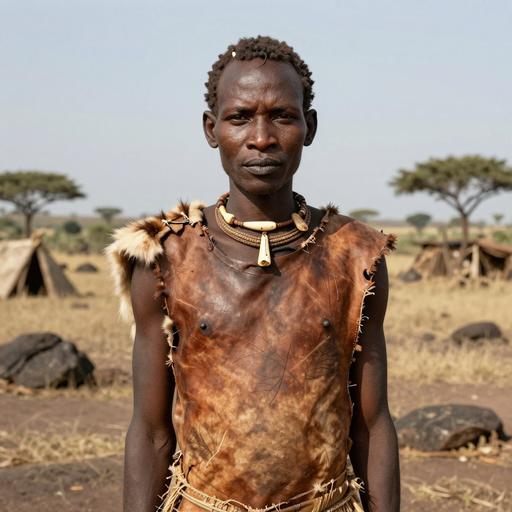
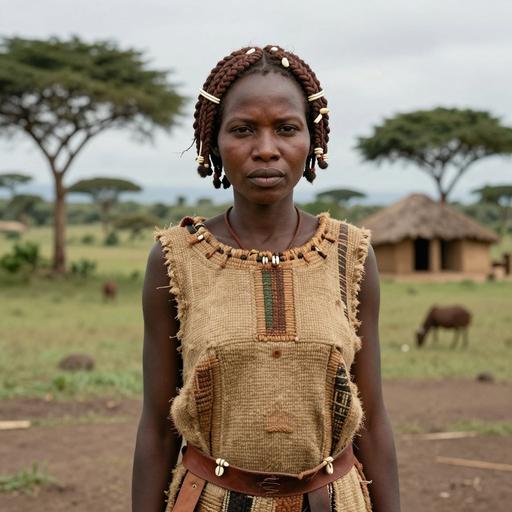
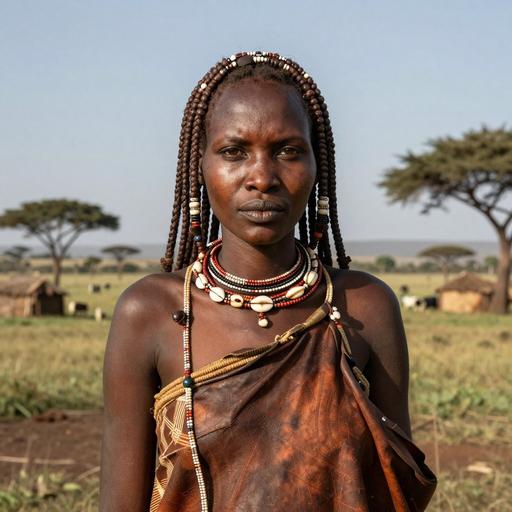
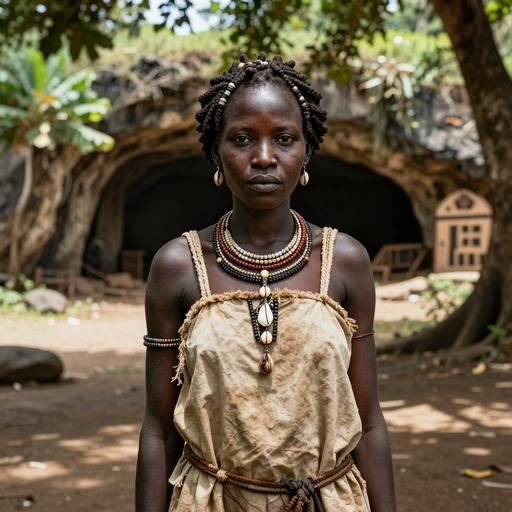
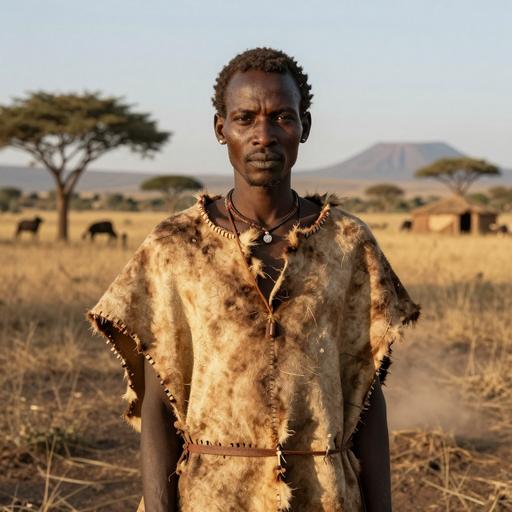
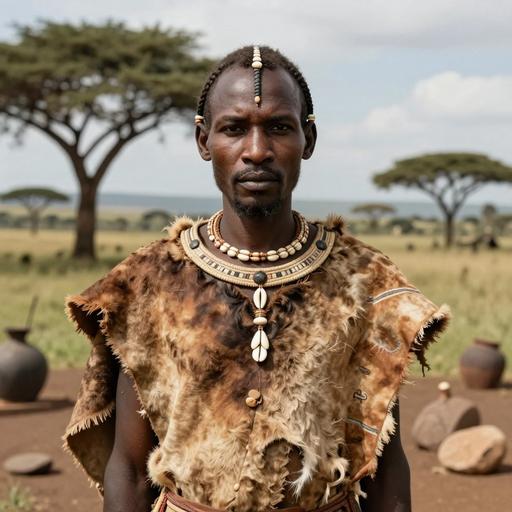
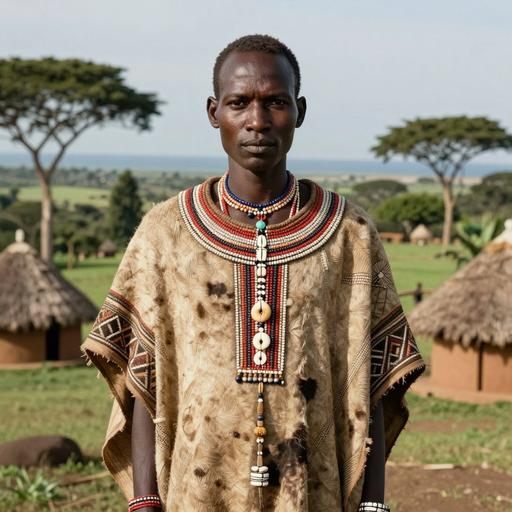
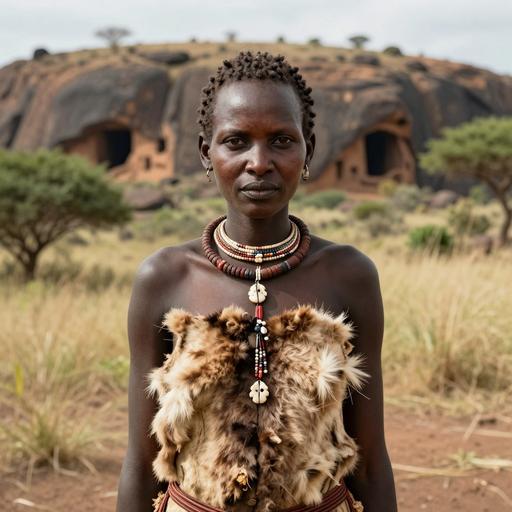
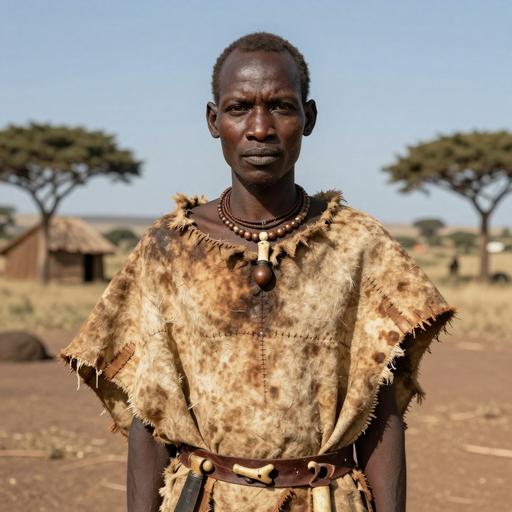
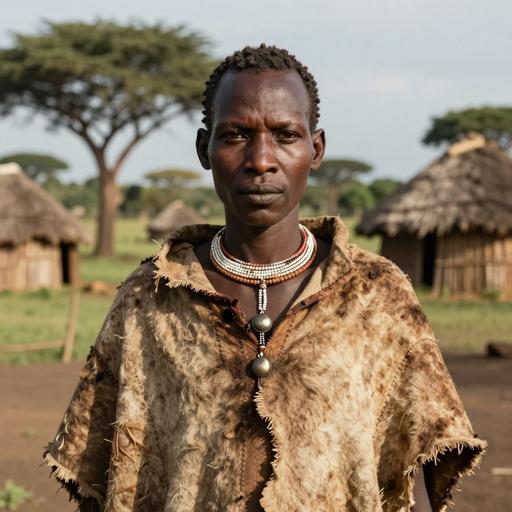
The highest frequencies and diversity of L4B2 are found in East Africa and the Horn of Africa, particularly among groups in Tanzania (e.g., Hadza and Sandawe) and several Horn populations (Oromo, Amhara, Somali). L4B2 is also observed among some Nile corridor and northeastern African groups (Sudanese, Nubian populations) and in several Kenyan pastoralist and hunter-gatherer communities. Outside Africa, L4B2 occurs at low frequencies in North Africa and the southern Arabian Peninsulaโ€”likely reflecting prehistoric contacts across the Red Seaโ€”and in the Americas and the Caribbean as a result of the transatlantic slave trade and later diaspora movements. Overall, the distribution is strongly centered on East Africa with fragmented low-frequency presences elsewhere.

Historical and Cultural Significance

L4B2 is most informative for reconstructing local maternal continuity in eastern Africa. Its concentration in forager groups (Hadza, Sandawe) and in some pastoralist communities suggests it survived through transitions from foraging to pastoralism without a complete demographic replacement. The haplogroup therefore contributes to genetic evidence for deep regional continuity among East African populations, even where cultural changes (adoption of pastoralism, agriculture, and later language shifts) occurred. Low-frequency occurrences outside Africa document both prehistoric contact across the Red Sea and the more recent forced and voluntary movements that created the African diaspora.

Conclusion

L4B2 is an East African, Holocene-age maternal lineage that provides a window onto regional demographic processes in the Horn and adjacent areas. It is less cosmopolitan than some other African haplogroups, showing localized diversity in forager and pastoralist groups, and its presence outside Africa is sparse and historically interpretable. Greater mitogenome sampling across East Africa will continue to refine the topology, age estimates, and microgeographic structure of L4B2 and its subclades.

ื ืงื•ื“ื•ืช ืขื™ืงืจื™ื•ืช

  • Origins and Evolution
  • Subclades (if applicable)
  • Geographical Distribution
  • Historical and Cultural Significance
  • Conclusion
ืคืจื•ืคื™ืœ ื”ื™ื™ื—ื•ืก

ืขืฅ ื”ืฉื•ืฉืœืช ื•ื”ืขื ืคื™ื ื”ืงืฉื•ืจื™ื

ืžืงื•ื ื”ืขื ืฃ ื‘ืขืฅ ื”ืฉื•ืฉืœืช ื•ืชืช-ื”ืขื ืคื™ื ืฉืœื•

ืžืกืœื•ืœ ื”ื”ืชืคืฆืœื•ืช ืฉืœ ื”ืฉื•ืฉืœืช

ืขืงื‘ื• ืื—ืจ ืขื ืคื™ ื”ืื‘ ื”ืžืชื•ืขื“ื™ื ืขื“ L4B2. ื”ืชืืจื™ื›ื™ื ื”ื ืื•ืžื“ื ื™ื ื•ืขืฉื•ื™ื™ื ืœื”ืฉืชื ื•ืช ื›ืฉื ืชื•ื ื™ ื”ื™ื™ื—ื•ืก ืžืชืขื“ื›ื ื™ื.

ืฉืœื‘ื™ ื”ืชืคืฆืœื•ืช ื”ืงื‘ื•ืฆื” ื”ื”ืคืœื•ื’ืจื•ืคื™ืช ื’ื™ืœ ืžืฉื•ืขืจ ื”ืชืงื•ืคื” ื”ืืจื›ืื•ืœื•ื’ื™ืช ื”ื–ืžืŸ ืฉื—ืœืฃ ืขื ืคื™ื ื™ืฉื™ืจื™ื ื“ื’ื™ืžื•ืช ืžื•ื“ืจื ื™ื•ืช ืฉื ื‘ื“ืงื• ืงื™ืฉื•ืจื™ื ืขืชื™ืงื™ื
1 L4B2 ื”ืขื ืฃ ื”ื ื•ื›ื—ื™ ~12,000 years ago Neolithic 12,000 שנים 2 35 0
2 L4B ~40,000 years ago Paleolithic 40,000 שנים 1 36 0
3 L4 ~80,000 years ago Paleolithic 80,000 שנים 2 43 0
4 L3'4 - - - 2 30,212 0
5 L3'4'6 - - - 2 30,216 0
6 L2'3'4'6 - - - 2 31,333 0
7 L2'3'4'5'6'7 - - - 2 31,349 0
8 L1'2'3'4'5'6'7 - - - 2 31,852 0
9 L ~160,000 years ago Paleolithic 160,000 שנים 2 32,236 5
ืคืจื•ืคื™ืœ ื”ื™ื™ื—ื•ืก

ื”ื™ื›ืŸ ื”ืขื ืฃ ืžื•ืคื™ืข

ืชืคื•ืฆื” ื’ืื•ื’ืจืคื™ืช ื•ื ื•ื›ื—ื•ืช ื ื•ื›ื—ื™ืช

ืžื•ืฆื ืžืชื•ืขื“

East Africa / Horn of Africa

ืชืคื•ืฆื” ื ื•ื›ื—ื™ืช

The populations where mtDNA haplogroup L4B2 is found include:

  1. Hadza (Tanzania)
  2. Sandawe (Tanzania)
  3. Oromo and Amhara (Horn of Africa / Ethiopia)
  4. Somali and other Horn populations
  5. Sudanese and Nubian groups (Northeastern Africa)
  6. Kenyan pastoralist and hunter-gatherer groups
  7. African-descended populations in the Americas and the Caribbean (low frequency due to diaspora)
  8. Small, low-frequency occurrences in North Africa and the southern Arabian Peninsula
ื”ืงืฉืจ ื”ื™ืกื˜ื•ืจื™

ืขื ืฃ ืœืื•ืจืš ื–ืžืŸ

ืื•ืžื“ืŸ ื”ื™ื•ื•ืฆืจื•ืช ื‘ืฆื™ืจ ื–ืžืŸ ื”ื™ืกื˜ื•ืจื™ ืจื—ื‘. ืกืžื ื™ ื”ืชืงื•ืคื•ืช ื ื•ืชื ื™ื ื”ืงืฉืจ ื•ืื™ื ื ืžืจืžื–ื™ื ืขืœ ืงืฉืจ ืœืชืจื‘ื•ื™ื•ืช ืžืกื•ื™ืžื•ืช.

  1. ~12k שנים לפני

    קבוצה הפלוגרופית L4B2

    אומדן להיווצרות ענף mtDNA זה. תאריכים ומיקומים הם אומדני ייחוס.

    ื”ืขื ืฃ ื”ื–ื”
  2. ~10k שנים לפני

    המהפכה הנאוליתית

    ראשית החקלאות והתגבשות קהילות יושבות קבע

  3. ~5k שנים לפני

    תקופת הברונזה

    עיבוד מתכות, כתב וציוויליזציות מוקדמות

  4. ~3k שנים לפני

    תקופת הברזל

    כלי ברזל ורשתות מסחר מורחבות

  5. ~2.5k שנים לפני

    העת העתיקה הקלאסית

    שגשוג הציוויליזציות היוונית והרומית

  6. Present

    ימינו

    העידן המודרני

ืคืจื•ืคื™ืœ ื”ื™ื™ื—ื•ืก

ื”ืงืฉืจ ืืจื›ืื•ืœื•ื’ื™

ื”ืงืฉืจื™ื ืืจื›ืื•ืœื•ื’ื™ื™ื ืžืชื•ืขื“ื™ื ืฉืœ ืขื ืฃ L4B2 ืž-mtDNA

ื”ืงืฉืจื™ื ืžืชื•ืขื“ื™ื

ืชื•ื•ื™ื•ืช ืืœื” ืžืชืืจื•ืช ื”ืงืฉืจื™ื ืืจื›ืื•ืœื•ื’ื™ื™ื ืžืชื•ืขื“ื™ื ืฉืœ ื“ื’ื™ืžื•ืช ื”ื™ื™ื—ื•ืก ื”ืžืงื•ืฉืจื•ืช ืœ-L4B2. ื”ืงื™ืฉื•ืจ ืื™ื ื• ืžื•ื›ื™ื— ืฉื›ืœ ื ื•ืฉืื™ ื”ืขื ืฃ ื”ืฉืชื™ื™ื›ื• ืœืชืจื‘ื•ืช ืžืกื•ื™ืžืช ืื• ื”ืœื›ื• ื‘ืžืกืœื•ืœ ื ื“ื™ื“ื” ืžืกื•ื™ื.

Elmenteitan Culture Jordanow-Michelsberg Culture Kansyore Culture Late Swahili LSA Kenya Lukenya Hill Culture Makwasinyi Modern Period Pastoral Neolithic Tanzanian Prehistoric Zanzibar Culture
ืกื™ื•ื•ื’ ื”ืชืจื‘ื•ื™ื•ืช ืžื‘ื•ืกืก ืขืœ ื”ื”ืงืฉืจ ื”ืืจื›ืื•ืœื•ื’ื™ ืฉืœ ื“ื’ื™ืžื•ืช ื“ื "ื ืขืชื™ืง, ื•ื”ื•ื ืขืฉื•ื™ ืœืฉืงืฃ ืงืฉืจื™ื ืื–ื•ืจื™ื™ื ื‘ืชืงื•ืคื•ืช ืžืกื•ื™ืžื•ืช.
ืคืจื•ืคื™ืœ ื”ื™ื™ื—ื•ืก

ืื™ื ื“ืงืก ื“ื’ื™ืžื•ืช

ืžืกืคืจ ื“ื’ื™ืžื•ืช ืชืช-ื”ืขื ืคื™ื ืฉืœ ื”ืงื‘ื•ืฆื” ื”ื”ืคืœื•ื’ืจื•ืคื™ืช L4B2 ื”ื•ื 14. ืื™ืŸ ื“ื’ื™ืžื•ืช ื‘ื”ืชืืžื” ื™ืฉื™ืจื” ื‘ืงื‘ื•ืฆืช ื”ื™ื™ื—ื•ืก ื”ื ื•ื›ื—ื™ืช.

10 ืžื•ืฆื’ื•ืช ยท 14 ื“ื’ื™ืžื•ืช ืชื•ืืžื•ืช

ื”ื“ื™ื•ืงื ืื•ืช ื”ื ืื™ื•ืจื™ื ืฉื ื•ืฆืจื• ื‘ื‘ื™ื ื” ืžืœืื›ื•ืชื™ืช. ืฉืžื•ืช ื”ื“ื’ื™ืžื•ืช ื•ืžื–ื”ื™ ื”ื”ืคืงื“ื” ืžื–ื”ื™ื ืืช ืจืฉื•ืžื•ืช ื”ื™ื™ื—ื•ืก.

ื“ื™ื•ืงืŸ ื”ื“ื’ื™ืžื” ื”ืžื“ื™ื ื” ื”ืชืงื•ืคื” ื”ืชืืจื™ืš ื”ืชืจื‘ื•ืช mtDNA ืกื•ื’ ื”ื”ืชืืžื”
ืฉื—ื–ื•ืจ ืืžื ื•ืชื™ ืฉื ื•ืฆืจ ื‘ื‘ื™ื ื” ืžืœืื›ื•ืชื™ืช ืฉืœ ื”ื“ื’ื™ืžื” LSA individual, Victoria Nyanza. Kisumu. Jawuoyo Rockshelter, Kenya (84-211 BCE)
ืžื–ื”ื” ื“ื’ื™ืžื”: I8808
Kenya Kenya LSA 119-216 calCE (1895±15 BP, PSUAMS-4783) LSA Kenya L4b2a2c תת-ענף
ืฉื—ื–ื•ืจ ืืžื ื•ืชื™ ืฉื ื•ืฆืจ ื‘ื‘ื™ื ื” ืžืœืื›ื•ืชื™ืช ืฉืœ ื”ื“ื’ื™ืžื” Pastoral N individual, Gishimangeda Cave, Tanzania (414-203 BCE)
ืžื–ื”ื” ื“ื’ื™ืžื”: I13978
Tanzania Prehistoric in Tanzania 414-203 calBCE (2355±20 BP, PSUAMS-5653) Tanzanian Prehistoric L4b2a1 תת-ענף
ืฉื—ื–ื•ืจ ืืžื ื•ืชื™ ืฉื ื•ืฆืจ ื‘ื‘ื™ื ื” ืžืœืื›ื•ืชื™ืช ืฉืœ ื”ื“ื’ื™ืžื” Pastoral N individual, Nakuru. Naivasha Burial Groud, Kenya (541-402 BCE)
ืžื–ื”ื” ื“ื’ื™ืžื”: I8814
Kenya Kenya PastoralN 719-233 calBCE (2400±20 BP, PSUAMS-4784) Pastoral Neolithic L4b2a2b תת-ענף
ืฉื—ื–ื•ืจ ืืžื ื•ืชื™ ืฉื ื•ืฆืจ ื‘ื‘ื™ื ื” ืžืœืื›ื•ืชื™ืช ืฉืœ ื”ื“ื’ื™ืžื” Swahili Coast Civilization individual, Zanzibar. Kuumbi Cave, Tanzania (586-652 CE)
ืžื–ื”ื” ื“ื’ื™ืžื”: I0589
Tanzania Zanzibar 1300 Years Before Present in Tanzania 586 CE - 652 CE Zanzibar Culture L4b2a2c תת-ענף
ืฉื—ื–ื•ืจ ืืžื ื•ืชื™ ืฉื ื•ืฆืจ ื‘ื‘ื™ื ื” ืžืœืื›ื•ืชื™ืช ืฉืœ ื”ื“ื’ื™ืžื” Africa East Ancient individual, Zanzibar. Kuumbi Cave, Tanzania (586-652 BCE)
ืžื–ื”ื” ื“ื’ื™ืžื”: I0589
Tanzania Ancient East Africa 586 BCE - 652 BCE L4b2a2c תת-ענף
ืฉื—ื–ื•ืจ ืืžื ื•ืชื™ ืฉื ื•ืฆืจ ื‘ื‘ื™ื ื” ืžืœืื›ื•ืชื™ืช ืฉืœ ื”ื“ื’ื™ืžื” Africa East Ancient individual, Zanzibar. Kuumbi Cave, Tanzania (586-652 BCE)
ืžื–ื”ื” ื“ื’ื™ืžื”: I0589
Tanzania Ancient East Africa 586 BCE - 652 BCE L4b2a2c תת-ענף
ืฉื—ื–ื•ืจ ืืžื ื•ืชื™ ืฉื ื•ืฆืจ ื‘ื‘ื™ื ื” ืžืœืื›ื•ืชื™ืช ืฉืœ ื”ื“ื’ื™ืžื” Pastoral N individual, Nakuru. Keringet Cave. GrJg4, Kenya (757-423 BCE)
ืžื–ื”ื” ื“ื’ื™ืžื”: I8804
Kenya Kenya PastoralN 750-402 calBCE (2465±20 BP, PSUAMS-4716) Pastoral Neolithic L4b2a1 תת-ענף
ืฉื—ื–ื•ืจ ืืžื ื•ืชื™ ืฉื ื•ืฆืจ ื‘ื‘ื™ื ื” ืžืœืื›ื•ืชื™ืช ืฉืœ ื”ื“ื’ื™ืžื” Pastoral N Elmenteitan individual, Nakuru. Rigo Cave. GrJh3, Kenya (800-600 BCE)
ืžื–ื”ื” ื“ื’ื™ืžื”: I8922
Kenya Kenya PastoralN Elmenteitan 541-383 calBCE (2400±15 BP, PSUAMS-4725) Elmenteitan Culture L4b2a2c תת-ענף
ืฉื—ื–ื•ืจ ืืžื ื•ืชื™ ืฉื ื•ืฆืจ ื‘ื‘ื™ื ื” ืžืœืื›ื•ืชื™ืช ืฉืœ ื”ื“ื’ื™ืžื” Bantu individual, Kilifi. Panga ya Saidi, Kenya (1,445-1,626 BCE)
ืžื–ื”ื” ื“ื’ื™ืžื”: I0595
Kenya Kenya 400 Years Ago 1445 BCE - 1626 BCE Late Swahili L4b2a2 תת-ענף
ืฉื—ื–ื•ืจ ืืžื ื•ืชื™ ืฉื ื•ืฆืจ ื‘ื‘ื™ื ื” ืžืœืื›ื•ืชื™ืช ืฉืœ ื”ื“ื’ื™ืžื” Africa East Ma individual, Kilifi. Panga ya Saidi, Kenya (1,445-1,626 BCE)
ืžื–ื”ื” ื“ื’ื™ืžื”: I0595
Kenya Medieval East Africa 1445 BCE - 1626 BCE L4b2a2 תת-ענף
ענף אימהי ยท DNA ืงื“ื•ื

ืžืคืช ืจืื™ื•ืช ืงื“ื•ืžื•ืช ืœืขื ืฃ ื”ืฉื•ืฉืœืช

ืขืงื‘ื• ืื—ืจ ืขื ืคื™ ื”ืžืงื•ืจ ื”ืžื•ื‘ื™ืœื™ื ืœืขื ืฃ ื–ื”, ื•ื’ืœื• ื”ื™ื›ืŸ ื ืžืฆืื• ื”ื“ื’ื™ืžื•ืช ื”ืงื“ื•ืžื•ืช ื”ืงืฉื•ืจื•ืช ืืœื™ื•.

ื˜ื•ืขืŸ ืชืฆืคื™ื•ืช ืงื“ื•ืžื•ืช...

ื”ืกื™ืžื•ื ื™ื ืžืฆื™ื™ื ื™ื ืžืงื•ืžื•ืช ืžืฆื™ืื” ืืจื›ืื•ืœื•ื’ื™ื™ื. ืงื• ืžืงื•ื•ืงื• ื”ื•ื ืžืขื‘ืจ ื’ืื•ื’ืจืคื™ ืžื•ืฆืข ื•ืœื ื•ื“ืื™ ื‘ื™ืŸ ืขื ืคื™ื ืขื•ืงื‘ื™ื, ื”ื ืชืžืš ื‘ื›ืžื” ืชืฆืคื™ื•ืช ืžืชื•ืืจื›ื•ืช. ืื™ืŸ ื–ื” ืžืกืœื•ืœ ืžื“ื•ื™ืง, ืžืงื•ื ืœื™ื“ื” ืื• ื”ื•ื›ื—ื” ืœื™ืจื™ื“ื” ื™ืฉื™ืจื”. ื“ื’ื™ืžื•ืช ืžืขื ืคื™ ื”ืžืงื•ืจ ืขืฉื•ื™ื•ืช ืœื”ืฉืชื™ื™ืš ืœืขื ืคื™ ืฆืืฆืื™ื ืื—ืจื™ื. ื”ืคืขืจื™ื ื ืฉืืจื™ื ื‘ืžืงื•ื ืฉื‘ื• ื”ืจืื™ื•ืช ืื™ื ืŸ ืžืกืคื™ืงื•ืช. ืชืืจื™ื›ื™ ื”ื“ื’ื™ืžื•ืช ืฉื•ื ื™ื ืžืชืืจื™ื›ื™ ื”ื™ื•ื•ืฆืจื•ืช ื”ื”ืคืœื•ื’ืจื•ืค.

ืคืจื•ืคื™ืœ ื”ื™ื™ื—ื•ืก

ืžืคืช ืชืคื•ืฆืช ื”ื“ื’ื™ืžื•ืช

ื”ืชืคื•ืฆื” ื”ื’ืื•ื’ืจืคื™ืช ืฉืœ ื“ื’ื™ืžื•ืช ื“ื "ื ืขืชื™ืง ื‘ื”ืชืืžื” ื™ืฉื™ืจื” ืœืงื‘ื•ืฆื” L4B2 ืื• ืœืชืช-ื”ืขื ืคื™ื ืฉืœื”. ืžืกืคืจ ื“ื’ื™ืžื•ืช: 14

ื“ื’ื™ืžื” ืžืชืช-ืขื ืฃ
ืกื™ื ื•ืŸ ืœืคื™ ืชืงื•ืคื”
ื›ืœ ื”ืชืงื•ืคื•ืช
ื›ืœ ื”ื“ื’ื™ืžื•ืช ืžื•ืฆื’ื•ืช
ืคืจื•ืคื™ืœ ื”ื™ื™ื—ื•ืก

ืชืคื•ืฆื” ื‘ื–ืžืŸ

ืชืคื•ืฆืช ื”ื“ื’ื™ืžื•ืช ืขืœ ืคื ื™ ื”ืชืงื•ืคื•ืช ื”ืืจื›ืื•ืœื•ื’ื™ื•ืช

ืคืจื•ืคื™ืœ ื”ื™ื™ื—ื•ืก

ืชืคื•ืฆื” ื’ืื•ื’ืจืคื™ืช

ืžืกืคืจ ื”ื“ื’ื™ืžื•ืช ืœืคื™ ื”ืžื“ื™ื ื” ื”ืžืชื•ืขื“ืช ืฉืœื”ืŸ. ื”ืกืคื™ืจื•ืช ืžืฉืงืคื•ืช ืืช ื“ื’ื™ืžื•ืช ื”ื™ื™ื—ื•ืก ื”ื–ืžื™ื ื•ืช, ื‘ืœื™ ืœืžื“ื•ื“ ืืช ืชื“ื™ืจื•ืช ื”ืงื‘ื•ืฆื•ืช ื”ื”ืคืœื•ื’ืจื•ืคื™ื•ืช ื‘ืื•ื›ืœื•ืกื™ื™ื”.

ืคืจื•ืคื™ืœ ื”ื™ื™ื—ื•ืก

ืชืคื•ืฆืช ื”ื“ื’ื™ืžื•ืช ืœืคื™ ืžื“ื™ื ื” ื•ืชืงื•ืคื”

ื”ืฉื•ื• ืืช ืžืกืคืจ ื”ื“ื’ื™ืžื•ืช ื”ืžืชื•ืขื“ื•ืช ืœืคื™ ืžื“ื™ื ื•ืช ื•ืชืงื•ืคื•ืช ืืจื›ืื•ืœื•ื’ื™ื•ืช. ื‘ื—ืจื• ืชื ืขื ืชื•ืฆืื•ืช ื›ื“ื™ ืœืจืื•ืช ืื—ืช ืžื”ื“ื’ื™ืžื•ืช.

ื”ื ืชื•ื ื™ื

ื”ื ืชื•ื ื™ื ื•ืžืงื•ืจื•ืชื™ื”ื

ืžื™ื“ืข ืขืœ ื”ืžืงื•ืจื•ืช ื•ืื™ื›ื•ืช ื”ื ืชื•ื ื™ื

ืขื“ื›ื•ืŸ ืื—ืจื•ืŸ 2026-02-16
ืจืžืช ื‘ื™ื˜ื—ื•ืŸ 50/100
ื›ื™ืกื•ื™ Low

ืžืงื•ืจ ื”ื ืชื•ื ื™ื

ื”ืกื™ื•ื•ื’, ื”ืชืืจื™ื›ื™ื ื”ืžืฉื•ืขืจื™ื ื•ื”ื”ืงืฉืจ ื”ื’ืื•ื’ืจืคื™ ืžืฉืงืคื™ื ืืช ื ืชื•ื ื™ ื”ื™ื™ื—ื•ืก ื”ืžืชื•ืขื“ื™ื, ื•ื”ื ืขืฉื•ื™ื™ื ืœื”ืฉืชื ื•ืช ื›ืฉื”ืจืื™ื•ืช ื ื‘ื“ืงื•ืช ืžื—ื“ืฉ. ื›ื™ืกื•ื™ ื”ื“ื’ื™ืžื•ืช ืžืฉืชื ื”, ื•ืžื™ืงื•ืžื™ื ืžืชื•ืขื“ื™ื ื•ืงืฉืจื™ื ืืจื›ืื•ืœื•ื’ื™ื™ื ืื™ื ื ืžื•ื›ื™ื—ื™ื ืžื•ืฆื ืื™ืฉื™ ืื• ื–ื”ื•ืช ืชืจื‘ื•ืชื™ืช.