דילוג לתוכן הראשי
mtDNA · שושלת אימהית

U4A7

mtDNA Haplogroup U4A7

פרופיל ייחוס של ענף שושלת אחד. קבוצה הפלוגרופית משותפת אינה קובעת קשר משפחתי ואינה מגדירה זהות תרבותית.

פרופיל הייחוס

רקע הענף

ההקשר ההיסטורי של ענף U4A7 בשושלת mtDNA

Origins and Evolution

mtDNA haplogroup U4A7 is a downstream branch of the U4A lineage, itself part of haplogroup U4 — a mitochondrial clade strongly associated with European Mesolithic hunter-gatherers and post-glacial recolonization of northern and eastern Europe. Given the parent clade's Late Pleistocene/Early Holocene time depth (U4A ~20 kya) and the fact that U4A7 is a more derived subclade with only limited representation in present-day and ancient samples, a conservative estimate places the origin of U4A7 in the late Neolithic to early Bronze Age (roughly around 6 kya). This timing is consistent with a pattern in which deep Mesolithic maternal lineages continued to diversify locally in northern Eurasia during the Holocene.

Subclades

As a relatively fine-scale subclade, U4A7 does not currently have well-characterized named downstream subclades in the public literature; its internal diversity appears limited based on presently available data. The scarcity of both modern and ancient observations suggests either a recent origin followed by limited expansion or survival in small, regionally restricted groups. Future mitogenome sequencing and ancient DNA sampling may reveal additional substructure beneath U4A7.

Geographical Distribution

U4A7 is detected primarily at low to moderate frequencies in northern and eastern Europe and appears sporadically in north Asian (Siberian) and some Central Asian contexts. Modern carriers are most frequently reported among populations with strong continuity to post-glacial and Mesolithic peoples of the forest and tundra zones (for example, some Scandinavian, Finnish and Russian groups) and among several indigenous Siberian populations. Isolated low-frequency occurrences in the Caucasus and South Asia have been reported, likely reflecting rare long-distance maternal lineages or historical gene flow.

Although only a single ancient DNA sample carrying U4A7 is recorded in the dataset referenced here, that archaeological identification supports continuity of U4-derived maternal lineages across northern Eurasia from the Mesolithic into later prehistoric periods. The limited ancient record makes broad geographic or chronological generalizations tentative.

Historical and Cultural Significance

U4 and its subclades (including U4A7) are most commonly interpreted within population genetics as markers of long-standing, often pre-Neolithic maternal ancestry in northern Eurasia. While U4A7 itself is not currently identified as a signature marker of major migration events such as the Bronze Age steppe expansions, its presence in northern and eastern Europe and in some Siberian groups is consistent with a pattern of local continuity and regional diversification of maternal lines through the Late Mesolithic, Neolithic, and later periods.

Possible cultural associations for U4A7 carriers include northern Mesolithic/Neolithic forager communities and their successors in the forest and tundra zones (for example, Comb Ceramic and other north European Neolithic contexts), and later contact with steppe populations. However, because U4A7 appears rare, its cultural associations are best described as localized and continuous rather than as drivers of continent-scale demographic replacements.

Conclusion

U4A7 represents a relatively rare, regionally focused branch of the U4 maternal lineage that likely arose in northern Eurasia during the Holocene. Its distribution today — concentrated in parts of northern and eastern Europe with occurrences in Siberia and beyond — and its scant ancient representation point to a history of local persistence and limited spread. Additional full mitogenome sequencing and targeted ancient DNA sampling across Northern Eurasia would improve resolution of its age, substructure, and past demographic dynamics.

נקודות עיקריות

  • Origins and Evolution
  • Subclades
  • Geographical Distribution
  • Historical and Cultural Significance
  • Conclusion
פרופיל הייחוס

עץ השושלת והענפים הקשורים

מקום הענף בעץ השושלת ותת-הענפים שלו

מסלול ההתפצלות של השושלת

עקבו אחר ענפי האב המתועדים עד U4A7. התאריכים הם אומדנים ועשויים להשתנות כשנתוני הייחוס מתעדכנים.

שלבי התפצלות הקבוצה ההפלוגרופית גיל משוער התקופה הארכאולוגית הזמן שחלף ענפים ישירים דגימות מודרניות שנבדקו קישורים עתיקים
1 U4A7 הענף הנוכחי ~6,000 years ago Chalcolithic 6,000 שנים 0 0 0
2 U4A ~20,000 years ago Mesolithic 20,000 שנים 5 150 123
3 U4 ~25,000 years ago Paleolithic 25,000 שנים 6 350 31
4 U4'9 - - - 2 361 0
5 U2'3'4'7'8'9 - - - 5 3,500 0
6 U ~46,000 years ago Paleolithic 46,000 שנים 5 5,557 110
7 R ~55,000 years ago Paleolithic 55,000 שנים 17 22,830 57
8 NA - - - 1 22,830 0
9 N ~60,000 years ago Paleolithic 60,000 שנים 16 26,150 13
10 L3 ~70,000 years ago Paleolithic 70,000 שנים 7 30,162 6
11 L3'4 - - - 2 30,212 0
12 L3'4'6 - - - 2 30,216 0
13 L2'3'4'6 - - - 2 31,333 0
14 L2'3'4'5'6'7 - - - 2 31,349 0
15 L1'2'3'4'5'6'7 - - - 2 31,852 0
16 L ~160,000 years ago Paleolithic 160,000 שנים 2 32,236 5

תת-ענפים (0)

ענף סופי בלי תת-ענפים מתועדים

ענפים אחים (4)

ענפים נוספים מאותה קבוצה הפלוגרופית אב

פרופיל הייחוס

היכן הענף מופיע

תפוצה גאוגרפית ונוכחות נוכחית

מוצא מתועד

Northern Eurasia

תפוצה נוכחית

The populations where mtDNA haplogroup U4A7 is found include:

  1. Scandinavian populations (e.g., Sweden, Norway)
  2. Finnish and Baltic region populations
  3. Russian populations, especially in the northwestern and northeastern regions
  4. Indigenous Siberian groups (e.g., Nenets, Evenks and other north Eurasian groups)
  5. Central Asian populations (e.g., Altai and adjacent areas) at low frequency
  6. Caucasus populations (very low frequency occurrences)
  7. South Asian groups (very rare, isolated occurrences)
הקשר היסטורי

ענף לאורך זמן

אומדן היווצרות בציר זמן היסטורי רחב. סמני התקופות נותנים הקשר ואינם מרמזים על קשר לתרבויות מסוימות.

  1. ~10k שנים לפני

    המהפכה הנאוליתית

    ראשית החקלאות והתגבשות קהילות יושבות קבע

  2. ~6k שנים לפני

    קבוצה הפלוגרופית U4A7

    אומדן להיווצרות ענף mtDNA זה. תאריכים ומיקומים הם אומדני ייחוס.

    הענף הזה
  3. ~5k שנים לפני

    תקופת הברונזה

    עיבוד מתכות, כתב וציוויליזציות מוקדמות

  4. ~3k שנים לפני

    תקופת הברזל

    כלי ברזל ורשתות מסחר מורחבות

  5. ~2.5k שנים לפני

    העת העתיקה הקלאסית

    שגשוג הציוויליזציות היוונית והרומית

  6. Present

    ימינו

    העידן המודרני

פרופיל הייחוס

הקשר ארכאולוגי

הקשרים ארכאולוגיים מתועדים של ענף U4A7 מ-mtDNA

הקשרים מתועדים

תוויות אלה מתארות הקשרים ארכאולוגיים מתועדים של דגימות הייחוס המקושרות ל-U4A7. הקישור אינו מוכיח שכל נושאי הענף השתייכו לתרבות מסוימת או הלכו במסלול נדידה מסוים.

Dnieper-Mariupol Iron Gates Iron Gates Culture Karelian Culture Minino Russia_KemerovoOblastKuzbass_N Russia_KrasnoyarskKrai_N Russia_Samara_Eneolithic_Ekaterinovka Ukraine_Zaporizhia_N_DnieperDonets_MtCemetery Ukrainian Neolithic
סיווג התרבויות מבוסס על ההקשר הארכאולוגי של דגימות דנ"א עתיק, והוא עשוי לשקף קשרים אזוריים בתקופות מסוימות.
פרופיל הייחוס

אינדקס דגימות

מספר הדגימות בהתאמה ישירה לקבוצה ההפלוגרופית U4A7 הוא 1

1 מוצגות · 1 דגימות תואמות

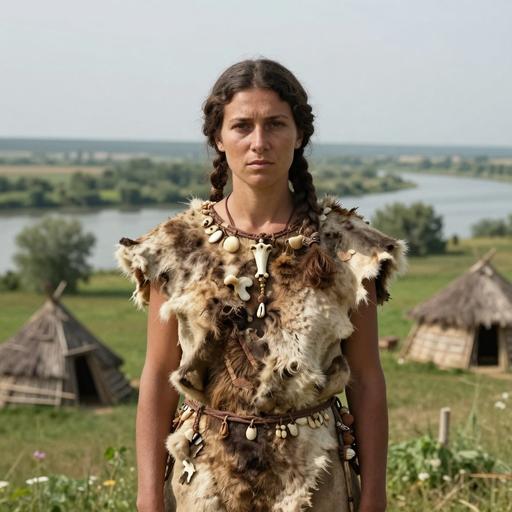
הדיוקנאות הם איורים שנוצרו בבינה מלאכותית. שמות הדגימות ומזהי ההפקדה מזהים את רשומות הייחוס.

דיוקן הדגימה המדינה התקופה התאריך התרבות mtDNA סוג ההתאמה
שחזור אמנותי שנוצר בבינה מלאכותית של הדגימה Iron Gates Mesolithic individual, Padina, Serbia (9,300-5,800 BCE)
מזהה דגימה: I5234
Serbia Serbia IronGates Mesolithic 9300-5800 BCE Iron Gates Culture U4a7 התאמה ישירה
ענף אימהי · DNA קדום

מפת ראיות קדומות לענף השושלת

עקבו אחר ענפי המקור המובילים לענף זה, וגלו היכן נמצאו הדגימות הקדומות הקשורות אליו.

טוען תצפיות קדומות...

הסימונים מציינים מקומות מציאה ארכאולוגיים. קו מקווקו הוא מעבר גאוגרפי מוצע ולא ודאי בין ענפים עוקבים, הנתמך בכמה תצפיות מתוארכות. אין זה מסלול מדויק, מקום לידה או הוכחה לירידה ישירה. דגימות מענפי המקור עשויות להשתייך לענפי צאצאים אחרים. הפערים נשארים במקום שבו הראיות אינן מספיקות. תאריכי הדגימות שונים מתאריכי היווצרות ההפלוגרופ.

פרופיל הייחוס

מפת תפוצת הדגימות

התפוצה הגאוגרפית של דגימות דנ"א עתיק בהתאמה ישירה לקבוצה U4A7 או לתת-הענפים שלה. מספר דגימות: 1

דגימה בהתאמה ישירה
סינון לפי תקופה
כל התקופות
כל הדגימות מוצגות
פרופיל הייחוס

תפוצה בזמן

תפוצת הדגימות על פני התקופות הארכאולוגיות

פרופיל הייחוס

תפוצה גאוגרפית

מספר הדגימות לפי המדינה המתועדת שלהן. הספירות משקפות את דגימות הייחוס הזמינות, בלי למדוד את תדירות הקבוצות ההפלוגרופיות באוכלוסייה.

פרופיל הייחוס

תפוצת הדגימות לפי מדינה ותקופה

השוו את מספר הדגימות המתועדות לפי מדינות ותקופות ארכאולוגיות. בחרו תא עם תוצאות כדי לראות אחת מהדגימות.

הנתונים

הנתונים ומקורותיהם

מידע על המקורות ואיכות הנתונים

עדכון אחרון 2026-02-16
רמת ביטחון 50/100
כיסוי Low

מקור הנתונים

הסיווג, התאריכים המשוערים וההקשר הגאוגרפי משקפים את נתוני הייחוס המתועדים, והם עשויים להשתנות כשהראיות נבדקות מחדש. כיסוי הדגימות משתנה, ומיקומים מתועדים וקשרים ארכאולוגיים אינם מוכיחים מוצא אישי או זהות תרבותית.