דילוג לתוכן הראשי
תיקי DNA

Argaric Murcia: Bronze Age Echoes

Five genomes from Murcia link hilltop strongholds to shifting Bronze Age lineages

2021 CE - 1000 BCE
Southeast Iberia (Murcia, Spain)

הסיפור

Ancient DNA from five Bronze Age individuals (2021–1000 BCE) at Argaric sites in Murcia illuminates male-biased lineage signals and maternal continuity within the dynamic Argaric horizon of southeast Iberia. Conclusions are preliminary given small sample size.

Time Period

2021–1000 BCE

Region

Southeast Iberia (Murcia, Spain)

Common Y-DNA

R (3 of 5 samples)

Common mtDNA

T, K1a, J, H, K

ציר הזמן

2200 BCE

Rise of Argaric networks

The Argaric cultural horizon consolidates hilltop settlements and metallurgical production in southeast Iberia, forming the social backdrop for later Bronze Age genetic changes.

Origins & Emergence

The Argaric world rose like a constellation of fortified hilltops across southeast Iberia. Archaeological data indicates an intensification of settlement, metallurgy and social centralization during the Bronze Age; the classical Argaric phase is often dated c. 2200–1500 BCE, though the genomic material described here falls between 2021 and 1000 BCE and therefore samples both late Argaric and subsequent local trajectories.

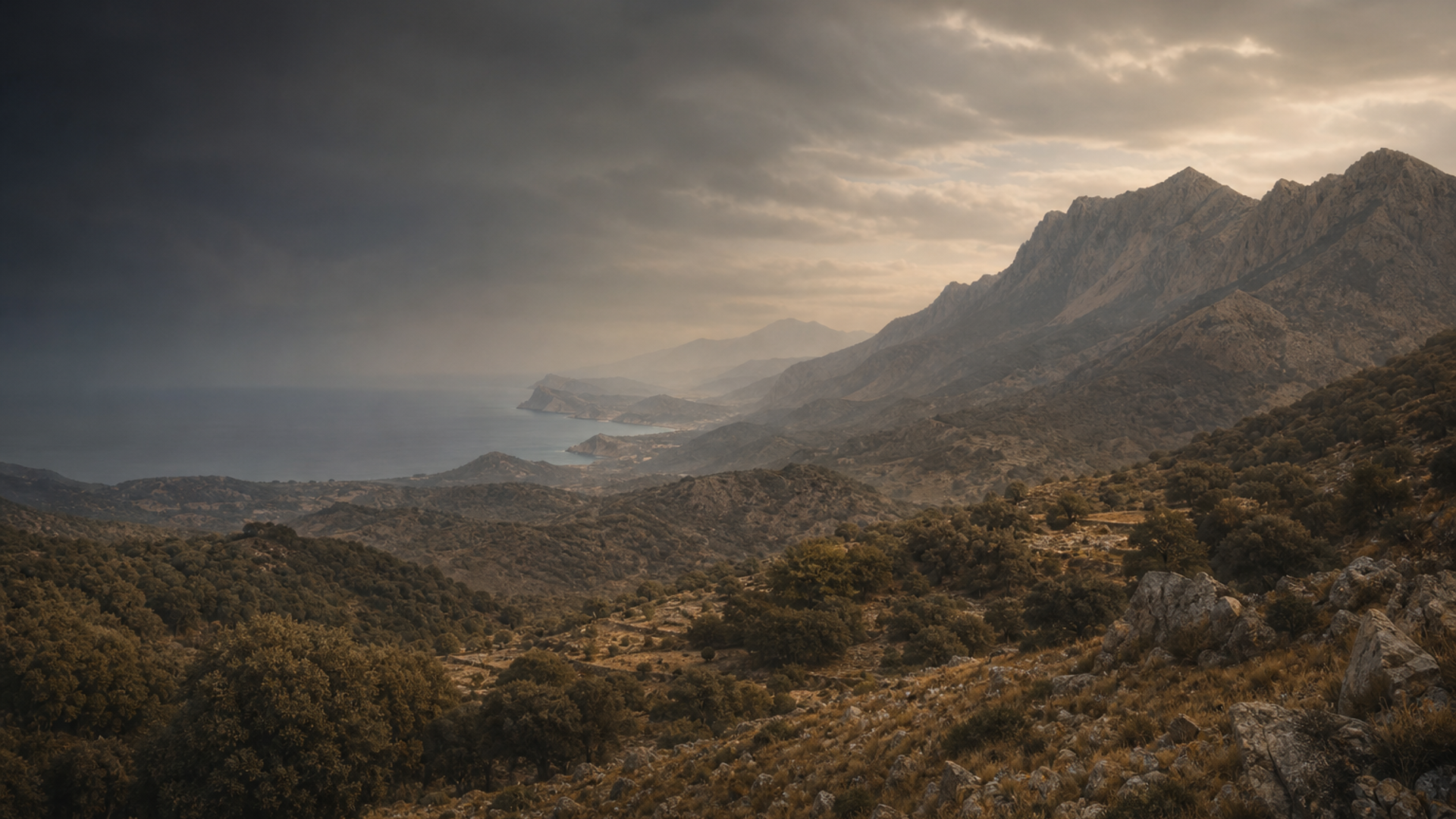
At the scale of place, sites sampled for DNA — Cerro del Morrón (Moratalla) and two cemeteries or habitation-associated deposits in Lorca (Los Tintes; Madre Mercedarias Iglesias) — anchor these genomes to Murcia’s rugged landscape. Excavations at Cerro del Morrón have revealed terraced, defensible settlements and material culture consistent with Argaric networks, while Lorca yields domestic and funerary traces that speak to community organization.

Limited evidence suggests a pattern of regional interaction: trade in copper and bronze, shared pottery styles, and the spread of architectural forms link these sites into a broader economic and social web. However, the archaeological record is patchy in places, and the genetic sample set is small; therefore, interpretations about origins must remain cautious and framed as working hypotheses rather than settled fact.

  • Samples come from Cerro del Morrón and two Lorca localities in Murcia
  • Fits within the broader Argaric trajectory (traditionally c. 2200–1500 BCE)
  • Archaeological data indicates intensified metallurgy and fortified settlements

Daily Life & Society

The lived world of Argaric communities was tactile and hard-won: terraced houses clinging to slopes, hearths that warmed rooms thick with craft debris, and workshops where copper and bronze were hammered into blades, pins and fine ornaments. Archaeological evidence indicates differentiated burial goods at some Argaric cemeteries — a tangible trace of emerging social inequality — with richer assemblages implying status differentiation within and between settlements.

Small fortified centers like Cerro del Morrón likely functioned as local hubs for redistribution and craft specialization. Domestic middens, sherd scatters and workshop loci at Los Tintes and Madre Mercedarias Iglesias reveal everyday practices: cooking, textile working, and metal production. The rhythm of life was shaped by seasonal farms, control of nearby mineral resources, and the demands of regional exchange.

Limited evidence suggests that households varied widely in wealth and access to imported goods, but the pattern is not uniform across sites. Mortuary practices at Argaric sites reflect this variability: some burials are modest, others include metal implements or ornaments. Such material contrasts, read alongside the genetic data, hint at complex interactions of kinship, status and mobility.

  • Presence of metallurgy and craft specialization at hilltop centers
  • Burial variability suggests emerging social stratification

Genetic Profile

Five genomes (N = 5) from Murcia provide a small but revealing window into Argaric-era population dynamics. Y-chromosome lineages are dominated by R in three individuals, while mitochondrial diversity includes haplogroups T, K1a, J, H and K.

This pattern — a concentration of R-lineages on the male side alongside a range of typical European maternal lineages — is consistent with broader Bronze Age trends in Iberia, where genome-wide studies have documented increased ancestry related to steppe-derived populations in some contexts. In many published regional datasets, R-bearing Y-lineages (frequently R1b in other Bronze Age contexts) accompany such genetic turnovers, raising the possibility of male-mediated gene flow into southeast Iberia during or after the early Bronze Age. Crucially, the mtDNA set here preserves lineages (H, J, K, T) that are common in earlier Neolithic and Chalcolithic Iberia, suggesting partial maternal continuity even amid incoming ancestry components.

Because the sample count is low (<10), these signals must be treated as preliminary. They point toward sex-biased admixture and layered demographic history, but additional samples across time and space are required to resolve timing, sources and social patterns of movement.

  • Three of five males carry Y haplogroup R — possible indicator of male-mediated influx
  • Diverse mtDNA (H, J, K, T) suggests maternal continuity with earlier Iberian populations

Legacy & Modern Connections

The archaeological and genetic threads from these Murcian sites weave into the long tapestry of Iberian prehistory. Elements of Argaric social organization — craft specialization, regional hubs, and unequal burial expression — foreshadow later patterns in Iberian society. Genetically, the mixture of male-skewed R-lineages and persistent maternal haplogroups offers a plausible mechanism for how Bronze Age mobility reshaped lineages while retaining deep local maternal roots.

For modern ancestry consumers, these data illuminate one chapter of southeast Iberia’s past: they show that some genetic components present in later populations may trace to Bronze Age movements and local continuity alike. Yet direct lines of descent are complex; archaeological context and the small number of samples demand caution. Continued integration of excavation data and expanded aDNA sampling will refine how these Bronze Age stories connect to the present.

  • Argaric social and craft practices influenced later regional developments
  • Genetic mix hints at Bronze Age mobility layered above maternal continuity

עוזר הבינה המלאכותית

עוזר הבינה המלאכותית מאת DNA Genics

פתיחת התכונה הזו
שאלו שאלות על תרבות Argaric Murcia: Bronze Age Echoes. העוזר יכול להסביר ממצאים גנטיים, הקשר היסטורי, ראיות ארכאולוגיות וקשרים לעת המודרנית.
דוגמה לניתוח בבינה מלאכותית

מבט על תרבות Argaric Murcia: Bronze Age Echoes

דגימות DNA קדום עוזרות לחוקרים לחקור דפוסי נדידה וקשרים גנטיים בין אוכלוסיות קדומות.

זו תצוגה מקדימה של הניתוח. העוזר המלא מאפשר לעיין בנושאים הבאים:

  • הרכב גנטי ודמיון גנטי
  • דפוסי נדידה ומקורות
  • חיי יומיום ומנהגים תרבותיים
  • קשרים גנטיים בני זמננו