דילוג לתוכן הראשי
תיקי DNA

Belize 4,000 Years Ago — Mayahak Cab Pek

Two ancient individuals from coastal Belize offer a glimpse into life and ancestry circa 2200–1800 BCE.

2204 CE - 1778 BCE
Belize (Mayahak Cab Pek)
2 דגימות קדומות

הסיפור

Archaeological and genetic data from two individuals at Mayahak Cab Pek, Belize (2204–1778 BCE), link coastal subsistence and early Mesoamerican lineages. mtDNA haplogroups A and C appear; conclusions remain tentative due to very small sample size.

Time Period

2204–1778 BCE

Region

Belize (Mayahak Cab Pek)

Common Y-DNA

Undetermined (no robust Y-DNA signal)

Common mtDNA

C (1), A (1)

מיקומי הדגימות

המפה האינטראקטיבית אינה זמינה. אפשר לראות את המיקומים הרשומים בקטלוג הדגימות.

ציר הזמן

2500 BCE

Early coastal lifeways at Mayahak Cab Pek

Shell middens and hearths indicate sustained coastal resource use and small household communities along Belize's lagoons.

Origins & Emergence

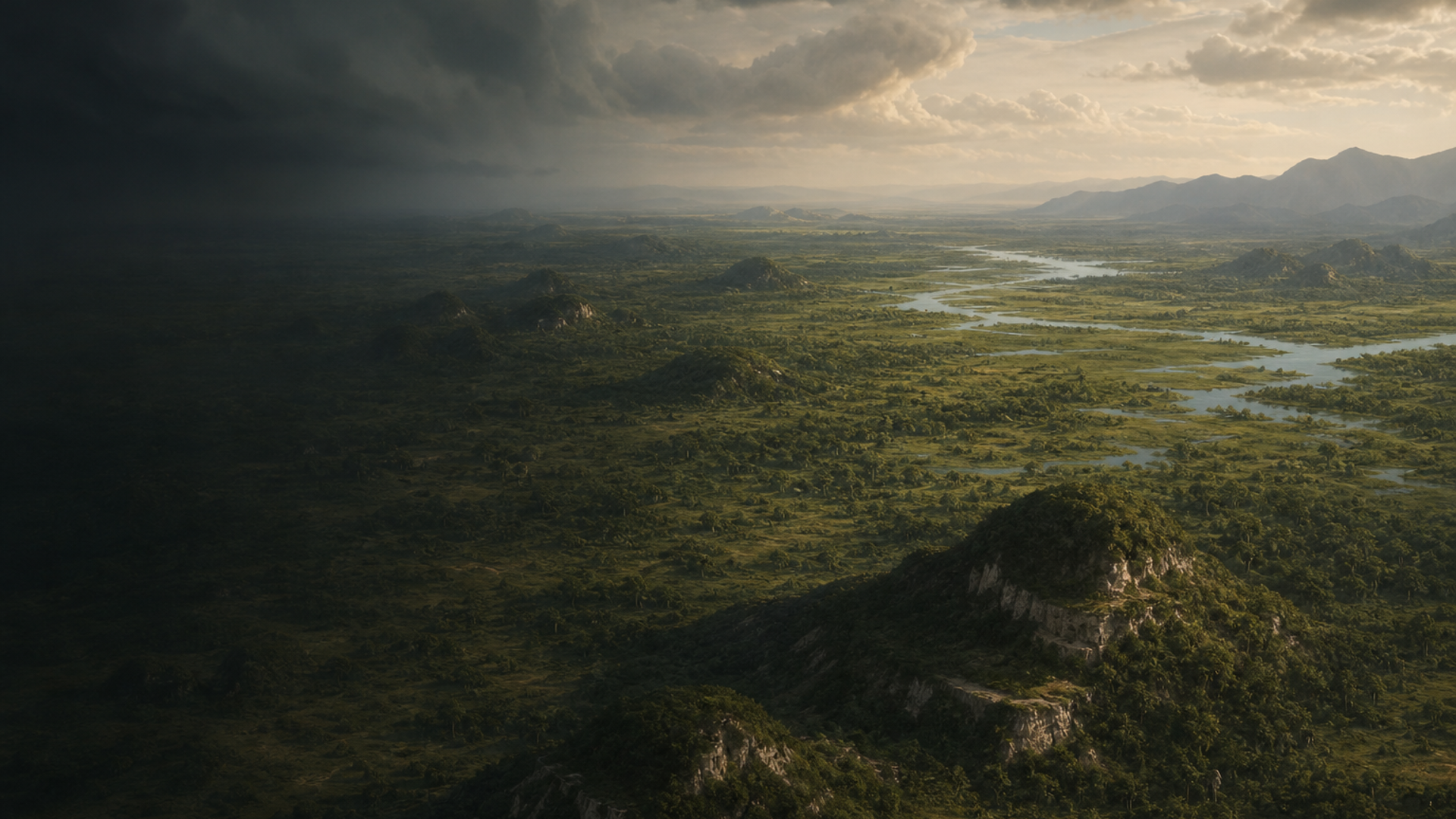
Along the limestone ridges and lagoons of northern Belize, stratified deposits at Mayahak Cab Pek preserve the hush of a coastal world changing between 2200 and 1800 BCE. Archaeological data indicates small coastal forager-fisher communities were exploiting marine and estuarine resources while experimenting with domesticated plants. The material traces — shell middens, hearths, and modest lithic concentrations — suggest localized, low-density settlement rather than large nucleated sites.

Genetically, the two individuals from Mayahak Cab Pek fall within the broader tapestry of early Native American lineages. Their mitochondrial profiles (one A, one C) are consistent with pan-American maternal haplogroups known from much larger ancient and modern datasets, indicating deep-rooted maternal ancestries that trace back to the first millennia of the Holocene migrations into the Americas. Limited evidence suggests continuity with other early coastal populations in Mesoamerica, but the picture remains blurry: with only two samples, any inference about population turnover, migration, or local continuity is provisional.

  • Site: Mayahak Cab Pek, Belize — coastal/lagoon context
  • Dates: 2204–1778 BCE (radiocarbon-calibrated range)
  • Evidence points to small, mobile coastal communities experimenting with plants and intensive marine resource use

Daily Life & Society

Imagine dawn over mangroves: small boats slipping into protected waters, baskets filled with shellfish and fish, hearths smoking as families process food. Archaeological indicators from Mayahak Cab Pek — especially shell middens, fragmented fish bone, and occasional ground-stone tools — paint a picture of subsistence focused on estuarine resources with nascent cultivation of local domesticates.

Material culture is modest and pragmatic. The absence of large public architecture or dense ceramic assemblages in the sampled horizons suggests social groups organized at a household or kin level, with seasonal mobility and exchange networks along the coast. These lifeways create the ecological and demographic backdrop against which genetic lineages persisted and mixed.

Caution: preservation biases favor durable items like shell and stone, so organic craft and textile practices remain largely invisible in the current record.

  • Diet dominated by coastal and estuarine resources with early plant use
  • Household-scale communities, seasonal mobility, and coastal exchange networks

Genetic Profile

The genetic dataset from Belize_4000BP currently comprises two individuals recovered from Mayahak Cab Pek dated between 2204 and 1778 BCE. Both yielded mitochondrial DNA: one carried haplogroup C and the other haplogroup A — two of the principal maternal lineages widespread across ancient and modern Native American populations. These mtDNA assignments align with established models of early peopling where haplogroups A, B, C, D, and X appear repeatedly across the Americas.

No robust common Y-DNA haplogroup is reported for this sample set, so paternal-line inferences are not yet possible. Given the very small sample count (n = 2), population-level conclusions must be treated as preliminary: these two maternal lineages show that deep Native American maternal ancestry was present on the Belizean coast by ~4,000 years ago, but they do not resolve questions of migration directionality, local continuity, or genetic structure within Mesoamerica.

Archaeology and ancient DNA together suggest continuity of founding maternal lineages through the mid-Holocene in the region, while the absence of Y-DNA and autosomal context cautions against overinterpretation. Expanded sampling and genome-wide data would be needed to test hypotheses about demographic shifts, admixture, and kinship patterns.

  • mtDNA: haplogroups C and A present — consistent with pan-American maternal lineages
  • Sample count is very small (n=2); conclusions about population structure are preliminary

Legacy & Modern Connections

The whisper of these two mitochondrial lineages reaches into the present: haplogroups A and C are still found across indigenous populations of Mesoamerica and the broader Americas. Archaeological continuity in coastal resource use and emerging cultivation practices may have helped sustain lineages locally, contributing to the long arc of Native American ancestry in Belize.


However, linking these ancient individuals directly to particular modern communities is not currently possible with the available data. Genetic continuity is plausible at broad scales, but finer connections require larger sample sizes, autosomal genome-wide comparisons, and collaboration with descendant communities to interpret cultural continuity.

These early coastal occupants remind us that the story of Belize 4,000 years ago is one of resilience and adaptation — a chapter that is being gradually revealed as archaeology and archaeogenetics converge.

  • Maternal lineages (A and C) persist in the Americas, suggesting broad continuity
  • Direct ties to modern groups require more samples, genome-wide data, and community collaboration

קטלוג הדגימות

2 / 2 דגימות
תמונה דגימה מדינה תקופה תאריך תרבות מין Y-DNA mtDNA
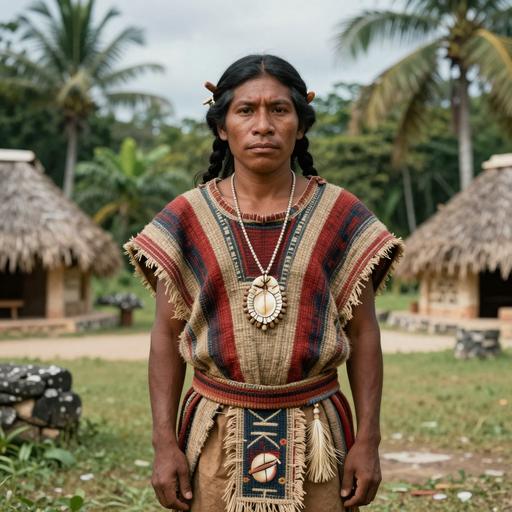
שחזור אמנותי שנוצר בבינה מלאכותית של Archaic Maya individual, Belize
Belize Belize_4000BP 2017-1778 calBCE (3565±25 BP, PSUAMS-4292) Maya Civilization M Q-M3 C1c4
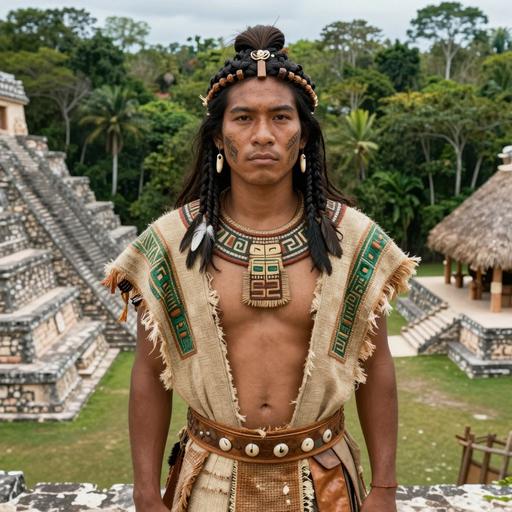
שחזור אמנותי שנוצר בבינה מלאכותית של Archaic Maya individual, Belize
Belize Belize_4000BP 2204-2038 calBCE (3735±20 BP, PSUAMS-2681) Maya Civilization M Q-M3 A2+(64)+@16111

עוזר הבינה המלאכותית

עוזר הבינה המלאכותית מאת DNA Genics

פתיחת התכונה הזו
שאלו שאלות על תרבות Belize 4,000 Years Ago — Mayahak Cab Pek. העוזר יכול להסביר ממצאים גנטיים, הקשר היסטורי, ראיות ארכאולוגיות וקשרים לעת המודרנית.
דוגמה לניתוח בבינה מלאכותית

מבט על תרבות Belize 4,000 Years Ago — Mayahak Cab Pek

דגימות DNA קדום עוזרות לחוקרים לחקור דפוסי נדידה וקשרים גנטיים בין אוכלוסיות קדומות.

זו תצוגה מקדימה של הניתוח. העוזר המלא מאפשר לעיין בנושאים הבאים:

  • הרכב גנטי ודמיון גנטי
  • דפוסי נדידה ומקורות
  • חיי יומיום ומנהגים תרבותיים
  • קשרים גנטיים בני זמננו