דילוג לתוכן הראשי
תיקי DNA

Lena River Bronze Age Echoes

Sparse Bronze Age communities along the Lena—archaeology and DNA reveal northern Eurasian roots.

2577 CE - 1749 BCE
Siberia — Cis-Baikal, Lena River (Russia)

הסיפור

Archaeological and aDNA evidence from three Bronze Age burials (2577–1749 BCE) along the Lena River (Zvjozdochka, Shishkino N1, Silinskij) point to Siberian Y-haplogroup Q and diverse maternal lineages (D, F, C). Limited samples mean conclusions remain preliminary.

Time Period

2577–1749 BCE

Region

Siberia — Cis-Baikal, Lena River (Russia)

Common Y-DNA

Q (2 of 3 samples)

Common mtDNA

D, F, C (one each)

ציר הזמן

2500 BCE

Riverine burials and aDNA snapshot

Around 2500 BCE, burials at Zvjozdochka, Shishkino N1, and Silinskij preserve human remains that provide the only current aDNA window into Lena River Bronze Age populations.

Origins & Emergence

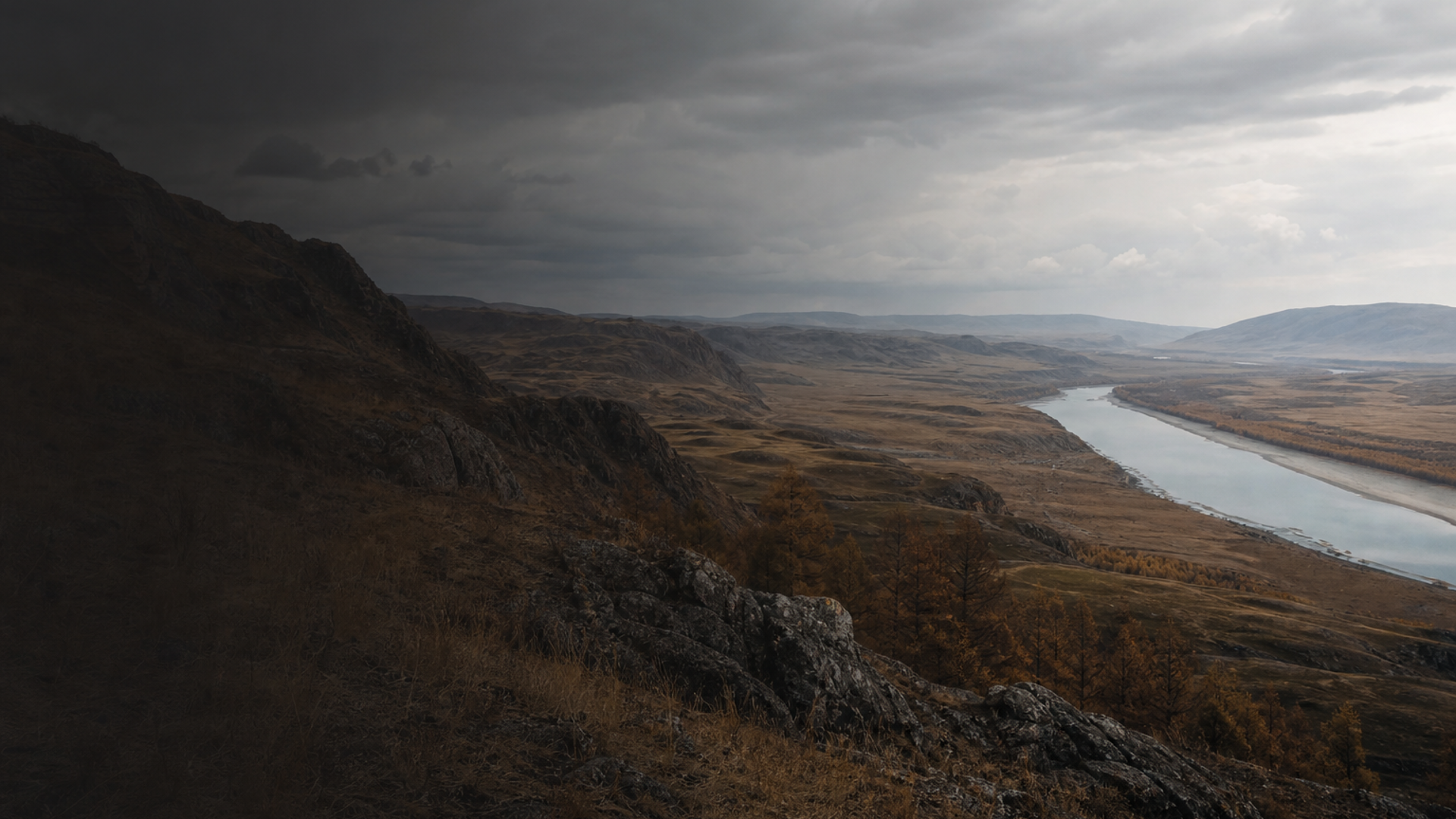
The Lena River Bronze Age assemblage occupies a twilight landscape where ice-age legacies met expanding Bronze Age lifeways. Archaeological data from three burial contexts — Zvjozdochka, Shishkino N 1, and the Silinskij burial site in the Cis-Baikal region — date between 2577 and 1749 BCE. These sites sit along the great artery of the Lena, a corridor for mobility, resources, and cultural exchange.

Material remains recovered in the broader Cis-Baikal zone suggest riverine and lakeside settlement patterns with seasonal movement. Limited evidence from the specific Lena River burials includes human remains in inhumation contexts; detailed artifact inventories are sparse. Archaeological indications point to local communities adapting Bronze Age technologies and social practices to a northern, forest-steppe environment rather than wholesale adoption of southern agricultural lifeways.

Caution is necessary: three dated burials provide only a narrow window into population history. They hint at an emergent regional identity shaped by riverine economies and contacts across Siberia, but the archaeological record remains fragmentary. Future excavations and contextual analyses are essential to trace how these Lena River groups fit into wider Bronze Age networks across Eurasia.

  • Sites: Zvjozdochka, Shishkino N 1, Silinskij burial site
  • Dates: 2577–1749 BCE (radiocarbon range for samples)
  • Environment: riverine Cis-Baikal — seasonal mobility and resource focus

Daily Life & Society

The Lena's currents sculpted livelihoods. Archaeological inference suggests communities relied on abundant freshwater fish, wild game (moose, deer, small mammals), and gathered plant foods. Settlement traces in the wider Cis-Baikal region indicate seasonal camps and shelters tuned to migratory and spawning cycles rather than dense, permanent villages.

Burial practice provides a rare window into social life. The three Lena River burials preserve human remains whose mortuary placement and any grave goods (where reported) suggest localized traditions with potential status differences, though the small sample inhibits broad generalizations. On a regional scale, occasional bronze objects and worked bone items in Baikal contexts show metal was known and incorporated into local material culture, likely in limited amounts and perhaps as prestige goods.

Craft, exchange, and mobility likely defined daily rhythms: fishing technology, hide-working, and small-scale woodworking; sporadic long-distance contacts may have brought exotic materials. Archaeological data indicates a flexible subsistence economy resilient to the northern climate, but many details remain tentative until larger, well-documented assemblages are recovered.

  • Riverine economy: fishing, hunting, gathered foods
  • Mobility: seasonal camps and resource-focused movement

Genetic Profile

Ancient DNA from three individuals dated to 2577–1749 BCE gives a snapshot of Lena River population affinities. Two males carry Y-chromosome haplogroup Q — a lineage with deep roots in Siberia that is also ancestral to many Native American paternal lines. Maternal diversity is represented by mtDNA haplogroups D, F, and C, lineages commonly found across northern and eastern Asia and frequently seen in prehistoric Siberian assemblages.

These genetic markers align with an interpretation of continuity with earlier Siberian populations, reflecting long-term occupation and local ancestry components in the Cis-Baikal. At the same time, haplogroup Q's presence does not by itself determine the extent of external contacts; Q is widespread and diverse, and its sublineages can reflect different migration episodes. The mtDNA trio (D, F, C) shows maternal heterogeneity within the small sample.

Crucially, the sample count is three (<10), so population-level statements are preliminary. Limited sampling increases the risk that observed haplogroups reflect family or micro-regional patterns rather than widespread demographic structures. Archaeogenetic interpretation must therefore remain cautious: these genomes are compelling vignettes, not comprehensive portraits. Expanded aDNA sampling and genomic analysis will be necessary to resolve ancestry proportions, possible admixture with neighboring groups, and temporal change along the Lena corridor.

  • Two males with Y-haplogroup Q — ties to ancient Siberian lineages
  • Maternal haplogroups D, F, C show northern/eastern Asian affinities; sample size is small

Legacy & Modern Connections

The genetic echoes from the Lena River Bronze Age persist in modern Eurasia. Haplogroup Q and mtDNA lineages D, F, and C continue to appear among contemporary Siberian populations and, in the case of paternal Q, across the Americas — a reminder of deep prehistoric links that span continents. Archaeological continuity in settlement patterns and subsistence strategies suggests that riverine lifeways in the Cis-Baikal contributed to long-term cultural mosaics in northern Asia.

However, connecting specific ancient burials to modern ethnic groups is fraught; millennia of migration, admixture, and cultural change complicate direct lineage claims. Given the preliminary nature of the Lena River aDNA (three samples), observed genetic affinities should be treated as suggestive. Continued interdisciplinary work — more skeletal sampling, refined radiocarbon models, and integrated archaeological context — will enrich our understanding of how these Bronze Age communities relate to the living peoples of Siberia and beyond.

  • Haplogroup Q and mtDNA D/F/C endure in Siberia and related populations
  • Direct links to modern groups remain tentative until more data are available

עוזר הבינה המלאכותית

עוזר הבינה המלאכותית מאת DNA Genics

פתיחת התכונה הזו
שאלו שאלות על תרבות Lena River Bronze Age Echoes. העוזר יכול להסביר ממצאים גנטיים, הקשר היסטורי, ראיות ארכאולוגיות וקשרים לעת המודרנית.
דוגמה לניתוח בבינה מלאכותית

מבט על תרבות Lena River Bronze Age Echoes

דגימות DNA קדום עוזרות לחוקרים לחקור דפוסי נדידה וקשרים גנטיים בין אוכלוסיות קדומות.

זו תצוגה מקדימה של הניתוח. העוזר המלא מאפשר לעיין בנושאים הבאים:

  • הרכב גנטי ודמיון גנטי
  • דפוסי נדידה ומקורות
  • חיי יומיום ומנהגים תרבותיים
  • קשרים גנטיים בני זמננו